This Florida Heritage Village Brings Historic Homes and Old-Time Exhibits Together for a Family-Friendly Day
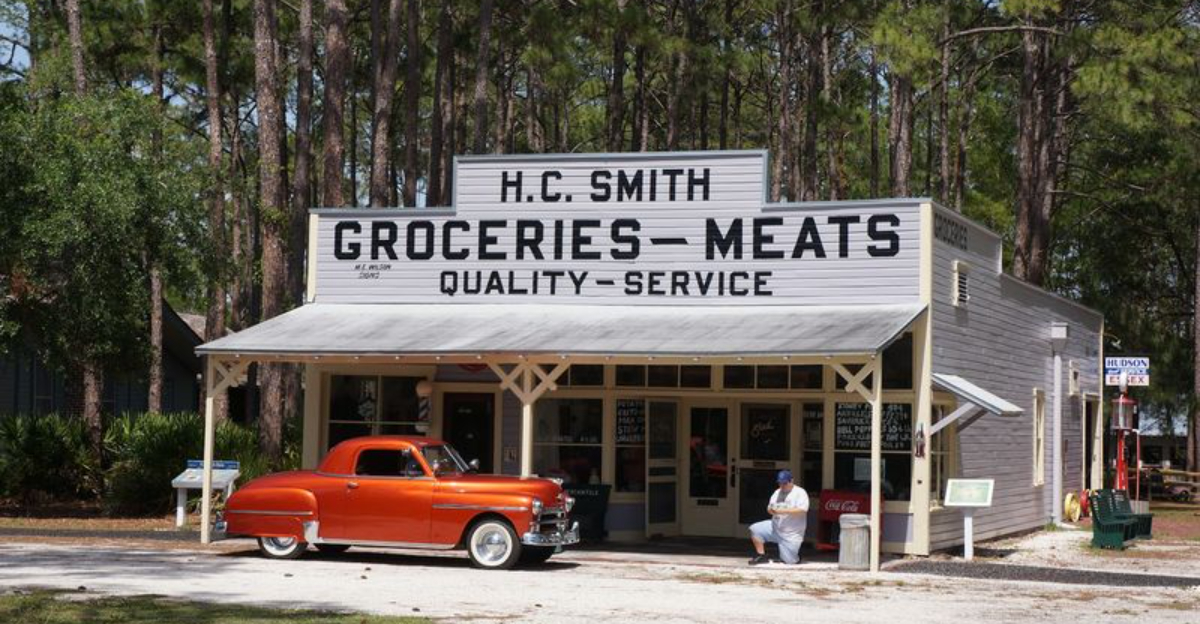
Tucked away in Largo, Heritage Village offers a rare chance to step back in time without leaving Pinellas County. This free outdoor museum brings together over 30 historic buildings from the late 1800s and early 1900s, all carefully restored and filled with period details that make Florida’s past feel real. Families can wander through old homes, peek inside a working general store, and explore everything from a one-room schoolhouse to a vintage auto garage, all while learning what life was like for early settlers in the Sunshine State.
1. Step Into Authentic Historic Buildings
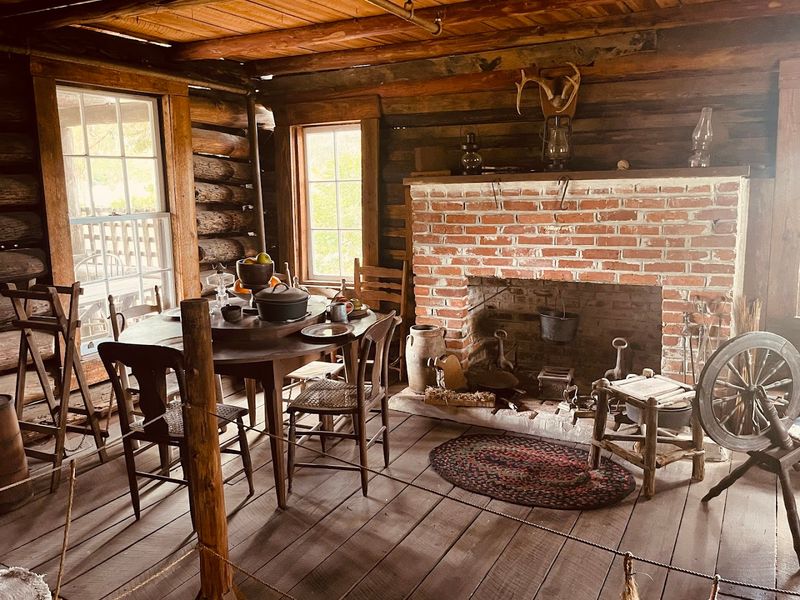
Walking through Heritage Village feels like discovering a secret time portal right off 125th Street. More than 30 authentic structures dot the property, each one relocated from its original site and painstakingly restored to reflect life in early Florida. You’ll find everything from humble pioneer homes with hand-hewn beams to a stately Victorian house with wrap-around porches and intricate woodwork.
What sets this place apart is how lived-in everything feels. Step inside the McMullen-Coachman Log House, built in 1852, and you’ll see cooking utensils hanging by the hearth and quilts draped over rope beds. The Harris School, a one-room schoolhouse from 1905, still has wooden desks carved with initials and slate boards ready for lessons.
Even the Lowe House, with its early 1900s furnishings, looks like the family just stepped out for Sunday service.
Kids especially love the hands-on elements scattered throughout. They can try on period clothing, imagine attending class in a school with no electricity, or pretend to shop at the general store. Each building tells a different story about how people lived, worked, and built communities in a Florida that existed long before theme parks and beaches became the main draw.
2. Explore the Working General Store
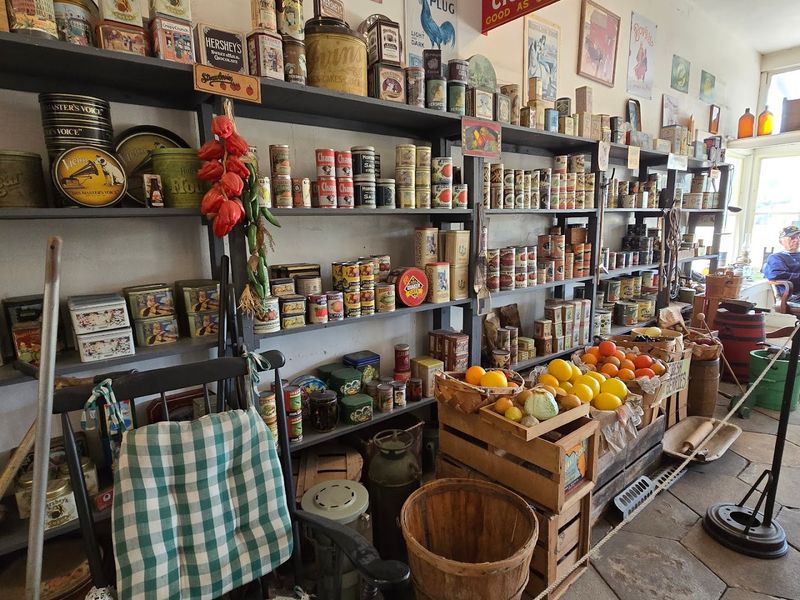
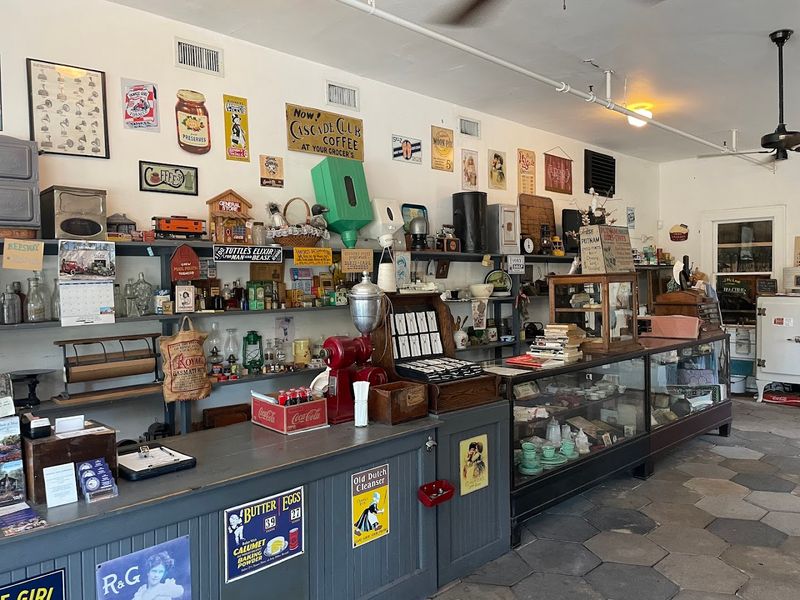
The Sulphur Springs Depot and Mercantile isn’t just for looking—it’s a fully functioning piece of history where you can actually buy a cold drink and a snack. This charming general store stocks glass-bottle Coca-Cola, old-fashioned candies, and quirky souvenirs that feel straight out of a bygone era. The wooden floors creak underfoot, shelves overflow with vintage-style goods, and the whole place smells faintly of wood polish and nostalgia.
Visitors rave about grabbing an ice-cold soda and sipping it on the front porch, just like folks did a century ago. It’s a small touch, but it transforms the experience from passive observation to genuine immersion. You’re not just reading about the past—you’re tasting it.
Beyond the treats, the store doubles as an educational stop. Signs explain how general stores served as community hubs where people gathered for news, supplies, and socializing. You’ll see antique cash registers, old advertising signs, and period-appropriate packaging that show how shopping has changed over the decades.
It’s one of those spots where history feels tangible, not abstract, and where even skeptical teens admit it’s pretty cool to hold a glass Coke bottle that looks like it came from their great-grandparents’ time.
3. Discover the Automotive Repair Garage
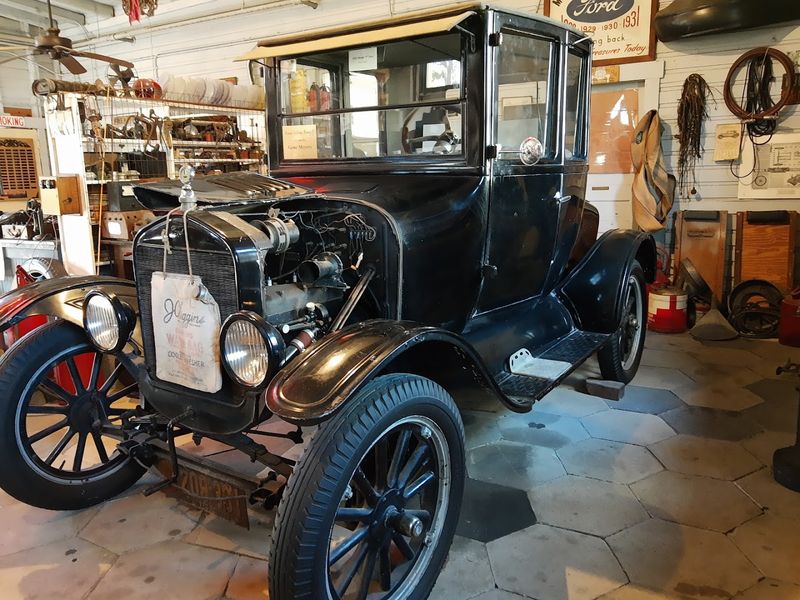
Gearheads and history buffs alike lose track of time inside the Heritage Village Auto Garage. This fully equipped repair shop from the 1920s showcases classic vehicles, vintage tools, and the kind of mechanical ingenuity that kept early Floridians on the road. One reviewer called it “awesome,” and it’s easy to see why—the space feels frozen in time, complete with oil cans, hand-crank tools, and cars that look ready to rumble down a dirt road.
The garage houses several beautifully preserved automobiles that represent different eras of American motoring. You’ll see everything from Model T-era vehicles to slightly later models, all displayed in a setting that helps you understand how revolutionary cars were for rural communities. Before paved highways and air conditioning, driving in Florida meant dealing with sand, heat, and constant breakdowns, making skilled mechanics essential to daily life.
What makes this exhibit special is the storytelling. Placards explain how auto repair shops doubled as social gathering spots where men swapped stories and debated the latest mechanical innovations. Kids can peer under hoods, examine ancient tire pumps, and imagine a world where fixing a car meant getting your hands dirty with real grease and elbow grease, not plugging into a computer diagnostic system.
4. Visit the One-Room Schoolhouse
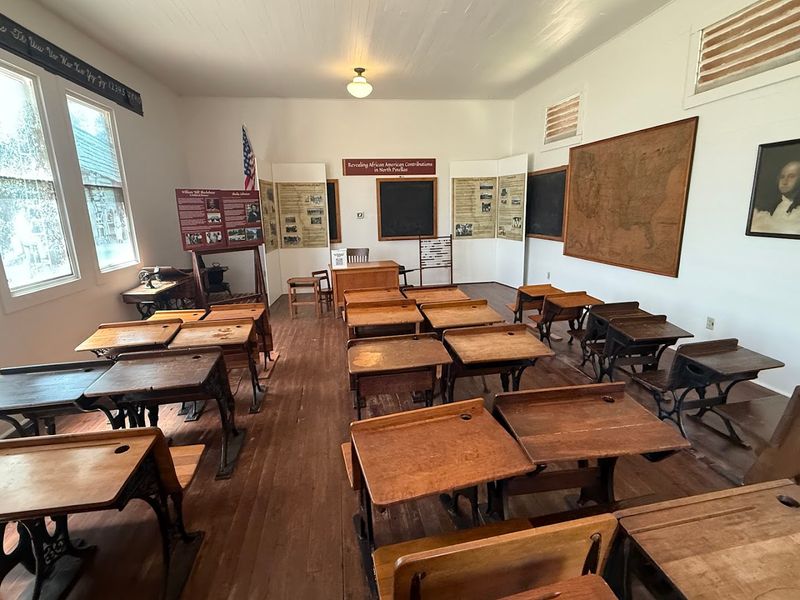
The Harris School offers a fascinating glimpse into education before computers, cafeterias, or even indoor plumbing. Built in 1905, this one-room schoolhouse served students of all ages under a single teacher’s watchful eye. Wooden desks with inkwell holes sit in neat rows, a pot-bellied stove occupies one corner, and the chalkboard still shows lessons in careful cursive handwriting.
Modern kids find the setup almost unbelievable. No air conditioning in Florida heat? No separate grades or classrooms?
Just one teacher managing everyone from first graders learning their ABCs to eighth graders tackling algebra? Yet this setup was standard across rural America, and the Harris School represents how education worked for thousands of Florida children.
The details bring the experience to life. You’ll spot McGuffey Readers, slate tablets for practicing penmanship, and maps showing a very different United States. Some desks bear carved initials from long-ago students—a reminder that kids have always been kids, even when their school day included hauling water and stoking fires.
Parents often find themselves sharing stories about their own school days, creating unexpected moments of connection across generations as everyone marvels at how much has changed in just a few decades.
5. Tour Historic Florida Homes
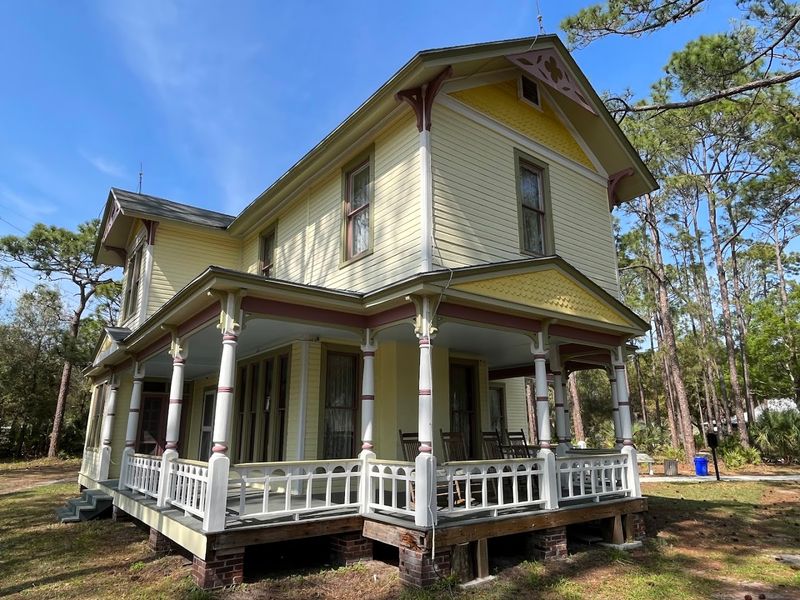
Heritage Village’s collection of historic homes tells the story of Florida’s evolution from frontier outpost to established community. The houses range from humble pioneer cabins to more elaborate Victorian residences, each representing a different economic class and time period. Walking through them in sequence feels like watching Florida grow up before your eyes.
The McMullen-Coachman Log House, dating to 1852, shows how early settlers lived with minimal comforts. Its thick log walls kept out some of the heat, while wide porches provided outdoor living space during sweltering months. Jump forward to the Lowe House from the early 1900s, and you’ll see evidence of increasing prosperity—separate bedrooms, decorative moldings, and furnishings that speak to middle-class aspirations.
Each home is meticulously furnished with period-appropriate items. You’ll see hand-stitched quilts, vintage kitchen implements, washboards and wringers, and furniture styles that reflect changing tastes and available materials. Docents often share stories about the families who originally lived in these structures, adding personal dimensions to the architecture.
One visitor mentioned feeling like spirits might still inhabit the spaces—a testament to how thoroughly the curators have recreated the atmosphere of daily life in early Florida.
6. Experience Docent-Led Tours
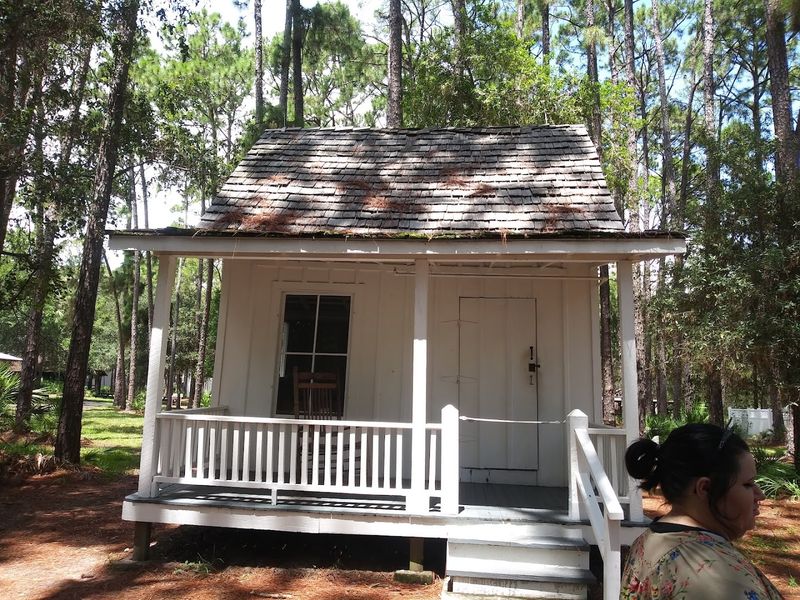
While self-guided exploration has its charms, catching a docent-led tour elevates the Heritage Village experience dramatically. These knowledgeable volunteers bring decades of research and genuine passion to their presentations, transforming buildings from static displays into living stories. Multiple reviewers specifically recommend timing your visit to coincide with docent availability, calling the guided tours “highly recommended” and noting how the narration brings everything to life.
Docents don’t just recite facts—they share colorful anecdotes about the families who lived in these homes, explain the practical challenges of daily life without modern conveniences, and answer questions with encyclopedic knowledge. Want to know how people kept food cold before refrigeration? Curious about what children did for entertainment?
Wondering how communities organized themselves before modern government? The docents have answers, often illustrated with demonstrations or hands-on examples.
The personal touch makes all the difference. One reviewer praised docents Hannah, Larry, and Kerrie by name, highlighting their warmth and professionalism. Another mentioned getting “a nice little narrated tour” that enhanced their understanding of every building.
These aren’t bored employees reading scripts—they’re community members who genuinely care about preserving and sharing local history, and their enthusiasm proves contagious even for visitors who didn’t expect to find history particularly interesting.
7. Enjoy Free Admission and Beautiful Grounds
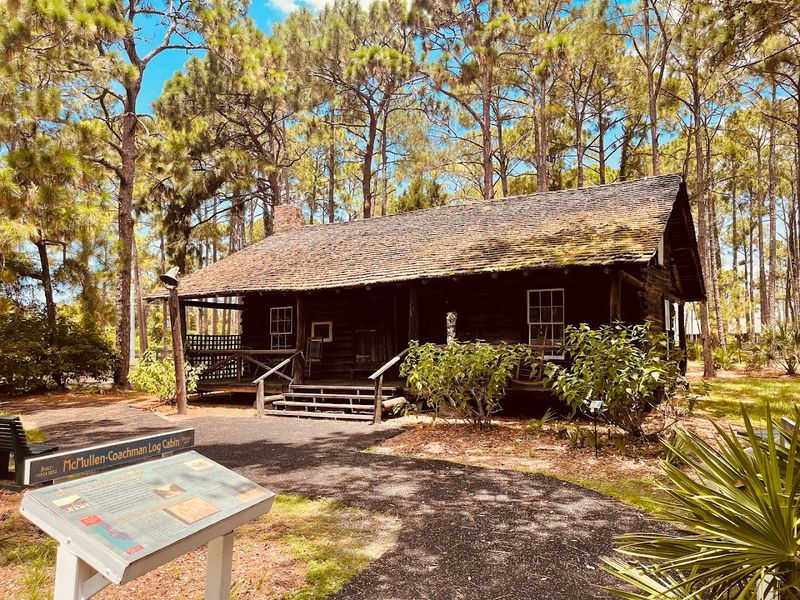
Perhaps the most remarkable thing about Heritage Village is that this high-quality attraction costs absolutely nothing. Free admission, free parking, and hours of entertainment make it an incredible value in an era when theme parks charge triple digits per person. Reviewers repeatedly express shock and gratitude about the no-cost access, with one calling it “a pleasant surprise” and another stating “I’m stunned that this place had no door fee.”
The grounds themselves deserve recognition beyond the buildings. Towering pine trees provide natural shade across the property, making even hot Florida days manageable. The landscaping feels intentionally minimal, preserving the rural character that would have defined these areas in the 1800s.
Wide pathways accommodate wheelchairs and strollers easily, and the flat terrain means even elderly visitors can explore comfortably.
Many guests extend their visit by walking the quiet trail that connects Heritage Village to the adjacent Florida Botanical Gardens. This combination creates an easy full-day outing without requiring a second parking spot or admission fee. The peaceful, well-maintained environment offers exactly the kind of relaxing, educational experience that families crave but rarely find without spending significant money.
It’s the kind of hidden gem that makes locals proud and leaves tourists wishing they’d allocated more time for their visit.
8. Attend Special Events and Demonstrations
Heritage Village transforms from quiet museum to bustling community during its special events and living history demonstrations. Throughout the year, the site hosts programs that showcase traditional crafts, historical reenactments, and hands-on activities that make history tangible for all ages. These events add extra layers of engagement beyond what the static exhibits can provide, giving repeat visitors new reasons to return.
Past events have included blacksmithing demonstrations where sparks fly and metal takes shape under a craftsman’s hammer, quilting circles that show the social side of practical work, and cooking presentations using period-appropriate techniques and recipes. Some programs focus on specific holidays or historical moments, while others highlight skills that kept early communities functioning—everything from butter churning to timber framing.
The calendar varies seasonally, so checking the website or calling ahead helps ensure you catch something special. Many families plan their visits around these events specifically, knowing their kids will remember watching a sheep-shearing demonstration or trying their hand at old-fashioned laundry techniques far longer than they’d remember just walking through empty buildings. The living history approach bridges the gap between past and present, showing that history isn’t just dates and names but real people solving real problems with ingenuity and community cooperation.