This Budget-Friendly Florida Adventure Leads To Weathered Ruins And Quiet Trails
Port Orange hides one of Central Florida’s most charming surprises just off Highway 1. The Dunlawton Sugar Mill Gardens, home to the famous Bongoland Ruins, offers visitors a free escape into history, nature, and whimsy all rolled into one 25-acre property. With shaded trails winding past century-old ruins, quirky dinosaur statues from a forgotten roadside attraction, and lush botanical gardens maintained by dedicated volunteers, this spot proves you don’t need a big budget to have an unforgettable Florida adventure.
1. Free Admission Makes History Accessible
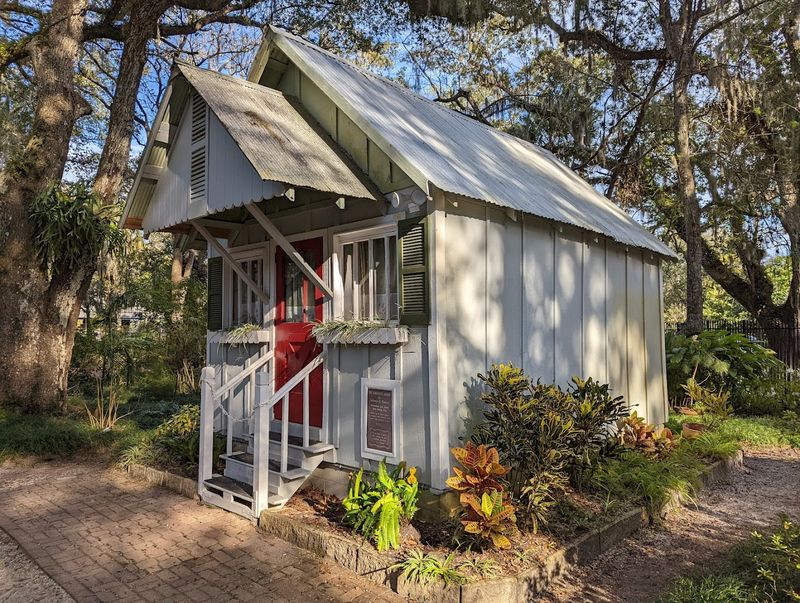
Walking through the gates without reaching for your wallet feels almost too good to be true. This place operates entirely on donations, which means families can explore without worrying about ticket prices eating into their budget. A simple red donation box sits near the entrance for those who want to contribute, but nobody’s checking receipts or scanning wristbands.
The parking lot across the street offers plenty of free spaces, though it can fill up on beautiful weekend mornings. Restrooms near the entrance stay clean and well-stocked, another pleasant surprise at a free attraction. Grab a map from the green mailbox just inside the gate to help navigate the various trails.
Operating hours run from 8 AM to 5 PM daily, giving visitors flexibility to stop by before or after other Port Orange activities. The volunteer-run operation depends on community support and the Audubon Society’s involvement. Some botanical gardens charge $15 or more per person, making this genuinely budget-friendly alternative stand out.
Accessibility matters here too, with wheelchair-friendly paths throughout most of the property. The gravel trails stay level and well-maintained, so strollers roll smoothly along the routes.
2. Sugar Mill Ruins Tell Stories From the 1830s
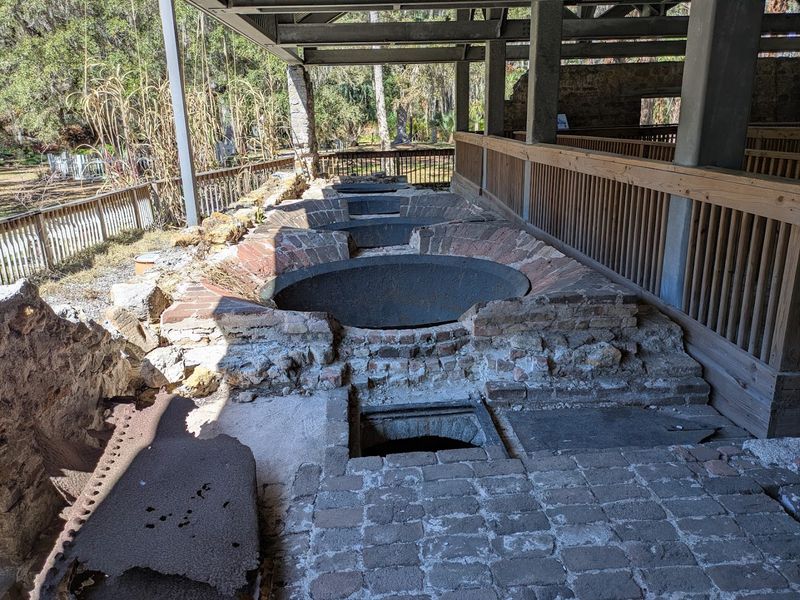
Standing before the crumbling coquina walls transports you straight back to Florida’s territorial days. Built in the 1830s by John Addison and his brother, this sugar mill processed cane from surrounding plantations before Seminole conflicts forced its abandonment. The remaining structures show impressive engineering for their era, with thick stone walls that have weathered nearly two centuries of Florida weather.
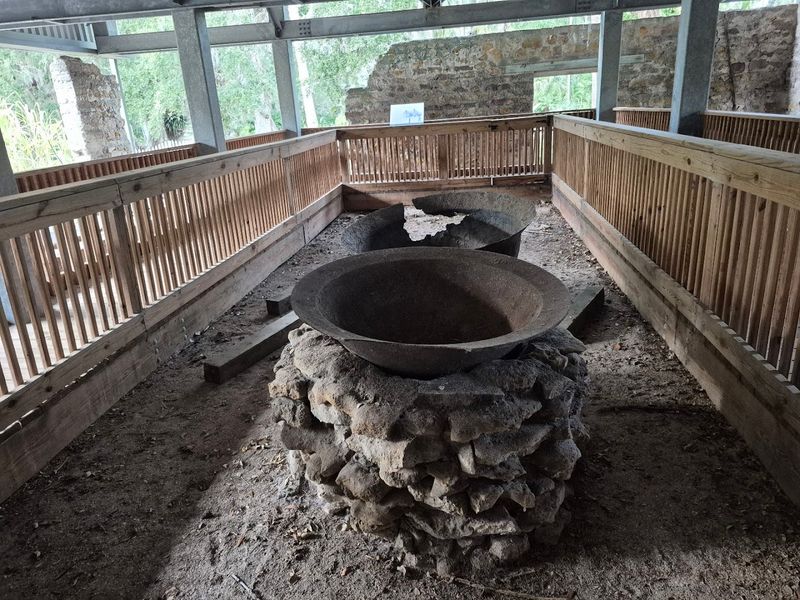
Interpretive signs scattered around the ruins explain how the mill operated and what life looked like for those who worked here. The machinery’s gone, but you can still trace where massive grinding stones crushed sugarcane and where boiling kettles rendered juice into crystallized sugar. Walking through the archways and examining the stonework up close brings textbooks to life in ways classrooms never could.
Photography enthusiasts love these ruins, especially during golden hour when sunlight filters through the live oak canopy. The contrast between weathered stone and vibrant botanical plantings creates stunning compositions. Kids enjoy scrambling around the structures, imagining what this bustling operation must have sounded and smelled like during harvest season.
Historical accuracy matters to the site’s caretakers, who’ve researched extensively to present factual information about the mill’s operations and the broader context of Florida’s sugar industry during this period.
3. Bongoland’s Dinosaurs Add Whimsical Charm
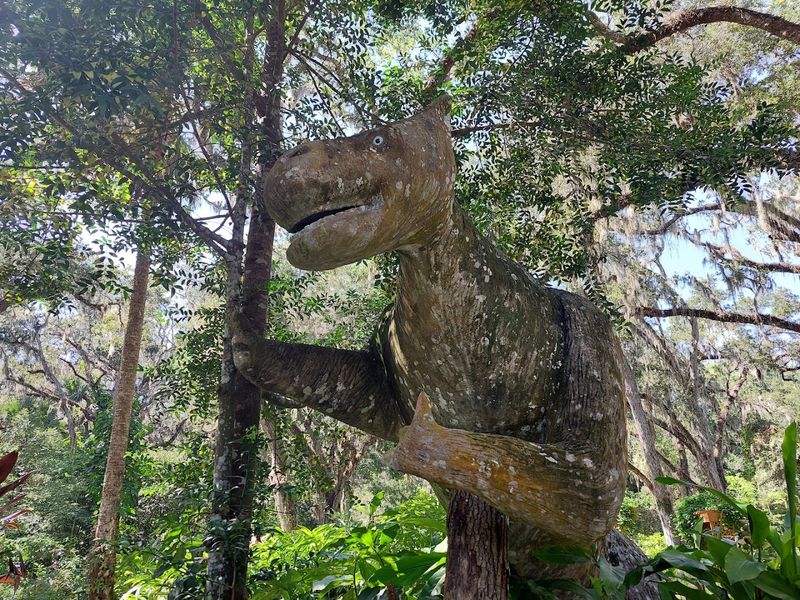
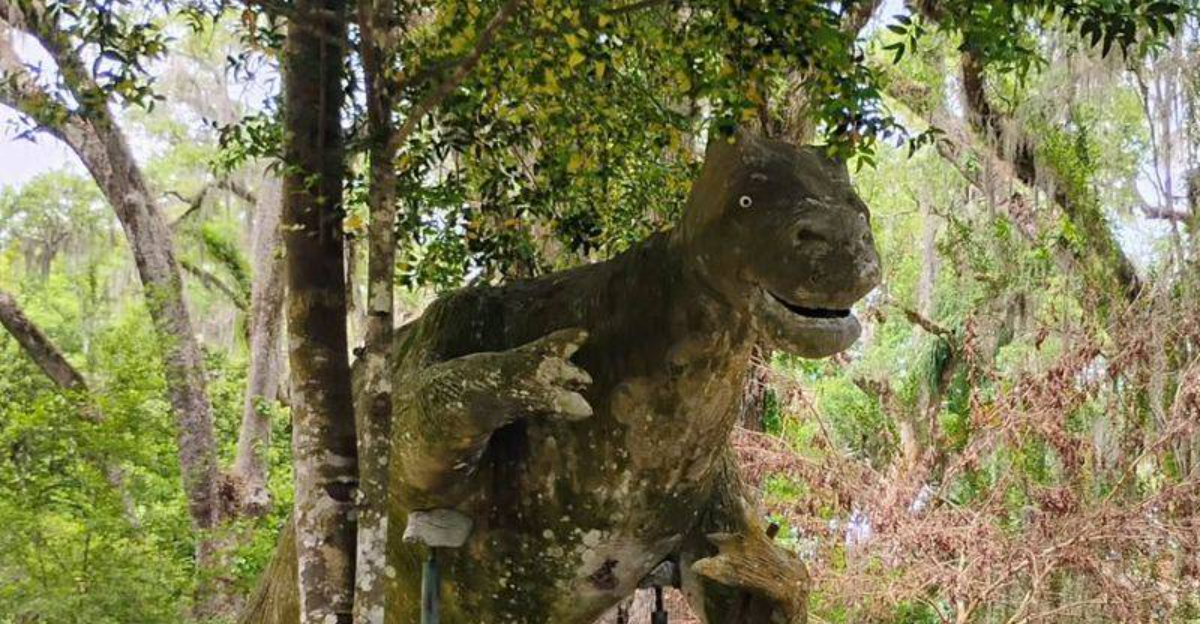
Before this became a serene botanical garden, entrepreneur Lester Piper dreamed of building Florida’s answer to Disneyland. In the early 1950s, he constructed quirky cement-and-chicken-wire dinosaurs meant to anchor his “Bongoland” theme park. Financial troubles killed the project before it fully opened, leaving these delightfully primitive sculptures as the only remnants of his ambitious vision.
Hunting for dinosaurs along the trails adds an unexpected treasure hunt element to your visit. Some stand prominently near main paths while others hide deeper in the gardens, rewarding explorers who venture off the primary loop. The craftsmanship looks charmingly dated compared to modern theme park standards, giving them folk-art appeal that Instagram users adore.
Children absolutely light up when they spot a brontosaurus peeking through palmetto fronds or a T-rex lurking near a pond. Parents appreciate how these oddities keep kids engaged and moving along the trails without complaints. The contrast between prehistoric reptiles and lush Florida vegetation creates surreal photo opportunities you won’t find anywhere else.
Even the restrooms get in on the fun, with the ladies room featuring an epic dinosaur mural that visitors specifically mention in reviews. These relics from a failed business venture now serve as beloved landmarks that give this garden its distinctive personality.
4. Shaded Trails Wind Through 25 Acres
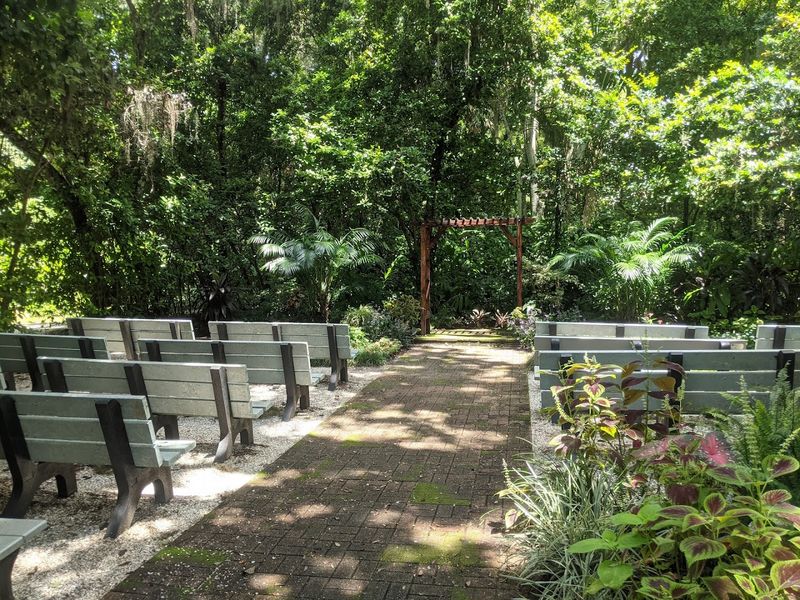
Massive live oaks create natural cathedral ceilings over the gravel pathways, keeping temperatures noticeably cooler than the surrounding parking lots. Spanish moss drapes from branches like nature’s own curtains, swaying gently in breezes that somehow find their way through the dense canopy. Even during Florida’s brutal summer months, these shaded corridors offer respite from direct sunlight.
The trail system includes a perimeter path that loops around the entire property, with numerous smaller paths branching off toward specific features. You can knock out the whole experience in an hour if you’re rushing, but most visitors find themselves lingering for two or more hours once they settle into the peaceful atmosphere. Benches positioned at strategic intervals invite you to sit and simply absorb the quiet.
Trail surfaces stay firm and level, making navigation easy for visitors of all mobility levels. Clearly marked intersections help prevent getting turned around, though the property isn’t so large that getting lost becomes a real concern. Some paths cross charming wooden bridges over small ponds where koi flash orange beneath the surface.
Bird watchers should bring binoculars because the Audubon Society’s involvement has made this a haven for local species. Listen for woodpeckers drumming on dead snags and watch for wading birds near the water features.
5. Botanical Gardens Showcase Native and Exotic Plants
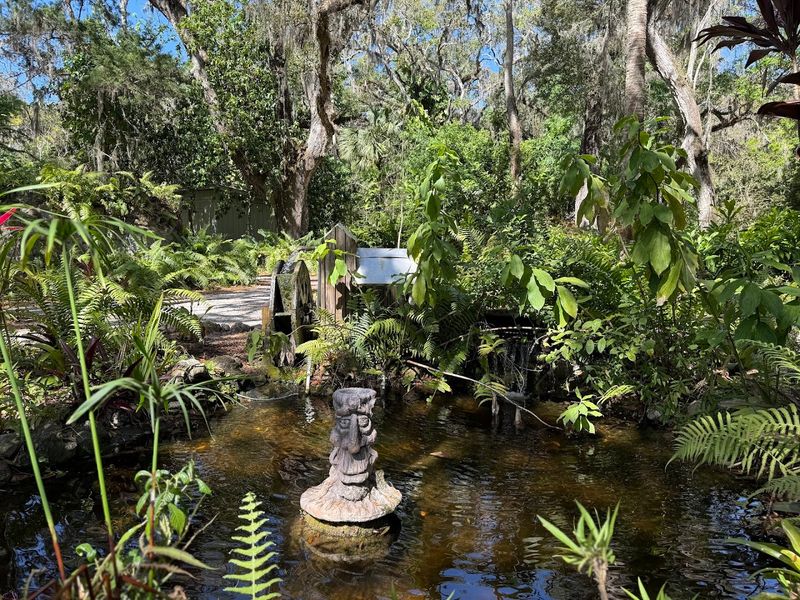
Horticulture enthusiasts could spend hours studying the impressive plant collection assembled by dedicated volunteers. Small markers identify species throughout the gardens, turning casual strolls into educational experiences about Florida’s native flora and carefully selected exotics that thrive in this climate. The variety ranges from towering palms to delicate ground orchids, with something blooming regardless of when you visit.
The horticultural society has thoughtfully designed plantings that attract pollinators, creating buzzing corridors of activity around flowering specimens. Butterflies drift between blossoms while bees work methodically through beds of native wildflowers. Hummingbirds occasionally zip past, their iridescent throats catching sunlight as they hover near tubular blooms.
Edible plants get special attention here, with fruit trees and herb gardens demonstrating what grows successfully in Central Florida’s sandy soil. Citrus trees perfume the air during blooming season, while banana plants add tropical flair to shaded corners. Learning which plants handle Florida’s quirky weather patterns helps local gardeners plan their own landscapes.
Water features scattered throughout the property create soothing background sounds and provide habitat for aquatic plants like water lilies and lotus. The combination of running water, rustling leaves, and birdsong produces a natural soundtrack that drowns out nearby traffic noise. Seasonal changes bring different plants into prominence, rewarding repeat visitors with fresh displays.
6. Hidden Gnome Village Delights Sharp-Eyed Visitors
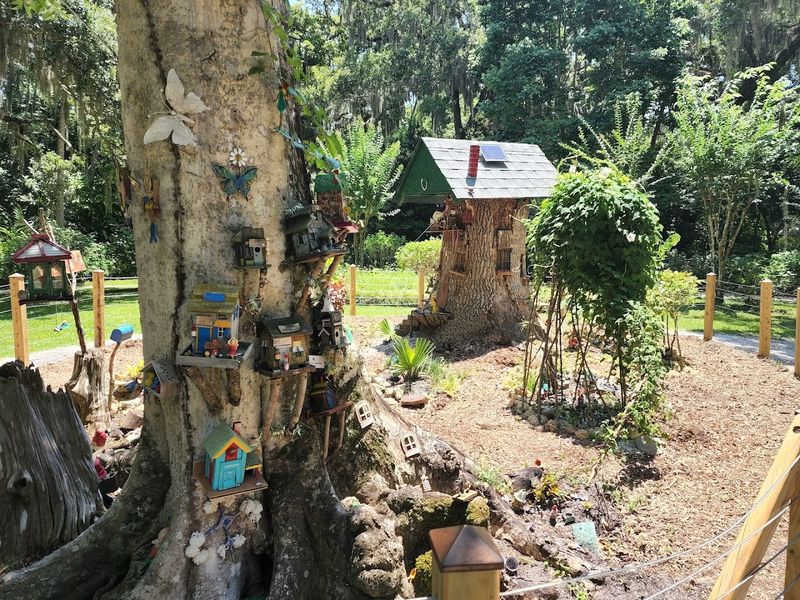
Tucked away from the main trails, a miniature gnome village rewards visitors who explore beyond the obvious attractions. Tiny houses, bridges, and figurines create an enchanting fairy-tale scene that feels like stumbling upon a secret world. Kids who discover it first usually squeal with excitement and immediately start pointing out details to their parents.
The gnome village represents the playful spirit that defines this entire property. Where some botanical gardens maintain stuffy, formal atmospheres, this place embraces whimsy alongside its historical and horticultural missions. The juxtaposition of serious sugar mill history, prehistoric dinosaurs, and cute gnome homes creates an eclectic vibe you won’t find at typical tourist attractions.
Photography opportunities abound as you crouch down to capture the gnomes’ perspective. Macro lenses reveal incredible detail in the miniature structures and their surrounding plantings. Some visitors return specifically to photograph the gnome village during different seasons or lighting conditions.
This hidden feature exemplifies why many reviews mention spending longer than expected at the gardens. Just when you think you’ve seen everything, another surprise appears around the next bend. The gnome village particularly appeals to families with young children who might otherwise lose interest in botanical specimens and historical ruins.
Local residents often bring visiting relatives here specifically to show them this quirky attraction that represents Port Orange’s offbeat charm.
7. Perfect Date Spot Combines Romance and Adventure
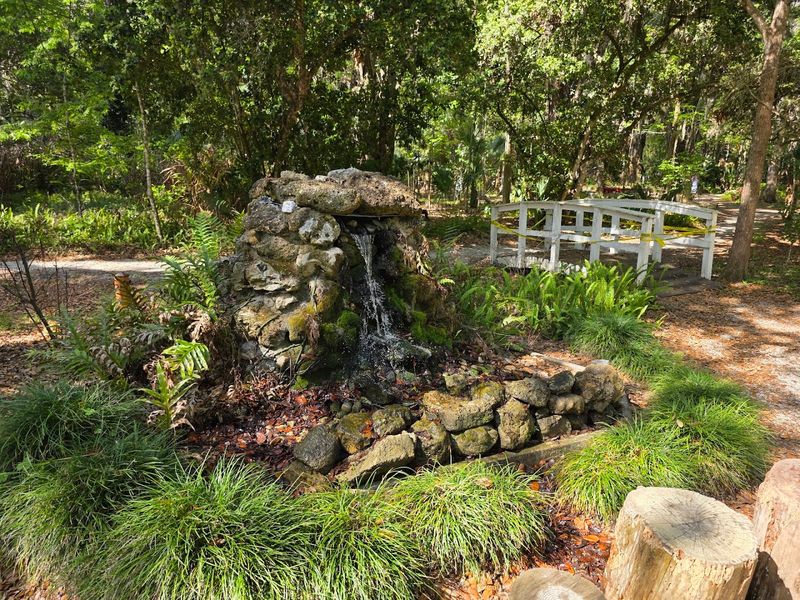
Couples looking for date ideas beyond dinner and movies discover this garden offers unexpected romance. The combination of natural beauty, historical intrigue, and quirky surprises creates conversation starters that keep things interesting. Walking hand-in-hand under moss-draped oaks feels like stepping into a fairy tale, especially during late afternoon when golden light filters through the canopy.
The free admission removes financial pressure, letting couples focus on enjoying each other’s company rather than calculating costs. Pack a picnic to enjoy on one of the benches, or grab coffee beforehand and sip while exploring the trails. The peaceful atmosphere encourages actual conversation instead of competing with restaurant noise or movie theater darkness.
Multiple reviews specifically mention bringing dates here, praising how the gardens provide both structured activity and opportunities for spontaneous moments. Discovering a hidden dinosaur together or debating which plants to add to your own garden creates shared experiences that strengthen connections. The property’s modest size means you’re never far from your companion, unlike sprawling state parks where groups easily separate.
Wedding events occasionally take place here, testament to the romantic potential of weathered ruins surrounded by flowering plants. Even if you’re not ready for that level of commitment, the gardens offer a low-pressure environment for getting to know someone new or rekindling established relationships through fresh shared experiences.
8. Local Favorite Beats Tourist Trap Crowds
While tourists pack shoulder-to-shoulder at nearby Daytona Beach attractions, this garden maintains a tranquil atmosphere that feels worlds away from commercial tourism. Most visitors are local residents who’ve discovered this gem through word-of-mouth rather than aggressive marketing campaigns. That local following ensures the property stays well-maintained through volunteer efforts and community donations without losing its authentic character.
The lack of crowds means you can actually hear yourself think and notice details that get lost in busier attractions. Bird calls echo through the trees instead of getting drowned out by screaming children or piped-in music. You can pause to read interpretive signs without people jostling past or photograph the ruins without strangers photobombing your shots.
Families appreciate not having to maintain constant vigilance about losing kids in massive crowds. The manageable size and limited entry points make it easy to keep track of children while still giving them freedom to explore. Parents can relax on benches knowing their kids are discovering dinosaurs or gnomes within reasonable distance.
Being a local favorite also means the property reflects Central Florida’s authentic character rather than manufactured tourist experiences. The volunteers who maintain these gardens genuinely care about preserving history and sharing nature’s beauty, not maximizing revenue per visitor. That sincerity comes through in every thoughtfully placed plant and carefully researched historical marker.