10 Low-Key Florida Spots That Locals Love A Little Too Much
Florida has theme parks and famous beaches, but the state’s best-kept secrets are the quiet corners locals actually visit on their days off. These are the spots without crowds, gift shops, or resort towers blocking the view. From eerie driftwood beaches to hidden waterfalls and forgotten coast towns, these places feel like stepping into a Florida that hasn’t been turned into a postcard yet.
If you’re ready to skip the tourist traps and see what real Floridians protect like family recipes, here are ten places worth the detour.
1. Boneyard Beach (Big Talbot Island State Park)
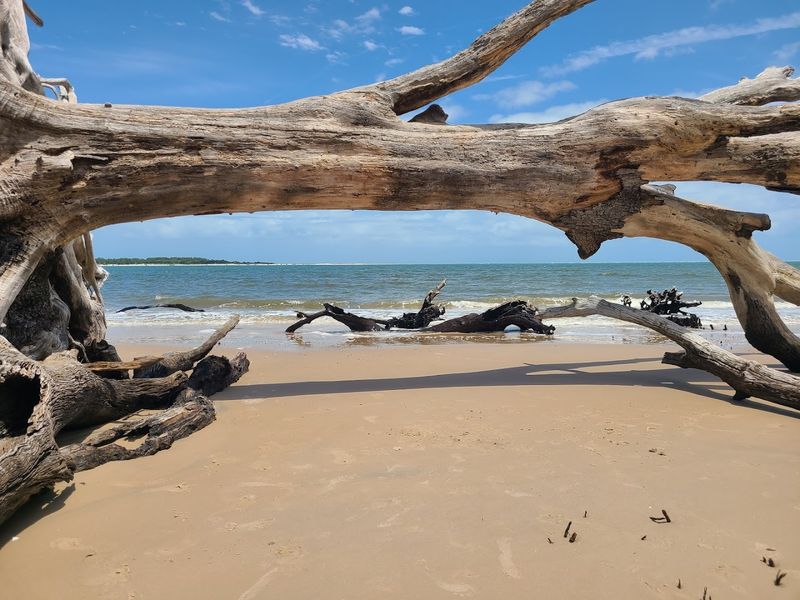
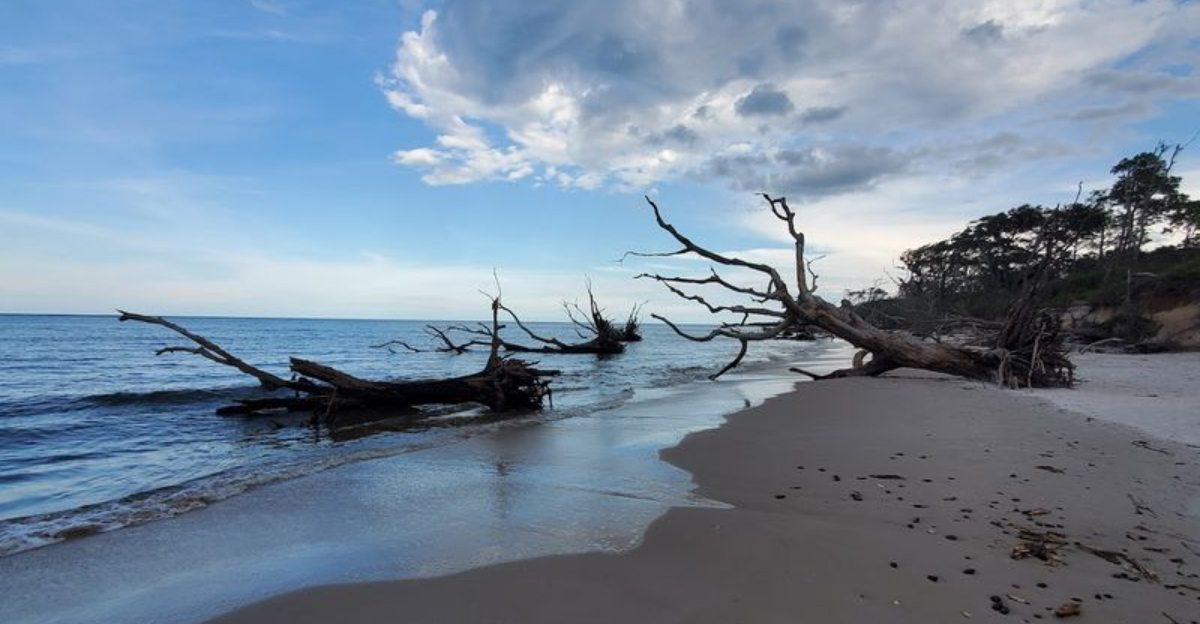
Locals call it Boneyard Beach because the whole shoreline looks like a graveyard for trees. Massive oaks and cedars lie bleached white by salt and sun, twisted into shapes that feel almost prehistoric. It’s near Jacksonville but doesn’t get nearly the foot traffic of the city beaches, partly because swimming here isn’t the point.
This is a place for walking slowly, taking photos, and watching how light changes the mood of the driftwood. The trees fell victim to erosion over decades, and now they create one of the most hauntingly beautiful landscapes in North Florida. Photographers love the contrast between white wood, dark water, and green marsh grass in the background.
You’ll find it inside Big Talbot Island State Park, which also has kayak launches and trails if you want to explore more. But Boneyard Beach itself is pure atmosphere—no facilities, no lifeguards, just nature doing its thing. Wear shoes you don’t mind getting sandy and wet, because you’ll be climbing over logs and wading through tidal pools.
Sunrise and golden hour are when the place really glows. Locals know to go midweek or early morning to avoid even the small weekend crowds. It’s the kind of spot that makes you feel like you’ve discovered something secret, even though it’s been there all along.
2. Ravine Gardens State Park (Palatka)
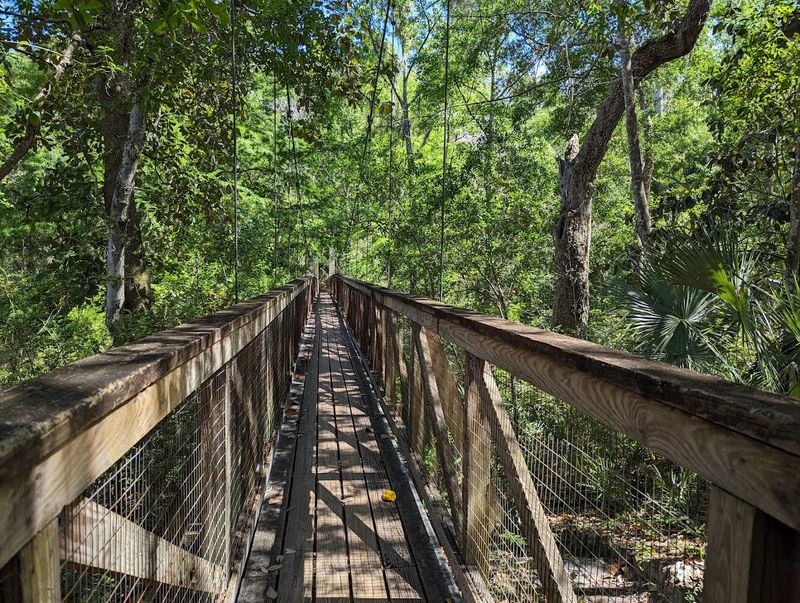
Florida is flat, except when it’s not. Ravine Gardens sits in Palatka and completely breaks the mold with steep ravines, suspension bridges, and stone staircases that look like they belong in the Appalachians. The park was built during the New Deal era, and you can still see the craftsmanship in the stonework and pathways.
Azaleas explode into color here every spring, turning the ravines into a riot of pink, red, and white blooms. Even outside azalea season, the park has a moody, forested charm that feels worlds away from palm trees and beaches. Walking the trails means descending into cool, shaded gullies where the temperature drops noticeably.
The suspension bridges sway just enough to remind you you’re crossing something real. Kids love them, and so do adults who appreciate a little adventure with their nature walk. There are also picnic areas and a small amphitheater tucked into the landscape.
Because Palatka isn’t a major tourist destination, Ravine Gardens stays relatively quiet. Locals treat it like their backyard escape, especially when they need a break from the heat. The unique topography makes it one of the most geologically interesting state parks in Florida, and it’s proof that the Sunshine State has more variety than most people realize.
3. Falling Waters State Park (Chipley)
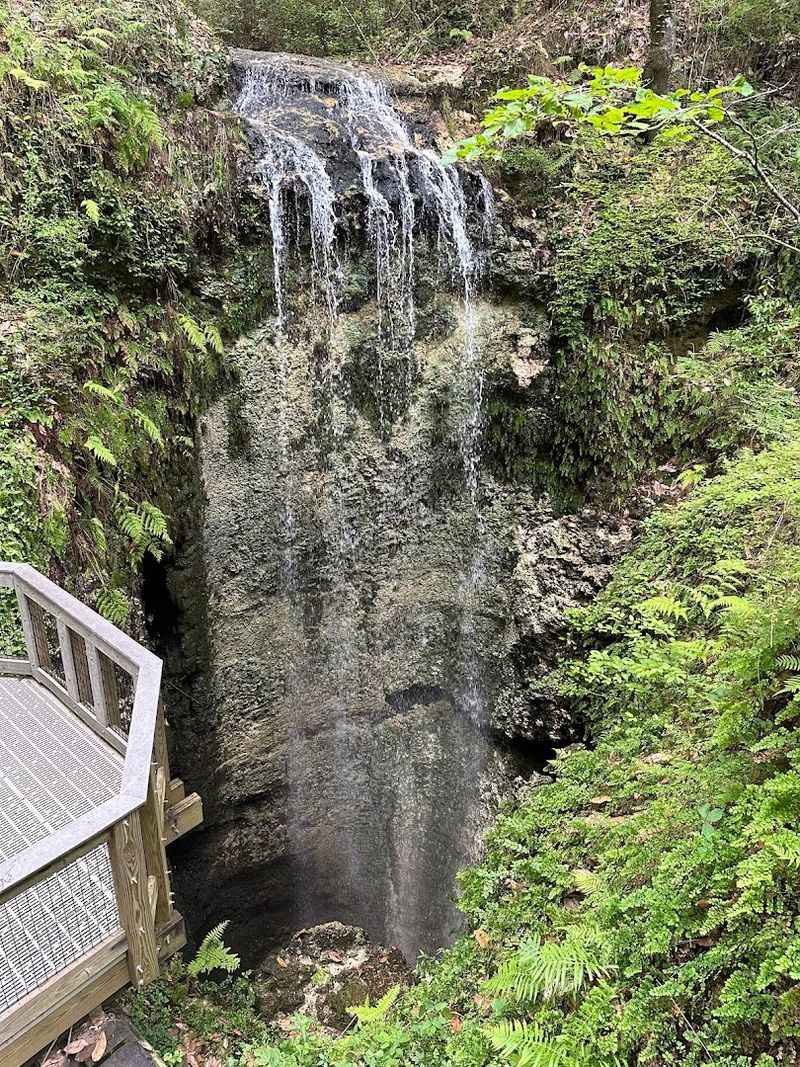
Most people don’t think “waterfall” when they think Florida, which is exactly why Falling Waters feels like such a surprise. Tucked near Chipley in the Panhandle, this park has the state’s highest waterfall—a 73-foot drop into a cylindrical sinkhole. After a good rain, the falls roar to life, and the whole scene feels almost surreal for a state known for flatness.
During dry spells, the flow slows to a trickle, but the sinkhole itself is still worth seeing. It’s deep, mysterious, and locals say it connects to underground cave systems, though no one’s mapped the full extent. The park also has trails, a lake for swimming, and picnic areas, but the waterfall is the main event.
Because it’s off the beach-town circuit and closer to I-10, Falling Waters doesn’t get overrun with tourists. You’ll find more locals cooling off in the lake or hiking the boardwalk that leads to the falls overlook. The setting is shady and peaceful, with towering pines and hardwoods creating a canopy overhead.
Spring and early summer are the best times to visit if you want to see the waterfall at full force. Even in slower months, the park has a quiet, almost forgotten charm that makes it feel like a hidden treasure. It’s the kind of place that reminds you Florida has a wilder, less predictable side.
4. Blowing Rocks Preserve (Jupiter Island)
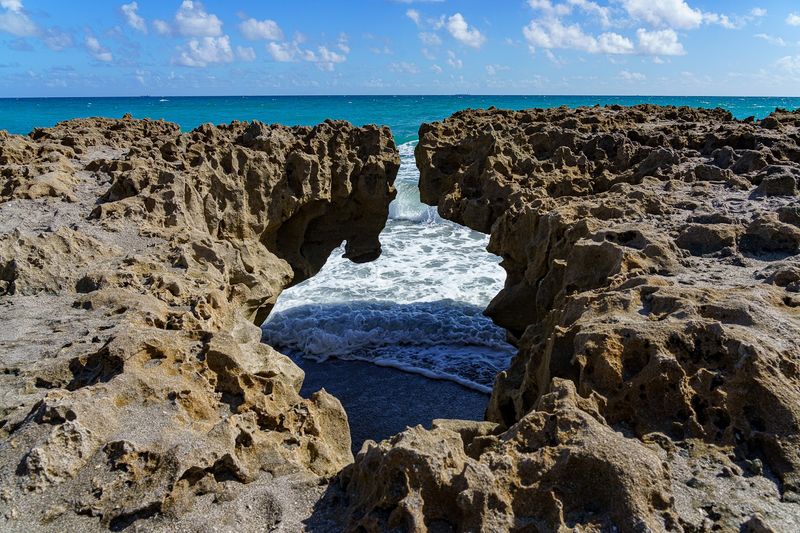
When people picture Florida beaches, they imagine soft sand and gentle waves. Blowing Rocks Preserve throws that image out the window. The shoreline here is jagged Anastasia limestone, and when the tide is high and the surf is rough, waves slam into the rocks and shoot spray up to 50 feet in the air.
It’s dramatic, loud, and nothing like a typical beach day.
The preserve is managed by The Nature Conservancy and protects a rare stretch of Atlantic coastal habitat. Besides the rocks, there are mangrove wetlands, native dune plants, and sea turtle nesting sites. It’s a place for nature lovers who want to see Florida’s coast in a rawer, less manicured form.
Low tide is better for tidal pool exploration—you can spot crabs, small fish, and sea urchins tucked into crevices. High tide, especially during storms or king tides, is when the blowing rocks phenomenon really happens. Locals know to check the tide charts and weather before visiting to catch the show.
There’s a small parking fee, and the preserve has a short trail system that winds through different coastal ecosystems. It’s not a huge area, but it packs a lot of visual punch. If you’re used to Florida’s sandy beaches, Blowing Rocks feels almost volcanic—rugged, elemental, and surprisingly powerful.
5. Shell Mound / Lower Suwannee National Wildlife Refuge (Levy County)
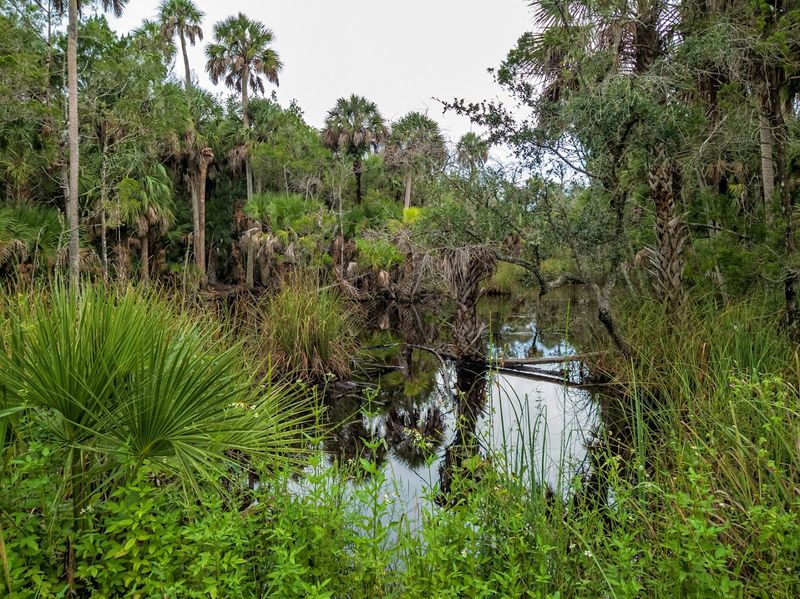
Shell Mound isn’t flashy, and that’s the whole point. This area within the Lower Suwannee National Wildlife Refuge is all about quiet observation—birds, marshes, tidal creeks, and the kind of Old Florida atmosphere that feels increasingly rare. There’s a fishing pier, a wildlife observation platform, and not much else, which is exactly what keeps it peaceful.
The refuge protects the lower Suwannee River and its estuary, an area critical for water quality and wildlife habitat. You’ll see herons, egrets, ospreys, and maybe even manatees if you’re patient and lucky. The landscape is flat, green, and soaked in a kind of timeless stillness that makes you slow down whether you want to or not.
Shell Mound itself is an ancient archaeological site—a midden built up over centuries by Native peoples who lived off the estuary’s abundance. Walking the short trail to the overlook, you’re literally walking on history. The views stretch over salt marsh and open water, and on a clear day, the sky feels enormous.
Locals fish here, kayak the tidal creeks, and use the trails for birdwatching. It’s not a destination for thrill-seekers, but for anyone who appreciates wild, working landscapes, it’s gold. The lack of development means you see Florida as it was before the highways and resorts moved in.
6. Eldora State House (Canaveral National Seashore)
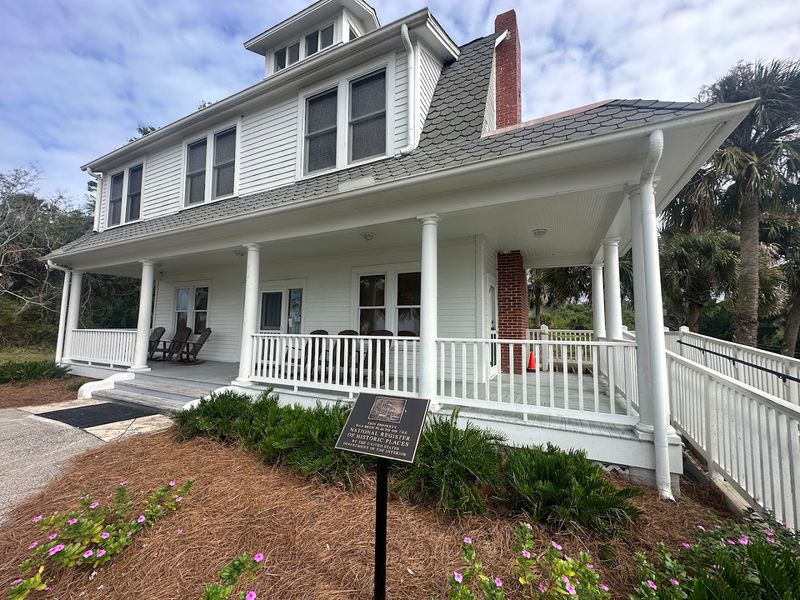
Eldora feels like a ghost town, but in the best possible way. Tucked inside Canaveral National Seashore, the Eldora State House is a preserved remnant of a once-thriving lagoon community from the 1800s. Most of the town is long gone, but this house and a few other structures remain, offering a quiet window into Florida’s pioneer past.
The setting is stunning—Mosquito Lagoon on one side, scrubby coastal forest on the other. You can walk around the grounds, peek inside the house during open hours, and imagine what life was like when this was a working fishing and farming community. There’s no gift shop, no guided tour bustle, just history sitting quietly by the water.
Because it’s inside a national seashore, you have to pay the park entrance fee, but once you’re in, Eldora is easy to reach by car or bike. The area also has hiking trails and paddling access if you want to explore more. But the house itself is the anchor—a tangible piece of Old Florida that hasn’t been turned into a theme park attraction.
Locals love it for its peacefulness and the way it combines history with natural beauty. It’s a great stop for anyone who likes their sightseeing low-key and their landscapes unspoiled. You won’t find crowds here, just the sound of wind in the palmettos and water lapping against the shore.
7. Paynes Prairie Preserve State Park (Micanopy/Gainesville area)
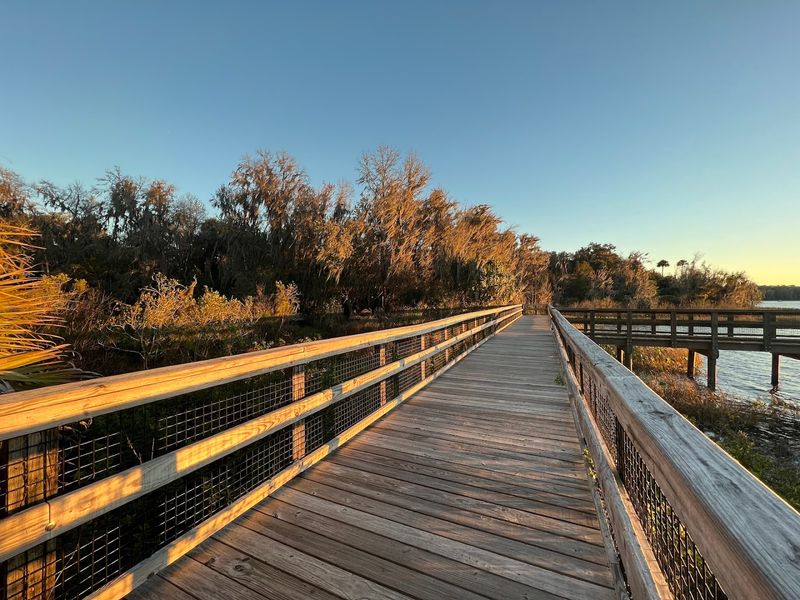
Wild bison in Florida? Yes, and wild horses too. Paynes Prairie Preserve State Park near Gainesville is one of the most ecologically unique spots in the state, with wide-open prairie views that feel more like the Great Plains than the Sunshine State.
Hundreds of bird species pass through, alligators sun on the banks, and the landscape shifts with the seasons in ways most Florida parks don’t.
The prairie itself is a rare ecosystem—a huge basin that floods and drains depending on rainfall. When it’s wet, it’s a shallow lake. When it’s dry, it’s grassland dotted with palmetto and wildflowers.
This constant change supports an incredible diversity of wildlife, and the observation tower gives you a panoramic view of the whole thing.
Trails range from easy boardwalks to longer backcountry routes, and there’s also horseback riding if you want to explore on four legs instead of two. The bison herd was reintroduced to echo the animals that once roamed here centuries ago, and seeing them grazing against a Florida sunset is genuinely surreal.
Locals know Paynes Prairie is special, but it still doesn’t get the same tourist attention as coastal parks. That means more space to roam, better wildlife sightings, and a sense of discovery that’s hard to find in busier places. It’s proof that Florida’s interior has just as much to offer as its beaches.
8. Micanopy Historic District (Micanopy)
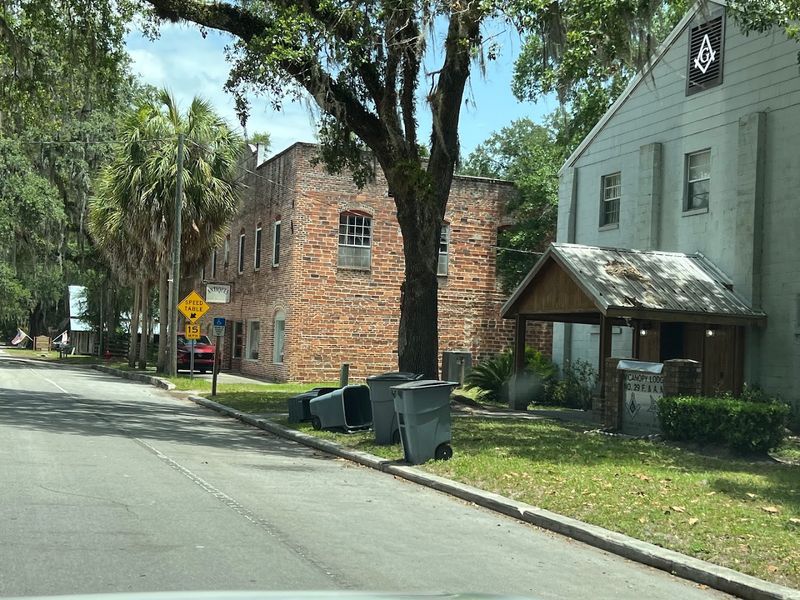
Micanopy moves at its own pace, and that pace is slow. This tiny Alachua County town is one of Florida’s oldest, and its historic district feels like stepping back into a quieter, mossier version of the South. Antique shops line the main street, live oaks drape Spanish moss over brick sidewalks, and there’s not a chain store in sight.
Visit Florida highlights Micanopy for its preservation of Old Florida charm, and locals treat it like a refuge from the modern world. You can spend an afternoon browsing vintage furniture, rare books, and collectibles, then grab lunch at a locally-owned cafe. The whole downtown is walkable, and the vibe is unhurried in a way that feels intentional, not accidental.
The surrounding area is part of the Old Florida Heritage Highway, which makes Micanopy a perfect stop on a scenic drive. Nearby Paynes Prairie adds natural beauty to the cultural experience, and the town itself has been a filming location for movies looking to capture authentic small-town Florida.
Because it’s off the interstate and not near a major tourist destination, Micanopy stays blissfully uncrowded. Locals know it as a place to unplug, wander, and appreciate the slower rhythms of life. The antique shops are genuinely good, not tourist traps, and the sense of history is real, not manufactured.
It’s Florida before the theme parks, preserved and protected by people who care.
9. The Forgotten Coast towns, especially Carrabelle and Eastpoint (Florida Panhandle)
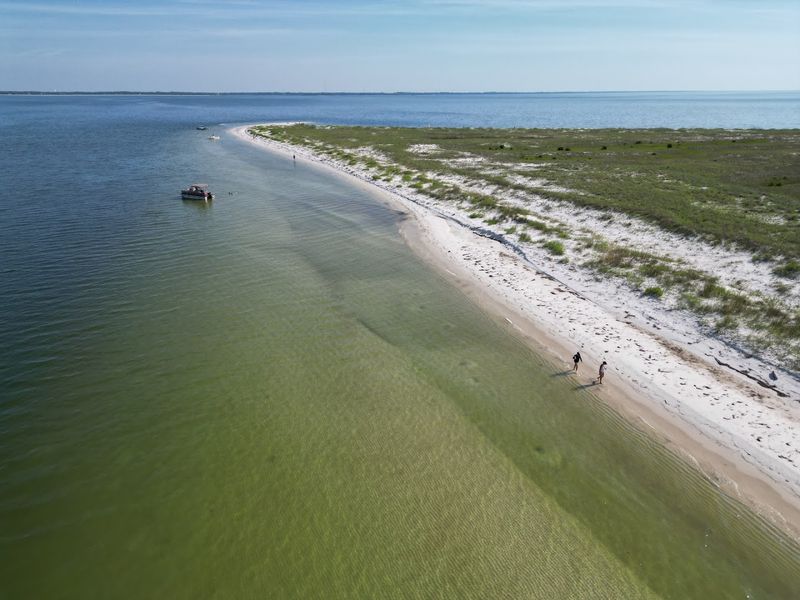
The Forgotten Coast earned its name by staying stubbornly undeveloped while the rest of Florida’s Gulf coast filled up with condos and resorts. Towns like Carrabelle and Eastpoint still have working waterfronts, local seafood shacks, and a pace that feels decades removed from the tourist boom. Southern Living recently called out this stretch for its lack of high-rises and commercialized attractions, and that’s exactly what makes it special.
Carrabelle has a tiny downtown, a historic lighthouse, and the world’s smallest police station—a phone booth. Eastpoint is known for oysters, with harvest operations you can see from the road. Both towns feel like places where people actually live and work, not just vacation.
The beaches are quieter, the seafood is fresher, and the whole vibe is refreshingly un-polished.
Nearby Apalachicola and St. George Island add to the region’s appeal, but Carrabelle and Eastpoint are where you go if you want even fewer crowds. The landscape is all salt marsh, barrier islands, and shallow bays—perfect for kayaking, fishing, and birdwatching. There’s no boardwalk, no beach bars with DJs, just sand, water, and sky.
Locals guard this area fiercely, and for good reason. It’s one of the last stretches of Florida coast that hasn’t been transformed into something slick and commercial. If you want to see what Gulf coast Florida looked like before the developers arrived, this is it.
10. Bok Tower Gardens (Lake Wales)
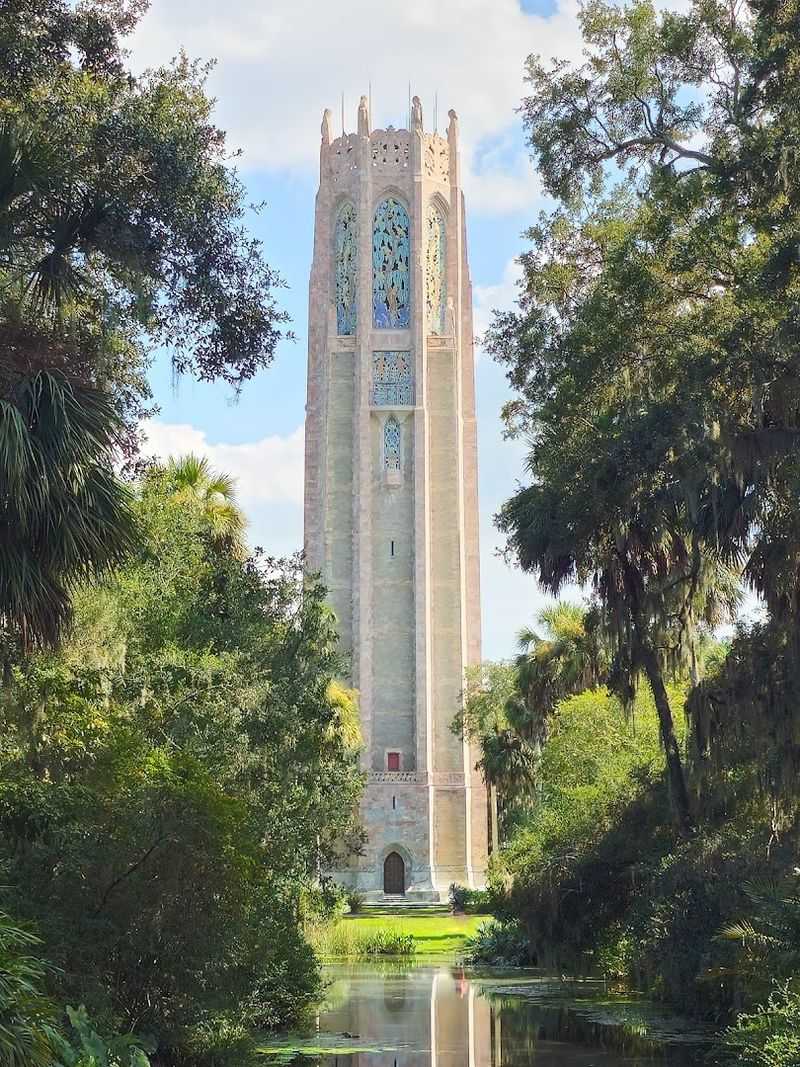
Bok Tower Gardens doesn’t chase trends, and that’s part of its charm. The 250-acre garden sanctuary in Lake Wales centers on a 205-foot Singing Tower that plays carillon music daily, creating a soundtrack that’s equal parts peaceful and otherworldly. It’s old-fashioned in the best sense—no thrill rides, no gift shop mania, just beauty, music, and quiet.
The gardens were created in the 1920s by Edward Bok, a Dutch immigrant and Pulitzer Prize-winning author who wanted to give something beautiful back to the American people. The landscaping blends formal gardens with natural Florida habitats, and the tower itself is a National Historic Landmark. Every day at 1 and 3 p.m., a carillonneur plays a live concert on the tower’s 60 bronze bells.
Walking the trails, you’ll pass reflecting pools, fern gardens, and native plant areas that attract butterflies and birds. The elevation here—yes, Central Florida has hills—gives the gardens a different feel from the state’s flatter regions. It’s contemplative, almost meditative, and locals love it for exactly that reason.
Because it’s not near a beach or theme park, Bok Tower stays under the radar for most tourists. That means more space to wander, better chances to hear the bells without crowds, and a genuinely restorative experience. It’s the kind of place that reminds you Florida has depth, history, and quiet corners worth protecting.