From Rare Automobiles to Automotive History, This Florida Museum Has It All
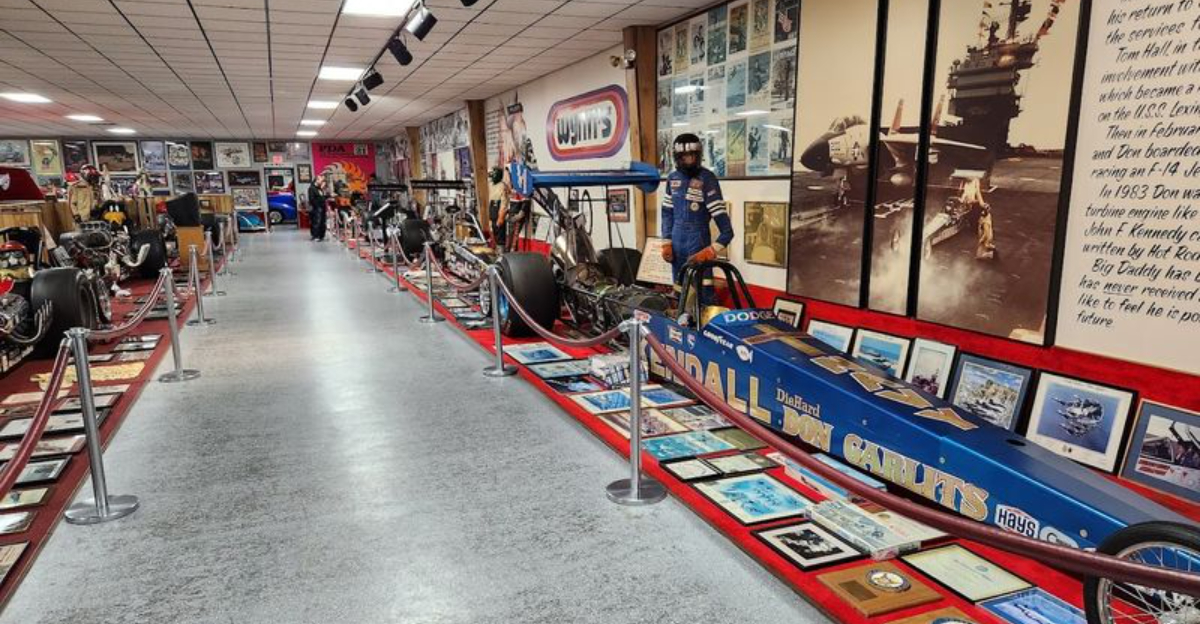
If you think this is just another quick roadside stop off I-75, think again. Don Garlits Museum of Drag Racing in Ocala packs serious horsepower, real history, and enough jaw-dropping machines to make even casual visitors slow down and stare.
It is the kind of Florida attraction that surprises you with how big, how detailed, and how memorable it feels once you are inside. Whether you love racing, vintage cars, or pure Americana, this museum gives you plenty to talk about long after you leave.
A Florida Museum That Delivers More Than a Quick Stop
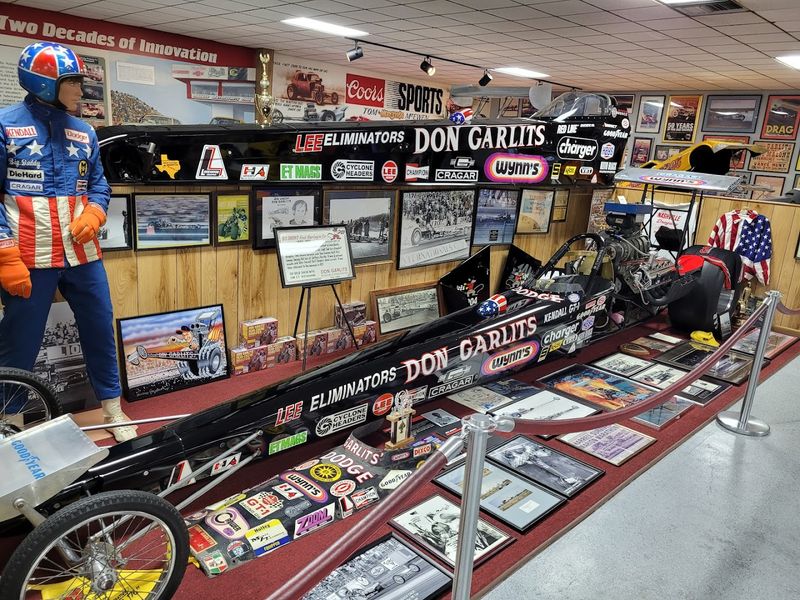
From the highway, Don Garlits Museum of Drag Racing looks like one of those places you promise yourself you will visit someday. Then you finally pull in, and within minutes it becomes clear this is not a throwaway roadside attraction.
It is a full-scale, deeply personal, beautifully packed museum experience that celebrates speed, engineering, and a huge slice of American car culture.
What hits you first is the sheer volume. Car after car, display after display, photo after photo, the museum wastes no space and never feels random.
Everything seems placed with purpose, so even if you arrive knowing little about drag racing, you can still follow the story and feel the importance of what you are seeing.
The setting in Ocala works in its favor too. It feels wonderfully Florida without leaning on beach-town clichés, and being just off I-75 makes it easy to reach whether you are local, road-tripping, or headed somewhere else.
Plenty of visitors say they stopped on a whim and ended up spending far longer than planned, which honestly makes perfect sense once you are inside.
There is also a refreshing sincerity here. Nothing about the museum feels manufactured for social media first and substance second.
You get authentic race cars, real memorabilia, actual history, and a clear love for preserving all of it in a way that feels inviting instead of intimidating.
That is a big reason the museum pulls such strong reviews. Die-hard racing fans find legendary machines they have admired for decades, while non-fans discover a surprisingly engaging crash course in innovation, risk, and obsession.
It is rare to find a museum that can satisfy both groups at once, but this one handles that balance with confidence.
If you only know the name Don Garlits from a passing reference or a highway sign, this museum fills in the rest of the story fast. By the time you leave, you understand why this place matters, why people return, and why it has become one of the most talked-about automotive stops in Florida.
It is memorable in the best way: loud in spirit, rich in detail, and impossible to rush.
The Dragsters Are the Main Event
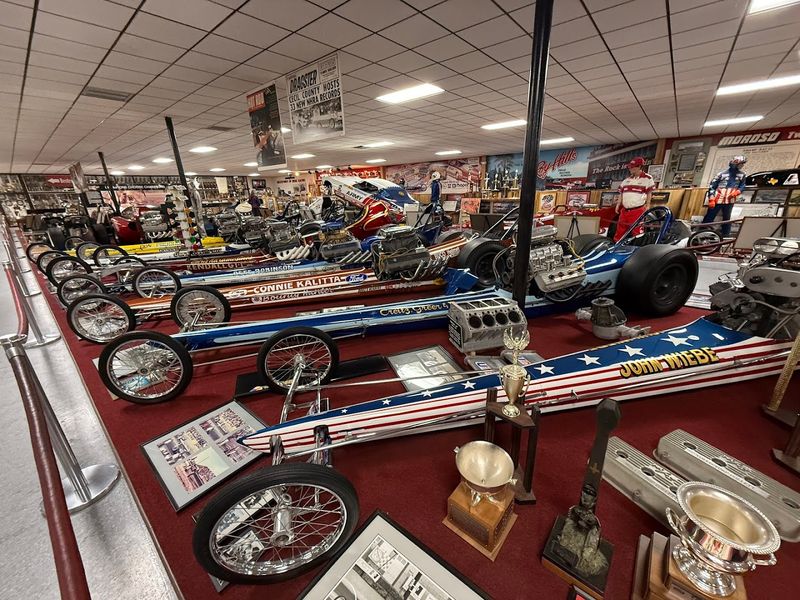
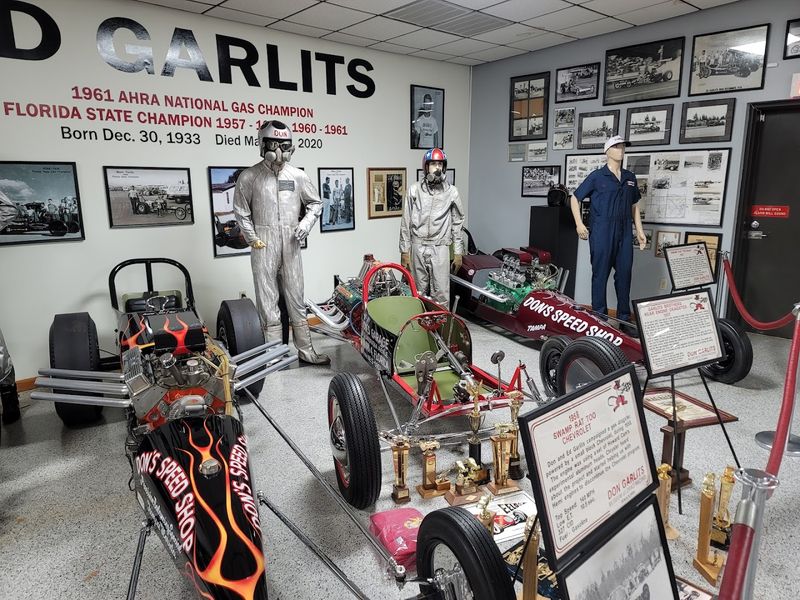
The heart of Don Garlits Museum of Drag Racing is exactly what you hope it will be: an incredible lineup of dragsters that makes you stop, back up, and look again. These are not generic old race cars parked in a room.
They are machines with presence, personality, and stories that shaped an entire sport.
Walking through the displays, you get a front-row view of how drag racing evolved from rough-edged speed experiments into a highly specialized world of power and precision. The cars stretch low and long, packed with mechanical confidence, and each one feels like a lesson in how racers kept pushing limits.
You can see design changes with your own eyes instead of reading about them in abstract terms.
That visual progression is one of the museum’s smartest strengths. It does not just present a collection and expect you to figure it out alone.
The cars, signs, images, and surrounding artifacts work together to show how technology advanced, how safety changed, and how speed became a relentless pursuit.
Even if you are not fluent in racing terminology, the appeal lands immediately. The proportions of the dragsters are dramatic, the engineering is fascinating, and the craftsmanship is impossible to ignore.
You do not need to know every engine spec to appreciate the wild ambition built into these vehicles.
For longtime fans, there is another layer entirely. Many visitors talk about childhood memories, old television broadcasts, favorite drivers, and the thrill of seeing cars they once watched or read about.
That emotional connection gives the room a pulse, like the museum is preserving not only machinery but the feeling of an era.
This is why the dragster galleries feel so alive. They are historical, yes, but never dusty or remote.
They remind you that drag racing has always been part innovation lab, part spectacle, and part nerve test, and Don Garlits Museum captures all three beautifully. If you came here for the race cars, this section absolutely delivers, and it does so with enough depth to keep you circling back for details you missed the first time.
Why the Swamp Rat Legacy Matters Here
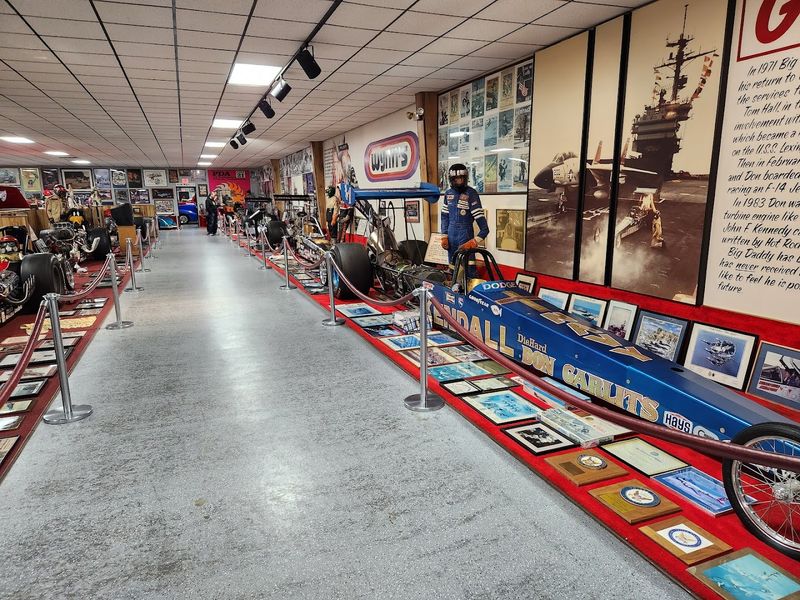
You cannot talk about this museum without talking about the Swamp Rat legacy. Don Garlits is not just the name on the building.
He is one of the towering figures in drag racing history, and the Swamp Rat series helps explain why his influence reaches far beyond one career or one famous car.
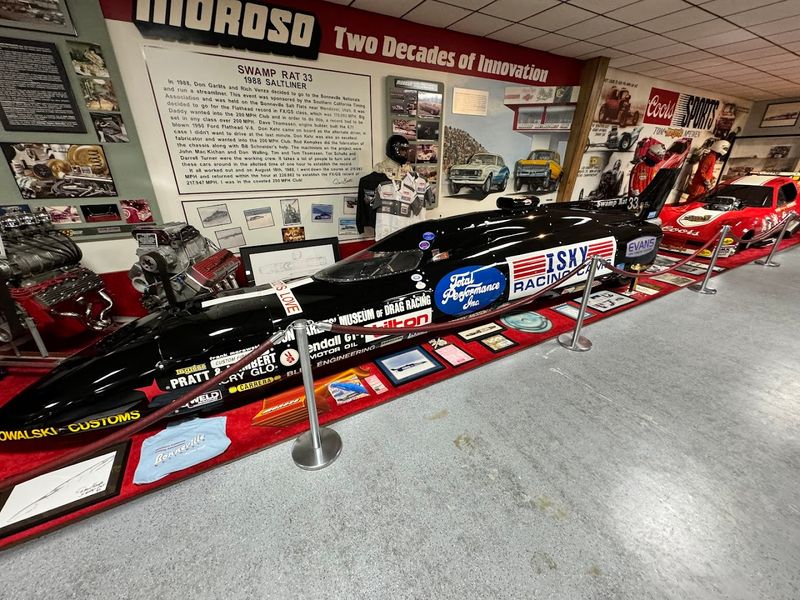
Inside the museum, the Swamp Rat machines feel like milestones more than mere exhibits. They chart experimentation, breakthroughs, setbacks, and the kind of relentless problem-solving that defines motorsports at its highest level.
When you stand near them, you are not simply looking at metal and rubber. You are looking at ideas made physical.
That is what makes this part of the museum so compelling for both newcomers and longtime fans. The displays connect performance to innovation, showing how one builder and driver kept rethinking what a dragster could be.
It becomes easier to understand why Garlits is known as
The Antique Car Building Is a Surprise Bonus
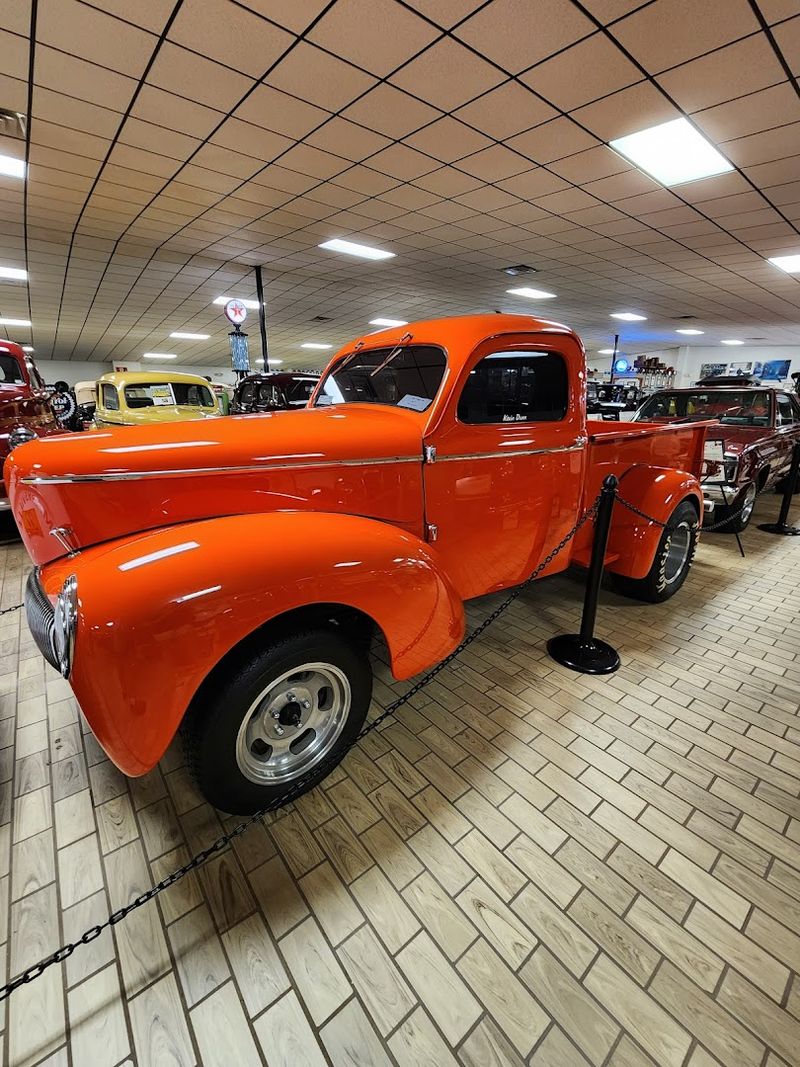
One of the smartest things about visiting Don Garlits Museum of Drag Racing is discovering that the experience does not end with dragsters. The separate antique car building adds a whole extra layer, and for many visitors it becomes one of the day’s biggest surprises.
You walk in expecting racing history, then suddenly you are face to face with a beautifully presented wider world of automotive design.
This second space changes the rhythm of the visit in a good way. After the intense, purpose-built look of race machines, the antique cars bring elegance, variety, and a slower kind of visual appreciation.
Curves, trim, interiors, paint, and period styling take center stage, reminding you that automotive history has many personalities, not just the loudest one.
That contrast makes the museum stronger overall. Instead of narrowing its focus too tightly, it gives you a broader story about how cars evolved in America and how different branches of car culture often overlap.
Hot rod fans, vintage enthusiasts, and people who simply appreciate beautiful craftsmanship all find something worth lingering over here.
The condition of the cars is another highlight. Visitors repeatedly mention how clean and carefully maintained everything looks, and that attention absolutely matters.
These are not neglected relics shoved into a side room. They are presented with pride, which makes the building feel like a true companion to the drag racing collection rather than an afterthought.
If you are visiting with someone who is less interested in competition cars, this building can be the great equalizer. It widens the museum’s appeal and gives mixed-interest groups more to talk about.
That is a real advantage for families, couples, and road-trippers who want a stop that works for more than one kind of car lover.
By the time you finish both buildings, the museum feels much more expansive than its name first suggests. You came for drag racing, but you leave with a richer appreciation for automotive history as a whole.
That extra dimension is part of what makes this Ocala museum stand out from narrower collections that only tell one chapter of the story.
Engines, Memorabilia, and the Details That Pull You In
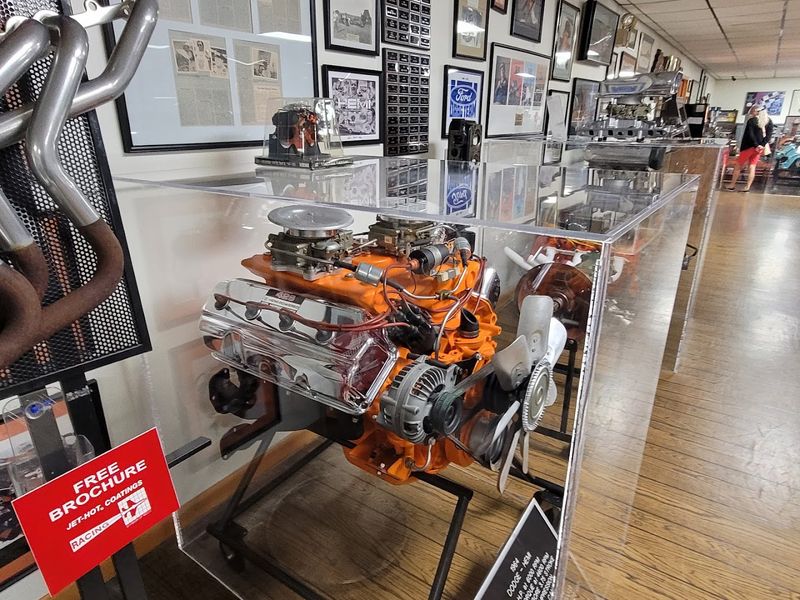
At Don Garlits Museum of Drag Racing, the cars may grab your attention first, but the smaller details are what keep you engaged. Engines, trophies, photos, uniforms, signs, tools, and racing memorabilia fill in the story around the headline vehicles.
These pieces give the museum texture, and they turn a collection of cars into a living archive of effort, risk, and personality.
The engine displays are especially fun to study. Even if you are not a mechanic, there is something magnetic about seeing the hardware up close and realizing how much creativity and brute force went into making these machines run at impossible speeds.
You start noticing how compact some parts are, how massive others look, and how much craftsmanship lives inside raw performance.
Then there are the personal artifacts. Worn racing gear, old photographs, event posters, plaques, and trophies carry a very different kind of energy than polished bodywork.
They remind you that this sport was built by real people who chased speed with equal parts confidence, curiosity, and stubbornness.
That mix helps the museum avoid feeling one-note. It is not only about horsepower numbers or famous names.
It is about the ecosystem around drag racing: the garages, teams, personalities, sponsors, fans, and moments that gave the sport its shape over decades.
For fast scanners, this section works beautifully because there is always another interesting object just a few steps away. For slower visitors, it rewards close attention.
You can spend extra time reading signs, comparing eras, and connecting the memorabilia to the cars nearby, which makes the visit feel layered rather than repetitive.
Best of all, these details make the museum approachable. You do not need expert knowledge to respond to a hand-lettered sign, a vintage helmet, or a display case full of hard-earned trophies.
They humanize the history and make the big legends feel more tangible. By the end, you are not just impressed by machines.
You are connected to the people, places, and moments that made those machines matter in the first place.
A Place Where Racing History Actually Feels Personal
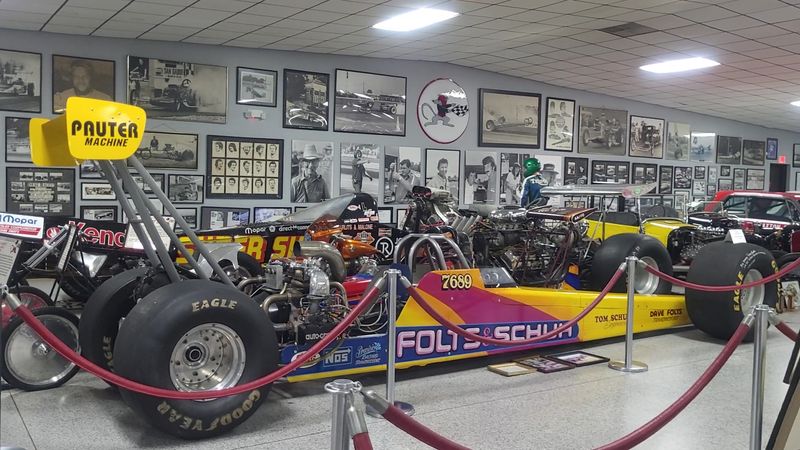
Some museums impress you with size, but the best ones also make history feel personal. That is exactly where Don Garlits Museum of Drag Racing shines.
Even with its huge collection, it never feels detached or clinical. The stories attached to the cars and memorabilia give the whole experience a human heartbeat.
Part of that comes from the subject matter itself. Drag racing has always been a sport of big personalities, mechanical risks, and bold decisions made under pressure.
When those stories are preserved alongside the actual machines, the history stops feeling abstract and starts feeling immediate.
You can sense that in the way visitors talk about the museum. Many mention memories of watching races with parents, seeing certain cars on television, or remembering the era when these names felt larger than life.
That kind of reaction does not happen when a museum simply stacks objects in a room. It happens when a place connects artifacts to lived experience.
The museum also benefits from being tied so closely to Don Garlits himself. His career, innovations, and influence give the collection a strong narrative spine, but it does not become a narrow one-man monument.
Instead, his story opens the door to a wider community of racers, builders, and moments that shaped drag racing over time.
That balance is important. You leave with a sense of the legend, but also with a deeper appreciation for the broader world around him.
Rivalries, technological leaps, iconic events, and the culture of speed all come through in a way that feels accessible rather than overwhelming.
For me, that personal quality is what separates this museum from plenty of technically excellent collections. It is not only informative.
It feels lived in, remembered, and genuinely cared for. Whether you arrive as a lifelong fan or just someone curious about what is behind the name, the museum invites you into the story instead of talking at you from a distance.
That makes the visit more memorable, more emotional, and honestly a lot more fun.
How the Museum Layout Keeps You Looking
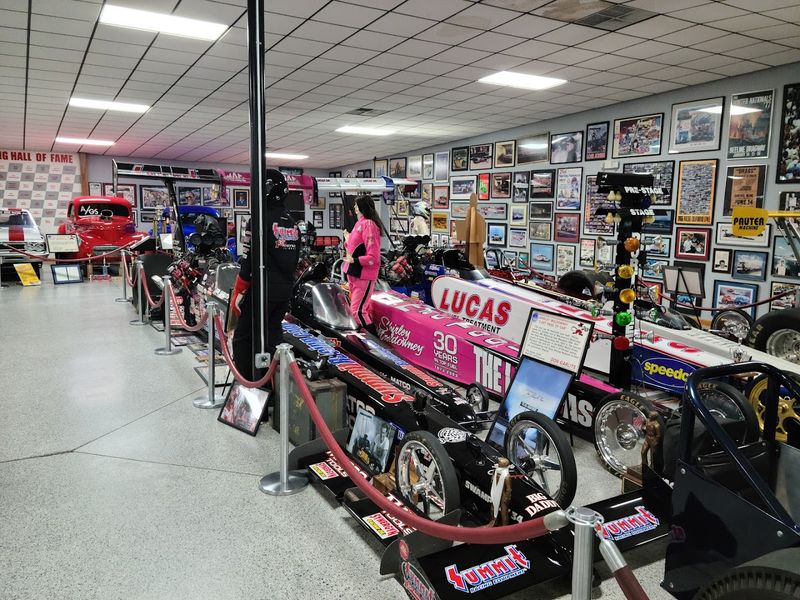
A packed museum can go two ways. It can feel cluttered and exhausting, or it can feel rich and rewarding.
Don Garlits Museum of Drag Racing lands firmly in the second category because the layout keeps you moving without making the experience feel rushed or chaotic.
There is a lot to see here, and that is not an exaggeration. Multiple visitors mention spending more time than expected, sometimes realizing an hour was nowhere near enough.
The museum earns that extra time because the displays are arranged in a way that encourages curiosity. You keep spotting another car, another sign, another case of memorabilia just as you think you have seen the main highlights.
The flow matters. Instead of feeling like a maze, the galleries guide you through different eras and themes with a natural rhythm.
You can scan quickly and still have a good visit, but if you prefer to linger, the museum gives you plenty of reasons to slow down.
That flexibility is one of its quiet strengths. Not every visitor arrives with the same attention span or background knowledge, and this place seems to understand that.
You can appreciate it at several speeds, which makes it more welcoming for families, mixed-interest groups, and road-trippers squeezing in a stop between longer drives.
The cleanliness also deserves mention. Reviewers repeatedly point out how spotless the displays look, and that care changes the mood of the whole visit.
When the cars gleam and the exhibits feel well maintained, you naturally give them more attention. It signals respect for the collection and for the people coming to see it.
By the time you finish, the museum feels larger than you first expected, but never unwieldy. That is a tricky balance, and this place handles it well.
It keeps your eyes active and your curiosity switched on, which is exactly what a great museum should do.
In practical terms, the best strategy is simple: give yourself more time than you think you need, because this layout makes it very easy to keep saying,
Why Even Non-Racing Fans End Up Enjoying It
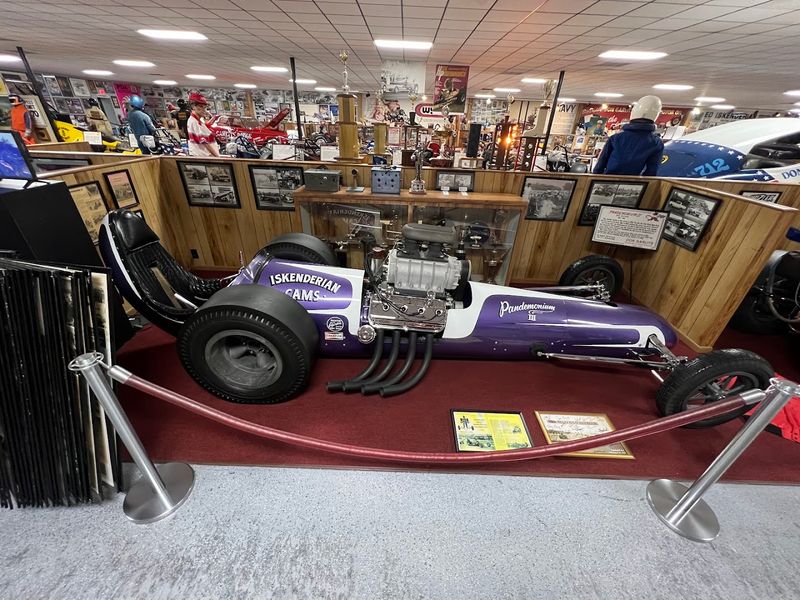
One of the most interesting things about Don Garlits Museum of Drag Racing is how often it wins over people who did not arrive as hardcore drag racing fans. That says a lot about the quality of the experience.
A niche museum usually speaks only to insiders. This one reaches much wider because the appeal is visual, historical, and surprisingly easy to connect with.
Start with the obvious factor: the cars are just plain impressive. You do not need a racing background to react to a long, low dragster, a gleaming antique automobile, or a room filled with beautifully preserved machines.
Scale, color, craftsmanship, and design do plenty of the work before a visitor reads a single sign.
Then the context kicks in. The museum explains enough through displays, artifacts, and general atmosphere that you begin understanding why these vehicles mattered.
Suddenly it is not just
The Nostalgia Factor Is Real
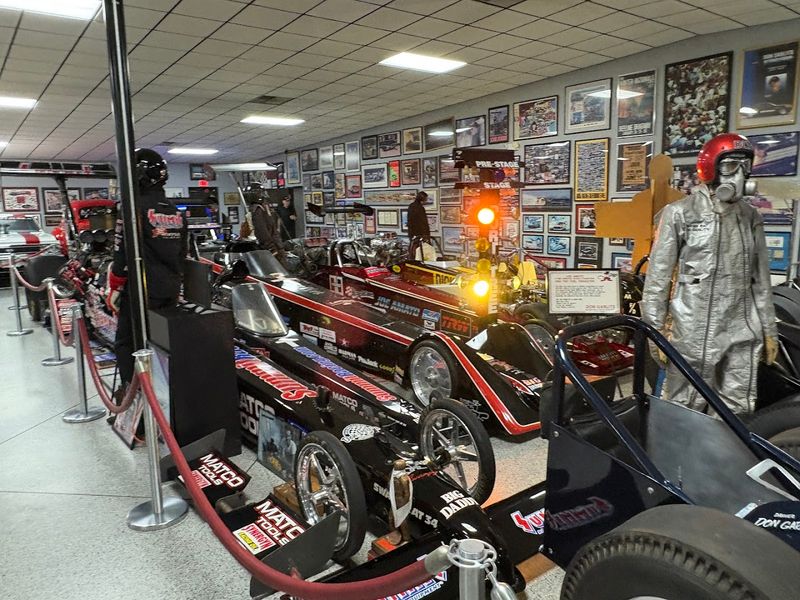
There is no point pretending nostalgia is a small part of the appeal here. At Don Garlits Museum of Drag Racing, nostalgia is one of the biggest emotional engines in the building.
Visitors constantly talk about childhood memories, old TV broadcasts, family connections, and the thrill of seeing machines they remember from decades ago.
What makes that nostalgia work is that it never feels cheap or forced. The museum does not lean on sentimental gimmicks.
Instead, it lets authentic objects do the talking. Real race cars, genuine artifacts, vintage photos, and period details naturally trigger memories for people who lived through these eras or grew up hearing about them.
That emotional charge gives the museum unusual depth. For some people, it is not only a lesson in motorsports history.
It is a connection to parents, siblings, spouses, or friends who loved racing. You can almost feel that layer in the room when visitors stop and tell stories to the people they came with.
Even if you are too young to have watched these cars when they were active, the nostalgia still translates. There is a timeless pleasure in seeing how past generations pursued speed, style, and mechanical ingenuity.
The displays feel rooted in a period when car culture carried its own language, rituals, and larger-than-life heroes.
The Florida setting adds its own flavor too. This is not nostalgia trapped in a distant archive.
It is right here in Ocala, easy to reach, alive with returning visitors, and tied to a place where racing history still feels close enough to touch. That local immediacy makes the past feel less remote.
In the end, the nostalgia factor is not about living backward. It is about understanding why these machines mattered so much to the people who built, drove, watched, and loved them.
Don Garlits Museum preserves that feeling with real care. You walk in expecting horsepower and history, and you leave realizing the museum also protects memories, family stories, and a whole atmosphere that many people thought had disappeared.
That is a powerful thing for any museum to pull off.
Seeing the Legend Behind the Name
One detail that keeps popping up in visitor experiences is the possibility of seeing Don Garlits himself. Not every museum has that kind of living connection to its subject, and it adds something special here.
When the legendary figure behind the collection is still part of the atmosphere, the museum feels less like a memorial and more like an active conversation between past and present.
That matters because Garlits is not a minor name in the sport. He is one of drag racing’s most influential builders, drivers, and innovators, and his presence helps ground the museum in authenticity.
Even if you do not happen to meet him, you can feel his imprint throughout the exhibits. The collection reflects a lifetime of racing, experimenting, preserving, and telling the story properly.
For visitors who do get lucky enough to see him, that moment often becomes a highlight. It turns the trip into more than a museum visit.
It becomes a brush with living history, the kind of thing you bring up later because it feels surprisingly personal and rare.
There is also something very fitting about that possibility in Ocala. This is not a flashy corporate attraction trying to imitate grassroots car culture.
It is the real thing, built around a real legacy, in a setting that feels grounded and sincere. That authenticity gives the entire museum a stronger pulse.
Events and special tours add to that energy when they happen. Visitors have described hearing stories directly from Garlits and getting extra insight into the people and machines on display.
That kind of firsthand storytelling is gold because it connects facts to voice, memory, and personality in a way signage alone never can.
Even if your visit is quiet and self-guided, knowing the legend behind the name is still very much part of the experience. The museum is not borrowing prestige from history.
It is built by one of the people who helped make that history. That gives the place authority, warmth, and a sense of immediacy you cannot fake.
In a state full of attractions competing for attention, that direct link to a true icon helps Don Garlits Museum stand apart.
Why This Ocala Museum Belongs on Your Florida List
Florida has no shortage of attractions fighting for your time, which makes it easy to overlook a museum sitting near the interstate in Ocala. That would be a mistake.
Don Garlits Museum of Drag Racing earns its reputation with depth, authenticity, and a collection that goes well beyond the narrow version of the place some visitors might imagine from the name alone.
What makes it worth adding to your list is not just the quantity of cars, though there are plenty. It is the quality of the experience.
You get legendary dragsters, an excellent antique car collection, engines, memorabilia, and a clear sense that the people behind the museum truly care about preserving this history for future visitors.
The practical side is appealing too. The museum is easy to access, open daily from 9 AM to 5 PM, and simple to pair with a road trip through Central Florida.
Free parking and a location right off I-75 make the logistics easy, which is always a bonus when you want a stop that feels rewarding instead of complicated.
Then there is the atmosphere. With thousands of strong reviews and a remarkable 4.9-star rating, the museum has built real trust with visitors.
People repeatedly describe it as clean, well laid out, memorable, and worth more time than expected. Those are the kinds of compliments that usually signal a place delivering the real thing, not inflated hype.
If you are into horsepower, fabrication, Americana, or transportation history, you will likely love it. If you are simply curious and want a stop with genuine character, you can still have a great time.
That broad appeal is part of why the museum feels like such a strong recommendation rather than a niche suggestion reserved only for serious racing fans.
Put simply, this is one of those Florida places that overdelivers. It respects its subject, rewards your attention, and gives you stories to take home.
In a travel landscape full of disposable attractions, Don Garlits Museum of Drag Racing feels substantial. It is fun, specific, deeply rooted in its subject, and absolutely worthy of a spot on your Ocala itinerary.