This Free Florida Snorkel Trail Lets You Swim Through One of the Country’s Best Underwater Worlds
Tucked beneath the Blue Heron Bridge in Riviera Beach sits one of Florida’s most incredible underwater secrets. The Phil Foster Snorkel Trail offers a completely free adventure where you can swim alongside stingrays, moray eels, and tropical fish without ever leaving the continental United States. Whether you’re a first-timer with a mask or a seasoned snorkeler, this spot delivers Caribbean-quality marine life right from shore.
1. Best Timing Makes All the Difference
Showing up at the right time can turn a murky disappointment into an unforgettable underwater adventure. Morning visits between 9 AM and noon consistently deliver the clearest water and easiest parking. The afternoon tide shift tends to stir up sediment, reducing visibility dramatically.
High tide timing matters more than you might think. Plan your visit around incoming or high tide for the best water clarity and depth over the artificial reef structures. Full moon periods can create murkier conditions, so check the lunar calendar before heading out.
Early birds also avoid the weekend crowds of divers and snorkelers who pack the small parking area by midday. You’ll have the underwater trail practically to yourself if you arrive right when the park opens. Locals know this secret well and rarely visit after lunch.
Water visibility fluctuates wildly based on weather, wind, and tidal patterns. Check recent visitor reports or call ahead to gauge current conditions. Some days offer crystal-clear Caribbean-like views, while others present challenging murk that makes spotting marine life nearly impossible.
Patience and good timing reward you with those magical underwater moments that make this trail nationally recognized.
2. Swimming the Artificial Reef Trail
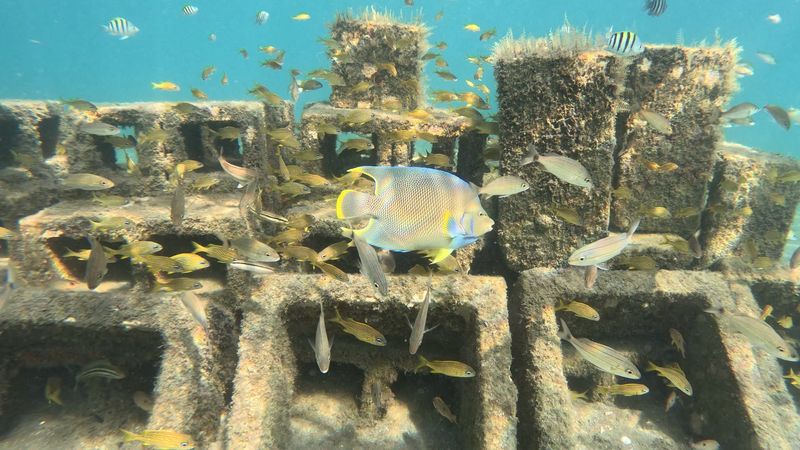
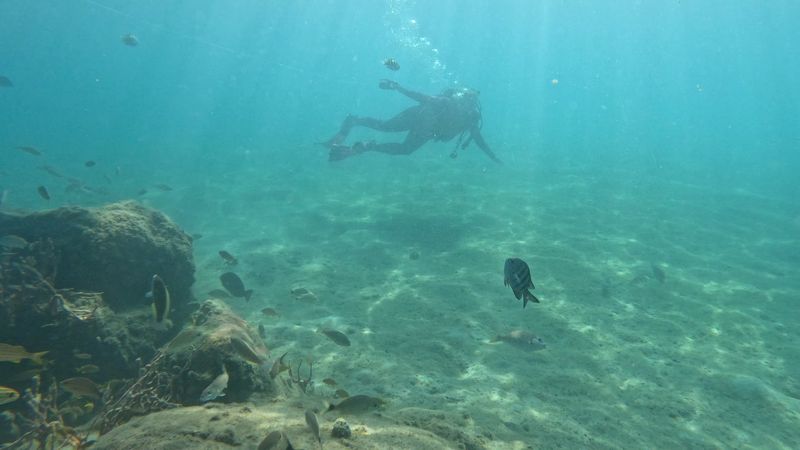
Out past the shallow entry point, a series of deliberately placed reef modules creates an underwater highway teeming with marine life. These structures sit in water roughly 8 to 16 feet deep, making them accessible to snorkelers of all skill levels. The trail markers guide you through the best viewing spots without getting lost.
Each artificial reef section attracts different species. Parrotfish munch on algae covering the limestone surfaces while sergeant majors dart between crevices. Larger structures provide hiding spots for moray eels and octopuses that peek out at curious swimmers.
The deeper sections near the bridge pilings host the most dramatic encounters. Massive stingrays glide along the sandy bottom, some spanning several feet across. Barracuda patrol the edges, looking intimidating but generally ignoring snorkelers completely.
Bringing a life jacket makes exploring the deeper trail sections more comfortable, especially for less experienced swimmers. The current remains generally mild, but having extra flotation lets you relax and focus on spotting creatures instead of treading water. Many visitors stick to the shallower areas near shore where starfish, small tropicals, and juvenile fish provide plenty of entertainment without venturing into deeper territory.
3. Incredible Marine Life Diversity
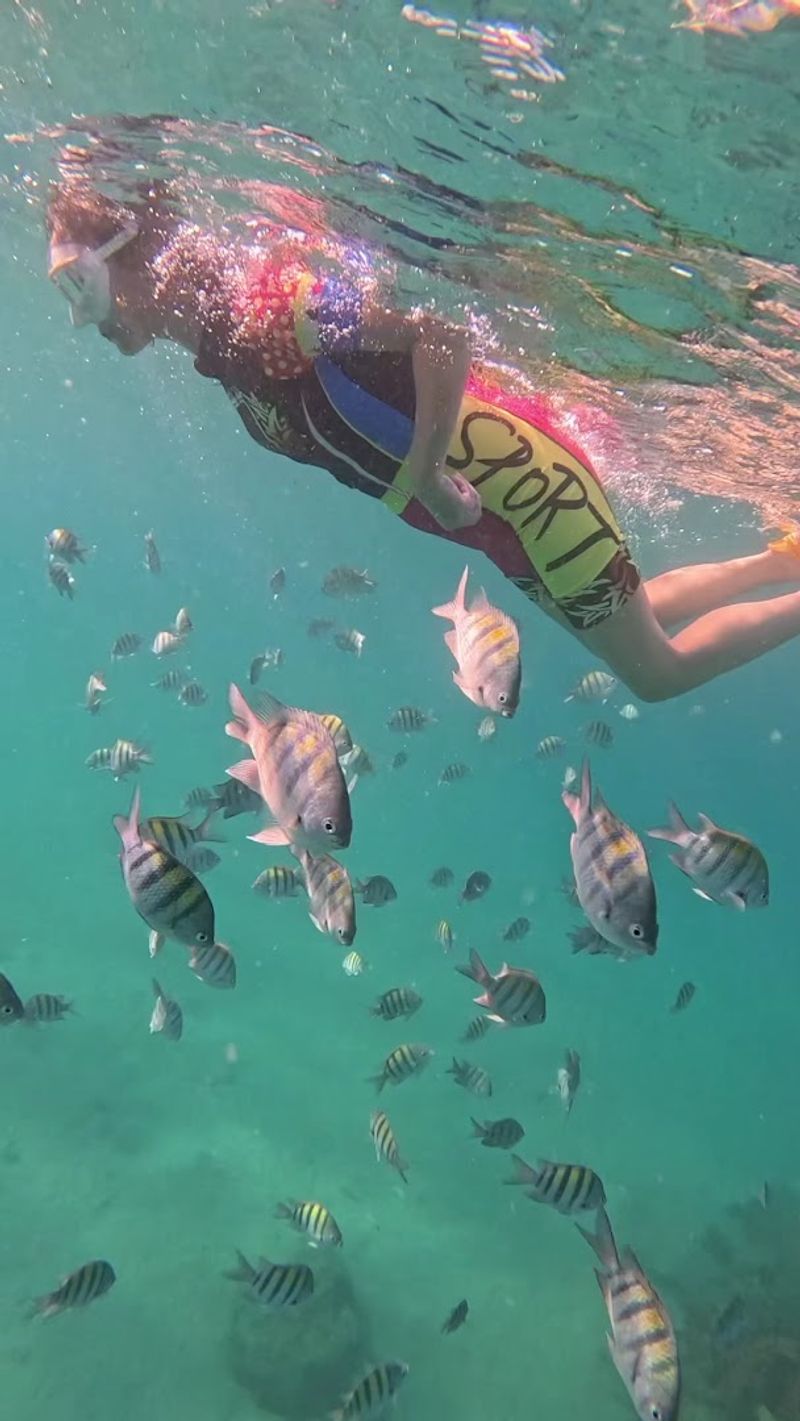
What makes this snorkel trail nationally recognized is the sheer variety of species packed into such a small area. You might spot everything from tiny neon gobies to giant rays in a single two-hour session. The unique location where inlet meets ocean creates a mixing zone that attracts both reef fish and pelagic wanderers.
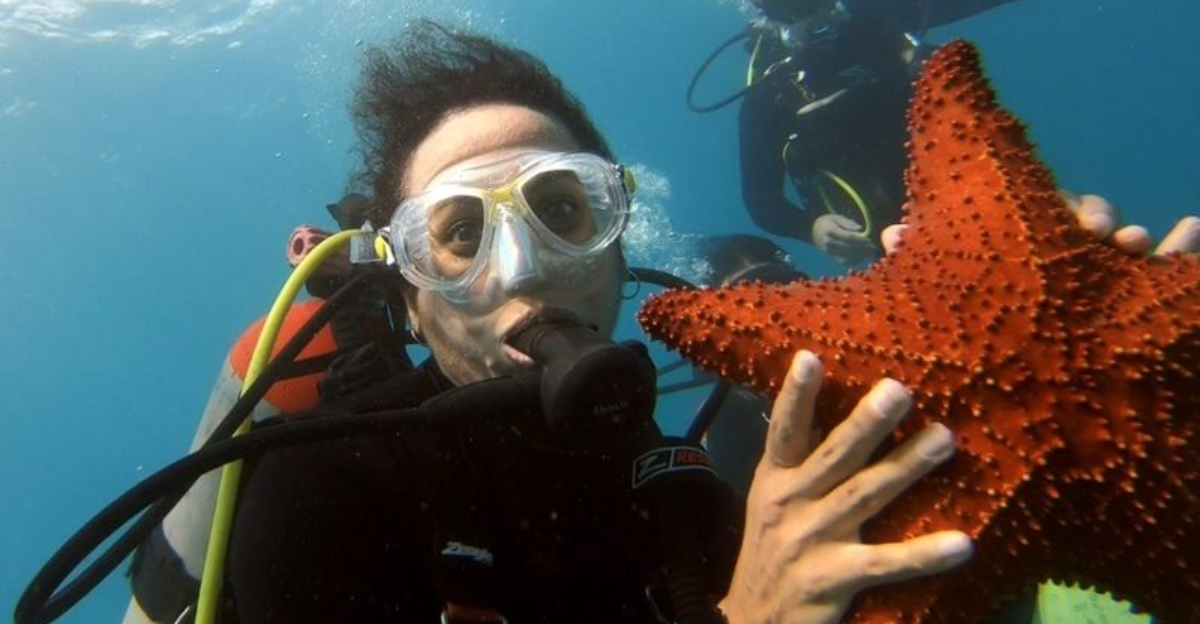
Starfish blanket the sandy patches between reef structures, some growing impressively large. Pufferfish bob around looking perpetually surprised, while needlefish slice through the surface above. Lucky visitors occasionally encounter manatees cruising through the area, especially during cooler months.
Night snorkeling reveals a completely different cast of characters. Octopuses emerge from daytime hiding spots, lobsters march across the bottom, and bioluminescent organisms sparkle in your wake. Guided night tours operate regularly for those wanting expert help spotting nocturnal creatures.
The muck bottom environment supports species rarely seen together elsewhere. Tropical reef fish coexist with brackish mangrove dwellers and open-water species, creating what divers call a “critter paradise.” Every visit produces different sightings depending on season, tide, and pure luck. Some reviewers compare the biodiversity favorably to Caribbean destinations, which is remarkable for a shore-accessible Florida site.
4. Perfect for Snorkeling Beginners
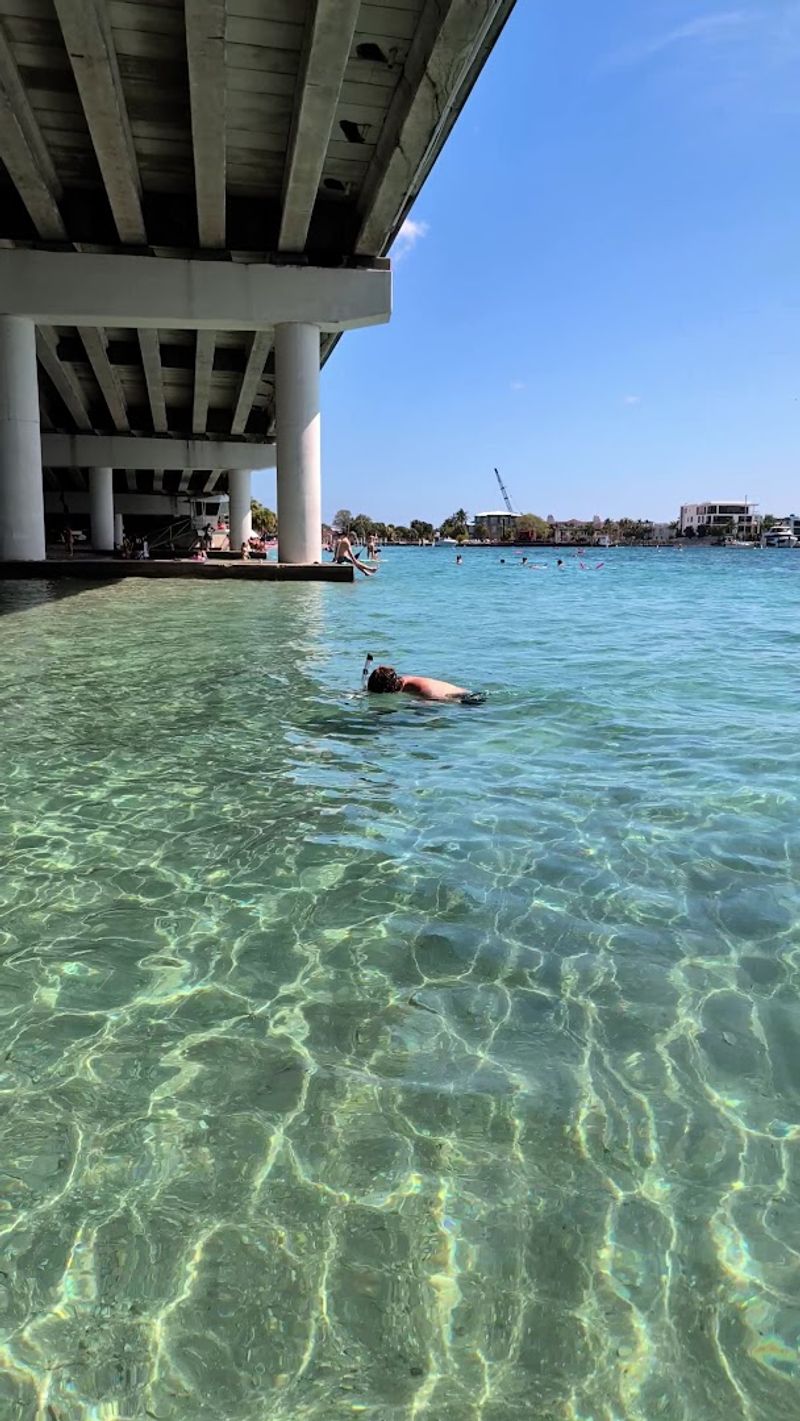
Unlike ocean snorkeling that requires boat rides or battling surf, this trail offers calm inlet conditions perfect for first-timers. The protected location beneath the bridge eliminates wave action that intimidates nervous swimmers. You can walk right in from the sandy beach and adjust your mask in waist-deep water before venturing further.
Shallow sections near shore provide confidence-building practice areas. Kids and beginners can spot fish and starfish in just two to three feet of water without any pressure to swim into deeper zones. The gradual depth increase lets everyone progress at their own comfort level.
Rental equipment is available from nearby shops if you don’t own fins and masks. Many first-time snorkelers book guided tours with operators like Tabitha from Unseen Snorkeling, who provide gear, instruction, and expert spotting help. Having a guide point out camouflaged creatures makes the experience far more rewarding for beginners.
The consistent marine life sightings boost confidence quickly. Even nervous swimmers usually spot multiple species on their first attempt, creating instant enthusiasm. The lack of dangerous currents, clear entry and exit points, and constant presence of other snorkelers and divers creates a safe learning environment that gets beginners hooked on underwater exploration.
5. Exploring Both Bridge Sections
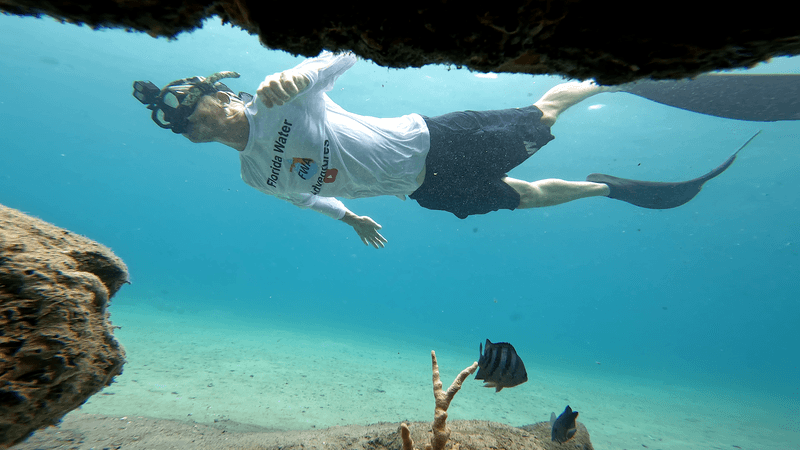
Most visitors focus on the artificial reef trail, but the bridge pilings themselves harbor incredible marine life. Barnacle-encrusted concrete columns create vertical reef structures where fish congregate in dense schools. Swimming along the bridge shadow reveals species that prefer darker, more protected environments.
The bridge provides natural shade that protects fair-skinned snorkelers from Florida’s intense sun. You can spend hours in the water without getting fried, making this spot unusually comfortable for extended sessions. The shade also keeps certain fish species hanging around throughout the day.
Both the east and west sides of the bridge offer different experiences. Currents, depth, and species composition vary slightly between sections. Experienced snorkelers often explore both areas during a single visit to maximize creature encounters.
Watch for fishing line tangled around pilings and reef structures. Some visitors carry cutting tools to remove abandoned line that poses hazards to marine life and swimmers. The fishing activity from above creates this issue, but also attracts larger predatory fish that follow baitfish schools.
Exploring the bridge zones adds variety to your snorkeling adventure and often produces surprise encounters with larger species cruising through the deeper channels between supports.
6. Free Access With Premium Results
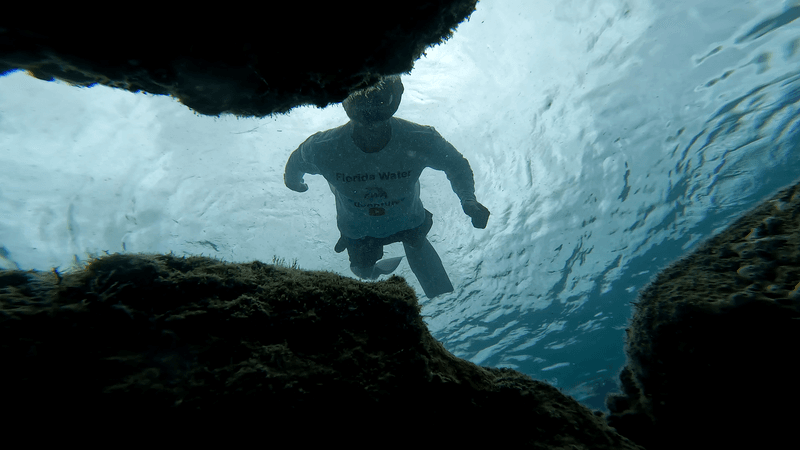
Zero admission fees make this world-class snorkeling spot accessible to everyone. Phil Foster Park charges nothing for entry, parking, or beach access. You only need basic snorkel gear to experience underwater views that rival paid Caribbean excursions costing hundreds of dollars.
The economic accessibility makes this perfect for families, budget travelers, and locals wanting regular underwater adventures. Bring your own equipment and you can snorkel as often as you want without any financial barrier. This democratization of quality marine experiences is rare in Florida’s increasingly commercialized coastal areas.
Park facilities include restrooms, showers, and picnic areas that support full-day visits. You can rinse off saltwater, eat lunch under pavilions, and make multiple snorkel sessions without leaving. The infrastructure rivals paid beach parks while remaining completely free.
Comparing this to boat-based snorkel tours that charge per person for shorter bottom time highlights the incredible value. You control your schedule, stay as long as conditions allow, and return whenever you want. Some visitors make this their regular weekend destination, building familiarity with the site that leads to better creature spotting.
The free access combined with nationally recognized marine biodiversity creates an unbeatable combination for underwater enthusiasts.
7. Combining Snorkeling With Other Activities
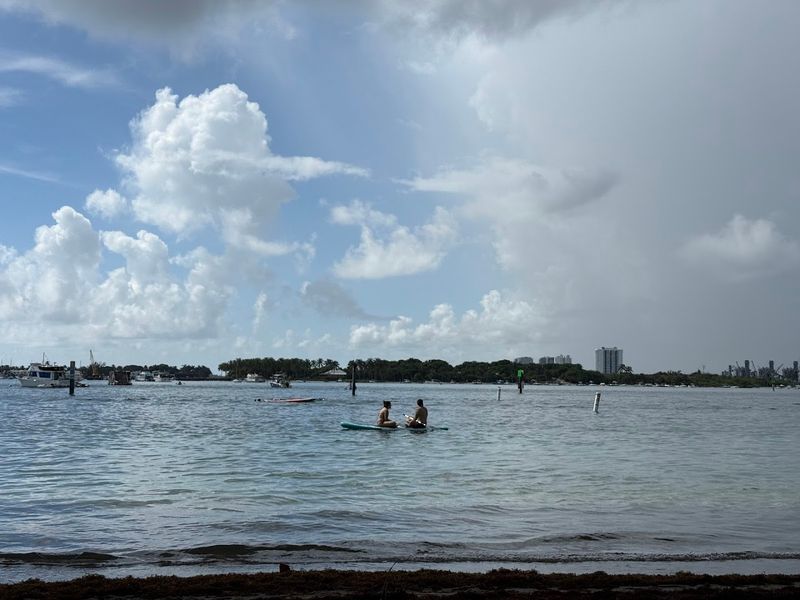
The park’s location opens up multiple adventure options beyond snorkeling. Peanut Island sits just across the inlet, reachable by paddleboard or kayak rental from nearby outfitters. You can snorkel the reef trail in the morning, then paddle over to explore the island’s beaches and historic bunker in the afternoon.
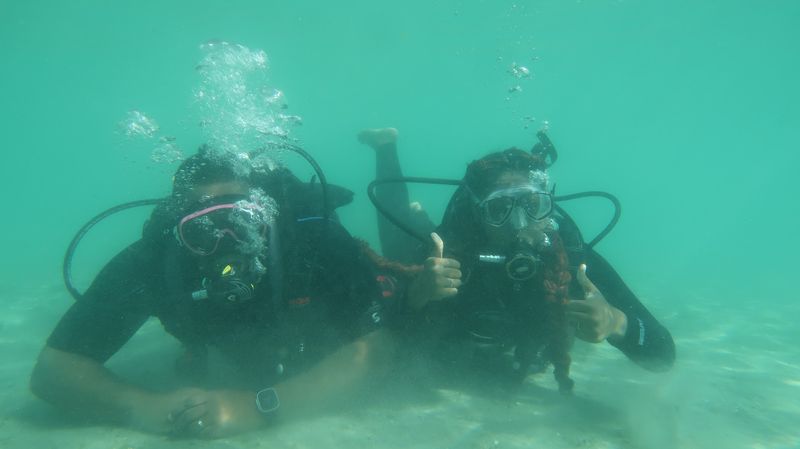
Scuba divers frequently use this site for certification training and casual diving. Watching experienced divers descend around the reef structures adds excitement even if you’re sticking to snorkeling. Many snorkelers eventually progress to diving after falling in love with this location.
The beach area itself offers picnicking, swimming, and relaxation spots for non-snorkelers in your group. Families with mixed interest levels can keep everyone happy since the park accommodates both water enthusiasts and those preferring to stay dry. Shaded areas under the bridge provide comfortable spots to watch snorkelers and boats passing through the inlet.
Fishing from shore or bridge attracts anglers who coexist with snorkelers. The multi-use nature creates occasional conflicts over space, but generally everyone shares the area peacefully. Combining activities makes this a full-day destination rather than just a quick snorkel stop, maximizing your time in this beautiful section of Florida’s coastline.
8. What to Bring for Best Experience
Quality snorkel gear makes the difference between frustration and enjoyment. A properly fitting mask that doesn’t leak lets you focus on marine life instead of constantly clearing water. Fins help you cover more distance with less effort, especially when exploring the deeper trail sections and bridge areas.
Rash guards or wetsuits protect from sun exposure during long sessions. Even under the bridge shade, reflected sunlight from the water surface can burn exposed skin. A thin wetsuit also provides warmth during winter months when water temperatures drop into the low 70s.
Underwater cameras capture memories of your encounters. Waterproof phone cases work for casual shots, while dedicated action cameras produce better quality in varying light conditions. Many visitors regret not bringing cameras after spotting giant rays or colorful reef fish.
Mesh bags help carry wet gear after your session without creating puddles in your car. Bring drinking water since saltwater and sun cause dehydration quickly. A life jacket or snorkel vest provides safety and comfort for weaker swimmers tackling deeper sections.
Cutting tools help remove fishing line if you encounter tangled wildlife. Preparation enhances your experience dramatically at this incredible free snorkel trail that delivers underwater adventures matching destinations requiring flights and resort fees.