When Florida Gets Hot, Locals Head to These Refreshing Destinations
When summer temperatures climb into the 90s and humidity makes the air feel like a wet blanket, Floridians know exactly where to find relief. Forget cranking up the air conditioning or hiding indoors all day.
The Sunshine State is blessed with dozens of natural springs and coastal escapes that stay refreshingly cool year-round, offering the perfect antidote to sweltering heat. These hidden gems and well-loved local favorites provide more than just a break from the temperature—they offer crystal-clear waters, unique wildlife encounters, and memories that last long after you’ve dried off.
1. Blue Spring State Park — Orange City
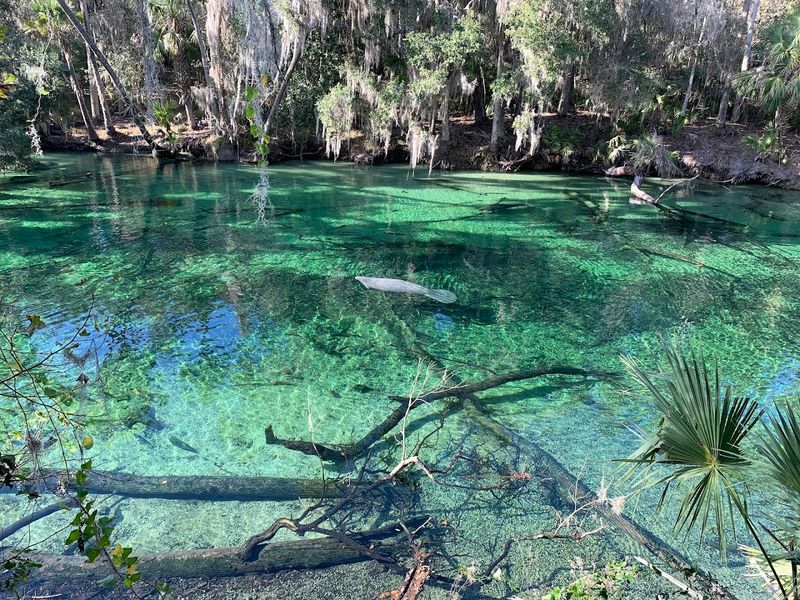
Picture stepping into water so clear you can count every pebble on the bottom, where the temperature holds steady at 72 degrees no matter how scorching it gets outside. Blue Spring delivers exactly that experience, and during winter months, you might share the water with up to 600 manatees seeking the same cool refuge you are.
The spring pumps out over 100 million gallons of water daily, creating a river that flows gently toward the St. Johns. Locals arrive early on weekends because this place fills up fast, especially when the thermometer pushes past 95 degrees.
Bring your snorkel gear and prepare to float in water so pristine it feels almost unreal.
Swimming happens only from late spring through fall since manatees claim the area during cooler months. But even when you can’t get in, watching these gentle giants from the boardwalk offers its own kind of magic.
The park sprawls across 2,600 acres of pine flatwoods and hardwood hammocks, giving you plenty of shaded trails to explore when you need a break from the sun.
Kayakers love paddling the spring run out to the St. Johns River, gliding through tunnels of overhanging trees that provide natural air conditioning. Pack a cooler, claim a picnic spot under the oaks, and settle in for a day where the biggest decision you’ll make is whether to swim again or just float lazily downstream.
2. Manatee Springs State Park — Chiefland
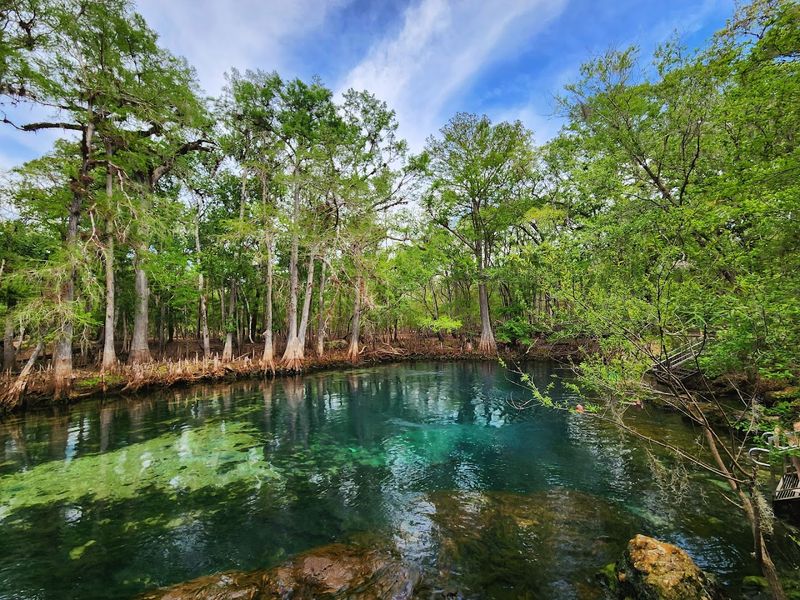
Tucked away in North Florida where the spring meets the Suwannee River, Manatee Springs offers a first-magnitude spring that cranks out 100 million gallons of 72-degree water every single day. The moment you see that impossible shade of turquoise against the dark tannin-stained river water, you’ll understand why locals guard this spot like a secret.
The spring basin runs deep—around 25 feet at its deepest point—making it popular with divers who explore the cavern system below. Surface swimmers and snorkelers have plenty of room to enjoy the cool water without worrying about depth.
The spring run stretches about 800 feet before emptying into the Suwannee, creating a perfect lazy river for tubing or kayaking.
During summer weekends, families spread out along the grassy areas near the spring, setting up camp for the day with umbrellas and coolers. The park provides ample shade from towering oaks draped in Spanish moss, offering respite when you need a break from the water.
Wildlife sightings happen regularly—from otters playing in the current to turtles sunning on logs.
Manatees do visit occasionally, especially during winter, though not in the same concentrations as other springs. The real draw here is the combination of that impossibly clear spring water meeting the dark, mysterious Suwannee River, creating a visual contrast that photographs beautifully but looks even better in person.
3. Rock Springs — Apopka
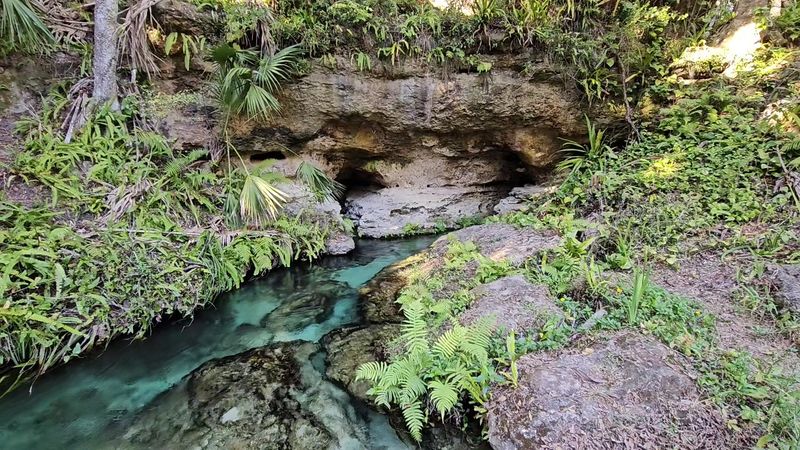
Rock Springs flows with such force that it creates a natural lazy river perfect for floating on inner tubes while sipping cold drinks and forgetting the outside world exists. The spring maintains its signature 68-degree temperature, making it noticeably cooler than many other Florida springs and absolutely perfect when August heat becomes unbearable.
What makes this spot special is the vibe—it’s less crowded than the famous springs, giving it a more relaxed, locals-only atmosphere. The spring run winds through lush vegetation for about a mile before reaching the Wekiva River, and floating this route has become a beloved tradition for Central Florida families.
Some people bring elaborate floating setups with coolers attached, turning the experience into an all-day adventure.
The main swimming area features a large pool where kids can safely splash while parents relax on the grassy banks. A rope swing dangles from a sturdy tree branch, and on any given summer day, you’ll hear squeals of delight as swimmers take turns launching into the refreshing water.
The sandy bottom makes entry easy, though water shoes help if you’re sensitive about rocks.
Kelly Park, which houses Rock Springs, charges a small entrance fee that helps maintain the facilities and preserve the natural environment. Arrive before 10 AM on summer weekends or risk finding the parking lot full and gates closed until space opens up.
4. Ichetucknee Springs State Park — Fort White
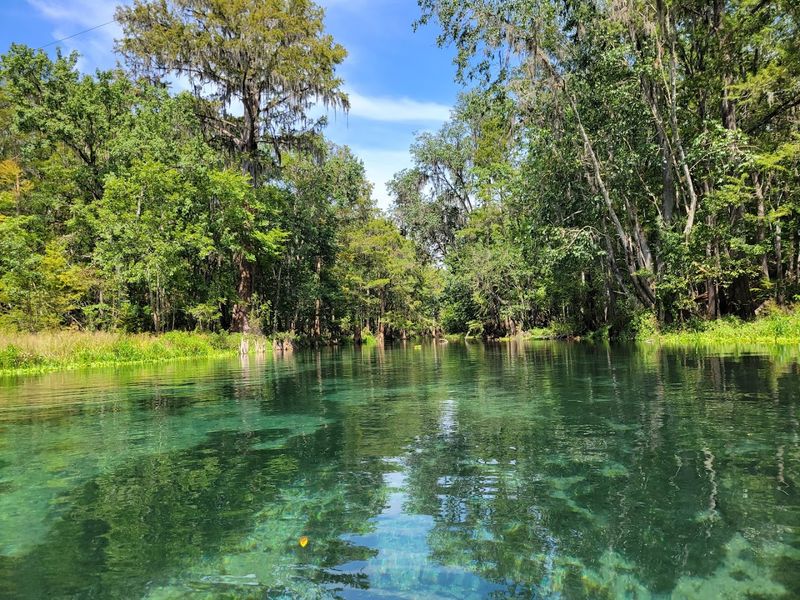
Ask any North Florida local about beating the heat, and they’ll likely mention tubing the Ichetucknee. This spring-fed river has achieved near-legendary status among those who know, offering a three-hour float through some of the most beautiful scenery in the state.
Eight major springs feed the river, keeping temperatures around 72 degrees even when air temperatures soar past 100.
The upper launch point starts your journey through crystal-clear water so transparent you can watch fish swimming below your tube. Tree branches create a natural canopy overhead, filtering sunlight into dancing patterns on the water’s surface.
The current does all the work, gently pulling you downstream while you relax completely, trailing your hands in the cool water.
Blue Hole Spring serves as the main swimming area for those who prefer staying in one spot rather than floating the entire river. The spring basin drops to about 30 feet deep, with water so clear that depth perception becomes tricky.
Snorkelers love exploring here, spotting turtles, fish, and the occasional otter going about their business.
The park limits daily visitors to protect the delicate ecosystem, so summer weekends often see the gates close by mid-morning. Serious tubers arrive at opening time, rent tubes from the concessionaire, and claim their spot on the river before crowds arrive.
Pack waterproof bags for your belongings, slather on reef-safe sunscreen, and prepare for one of Florida’s most refreshing experiences.
5. Rainbow Springs State Park — Dunnellon
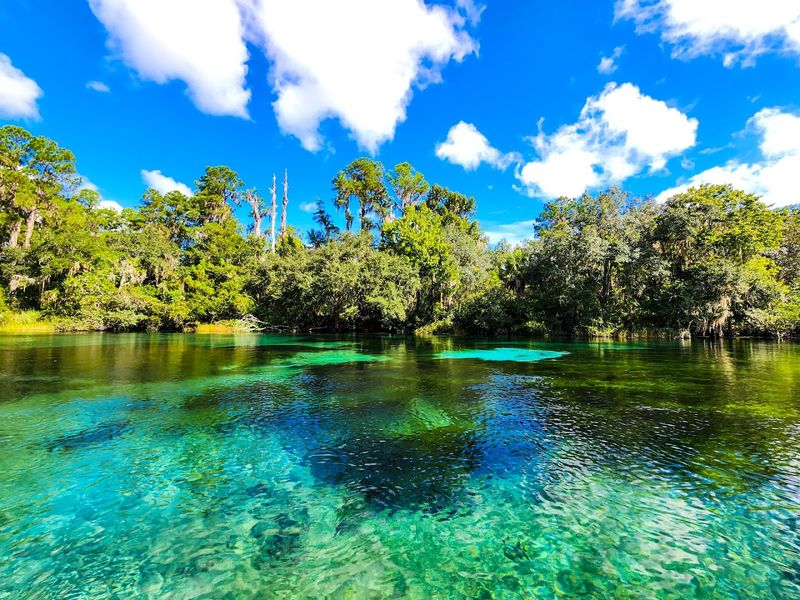
Rainbow Springs pumps out the fourth-largest volume of water of any spring in Florida, creating a river so visually stunning that it hardly seems real. The headspring produces over 400 million gallons daily of 72-degree water in shades ranging from deep sapphire to brilliant turquoise, depending on light and depth.
Underwater plants sway in the current like an aquatic garden, visible in perfect detail through the crystalline water.
Swimming in the headspring area lets you experience water clarity that rivals any tropical destination, except this one stays perpetually cool and refreshing. The spring basin stretches wide and deep, giving swimmers plenty of room to explore without feeling crowded.
Snorkeling here reveals a whole world below the surface—schools of fish, turtles cruising past, and vegetation that looks almost too vibrant to be natural.
The park also offers tubing and kayaking down the Rainbow River, a four-mile journey through untouched Florida wilderness. Cypress trees line the banks, their knees jutting from the water like natural sculptures.
Eagles nest in the tallest trees, and if you’re lucky, you might spot one swooping down to snatch a fish from the river.
Historic gardens from the old attraction days still bloom throughout the park, adding unexpected bursts of color to the natural landscape. Azaleas, camellias, and other ornamental plants thrive in the humid environment, creating photo opportunities around every bend.
Weekdays offer the best experience here, as weekends draw crowds from across the state.
6. Weeki Wachee Springs State Park — Spring Hill
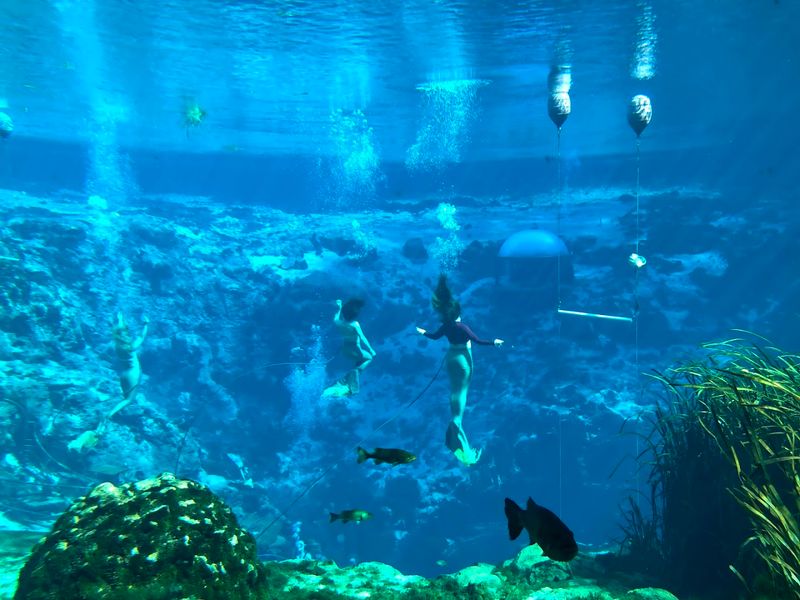
Where else can you watch mermaids perform underwater ballet in a natural spring while planning your own swim in the same crystal-clear water? Weeki Wachee has been enchanting visitors since 1947, when the first mermaid show debuted in this first-magnitude spring.
The spring pushes out 117 million gallons of 74-degree water daily, creating both a unique entertainment venue and a fantastic place to cool off.
After watching the mermaid show through the underwater theater’s windows, head to Buccaneer Bay, the park’s water playground fed directly by spring water. The wave pool, flume rides, and beach area all use that same refreshingly cool spring water, making it infinitely more pleasant than any chlorinated public pool.
Kids can play for hours without overheating, and parents can actually relax knowing the water temperature provides built-in cooling.
Kayaking the Weeki Wachee River offers a more adventurous way to experience the spring. The river winds through pristine wilderness for miles, with water so clear you can see every detail of the sandy bottom even in deep sections.
Manatees, turtles, and countless fish species call this river home, and spotting wildlife becomes part of the journey.
The combination of old Florida charm and natural beauty makes Weeki Wachee feel like stepping back in time. The vintage mermaid shows maintain their retro appeal while the spring itself remains as wild and refreshing as ever, offering the perfect blend of entertainment and natural escape.
7. Gilchrist Blue Springs State Park — High Springs
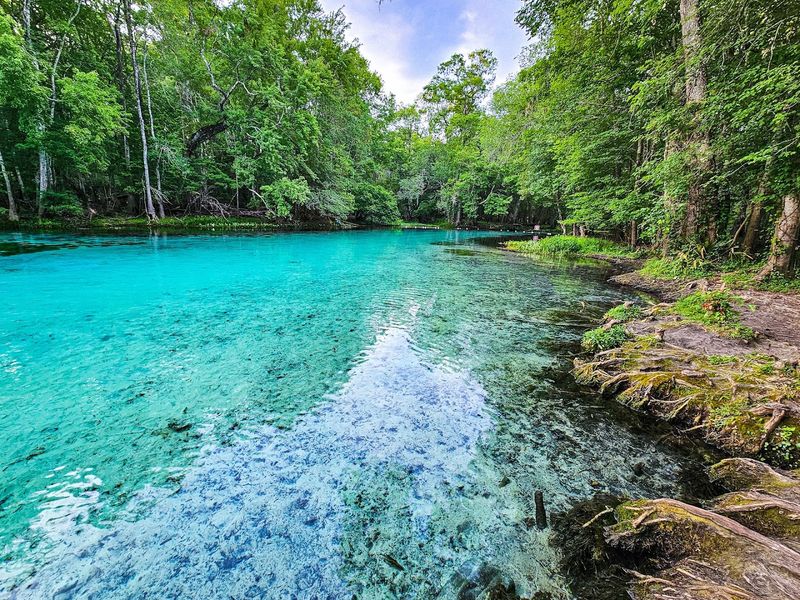
Gilchrist Blue might be smaller than some of Florida’s famous springs, but what it lacks in size it makes up for in stunning beauty and that perfect swimming temperature of 73 degrees. The spring basin glows with an almost supernatural blue that seems to radiate from within, created by the way sunlight interacts with the limestone and minerals in the water.
Certified cave divers flock here to explore the extensive underwater cave system, but surface swimmers have plenty of room to enjoy the spring without getting in anyone’s way. The basin stays relatively shallow near the edges before dropping off into the cavern entrance, making it suitable for swimmers of all skill levels.
Snorkeling around the perimeter reveals interesting rock formations and the occasional curious fish checking you out.
The park itself remains fairly undeveloped compared to larger state parks, which many locals consider a feature rather than a bug. Fewer amenities mean smaller crowds and a more natural experience.
Picnic tables scatter under the trees, and a short nature trail loops through the surrounding forest if you want to stretch your legs between swims.
Santa Fe River flows past the spring, offering additional recreation opportunities for paddlers. The river’s tannin-stained water contrasts dramatically with the spring’s brilliant blue, creating a striking visual where the two waters meet.
Summer weekends can get busy, but arrive on a weekday morning and you might have this little slice of paradise almost entirely to yourself.
8. Madison Blue Spring State Park — Lee
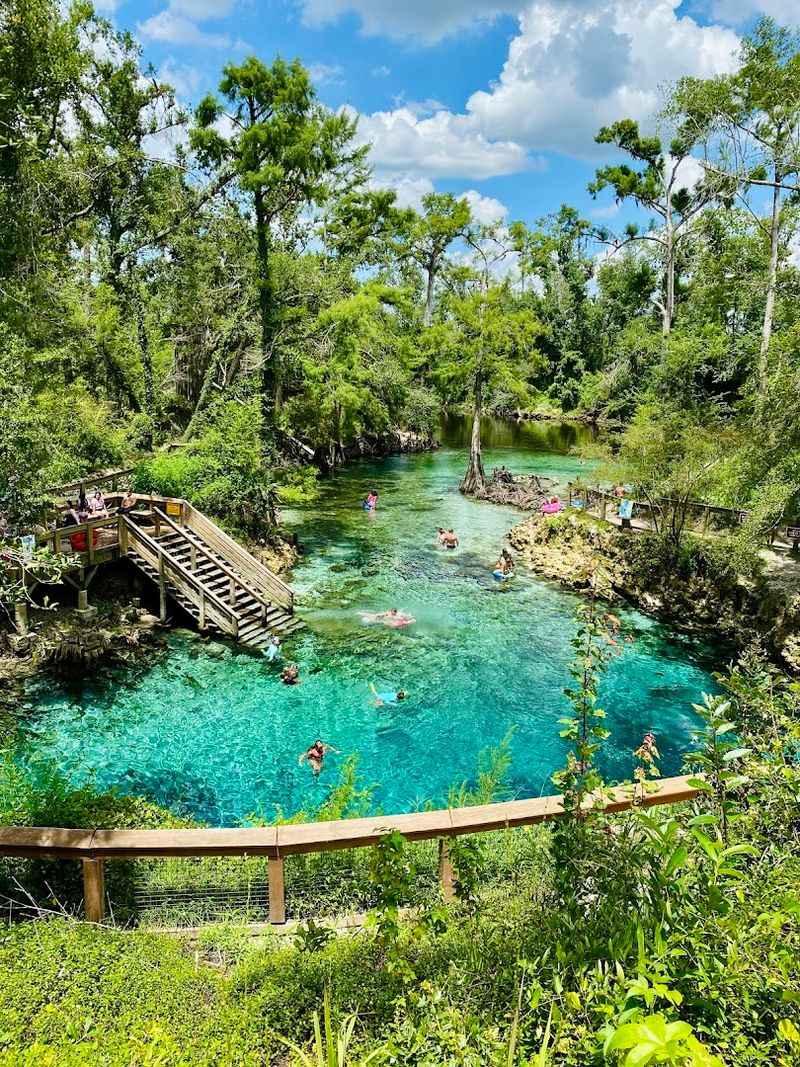
Madison Blue Spring sits tucked away in North Florida’s backcountry, far enough off the beaten path that it never gets the crushing crowds of more famous springs. The spring basin measures about 82 feet across and drops to depths of 25 feet, with water maintaining a constant 72 degrees year-round.
That deep blue color gives the spring its name, looking almost artificially vibrant against the surrounding greenery.
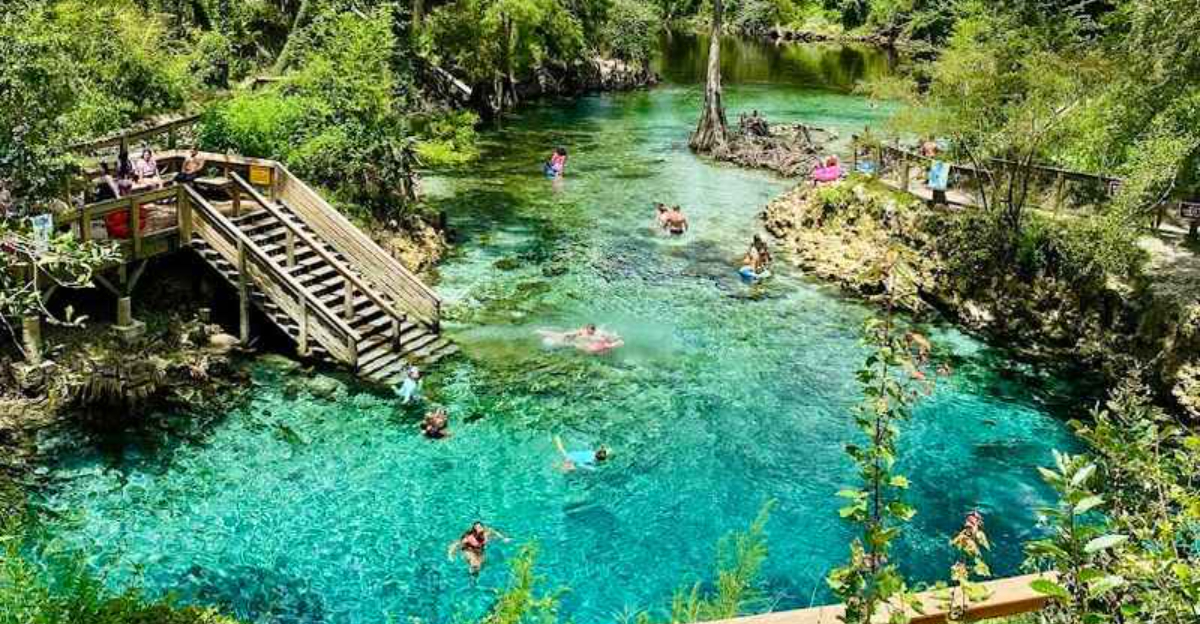
A wooden dock extends over the spring, providing easy access for swimmers and a perfect platform for jumping into the refreshing water below. The spring feeds into the Withlacoochee River, creating a short run that’s popular with kayakers and tubers.
The current moves gently enough for swimming against it, letting you work up a good effort before relaxing and floating back downstream.
Cave divers come here to explore the extensive underwater cave system, but even if you’re not certified for cave diving, watching them disappear into the depths adds an element of mystery to the experience. The cavern opening looks like a doorway into another world, dark and inviting for those with the training to explore it safely.
The park remains relatively primitive, with basic facilities and a natural, undeveloped feel that appeals to those seeking authentic Florida wilderness. Bring your own food and drinks since no concessions operate here.
The surrounding forest provides ample shade, and the sound of water flowing from the spring creates a peaceful soundtrack for a lazy afternoon spent doing absolutely nothing but staying cool.
9. Three Sisters Springs — Crystal River
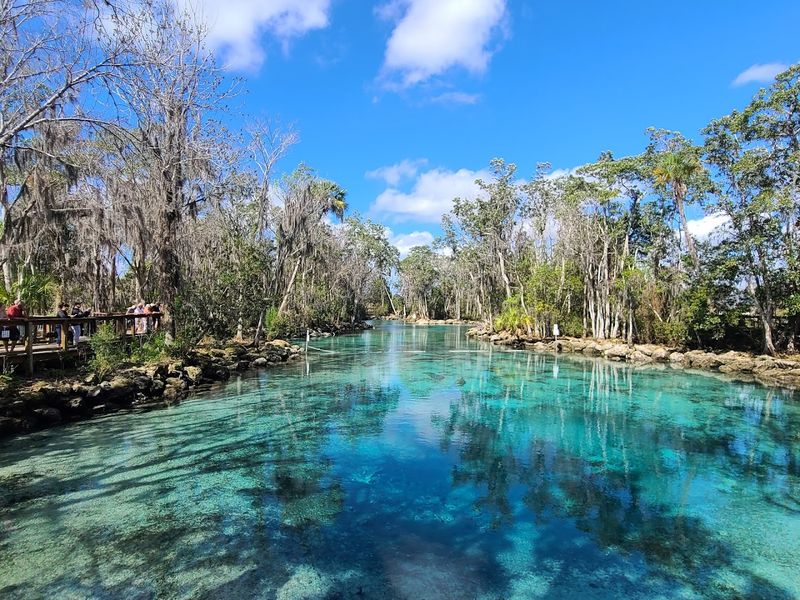
Three Sisters Springs has become famous as one of the best places in the world to see manatees in their natural habitat, but it’s also an incredibly refreshing swimming spot when manatee season closes. The spring complex actually consists of multiple springs that flow together, creating a large area of crystal-clear, 72-degree water that stays inviting even on the hottest days.
During summer months when manatees head out to warmer Gulf waters, swimmers can enjoy the springs without restrictions. The water clarity here rivals any tropical destination, with visibility often exceeding 100 feet.
Floating in water this clear creates an almost surreal sensation, like hovering in liquid glass. The sandy bottom and gentle current make it perfect for families with kids.
The boardwalk system surrounding the springs offers excellent viewing even when you’re not in the water. Educational signs explain the spring ecosystem, and the elevated walkways let you peer down into the water without disturbing the environment.
When manatee season returns in late fall, you can observe hundreds of these gentle creatures from the boardwalk while they cluster in the warm spring water.
Access to Three Sisters requires a bit more planning than some springs. Kayak or boat access works best, though a land entrance exists with limited parking.
The Crystal River National Wildlife Refuge manages the area, enforcing strict rules to protect the manatees and preserve water quality. These protections have kept the springs in pristine condition, making every visit feel special.
10. Wekiwa Springs State Park — Apopka
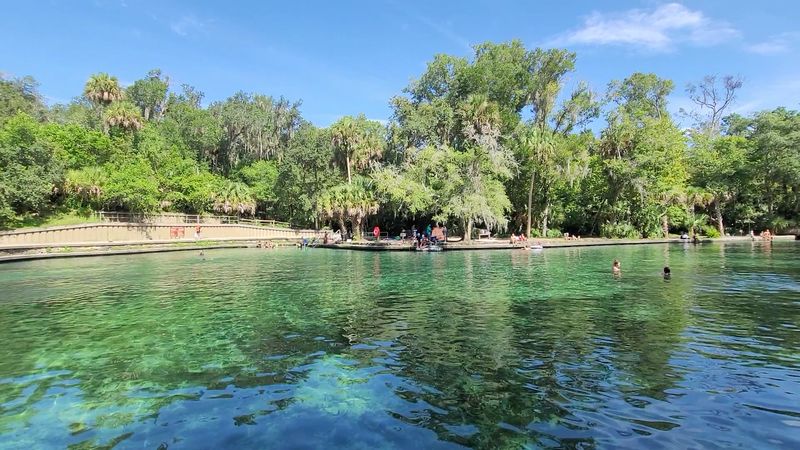
Just minutes from Orlando’s theme park madness, Wekiwa Springs offers a completely different kind of escape. The spring pumps out 42 million gallons daily of 72-degree water into a large swimming area that accommodates crowds without feeling cramped.
A sandy beach area surrounds the spring basin, giving families space to spread out towels and set up camp for the day.
The spring run flows gently toward the Wekiva River, creating perfect conditions for kayaking or canoeing through pristine Florida wilderness. Paddling this route feels like traveling back in time—cypress trees draped with Spanish moss line the banks, herons fish in the shallows, and alligators sun themselves on logs.
Despite being so close to urban development, the park maintains a wild, untouched character.
Hiking trails wind through 7,800 acres of diverse ecosystems, from pine flatwoods to hardwood swamps. The trails offer varying lengths and difficulty levels, but all provide welcome shade and chances to spot wildlife.
Black bears live in the park, though they generally avoid areas where people congregate. Still, seeing bear warning signs adds a little thrill to your wilderness experience.
The spring itself stays busy on summer weekends, with locals arriving early to claim their favorite spots. Weekday visits offer a more relaxed experience with shorter lines and more room to swim.
The bathhouse provides changing facilities and outdoor showers, and a concession stand sells snacks and drinks when you need refreshment beyond the cool spring water.
11. Honeymoon Island State Park — Dunedin
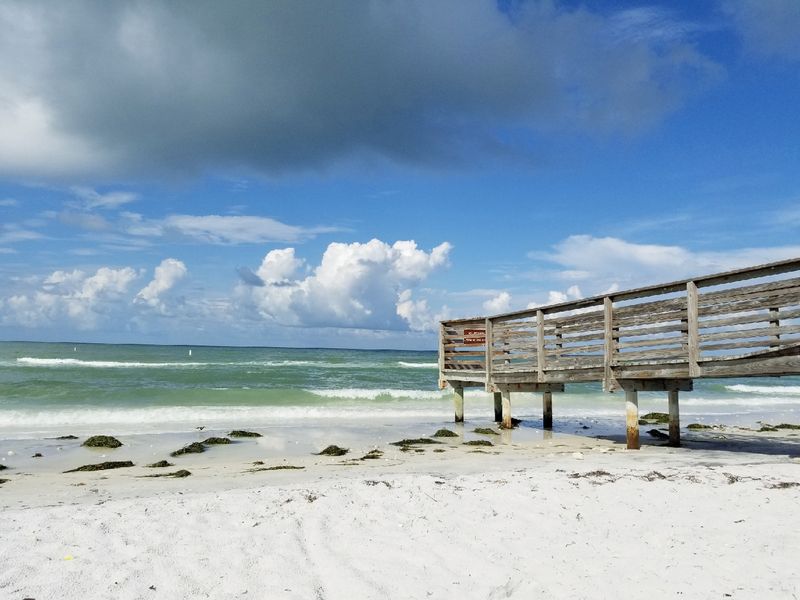
When springs feel too chilly and you want saltwater instead, Honeymoon Island delivers exactly what overheated Floridians crave. Four miles of pristine beach face the Gulf of Mexico, where gentle waves lap against white sand and the water stays refreshingly cool compared to the blazing sand.
The Gulf breeze provides natural air conditioning, making beach time actually comfortable even in July and August.
Unlike the Atlantic side’s sometimes rough surf, the Gulf waters here remain calm and clear most days. You can wade out surprisingly far before the water reaches chest-deep, making it ideal for families with small children.
The sandy bottom stays smooth and shell-free in the swimming areas, though dedicated shell collectors find plenty of treasures along the tide line.
The island’s interior offers nature trails through coastal hammock where gopher tortoises lumber across the path and osprey nest in the tall pines. The Osprey Trail leads to a secluded beach area that sees fewer visitors than the main swimming beach.
Bring binoculars because the bird watching here ranks among the best on Florida’s Gulf Coast.
A causeway connects the island to the mainland, making access easy without requiring a boat. The park charges a small entrance fee per vehicle, but annual passes pay for themselves after just a few visits.
Arrive early on summer weekends because the parking lot fills up fast, and once it’s full, rangers close the gates until spaces open up.
12. Siesta Beach — Sarasota
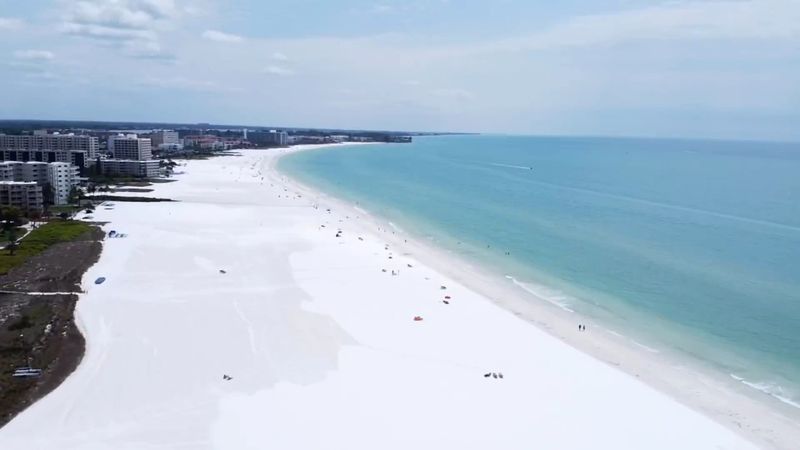
Siesta Beach’s sand feels unlike any other beach in Florida because it’s composed of 99% pure quartz crystal, ground so fine it squeaks under your feet and stays cool even in direct sunlight. That coolness factor alone makes it a heat-relief destination—you can walk barefoot across the sand at noon without burning your feet, something impossible at most beaches.
The water here glows in shades of turquoise and emerald that look photoshopped but are completely real. The Gulf stays calm most days, with gentle waves perfect for swimming, floating, or just standing waist-deep while the current massages away your stress.
The gradual slope means you can wade out far from shore while still touching bottom, giving swimmers confidence and parents peace of mind.
Beach amenities here exceed what you’ll find at most Florida beaches. Covered picnic pavilions, volleyball courts, playground equipment, and spotless restrooms make all-day visits comfortable for families.
Lifeguards patrol the swimming areas during peak season, adding an extra layer of safety. The parking lot can accommodate hundreds of cars, though even that proves insufficient on summer weekends.
Sunset watching has become a Siesta Beach tradition, with locals and visitors gathering as the sun drops toward the horizon. The white sand reflects the changing light, glowing pink and orange as the sky puts on its show.
Even after sunset, the sand retains that remarkable coolness, making evening beach walks comfortable when inland areas still radiate stored heat from the day.