This Nearly Abandoned Orlando Mall Is a Haunting Throwback to Florida’s Shopping Glory Days
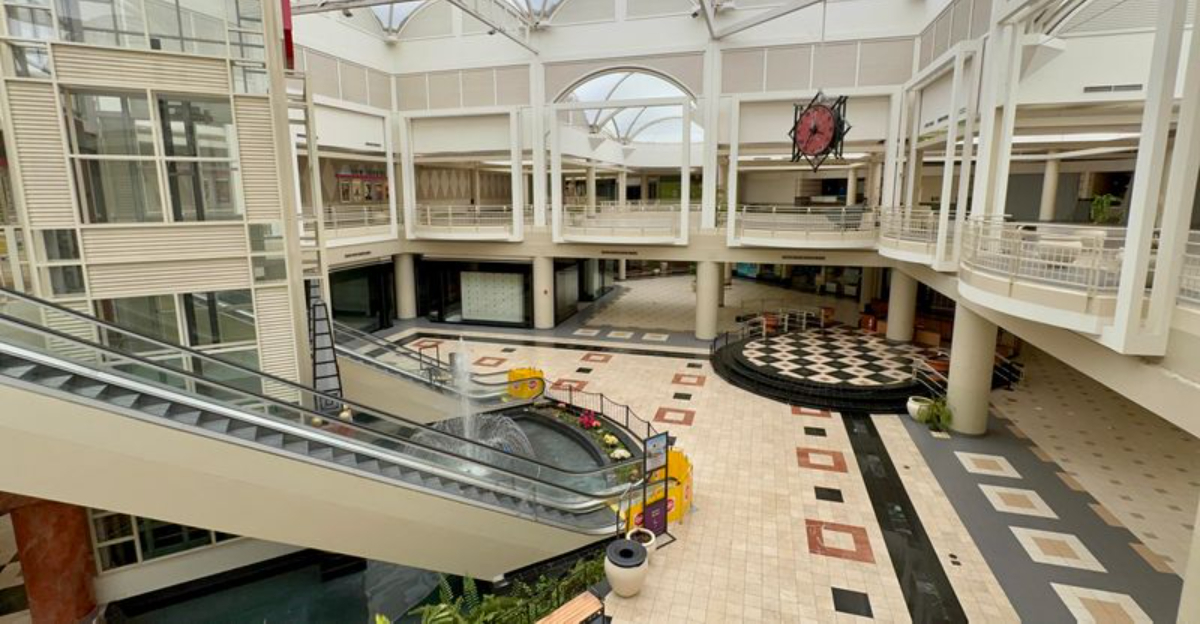
Orlando Fashion Square sits quietly on East Colonial Drive like a ghost from another era. Once a bustling hub where families shopped and teenagers hung out, this mall now stands mostly empty with only a handful of stores clinging to survival. Walking through its corridors today feels like stepping into a time capsule that captures both the glory and decline of American shopping culture, making it one of Central Florida’s most fascinating yet melancholy landmarks.
1. The Eerie Architecture of a Bygone Shopping Era
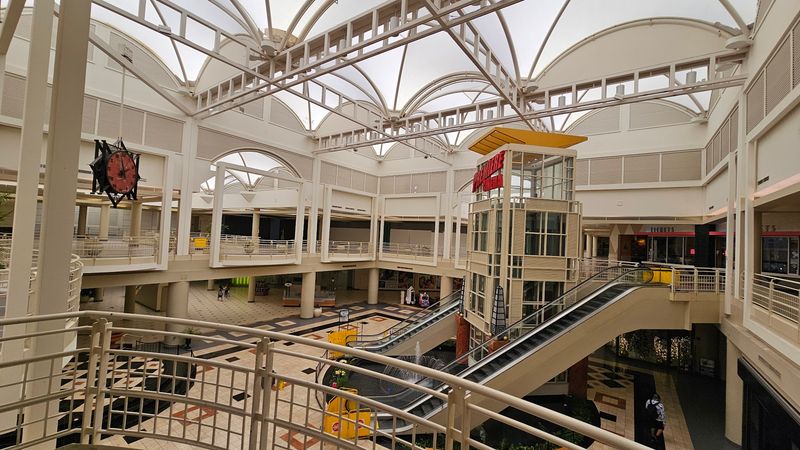
Step inside Orlando Fashion Square and you’re instantly transported back to the golden age of mall culture. The architecture screams 1980s optimism with its open atriums, decorative railings, and generous skylights that once flooded the space with natural light. Today, those same design elements create an almost theatrical atmosphere of abandonment.
Water stains streak across ceilings where leaks have gone unrepaired for years. The fountain that once served as a central meeting point somehow still operates, its gentle bubbling echoing through mostly deserted hallways. Escalators stand frozen in place, forcing visitors to navigate via sketchy parking garage elevators just to reach the second floor.
The mall’s footprint remains impressively large, making the emptiness even more pronounced. You can gaze across vast expanses of shuttered storefronts, their metal gates pulled down permanently. What makes this place truly haunting isn’t just the vacancy but how much original infrastructure remains intact.
It’s like someone pressed pause on 1987 and never hit play again. The bones of a once-thriving retail destination are all here, just waiting for life to return.
2. The Handful of Survivors Still Open for Business
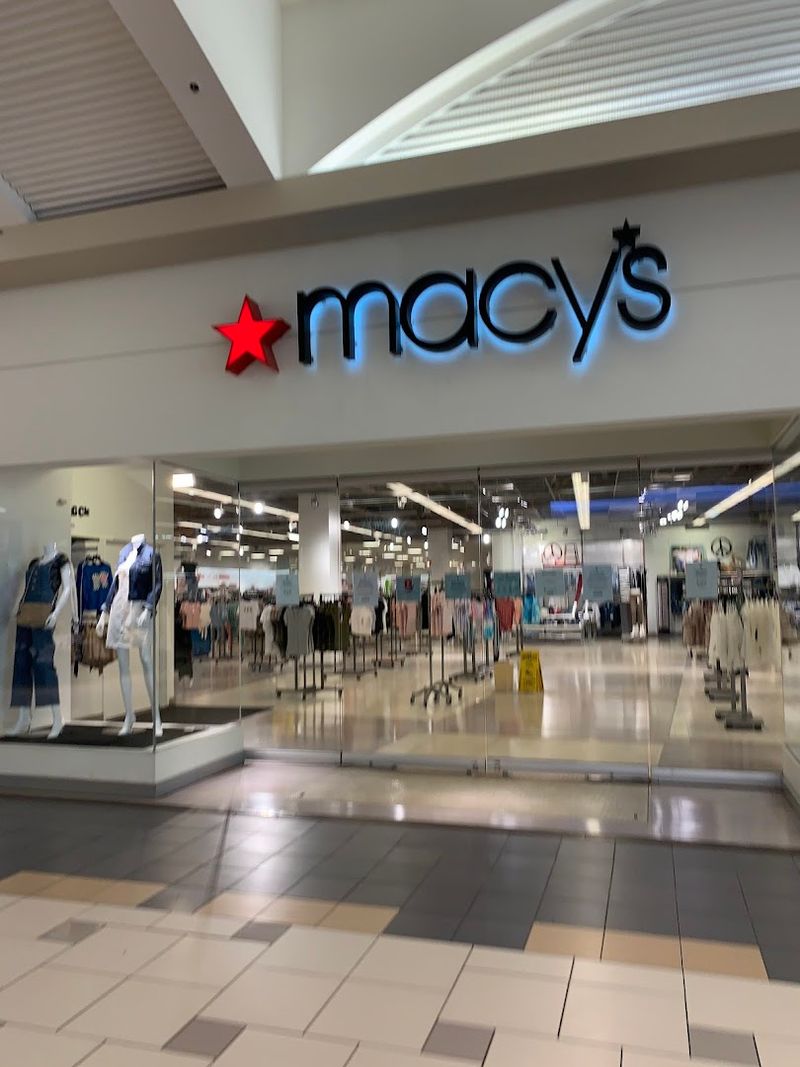
Against all odds, a few determined businesses refuse to surrender. Macy’s anchors one end of the mall, its bright lights and stocked shelves creating a surreal contrast against the surrounding desolation. Shoppers can actually enter the entire mall complex through Macy’s, which serves as the main access point for exploring the rest of the property.
Dillard’s maintains another outpost here, though visitors often describe it looking “deserted and like a backrooms level” despite posted signs insisting they’re open. Spencer’s somehow survives, offering its trademark selection of novelty items and pop culture merchandise. Planet Fitness and Champs Sports round out the short list of operating tenants.
A small food court area includes Panera Bread, providing one of the few dining options. The movie theater continues showing films, accessible through that infamous parking garage entrance that unnerves first-time visitors. These holdouts create pockets of normalcy scattered throughout the otherwise abandoned space.
Walking from one operating store to another means traversing long stretches of emptiness. It’s an absolutely bizarre shopping experience that feels both post-apocalyptic and strangely intimate since you’ll likely encounter more security guards than fellow customers during your visit.
3. The Movie Theater Experience Like No Other
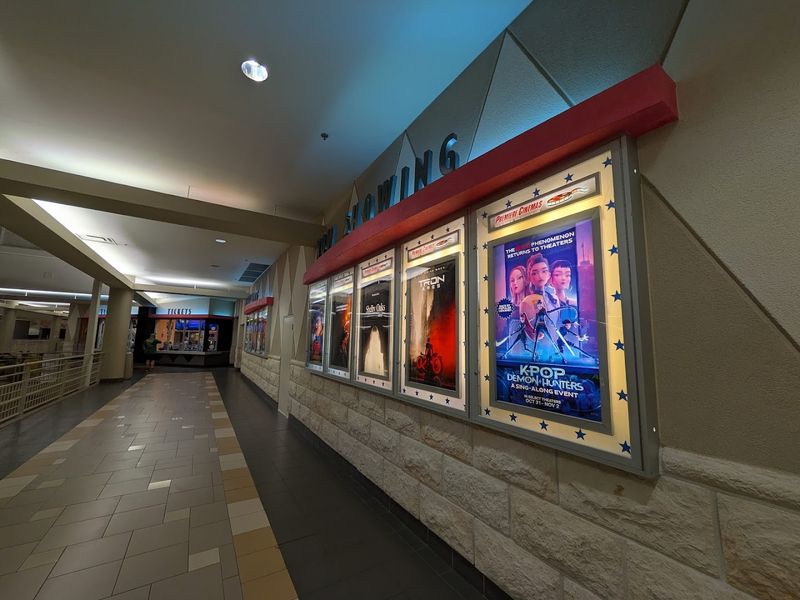
Catching a film at Orlando Fashion Square has become something of an adventure sport. The theater itself operates normally enough, showing current releases to surprisingly steady crowds. Getting there, however, requires navigating what feels like an urban exploration challenge rather than a typical moviegoing experience.
You must park in the attached garage and follow a specific route through the mall’s upper level. This pathway takes you past vast expanses of empty retail space, your footsteps echoing off tile floors. Some visitors describe feeling genuinely scared making this trek for evening showings when darkness adds extra creepiness.
The theater entrance sits at the end of this journey like a beacon of normalcy. Once inside, everything functions as expected with comfortable seating, working projectors, and fresh popcorn. It’s the before and after that makes the experience memorable.
Moviegoers have embraced the quirky charm, with some specifically choosing this location for the unique atmosphere. Reviews mention feeling like they’re part of some exclusive club that knows about this hidden cinema. The combination of mainstream entertainment accessed through abandoned retail spaces creates cognitive dissonance that’s oddly thrilling rather than purely depressing.
4. Physical Decay You Can See and Smell
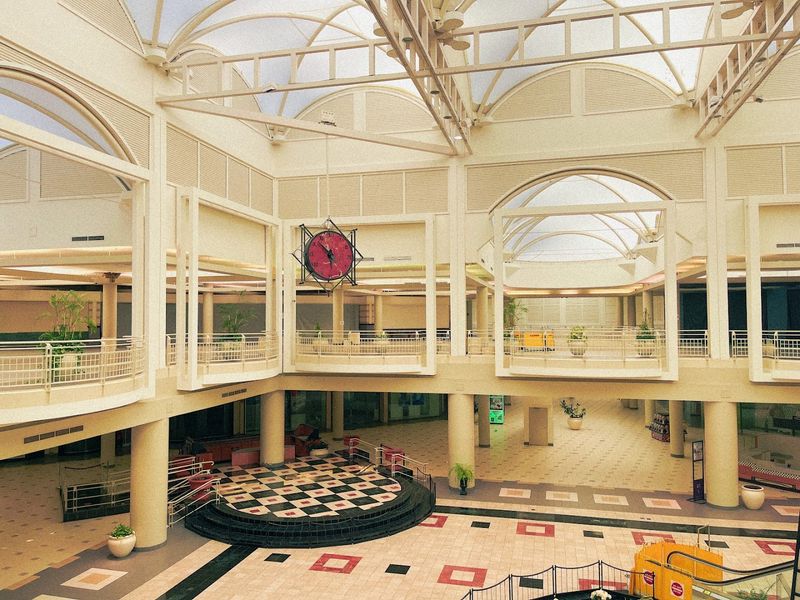
Orlando Fashion Square isn’t just empty—it’s literally falling apart. Ceiling tiles throughout the property show extensive water damage with visible mold growth that raises serious questions about air quality and structural integrity. Visitors frequently comment on how the building hasn’t been condemned despite obvious deterioration.
Mildew stains streak down walls in multiple locations. Plumbing problems have left their mark with discolored surfaces and persistent dampness in certain areas. The air conditioning runs lightly if at all, making Florida’s heat and humidity accelerate the decay process.
Broken escalators sit motionless while elevators work sporadically at best. Some areas smell musty from years of inadequate maintenance and poor ventilation. The contrast between functioning stores like Macy’s and the deteriorating common areas is jarring.
You can literally watch this building dying in slow motion. What makes it particularly sad is recognizing that with proper investment, much of this damage could have been prevented. Instead, deferred maintenance has compounded into serious structural issues.
Walking through feels like touring a patient on life support—technically still alive but clearly not thriving. The visible decay adds authenticity to the abandoned mall aesthetic while simultaneously making you wonder about safety.
5. The Retail Apocalypse Made Tangible
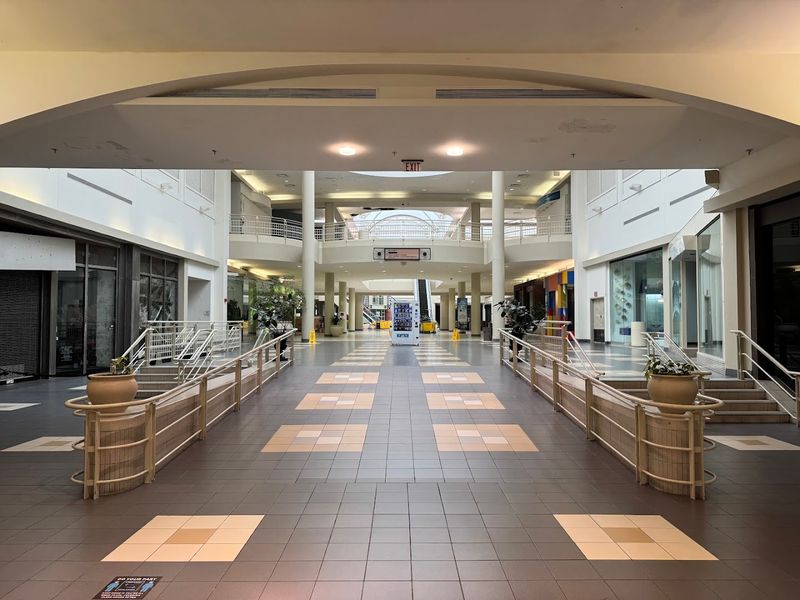
If you want to understand America’s retail apocalypse, just visit Orlando Fashion Square. This mall serves as a physical manifestation of how online shopping and changing consumer habits have gutted traditional brick-and-mortar retail. Stores that once anchored mall culture—Hot Topic, Victoria’s Secret, JCPenney, Sears—have all vanished.
Empty storefronts vastly outnumber operating businesses. Metal security gates stay permanently closed over spaces that haven’t seen customers in years. Faded signage from former tenants sometimes remains visible, ghostly reminders of busier times.
The few surviving stores offer deep discounts, clearly trying to move inventory before inevitable closure. Foot traffic is so minimal that you can walk the entire property on a Saturday afternoon and encounter only security guards and store employees. No crowds, no lines, no shopping energy whatsoever.
This isn’t theoretical economic discussion—it’s visceral reality. You can feel the absence of vitality that once filled these spaces. The mall’s massive footprint, designed for thousands of daily visitors, now accommodates maybe dozens.
Economists and retail analysts could learn more from one afternoon here than from countless reports. Orlando Fashion Square proves that location, history, and existing infrastructure mean nothing when fundamental shopping patterns shift.
6. Nostalgia Pilgrimage for Former Regulars
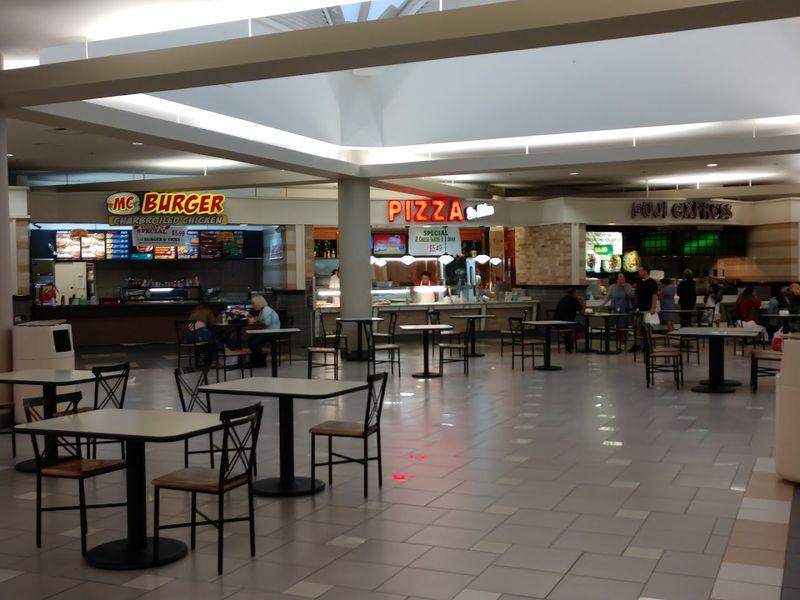
For people who grew up shopping here, returning to Orlando Fashion Square hits differently. Many reviews come from former regulars making nostalgia pilgrimages, wanting to see what became of a place that shaped their youth. Their reactions mix sadness with fascination as memories collide with current reality.
Some visitors describe loving the mall despite—or because of—its current state. Walking these empty corridors triggers powerful recollections of arcade games, first dates, back-to-school shopping trips, and hanging out with friends. That fountain still running becomes a poignant symbol of persistence.
The experience offers emotional complexity that typical shopping can’t match. You’re simultaneously mourning what’s lost while appreciating the rare opportunity to revisit a preserved (if decaying) piece of personal history. Most demolished malls disappear completely, but Orlando Fashion Square lingers in this in-between state.
Younger visitors find it fascinating for different reasons, treating the mall like an interactive museum of retail history. They’re experiencing something their generation never had—the social hub that malls represented before online connectivity existed.
Both groups leave with photographs and stories. The mall has transformed from commercial destination into something more meaningful: a shared cultural artifact that sparks reflection about how rapidly American life has changed over just a few decades.
7. Urban Explorer’s Dream Destination
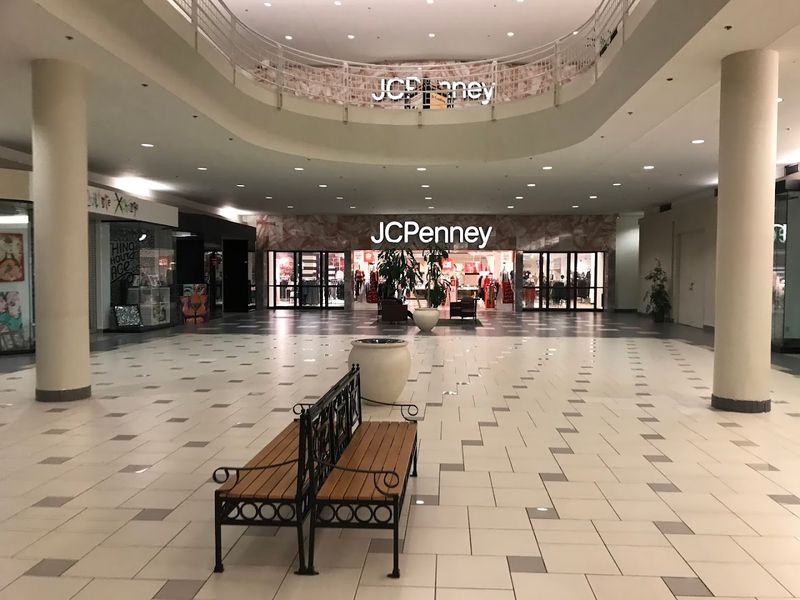
Orlando Fashion Square has become surprisingly popular among urban exploration enthusiasts, but with a major advantage—it’s completely legal. Unlike true abandoned buildings where trespassing risks arrest, this mall welcomes visitors during business hours. You can explore freely, take photographs, and document the decay without legal consequences.
The atmosphere delivers authentic abandonment vibes while remaining technically operational. Photographers love the dramatic lighting created by skylights illuminating empty spaces. The architectural details, vintage design elements, and visible deterioration provide rich visual material for creative projects.
Social media has amplified interest, with posts about the mall attracting curious visitors who might never shop here otherwise. Some people specifically visit just to experience and document the eerie environment. It’s become an accidental tourist attraction, drawing people interested in dead mall culture and retail history.
The mall’s management seems to tolerate this new purpose, perhaps recognizing that any foot traffic beats complete abandonment. Security guards generally leave explorers alone as long as they’re respectful and don’t cause damage.
This unusual situation has given the property unexpected relevance. Instead of dying quietly, Orlando Fashion Square is experiencing a second life as a living museum where people can safely experience the haunting beauty of commercial spaces reclaimed by time and entropy.
8. The Question Everyone Asks: How Is It Still Open?
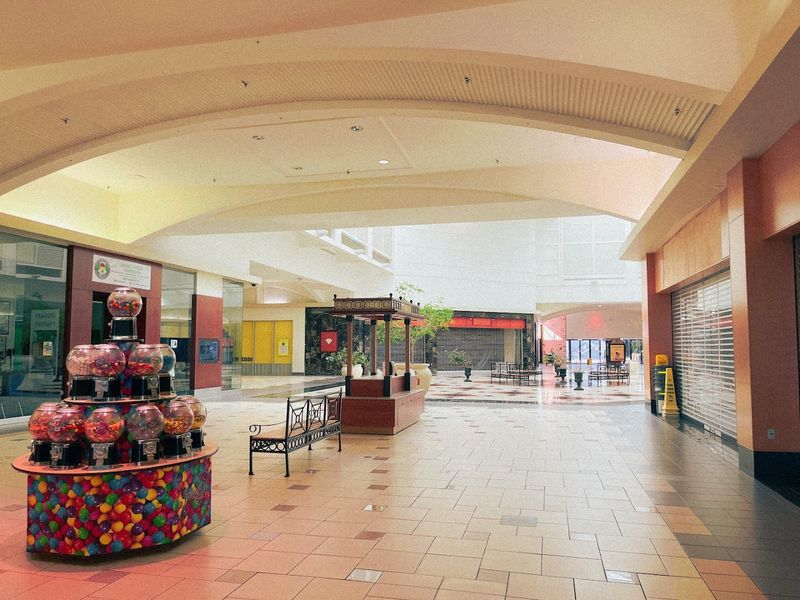
Walk through Orlando Fashion Square and one question dominates your thoughts: how does this place remain operational? With so few stores paying rent and obvious maintenance issues everywhere, the financial math seems impossible. Yet the doors keep opening, the lights stay on, and business continues in its diminished form.
Property taxes, utilities, insurance, security, and basic upkeep require substantial monthly expenses. The handful of surviving tenants can’t possibly generate enough revenue to cover these costs while also providing profit for ownership. Something doesn’t add up, leading to speculation about the mall’s true situation.
Some theorize the property is worth more as a functioning mall than as a closed one, possibly due to financing arrangements or lease agreements with remaining anchor stores. Others suggest ownership is simply delaying the inevitable while exploring redevelopment options. The property’s location on East Colonial Drive provides valuable real estate that could serve other purposes.
Meanwhile, the mall exists in this strange limbo state—not quite alive but refusing to die completely. It serves customers who still come to Macy’s or catch movies. It provides employment for remaining store workers and security staff.
The answer probably involves complex commercial real estate economics beyond simple profitability. Whatever the reason, Orlando Fashion Square persists as a haunting reminder that death for large commercial properties is rarely quick or clean.