You’ll Forget You’re in Florida While Exploring This Beautiful 16-Acre Japanese Garden
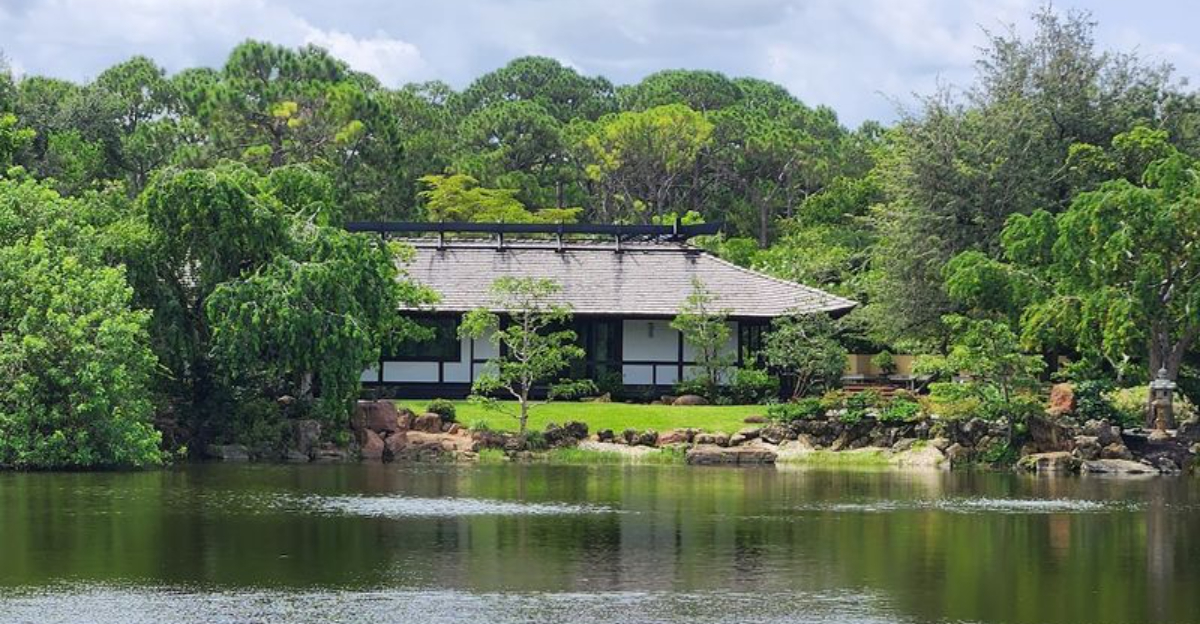
If you think you know Florida, Morikami Museum and Japanese Gardens is here to pleasantly mess with that idea. Tucked away in Delray Beach, this 16-acre escape trades palm-fringed chaos for still water, sculpted pines, stone paths, and a kind of calm that sneaks up on you fast.
It feels thoughtful, immersive, and wildly different from the usual South Florida day out. If you want a place that slows your pulse without boring you for a second, this is it.
The 16-Acre Garden Walk Feels Like a World Shift
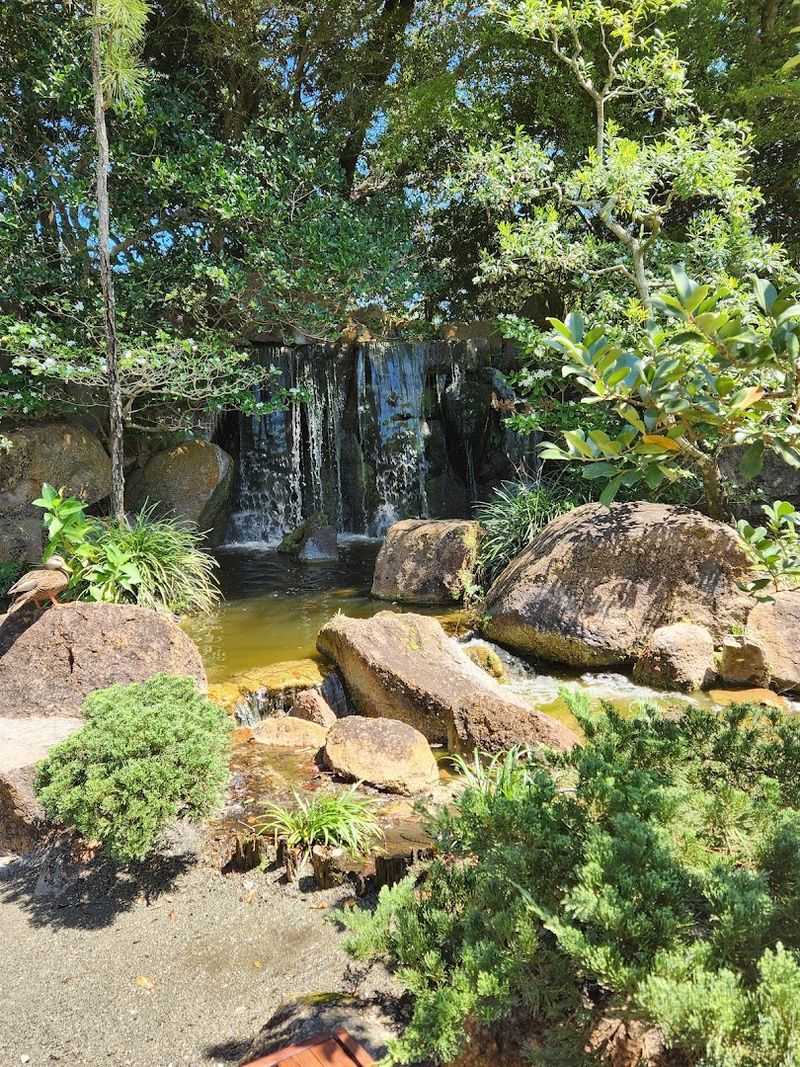
The first surprise at Morikami Museum and Japanese Gardens is how quickly Florida disappears. One minute you are in Delray Beach, and the next you are following a peaceful path lined with pines, bamboo, water, and carefully placed stone.
The whole property feels composed in a way that changes your pace without asking permission.
This is not the kind of attraction you rush through while checking your phone every five minutes. The garden walk stretches for a little over a mile around a lake, and every bend gives you another frame-worthy view.
Bridges, waterfalls, koi ponds, and sculpted plantings create that rare thing in South Florida: a place that feels genuinely hushed.
What makes the experience land so well is the layout. The 16-acre Roji-en garden is designed to reflect different eras of Japanese garden style, so the scenery subtly shifts as you move through it.
You are not just looking at pretty landscaping, you are moving through an idea with texture, rhythm, and history.
I love that the beauty never feels forced or flashy. The plants are selected and shaped in a Japanese style, but many are suited to Florida, which makes the entire setting feel both transportive and grounded.
It is polished, but not stiff. It is elegant, but still approachable if you simply want a beautiful walk.
Plan to slow down here. This is the kind of place where a few quiet minutes by the water can unexpectedly become half an hour, especially when the light hits the lake just right or a breeze moves through the bamboo.
If your usual Florida outings are loud, crowded, or overprogrammed, Morikami feels like a reset button with immaculate landscaping.
Go early if you want the calmest atmosphere, especially on weekends. Midweek tends to be easier for parking and gives the paths a little more breathing room.
However you time it, the garden walk is the main event, and it absolutely earns that role.
Each Garden Section Tells a Different Story
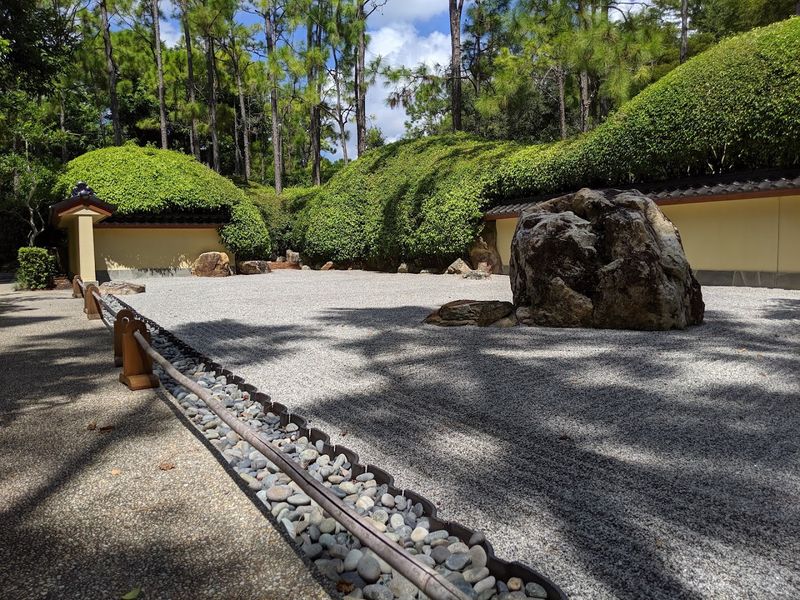
One of the smartest things about Morikami is that the gardens do not blur together. As you make your way around the grounds, each section has its own mood, proportions, and personality.
That variety keeps the experience fresh, so you are not just admiring one pretty view repeated in different angles.
The design of Roji-en draws from several historical periods of Japanese garden tradition, and you can feel those shifts even if you are not an expert. Some spaces lean minimal and contemplative, with stone, gravel, and careful emptiness doing the heavy lifting.
Others are softer and greener, with water features, islands, and layered plantings that invite you to linger.
This gives the walk a subtle narrative. Instead of a single scenic loop, it feels like a progression through changing ideas of harmony, beauty, and the relationship between nature and design.
You notice how a bridge alters your perspective, how a lantern anchors a scene, or how an open lake view creates a breath between denser plantings.
I appreciate that Morikami trusts visitors to experience these spaces at their own speed. You can read signage, connect the gardens to their historical references, and leave with a deeper understanding of Japanese aesthetics.
Or you can simply react to the atmosphere and let your eyes lead the day. Both approaches work beautifully here.
The transitions are part of the magic. A shaded turn may open to reflective water, then narrow into a more intimate pathway bordered by textured foliage and gravel.
It is the kind of sequencing that makes a stroll feel immersive instead of passive, and that is a big reason so many visitors end up staying for hours.
If you tend to get bored in botanical spaces that feel repetitive, Morikami has a built-in answer. The changing garden styles keep your attention without turning the visit into homework.
By the end, you are not just impressed by the craftsmanship. You remember how each section made you feel, which is exactly why this place sticks with people.
The Museum Adds Meaning Without Slowing You Down
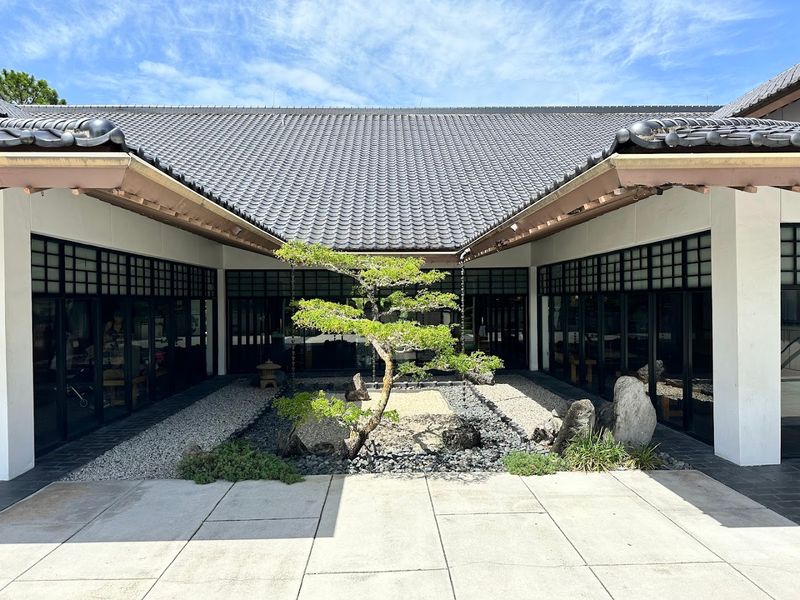
The outdoor gardens may be the headline, but the museum gives Morikami its backbone. It is not massive, and that is actually part of the appeal.
You can take in the exhibits without feeling trapped in a marathon of display cases, yet still leave with a clearer sense of the place, its purpose, and its cultural depth.
Inside, the focus expands beyond scenery into art, heritage, and the story of Japanese culture in South Florida. Morikami is connected to the history of the Yamato Colony and the legacy of George Sukeji Morikami, whose land donation helped shape what exists today.
That context matters because it turns the destination from a lovely garden into something much more grounded and specific.
The museum also balances educational value with a clean, accessible pace. Visitors often mention that it adds meaning to the visit without becoming overwhelming, and that is exactly right.
You can spend a modest amount of time indoors, learn something real, and head back outside feeling more connected to what you are seeing around the lake.
Art exhibitions help keep the museum dynamic too. Depending on when you visit, you may catch temporary shows that add another layer to the experience, which makes repeat visits more rewarding.
That rotating element is a nice counterpoint to the permanent serenity of the gardens, giving the place a pulse beyond the landscape.
I like that Morikami does not force an either-or choice between beauty and substance. The museum portion is compact enough for fast scanners but thoughtful enough for curious visitors who want more than a pretty backdrop.
It respects your time while still asking you to pay attention, which is a hard balance to nail.
If your ideal outing includes both visual calm and a little cultural texture, this is where Morikami really delivers. You can wander outside, step in for context, then return to the paths with a fuller appreciation of the setting.
That loop between learning and looking is one of the quiet strengths that makes this place stand out.
Bonsai, Bridges, and Water Features Steal the Show
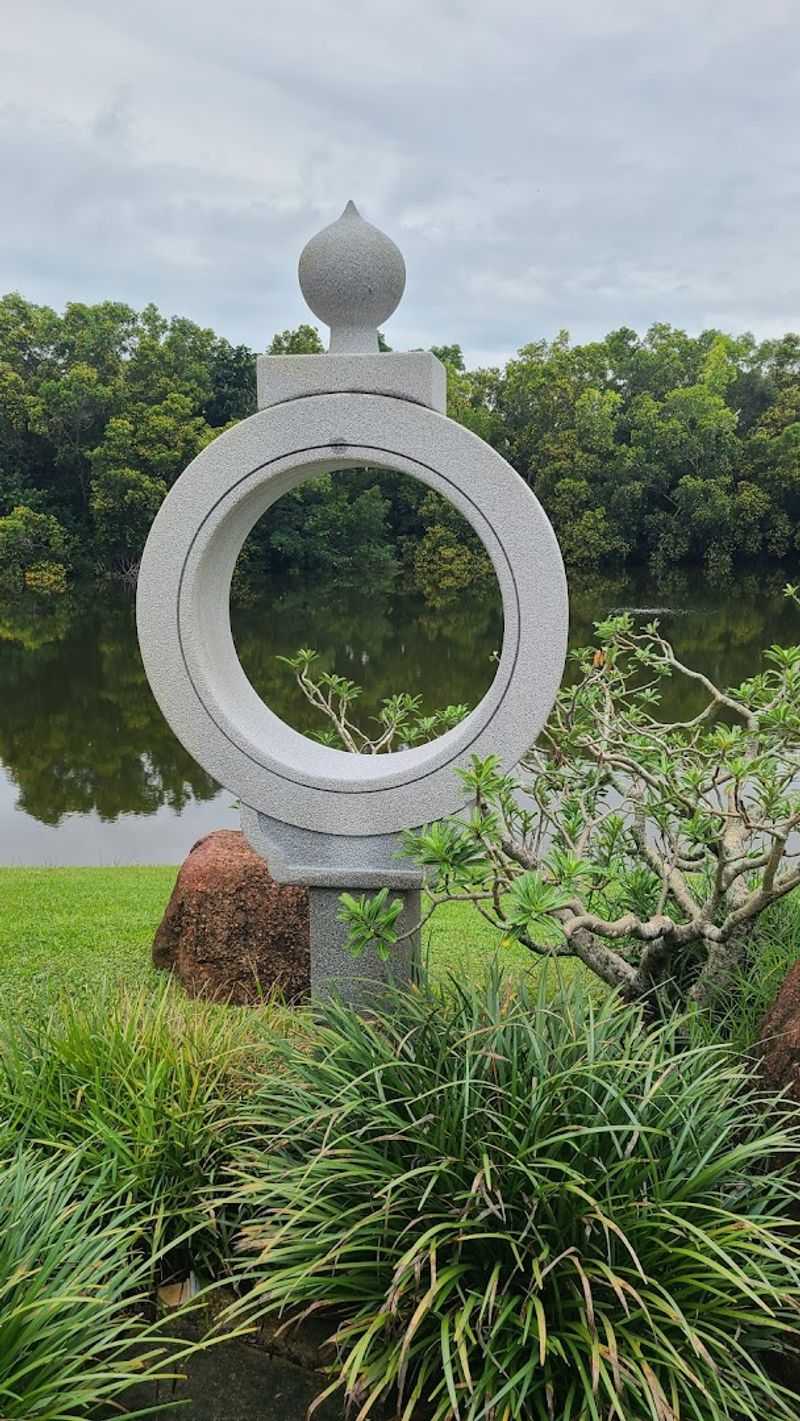
Every great destination has a few details that people keep bringing up after they leave, and Morikami has several. The bonsai collection is one of the biggest scene-stealers, partly because it is beautiful and partly because it shows an almost unbelievable level of patience.
You do not just glance at these trees. You stop, lean in, and try to understand how something so small can feel so dramatic.
Then there are the bridges, which are far more than decorative props. They shift your viewpoint, frame the water, and give each crossing a tiny sense of ceremony.
Even if you arrive thinking you are just out for a casual stroll, those design choices pull you into the experience in a way that feels natural rather than theatrical.
The water features do a lot of quiet work too. Koi ponds, lake views, gentle waterfalls, and reflective surfaces keep the gardens feeling alive and in motion without ever becoming noisy.
You hear water before you fully see it, and that soft soundtrack shapes the entire mood of the walk.
What I appreciate most is how these elements are arranged with restraint. Nothing feels crammed in for effect, and nothing seems to be begging for attention.
The bonsai, bridges, stonework, and water are all part of a carefully controlled composition that still leaves room for surprise as you move from one area to the next.
It is also a fantastic place for photography, but you do not need a serious camera to enjoy the visual payoff. Almost every turn gives you a balanced, thoughtful scene that looks ready-made for a frame.
That is why so many visitors end up taking far more photos than they planned, then forgetting to post them right away because they are too busy enjoying the next view.
If you want the most memorable details of Morikami in a single sentence, this is it: patient bonsai, graceful bridges, and water everywhere doing exactly what water should do – calming you down. Those signature touches are not side attractions.
They are a major reason the garden feels so immersive from start to finish.
It Is One of South Florida’s Best Slow-Down Spots
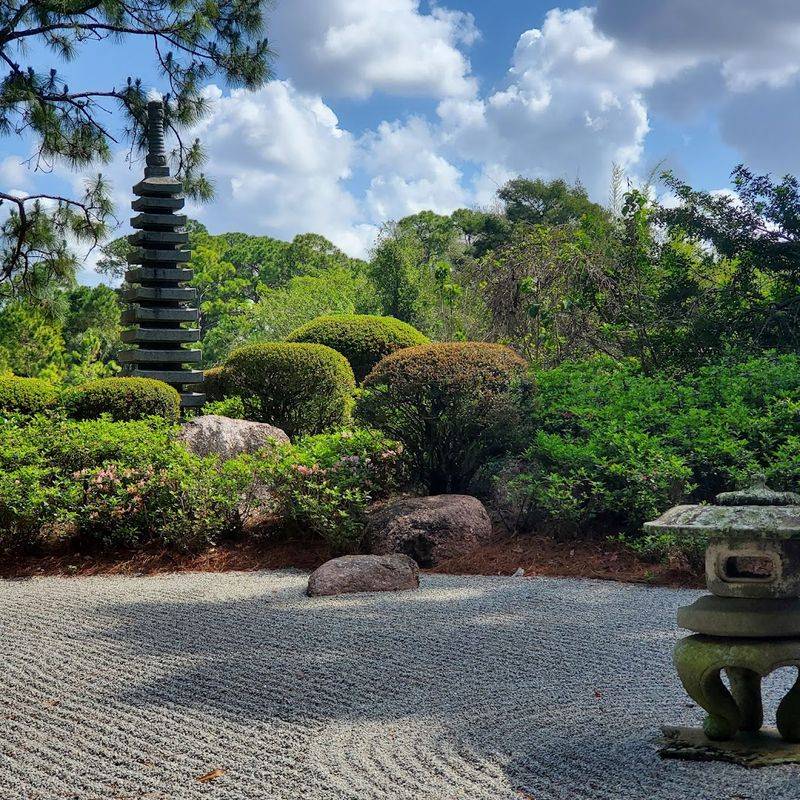
Florida is not exactly famous for encouraging stillness. Most outings here involve traffic, heat, lines, noise, or some combination of all four.
That is why Morikami feels so refreshing. It gives you permission to do something delightfully unfashionable in modern life: move slowly and let the day unfold without forcing it.
The atmosphere here is consistently described as peaceful, and that is not just review-section exaggeration. It is quiet in a way that feels earned by the design, the spacing, and the natural soundscape of moving water, rustling leaves, and open lake views.
Even when other visitors are around, the property usually absorbs that energy instead of amplifying it.
This makes Morikami especially good for people who are craving a reset but do not want total isolation. You can come with a partner, family, friends, or even solo and still feel like the place is meeting you where you are.
It works as a romantic date, a reflective solo outing, or a few calm hours with someone who simply loves gardens and beauty.
I also think it is ideal for locals who need a break from the standard South Florida rotation. Beaches are great, but they are not always peaceful.
Shopping districts can be fun, but they are rarely restorative. Morikami occupies a very different lane, one built around observation, breathing room, and the pleasure of not being overstimulated for once.
You do not need a packed itinerary to justify the visit. In fact, the less you schedule around it, the better it works.
Give yourself time to stop at overlooks, read a bit of signage, watch koi, and drift through the pathways without treating the walk like a fitness challenge or a race to the gift shop.
If a place can make you lose track of time in a good way, it is doing something right. Morikami absolutely has that effect.
By the end of a visit, you may not feel dramatically transformed, but you will probably feel noticeably lighter, calmer, and a lot less interested in rejoining the outside world immediately.
The Cornell Cafe and On-Site Extras Round Out the Visit
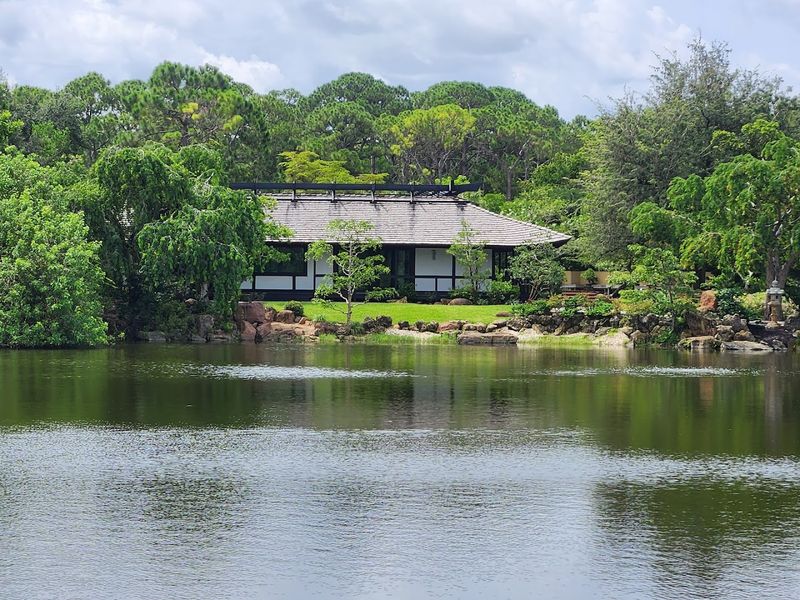
Morikami would already be worth visiting for the gardens alone, but the on-site extras make it easier to turn a good outing into a full afternoon. The Cornell Cafe is the standout addition, especially if you like the idea of following a peaceful garden walk with food that fits the setting.
Dining with a garden view is a pretty strong move, and here it feels like a natural extension of the experience.
Visitors frequently rave about the sushi, bento boxes, gyoza, and tea, and the cafe has earned that reputation. It is not just convenient food parked next to a museum.
It adds atmosphere and gives you another reason to linger instead of treating the visit like a quick lap around the lake and an immediate drive home.
That said, timing matters. The cafe can get busy, especially on weekends, and several guests mention long lines during peak periods.
If eating on site is part of your plan, arriving earlier in the day or visiting midweek can make things smoother and keep the relaxed energy from turning into a hungry waiting game.
The gift shop also deserves a quick mention because it is more than an afterthought. You will find Japanese-inspired items, housewares, gifts, and small keepsakes that actually feel tied to the place rather than randomly sourced.
It is the kind of shop where you can grab something tasteful without feeling like you are being funneled into a tourist trap.
Another smart move is checking the calendar before you go. Morikami is known for tea ceremonies, classes, cultural programming, and festivals, which can completely change the vibe of a visit in the best way.
If you want a quieter day, choose a standard weekday. If you want a little more energy, a special event can be a fun excuse to return.
That layered experience is part of Morikami’s charm. You can come for the gardens, stay for lunch, browse the shop, and leave feeling like the day had real shape to it.
It is not overloaded with extras, just thoughtfully supported by them, which keeps the entire destination feeling cohesive instead of crowded.
What to Know Before You Go to Morikami

If you are planning a first visit to Morikami Museum and Japanese Gardens, a little strategy goes a long way. The museum is open Tuesday through Sunday from 10 AM to 5 PM and closed on Mondays, so build your day around those hours.
Getting there right when it opens is easily the best move if you want easier parking, cooler temperatures, and a quieter path around the lake.
The address is 4000 Morikami Park Road in Delray Beach, and once you arrive, the setting feels tucked away from the usual South Florida rush. Admission is generally considered worth it by most visitors, though a few note that the price can feel steep if you are only planning a very quick stop.
The better approach is simple: give yourself enough time to actually enjoy what you paid to see.
Most people spend two to three hours here, and that feels about right. You will want time for the garden loop, the museum, maybe the cafe, and likely a stop in the gift shop.
Rushing through Morikami misses the point, so treat it more like a slow outing than a check-the-box attraction.
There are a couple of practical notes worth remembering. Some paths use fine gravel, which helps preserve the authentic garden feel but may be less ideal for strollers, wheelchairs, or mobility devices without sturdier wheels.
Comfortable shoes, a water bottle, and realistic expectations about Florida heat can make a huge difference, especially in warmer months.
Weather matters too. Overcast days can be fantastic for walking, while rain can cut a visit short, and guests have pointed out that there are no rain checks or refunds.
Check the forecast before you go, and if you are sensitive to heat, prioritize cooler mornings over hot afternoons.
The good news is that Morikami is easy to enjoy once the logistics are handled. Show up early, wear practical shoes, allow a generous window of time, and let the place do what it does best.
For a Florida destination that feels unusually thoughtful from arrival to exit, that is really all you need.
Why Morikami Belongs on Your Florida List
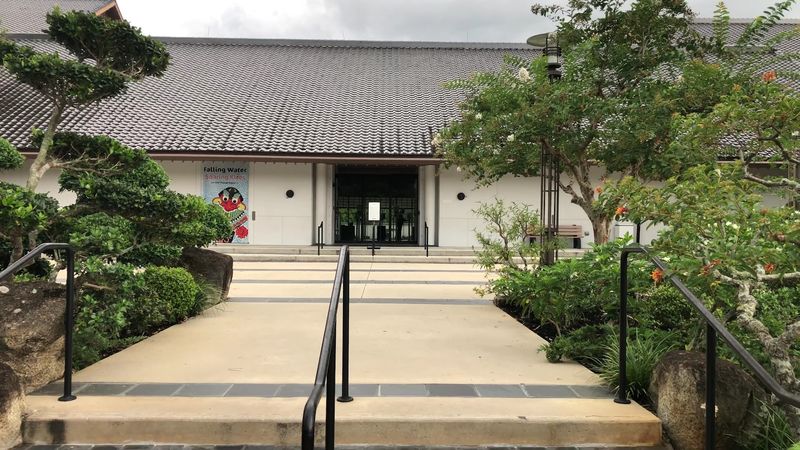
Morikami Museum and Japanese Gardens stands out because it delivers something Florida does not offer nearly enough: calm with character. Plenty of places are pretty.
Plenty are educational. Plenty are good for a walk.
Very few manage to combine all of that into one experience that feels this polished, distinct, and memorable.
The setting is beautiful, but beauty alone is not the whole story. What makes Morikami hit harder is the intention behind everything, from the historical foundation to the layered garden design to the pacing of the visit itself.
You are not just wandering through a landscaped park. You are stepping into a place built to create reflection, curiosity, and a stronger awareness of your surroundings.
That is why so many people leave calling it one of their favorite spots in Florida. It works for tourists looking beyond beaches and theme parks, but it is just as valuable for locals who want a reliable escape that still feels special on repeat visits.
Different light, different seasons, changing exhibits, and special events all help keep it fresh.
I also think Morikami succeeds because it never overcomplicates its appeal. You do not need prior knowledge of Japanese gardens to appreciate what is happening here.
You just need enough time to notice the details, enough patience to walk slowly, and enough openness to let a quieter place hold your attention for a while.
In a state full of attractions shouting for your focus, Morikami does the opposite and somehow wins anyway. It stays measured, serene, and confident in what it is.
That confidence is contagious. By the time you finish the loop, you may find yourself speaking softer, walking slower, and wondering why more places are not designed with this level of care.
If your Florida list needs one destination that feels genuinely different from the usual lineup, put Morikami near the top. It is scenic without being superficial, cultural without being heavy, and relaxing without being dull.
That is a rare combination, and in Delray Beach, it is done exceptionally well.