Walking Through This Florida Museum Feels Like Entering Another Dimension
Some Florida attractions are easy to describe, and then there is The Dalí Museum. This St. Petersburg landmark feels less like a standard museum stop and more like stepping into a beautifully controlled dream where the building, the bayfront setting, and the artwork all start bending your sense of reality.
If you want a cultural outing that is smart, strange, and genuinely memorable, this is the kind of place that keeps surprising you long after you leave.
The Building Is the First Mind-Bender

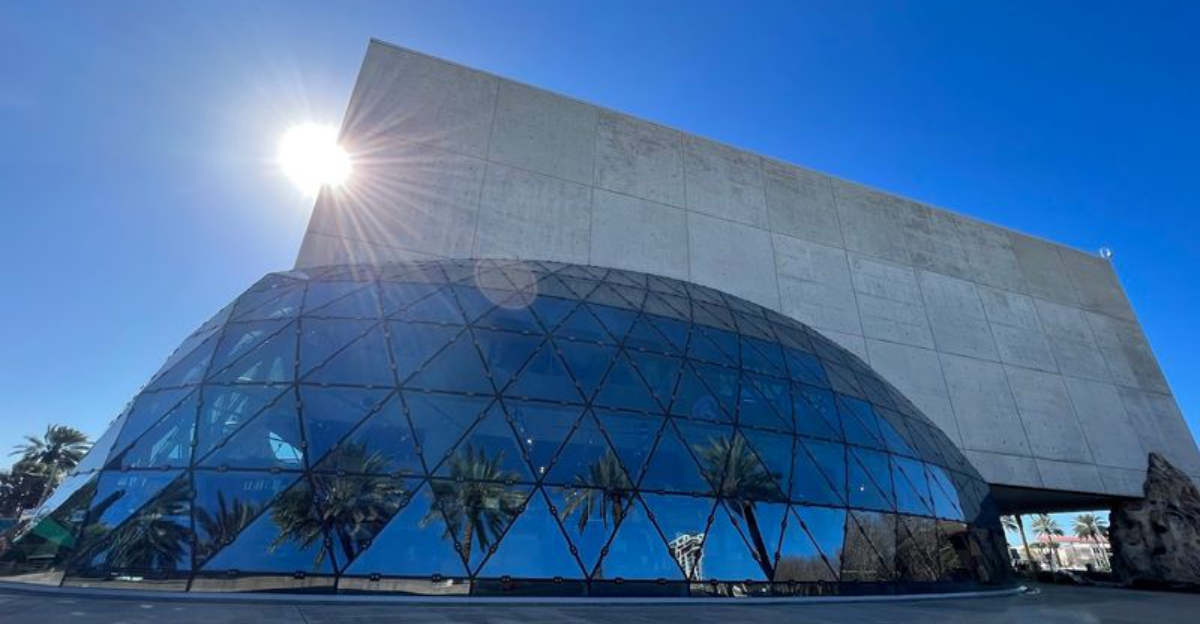
Before you even get to the art, The Dalí Museum starts working on your imagination from the sidewalk. Sitting at 1 Dali Blvd on the St. Petersburg waterfront, the building looks like a clean, solid box that somehow swallowed a shimmering bubble of glass.
That contrast is the first clue that this place is not interested in being ordinary.
The museum is famous for its massive glass structure, often called the Enigma, and in person it feels even more striking than photos suggest. The curved glass seems to push outward from the building like a thought escaping a dream.
On a sunny Florida day, the reflections shift constantly, so the museum never looks exactly the same twice.
What makes the architecture even cooler is that it is not just dramatic for show. The building was designed to withstand serious hurricane conditions, which adds a very Florida layer to all the surreal beauty.
I love that mix of brains and spectacle because it fits Dalí perfectly.
Walk closer and you start noticing how the waterfront location adds to the mood. The bay beside it softens the whole scene, while the sharp lines of the museum keep everything feeling futuristic.
It is one of those rare places where the approach feels like part of the exhibit.
Even if you have seen plenty of eye-catching museums, this one lands differently. It feels theatrical without being cheesy, polished without feeling cold, and iconic without trying too hard.
You are not just arriving at an art museum – you are crossing into Dalí’s universe before the ticket scan even happens.
That first impression matters because it resets your expectations in the best way. Instead of preparing for quiet galleries and polite glances at framed canvases, you start anticipating something stranger and more immersive.
By the time you step inside, your brain is already a little off balance, which is exactly the right mindset for what comes next.
Inside, the Collection Has Real Range
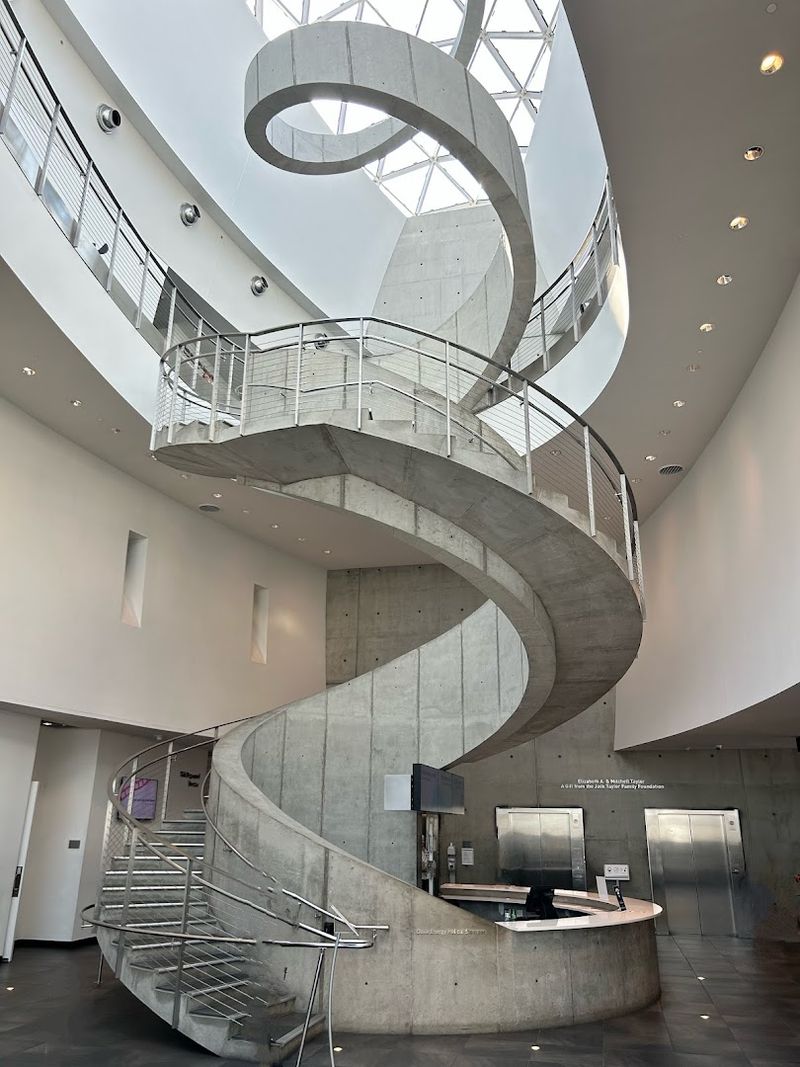
One reason The Dalí Museum works so well, even for people who do not usually race toward art museums, is the depth of the collection. This is not a quick room of greatest hits with a few melting clocks and a gift shop exit.
You get a much fuller look at Salvador Dalí’s evolution, and that changes the whole experience.
As you move through the galleries, the museum lays out different phases of his career in a way that feels clear rather than academic. Early pieces show technical skill that can catch first-time visitors off guard.
Then the work becomes more experimental, stranger, sharper, and far more psychologically loaded.
I think that progression is one of the museum’s biggest strengths. Instead of treating Dalí as a one-note surrealist celebrity, it shows how his ideas developed over time.
You start seeing the discipline behind the weirdness, and that makes the bizarre imagery hit harder.
The permanent collection is widely praised for a reason. There are paintings, drawings, sculptures, and works that reward slow looking, especially the larger pieces with layered symbolism.
Several visitors mention being surprised by how much art is actually here, and that reaction makes sense.
The galleries also give you enough breathing room to really sit with what you are seeing. Some larger works have seating nearby, which sounds small but makes a difference.
Dalí’s art is not the kind you want to rush past in a tight crowd if you can help it.
Even better, the museum does a solid job of giving context to the work without drowning you in text. You can absolutely walk through and respond emotionally, visually, instinctively, or you can dig into the details of his life and influences.
Either way, the collection meets you where you are.
That flexibility is what keeps the experience from feeling intimidating. Whether you already know Dalí or only know the name, the museum gives you enough substance to feel hooked.
By the end, you are not just looking at surrealism – you are seeing the logic inside the dream.
The Layout Makes the Visit Feel Easy

A museum can have brilliant art and still feel exhausting if the layout is clunky. Thankfully, The Dalí Museum gets the flow right.
From the moment you enter, the experience feels organized, intentional, and surprisingly relaxed, which helps a lot when the art itself is doing acrobatics inside your head.
Visitors often mention that the museum is not overwhelmingly huge, and that is actually part of its charm. You can take it in over a few hours without feeling like you need a survival kit and a map legend.
At the same time, it never feels skimpy or throwaway.
The path through the museum makes Dalí’s work easier to absorb because you are not constantly doubling back or wondering where to go next. There is a natural progression from one gallery to another, and the pacing gives your brain a chance to catch up.
That matters with art this dense, symbolic, and visually intense.
I also like that there are moments to pause, reset, and just look around. Seating near major works encourages lingering instead of speed-walking.
When a painting has ten things happening at once, a place to sit is not a luxury – it is strategy.
The museum feels polished without becoming stiff. Staff members get strong praise from visitors, from check-in to security, and that kind of warmth changes the tone of the whole visit.
You are more likely to slow down and enjoy yourself when the atmosphere feels welcoming instead of overly formal.
There are also practical details that make things smoother. If you show up with a backpack, the museum provides lockers, which several visitors appreciated.
Little logistics like that keep the focus on the art instead of on the hassle.
For a place dedicated to surrealism, it is refreshingly grounded in the visitor experience. The layout supports curiosity instead of competing with it.
By the end, you realize you have covered a lot without feeling drained, and that is a big reason this museum leaves such a strong impression.
The Immersive Extras Are Worth Knowing About

If you want more than framed art on walls, The Dalí Museum has a strong case for adding an immersive element to your visit. The extra-ticket experiences, especially the 360-degree dome presentation, come up constantly in visitor reviews.
Some people call it the highlight, while others still prefer the original artwork, which honestly feels like a useful sign of balance.
The dome experience is designed to surround you with Dalí-inspired visuals and motion, turning his surreal style into an environment rather than a single image. When it lands, it feels trippy, theatrical, and surprisingly educational.
Several visitors said it gave them a better understanding of his work, not just a flashy spectacle.
That said, it helps to go in with the right expectations. This is an add-on, usually at an extra cost, not a replacement for the galleries.
If you are choosing just one thing, the permanent collection is still the main event.
I think the sweet spot is treating the immersive show like a bonus layer. See the actual paintings first, let your eyes adjust to Dalí’s symbols and themes, then head into the dome and watch those ideas expand around you.
That order can make the whole museum feel more connected.
There are also rotating exhibitions and occasional interactive features that keep repeat visits interesting. Local fans mention coming back multiple times because the secondary spaces change and bring in new themes.
That matters if you live nearby or visit St. Pete often and want a museum that does not feel static.
Not every add-on gets universal praise. A few guests thought the projections were a bit muted or the seating could be more comfortable, especially if there is a wait in the Florida heat.
Still, even those reviews usually circle back to the museum itself being excellent.
So yes, the immersive pieces are worth considering, especially if you like art experiences that feel a little more cinematic. Just do not make the mistake of thinking they are the whole reason to visit.
At The Dalí Museum, the technology is an enhancement, but the real magic still starts with the art.
You Do Not Need to Be an Art Person
One of the best things about The Dalí Museum is that it does not only work for dedicated art lovers. Plenty of visitors show up admitting they are picky about museums, or not especially into art in general, and still leave impressed.
That is a big deal in a state full of attractions competing for your attention.
The reason is simple: Dalí gives you a lot to react to right away. Even if you do not know the history, the images are strange, cinematic, funny, unsettling, and full of details that pull your eye around.
You do not need a graduate seminar to feel something in these galleries.
At the same time, the museum gives enough context to make the visit meaningful. You learn about Dalí’s life, creative process, and the way his work responded to larger ideas, from science to war to culture.
That extra framing helps turn curiosity into real engagement.
I think this is why the museum keeps surprising skeptical visitors. It is approachable without being watered down.
You can come in knowing almost nothing and still walk out feeling like you genuinely connected with the work.
The atmosphere helps too. The staff gets repeated praise for being kind and professional, and the museum feels carefully maintained from top to bottom.
When a place runs smoothly, it is easier to stay open to the experience instead of getting distracted by the usual travel annoyances.
There is also enough variety to keep different kinds of visitors interested. Some people get pulled in by the architecture, others by the storytelling, and others by interactive features or special exhibitions.
Even the gift shop gets rave reviews, which sounds minor until you realize how often museum shops are forgettable.
If you are traveling with someone who says they are not really a museum person, this is actually a strong test case. The Dalí Museum has enough personality to break through that resistance.
It feels less like homework and more like stepping into a highly imaginative world that wants your attention and absolutely knows how to keep it.
The Waterfront Setting Adds a Florida Bonus

The Dalí Museum would be worth visiting even if it were tucked into an ordinary city block, but its bayfront setting gives it an extra Florida edge. Right on the St. Petersburg waterfront, the museum feels connected to the city’s light, air, and coastal calm.
That outdoor context softens the intensity of the art in the best possible way.
After spending time inside with Dalí’s warped landscapes and dream logic, stepping back out into open sky feels almost like part of the narrative. You go from controlled surrealism to breezy waterfront views in a matter of minutes.
It is a great reset for your eyes and your brain.
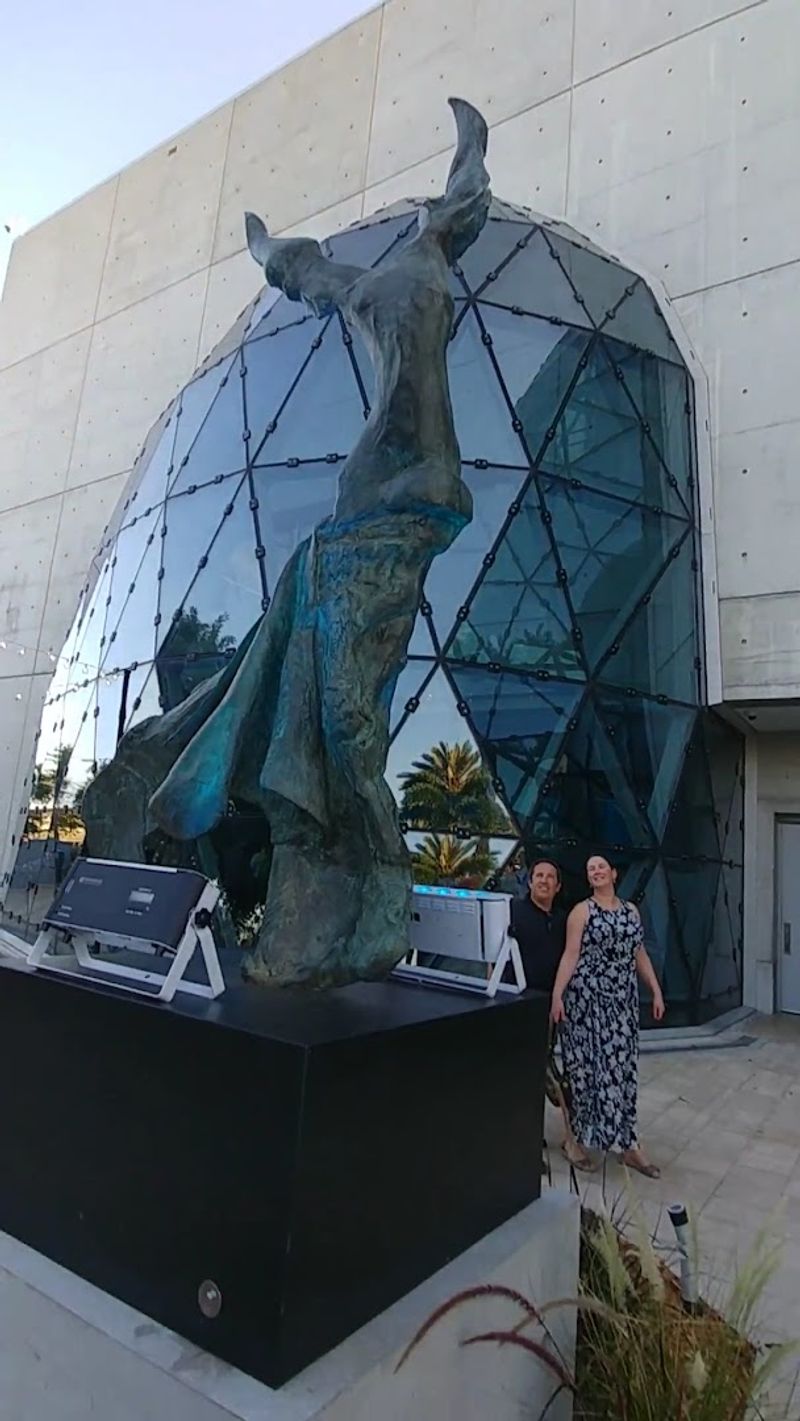
The exterior grounds add to that transition. Visitors mention sculptures, interesting design details, and the pleasure of simply walking around outside after the galleries.
Even if you skip the dome add-on, the surrounding area still gives you something extra to experience beyond the core exhibit spaces.
I like museums that know how to extend their atmosphere past the walls. Here, the location makes it easy to pair your visit with a bay walk or more exploring around downtown St. Pete.
You are not boxed into a single indoor activity and then dumped into a parking lot with nothing else around.
That matters if you are building a full Florida day instead of just checking one attraction off a list. The museum can anchor an afternoon without swallowing it whole.
A few hours inside, then a stroll outside, maybe a coffee or snack nearby, and suddenly the outing feels complete.
The setting also makes the architecture even more memorable. The sharp museum structure against water, sky, and palm-lined scenery creates a visual tension that feels very St. Petersburg and very Dalí at once.
It is polished, a little uncanny, and photogenic without trying too hard.
For visitors who want culture with a sense of place, this is where The Dalí Museum really stands out. It is not just a strong collection dropped into Florida.
It feels rooted in its waterfront home, and that connection gives the whole visit a brighter, more relaxed energy that stays with you after the art starts fading from immediate view.
How to Visit Without Missing the Good Stuff

If you are planning a visit to The Dalí Museum, a little strategy goes a long way. The museum is located at 1 Dali Blvd in St. Petersburg and generally operates from 10 AM to 6 PM, with Thursday extended to 8 PM.
That later Thursday window is especially appealing if you want a slightly different pace.
I would give yourself at least a few hours here. Several visitors mention that rushing would be a mistake, and I agree.
This is the kind of museum where looking longer usually pays off, especially once you start catching recurring symbols and visual jokes hidden in the work.
It is also smart to decide in advance whether you want the extra immersive experience. The 360 show has plenty of fans, but it does cost more than standard admission.
If it is a priority for you, build that time and budget into the visit instead of making a last-second call.
Parking is another detail worth knowing ahead of time. Reviews mention paid parking, often around ten dollars, so do not assume it is included.
That is not unusual for a major attraction, but it is better to expect it than feel ambushed by it.
Bag rules matter too. Large backpacks are not allowed in the galleries, though the museum provides free lockers, which is helpful.
If you are the kind of traveler who carries everything at once, this is your cue to pack lighter for the day.
Once inside, do not skip the short films, interpretive materials, or any available tech features that are working during your visit. Some people specifically said those elements helped them understand Dalí’s perspective.
A little context can turn a confusing masterpiece into the piece you keep thinking about later.
And yes, leave room for the gift shop if that is your thing. This one gets strong reviews for having genuinely interesting items instead of generic souvenirs.
The best plan is simple: arrive with enough time, stay curious, and let the museum unfold at its own odd, brilliant speed. That is when The Dalí Museum really gets under your skin.