More Than 90 Rescued Birds Call This Secret Florida Keys Sanctuary Home
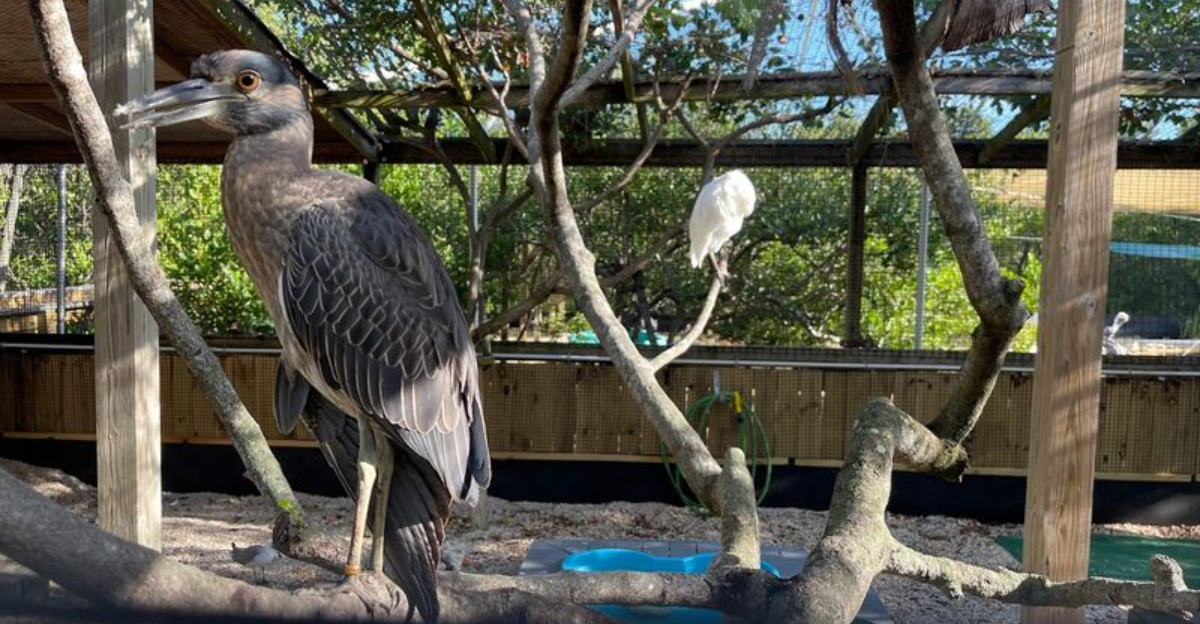
Blink and you might miss one of the most rewarding stops on the Overseas Highway. Tucked in Tavernier, the Florida Keys Wild Bird Center feels like a secret pocket of calm where rescued pelicans, owls, hawks, and herons get the care they need and visitors get a front-row seat to something genuinely meaningful.
It is small, easy to explore, and packed with heart, which is exactly why so many travelers end up staying longer than they planned. If you want a Florida Keys experience that feels personal, local, and memorable, this is it.
Why This Sanctuary Feels Like a Hidden Keys Find
The Wild Bird Sanctuary at the Florida Keys Wild Bird Center has that rare quality every road tripper wants to stumble across – it feels undiscovered even though plenty of people clearly love it. Set just off Overseas Highway in Tavernier, this rescue-focused sanctuary trades flashy attractions for something better: a peaceful, meaningful walk among birds that have real stories.
You are not stepping into a gimmick here.
What makes the place memorable is its balance of simplicity and purpose. The site is easy to navigate, the pace is calm, and the setup encourages you to slow down enough to notice details, from feather patterns to personality quirks to the quiet rustle of mangroves around the boardwalk.
That low-key atmosphere is a huge part of its charm.
Visitors often expect a quick fifteen-minute stop, then end up lingering much longer. Part of that comes from the way the sanctuary unfolds, with enclosures, educational signs, shaded paths, and finally a waterside finish that gives the whole visit a little exhale at the end.
It feels compact, but it never feels rushed.
The rescue mission also changes the tone in the best way. Many resident birds are non-releasable due to injuries that would make life in the wild impossible, and their presence turns a casual outing into something more thoughtful.
Instead of just identifying species, you start paying attention to resilience, adaptation, and the care that keeps these animals safe.
That emotional connection is why this sanctuary punches far above its size. A 4.7-star rating from more than a thousand reviews makes sense once you are there, because the experience is not built around spectacle.
It is built around trust, care, and the very Florida Keys idea that the best places are often the ones without a giant sign screaming for attention.
What You Will See Along the Boardwalk
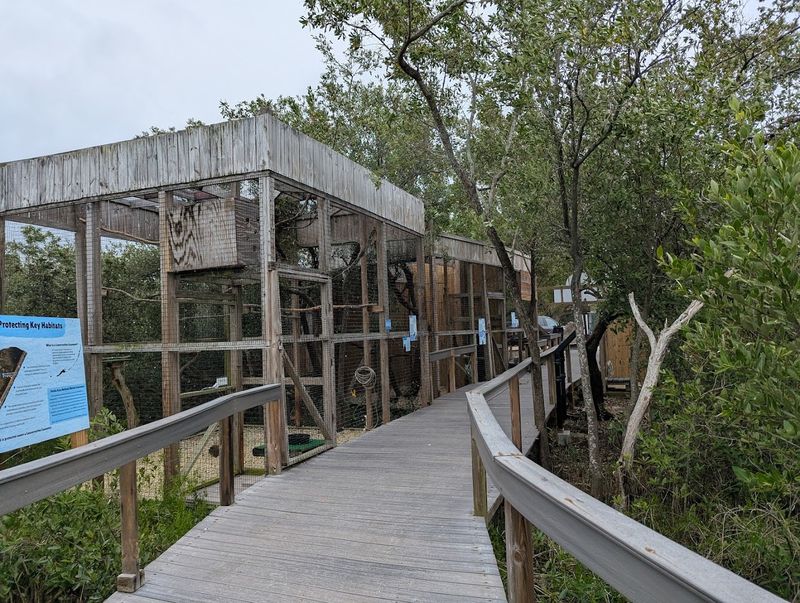
Walking the sanctuary boardwalk is one of those simple Florida experiences that lands exactly right. The path threads through a leafy, shaded setting where the sounds shift from highway background to bird calls, wings, and the occasional excited comment from someone spotting an owl up close.
It is easy walking, which makes the whole place approachable for families, road trippers, and anyone who wants a relaxed stop.
Along the route, you will pass a variety of residents that can include pelicans, herons, cormorants, gulls, doves, hawks, and several owls. The enclosures are spacious enough to feel respectful, and many visitors specifically mention how clean and thoughtfully maintained they appear.
That matters, because it makes the sanctuary feel like what it is: a place built around care, not display.
The signage adds a lot to the experience. You are not just looking at a bird and moving on, because the center gives context about species, injuries, and why a particular resident can no longer survive in the wild.
Those details pull you in fast, especially when a bird has a name, a distinct attitude, or a survival story that stays with you.
The boardwalk itself keeps things visually interesting. Mangroves frame the route, filtered light softens the heat, and the path gradually draws you toward open water at the back.
More than one visitor has been surprised by bonus wildlife sightings there too, including crocodiles, iguanas, and the kind of dramatic Florida spiders that instantly become family conversation material.
By the end, the sanctuary feels bigger than it looked from the road. Not physically huge, of course, but layered enough to reward a slower walk.
If you take your time, read the signs, and watch how each bird moves and reacts, the boardwalk turns a quick roadside break into a genuinely absorbing hour in the Upper Keys.
The Birds That Steal the Show
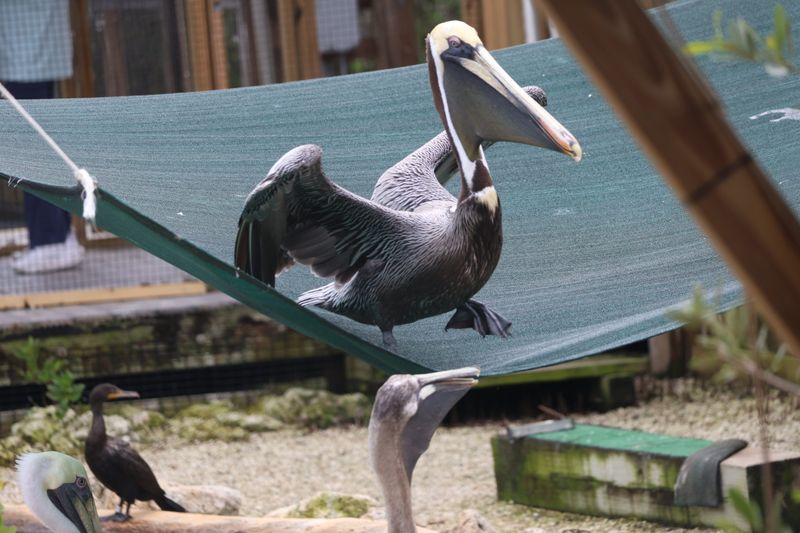
Every visitor seems to leave with a favorite bird, and that says a lot about the personality packed into this sanctuary. The stars often include the pelicans, which are big, funny, dramatic, and weirdly charming all at once.
Watching them interact is half wildlife observation, half live comedy, especially during feeding times when their energy goes up several notches.
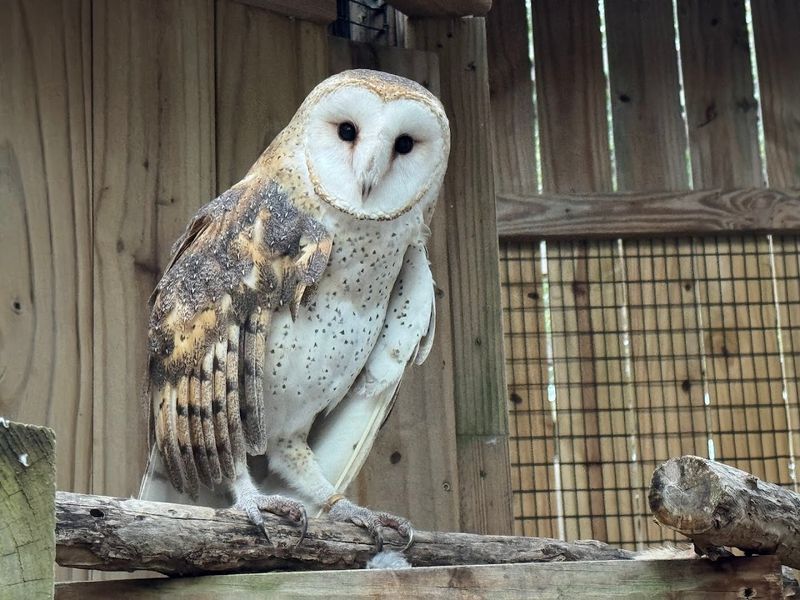
The owls bring a completely different mood. They have that locked-in stare that makes you feel like you are the one being studied, and several visitors mention individual birds becoming the highlight of the day.
One well-loved owl named Leopold has earned a reputation for winning staring contests, which honestly sounds very on brand for an owl in the Keys.
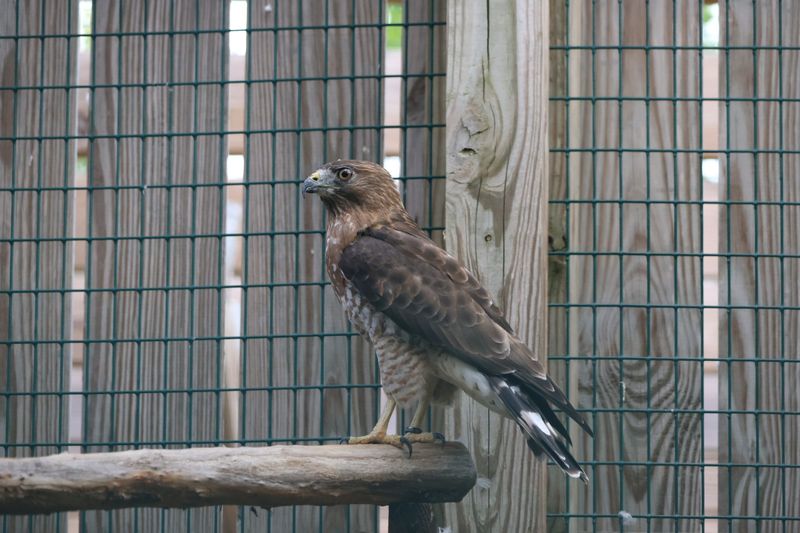
Raptors such as hawks and ospreys also make a strong impression. Up close, their size, posture, and intensity are impossible to ignore, and the sanctuary gives you a chance to observe those features in a slower, more intimate way than you would during a lucky roadside sighting.
You notice hooked beaks, sharp eyes, and the kind of presence that commands silence.
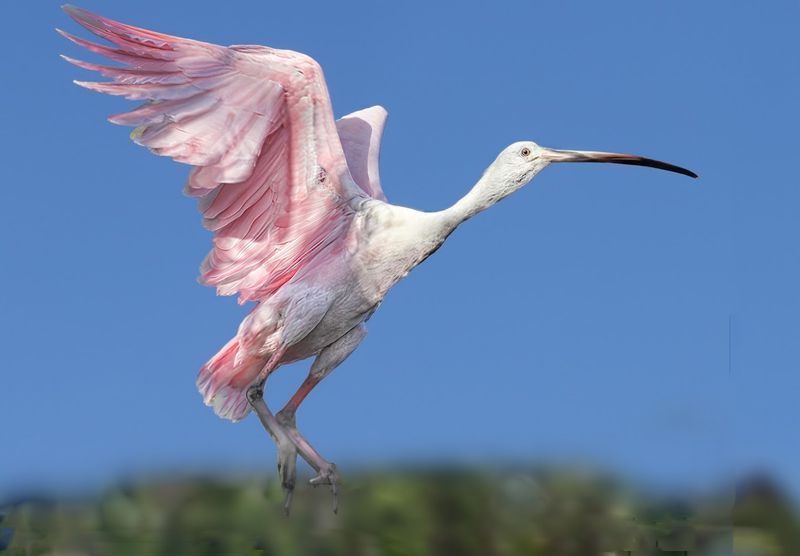
Then there are the wading birds and water birds, including herons, cormorants, gulls, and other coastal species that fit perfectly into the surrounding mangrove environment. Seeing them here adds context to every later sighting you have elsewhere in the Keys.
After this visit, a random bird on a dock stops being background scenery and starts feeling familiar.
That may be the sanctuary’s sneaky superpower. It turns birdwatching from a casual glance into actual curiosity, even for people who did not arrive thinking of themselves as bird people.
By the time you finish, you are not just saying you saw some birds in Tavernier. You are remembering faces, behaviors, names, and the strange little details that made each resident feel unforgettable.
The Rescue Mission Behind Every Enclosure
The most important thing to understand about the Florida Keys Wild Bird Center is that it is a rescue operation first. This is not a collection assembled for entertainment.
The sanctuary houses birds that were injured, disabled, or otherwise deemed unable to return safely to the wild, and that mission gives every enclosure a weight and purpose you can feel almost immediately.
Many of the resident birds have injuries linked to human activity, from vehicle strikes to habitat hazards and other preventable trauma. Reading those stories changes the mood of the visit in a productive way.
You still enjoy the beauty of the birds, but you also come away more aware of how fragile survival can be in a place where nature and development constantly overlap.
The center’s work goes beyond sanctuary care. It is part of a larger effort in the Keys to rescue, rehabilitate, and release as many birds as possible, with the on-site residents representing the ones who need permanent protection.
That distinction matters, because it means your visit connects directly to active wildlife support, not just passive appreciation.
Visitors often mention how cared for the birds appear, and that observation lines up with the overall feel of the property. Clean habitats, informative signage, and a calm environment suggest steady effort behind the scenes.
Nothing about wildlife rescue is easy, glamorous, or cheap, which makes the sanctuary’s consistent upkeep even more impressive once you think about the daily demands involved.
This mission-centered identity is exactly why the center stands out in a region full of things to do. Plenty of stops in the Florida Keys are fun for an hour and forgettable by dinner.
This one sticks because you leave with a clearer sense of place, responsibility, and the real-world work required to keep the Keys wild, vibrant, and full of wings over the water.
Pelican Feedings and the Best Time to Visit
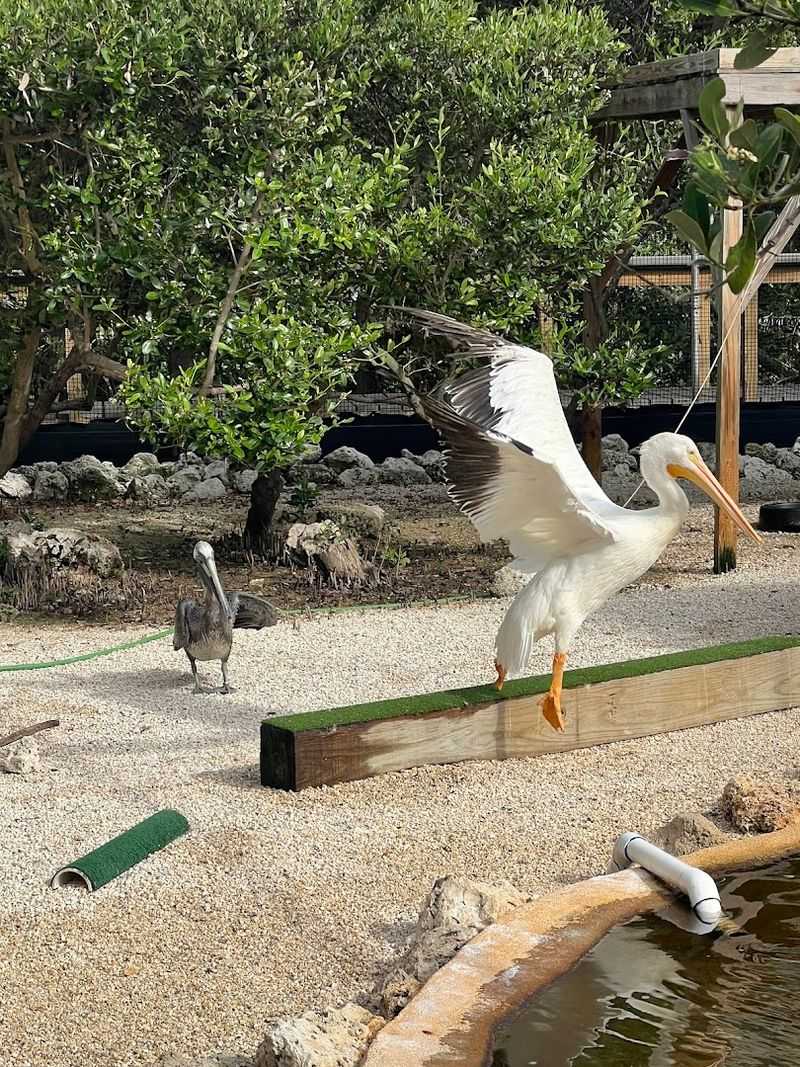
If you want the most lively version of this sanctuary experience, timing your visit around a pelican feeding is a smart move. The center is known for these feedings, and they add movement, sound, and a little theatrical energy to an already worthwhile stop.
Pelicans do not exactly do subtle, which is great news when you are hoping for memorable wildlife moments.
Even outside feeding times, the sanctuary is enjoyable throughout the day because the grounds are compact and mostly easy to walk. The center is open daily from 7 AM to 6:30 PM, which gives you a wide window to fit it into a drive up or down the Keys.
Morning can feel cooler and calmer, while late afternoon often brings soft light that looks great through the mangroves.
Because this is a donation-based visit rather than a rigid ticketed attraction, the atmosphere stays refreshingly low-pressure. You can move at your own pace, pause where something catches your eye, and avoid the herded feeling that sometimes comes with popular tourist stops.
That flexibility is especially useful if you are traveling with kids, grandparents, or a mixed group with different energy levels.
One thing to know is that parking can be tight. Reviews suggest turnover is usually quick, but this is still a good place to approach with a little patience, especially during busy travel periods in the Keys.
Once you are parked, though, the sanctuary works beautifully as a leg-stretch stop that feels easy without feeling throwaway.
The best time to visit really comes down to what you want. If you are chasing active bird behavior, ask about feeding times and plan accordingly.
If you want a quieter, more reflective walk with room to read every sign and linger at the water’s edge, almost any part of the day can work – and that kind of flexibility is part of what makes this place so appealing.
A Small Stop That Easily Turns Into an Hour
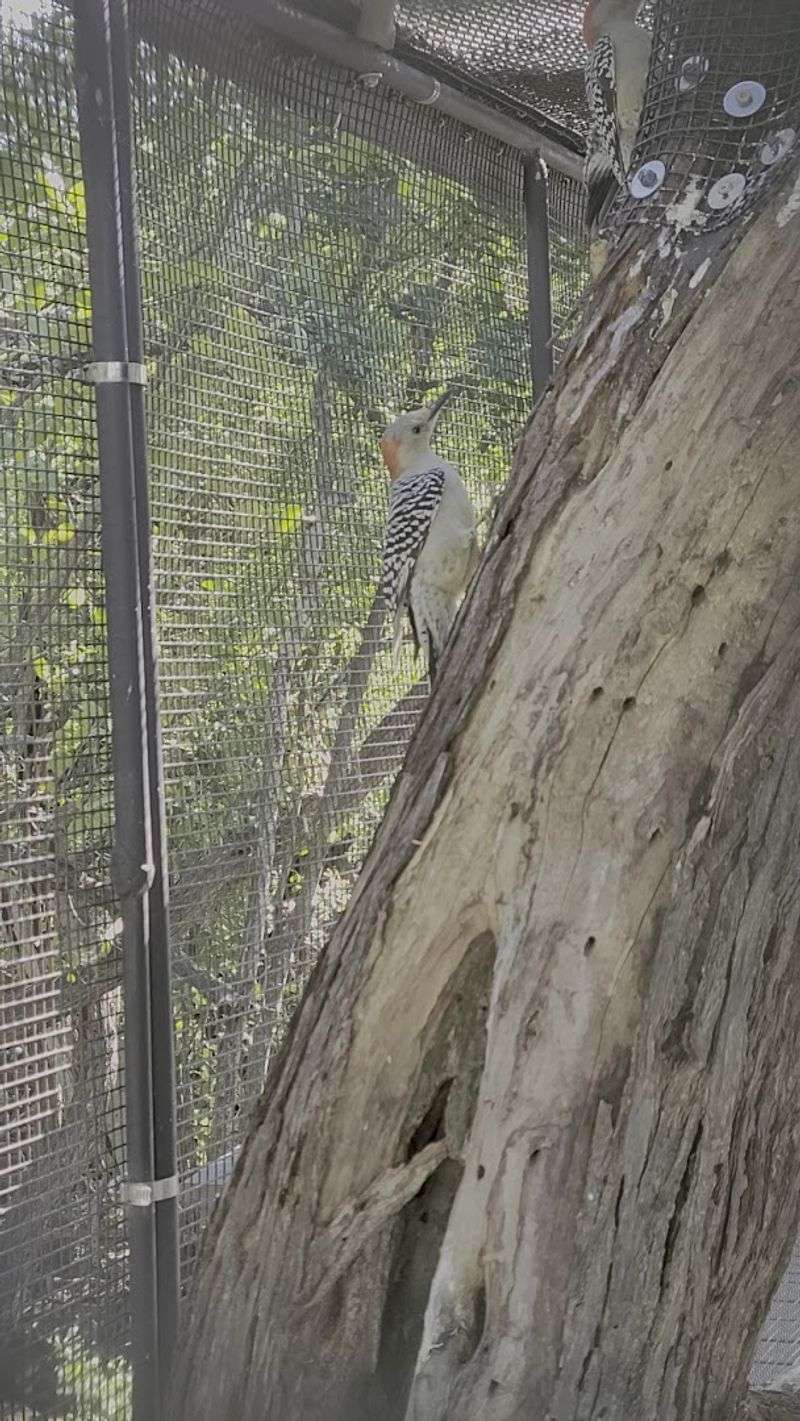
One of the funniest things about this sanctuary is how often people underestimate it. From the road, it looks like a quick pause, maybe a short stroll before getting back in the car and heading deeper into the Keys.
Then you start reading the signs, studying the birds, checking out one more enclosure, and somehow that brief stop stretches into forty-five minutes or more.
The layout has a lot to do with that. It is compact, but it does not feel cramped, and there is a natural rhythm to the walk that keeps you moving without making you hurry.
You get bursts of close-up bird encounters, moments of shade and quiet, and then the reward of reaching the water at the back where the scene opens up beautifully.
That pacing works well for families. Parents like that it is manageable, kids usually stay engaged because there is always another bird around the next bend, and even teenagers apparently get into it, which may be the strongest review category of all.
For adults, the sanctuary hits a sweet spot between education and decompression, especially during a long drive.
It also helps that the center feels honest about what it is. This is not a giant park pretending to be an all-day attraction, and it is not so tiny that you feel done in five minutes.
Instead, it lands in that useful middle ground where you can fit it into almost any itinerary and still feel like you did something worthwhile.
That makes the Wild Bird Sanctuary one of the better stops for travelers who want substance without a major time commitment. If your day already includes boating, dining, or heading farther south, this place still fits.
And if your schedule is loose, you can slow down, watch longer, and let this unexpectedly absorbing sanctuary earn more of your time.
Why Families and Casual Visitors Love It
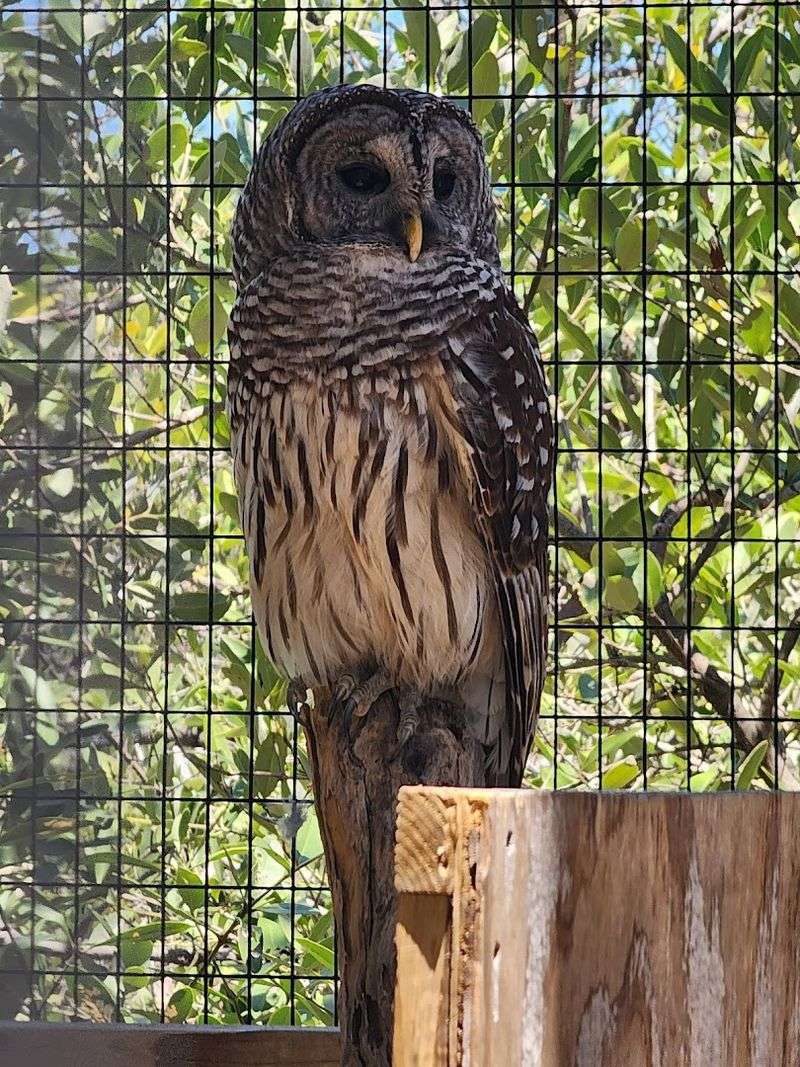
The Wild Bird Sanctuary works especially well for visitors who want something easy, interesting, and genuinely family-friendly without the usual tourist chaos. There are no complicated logistics, no long commitment, and no pressure to follow a rigid schedule.
You show up, make a donation, and step into a calm little world where birds instantly become the main event.
For kids, the appeal is obvious. Big pelicans, intense owls, broad-winged hawks, and coastal birds with odd habits are much more exciting than a basic educational display sounds on paper.
The sanctuary keeps young visitors moving and looking, and the animal stories create a natural opening for conversations about rescue, responsibility, and the local environment without making it feel like school.
Adults tend to appreciate a different layer. The center is shaded in many spots, the paths are easy, and the visit feels restorative instead of draining.
If you are balancing beach plans, long drives, and family energy levels, that matters. It is the kind of stop that lets everyone reset while still doing something memorable.
Another reason people enjoy it is the sanctuary’s mix of accessibility and depth. You can breeze through and still have a nice experience, or you can read every sign and leave feeling much more informed about native bird species in the Keys.
That flexibility makes it a great fit for groups where not everyone shares the same level of interest in wildlife.
Most importantly, the place feels real. Families are not being funneled through a souvenir-heavy attraction or a loud staged experience.
They are being invited to observe rescued birds up close and support the work that keeps them safe. That authenticity shows up again and again in reviews, and it is probably why so many people call this one of their favorite unexpected stops in Tavernier.
The Waterfront Finish and Unexpected Wildlife Extras
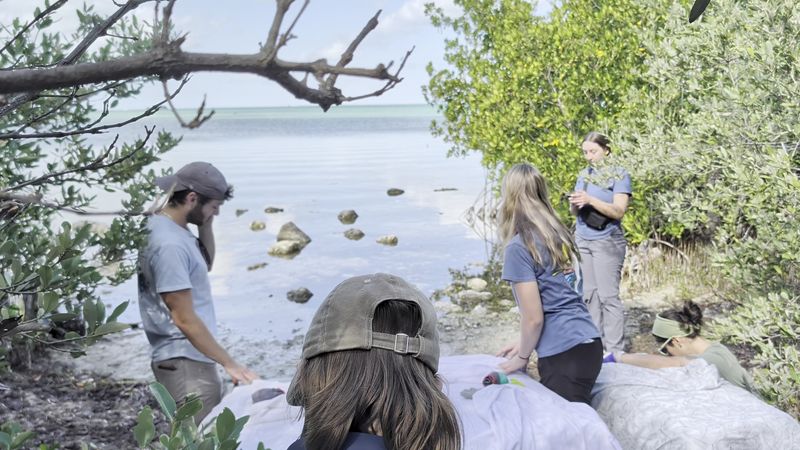
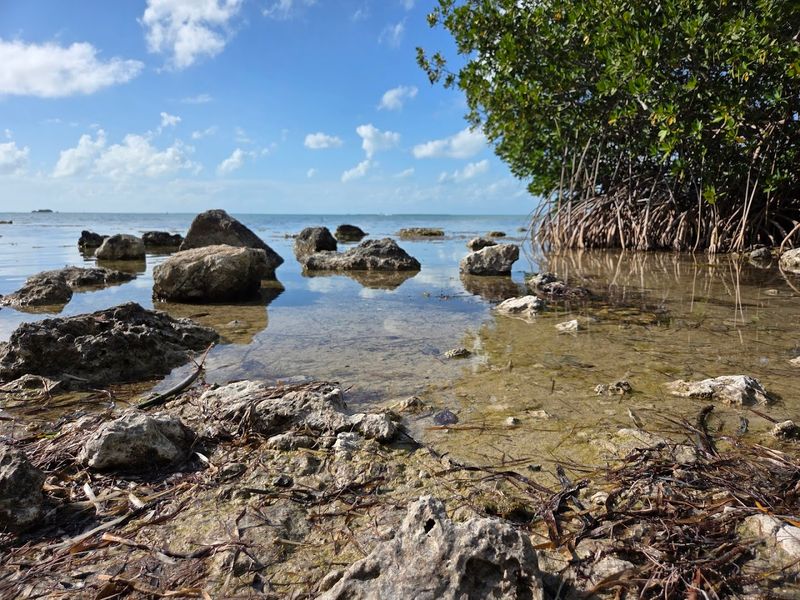
One of the best surprises at the sanctuary comes near the end of the walk. After moving through the enclosures and shaded boardwalk, you reach a more open waterside area that gives the visit a scenic final note.
It is quiet, breezy, and very Florida Keys in a way that feels natural rather than staged for a postcard.
That waterfront finish is more than just a pretty backdrop. It shifts your perspective and connects the birds in the sanctuary to the wider coastal ecosystem around you.
Suddenly the rescue stories, the native species information, and the mangrove setting all click together, and the place feels less like an isolated stop and more like a living piece of the Keys landscape.
It is also where the sanctuary sometimes turns into a bonus wildlife adventure. Visitors have reported seeing crocodiles in the water, iguanas in trees, and the occasional oversized spider delivering some dramatic energy along the route.
Those moments are unpredictable, of course, but they add to the feeling that this is a real habitat, not just a neat path with cages.
The beauty of this section is that it encourages you to pause instead of rushing back to the parking lot. You can stand there for a minute, look out over the water, listen to wind in the mangroves, and let the visit settle in.
That small pause often becomes one of the most memorable parts of the experience because it feels so unforced.
For a sanctuary that does not take long to walk, this final stretch gives it a nice sense of completeness. You arrive curious about rescued birds and leave with a fuller picture of the environment they belong to.
It is a simple payoff, but a strong one, and it helps explain why such a modest roadside stop earns such enthusiastic praise.
What to Know Before You Go
Planning a stop at the Florida Keys Wild Bird Center is refreshingly straightforward, but a few details can make the visit smoother. The sanctuary is located at 93600 Overseas Highway in Tavernier, making it an easy add-on whether you are heading south toward Key Largo’s neighbors or driving back north.
It is open daily from 7 AM to 6:30 PM, so timing is flexible.
Admission is donation based, with many visitors mentioning a suggested ten-dollar contribution per person. There is an honor-system feel to the process that matches the sanctuary’s low-key personality, but this is definitely a place where donating feels worthwhile.
The birds, the enclosures, and the rehabilitation mission make it very clear where that support goes.
Parking is probably the one practical issue to be aware of. Several reviews note that spaces can be tight, especially during busier periods, although turnover tends to happen quickly because many guests are making shorter visits.
If the lot looks full, a little patience usually solves the problem better than abandoning the stop altogether.
Wear comfortable shoes, bring water, and expect an outdoor setting with Florida weather doing what Florida weather does. That can mean heat, humidity, a sudden passing shower, or all three in one visit.
The good news is that much of the route includes shade, and the walk itself is easy enough for most visitors to handle comfortably.
If you want more information during your visit, ask about guided tour options or chat with volunteers when available. People frequently praise the staff and helpers for being knowledgeable and approachable.
Even without a formal tour, the center is easy to enjoy, but a little extra context can deepen the experience and help you appreciate just how much work goes into caring for these birds.
Why Supporting This Place Matters
It is easy to leave the Wild Bird Sanctuary feeling entertained, but the stronger takeaway is usually gratitude. Places like this do the unglamorous, day-after-day work of rescue, rehabilitation, and long-term care, and that work rarely happens without community support.
In a destination known for fun, sun, and beautiful water, this sanctuary quietly protects the wildlife that helps define the Keys in the first place.
The center’s donation-based model says a lot about its values. Instead of putting up a hard wall between people and the experience, it invites visitors in and trusts them to recognize the importance of the mission.
Judging by the reviews, that approach works, because many people mention giving gladly once they see the quality of care and understand the sanctuary’s role.
Supporting the center matters for practical reasons too. Bird rescue requires space, food, medical care, maintenance, staff time, and constant attention to animal welfare.
Even a relatively small sanctuary carries significant daily costs, especially in an environment where heat, storms, salt air, and wear on facilities are just part of normal life.
There is also a wider conservation value in what the center does. It helps residents and visitors connect with native birds not as background scenery, but as individual wild animals facing real threats.
That awareness can influence behavior long after the visit, whether that means driving more carefully, respecting habitat, or simply noticing local wildlife with more care than before.
In that sense, your stop in Tavernier becomes more than a pleasant roadside break. It becomes a small act of participation in keeping the Florida Keys ecologically alive and emotionally connected to the creatures that belong here.
That is a pretty good return on a modest donation, and it is one of the clearest reasons this sanctuary deserves both your time and your support.
The Real Reason This Sanctuary Stays With You
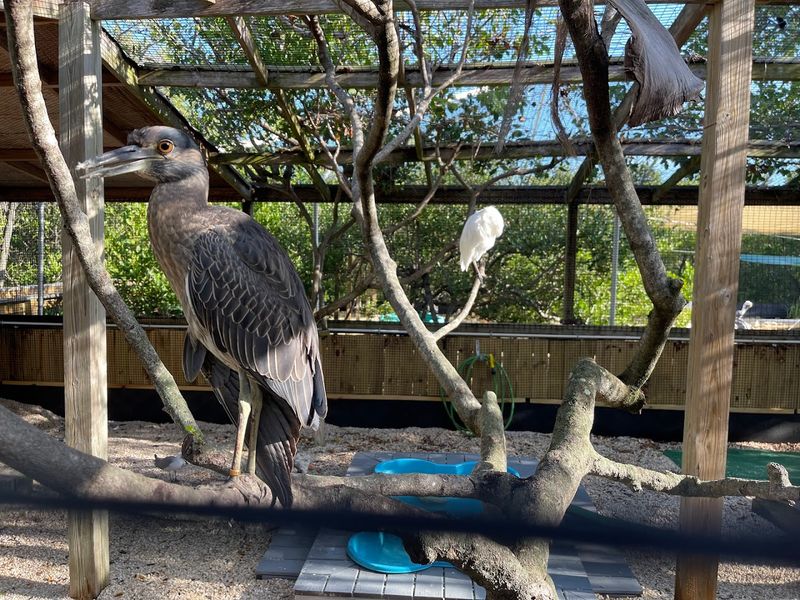
What lingers after a visit to the Wild Bird Sanctuary is not just a checklist of species. It is the feeling of having spent time somewhere sincere.
In a region packed with flashy options, this small Tavernier sanctuary stands out by doing the opposite – keeping things quiet, grounded, and focused on real care for wild birds that need a second chance.
The experience lands because it mixes several things really well. You get beauty, education, easy access, and a strong sense of purpose, all within a visit that works for almost any schedule.
There is no wasted motion here. Every enclosure, every sign, and every bend in the boardwalk adds another small piece to the story.
It also helps that the sanctuary feels deeply local. The mangroves, the coastal birds, the ocean glimpse at the back, and even the possibility of spotting extra Florida wildlife all root the experience in the Upper Keys.
This is not a place that could be picked up and dropped anywhere else. It belongs exactly where it is.
For travelers, that kind of specificity is gold. You are not just passing time between bigger attractions.
You are stepping into a place that reflects the character of the Keys: resilient, a little surprising, and best appreciated when you slow down. That may be why so many visitors describe the sanctuary as an unexpected highlight rather than just a nice stop.
If you are driving through Tavernier and wondering whether this place is worth your time, the answer is yes. Not because it is huge or flashy or perfect, but because it offers something rarer than that.
It gives you a direct connection to the wildlife, volunteer spirit, and protective heart that keep the Florida Keys feeling wild in all the ways that still matter.