This Florida Roadside Attraction Is Part Fountain Of Youth, Part Radioactive Mystery
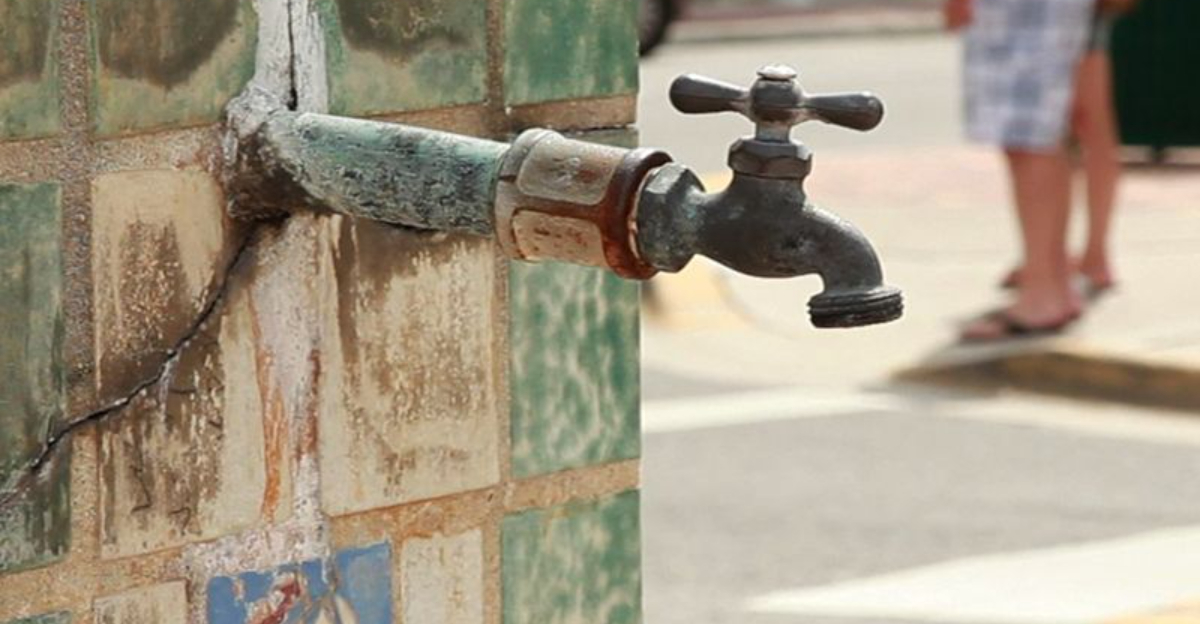
Tucked away on a street corner in Punta Gorda sits one of Florida’s most bizarre landmarks: a drinking fountain that’s literally radioactive. This isn’t some tourist trap with fake claims—the water genuinely contains trace amounts of radium, bubbling up from an artesian well deep underground. Despite the ominous warnings posted nearby, locals have been drinking from this fountain for generations, swearing by its supposed youth-preserving powers and distinctive rotten-egg flavor that’ll make your taste buds question every life choice you’ve ever made.
1. A Fountain That Glows With Controversy
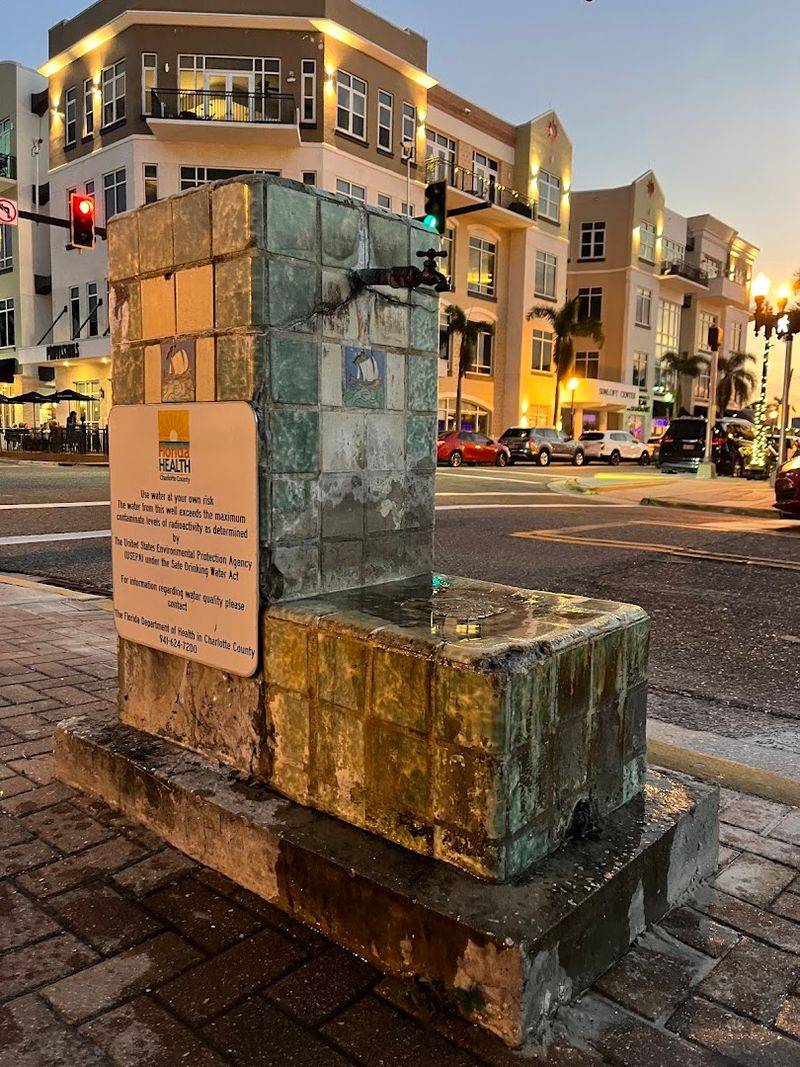
Right there on Taylor Street, completely unguarded and available 24/7, stands a fountain that would make health inspectors break out in hives. The water flowing from this unassuming spigot contains measurable levels of radium, a radioactive element that scientists definitely don’t recommend chugging by the gallon. Yet the fountain remains operational, drawing curious visitors and devoted locals who treat it like their personal elixir of immortality.
What makes this spot so wonderfully weird is the clash between modern safety culture and old Florida’s devil-may-care attitude. Warning signs plastered around the fountain tell you exactly what you’re getting into, but nobody’s stopping you from taking a sip. The radioactivity levels are low enough that occasional consumption probably won’t turn you into a superhero or a cautionary tale, though drinking it as your primary water source might be pushing your luck.
The fountain’s survived decades of bureaucratic hand-wringing and concerned citizens calling for its shutdown. Somehow, it persists as a monument to a time when people believed radioactive water was good for you. The fact that it’s rated 4.9 stars on Google with reviewers joking about growing third eyes tells you everything about Florida’s relationship with common sense.
2. The Sulfur Smell That Warns You’re In For An Experience
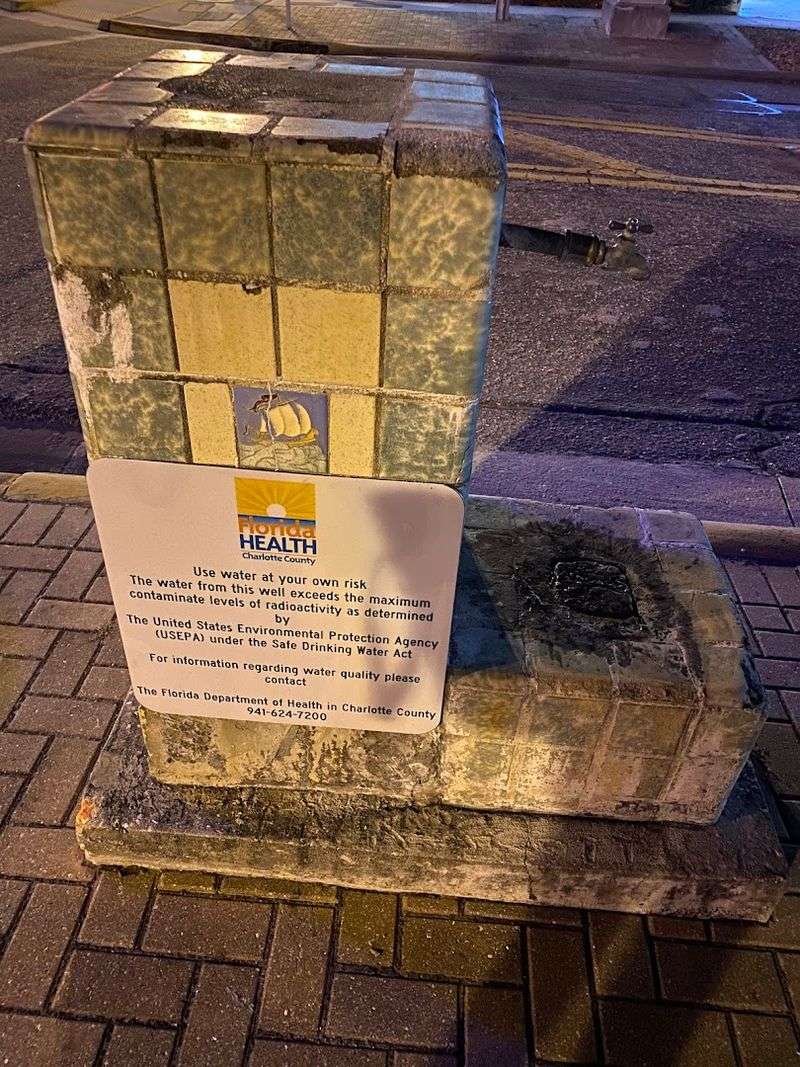
Before you even reach the fountain, your nose will tell you something’s different about this water. That distinctive rotten-egg stench comes from sulfur compounds mixed into the artesian well water, creating an aroma that’s been compared to everything from the River Styx to your high school chemistry lab’s worst experiment. First-timers often recoil at the smell, while regular drinkers insist you get used to it after the initial assault on your olfactory senses.
The sulfur content actually provides a preview of what you’re about to taste, which reviewers describe with varying degrees of horror and affection. Some say it tastes metallic, others detect strong mineral notes, and a few brave souls claim it burns mildly going down. One visitor noted the well water flavor dissipates after a few days if you bottle it, suggesting the sulfur compounds are volatile enough to escape over time.
Interestingly, sulfur water has its own folk medicine traditions separate from the radioactivity angle. Old-timers used to seek out sulfur springs for various health complaints, believing the minerals provided therapeutic benefits. Whether that’s true or just placebo effect mixed with nostalgia, the smell certainly makes drinking from this fountain feel like you’re participating in some ancient ritual rather than just grabbing a drink.
3. The Radium Reality Behind The Legend
Here’s the science that makes this fountain genuinely unusual: the water contains radium-226, a naturally occurring radioactive isotope that seeps into the groundwater from surrounding rock formations. When artesian pressure pushes this water to the surface, you get a fountain that’s legitimately radioactive, not just metaphorically glowing with Florida weirdness. The levels are low—we’re talking about trace amounts that won’t immediately harm you—but enough to register on detection equipment and justify those warning signs.
During the early 20th century, people actually believed radioactive water was healthy, leading to products like Radithor, a radium-infused drink that eventually killed its most famous endorser. That craze died out once people started, you know, actually dying, but pockets of belief in radium’s benefits persisted. Some studies suggest extremely low-dose radiation might have hormetic effects, though the scientific consensus remains firmly in the “probably just avoid radioactive substances” camp.
What’s fascinating is how many locals have drunk this water for years without apparent ill effects. One woman reportedly consumed it as her primary drinking water throughout her entire life and remained healthy into old age. Whether that’s despite the radium or because the levels are truly negligible remains a question best left to people with more letters after their names than common sense.
4. Located In Punta Gorda’s Historic District
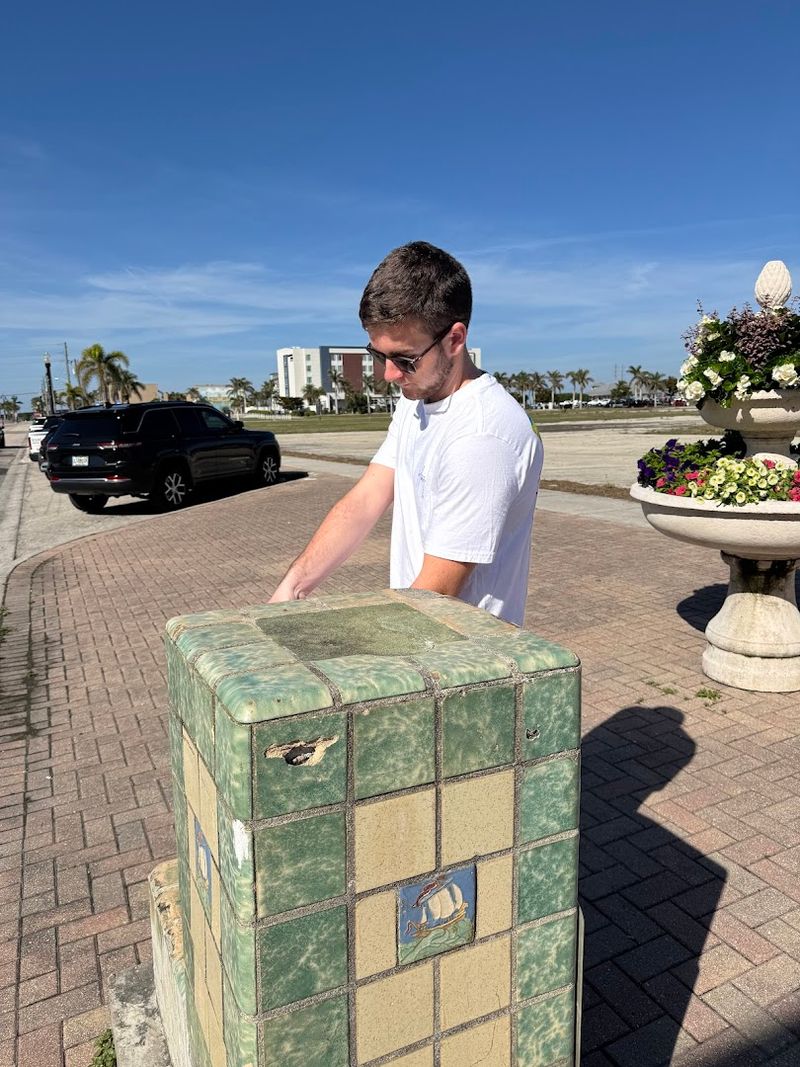
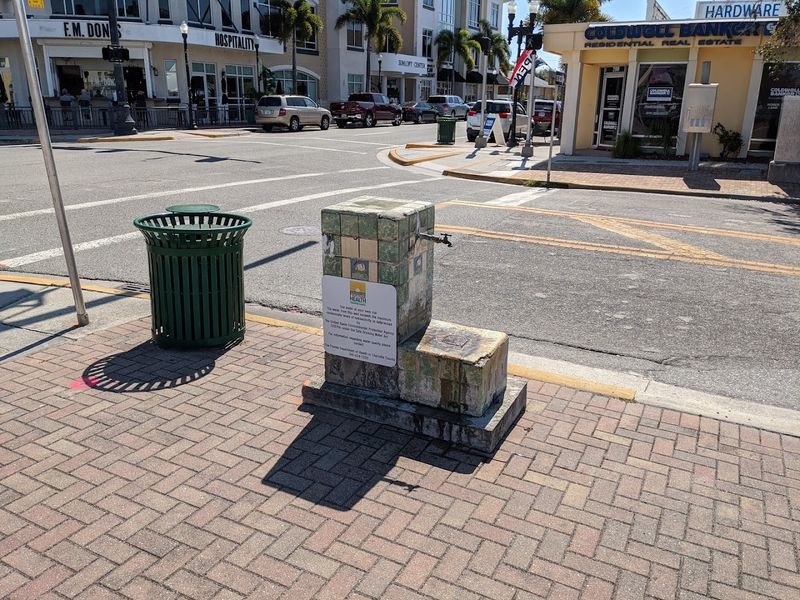
The fountain sits in one of Punta Gorda’s most charming areas, surrounded by the kind of Old Florida architecture that makes you forget strip malls and chain restaurants exist. You’ll find it near the Harbor Walk, Fisherman’s Village, and various shops that cater to tourists looking for authentic Gulf Coast experiences. The historic district provides the perfect setting for a roadside attraction that feels like it time-traveled from an era when people had looser definitions of “safe.”
Being open 24 hours means you can visit whenever the mood strikes, whether that’s a midday stop during a walking tour or a midnight pilgrimage for the truly committed fountain enthusiasts. The location’s accessibility makes it easy to incorporate into a broader exploration of Punta Gorda’s waterfront areas. You’re not making a special trip into the wilderness—this oddity hides in plain sight among perfectly normal downtown attractions.
Several reviews mention planning entire trips around visiting the fountain, which speaks to its cult status among roadside attraction aficionados. Parents bring their kids for the novelty factor, couples stop by for quirky photo opportunities, and solo travelers check it off their list of Florida’s weirdest destinations. The fact that it’s just sitting there on a street corner, unguarded and unmonetized, adds to its appeal as a genuine local curiosity rather than a manufactured tourist trap.
5. Reviews That Read Like Comedy Gold

The Google reviews for this fountain deserve their own article because they’re absolutely unhinged in the best possible way. People write about their third eye opening with “excruciating pain and extasy,” growing horns (or rather, not growing them), and feeling like toddlers again after water splashed on their feet. The humor ranges from deadpan to absurdist, with reviewers fully leaning into the fountain’s reputation as something between a health hazard and a magical portal.
One dad joked that he’ll definitely outlive his wife now that he’s drunk from the fountain while she refused, adding that it’s “much better than becoming a vampire” for life extension purposes. Another visitor gave it five stars specifically because it tastes like metal, embracing the awfulness as part of the experience. The review declaring it smells bad and awarding only three stars stands out as hilariously understated compared to the five-star reviews celebrating the rotten-egg aroma.
What makes these reviews special is how they capture Florida’s self-aware weirdness. Nobody’s pretending this is normal or particularly pleasant—they’re celebrating it precisely because it’s bizarre, potentially dangerous, and completely unnecessary. The collective decision to treat a radioactive sulfur fountain as a beloved local treasure instead of a liability perfectly encapsulates the state’s relationship with common sense and risk assessment.
6. The Ponce De León Connection
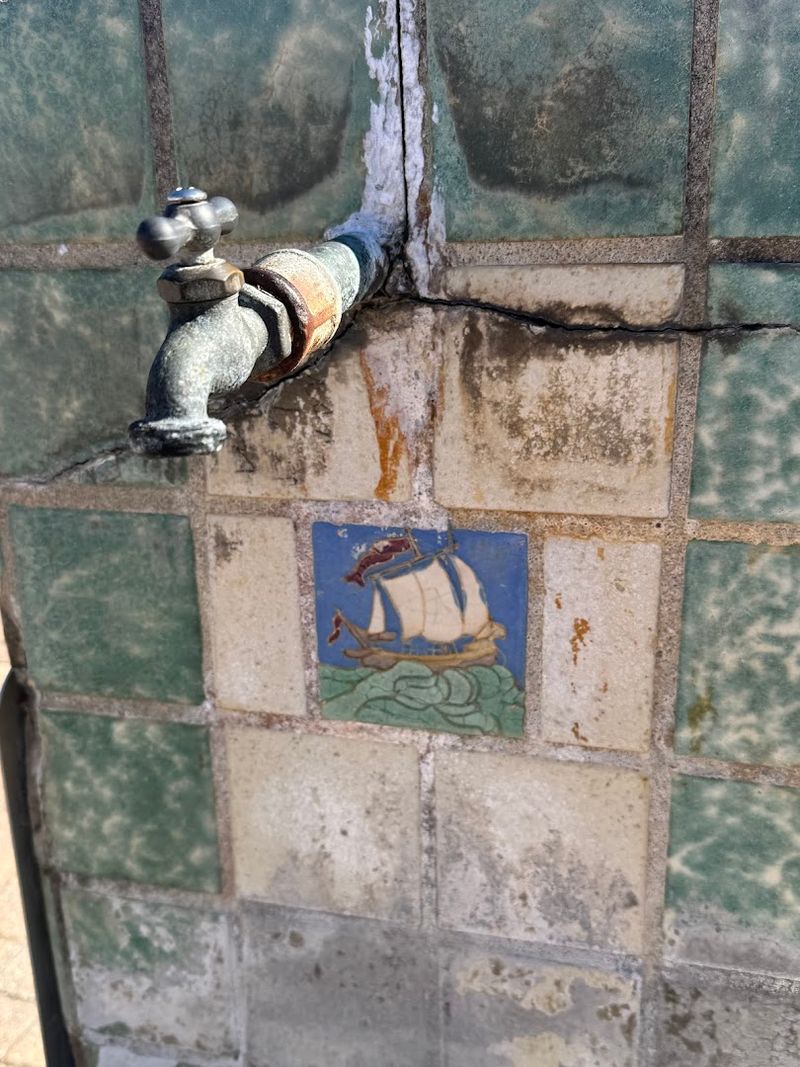
Florida’s obsession with Fountain of Youth mythology dates back to Ponce de León’s explorations in the 1500s, though historians agree he probably wasn’t actually searching for magical age-reversing water. That hasn’t stopped Florida from claiming multiple “authentic” Fountain of Youth locations, with St. Augustine hosting the most famous tourist version. Punta Gorda’s radioactive fountain takes a different approach—it doesn’t claim historical authenticity but instead offers something arguably more interesting: water that’s genuinely unusual enough to spark legends.
The connection to Fountain of Youth mythology gives visitors a framework for understanding why anyone would drink radioactive sulfur water on purpose. If you’re seeking eternal youth or at least an interesting story, why not take a sip from a fountain that’s literally glowing with potential? The radioactivity adds a modern twist to ancient legends, suggesting that maybe those old tales were onto something, even if the something was “naturally occurring radiation in groundwater” rather than magic.
One reviewer specifically mentioned Ponce de León, noting that the sulfur water makes the best wine—a claim that raises more questions than it answers but perfectly captures the spirit of treating this fountain as part of Florida’s ongoing relationship with youth-seeking mythology. Whether you believe in its powers or just want a selfie with something genuinely weird, the fountain delivers on its promise to be part history, part mystery, and entirely Florida.
7. Should You Actually Drink The Water?
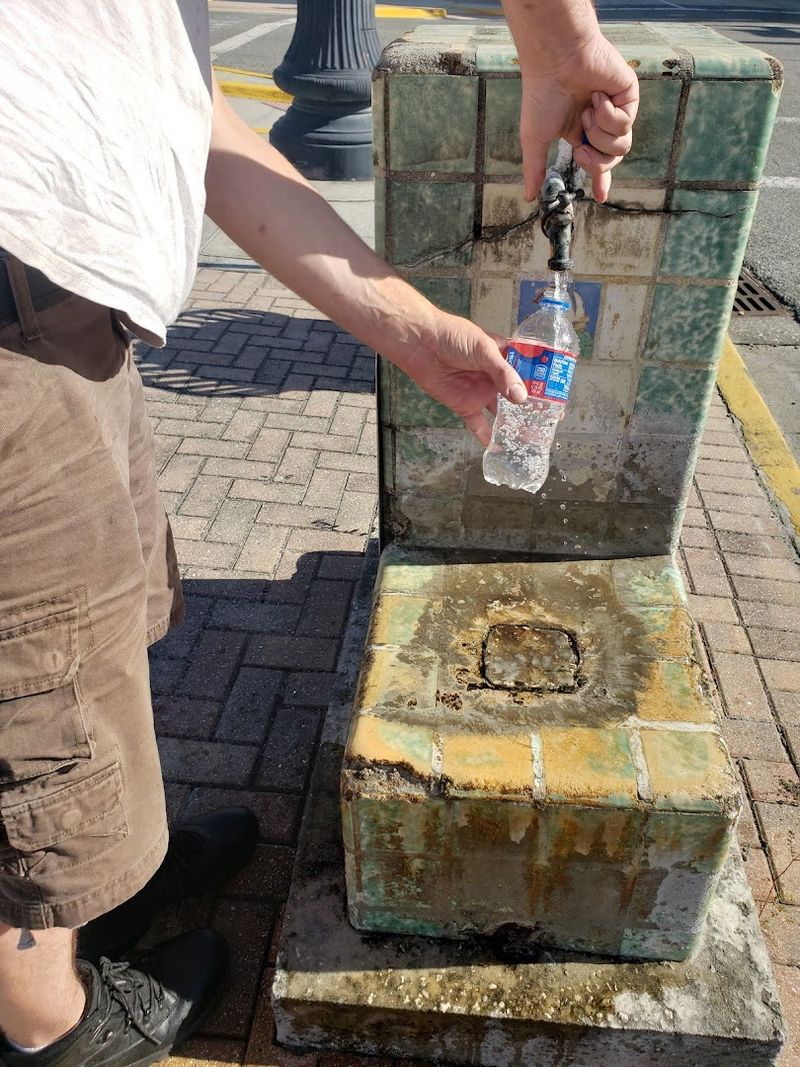
Let’s address the elephant in the room: drinking radioactive water is probably not your best health decision, even if the radiation levels are low enough to avoid immediate consequences. The warnings posted at the fountain aren’t just decorative—they’re genuine advisories that you’re consuming water with measurable radium content. Medical professionals would universally recommend against making this your regular water source, regardless of how many locals claim they’ve been drinking it for decades without problems.
That said, taking a single sip for the experience likely poses minimal risk, assuming you’re generally healthy and not pregnant. The radiation dose from one drink is comparable to what you’d get from eating a banana or taking a cross-country flight. It’s the chronic, repeated exposure that raises concerns, not the occasional novelty sip.
Think of it like riding a motorcycle without a helmet—probably fine once, terrible idea as a lifestyle choice.
The more immediate concern might actually be the taste and smell, which multiple reviewers describe as genuinely unpleasant despite awarding five-star ratings. The sulfur content creates that rotten-egg flavor that lingers, and some people report mild burning sensations. If you’re going to drink from the fountain, bring a chaser and maybe don’t do it right before a meal.
The experience is more about saying you did it than actually enjoying the beverage.
8. Why This Fountain Perfectly Captures Florida’s Spirit
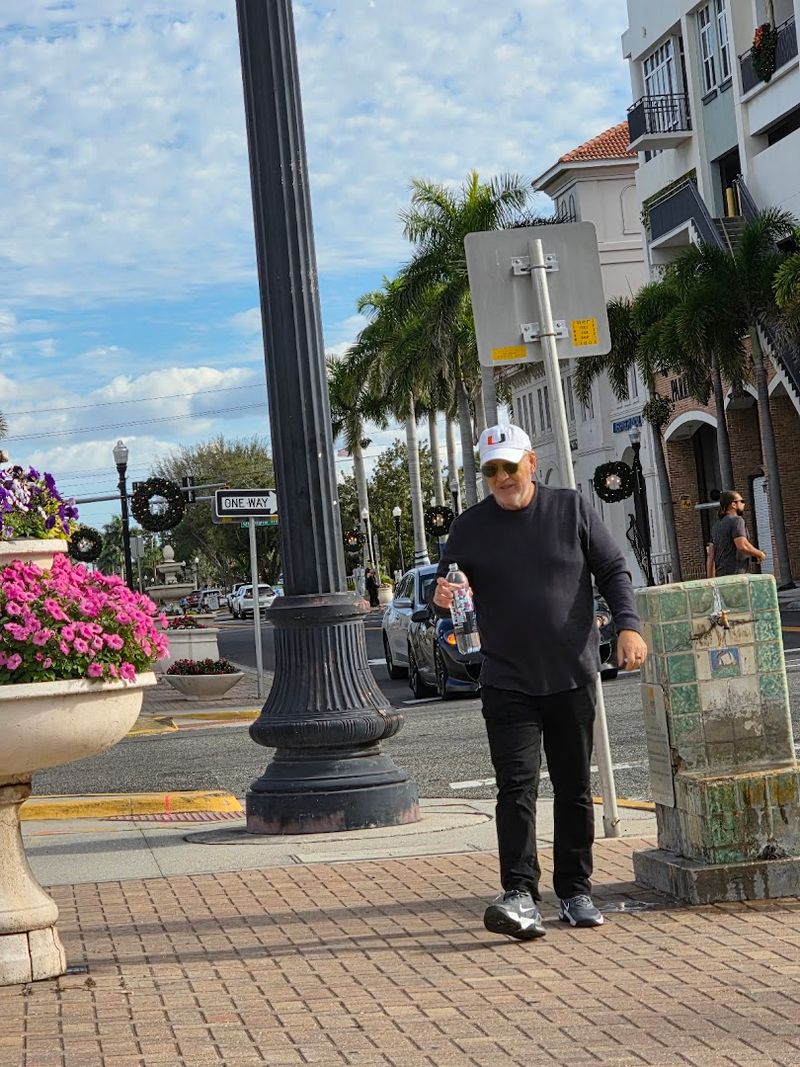
Florida’s reputation as America’s weirdest state didn’t happen by accident—it’s the result of generations embracing the bizarre, the dangerous, and the “why not?” attitude that turns radioactive fountains into beloved landmarks. This fountain embodies everything that makes Florida special: it’s scientifically questionable, potentially hazardous, completely unnecessary, and yet somehow charming enough to earn a 4.9-star rating from people who describe it tasting like the River Styx.
Other states would’ve shut this fountain down decades ago, citing liability concerns and public health regulations. Florida not only keeps it running 24/7 but lets it become a quirky point of local pride. There’s something beautifully defiant about maintaining a radioactive water source in your historic downtown, posting warnings that acknowledge the risks, and then just letting people make their own terrible decisions.
It’s freedom in its purest, most potentially ill-advised form.
The fountain also represents Florida’s relationship with its natural environment, which frequently involves discovering that the beautiful landscape is trying to kill you in creative ways. Radioactive groundwater? Sure, why not add that to the list alongside alligators, pythons, brain-eating amoebas, and flesh-eating bacteria.
The fact that people respond by drinking the water and joking about growing extra eyes rather than running away screaming tells you everything about the kind of people who choose to live here. We’re not ignoring the danger—we’re just deciding it’s worth it for the story.