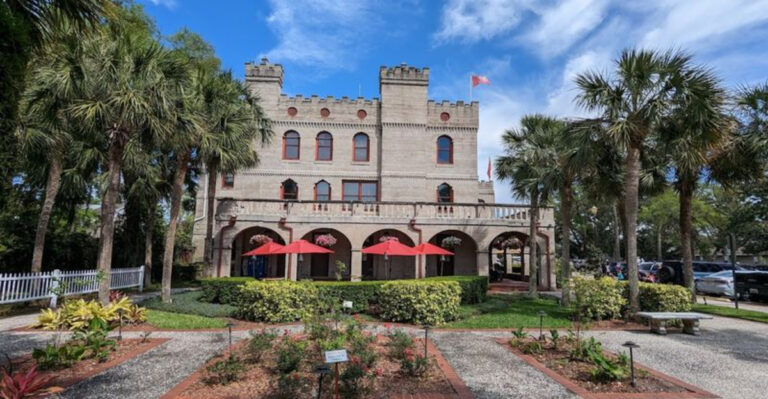
11 Florida Parks With Splash Zones, Walking Trails, And Plenty Of Space For Kids
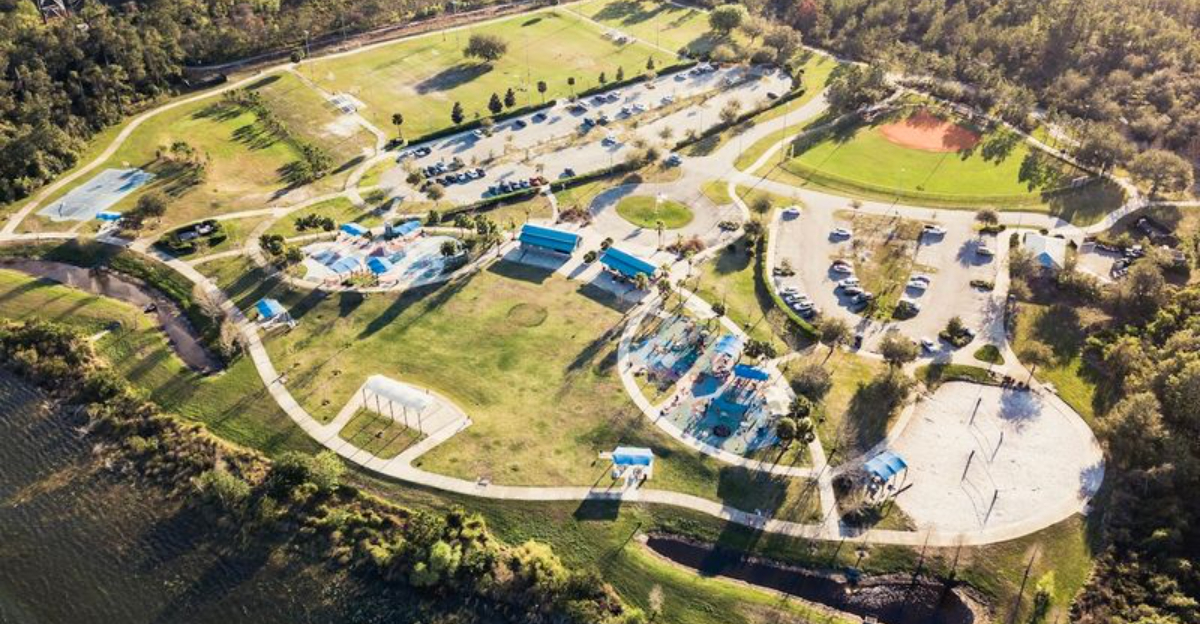
Finding a park that keeps everyone happy can feel like winning the lottery. You want shade, splash pads for cooling off, trails that don’t bore older kids, and enough open space so nobody feels cramped. Florida delivers on all fronts with parks designed for families who need more than just swings and a water fountain.
These spots mix playgrounds, walking paths, and splash zones into one visit, so you’re not driving all over town to check boxes off the fun list.
1. Dr. P. Phillips Community Park (Orlando)
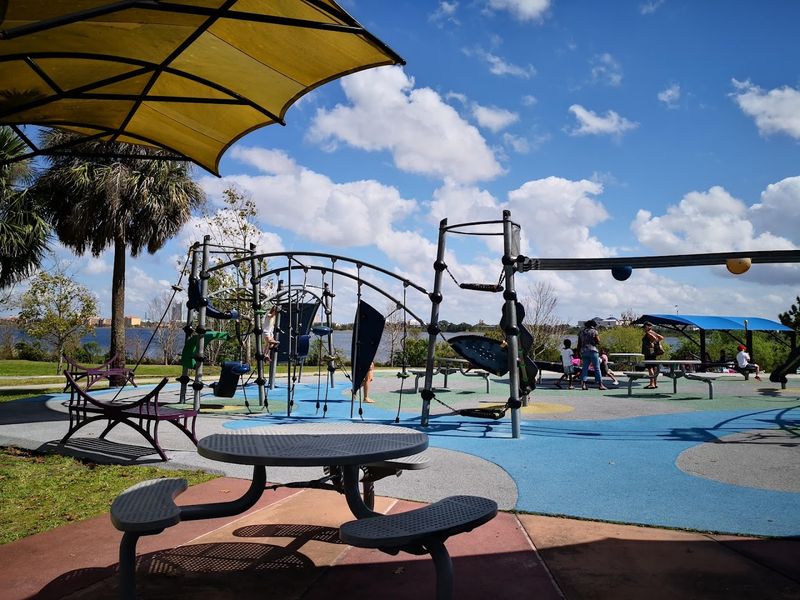
Sprawling across 43 acres in southwest Orlando, this park gives families breathing room without feeling overwhelming. The splash pad runs on a posted schedule through Orange County’s system, so you can plan around nap times or afternoon heat. Kids cycle between water play, climbing structures, and open grass without needing a car ride in between.
Sports fields line one side if older kids want to kick a ball around, while younger ones stick close to the playground zones. Picnic shelters offer shade when everyone needs a snack break, and the layout keeps sight lines open so parents can track wandering toddlers. Parking fills up on weekends, but the space absorbs crowds better than smaller neighborhood spots.
The mix of activities means you’re not stuck doing one thing all morning. Splash pad time naturally leads to playground exploration, then maybe a walk to cool down before heading home. Restrooms and water fountains are placed where you’d expect them, which sounds basic but makes a difference when managing multiple kids.
Orange County maintains the grounds well, with equipment that feels safe and clean. The park doesn’t try to be flashy—it just works for families who need a reliable spot that handles energy levels from toddler to tween without requiring a full day’s commitment or a cooler packed like you’re camping.
2. Barber Park (Orlando)
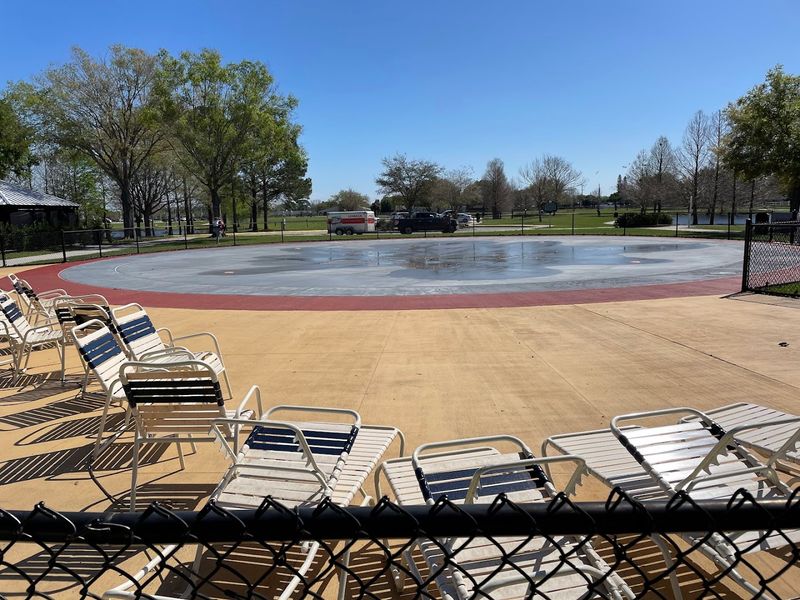
Tucked into southeast Orlando, Barber Park packs a lot into its footprint without feeling cluttered. The splash playground sits near the main entrance, making it easy to start there when kids are fresh and excited. Paved paths connect each zone—soccer fields, basketball courts, a skate park, even a dog park—so families can wander based on who wants to do what.
Older kids gravitate toward the skate park or courts while younger siblings stay entertained at the playground. The splash area runs seasonally, and Orange County lists it among official splash playground locations, so it’s maintained on a regular schedule. Parents appreciate the sightlines; you can watch multiple kids in different areas without losing track of anyone.
The dog park adds an extra layer if your family includes a pup who needs exercise too. Paved walking areas loop through the park, giving everyone a chance to move between activities without crossing through active sports zones. It’s not a long hike, just enough to stretch legs and transition from one thing to the next.
Shade trees cluster near picnic tables, and the restrooms are centrally located. The park handles weekday afternoons and weekend mornings equally well, with enough variety that repeat visits don’t feel repetitive. Families who need multiple activity options in one stop find this setup works better than single-purpose parks that run out of novelty fast.
3. Fort Mellon Park (Sanford)
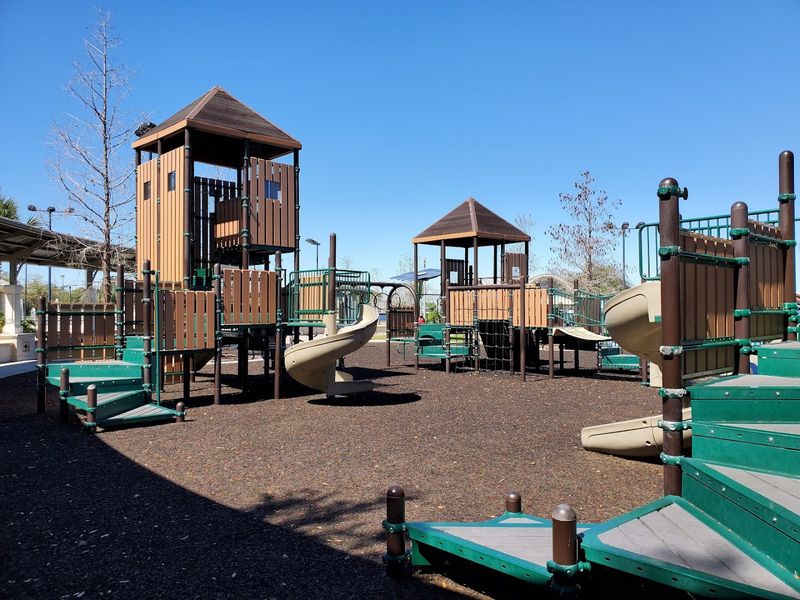
Lake Monroe stretches out in front of this Sanford park, giving the whole visit a different vibe than landlocked playgrounds. The splash pad and playground sit close to parking, but the real draw is how the space connects to the Sanford RiverWalk. Families can hit the water play early, then take an easy stroll along the lake when everyone’s cooled off and ready for something calmer.
The all-ages playground keeps toddlers and bigger kids busy in separate zones, so nobody’s waiting for their turn or dodging equipment meant for a different age group. Open green space fans out from the main areas, perfect for frisbee, tag, or just running in circles until energy levels drop. The lakefront setting adds breezes that make Florida heat more bearable, especially in the shade near the water.
Walking the RiverWalk doesn’t require serious stamina—it’s flat, paved, and offers lake views that hold kids’ attention better than staring at sidewalks. Ducks and boats passing by create natural conversation starters, and benches along the way let parents rest while kids point out fish or birds. The park doesn’t feel rushed; the layout encourages lingering without pressure to move along.
Restrooms and picnic areas are placed near the playground, and parking is straightforward. Fort Mellon works for families who want outdoor time that feels less structured, where the lake and trails mix with traditional park features to create a visit that doesn’t follow the same routine as every other park day.
4. Lake Eva Community Park (Haines City)
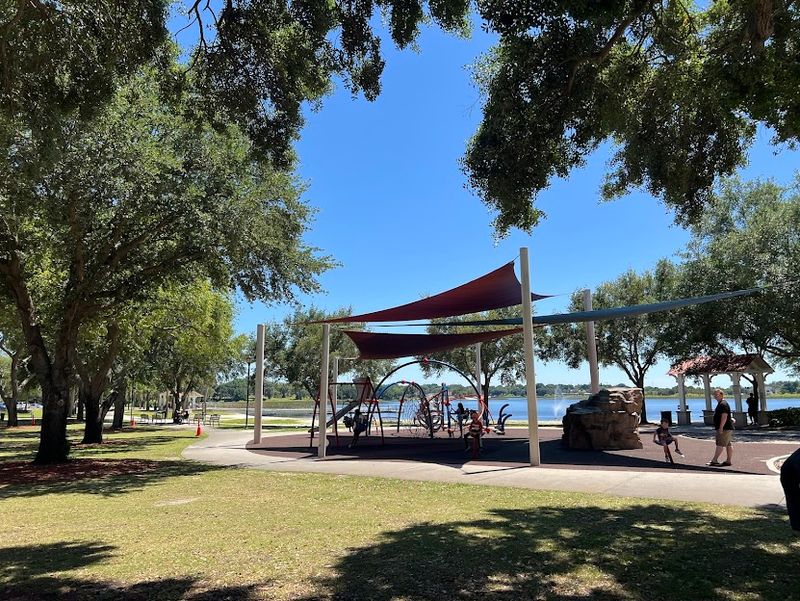
Lake Eva spreads out alongside this Haines City park, offering two miles of concrete walking paths that loop through the grounds and along the water. The playground areas are bigger than average, with equipment that keeps different age groups separated so everyone finds something at their level. Pavilions provide covered picnic spots, and the lakefront location means you’re not just staring at parking lots or fences while kids play.
The nearby Lake Eva Aquatic Center adds another layer, featuring zero-depth entry, a slide, and a splash pad that’s separate from the main park but close enough to combine into one outing. Families can start at the playground, walk the paths to burn energy, then finish at the aquatic center when everyone’s ready to cool off. The concrete paths are stroller-friendly and smooth enough for bikes or scooters, making the two-mile distance manageable even with younger kids.
Open green space gives room for kites, soccer, or just running without worrying about boundaries. The park handles crowds well because of its size—you’re rarely fighting for equipment or feeling cramped. Restrooms and water access are distributed throughout, and parking lots serve different sections so you can start wherever makes sense for your group.
Haines City maintains the grounds consistently, and the lakeside setting keeps the atmosphere relaxed. Families who want a full morning or afternoon outdoors find the combination of trails, playgrounds, and water features creates enough variety to hold everyone’s attention without needing backup plans or additional stops.
5. Downey Park (Orlando)
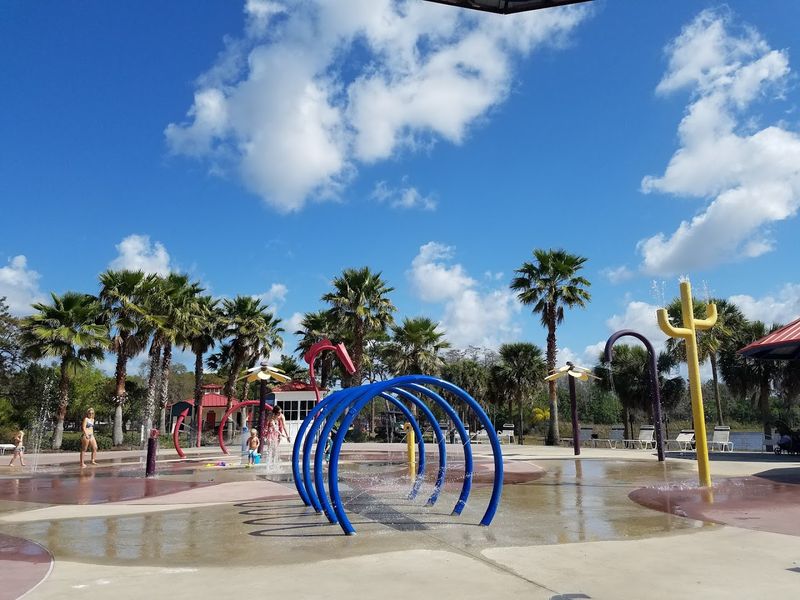
Downey Park leans into accessibility with an inclusive playground designed so kids of all abilities can play together. The splash playground sits adjacent, creating a natural flow between climbing, sliding, and water play without long walks between zones. Picnic pavilions cluster near the action, giving parents a home base while kids rotate through activities.
Fitness areas and ball fields occupy the outer sections, keeping active sports separated from younger kids’ zones but still within easy reach for families with mixed-age groups. The inclusive design extends beyond just ramps—the playground equipment considers sensory needs, physical access, and social interaction in ways that make everyone feel welcome. It’s a thoughtful setup that doesn’t broadcast itself but makes a real difference for families who’ve struggled with traditional playgrounds.
The splash playground runs seasonally, and the park’s location in Orlando means it draws steady crowds without feeling overcrowded. Open space between features gives room to spread out, and the layout keeps sightlines clear. Parents managing multiple kids appreciate how the design naturally funnels traffic without creating bottlenecks or dead ends where kids disappear from view.
Restrooms are centrally located, and parking is straightforward. The park doesn’t rely on flashy themes or gimmicks—it just delivers solid features that work for a wide range of families. Repeat visits stay interesting because the inclusive playground offers different challenges as kids grow, and the splash area provides reliable summer relief when Florida heat makes outdoor play feel impossible anywhere else.
6. Water Works Park (Tampa)
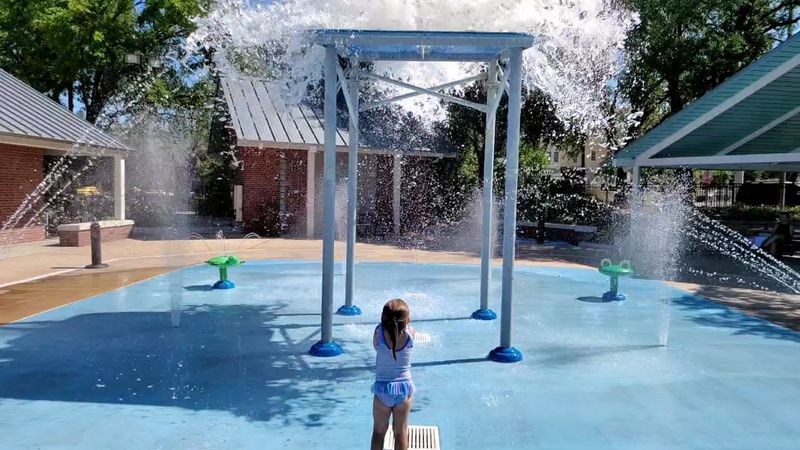
Sitting along the Hillsborough River, Water Works Park connects to the Tampa Riverwalk, turning a playground visit into something bigger. The splash pad and playground anchor the family zone, while open green space spreads out for picnics, games, or just letting kids run. Shaded picnic areas cluster under mature trees, offering relief from sun that feels earned after other parks with zero cover.
The dog park adds flexibility if your family includes a four-legged member who needs exercise too. Riverfront views create a backdrop that feels less generic than standard park settings, and access to the Riverwalk means you can extend the visit with a stroll along the water. The walk is flat, paved, and interesting enough to keep kids engaged without requiring serious endurance.
The park handles different activity levels well—toddlers stay happy at the splash pad while older kids explore the playground or walk to the river’s edge. The layout keeps everything visible from central spots, so parents aren’t constantly chasing down kids who’ve wandered too far. Restrooms and water fountains are placed logically, and parking serves the main areas without long walks to reach the action.
Tampa maintains the park consistently, and the riverfront location brings breezes that make summer visits more bearable. Families who want more than just playground equipment appreciate how the Riverwalk connection and green space create options for different moods and energy levels, all without packing up and driving somewhere else.
7. Lake Lorna Doone Park (Orlando)
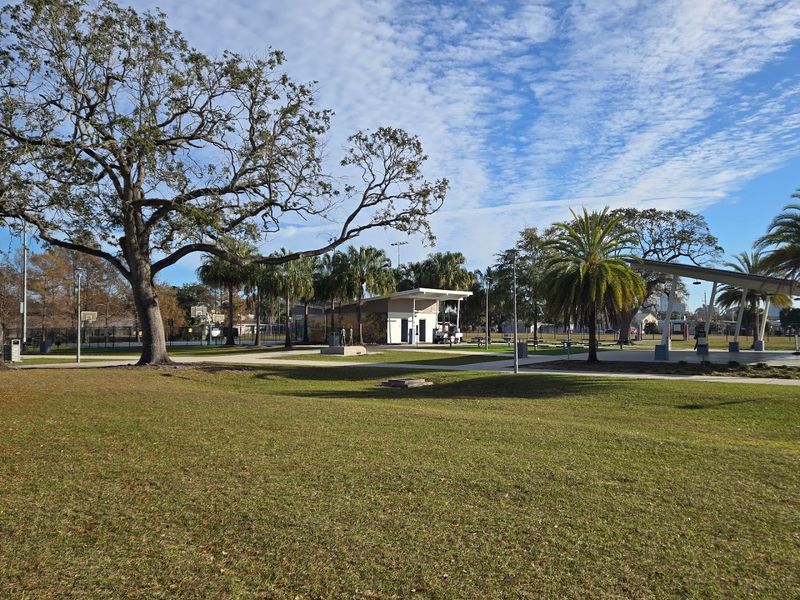
Renovations transformed this 12-acre Orlando park into a neighborhood favorite that feels fresh without losing its community vibe. The inclusive playground and splash pad form the centerpiece, designed with accessibility features that welcome everyone. A walking loop circles the park, dotted with fitness stations that let adults sneak in exercise while kids play nearby.
Open field space occupies the center, perfect for impromptu soccer games, kite flying, or just running in circles until energy depletes. Basketball courts sit to one side, and community gardens add greenery that feels intentional rather than just leftover landscaping. The gardens give kids something to explore beyond equipment—looking for butterflies, checking out plants, or just wandering paths that aren’t paved.
The walking loop works for strollers, bikes, and scooters, making it easy to keep younger kids moving when they’re done with the playground. Fitness stations are spaced along the loop, so parents can stop for quick workouts without losing sight of the play areas. The park’s size feels manageable; it’s big enough to avoid crowding but not so sprawling that you’re hiking between features.
Restrooms and picnic areas are centrally located, and parking is straightforward. The renovations addressed wear and tear while adding features that reflect how families actually use parks—mixing active play with walking, fitness, and exploration. Lake Lorna Doone delivers consistent quality that makes it a reliable go-to for families who need a park that handles repeat visits without getting stale or boring.
8. Wooton Park / Tavares Splash Park (Tavares)
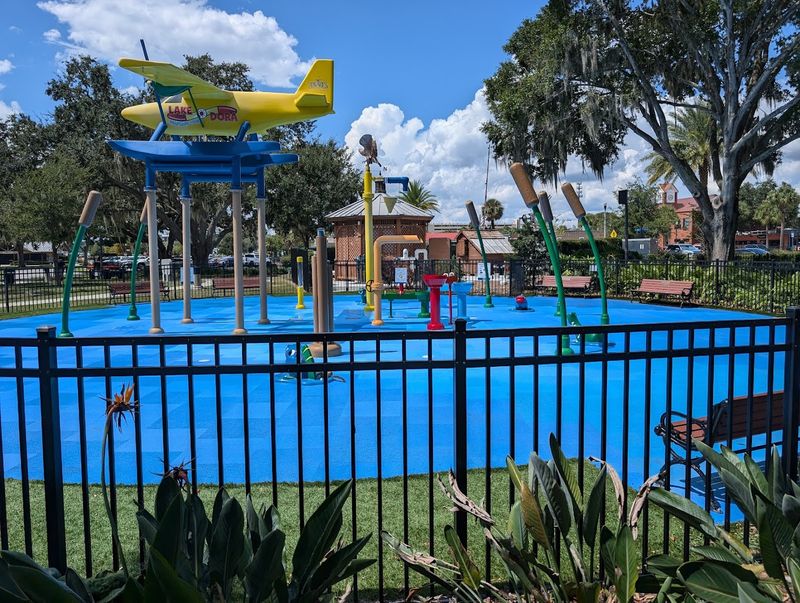
Wooton Park sits right on the Tavares lakefront, with the free Tavares Splash Park as its main draw. The city notes the splash park runs year-round, though checking current status before visiting saves disappointment. Playground space spreads nearby, and the downtown-lakefront setting means you can walk to shops or grab food without driving anywhere.
The lakefront location adds dimension that landlocked parks can’t match—water views, breezes, and a sense of place that feels less cookie-cutter. Kids cycle between splash park and playground naturally, and the compact layout keeps everything within sight. The downtown proximity works for families who want to combine park time with errands or lunch, turning a simple playground visit into a mini outing.
Walkable surroundings encourage exploration beyond the park boundaries, with sidewalks connecting to nearby streets and waterfront areas. The splash park doesn’t charge admission, which matters for families managing budgets or making frequent visits. The equipment is maintained well, and the lakefront setting provides natural entertainment—boats, birds, and water activity that holds kids’ attention when playground equipment loses its novelty.
Parking serves the downtown area, so availability varies with time of day and season. The park works best for families who appreciate compact, well-located spots over sprawling facilities. Wooton Park delivers reliable splash park fun in a setting that feels connected to the community rather than isolated in a suburban development, making it a favorite for locals and visitors exploring Tavares.
9. Waterfront Park / Champions Splash Park (Clermont)
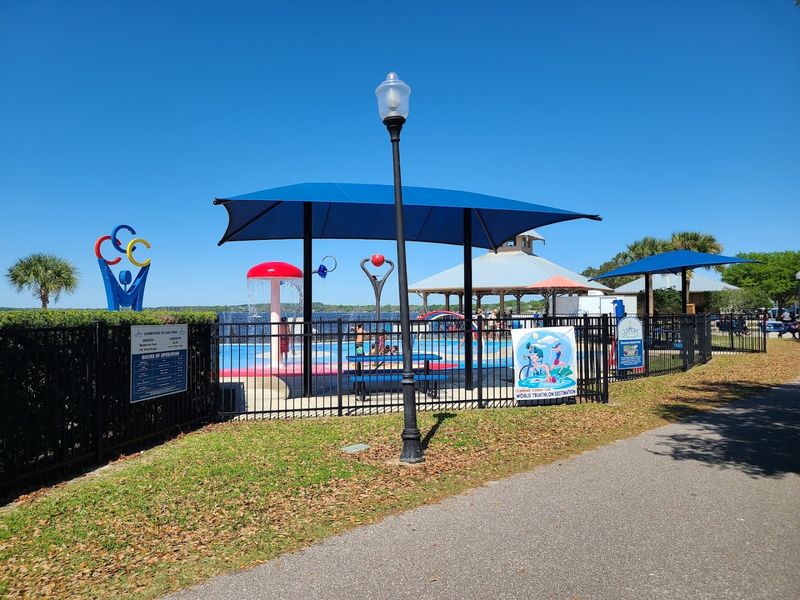
Champions Splash Park anchors this Lake Minneola spot, connected to a fitness trail that ties into a larger trail system threading through Clermont. Lake views stretch across the water, and beach access lets families transition from splash park to actual swimming if everyone’s game. The park setup encourages movement—splash park, trail walk, beach time—without forcing a rigid schedule.
The fitness trail works for casual walks or more serious exercise, with the trail system extending beyond the park for families who want longer routes. Lake Minneola provides a scenic backdrop that beats staring at fences or parking lots, and the beach access adds a natural play area that doesn’t require equipment. Kids dig in sand, wade in shallow water, or skip rocks while parents relax on the shore.
Open park space gives room for games, picnics, or just spreading out when the splash park gets crowded. The trail connection means you can extend visits based on energy levels—short loop for tired toddlers, longer route for kids who need to burn more steam. Restrooms and picnic areas serve the main zones, and parking handles weekend crowds reasonably well.
Clermont’s location on the lake creates a different atmosphere than inland parks, with water activity and views that make visits feel more like mini vacations than routine playground stops. Families who want variety within one location find the combination of splash park, trails, beach, and open space delivers enough options to justify longer visits without running out of things to do.
10. Lakefront Park (St. Cloud)
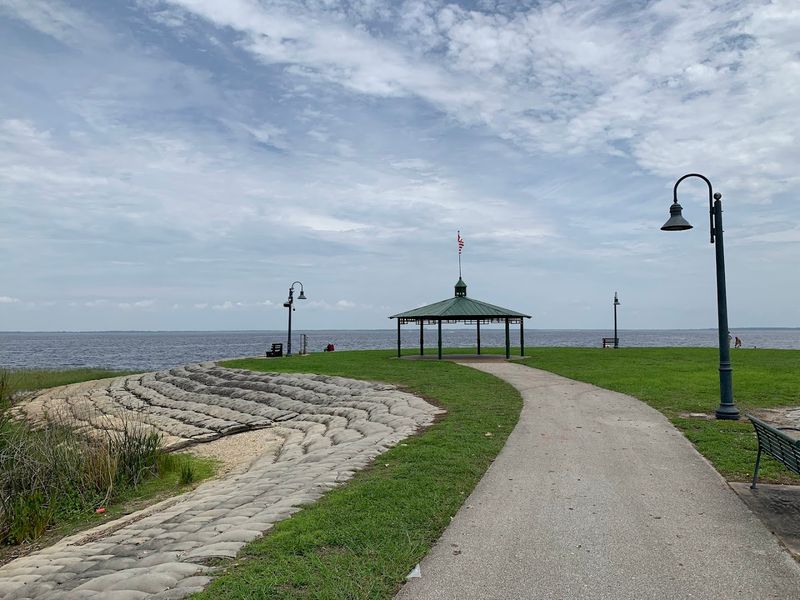
St. Cloud’s Lakefront Park earns its name with more than two miles of bike path winding along the water, plus a sand beach, fishing pier, and marina that turn a park visit into a full waterfront experience. The splash pad and playground handle younger kids, while the beach and pier give older ones something different to explore. Pavilions offer shade and picnic spots, and a volleyball court adds another activity option for groups.
The bike path works for family rides, with enough distance to feel like an actual outing rather than just a lap around a playground. The path stays flat and paved, manageable for kids still building biking skills. Beach access means families can pack sand toys and swimsuits, creating a day that mixes structured play with open-ended water and sand time.
The fishing pier attracts kids interested in trying their luck, and the marina provides boat-watching entertainment that costs nothing and holds attention surprisingly well. The park’s size and variety mean families can visit multiple times without repeating the exact same activities—splash pad one week, beach and bike path the next, fishing pier and playground another time.
Restrooms, water fountains, and parking are distributed to serve different areas, and the waterfront setting keeps the atmosphere relaxed. St. Cloud maintains the grounds well, and the combination of features creates a destination feel that justifies driving a bit farther than your closest neighborhood park. Families who want a full day outdoors find Lakefront Park delivers without requiring multiple stops or backup plans.
11. Sun Splash Park (Daytona Beach)
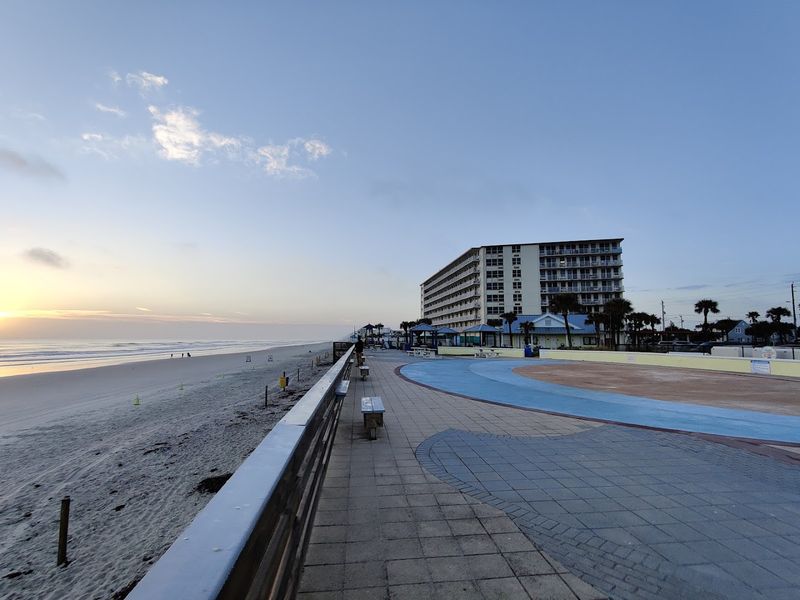
Positioned right on the beach, Sun Splash Park mixes a freshwater splash pad with over 600 feet of direct beach access, creating a rare combination of controlled water play and open ocean fun. The splash pad runs on freshwater, so kids can rinse off salt and sand before heading home. Playgrounds sit near the splash area, and picnic pavilions offer shade when everyone needs a break from sun exposure.
Restrooms and outdoor showers serve beachgoers and splash pad users equally, making transitions between beach and park easy. The beachfront location means you’re dealing with sand no matter what, but the splash pad gives an alternative for kids who aren’t ready for waves or prefer predictable water features. The setup works for families with mixed comfort levels around ocean swimming.
More than 600 feet of beach access spreads the crowd out, preventing the cramped feeling that happens at smaller beach parks. Open space for beach games, sandcastle building, or just running along the shore adds to the visit without requiring equipment or fees. The park handles day-trippers and locals equally well, with enough parking to serve busy weekends though early arrival helps during peak season.
Daytona Beach maintains the facilities consistently, and the combination of splash pad and beach creates flexibility that single-feature parks can’t match. Families who want ocean access without committing to a full beach day appreciate how the splash pad and playground provide fallback options when waves get too rough or kids tire of saltwater.