Beneath The Surface Of This Florida State Park Lies A World Of Springs And Caverns
Hidden away in Live Oak, Florida, Wes Skiles Peacock Springs State Park holds one of the most remarkable underwater cave systems in the entire state. Named after the legendary cave diver and photographer who explored these depths, this park offers visitors a chance to witness crystal-clear springs, mysterious sinkholes, and nature trails that wind through old Florida wilderness.
Whether you’re a certified cave diver ready to explore the underwater passages or a nature lover looking for a peaceful escape, this park delivers an experience that goes far beyond your typical Florida attraction.
Crystal-Clear Springs That Reveal Another World
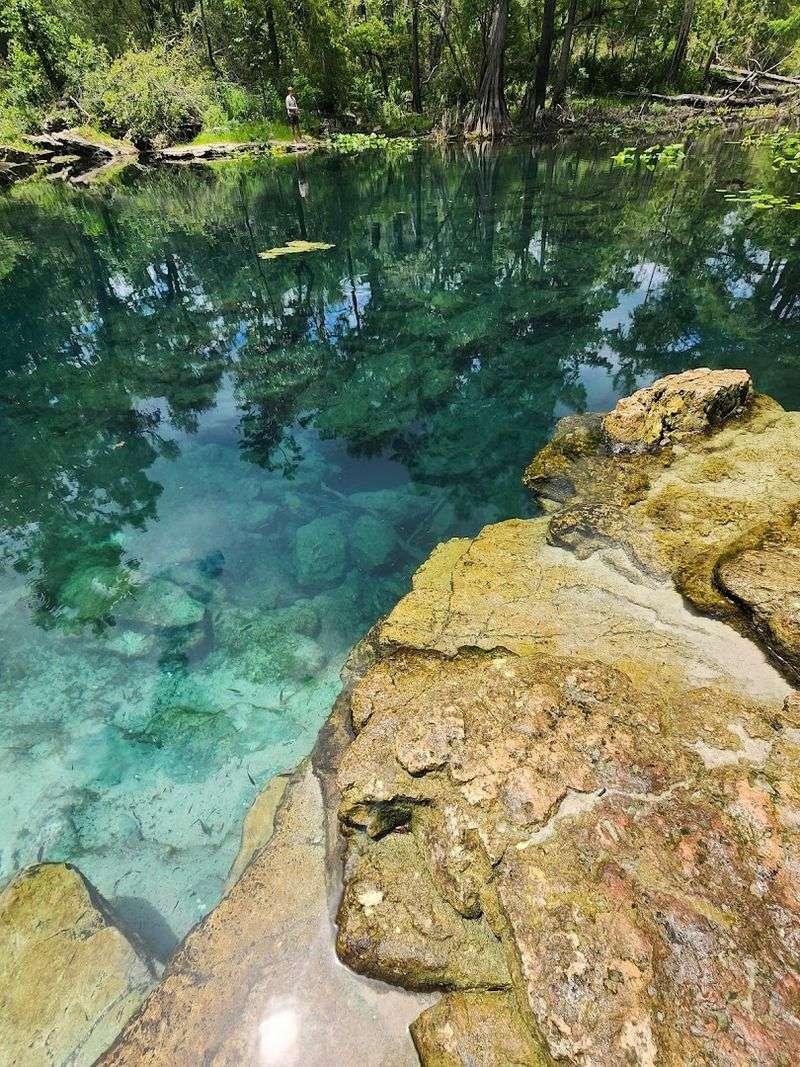
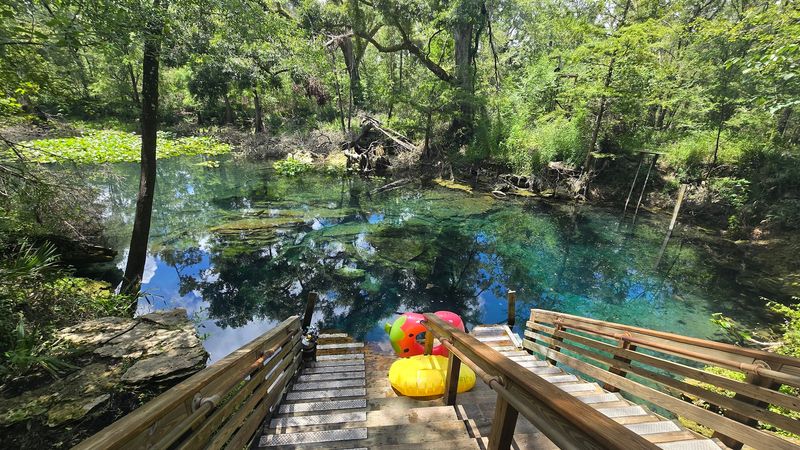
Walking up to the springs at Peacock, you’ll immediately understand why divers travel from across the country to visit this spot. The water clarity here is absolutely stunning, with visibility that lets you see straight down to the sandy bottom and into the cave openings below.
On sunny days, the light plays through the water in ways that make the whole spring glow with an otherworldly blue-green shimmer.
The park features multiple spring areas, each with its own character and purpose. The main swimming area stays open to everyone and provides a refreshing escape from Florida’s heat.
The water temperature hovers around 70 degrees year-round, which feels chilly at first but becomes wonderfully refreshing once you acclimate.
Fish glide through the springs like they own the place, completely unbothered by human visitors. You can watch them from above or grab a snorkel to get a closer look at their underwater habitat.
The clarity of the water makes snorkeling here particularly rewarding, as you can observe every detail of the spring’s ecosystem without straining your eyes.
What makes these springs extra special is their connection to one of Florida’s most extensive underwater cave systems. While casual swimmers enjoy the surface, certified cave divers explore miles of submerged passages that wind beneath the park.
Even if you never venture into the caves themselves, knowing they exist beneath your feet adds an element of mystery and wonder to every visit.
The springs stay beautiful throughout the year, though water levels can fluctuate depending on rainfall and the Suwannee River’s height. Calling ahead before your visit ensures you’ll catch the springs at their most spectacular, with clear water and accessible swimming areas ready for exploration.
World-Class Cave Diving Destination
Peacock Springs has earned legendary status among cave divers worldwide, and for good reason. The underwater cave system here stretches for over 33,000 feet, making it one of the longest and most complex in Florida.
Divers with proper cave certification flock here to explore passages with names like the Peanut Tunnel, the Challenge, and the Olsen Sink.
The park understands its diving audience and provides excellent facilities to support them. You’ll find sturdy benches and tables throughout the parking areas where divers can organize their technical gear.
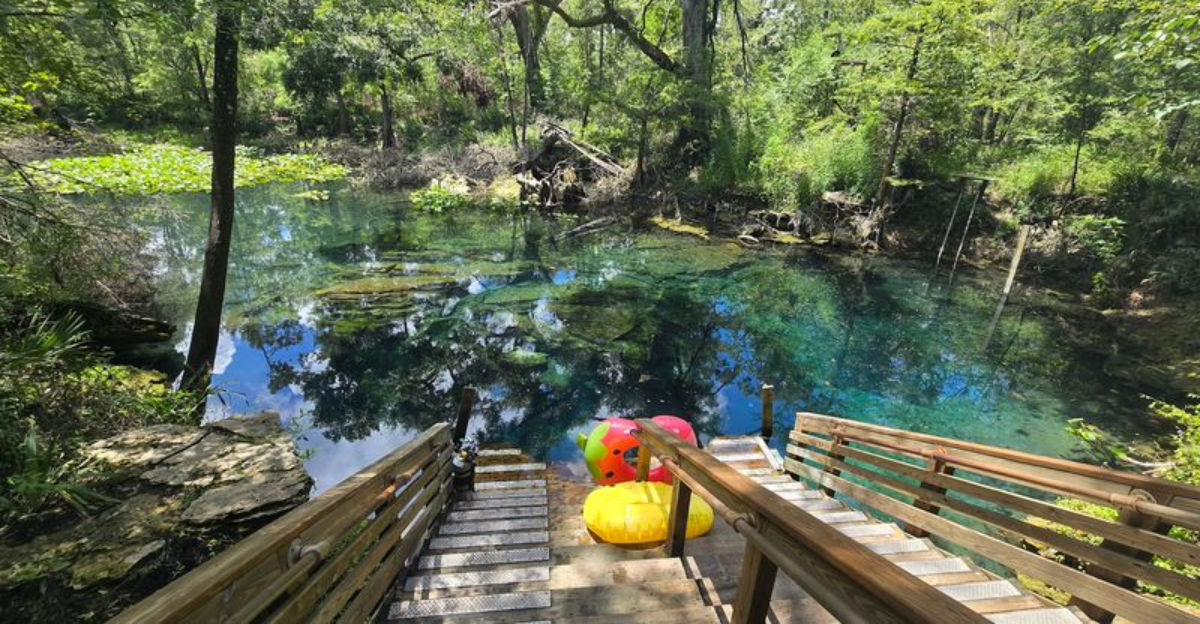
A dedicated changing area lets people suit up comfortably, and the steps leading down to the springs are built to handle the weight of full diving equipment.
Cave diving here isn’t for beginners or the faint of heart. You need specialized training and certification before entering these underwater passages.
The caves demand respect, proper equipment, and thorough planning. Many divers spend years preparing before attempting the more challenging routes through the Peacock system.
What draws divers back repeatedly is the pristine condition of the caves and the incredible visibility they offer. Unlike some cave systems that suffer from silt and debris, Peacock’s passages remain remarkably clear.
The limestone formations inside create stunning geological features that reward explorers willing to put in the training and effort.
Even if you’re not a diver yourself, watching the preparation and dedication these underwater explorers bring to their sport is fascinating. The park becomes a gathering place for the cave diving community, where experienced divers share stories and newcomers learn from veterans.
This sense of camaraderie and shared passion adds another dimension to the park’s unique atmosphere.
Nature Trails Through Old Florida Wilderness
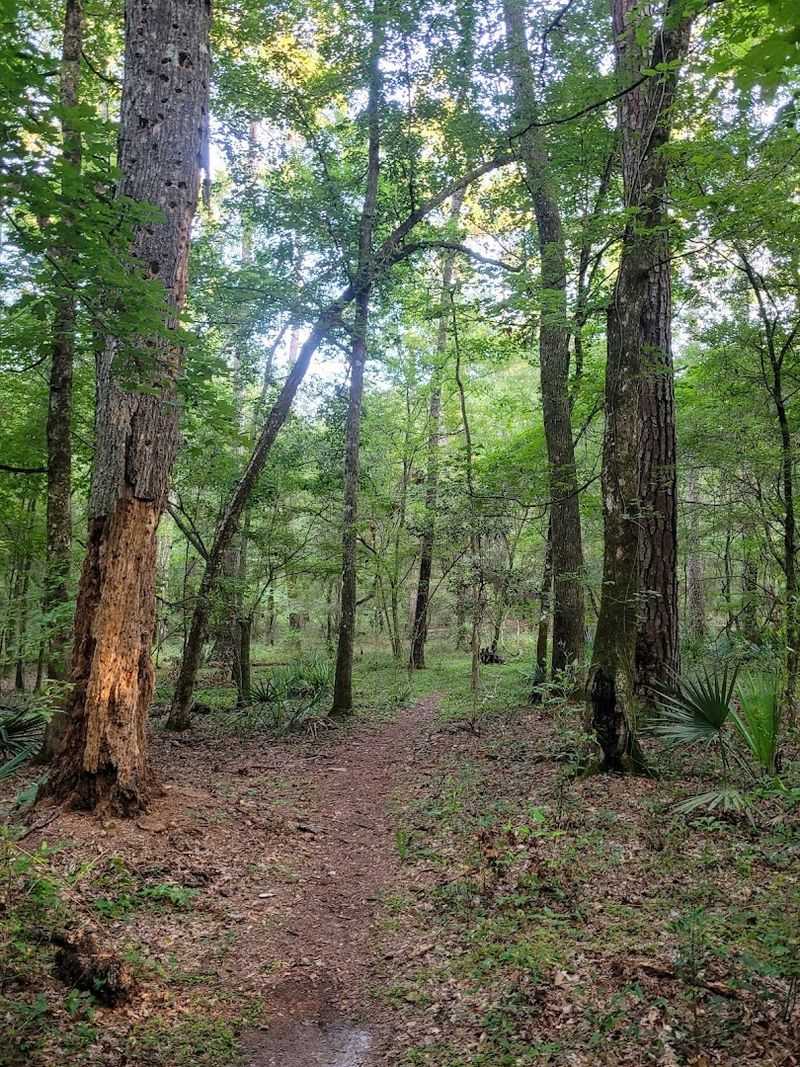
Beyond the springs themselves, the park offers miles of trails that showcase the natural beauty of North Florida’s wilderness. These paths wind through hardwood forests and wetland areas that have remained largely unchanged for generations.
Walking these trails feels like stepping back to a Florida that existed long before theme parks and strip malls.
The interpretive trail runs about a mile and includes informative signs that explain the geology of the aquifer system beneath your feet. You’ll learn how rainwater filters through limestone over decades, creating the crystal-clear springs that emerge at the surface.
The educational aspect makes this trail particularly great for families with curious kids.
One section features a boardwalk that crosses over wetter areas, giving you an elevated view of the forest floor. This is prime wildlife-spotting territory, where armadillos root through leaf litter and birds call from the canopy above.
Some visitors report seeing gators near the water, so keep your eyes open and maintain a respectful distance from any wildlife you encounter.
Trail maintenance varies throughout the year, with some paths becoming overgrown during Florida’s wet season. The main trails stay clear and well-marked, but if you venture onto less-traveled routes, be prepared for narrower paths and denser vegetation.
Wearing long pants and closed-toe shoes makes sense for anyone planning serious hiking.
The further you walk from the main parking areas, the quieter everything becomes. The sounds of civilization fade away, replaced by rustling leaves, chirping insects, and the occasional splash from a spring.
This peaceful solitude is increasingly rare in Florida, making these trails a precious resource for anyone seeking genuine natural quiet.
Multiple Spring Access Points Throughout The Park
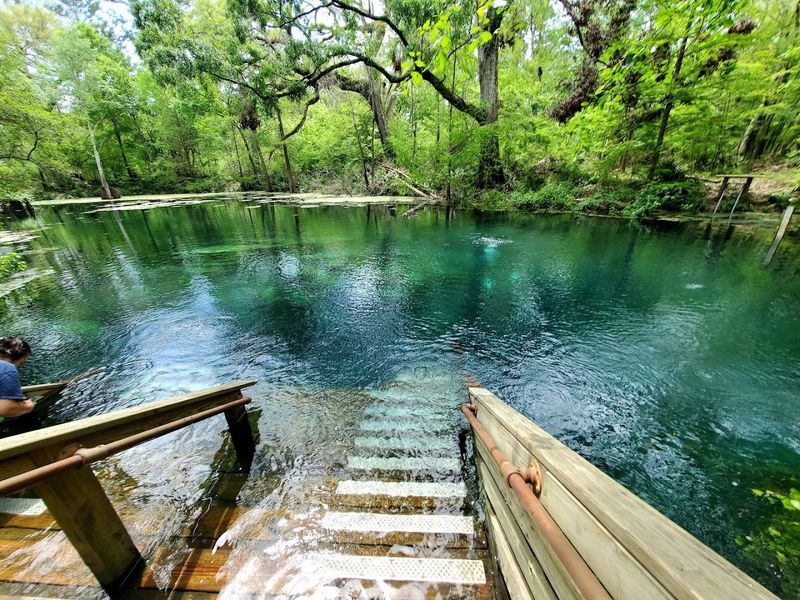
Peacock Springs doesn’t put all its eggs in one basket. The park spreads its natural treasures across multiple locations, each accessible via different entry points.
This setup means you can visit several times and have completely different experiences depending on which spring you choose to explore.
The front spring near the main entrance attracts serious divers preparing for cave exploration. This area tends to be busier and more focused on technical diving activities.
The setup here includes the best facilities for gear preparation and easy water access for divers carrying heavy equipment.
A middle spring area draws snorkelers and casual swimmers looking for a more relaxed experience. This spot offers easier entry and shallower areas perfect for families.
The swimming zone here provides enough space to cool off without worrying about interfering with diving operations happening elsewhere in the park.
Further down a boardwalk trail, you’ll find another deep spring reserved primarily for certified divers. This more remote location offers a quieter atmosphere and rewards those willing to walk a bit further from the parking areas.
The separation of different spring areas helps prevent overcrowding and ensures everyone can enjoy the park in their own way.
Getting between the different springs involves some walking and navigation. The park’s layout can feel confusing on your first visit, so grabbing a map at the entrance or checking the park’s website beforehand helps you plan your route.
Some areas require driving to different parking spots, while others connect via walking trails.
This multi-spring setup makes the park more versatile than single-spring locations. Divers can explore different cave entrances, swimmers can choose their preferred atmosphere, and hikers can link trails between various areas for longer walks through the wilderness.
Honor System Parking And Park Access
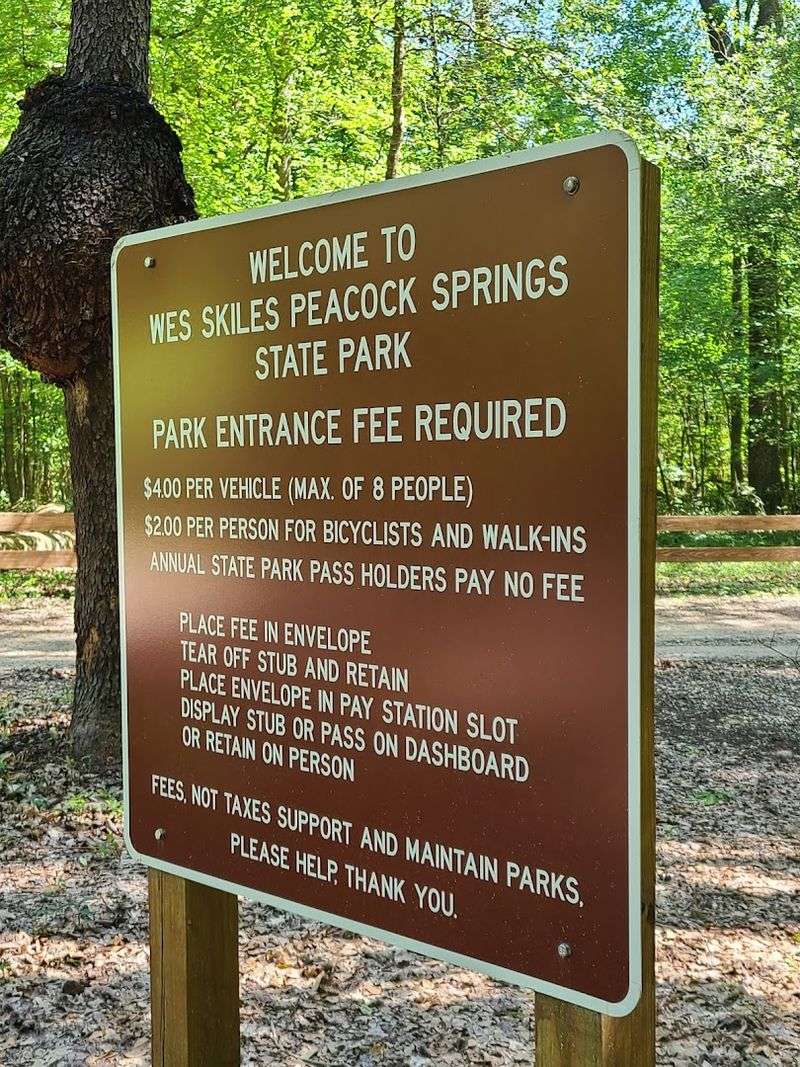
Peacock Springs operates on an honor system that reflects the trust Florida State Parks places in visitors. Rather than staffing a full-time entrance booth, the park provides blue envelopes for cash payments and QR codes for digital transactions.
This low-key approach keeps costs down and maintains the park’s peaceful, uncommercialized atmosphere.
The blue envelope system is straightforward. You grab an envelope, fill it out with your vehicle information, insert your payment, and drop it in the collection box.
Cash works reliably every time, which is why regular visitors recommend bringing bills rather than relying solely on the QR code option.
Speaking of QR codes, they work most of the time but not always. Cell service can be spotty in this rural area, and technical glitches happen.
Smart visitors come prepared with cash as a backup, ensuring they can pay the entrance fee regardless of technology cooperation.
The entrance fee itself remains reasonable, especially considering the quality of natural resources you’re accessing. State park passes also work here, making it an excellent value for Florida residents who visit multiple parks throughout the year.
The money collected goes directly toward maintaining trails, facilities, and protecting the spring ecosystem.
This honor system creates an interesting dynamic where visitors police themselves and each other. Most people do the right thing and pay their fair share.
The system works because it assumes the best in people rather than treating everyone like potential rule-breakers.
Parking can get tight, especially on weekends and holidays when divers descend on the park. Arriving early gives you better parking options and access to the springs before crowds build.
The limited parking actually serves as a natural crowd control mechanism, preventing the park from becoming overwhelmed with visitors.
Limited Facilities That Preserve Natural Character
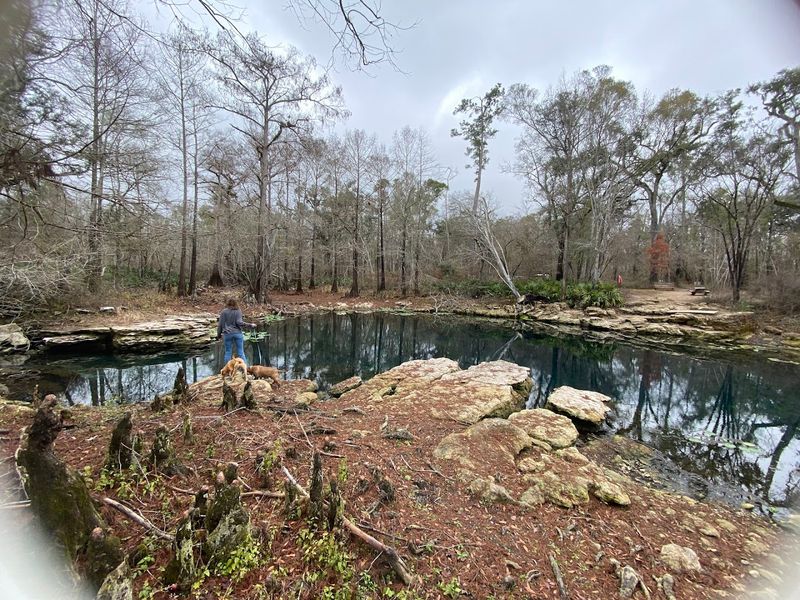
Peacock Springs keeps things simple when it comes to amenities, and that’s actually part of its charm. You won’t find fancy bathrooms, gift shops, or snack bars here.
What you get instead is a park that prioritizes nature over convenience, maintaining an authentic wilderness experience that’s becoming increasingly rare.
Portable toilets handle the bathroom situation throughout the park. They’re not glamorous, but they’re maintained and serve their purpose.
A simple changing area provides privacy for divers and swimmers to suit up, though it’s basic compared to facilities at more developed parks.
Covered pavilions offer shade and gathering spaces where diving groups can organize their gear or families can enjoy picnics. The benches and tables scattered near parking areas serve double duty as gear prep stations for divers and rest spots for hikers.
Everything here is functional rather than fancy.
This bare-bones approach might disappoint visitors expecting resort-style amenities, but it keeps the park focused on what matters most: protecting the springs and caves. Less infrastructure means less impact on the natural environment and lower costs that translate to affordable entrance fees.
The lack of food and drink options means you need to come prepared. Bringing your own water, snacks, and meals is essential, especially if you’re planning to spend several hours exploring.
The nearest town with restaurants and stores sits several miles away, so forgetting supplies means cutting your visit short.
What the park lacks in facilities, it makes up for in natural beauty and authentic wilderness character. This trade-off appeals to visitors seeking genuine outdoor experiences rather than manicured attractions.
The minimal development preserves the sense of discovering something wild and relatively untouched by modern commercialization.
Seasonal Water Conditions And Planning Your Visit
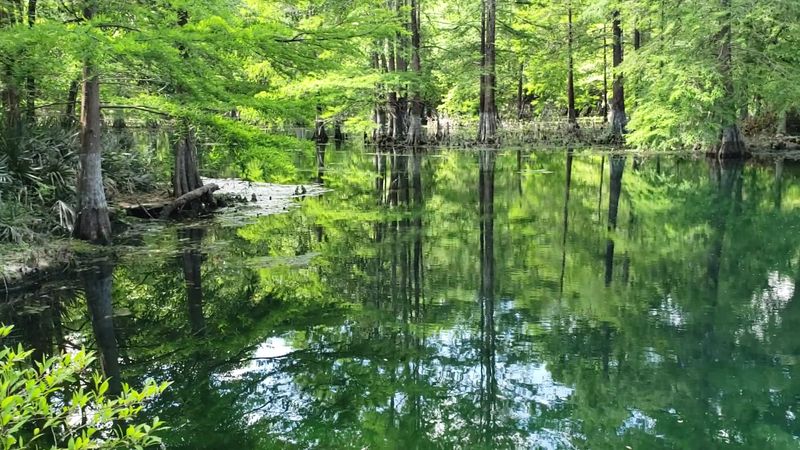
Water conditions at Peacock Springs change throughout the year, and understanding these fluctuations helps you time your visit for the best experience. The Suwannee River plays a major role in determining what you’ll find when you arrive.
When the river runs high, it can back up into the springs, affecting clarity and accessibility.
During periods of heavy rainfall, the typically crystal-clear water can turn murky or even brownish as river water mixes with the springs. These “brownout” conditions disappoint swimmers and divers alike, making visibility poor and reducing the magical quality that makes the springs so special.
Some reviews mention arriving during these periods and finding the water too murky for enjoyable swimming.
The park doesn’t always close during high water events, but the experience definitely suffers. Calling ahead before making the trip saves you from disappointment.
The park staff can tell you current conditions and whether the springs are at their best or experiencing temporary issues.
Florida’s dry season, typically winter through early spring, often provides the most reliable water clarity. The springs maintain their pristine condition, and cooler air temperatures make the 70-degree water feel less shocking.
Summer brings more visitors and occasional water level fluctuations from afternoon thunderstorms.
Water levels also affect which springs remain accessible. Some areas become too deep or dangerous when river levels rise, restricting access to certain parts of the park.
Divers particularly need to check conditions before planning cave dives, as high water can create dangerous currents inside the cave system.
Despite these seasonal variations, the park remains worth visiting year-round. Even during less-than-perfect conditions, the trails stay open and the natural beauty of the area shines through.
Just adjust your expectations and plans based on current conditions rather than assuming every day will deliver postcard-perfect spring water.
Wildlife Encounters In A Protected Habitat
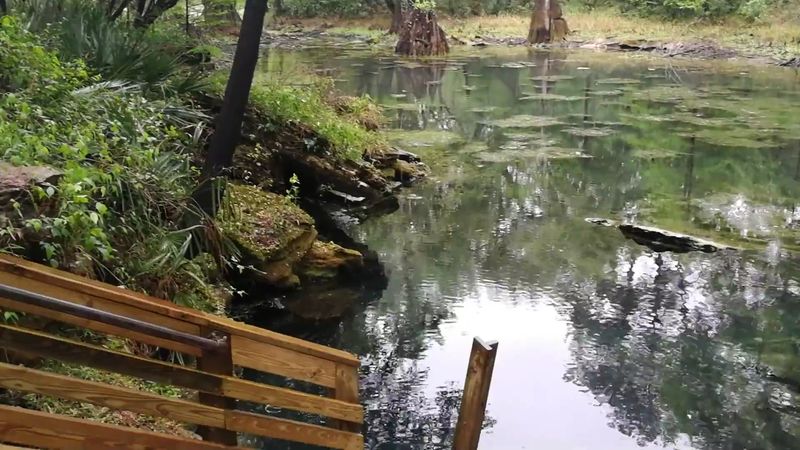
The protected status of Peacock Springs creates a haven for Florida wildlife that thrives away from development pressures. Visitors regularly spot armadillos shuffling through the underbrush, their prehistoric appearance adding character to any hike.
These quirky creatures seem unbothered by human presence and often continue their foraging activities even when hikers pass nearby.
Fish populations in the springs remain healthy and visible thanks to the clear water and protected environment. Watching them navigate their underwater world provides entertainment for swimmers and snorkelers.
The fish have grown accustomed to human visitors and don’t scatter at every movement, making observation easy and rewarding.
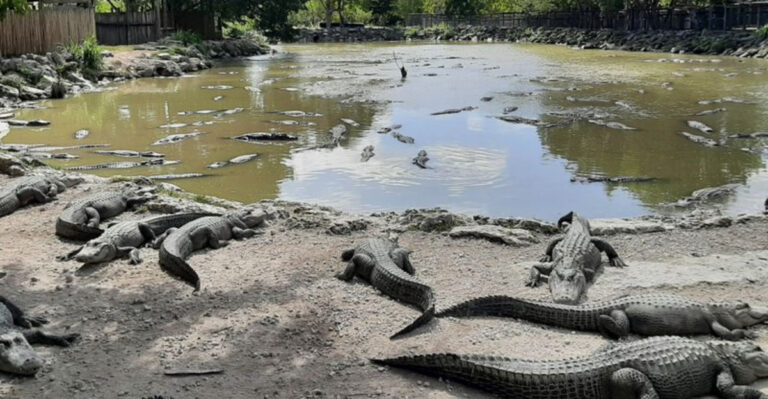
Alligators do inhabit the area, which shouldn’t surprise anyone familiar with Florida’s natural spaces. Most visitors never see them, but occasional sightings near the springs remind everyone that this is genuine wilderness.
The gators deserve respect and distance, but they’re typically not aggressive toward people who leave them alone.
Bird watchers find plenty to observe in the varied habitats throughout the park. The mix of wetlands, forests, and open areas attracts different species throughout the year.
Bringing binoculars enhances the experience, letting you identify birds calling from the canopy or wading near the water’s edge.
The vegetation itself tells a story of old Florida ecosystems. Native plants dominate the landscape, though some areas show signs of invasive species encroachment.
The park works to maintain the natural balance, but like many Florida wild areas, it faces ongoing challenges from non-native plants that spread aggressively.
This wildlife diversity makes every visit unpredictable in the best way. You never know exactly what you’ll encounter, whether it’s a family of armadillos, a basking turtle, or a rare bird species passing through during migration.
This element of surprise and discovery keeps nature lovers coming back to see what new encounters await.