These 10 Palm Coast Attractions Prove Florida Has More Than Just Theme Parks
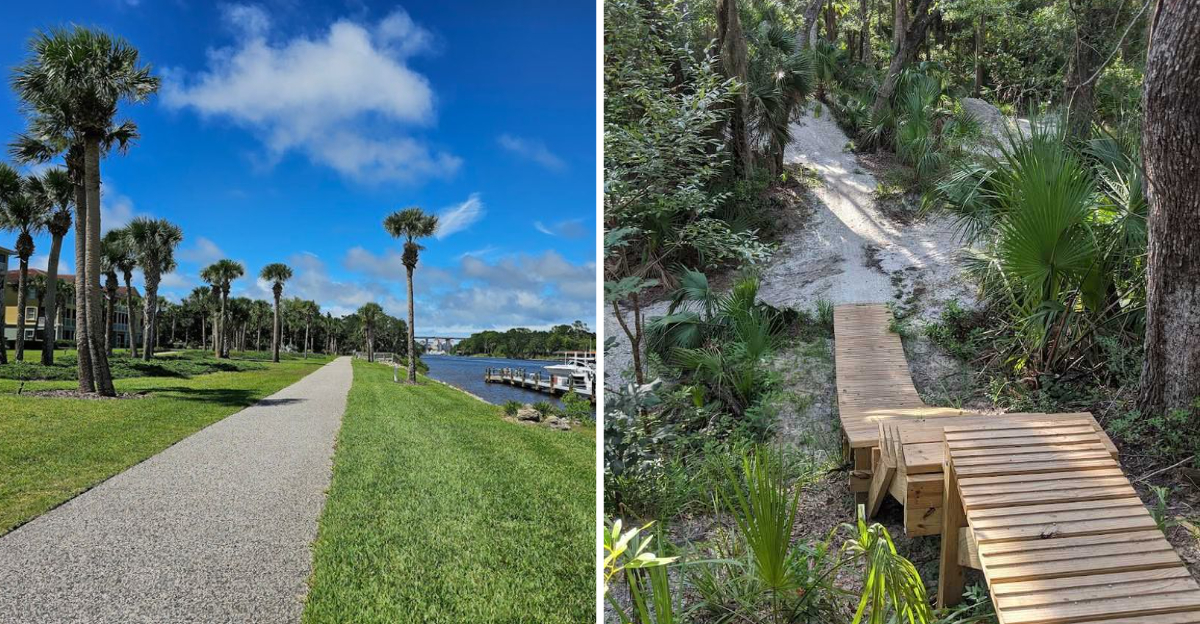
When most people think of Florida vacations, their minds jump straight to roller coasters and cartoon characters. But tucked along the Atlantic coast between Jacksonville and Daytona Beach, Palm Coast offers something completely different—a quieter side of Florida where nature takes center stage and history whispers through oak-draped trails.
This growing city of nearly 100,000 residents has carved out its own identity with parks, preserves, and quirky spots that feel worlds away from the crowded theme park experience, proving that the Sunshine State has plenty of magic beyond the turnstiles.
1. Washington Oaks Gardens State Park
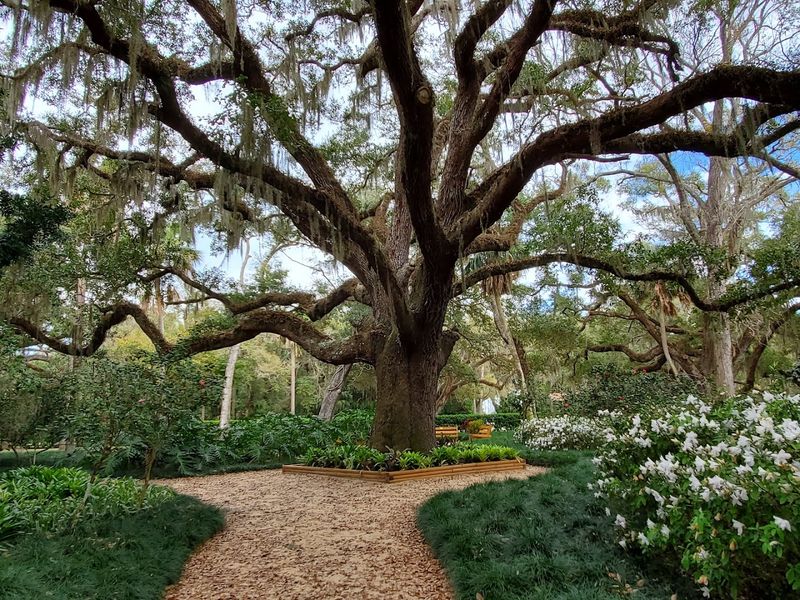
Ancient oaks twist overhead like natural sculptures while waves crash against rare coquina rock formations just steps away. Washington Oaks Gardens State Park sits right where the Matanzas River meets the Atlantic Ocean, creating one of the most unusual coastal landscapes in Florida.
The park spans over 400 acres, but most visitors gravitate toward two main areas: the formal ornamental gardens and the rocky beach that looks nothing like typical Florida shoreline.
The gardens themselves tell a love story from the 1930s when Louise Powis Clark transformed this property into her personal paradise. She planted camellias, azaleas, and bird-of-paradise flowers that still bloom in brilliant colors depending on the season.
Walking these paths feels like stepping into a secret garden where every turn reveals something unexpected—a reflecting pool here, a rose arbor there, all maintained with obvious care.
But the real showstopper is the beach. Instead of soft sand, you’ll find sheets of coquina limestone creating tide pools and natural formations that beg to be explored during low tide.
Kids love searching for tiny crabs and shells trapped in the rocky pockets. The contrast between manicured gardens and wild coastline makes this spot feel like two parks in one.
Admission costs just a few dollars per vehicle, and picnic areas with grills make it easy to spend an entire afternoon. Spring brings the most dramatic garden displays, though the beach remains beautiful year-round.
It’s the kind of place that reminds you Florida existed long before anyone built the first theme park.
2. Princess Place Preserve
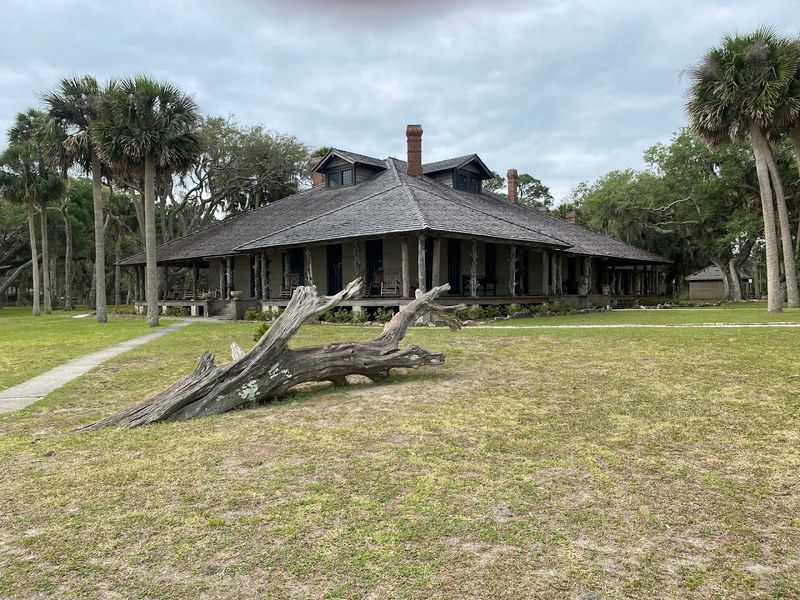
A Russian princess once called this patch of Florida wilderness home, and somehow that fact makes perfect sense once you see the place. Princess Place Preserve protects over 1,500 acres of diverse ecosystems along Pellicer Creek, but the main attraction is the lodge built in 1887.
The two-story structure sits tucked among massive oaks, looking like something transplanted from a completely different era and climate.
Princess Angela Zayonchkovskaya Whistler bought the property in the early 1900s and gave it the royal nickname that stuck. She used it as a hunting lodge, and you can still sense that rustic elegance when you peek through the windows or join one of the occasional guided tours.
The building’s weathered wood and tin roof blend perfectly with the surrounding forest.
Beyond the lodge, miles of trails wind through pine flatwoods, salt marshes, and hardwood hammocks. The preserve feels genuinely wild despite being just minutes from residential neighborhoods.
A long fishing pier stretches into Pellicer Creek, popular with anglers hoping to hook redfish or flounder. Kayakers launch from here to explore the winding waterway that eventually connects to the Matanzas River.
Bring bug spray—the mosquitoes consider this their kingdom too. The preserve hosts occasional events like moonlight paddles and history talks that bring the property’s colorful past to life.
There’s no admission fee, just a small parking charge.
It’s one of those places where Florida’s layers of history—Native American, Spanish colonial, Gilded Age eccentricity—all stack up in one beautiful, slightly mysterious package.
3. Bing’s Landing
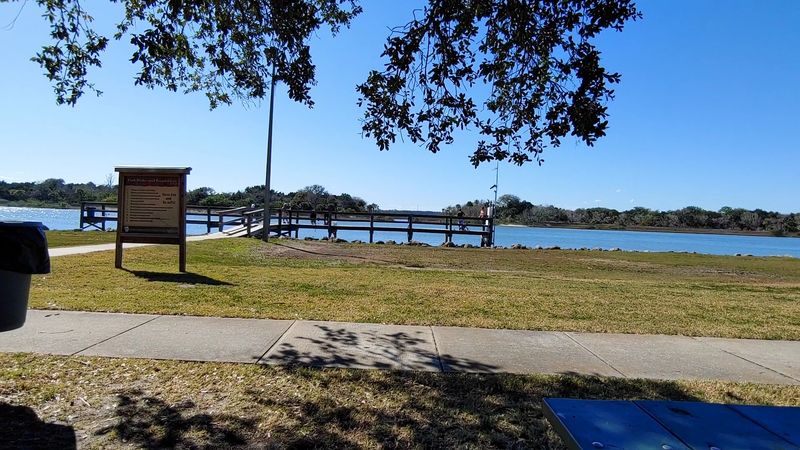
Sometimes the best spots are the ones locals guard like secrets, and Bing’s Landing definitely qualifies. This unassuming waterfront park sits on the Intracoastal Waterway, offering one of the easiest water access points in Palm Coast.
Boaters use the concrete ramp to launch everything from fishing skiffs to kayaks, while non-boaters claim the shaded picnic tables and fishing pier.
The view across the water takes in salt marshes and mangrove islands that look untouched by human hands. Dolphins frequently cruise past, their fins slicing the surface as they hunt for mullet.
Pelicans and herons treat the area like their personal dining room, diving and stalking with equal determination.
What makes Bing’s Landing special is its lack of pretension. There’s no fancy playground or gift shop, just clean facilities, plenty of parking, and direct access to some of Florida’s best paddling waters.
The Intracoastal Waterway stretches for miles in both directions, creating endless exploration opportunities for anyone with a kayak or canoe. The current moves gently here, making it manageable even for beginners.
Weekday mornings offer the most peaceful experience, before the boat traffic picks up. Pack a cooler and some fishing gear, and you’ve got everything needed for a perfect low-key Florida day.
Local anglers pull in speckled trout, redfish, and sheepshead depending on the season and tide.
The park charges a small fee for parking, but it’s worth every penny for the convenience and beauty. No lifeguards patrol the area, so swimming isn’t really the point here—this is all about boats, fishing, and soaking in that salty marsh smell that defines coastal Florida.
4. European Village
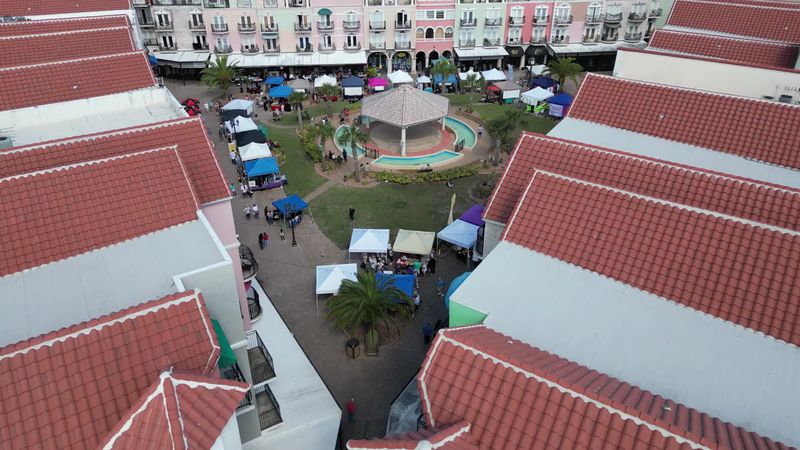
Walking into European Village feels like someone picked up a piece of the Mediterranean coast and dropped it in the middle of Florida. This outdoor shopping and dining complex commits fully to its theme with cobblestone streets, fountain courtyards, and building facades painted in cheerful yellows, oranges, and blues.
It’s intentionally theatrical, but somehow it works without feeling too gimmicky.
The village spreads across several blocks connected by pedestrian walkways and small plazas. Restaurants serve everything from Italian to seafood, with plenty of outdoor seating under umbrellas and string lights.
On weekend evenings, the atmosphere shifts into something almost festive as live music drifts from the central courtyard and families stroll between shops.
Shopping options range from boutiques selling beachwear to galleries featuring local art. It’s not massive—you can walk the entire complex in about twenty minutes—but the layout encourages lingering.
Benches tucked into shady corners invite people-watching, while the fountain areas give kids space to run around safely away from traffic.
Special events happen throughout the year, including outdoor movie nights, art festivals, and seasonal celebrations that draw crowds from across Flagler County. The European theme extends to details like vintage-style street lamps and decorative tile work that add visual interest beyond the usual strip mall aesthetic.
Is it authentic European architecture? Not even close.
But it doesn’t pretend to be. Instead, it offers a fun, walkable destination in a city where most shopping happens in typical suburban plazas.
The village works best in the evening when temperatures cool and the lighting creates that vacation-mode ambiance.
Parking is free and plentiful, and the whole experience feels designed for leisurely browsing rather than rushed errands.
5. Jungle Hut Road Park
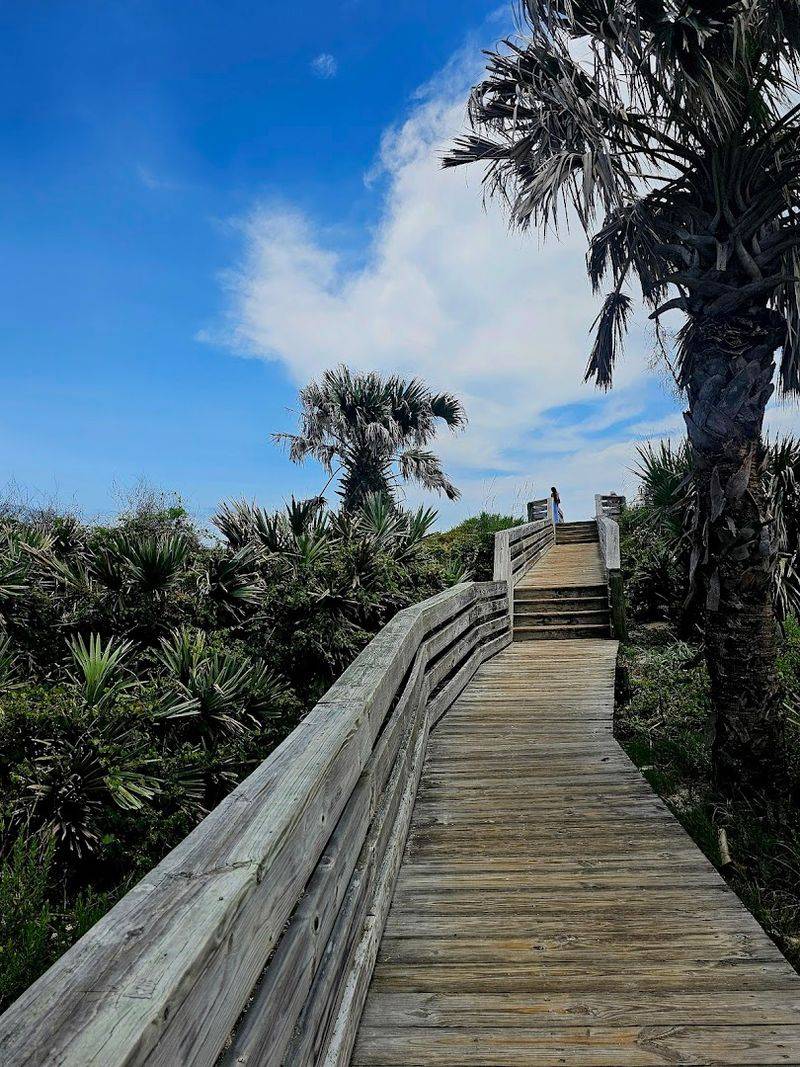
Don’t let the quirky name fool you—there’s no actual hut and the jungle is really a beautiful coastal hammock forest. Jungle Hut Road Park protects a slice of Old Florida landscape that’s becoming increasingly rare as development spreads.
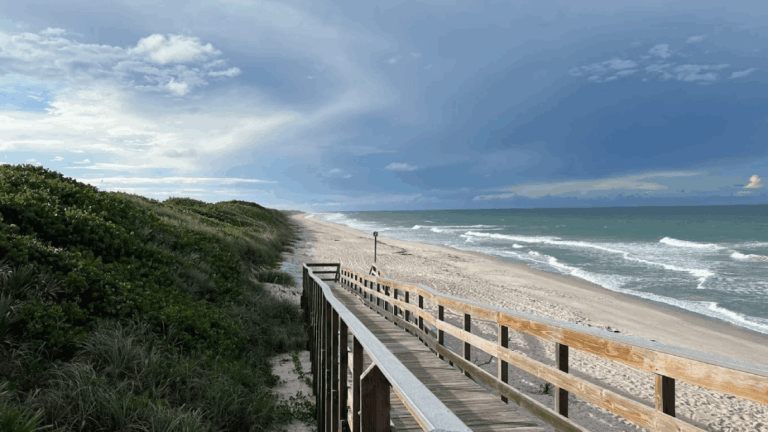
The park centers around a wooden boardwalk that winds through dense vegetation before opening onto a marsh overlook where the view suddenly expands to reveal the Intracoastal Waterway.
The boardwalk itself makes the park accessible to almost everyone, including wheelchairs and strollers. It rises and falls gently through the canopy, passing beneath live oaks, cabbage palms, and red cedars that create a natural tunnel effect.
Interpretive signs identify plants and explain the ecosystem, turning a simple walk into an outdoor classroom.
At the end of the boardwalk, an observation platform provides the payoff—a sweeping view across the salt marsh where wading birds stalk through shallow water and the occasional gator sunbathes on the bank. Bring binoculars if you’re into birdwatching, because the species list here includes roseate spoonbills, painted buntings, and various herons depending on the season.
The entire walk takes maybe thirty minutes at a leisurely pace, making it perfect for families with young kids or anyone wanting a nature fix without committing to a major hike. Mosquitoes can be aggressive during summer months, so timing matters—early morning or late afternoon works best.
There’s no fee to enter, and the small parking area rarely fills up completely. The park connects to a larger trail system that extends through other preserves, but most visitors stick to the boardwalk loop.
It’s proof that you don’t need vast acreage to create a meaningful nature experience, just thoughtful design and protection of what makes Florida ecosystems special.
6. Waterfront Park
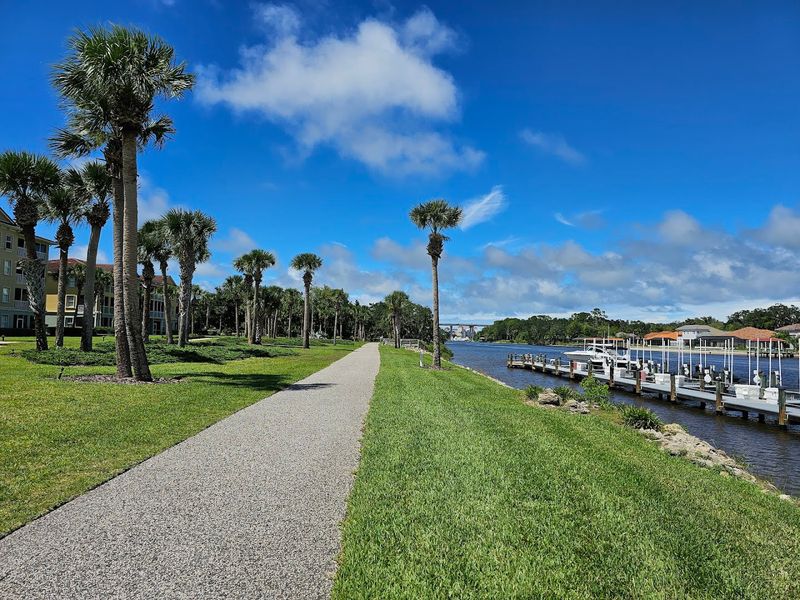
If Palm Coast has a living room where everyone gathers, Waterfront Park is probably it. Situated right along the Intracoastal Waterway, this park combines all the elements families actually want: playgrounds, pavilions, walking paths, and water views that make you remember why people move to Florida in the first place.
On any given weekend, you’ll find birthday parties under the shelters, kids climbing on the play structures, and couples walking hand-in-hand along the waterfront trail.
The playground equipment appeals to various age groups, with separate areas for toddlers and older kids. It’s all modern, well-maintained stuff with shade structures overhead—a crucial detail when Florida sun beats down mid-afternoon.
Nearby, a splash pad offers relief during hot months, and you’ll hear squealing kids from across the park.
Paved trails loop through the property, popular with joggers and dog-walkers who appreciate the flat terrain and scenic backdrop. The Intracoastal Waterway sparkles just beyond the seawall, where boat traffic provides constant entertainment.
Fishing is allowed from designated areas, and you’ll often see patient anglers hoping for a bite.
Pavilions with picnic tables can be reserved for events, but plenty of first-come seating exists for impromptu lunches. Grills, restrooms, and drinking fountains cover the practical basics.
The park also hosts community events throughout the year—concerts, holiday celebrations, and fitness classes that turn the green space into a gathering hub.
Parking can get tight on beautiful weekends, so arriving early helps. The park sits in a residential area, so it’s walkable for nearby neighbors but still easy to reach from other parts of the city.
It’s the kind of well-designed public space that makes a community feel more connected, offering something for practically everyone without trying to be everything to anyone.
7. Graham Swamp Preserve
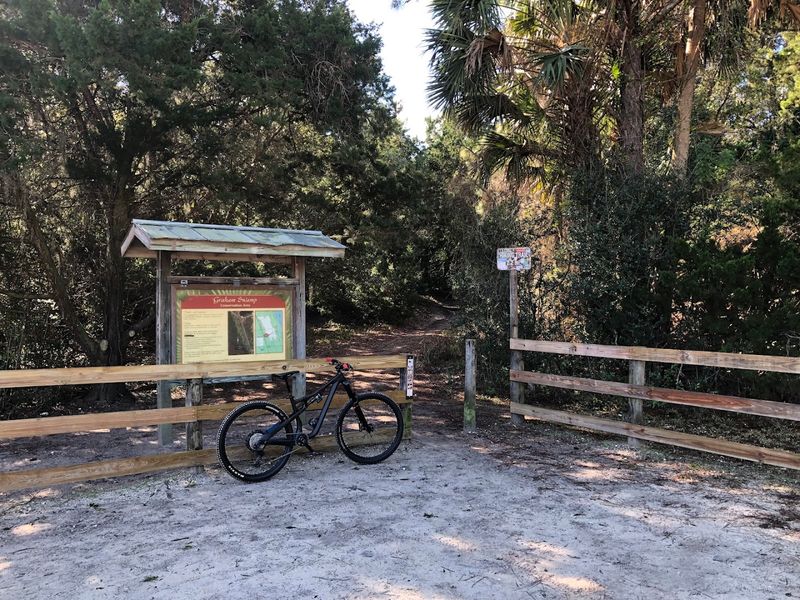
Graham Swamp Preserve is where Palm Coast keeps its wildest acres, over 880 of them to be exact. This isn’t a manicured park with visitor centers and gift shops—it’s raw Florida landscape preserved for hiking, wildlife watching, and the kind of solitude that’s increasingly hard to find.
Multiple trails crisscross the property, ranging from easy strolls to longer treks that require real commitment and decent boots.
The terrain varies from pine flatwoods to hardwood swamps, creating diverse habitats that support everything from gopher tortoises to black bears. Yes, bears occasionally wander through, along with deer, bobcats, and wild turkeys.
Birdwatchers maintain an impressive species list for the preserve, including red-cockaded woodpeckers and swallow-tailed kites.
Trail conditions depend heavily on recent rainfall. After wet periods, expect mud and standing water in low-lying sections.
During drier months, the paths firm up and become much more pleasant to navigate. Either way, this preserve rewards visitors willing to accept Florida on its own terms rather than expecting groomed nature-lite experiences.
No facilities exist beyond a small parking area and trail markers, so come prepared with water, snacks, and bug spray. Cell service can be spotty in the interior sections, adding to the remote feeling despite being just minutes from suburban neighborhoods.
Some trails connect to longer regional routes, appealing to serious hikers and trail runners.
The preserve remains free to access and rarely feels crowded, even on nice weekends. It’s the kind of place where you might walk an entire hour without seeing another person, just hearing wind through pine needles and the occasional woodpecker drumming on dead trees.
For anyone who moved to Florida dreaming of nature rather than theme parks, Graham Swamp Preserve delivers exactly that promise.
8. Florida Agricultural Museum
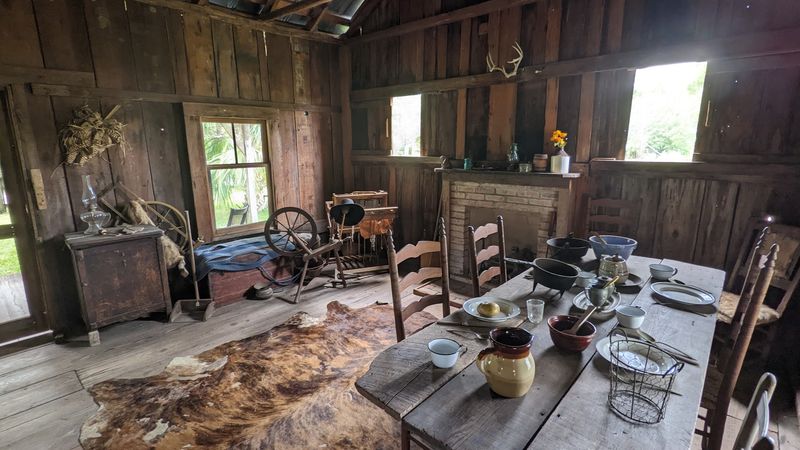
Before Palm Coast became a growing city, this entire region survived on agriculture—cattle, citrus, and crops that defined Florida’s economy for generations. The Florida Agricultural Museum preserves that history through buildings, equipment, and demonstrations that bring the past to life.
It’s a small operation run mostly by passionate volunteers, which gives it an authentic, grassroots feeling that big museums sometimes lack.
The outdoor exhibits include restored structures like a syrup house where volunteers occasionally demonstrate how sugarcane gets processed into syrup using traditional methods. The sweet smell and hands-on process fascinate kids who’ve only ever seen syrup in plastic bottles at the grocery store.
Other buildings showcase tools and equipment that early Florida farmers depended on before modern machinery changed everything.
Inside the main building, exhibits explain the agricultural heritage of Flagler County specifically, with old photographs, maps, and artifacts that tell stories of the families who worked this land. It’s regional history that often gets overlooked in favor of more glamorous topics, but understanding Florida’s farming past adds important context to how the state developed.
The museum hosts special events throughout the year, including heritage days with live demonstrations, craft workshops, and seasonal celebrations that draw local families. A small gift shop sells locally made products and historical books about Florida agriculture.
Admission is quite affordable, often just a few dollars, and helps support the museum’s preservation efforts.
This isn’t a place you’d spend all day, but it makes a worthwhile stop for anyone interested in Florida beyond beaches and tourist attractions. The volunteers are genuinely knowledgeable and happy to answer questions or share stories about the region’s past.
It’s a reminder that Florida’s identity includes hardworking farmers and ranchers, not just vacationers and retirees.
9. Linear Park
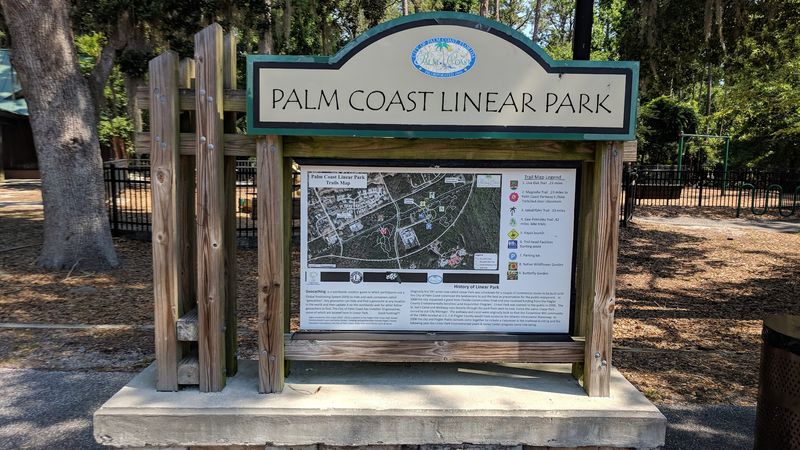
Linear Park stretches for miles through Palm Coast, connecting neighborhoods with a paved trail system that’s become essential to the city’s identity. Unlike traditional parks with defined boundaries, this linear greenway follows utility easements and waterways, creating a ribbon of protected space where residents walk, jog, bike, and rollerblade away from traffic.
It’s infrastructure that doubles as recreation, and it works brilliantly.
The trail system extends over 100 miles when you count all the interconnected segments, making it one of the most extensive linear park networks in Florida. Mature trees provide shade along many sections, and native landscaping attracts butterflies and birds.
Some portions run alongside canals where you might spot turtles sunning themselves or wading birds hunting for fish.
What makes Linear Park special is how it weaves into daily life for Palm Coast residents. People use it for commuting to work or school, not just weekend recreation.
It’s common to see the same familiar faces at the same times—the early morning power-walkers, the after-school kids on bikes, the evening dog-walking crowd. This regular usage creates a sense of community and safety that enhances the entire experience.
Access points exist throughout the city, often marked with small parking areas and trail maps. Some segments connect to schools and shopping areas, while others remain more remote and nature-focused.
The flat terrain and smooth pavement make the trails accessible to all fitness levels and mobility types.
Maintenance is generally excellent, with regular mowing and upkeep keeping the paths clear and safe. It’s free to use, of course, and has become one of those quality-of-life features that residents cite when explaining why they love living here.
Linear Park proves that smart urban planning can preserve green space while accommodating growth.
10. Mala Compra MTB Trail
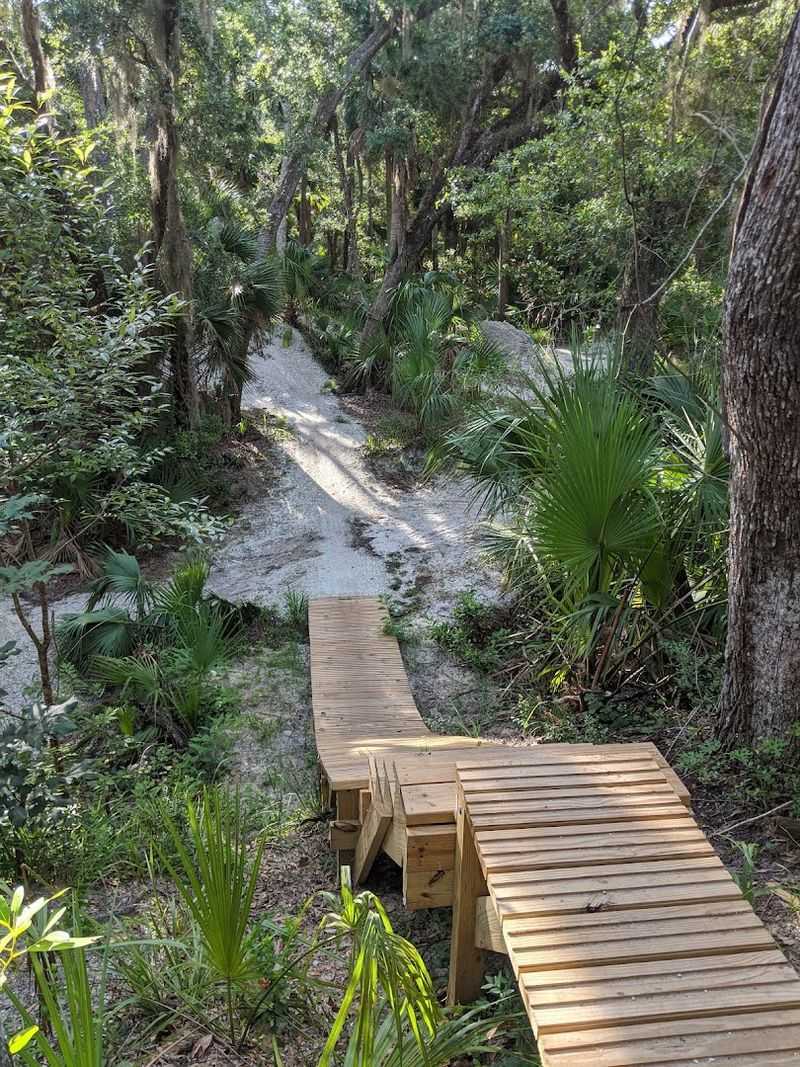
Mountain biking in Florida might sound like an oxymoron given the state’s famous flatness, but Mala Compra proves that creative trail design can create exciting riding even without dramatic elevation. This mountain bike trail system winds through pine forest and scrub habitat, offering over six miles of single-track that challenges riders with tight turns, sandy sections, and man-made features rather than relying on hills.
The trails were built specifically for mountain biking, with flowing sections that reward momentum and technical areas that demand skill and attention. Wooden features like bridges, berms, and small jumps add variety and fun.
The sandy soil common to Florida creates its own challenges—loose surfaces that require different techniques than hard-packed dirt trails found elsewhere.
Local mountain bikers maintain the trails through volunteer work days, keeping them in rideable condition year-round. The community aspect is strong here, with regular group rides and an overall welcoming vibe toward riders of all abilities.
Beginners can stick to easier loops while more experienced riders tackle the technical sections and features.
The trail sits within a larger preserve area, so wildlife sightings happen regularly. You might encounter deer, gopher tortoises, or various bird species while riding.
The pine canopy provides decent shade, though summer rides still mean heat and humidity that test your conditioning.
Parking is free at the small trailhead, which includes basic facilities but nothing fancy. Bring your own water and supplies.
The trail can get muddy after heavy rains, and some sections close temporarily to prevent damage. Check local mountain biking groups for current conditions before heading out.
For cyclists craving dirt over pavement, Mala Compra delivers a surprisingly fun experience that showcases Florida’s potential for trail riding beyond beach cruising.