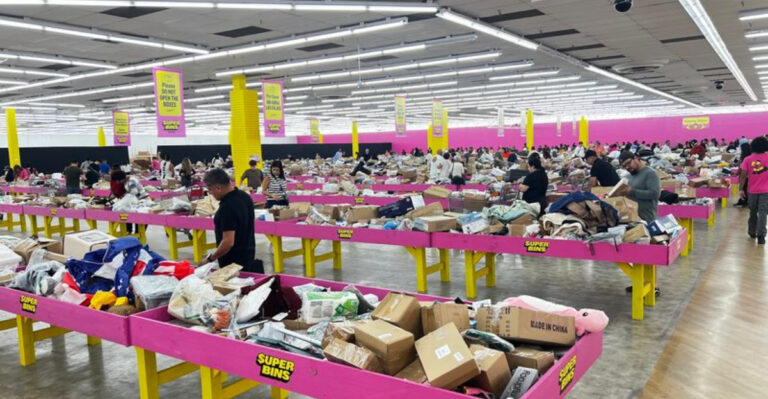
The Rural Florida Town Where Your Money Stretches Shockingly Far
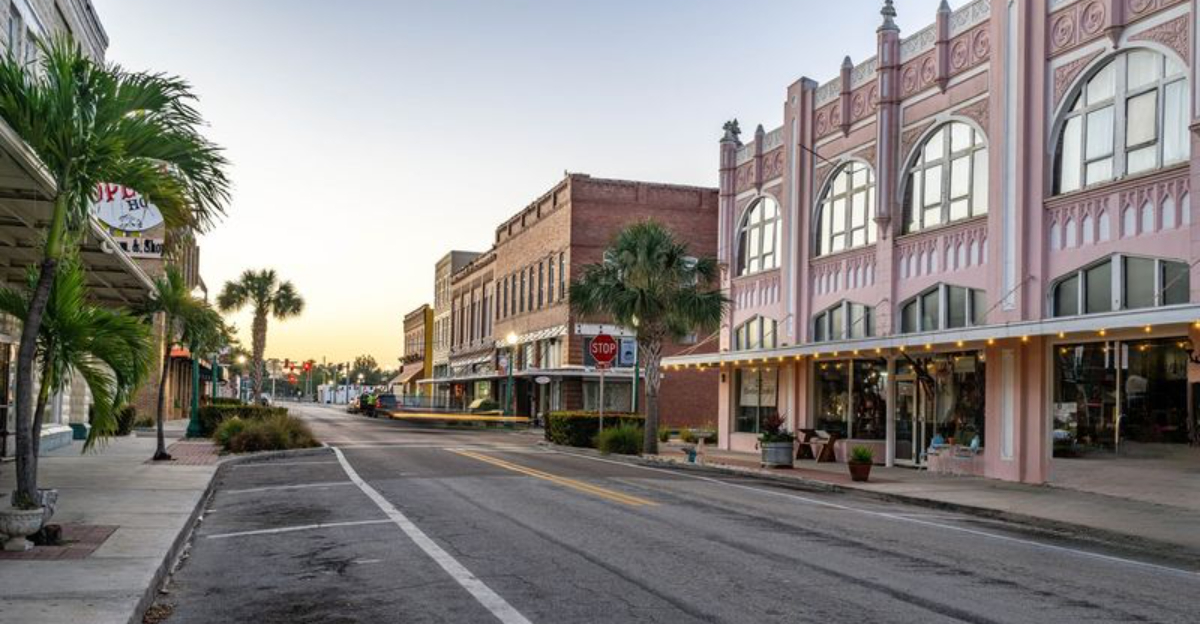
Tucked away in the heart of DeSoto County, Arcadia is a small Florida city where living well doesn’t mean draining your bank account. With a population hovering around 7,400, this historic town offers the kind of affordability that feels almost unreal in today’s housing market. If you’re tired of skyrocketing rents and eye-watering grocery bills, Arcadia might just be the budget-friendly escape you’ve been searching for.
1. Housing Costs That Won’t Make You Cry
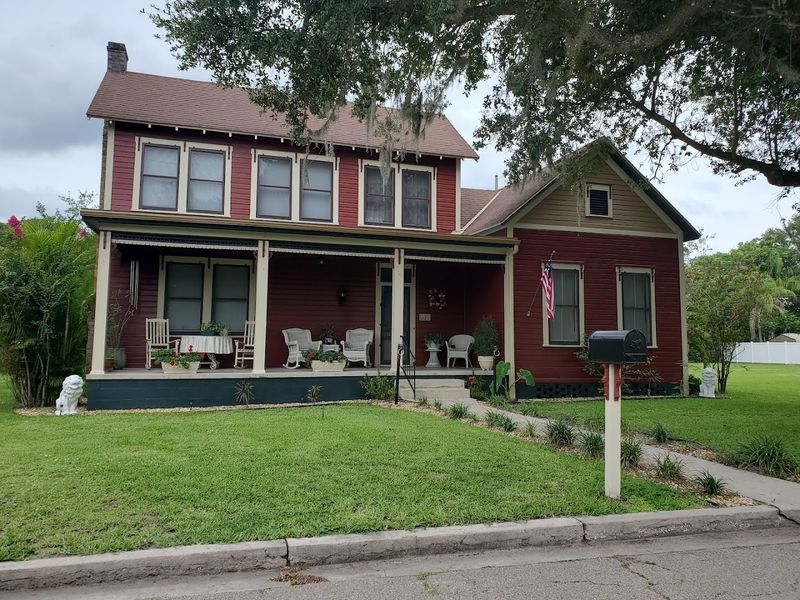
Forget what you know about Florida real estate. In Arcadia, you can actually find homes priced under six figures, and rents that don’t require selling a kidney. The median home price hovers significantly below the state average, making homeownership a real possibility instead of a distant dream.
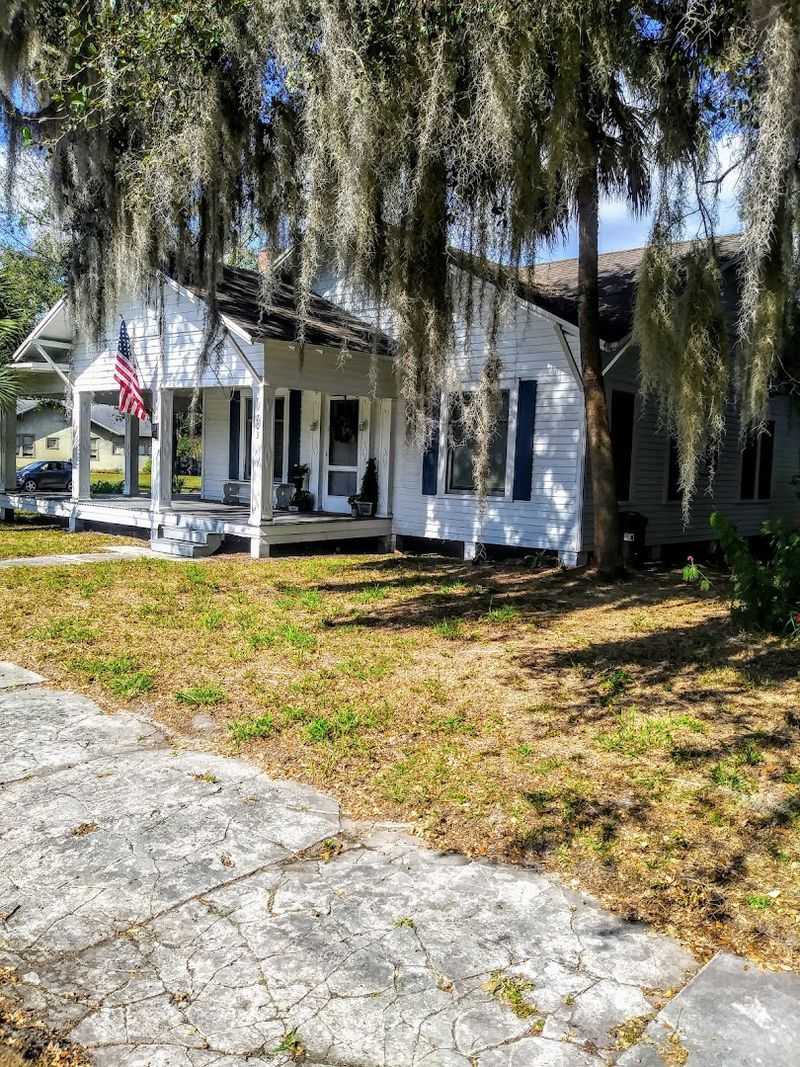
Older homes with character fill the streets near the historic district. Many feature classic Florida touches like covered porches and tall ceilings designed to catch breezes. Sure, some need updates, but the bones are solid and the price tags are manageable.
Rental options run the gamut from cozy apartments to standalone houses. A two-bedroom place won’t demolish your monthly budget the way it would in Tampa or Fort Myers. Landlords here tend to be local folks, not faceless corporations, which often means more flexibility and personal service.
Property taxes remain reasonable compared to coastal counties. Your dollar genuinely goes further when you’re not competing with retirees flush with cash or remote workers earning big-city salaries. The trade-off is fewer amenities and entertainment options, but if financial breathing room matters more than nightlife, Arcadia delivers in spades.
2. Grocery Bills That Actually Make Sense
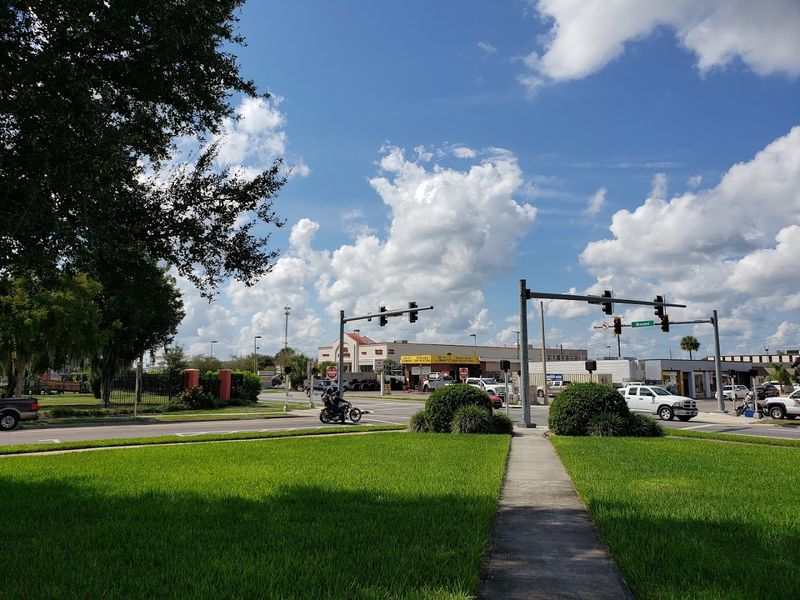
Walking into a grocery store in Arcadia feels like stepping back in time, pricewise. Chain supermarkets and local shops compete for your business, keeping prices competitive. You won’t find the markup madness that plagues tourist-heavy areas or upscale suburbs.
Local produce stands pop up seasonally, offering fresh Florida citrus, tomatoes, and vegetables at prices that would shock city dwellers. Farmers sell directly to consumers, cutting out middlemen and passing savings along. It’s not unusual to score a bag of oranges for pocket change.
Meat and dairy products also cost less than in metropolitan areas. Weekly sales and loyalty programs stretch your food budget even further. The stores might not stock every exotic ingredient under the sun, but staples remain affordable and quality stays decent.
Eating out won’t wreck your finances either. Local diners serve hearty portions at prices that feel almost retro. A full breakfast with coffee might run you less than a fancy latte costs elsewhere.
Family restaurants offer early-bird specials and daily deals that actually save money.
Shopping smart in Arcadia means your paycheck covers groceries with cash left over for other necessities or even a few treats.
3. Utilities and Services Without the Sticker Shock
Monthly utility bills in Arcadia tend to run lower than in larger Florida cities. Electricity costs remain the biggest concern during sweltering summers, but smaller homes mean less space to cool. Many older houses were built with natural ventilation in mind, helping reduce AC dependency if you’re willing to embrace some warmth.
Water and sewer charges stay modest compared to urban rates. The city manages these services locally, and while infrastructure isn’t cutting-edge, it works reliably without premium pricing. Trash pickup comes standard in most neighborhoods without hidden fees tacked on.
Internet and cable options are more limited than in bigger markets. You won’t find fiber-optic speeds everywhere, but basic broadband is available at reasonable rates. Some folks make do with satellite or fixed wireless, trading blazing speed for lower monthly costs.
Car insurance premiums often drop when you move to rural areas with less traffic and lower crime rates. Home insurance can be tricky given Florida’s weather risks, but you’re not paying coastal premiums for hurricane exposure. Shop around and bundle policies to maximize savings.
Overall, keeping the lights on and services running costs considerably less than in Tampa, Orlando, or Miami metro areas, leaving more money for everything else.
4. Entertainment That Doesn’t Require Deep Pockets

Arcadia’s claim to fame is the All-Florida Championship Rodeo, held every March since 1929. Tickets cost a fraction of what you’d pay for big-city entertainment, and the experience feels authentically Floridian. Cowboys, barrel racing, and community spirit create memories without requiring a second mortgage.
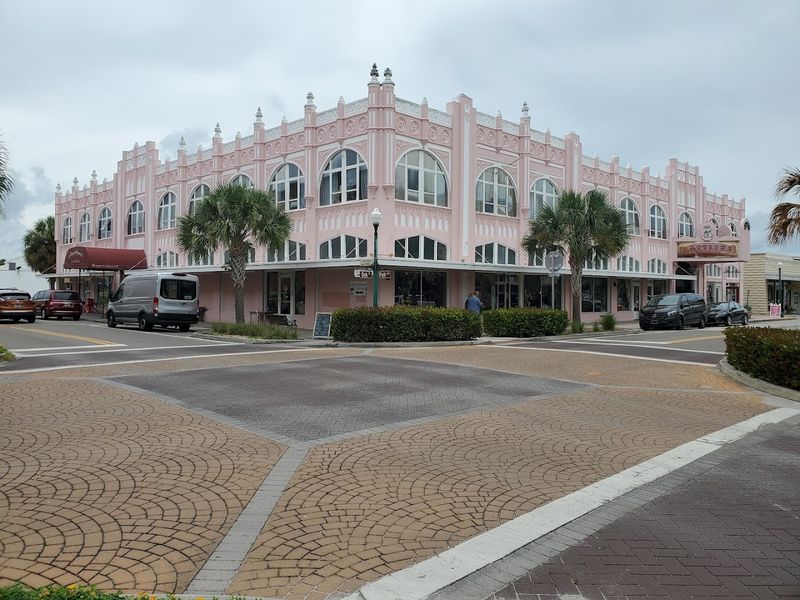
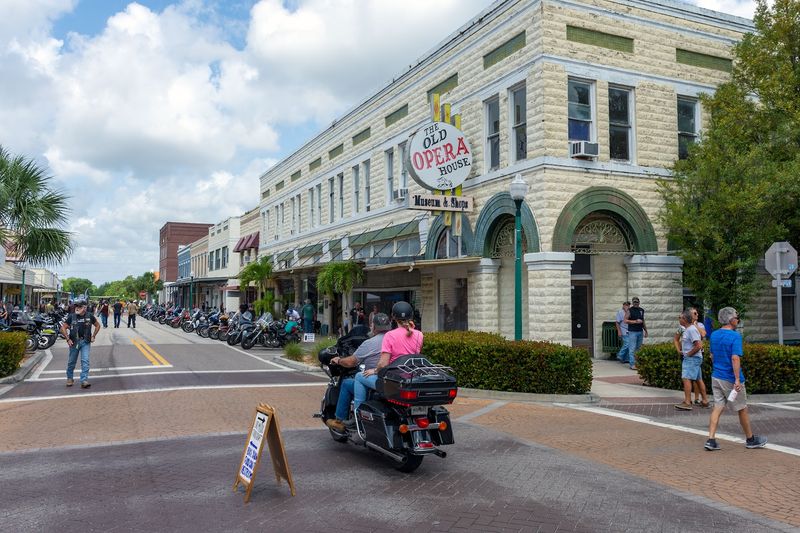
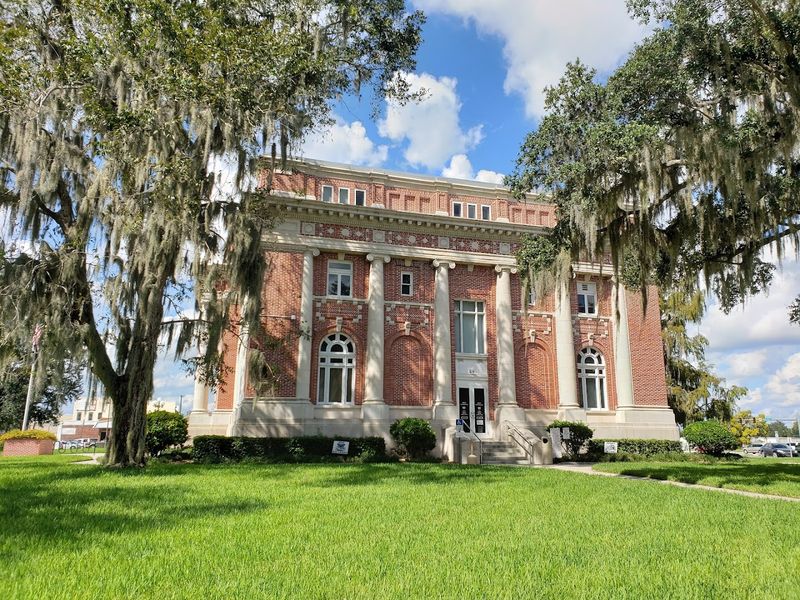
The historic downtown district offers free entertainment just by strolling around. Antique shops, vintage storefronts, and local murals provide photo opportunities and browsing fun. Window shopping costs nothing, and striking up conversations with shop owners is practically a local sport.
Peace River winds through the area, offering free fishing, kayaking, and fossil hunting. Launch your own boat or wade in from public access points without paying resort fees or marina charges. Kids can spend hours searching for ancient shark teeth along the riverbanks.
Community events pop up regularly throughout the year. Parades, farmers markets, and seasonal festivals provide family-friendly activities at little to no cost. The pace is slower, but that’s part of the charm and the savings.
Movie theaters and bowling alleys keep prices reasonable compared to metropolitan entertainment complexes. A family outing won’t require taking out a loan, and local parks offer playgrounds and picnic areas absolutely free.
5. Healthcare That Won’t Bankrupt You
DeSoto Memorial Hospital serves Arcadia and surrounding areas with basic medical services. While it’s not a major medical center, routine care and emergency services are available locally. Costs generally run lower than at big-city hospitals, though insurance coverage matters more than location for most procedures.
Several family practice doctors and dentists maintain offices in town. Appointment availability tends to be better than in crowded urban practices, and doctors often know patients by name. That personal touch doesn’t cost extra but feels increasingly rare in modern healthcare.
Prescription costs benefit from local pharmacies that sometimes offer better prices than chain competitors. Generic medications remain affordable, and pharmacists take time to explain options without rushing you out the door. Building relationships with healthcare providers creates continuity of care that improves outcomes.
For specialized care or complex procedures, you’ll need to travel to Sarasota, Fort Myers, or Tampa. That’s the trade-off for small-town living, but routine healthcare needs get met locally without the inflated prices of metropolitan medical systems.
Dental work, eye exams, and basic wellness visits cost less overall. Practitioners here aren’t dealing with sky-high commercial rents or massive overhead, and they pass some savings along to patients who appreciate hometown service.
6. Transportation Costs That Stay in Check
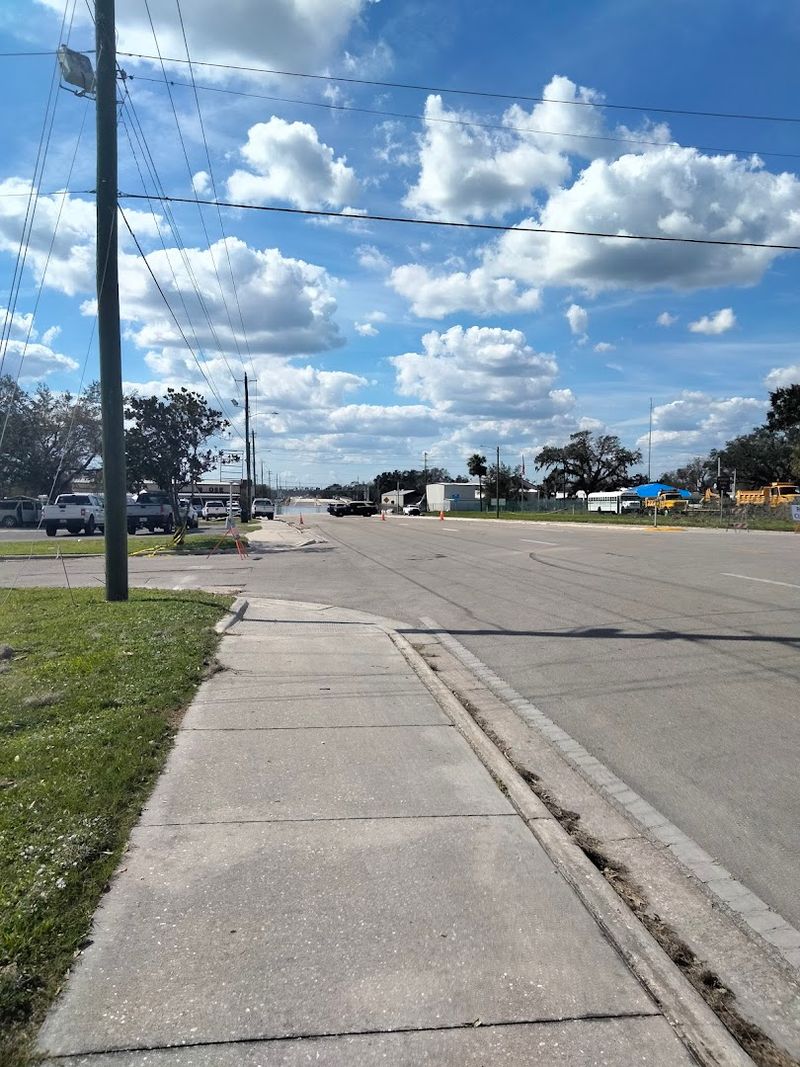
Gas prices in Arcadia typically run slightly below state averages. Competition among local stations and lower operating costs in rural areas translate to savings at the pump. Driving is essential here since public transit is virtually nonexistent, but at least fuel won’t drain your wallet as quickly.
Vehicle maintenance costs less when you find honest local mechanics instead of dealership service departments. Independent shops charge fair labor rates, and parts prices stay reasonable. Building a relationship with a trustworthy mechanic saves money over time through preventive care and straight talk about necessary repairs.
Car ownership is mandatory for practical living in Arcadia. Commutes tend to be short if you work locally, reducing wear and tear on your vehicle. Traffic jams are almost nonexistent, meaning less stop-and-go driving that kills fuel efficiency and brakes.
Registration fees and vehicle-related taxes remain consistent statewide, so you won’t save there. However, lower insurance premiums help offset ownership costs. Parking is always free and plentiful, unlike urban areas where monthly garage fees rival rent payments.
If you commute to Sarasota or Port Charlotte for work, factor in drive time and gas costs. Many residents accept longer commutes to enjoy Arcadia’s lower cost of living, finding the trade-off worthwhile when they see their bank balances growing.
7. Property and Sales Taxes That Don’t Sting as Much
DeSoto County property tax rates sit below many neighboring counties. Homestead exemptions reduce your taxable value if you make Arcadia your permanent residence, providing real savings year after year. Lower property values mean lower absolute tax bills even if rates were identical to pricier areas.
Florida’s lack of state income tax benefits everyone regardless of location. But in Arcadia, your salary stretches further because housing and living costs consume less of your take-home pay. That combination creates genuine financial breathing room for families on modest incomes.
Sales tax in DeSoto County matches Florida’s standard rate without additional local surcharges that some counties tack on. Every purchase costs exactly what you’d pay elsewhere in the state, but since you’re spending less on necessities, the absolute tax dollars paid remain lower.
Special assessments and municipal fees stay reasonable compared to cities with ambitious development plans and infrastructure projects. Arcadia keeps government lean, which means fewer hands reaching into taxpayer pockets for funding.
Overall tax burden matters more than any single rate. When you combine lower property taxes on affordable homes with reduced spending across the board, Arcadia residents keep more of their earnings. That’s the real definition of money stretching further, and it shows up in monthly budgets and annual savings.
8. Small-Town Perks That Save Money Daily
Living in Arcadia means knowing your neighbors, and that social capital translates to financial benefits. Borrowing tools instead of buying them, trading skills instead of hiring contractors, and sharing bulk purchases all happen naturally in tight-knit communities. These informal exchanges save real money without feeling like penny-pinching.
Local businesses often extend credit to known customers or offer discounts to regulars. That personal relationship approach to commerce has mostly disappeared elsewhere but thrives in small towns. Being recognized and valued as a customer creates opportunities for deals that corporate chains would never offer.
Kids can safely walk or bike to school and friends’ houses, reducing the need for constant parental shuttling. That saves gas, vehicle wear, and time, which translates to money when you’re not constantly in the car. Childhood independence costs nothing but provides priceless benefits.
Community resources like libraries, parks, and recreation programs serve residents without the crowding and competition found in cities. Getting a library card, reserving a pavilion, or signing kids up for activities happens easily and affordably.
The slower pace reduces impulse spending that plagues busy urban dwellers. Without constant exposure to shopping centers and advertising, you spend less on things you don’t actually need. Contentment comes cheaper when you’re not constantly bombarded with consumption messages, and Arcadia’s quiet streets encourage exactly that mindset.