10 Miami Restaurants Where World Cup Fans Can Eat Like They’re Traveling The Globe
When the World Cup comes around, the excitement goes way beyond the stadium. Miami’s restaurant scene turns into a global food festival where you can taste authentic dishes from every corner of the planet without ever boarding a plane. From Spanish tapas bars to Korean barbecue joints, the Magic City serves up flavors that match the international energy of the world’s biggest soccer tournament, making every meal feel like a victory lap through different cultures.
1. Julia & Henry’s Food Hall
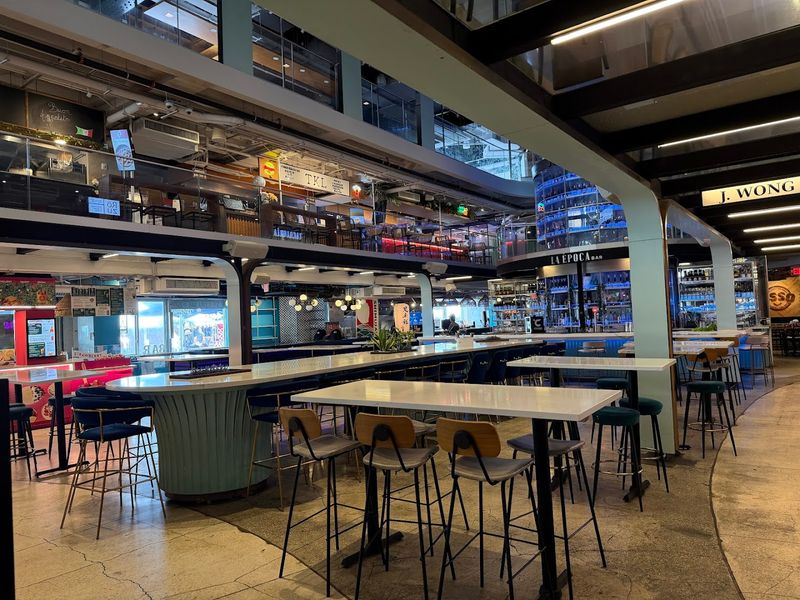
Walking into this sprawling food hall feels like stepping into a culinary United Nations. Multiple vendors line the space, each one representing a different country’s food traditions, from Mexican street tacos to Japanese ramen bowls. The setup lets you bounce between cuisines without leaving your table, which is perfect when your friend group can’t agree on one type of food.
The open layout encourages wandering and exploring. You might start with Vietnamese spring rolls, then grab some Italian pizza, and finish with Brazilian açaí bowls. This kind of food freedom mirrors the diversity you’d find at any World Cup fan zone, where supporters from dozens of nations gather together.
What makes this spot special is how it captures Miami’s melting-pot identity. The vendors aren’t just serving generic international food—they’re bringing authentic recipes passed down through generations. You’ll find family-owned operations next to chef-driven concepts, all sharing the same roof.
The atmosphere gets electric during major sporting events. Screens throughout the hall broadcast games, and the energy from different fan groups creates this amazing, chaotic celebration of global culture. Whether you’re cheering for Brazil, Germany, or anywhere in between, you’ll find something here that tastes like home while feeling completely Miami.
2. Los Félix Miami
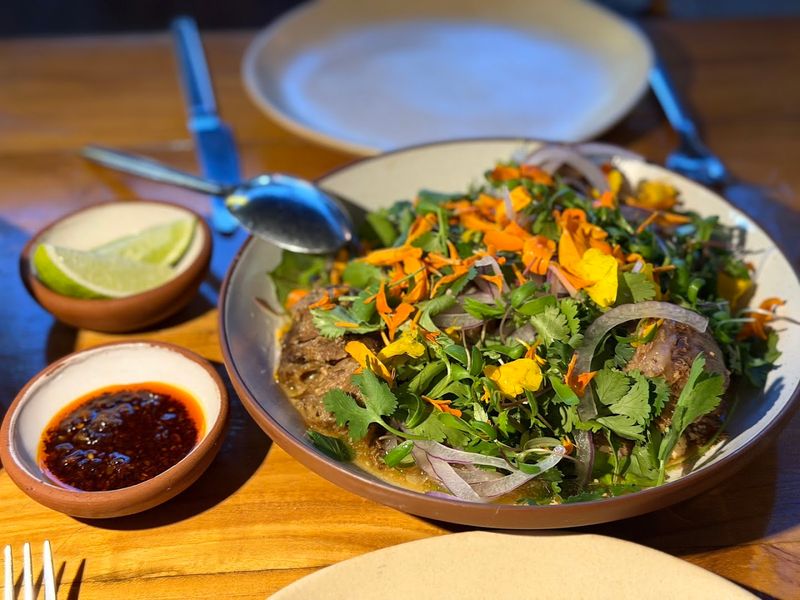
Forget everything you think you know about Mexican restaurants in Miami. Los Félix brings the real deal—the kind of cooking you’d find in Mexico City’s coolest neighborhoods, not the Tex-Mex chains that dot every strip mall. The menu reads like a love letter to regional Mexican cuisine, with dishes representing different states and traditions across the country.
Their taco selection alone could keep you busy for weeks. We’re talking handmade tortillas filled with things like cochinita pibil from the Yucatán or carne asada prepared Sonora-style. Each bite delivers layers of flavor that come from careful preparation and quality ingredients, not just drowning everything in cheese and sour cream.
The drink program deserves its own standing ovation. Their tequila and mezcal collection rivals what you’d find in actual Mexican cantinas, with bottles you won’t see anywhere else in South Florida. The bartenders know their stuff and can guide you toward agave spirits that match your taste preferences.
During World Cup season, this place transforms into Mexico’s unofficial fan headquarters. The energy reaches fever pitch when El Tri plays, with fans decked out in green, white, and red, singing songs and celebrating every goal. Even if you’re rooting for another team, the passionate atmosphere makes you feel like you’re experiencing something truly special and authentically Mexican.
3. Versailles Restaurant
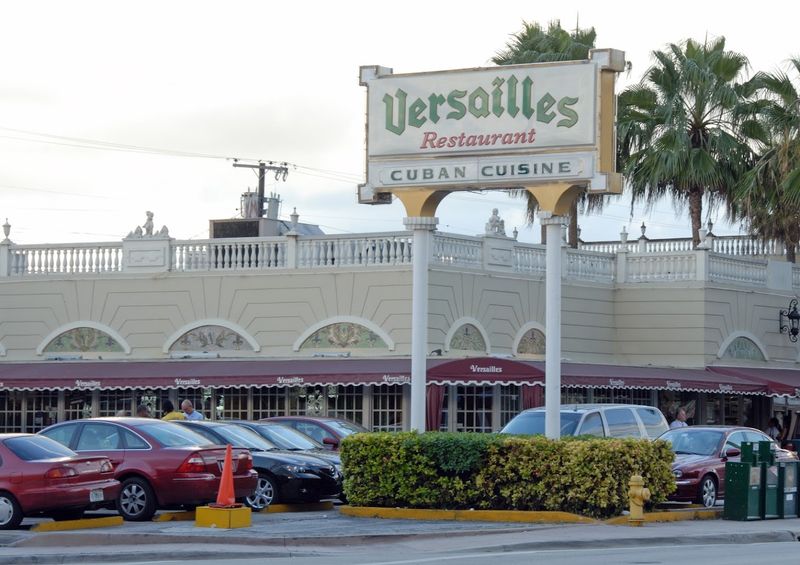
This Little Havana institution has been serving Cuban comfort food since 1971, making it older than some World Cup traditions themselves. The restaurant’s mirror-lined walls and old-school charm transport you straight to pre-revolution Havana, where families gathered over massive plates of ropa vieja and lechón asado. Versailles isn’t just a restaurant—it’s a cultural landmark where Miami’s Cuban community has celebrated victories, mourned losses, and debated politics for generations.
The menu stays true to Cuban classics without trying to modernize or fusion-ify anything. You’ll find generous portions of black beans and rice, perfectly crispy tostones, and Cuban sandwiches pressed to golden perfection. Their café con leche comes strong and sweet, served in those iconic small cups that somehow hold more caffeine than seems physically possible.
The bakery counter up front tempts you with guava pastries, croquetas, and other treats that make perfect pre-game or post-game snacks. Locals know to grab a ventanita coffee from the walk-up window, standing outside to sip and chat like they would in Havana’s streets.
When Cuba plays in international tournaments, Versailles becomes ground zero for celebrations. Calle Ocho outside the restaurant fills with flag-waving fans, honking cars, and an energy that pulses through the neighborhood. Even during other countries’ matches, the restaurant maintains that festive, communal vibe that makes eating here feel like joining a big, loud, loving family dinner.
4. Fiorito
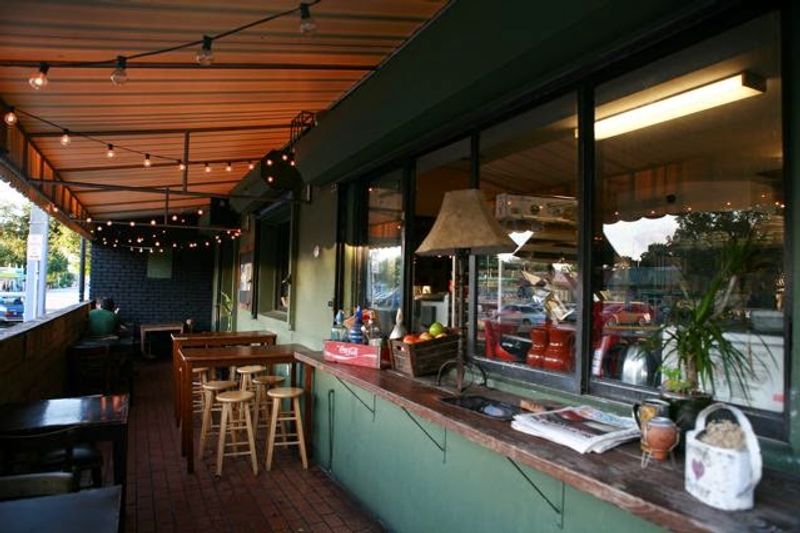
Argentina’s food culture centers around two things: incredible beef and passionate gatherings around the table. Fiorito nails both aspects with the confidence of a Buenos Aires parrilla that’s been perfecting its craft for decades. The restaurant channels the spirit of Argentine asados, where cooking meat over fire becomes an art form and meals stretch for hours.
Their steak selection showcases different cuts prepared the Argentine way—simply seasoned and grilled to let the quality of the meat shine through. The bife de chorizo arrives sizzling, with that perfect char on the outside and tender, juicy perfection inside. Pair it with chimichurri that’s bright, garlicky, and addictive enough to put on everything.
Beyond the steaks, the menu explores Argentina’s diverse food traditions. Empanadas come stuffed with various fillings, each one a perfect handheld meal. The milanesas are pounded thin and fried crispy, served Napolitana-style if you’re feeling indulgent.
Don’t skip the provoleta—grilled provolone cheese that arrives bubbling and golden, ready to be scooped up with crusty bread.
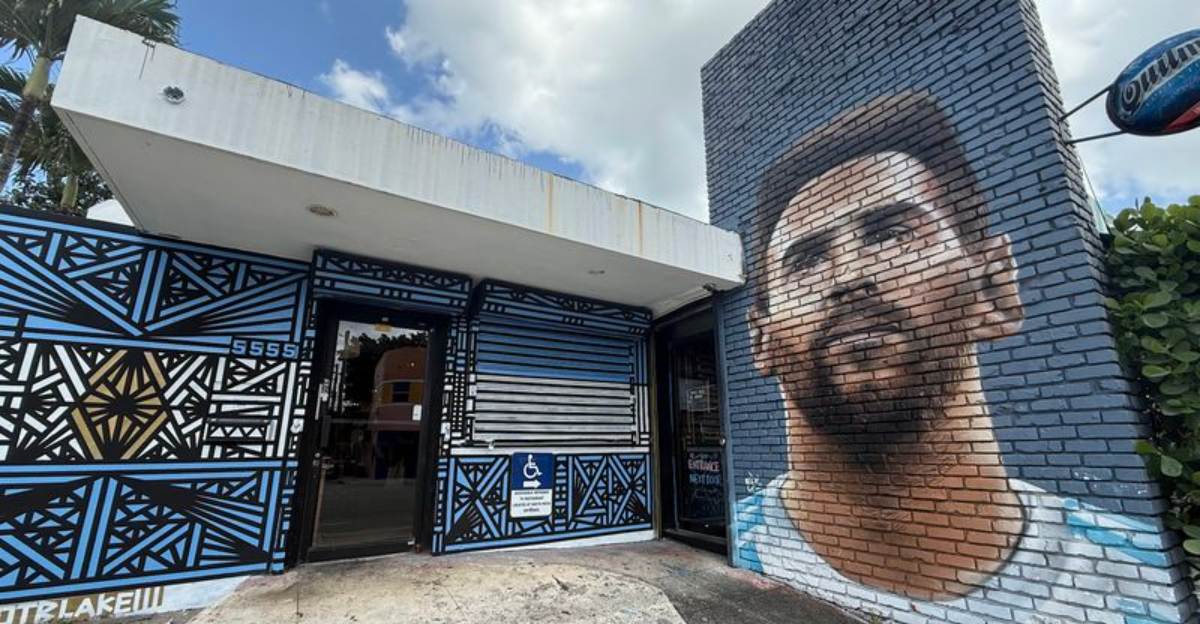
The wine list focuses heavily on Argentine Malbecs, offering bottles at various price points from different regions. The staff knows their wines and can recommend pairings that elevate your meal. During World Cup matches featuring Argentina, expect the restaurant to erupt with every Messi goal, fans embracing strangers and singing victory songs that echo through Sunset Harbour.
5. Mandolin Aegean Bistro
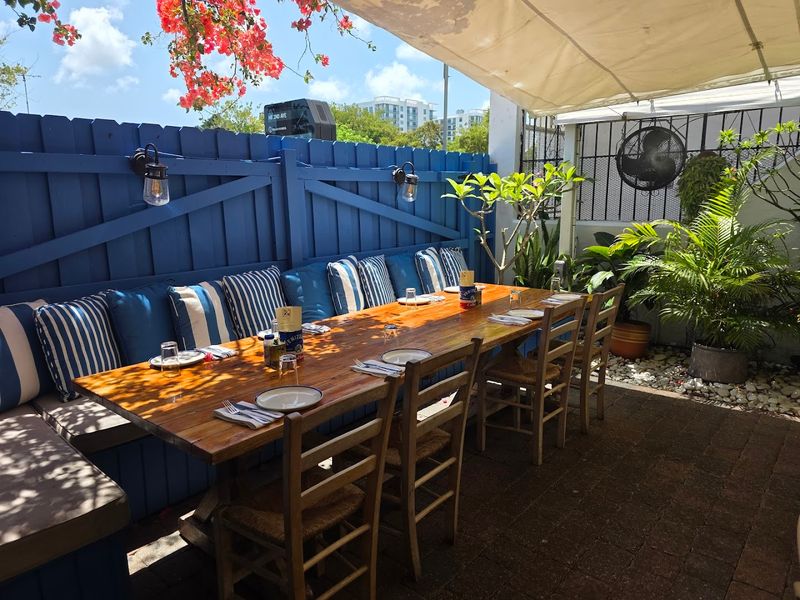
Hidden behind a white picket fence in the Design District, Mandolin feels like stumbling upon a secret garden in the Greek islands or coastal Turkey. The outdoor courtyard, shaded by trees and decorated with blue-and-white touches, creates an escape from Miami’s urban energy. You half expect to hear waves crashing nearby instead of traffic passing on the street.
The menu draws from both Greek and Turkish traditions, reflecting the shared culinary heritage of the Aegean region. Mezze plates arrive beautifully arranged—creamy tzatziki, smoky eggplant spread, tangy feta with honey and sesame. The grilled octopus comes tender and charred, dressed simply with olive oil and lemon.
Everything tastes fresh, light, and perfectly balanced.
Their whole grilled fish, served family-style, exemplifies Mediterranean cooking at its finest. The fish arrives simply prepared, allowing its natural flavors to shine through. Sharing it at the table with friends recreates that communal dining experience central to both Greek and Turkish food culture.
The restaurant’s intimate size and romantic atmosphere make it feel worlds away from typical sports bars, yet during World Cup season, they embrace the tournament’s spirit. When Greece or Turkey plays, the staff decorates with extra flags and the kitchen might add special dishes honoring the occasion. The relaxed pacing of meals here—where nobody rushes you—mirrors the Mediterranean approach to life, where good food and good company matter more than anything else on the clock.
6. LEKU
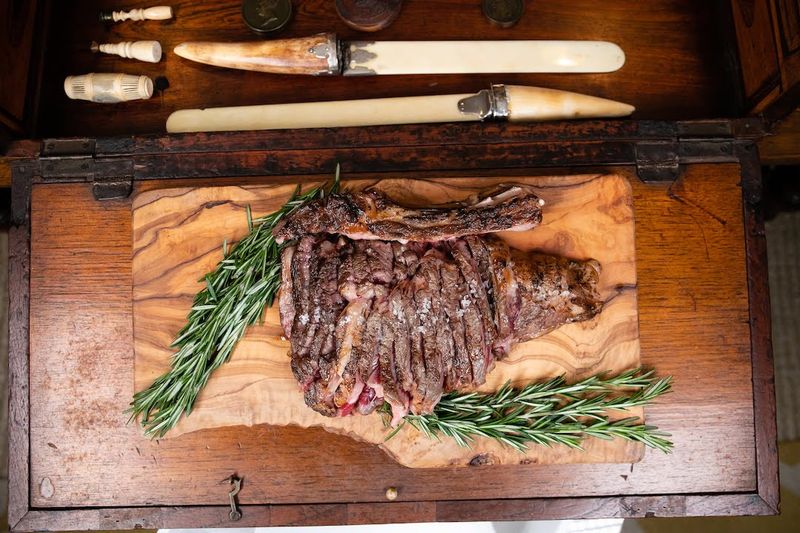
Basque cuisine doesn’t get enough attention in America, which makes LEKU’s presence in Brickell such a gift. This northern Spanish region produces some of the world’s most interesting food, blending French technique with Spanish soul and a fierce pride in local ingredients. The restaurant captures that spirit through both traditional dishes and creative interpretations.
Start at the pintxos bar, where small bites mounted on bread slices showcase the Basque tradition of bar-hopping and snacking. Each pintxo combines flavors and textures in surprising ways—maybe jamón ibérico with roasted peppers, or salt cod whipped into a creamy spread. Grabbing a few with a glass of txakoli, the region’s slightly sparkling white wine, transports you straight to San Sebastián’s old town.
The larger plates demonstrate why Basque Country has earned so many Michelin stars. Grilled meats arrive perfectly cooked, seafood gets treated with respect and minimal fuss, and vegetables shine as brightly as any protein. The kitchen understands that great cooking often means knowing when to step back and let ingredients speak for themselves.
LEKU’s modern interior feels sophisticated without being stuffy, attracting a professional Brickell crowd that appreciates good food and wine. During World Cup matches featuring Spain, the restaurant leans into the celebration while maintaining its refined atmosphere. The Spanish wine list offers deep cuts beyond the typical Riojas and Riberas, giving wine lovers a chance to explore regions they might not know.
Everything here feels authentically Basque while fitting perfectly into Miami’s cosmopolitan dining scene.
7. Paperfish Sushi Brickell
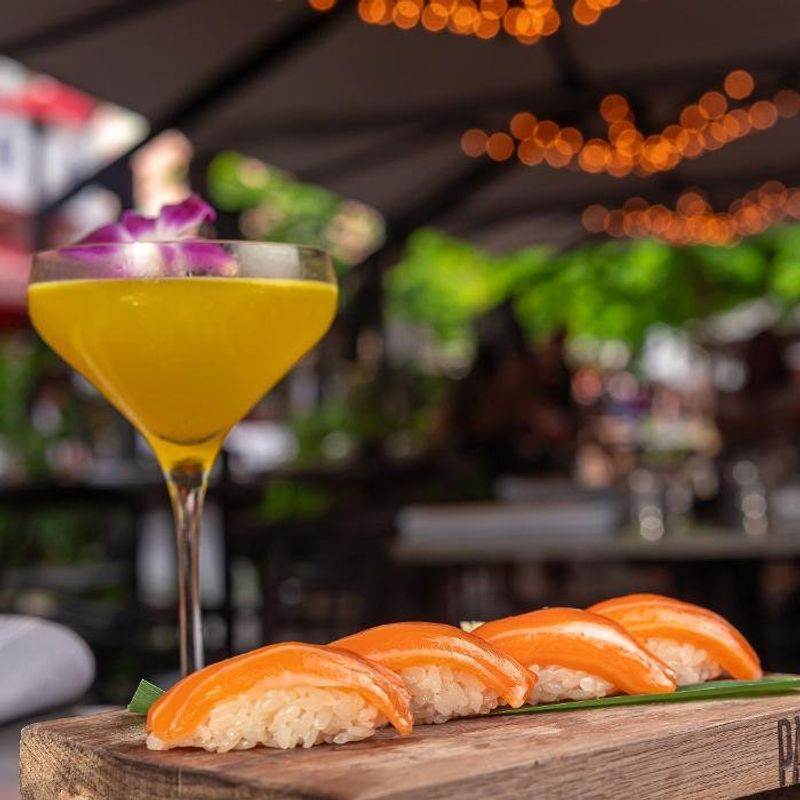
Japanese precision meets Miami energy at this Brickell sushi spot that takes its fish seriously. The chefs source quality seafood and treat it with the respect it deserves, slicing each piece with the kind of knife skills that come from years of training. You can taste the difference in every bite—the fish practically melts on your tongue, and the rice is seasoned just right, not too sweet or too vinegary.
The menu balances traditional preparations with creative rolls that actually make sense. Sure, you can get your classic nigiri and sashimi, presented simply to highlight the fish’s natural flavors. But the specialty rolls incorporate ingredients thoughtfully, creating combinations that enhance rather than mask what you’re eating.
Nothing here tastes like it’s trying too hard or drowning in spicy mayo.
Sitting at the sushi bar gives you front-row seats to watch the chefs work. Their movements are efficient and graceful, each motion purposeful and practiced. The interaction between chef and diner adds another layer to the experience, especially if you let them guide your order based on what’s freshest that day.
During World Cup season, Japanese soccer fans know they can find authentic flavors here while catching matches on the restaurant’s screens. The atmosphere stays relatively calm compared to rowdier sports bars, making it perfect for groups who want to enjoy the game without sacrificing food quality. The sake selection offers options from different Japanese regions, each with distinct characteristics worth exploring between goals and halftime.
8. Tâm Tâm
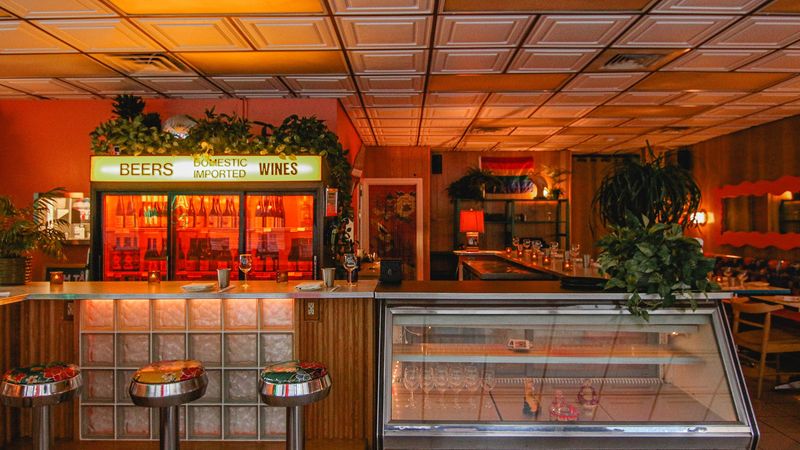
Vietnamese food has conquered American cities over the past few decades, but finding the real thing—not the watered-down, Americanized version—requires knowing where to look. Tâm Tâm delivers authenticity in every steaming bowl of pho and every crispy banh mi. The family running this place brings recipes and techniques straight from Vietnam, cooking the way they would for their own relatives back home.
Their pho deserves special recognition. The broth simmers for hours, developing deep, complex flavors that can’t be rushed or faked. When your bowl arrives loaded with noodles, herbs, and your choice of meat, that first spoonful of broth tells you everything you need to know about the kitchen’s dedication to doing things right.
The banh mi sandwiches pack layers of flavor into French baguettes—pickled vegetables, fresh cilantro, jalapeños, and proteins ranging from grilled pork to pâté. Each ingredient plays its role, creating that perfect balance of savory, sweet, sour, and spicy that defines Vietnamese cooking. These aren’t just sandwiches; they’re edible history lessons about Vietnam’s French colonial period and how cultures blend through food.
The casual, no-frills atmosphere keeps the focus on what matters—the food. During World Cup season, Vietnamese fans gather here to support their national team while enjoying tastes of home. Even when Vietnam isn’t playing, the restaurant maintains a welcoming energy that makes everyone feel like a regular.
The prices stay reasonable, portions come generous, and the staff treats you like family from the moment you walk through the door.
9. COTE Miami
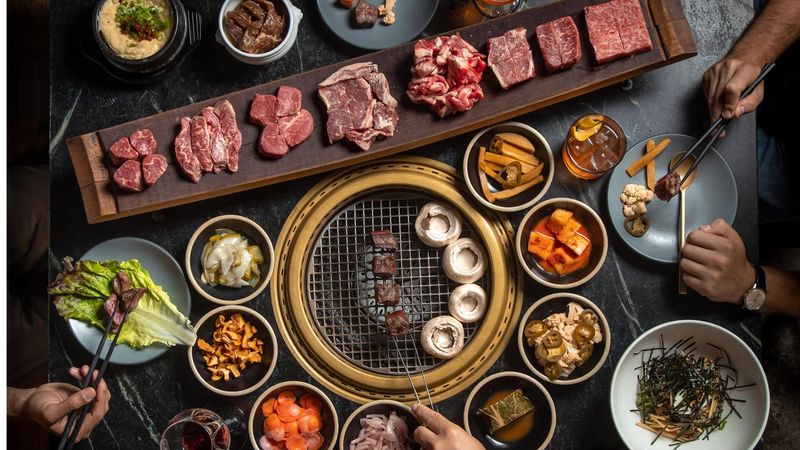
Korean barbecue has exploded in popularity, but COTE operates on a completely different level than your typical all-you-can-eat spots. This is Korean BBQ refined into a fine dining experience, where American steakhouse quality meets Korean cooking techniques and traditions. The Design District location attracts a crowd that appreciates both the theater of tabletop grilling and the exceptional quality of every ingredient.
Each table comes equipped with a built-in grill where you cook premium cuts of beef yourself, guided by attentive servers who make sure nothing overcooks. The meat selection focuses on USDA Prime and American Wagyu, butchered specifically for Korean-style grilling. Watching the marbled beef sizzle and caramelize while you chat with friends creates an interactive dining experience that brings people together around the table.
The banchan—those small side dishes that arrive before your meat—showcase the complexity of Korean flavors. Kimchi, seasoned vegetables, and various pickles provide bright, spicy, tangy contrasts to the rich grilled beef. Everything gets replenished throughout your meal, encouraging you to try different combinations with each bite of meat.
COTE’s wine list rivals serious steakhouses, with bottles chosen to pair beautifully with grilled meats and bold Korean flavors. The cocktail program incorporates Korean ingredients like soju and gochugaru, creating drinks that feel both familiar and excitingly different. During World Cup matches featuring South Korea, the restaurant embraces the celebration while maintaining its upscale atmosphere, proving that you can have passionate fan energy without sacrificing sophistication or food quality.
10. Amal Miami
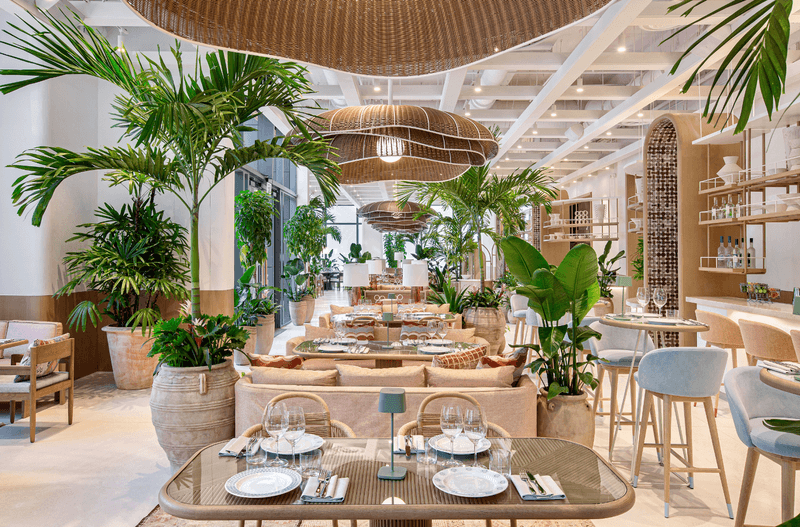
Lebanese cuisine represents some of the Middle East’s most refined and flavorful cooking traditions, and Amal brings that heritage to Coconut Grove with style and authenticity. The restaurant’s name means “hope” in Arabic, and the kitchen hopes to share Lebanon’s rich culinary culture with Miami diners through carefully prepared dishes that honor traditional recipes while embracing local ingredients.
The mezze spread alone justifies a visit. Hummus arrives impossibly smooth and creamy, drizzled with olive oil and sprinkled with spices. Baba ghanoush showcases perfectly charred eggplant, blended until silky.
Fresh tabouleh bursts with parsley and lemon, while fattoush salad combines crispy pita with vegetables and tangy sumac dressing. Sharing these plates family-style encourages conversation and creates that communal dining experience central to Lebanese culture.
Grilled meats and seafood showcase the kitchen’s mastery of fire and spice. Lamb chops arrive perfectly charred outside and tender inside, seasoned with Middle Eastern spices that enhance rather than overwhelm. Whole grilled fish gets presented tableside, its skin crispy and flesh moist, accompanied by tahini sauce and fresh lemon.
The restaurant’s elegant atmosphere attracts a sophisticated crowd, from Coconut Grove locals to visitors seeking authentic Lebanese flavors. During World Cup season, when Middle Eastern nations compete, Amal becomes a gathering place for fans who want to celebrate with food that tastes like home. The arak selection—Lebanon’s traditional anise-flavored spirit—offers an authentic drinking experience, whether enjoyed neat or mixed with water to create that signature cloudy appearance.