This Scenic Florida State Park Feels Like A Deep Breath In The Middle Of Nature
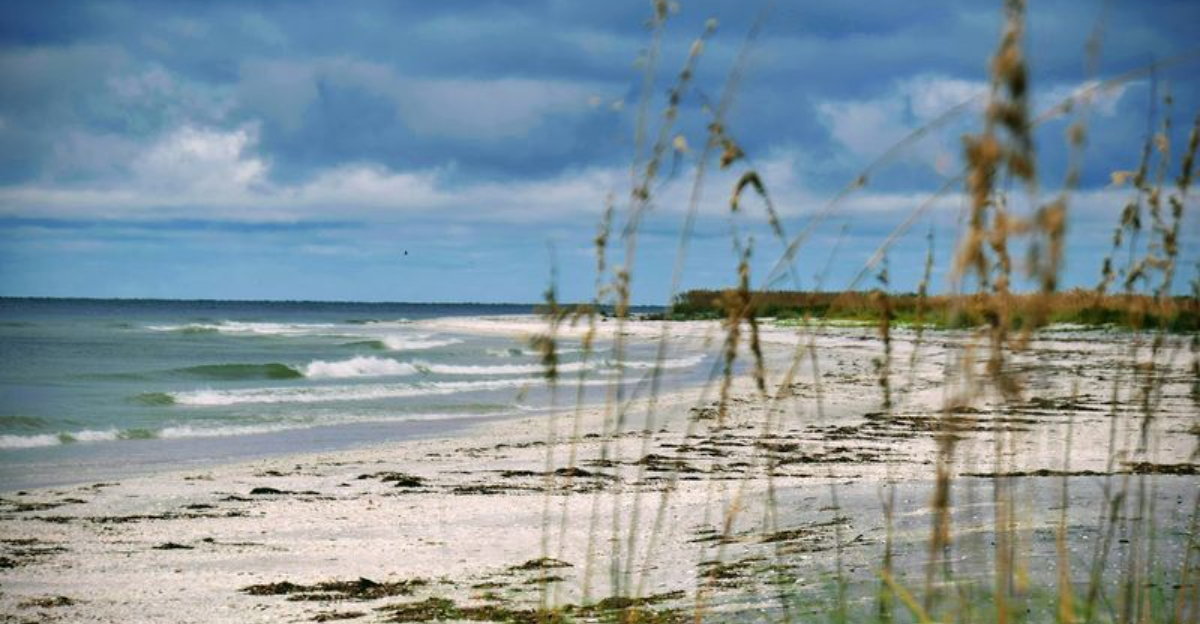
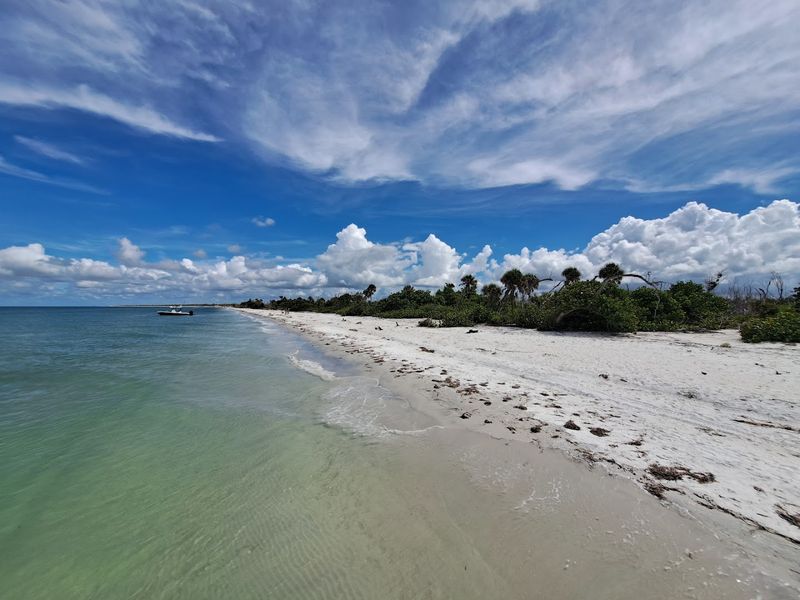
Cayo Costa State Park sits on a barrier island off Florida’s Gulf Coast, and it’s one of those rare places where you can’t just drive up and park. You need a boat or ferry to reach this 9-mile stretch of untouched shoreline, which means the crowds stay small and the peace stays big. The moment you step onto the sand, you’ll understand why visitors call it a deep breath in the middle of nature—no high-rises, no traffic noise, just miles of pristine beach, shady trails, and the kind of quiet that makes you remember what Florida used to feel like before everyone showed up.
1. Getting There Is Half The Adventure
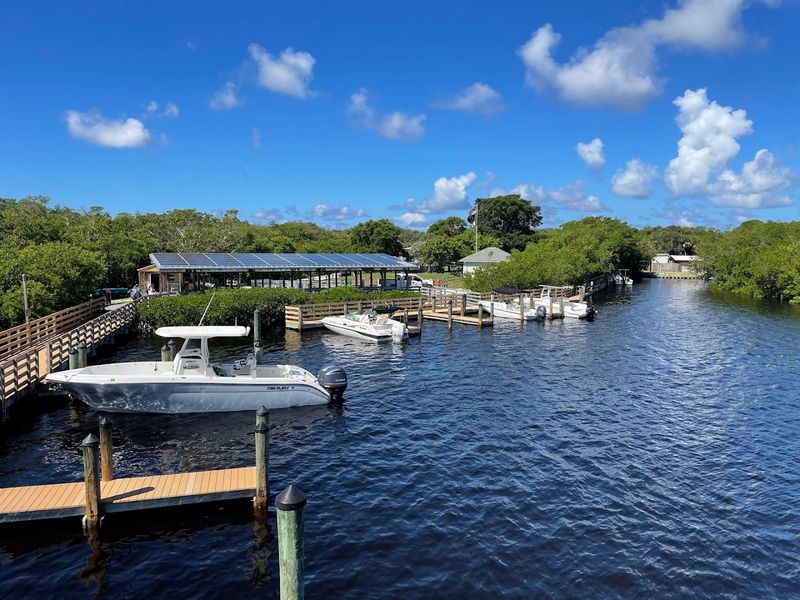
Reaching Cayo Costa requires a little planning, but that’s exactly what keeps it magical. Private boats can dock at the well-maintained facilities, and several charter companies offer trips from nearby Captiva and Pine Island. The ferry ride itself becomes part of the experience, with dolphins often racing alongside and seabirds diving into the wake.
Since Hurricane Ian, the passenger ferry service has been discontinued, so your options are now private vessels or charter boats. Most visitors arrive mid-morning and spend the day exploring before heading back. The $2 entrance fee is collected at the ranger station, where friendly staff provide maps and current trail conditions.
If you’re bringing your own boat, arrive early on weekends because dock space fills up fast. The park opens at 8 AM, and seasoned visitors know that beating the midday heat makes for a much more comfortable walk to the beach. Charter companies typically include the park entrance fee in their pricing and handle all the logistics.
The isolation is the point here. You won’t find a bridge or a parking lot, which means every visitor has made a conscious choice to seek out something different. That shared intention creates a respectful, nature-loving atmosphere that makes the trip feel even more special.
2. Nine Miles Of Unspoiled Gulf Beach
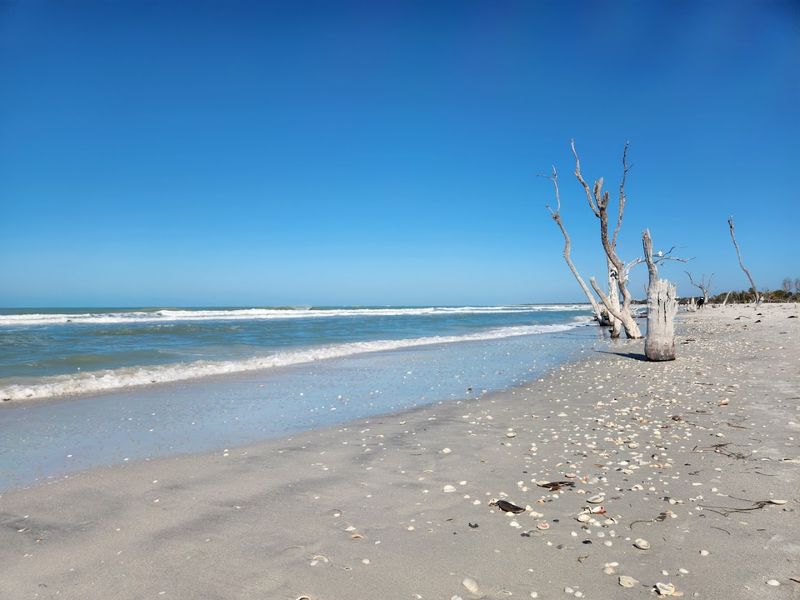
The Gulf-side beach at Cayo Costa stretches for nine uninterrupted miles, and on a weekday, you might walk for an hour without seeing another soul. The sand is soft and white, the water clear enough to watch small fish darting around your ankles. Unlike most Florida beaches, there are no condos looming behind you—just sea oats, Australian pines, and the occasional palm.
The walk from the dock to the beach takes about 15 minutes on well-maintained sandy paths. A park tram runs for $3 per person each way if you’d rather save your energy for beach time. Many visitors bring pop-up shade tents because natural cover is limited right on the shoreline, and the Florida sun doesn’t mess around.
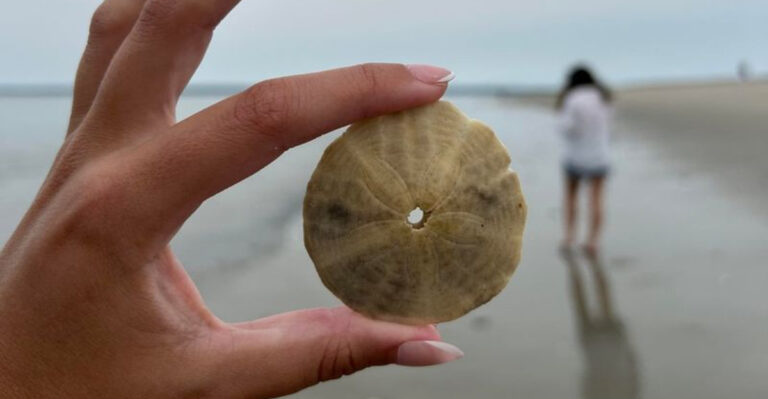
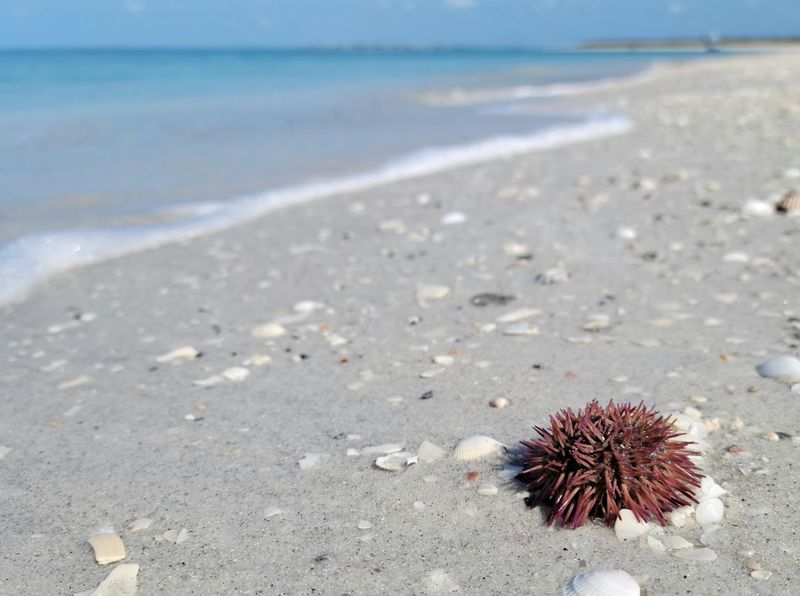
Shelling here can be exceptional, especially after storms or during winter months. Sea urchins, sand dollars, and colorful scallop shells wash up regularly. The waves are generally gentle, making it ideal for families with younger swimmers, though always check conditions with rangers before diving in.
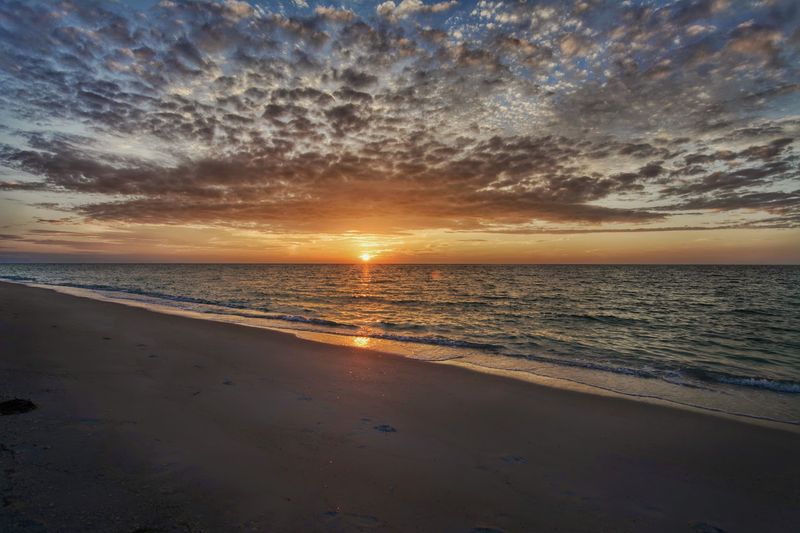
Weekends bring more boats and beachgoers, but even then, the sheer length of the coastline means you can always find your own patch of paradise. The beach faces west, so sunset views are absolutely stunning—golden light spilling across the water while pelicans glide past in formation.
3. Camping Under The Stars Like It Used To Be
Camping at Cayo Costa is primitive in the best possible way. The park offers both tent sites and small cabins, none with electricity, which means your evenings are lit by lanterns and the incredible canopy of stars overhead. Campers consistently rave about falling asleep to the sound of waves and waking up to dolphin sightings just offshore.
The cabins are basic but charming—screened walls, bunk beds, and a roof over your head. They’re perfect if you want a touch more comfort than tent camping but still crave that back-to-nature experience. Tent sites nestle among palm trees, and while they’re close together, fellow campers tend to be respectful and quiet.
You’ll need to bring all your food, cooking equipment, and supplies. The small camp store carries ice, firewood, and a few emergency items, but don’t count on shopping there for meals. Many campers pack coolers and use camp stoves, planning simple meals that don’t require much fuss.
Bug spray is absolutely essential, especially during warmer months. No-see-ums and mosquitoes can be relentless at dawn and dusk. Experienced campers bring battery-powered fans, long sleeves for evening, and high-DEET repellent.
Despite the bugs, most visitors say the experience is completely worth it—there’s something transformative about spending a night on an island with minimal modern interference.
4. Trail System Through Maritime Forest
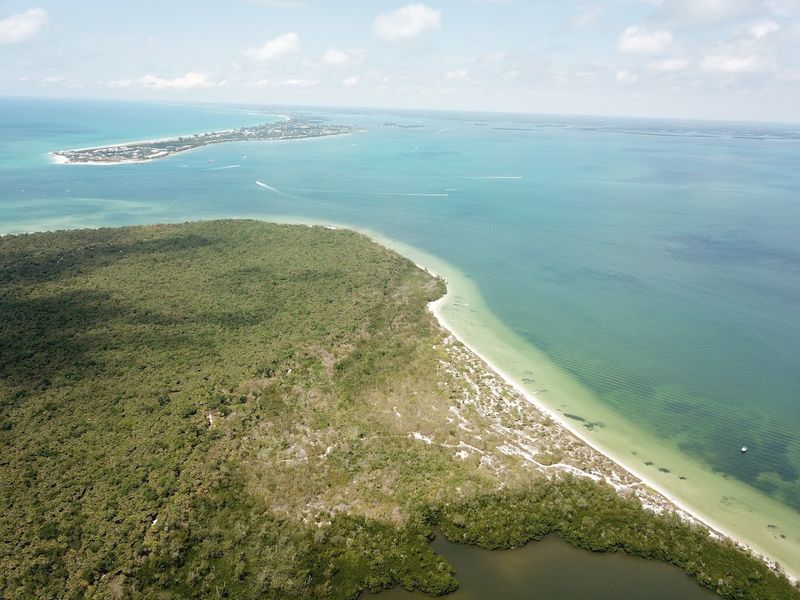
Beyond the beach, Cayo Costa’s trail system winds through 9 acres of maritime forest and coastal habitats that feel worlds away from the open shoreline. These paths are mostly flat and sandy, perfect for hiking or biking. The shade from the canopy provides welcome relief from the sun, and the bird watching opportunities are fantastic.
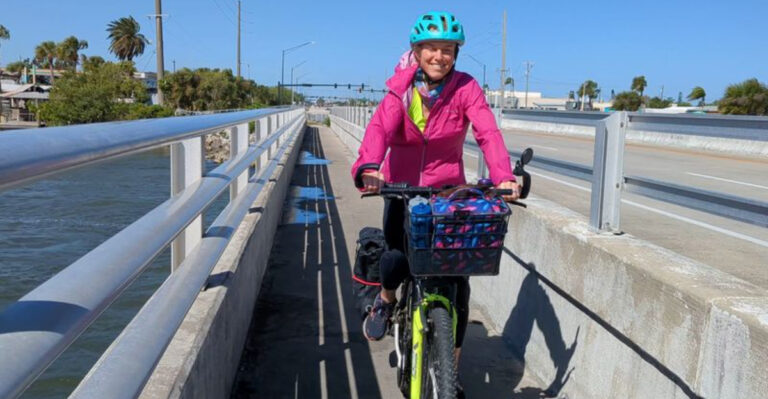
Bikes are available for rent at reasonable prices, though overnight campers can’t keep them at their sites. That’s a minor inconvenience considering how much ground you can cover on two wheels. The trails connect the campground, ranger station, beach, and various points of interest across the island.
Along the way, you might spot gopher tortoises, armadillos, or countless bird species. The island serves as an important stopover for migratory birds, making it a hotspot for birders during spring and fall. Interpretive signs along some trails explain the ecosystem and the island’s history.
One popular route leads to the historic Pioneer Cemetery, a fascinating glimpse into the island’s past when a small community lived here. The cemetery sits quietly among the trees, a reminder that this
5. Bay Side Versus Gulf Side Exploration
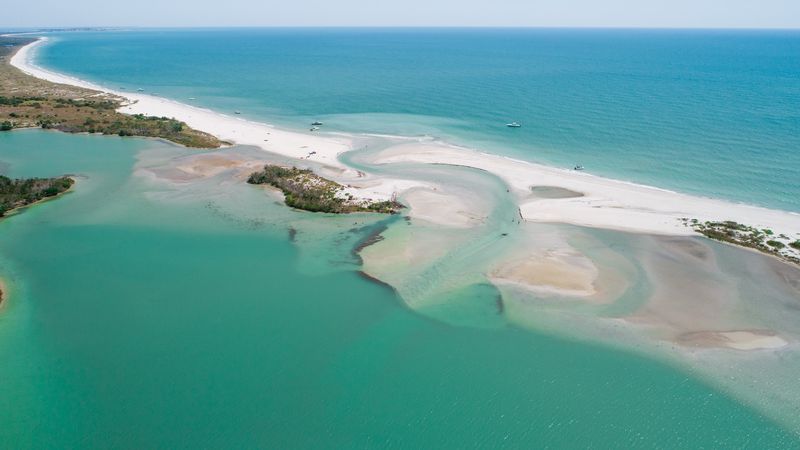
Cayo Costa offers two completely different coastal experiences depending on which side you explore. The Gulf side delivers classic beach vibes with rolling waves and shell-strewn sand, while the bay side presents calm, shallow waters perfect for wading and wildlife watching. Each has its own personality and appeal.
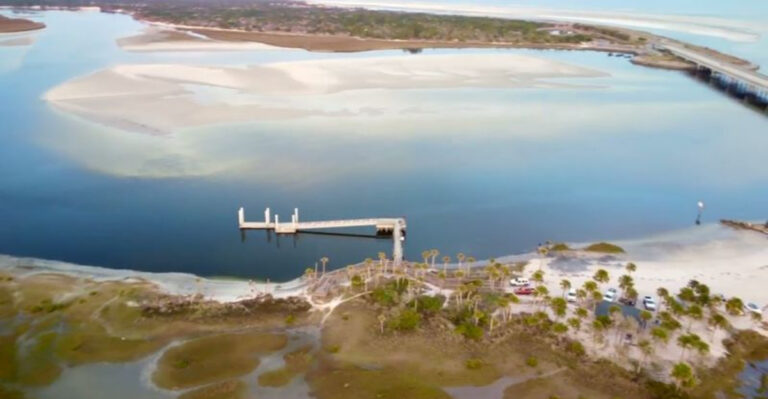
The bay side, facing Pine Island Sound, features sandbars that emerge at low tide, creating temporary islands you can walk out to. The water here is typically warmer and more protected, making it ideal for families with small children or anyone who prefers gentle conditions. Mangroves line portions of the shore, creating nursery habitat for fish and invertebrates.
Dolphins frequent both sides of the island, but bay-side sightings often allow for closer, longer viewing as the animals feed in the shallows. Bring polarized sunglasses to spot rays, small sharks, and schools of fish moving through the clear water. It’s a completely different vibe from the Gulf—more intimate and discovery-focused.
Many visitors make a point of experiencing both coasts during their stay. The contrast highlights the ecological diversity packed into this relatively small barrier island. Whether you’re after wave action or tranquil wading, you’ll find your spot.
Just remember that the tram only goes to the Gulf beach, so reaching the bay side requires walking or biking.
6. Ranger Station And Essential Services
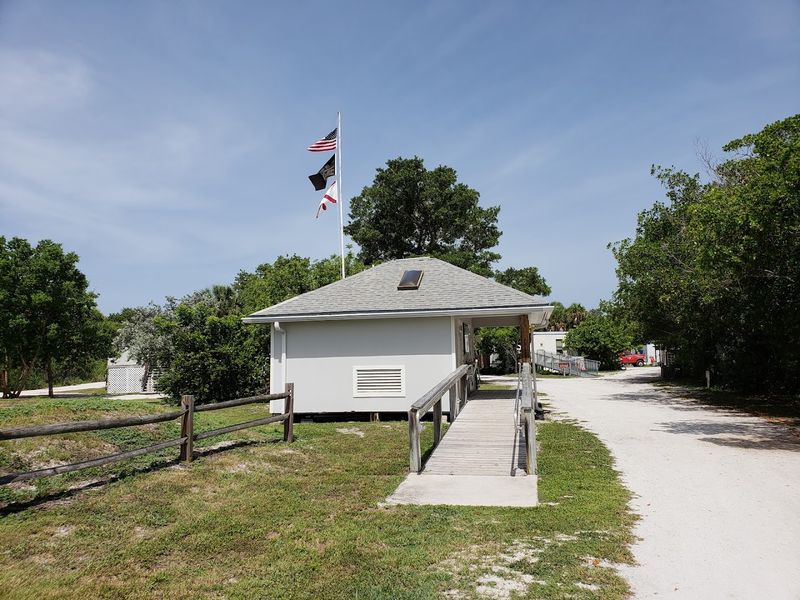
The ranger station at Cayo Costa serves as your information hub and the only place to access basic supplies once you’re on the island. Rangers here are genuinely helpful, offering updated maps, tide charts, weather information, and insider tips on where to spot wildlife or find the best shells that day.
The attached store is small but thoughtfully stocked with essentials like sunscreen, bug spray, snacks, cold drinks, and a few camping supplies. They also sell ice and firewood, which saves campers from hauling those items on the boat. Don’t expect full grocery shopping, but if you forgot something minor, they’ve probably got you covered.
Clean restrooms with running water and soap are located near the ranger station and at several points along the trails. These facilities are surprisingly well-maintained for such a remote location. There are also outdoor showers for rinsing off salt and sand after beach time, though the water isn’t heated.
The rangers genuinely care about preserving this special place, and their passion shows in how they interact with visitors. They’ll happily discuss the island’s ecology, history, and the ongoing restoration efforts following Hurricane Ian. Stop by when you arrive—the few minutes spent chatting with them will enhance your entire visit and help you make the most of your time on the island.
7. Wildlife Encounters You Won’t Forget
Wildlife sightings at Cayo Costa aren’t just possible—they’re practically guaranteed if you pay attention. Dolphins are the stars of the show, frequently spotted from the beach, the boat dock, or even while swimming. Watching a pod work together to herd fish into shallow water is mesmerizing and happens more often than you’d think.
The island hosts an impressive variety of bird species, from ospreys and herons to roseate spoonbills and the occasional bald eagle. Early morning and late afternoon offer the best birding, when the light is soft and the birds are most active. Bring binoculars if you have them—you’ll use them constantly.
Sea turtles nest on these beaches during summer months, and if you’re camping overnight during nesting season, you might witness hatchlings making their dash to the sea. Rangers provide guidelines for respectful viewing that doesn’t disturb these protected creatures. It’s an emotional, unforgettable experience that underscores why places like Cayo Costa matter so much.
Even the smaller creatures capture attention here. Hermit crabs scuttle across the sand in comical fashion, ghost crabs pop in and out of their holes, and at low tide, the sandbars reveal starfish and urchins. The absence of development means wildlife behaves naturally, not accustomed to being fed or bothered by humans, which makes every encounter feel authentic and special.
8. Planning Your Visit For Maximum Enjoyment
Timing matters at Cayo Costa, and a little preparation goes a long way toward ensuring a great experience. Weekdays are significantly less crowded than weekends, especially during peak season from December through April. If you have flexibility, aim for a Tuesday or Wednesday when you’ll practically have the place to yourself.
Pack smart because once you’re on the island, you’re committed. Bring more water than you think you’ll need, plenty of sunscreen, bug spray with high DEET, and snacks. A pop-up shade tent is worth its weight in gold on the beach.
If you’re camping, triple-check your gear list because running back to the mainland for forgotten items isn’t really an option.
The park is open 8 AM to 5 PM daily, and most charter services work within those hours. Book your boat transportation in advance, particularly during busy season when spots fill up quickly. If you’re camping, reserve your cabin or site well ahead—this place books out months in advance for good reason.
Check recent reviews and the park’s website for updates on facilities and conditions, especially post-hurricane. Some areas may be temporarily closed for restoration. Embrace the primitive nature of the experience rather than fighting it—Cayo Costa rewards visitors who come prepared to meet it on its own terms, and those who do leave with memories that last a lifetime.