If You Grew Up In South Florida, This Dying Mall Will Hit You Right In The Memories
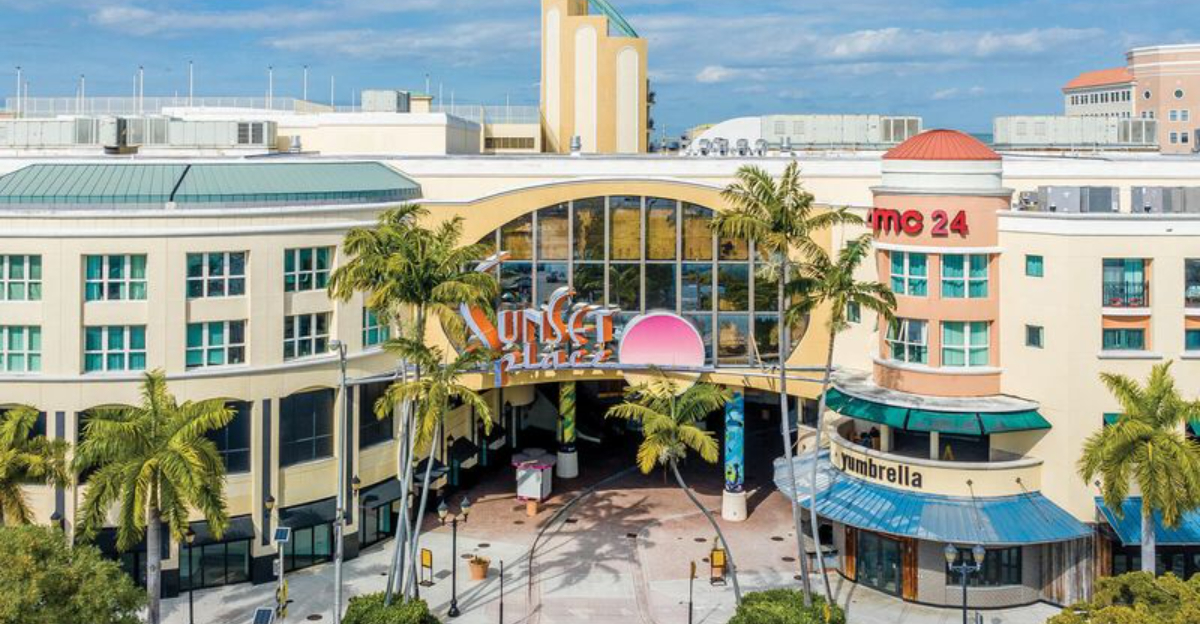
The Shops at Sunset Place in South Miami once stood as a vibrant hub where locals gathered to shop, catch movies, and hang out with friends. Today, this open-air mall tells a different story, with empty storefronts and quiet walkways replacing the bustling energy it once had. For anyone who grew up in South Florida during the late 90s and early 2000s, walking through Sunset Place now feels like stepping into a time capsule that triggers waves of nostalgia mixed with sadness about what’s been lost.
1. That Iconic Art Deco Architecture Everyone Remembers
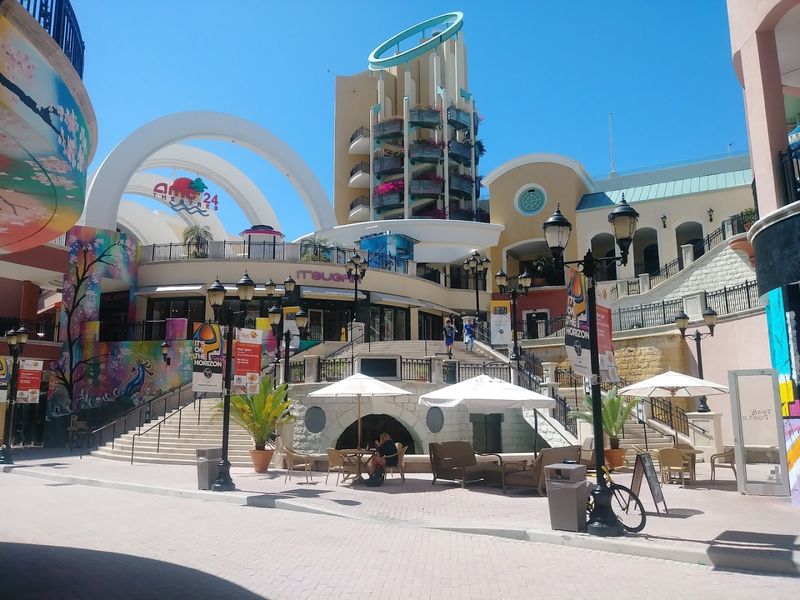
Walking into Sunset Place feels like entering a postcard from Miami’s design heyday. The Art Deco styling made this mall stand out from every cookie-cutter shopping center in South Florida. Bright colors, geometric patterns, and that unmistakable tower became landmarks that locals used to give directions.
The murals covering the parking garage walls turned a normally boring structure into something Instagram-worthy before Instagram even existed. Bold tropical colors and abstract designs gave the whole place a vibe that screamed South Florida cool. Even now, with most stores shuttered, those artistic touches remain as reminders of what made this place special.
Architects designed Sunset Place to embrace Florida’s outdoor lifestyle with open-air walkways and natural ventilation. The layout encouraged people to stroll and explore rather than rush through climate-controlled corridors. Fountains and landscaping added tropical flair that made shopping feel like a mini vacation.
That central tower with flowers around its base became the meeting spot for countless groups of friends. The whole design philosophy celebrated South Florida’s unique culture and climate. Today, the architecture stands as the last beautiful remnant of Sunset Place’s glory days, a monument to what ambitious retail design once looked like in our corner of the world.
2. GameTime Arcade Still Holding On Strong
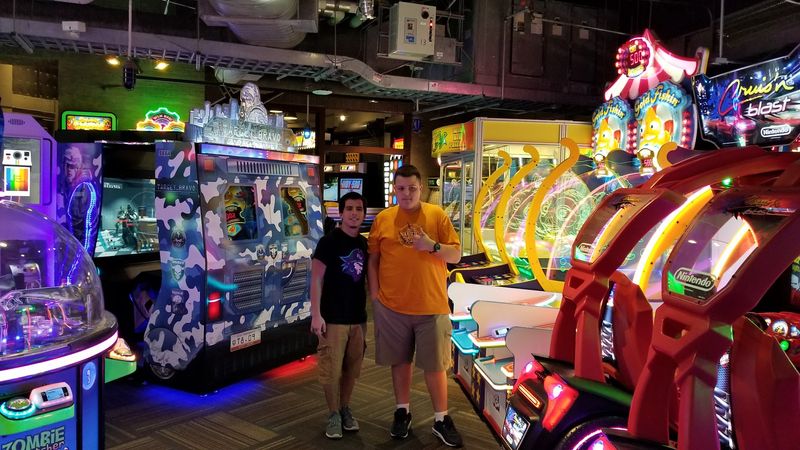
GameTime remains one of the few businesses still thriving at Sunset Place, packed with people even as the rest of the mall sits empty. This arcade and bowling alley combo became the last holdout against the retail apocalypse. Neon lights still flash, games still beep and buzz, and the sound of bowling balls crashing into pins echoes through otherwise silent hallways.
Generations of South Florida kids celebrated birthdays here, competing at air hockey and racing games. The restaurant section served up decent food while families bowled a few frames. GameTime understood that experiences matter more than stuff, which probably explains why it survived when clothing stores couldn’t.
The contrast between GameTime’s energy and the ghost town surrounding it creates an eerie feeling. You walk past empty storefronts and dead escalators, then suddenly find yourself in this buzzing hub of activity. It’s like discovering the last outpost of civilization in a post-apocalyptic wasteland.
Kids today still make memories at GameTime just like their parents did years ago. The business adapted and persisted while others gave up and moved out. Visiting GameTime now feels bittersweet, knowing it represents both survival and everything else that was lost around it in this dying mall.
3. AMC Theater That Hosted Countless First Dates
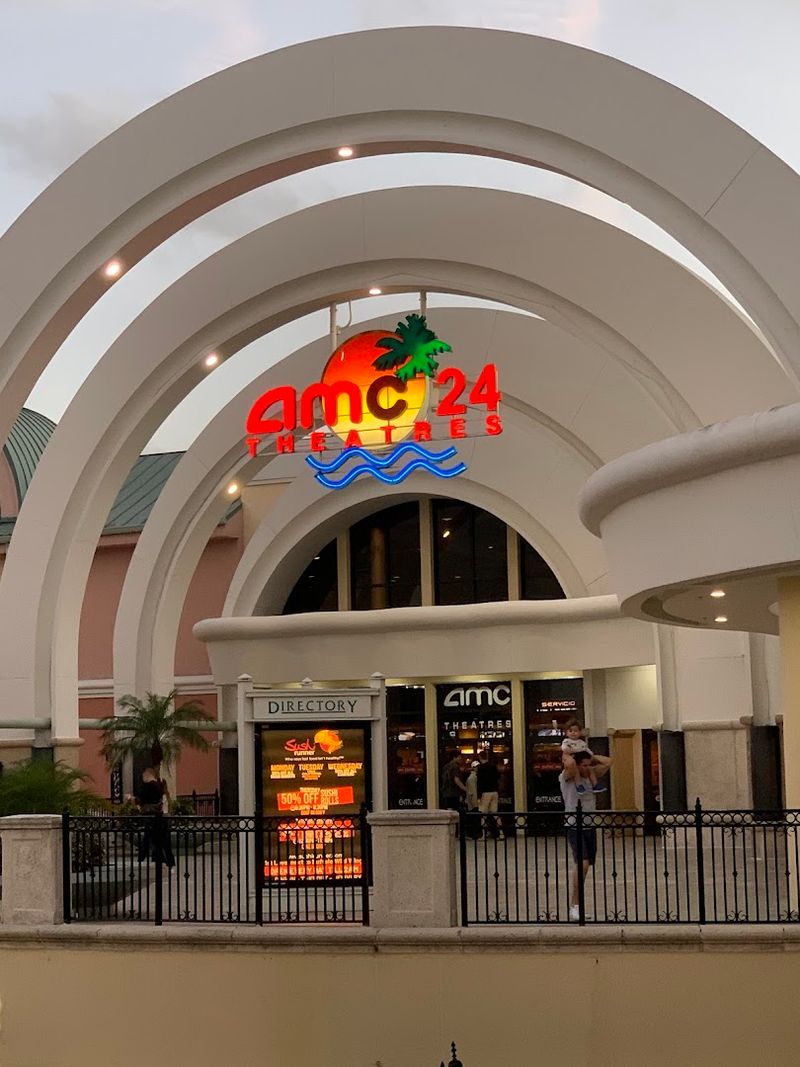
The AMC Theater at Sunset Place witnessed more awkward first dates and friend hangouts than anyone could count. That IMAX screen drew crowds from across Miami-Dade County for blockbuster premieres. Stadium seating felt revolutionary when it first arrived, making every other theater seem outdated and cramped.
Teenagers spent entire weekends here, buying tickets to one movie then sneaking into others. The theater lobby became prime territory for running into classmates and crushes. Parents dropped kids off for Saturday matinees, giving everyone a taste of independence in a relatively safe environment.
The concession stand prices always seemed outrageous, but that didn’t stop anyone from loading up on popcorn and candy. That particular smell of movie theater butter mixed with new carpet became permanently associated with Sunset Place memories. Late-night showings attracted college students and insomniacs looking for entertainment after everything else closed.
Even now, the AMC keeps showing films despite the mall crumbling around it. The theater’s survival demonstrates that people still crave shared experiences in physical spaces. Watching a movie here today carries extra nostalgia, knowing you’re participating in a tradition that might not last much longer as redevelopment plans loom over the entire property.
4. Barnes and Noble Where You Actually Read Books
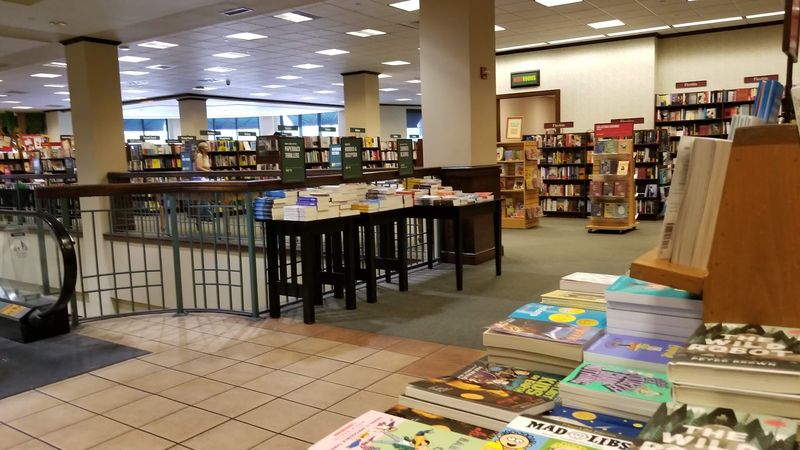
Barnes and Noble at Sunset Place functioned as South Miami’s unofficial community center for book lovers and coffee addicts. The cafe area hosted study groups, first dates over lattes, and people pretending to write screenplays. You could spend hours browsing without anyone pressuring you to buy anything, a retail philosophy that seems quaint now.
High schoolers camped out in the magazine section, reading without purchasing while sipping overpriced Frappuccinos. The children’s section featured story time events that introduced kids to reading. College students treated the place like a free library, taking notes from textbooks they had no intention of buying.
Finding obscure books felt like treasure hunting before Amazon made everything available instantly. Staff recommendations actually mattered, and discovering a new author through a hand-written shelf note created genuine excitement. The smell of fresh books and coffee became the scent of intellectual possibility.
This Barnes and Noble survived when many other locations closed nationwide, proving South Miami still values physical bookstores. Walking in now feels like visiting a museum exhibit about pre-digital retail. The store remains busy enough to justify staying open, one of the precious few anchors keeping Sunset Place from complete abandonment as demolition plans threaten its future existence.
5. Those Broken Escalators Nobody Fixed
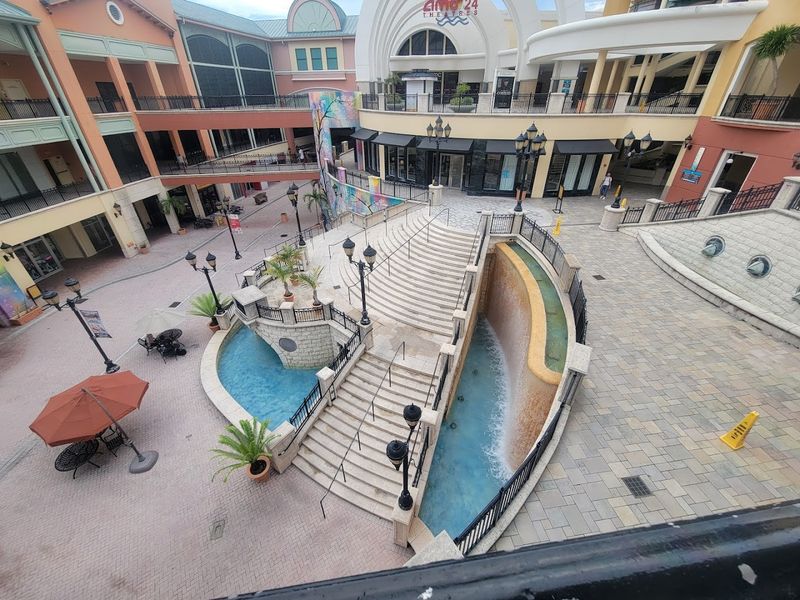
Nothing symbolizes Sunset Place’s decline quite like the perpetually broken escalators scattered throughout the property. Half of them stopped working years ago and never got repaired. Caution tape and out-of-order signs became permanent fixtures, forcing shoppers to hunt for functioning alternatives or just take the stairs.
The broken escalators created accessibility nightmares for elderly visitors and parents with strollers. What should have been simple vertical movement turned into frustrating obstacle courses. Mall management apparently decided fixing them wasn’t worth the investment as tenant after tenant fled the property.
Elevators joined the escalators in their state of disrepair, often stuck between floors or simply not responding when you pushed the call button. The whole situation made Sunset Place feel neglected and unsafe. Visitors wondered what other maintenance issues lurked behind the scenes if something as basic as escalators went unfixed.
These broken conveyances told the real story of Sunset Place’s financial troubles better than any news article could. When a mall stops maintaining basic infrastructure, you know the end is near. The contrast between the beautiful architecture and the busted escalators perfectly captured the tragedy of watching something once great fall into ruin through simple neglect and changing consumer habits that nobody could reverse.
6. Empty Storefronts Creating Liminal Space Vibes
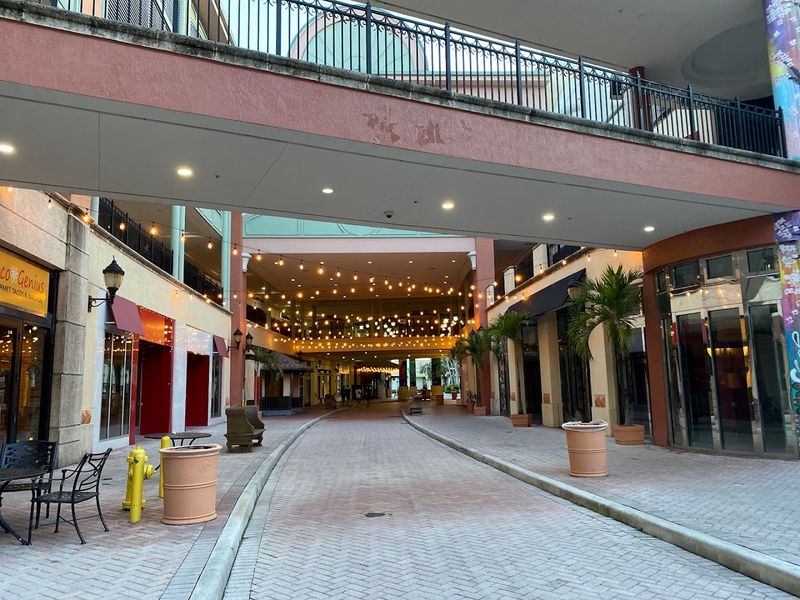
Wandering through Sunset Place today feels like exploring a level from a surreal video game about abandoned retail spaces. Empty storefronts with dusty windows line walkways where crowds once flowed. For lease signs hang in windows that haven’t seen tenants in years, their phone numbers faded from sun exposure.
The eerie quiet amplifies every footstep and distant conversation. Spaces that once hummed with transaction and interaction now sit frozen in time. You can still see outlines on walls where store signs used to hang, ghost images of commerce past.
Internet culture embraced these liminal spaces as aesthetically fascinating, and Sunset Place delivers that vibe in abundance. The mall exists in a strange purgatory between fully operational and completely demolished. Walking through triggers weird nostalgia mixed with unease, like visiting your childhood home after it’s been abandoned.
Some people actually visit Sunset Place specifically to experience and photograph this apocalyptic retail landscape. The beauty in decay attracts urban explorers and nostalgia seekers. What was once depressing has become oddly compelling, a monument to how quickly the world moves on from places that seemed permanent just a generation ago, leaving behind these hollow shells as reminders of capitalism’s temporary nature.
7. Tea and Poets Cafe That Refused to Leave
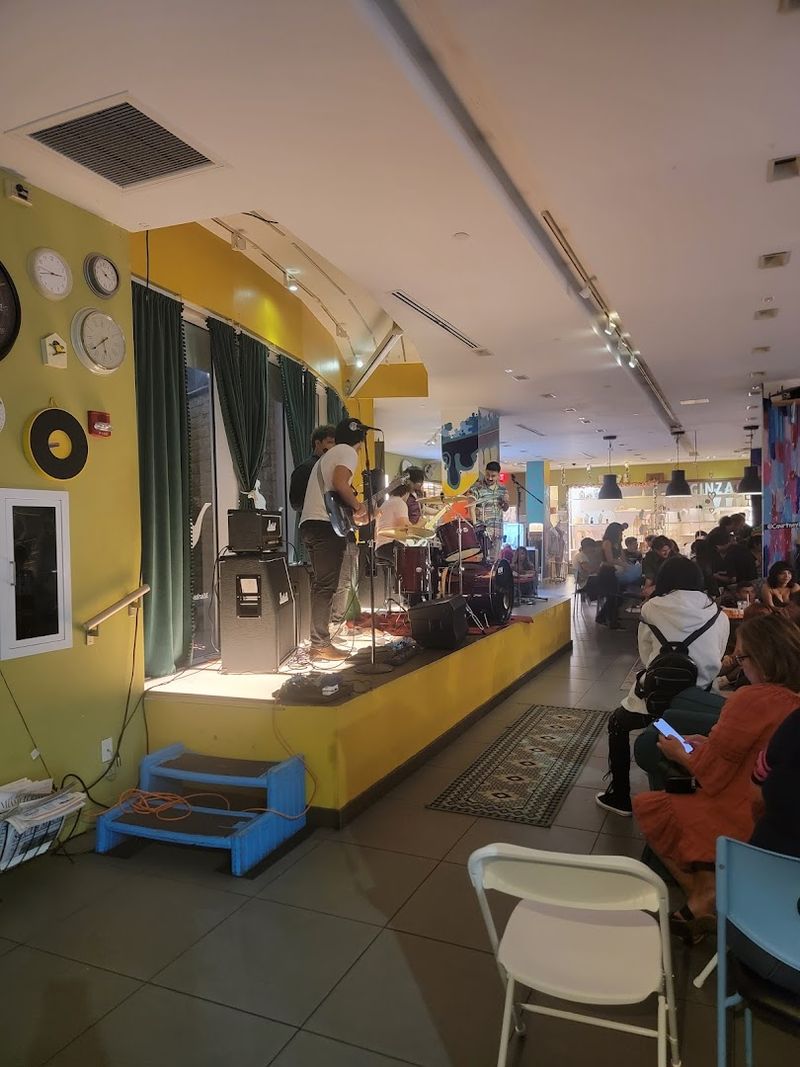
Tea and Poets stood as a quirky holdout among the corporate chains that dominated Sunset Place during its prime. This little hippie cafe offered loose leaf teas, poetry readings, and a vibe completely different from everywhere else in the mall. Mismatched furniture and local art on the walls created an atmosphere that felt more like someone’s living room than a retail space.
The cafe attracted an eclectic crowd of artists, students, and people who didn’t quite fit the South Miami country club stereotype. Open mic nights gave local poets and musicians a platform when few other venues would. The menu featured vegetarian options and herbal remedies alongside regular coffee drinks.
While massive retailers fled Sunset Place, Tea and Poets stayed put, serving its loyal customer base. The owners apparently believed in the location or couldn’t afford to move elsewhere. Either way, their persistence created an oasis of authenticity in an increasingly sterile retail landscape.
Visiting Tea and Poets now feels like supporting the underdog against impossible odds. The cafe represents independent businesses trying to survive in an era of online shopping and corporate consolidation. Every cup of tea purchased there feels like a small act of resistance against the forces that killed Sunset Place and countless other community gathering spots across America.
8. The Metrorail Connection Everyone Used
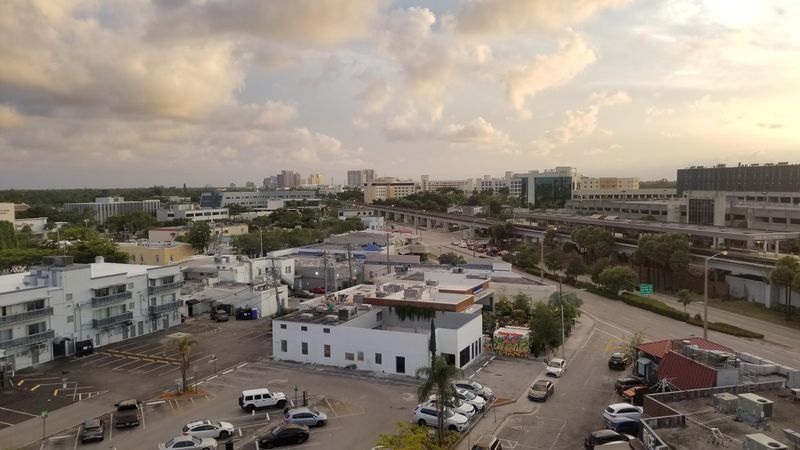
Sunset Place’s location right across from the Dadeland South Metrorail station made it uniquely accessible in car-dependent South Florida. Teenagers without driver’s licenses could take the train to meet friends at the mall. The transit connection brought customers from across Miami-Dade County, not just the immediate neighborhood.
That easy Metrorail access contributed to Sunset Place’s popularity during its heyday. College students from FIU and UM rode the train to catch movies or grab food. The covered walkway connecting the station to the mall protected riders from sudden tropical downpours that define South Florida summers.
Public transit riders formed a significant portion of Sunset Place’s customer base, unlike suburban malls that relied entirely on parking lots. The mall’s decline happened despite this built-in advantage. Changing shopping habits affected even the most conveniently located retail centers.
Today, that Metrorail connection makes visiting the dying mall easier than ever, though few people bother making the trip. The station still runs its regular schedule, trains still stop, but fewer passengers get off at Sunset Place. The infrastructure remains functional even as the destination it serves crumbles, a metaphor for how quickly purpose can disappear while the framework supporting it continues operating out of sheer momentum and institutional inertia.