This Florida Bistro Is Winning Fans With Handmade Pasta And Modern Romanian Cuisine
Tucked away in Hyde Park, Chanta is rewriting what Tampa diners expect from European cuisine. This family-run bistro brings together Romanian traditions and Mediterranean influences in ways that feel both comforting and completely unexpected.
With handmade pasta, recipes passed down through generations, and a grandmother in the kitchen who treats every plate like it’s going to her own family, this spot has quickly become the neighborhood favorite that food lovers can’t stop talking about.
Handmade Pasta That Rivals Anything You’ll Find in Italy
Walking into Chanta means stepping into a world where pasta isn’t just boiled from a box. Every strand, every pocket of filling gets shaped by hand using techniques that have survived generations.
The Saccottini Vanessa stands out as the dish that converts skeptics into regulars, with a sauce so memorable that diners joke it should be bottled and sold.
What makes this pasta special isn’t just the texture, though that perfectly tender bite certainly helps. The fillings change with what’s fresh and what the family feels inspired to create that day.
One visit might bring wild mushroom combinations that taste like a walk through European forests, while another showcases flavors you won’t find anywhere else in Tampa.
Chicago transplants who claim to be impossible to please have admitted defeat here. The dough gets rolled thin enough to let flavors shine through without disappearing into mush.
Each piece holds its shape, soaking up whatever sauce accompanies it without turning into a soggy mess on your fork.
The portions look modest when they arrive, but don’t let that fool you. This isn’t the heavy, overstuffed pasta that leaves you uncomfortable for hours afterward.
Instead, you get something satisfying that doesn’t weigh you down, letting you actually enjoy dessert without regret.
Regulars know to ask what pasta the kitchen is making fresh that day. The menu features standards you can count on, but the specials often showcase whatever creative direction the family has taken.
Sometimes that means traditional Romanian preparations, other times it leans toward broader Mediterranean influences that keep things interesting.
Service moves at a European pace here, which means your pasta arrives when it’s actually ready, not rushed out half-cooked. That extra few minutes in the kitchen translates to flavors that have time to develop properly, sauces that cling exactly right, and pasta that tastes like someone actually cares about what lands on your plate.
Romanian Grandmother Cooking In An Actual Restaurant Kitchen
Most restaurants talk about authentic family recipes while heating up food from corporate suppliers. Chanta actually has the grandmother in the kitchen, apron on, cooking dishes the same way she did back in Romania decades ago.
Meeting her as she comes out to greet tables isn’t some staged photo opportunity—it’s just how this family operates.
Her granddaughter might be your server, creating this genuinely multi-generational experience that feels more like visiting distant relatives than eating at a typical restaurant. The warmth isn’t manufactured for better Yelp reviews.
You can tell the difference between scripted hospitality and people who actually care whether you enjoy your meal.
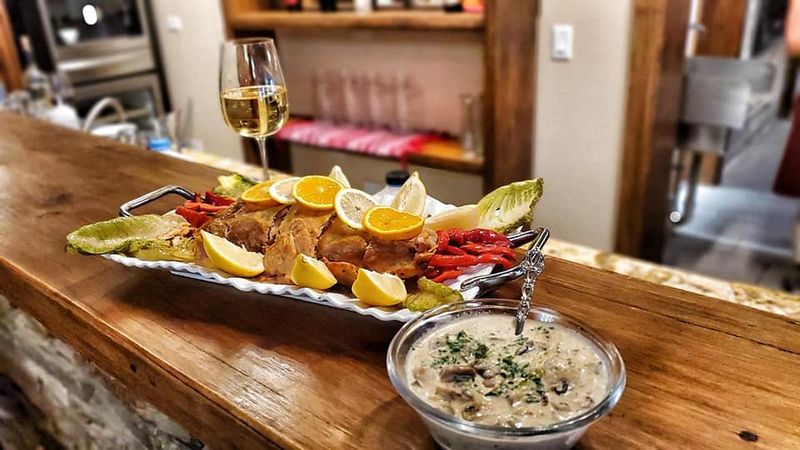
When Grandma is working the kitchen, expect dishes that taste like they required marinating meat for days and seasoning with nothing but spices and genuine affection. The Hungarian Goulash becomes more than beef stew in her hands—it transforms into the most satisfying version you’ll taste outside someone’s actual home.
The meat falls apart without needing a knife, swimming in gravy that begs for that fresh-baked bread to soak it all up.
The stuffed cabbage leaves represent another dish where her touch makes all the difference. These aren’t the sad, mushy versions that give cabbage a bad reputation.
Each roll gets filled with seasoned meat and rice, then cooked until the cabbage turns silky while still holding its shape. The sauce brings sweet and savory notes together in ways that make sense once you taste it, even if it sounds unusual on paper.
Having actual family members cooking and serving creates accountability you don’t get at corporate chains. These aren’t anonymous kitchen workers following corporate recipe cards.
Every plate represents the family’s reputation, which explains why diners report such consistent quality even months apart. When your name is literally on the restaurant, mediocre stops being acceptable.
Grilled Octopus That Looks Like Edible Art
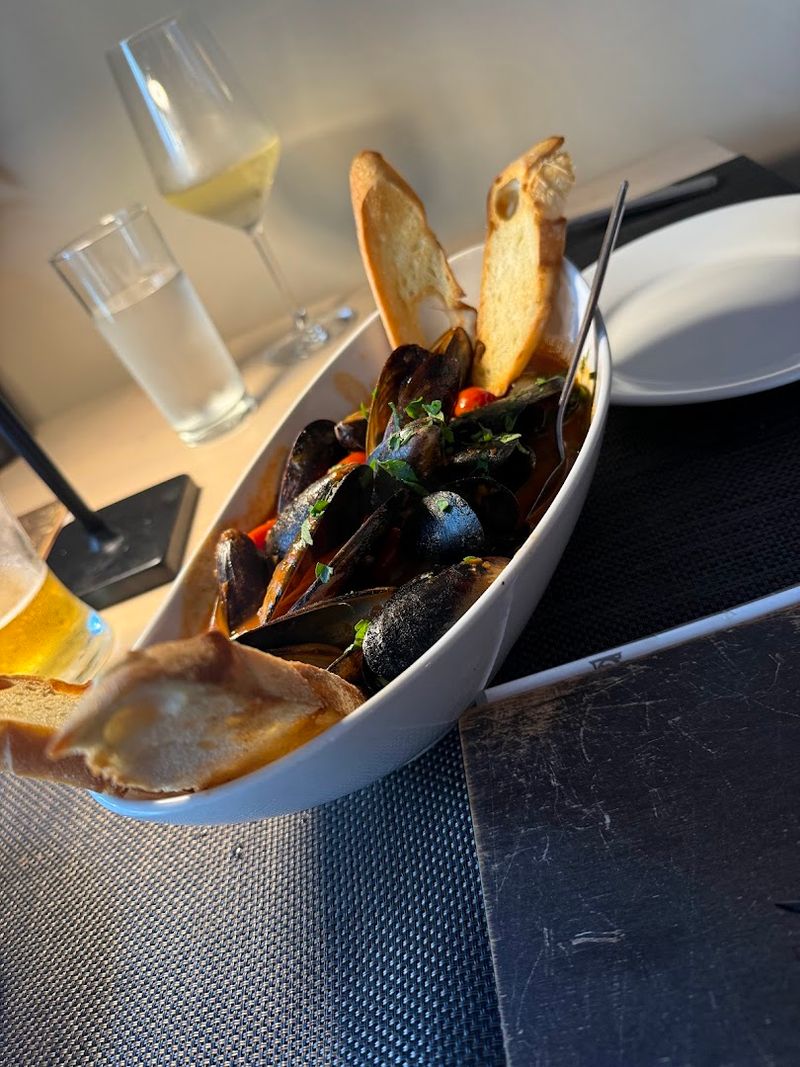
The octopus appetizer arrives looking like something photographed for a culinary magazine spread. Tentacles get arranged with an attention to visual detail that makes you pause before diving in.
The char marks create patterns across the surface, while whatever accompaniments the kitchen chooses provide color contrasts that make the whole plate pop.
Presentation matters, but taste matters more, and this octopus delivers on both fronts. The texture walks that difficult line between tender and having some chew to it—enough resistance to know you’re eating something substantial without working your jaw like you’re chewing rubber bands.
Getting octopus right requires knowing exactly when to pull it from the heat, and these folks clearly have the timing down.
Some diners call this the standout dish of their entire meal, the one item they’d order again before trying anything new. The preparation changes sometimes, reflecting whatever Mediterranean or Eastern European influence the kitchen is channeling that evening.
Sometimes it leans Greek with lemon and herbs, other times it picks up Romanian flavors that surprise people unfamiliar with how coastal Romanian cooking handles seafood.
Sharing this appetizer makes sense if you’re dining with others, though you might feel possessive once you taste it. The portion size works perfectly for two people who want a taste before moving to main courses, or one very hungry person who wants to make it their whole meal alongside some of that incredible bread.
The octopus quality itself deserves mention—this isn’t rubbery frozen stuff that never quite recovers no matter how it’s cooked. You can taste the difference when restaurants source properly and treat ingredients with respect.
The char adds smokiness without overwhelming the natural sweetness that good octopus brings to the table.
Regulars know this appetizer pairs beautifully with their wine selection, which skews European and offers bottles you won’t find at every other Tampa restaurant. The staff can guide you toward something that complements the octopus without dominating it.
Beef Wellington Big Enough To Feed Your Entire Table
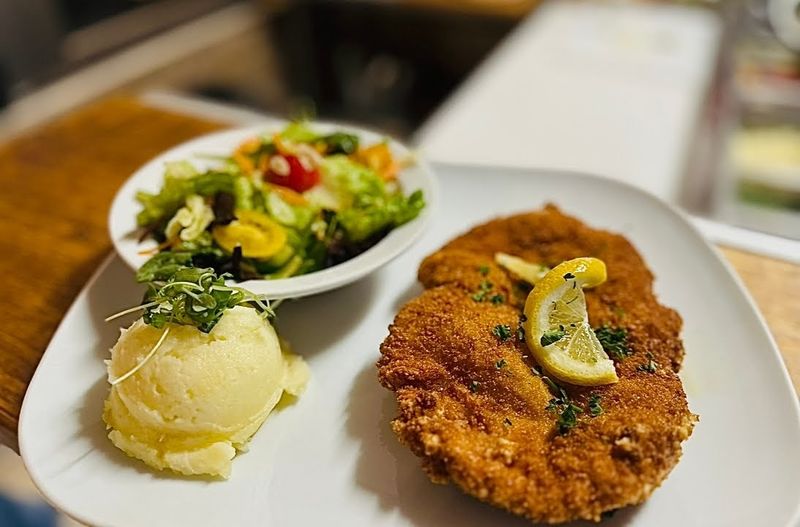
Order the Wellington and prepare for your eyes to widen when it arrives. This isn’t some dainty portion that disappears in three bites—we’re talking about a dish massive enough to share among two or three people without anyone leaving hungry.
The pastry alone probably weighs more than some restaurants’ entire entrees.
Inside that golden crust sits meat that tastes like it spent days soaking up marinade in some Eastern European grandmother’s kitchen. Because, well, it probably did exactly that.
The seasoning goes deep into the beef, not just sitting on the surface like an afterthought. Every slice reveals that perfect pink center that beef Wellington demands, surrounded by pastry that somehow stays crispy despite wrapping around all that juice.
The bread component deserves its own paragraph because it’s that good. We’re not talking about standard puff pastry from a freezer box.
This tastes homemade, with layers that shatter satisfyingly when your fork breaks through. It soaks up the meat juices without turning soggy, which takes real skill to execute properly.
Price-wise, yes, this dish costs more than your average dinner out. But when you factor in that it could genuinely feed multiple people, plus the obvious quality of ingredients and preparation time involved, it starts making more sense.
This represents special occasion food that happens to be available any night they’re open.
Diners who’ve traveled extensively through Europe compare this favorably to Wellington they’ve had in actual European restaurants, which says plenty about the authenticity happening in this Hyde Park kitchen. The family’s Romanian roots show through in the seasoning approach, creating something that feels both familiar and distinctly different from British versions of the same dish.
Come hungry, maybe skip lunch that day, and consider bringing friends who appreciate sharing. Trying to finish this solo might be possible if you’re exceptionally hungry, but you’ll miss the fun of passing plates and experiencing multiple dishes in one meal.
Chicken Schnitzel Done The Old-World Way
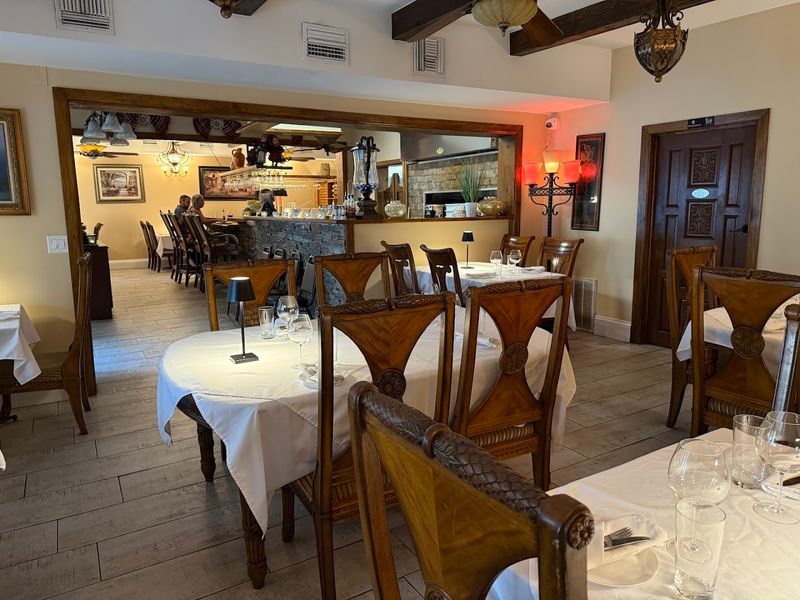
Schnitzel shows up on plenty of menus around Tampa, but most places treat it like glorified chicken fingers. Chanta approaches it with the respect this Central European classic deserves.
The breading gets pounded thin, creating maximum surface area for that golden crust to develop. Each piece comes out looking almost too pretty to cut into, though you’ll get over that hesitation quickly once the aroma hits you.
The crunch factor here separates good schnitzel from forgettable schnitzel. That first bite should make an audible sound, and this version absolutely delivers.
The coating stays intact instead of sliding off in sad, greasy sheets. Underneath, the chicken remains juicy despite being pounded flat, which takes timing and temperature control that plenty of kitchens never master.
Some reviewers mention the seasoning could be bolder, and honestly, that’s fair feedback. This leans toward traditional preparation where the quality of the meat and the perfect breading technique do most of the talking.
If you prefer aggressively seasoned food, you might find it subtle. But if you appreciate letting good ingredients shine without drowning them in spices, you’ll understand the approach.
The portion size lands in that Goldilocks zone—substantial enough to satisfy without being so massive you need a takeout box. It pairs beautifully with whatever sides the kitchen is running that day, which tend toward European comfort food rather than standard American vegetables.
Think roasted potatoes with herbs, or seasonal vegetables prepared simply to let their flavors come through.
Families with kids report this as a reliable choice for younger diners who might feel intimidated by more adventurous menu options. The familiar format of breaded chicken makes it approachable, while the execution quality introduces them to what properly prepared food should taste like.
It’s sneaky food education disguised as dinner.
Regulars sometimes order this when they want something satisfying but not heavy, especially for lunch service on weekends. It leaves you comfortably full without that post-meal food coma that ruins the rest of your afternoon.
Hungarian Goulash That Redefines What Stew Can Be
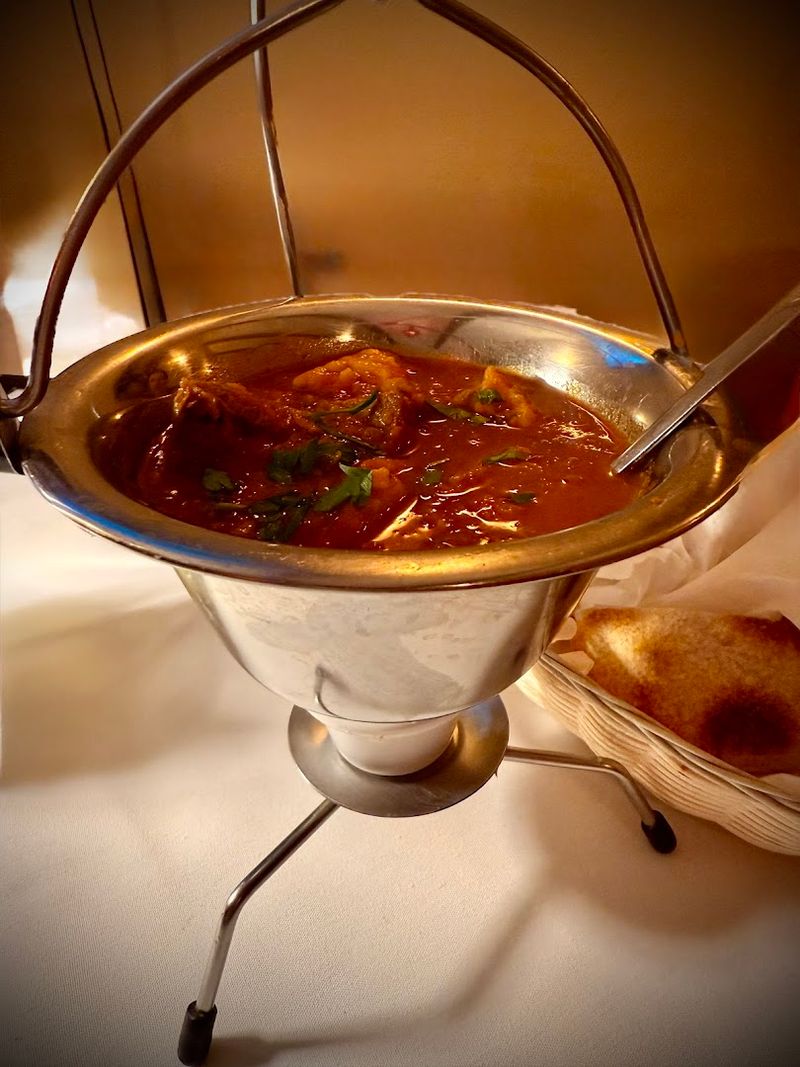
Call it stew if you want, but that label doesn’t capture what’s happening in this bowl. The Hungarian Goulash at Chanta represents generations of technique compressed into one dish that tastes like comfort food and fine dining had a baby.
The beef practically dissolves on your tongue, having spent enough time braising to forget it was ever a tough cut of meat.
The sauce brings that characteristic paprika-forward flavor profile that defines real goulash, not the Americanized versions that taste like generic tomato stew. You get layers of flavor—sweet peppers, savory beef drippings, herbs that add complexity without announcing themselves individually.
It coats your spoon thick enough to prove it spent hours reducing, concentrating all those flavors into something that tastes like someone actually cared about the outcome.
Portion sizes run smaller than the American mega-servings you might expect, which initially surprises some diners. But this richness level means a little goes further than you’d think.
Plus, you’ll want room to try other dishes or actually have dessert, which becomes impossible if you’re already stuffed from a giant bowl of stew.
The meat quality shines through here—this isn’t mystery beef parts swimming in gravy. You can see actual chunks of recognizable beef that held their shape while becoming fork-tender.
Whatever cut they’re using, combined with however long they’re braising it, creates results that make you understand why people get nostalgic about their grandmother’s cooking.
Diners who’ve eaten goulash across Eastern Europe confirm this version holds up against the authentic article. The family’s Hungarian connections apparently extend beyond just having a recipe—they understand the soul of the dish.
It tastes like food made by people who grew up eating this, not chefs who learned it from a cookbook.
Come during cooler months and this becomes the perfect remedy for those rare Tampa cold snaps. Though honestly, the AC runs cold enough in most Florida buildings that stew works year-round.
Fresh-Baked Bread That Arrives Warm To Your Table
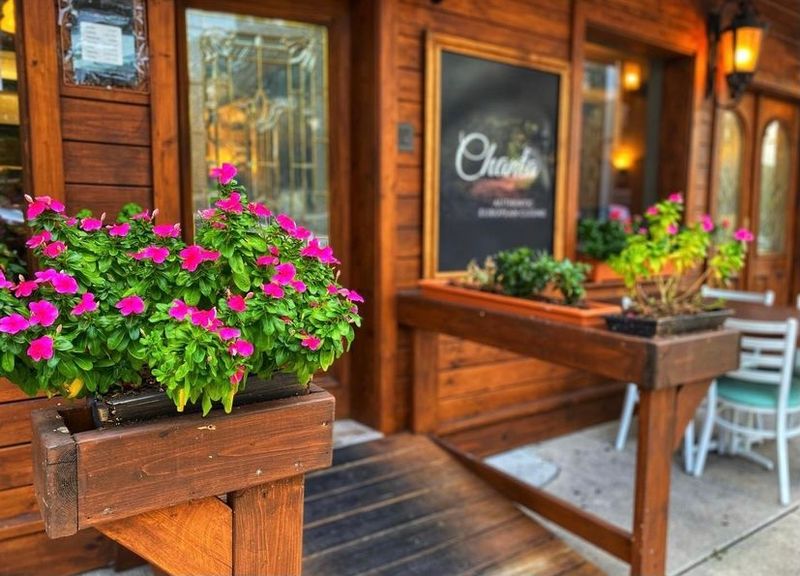
Before you even order, warm bread appears at your table. Not the sad, cold rolls from a bag that most places serve—actual fresh-baked bread that still has warmth from the oven.
The crust crackles when you tear into it, giving way to interior crumb that’s soft without being gummy. This is bread that could stand alone as a reason to visit.
The cheese bread variation comes with chili oil that adds just enough kick to keep things interesting without setting your mouth on fire. The dough gets rolled thin, creating more surface area for that satisfying crunch.
You can taste that this came together recently, not days ago in some industrial bakery across town.
That chili oil deserves its own mention—it brings warmth and flavor without overwhelming the bread itself. The balance lets you appreciate both components rather than just feeling heat.
Some diners end up ordering extra bread just to have more vehicle for that oil, which the staff happily accommodates.
The bread also serves critical duty soaking up sauces from your main courses. That goulash gravy or the sauce from the pasta dishes basically demands bread to capture every last drop.
Leaving sauce on your plate becomes nearly impossible when you have bread this good sitting right there.
Gluten-free diners obviously can’t partake, which genuinely seems like a loss based on how often reviewers specifically call out the bread. It’s not just filler between courses—it’s a legitimate part of the experience that adds to the meal rather than just filling space on the table.
The fact that they’re baking fresh bread daily, along with making pasta by hand and preparing everything else from scratch, explains why this place can’t operate like a typical restaurant with massive seating and quick turnover. Quality takes time, and that time investment shows up in every basket of bread that hits the tables.
First-time visitors sometimes fill up on bread before their entrees arrive, which is both understandable and slightly tragic since you’ll want room for everything else.
Wine Selection That Brings Europe To Hyde Park
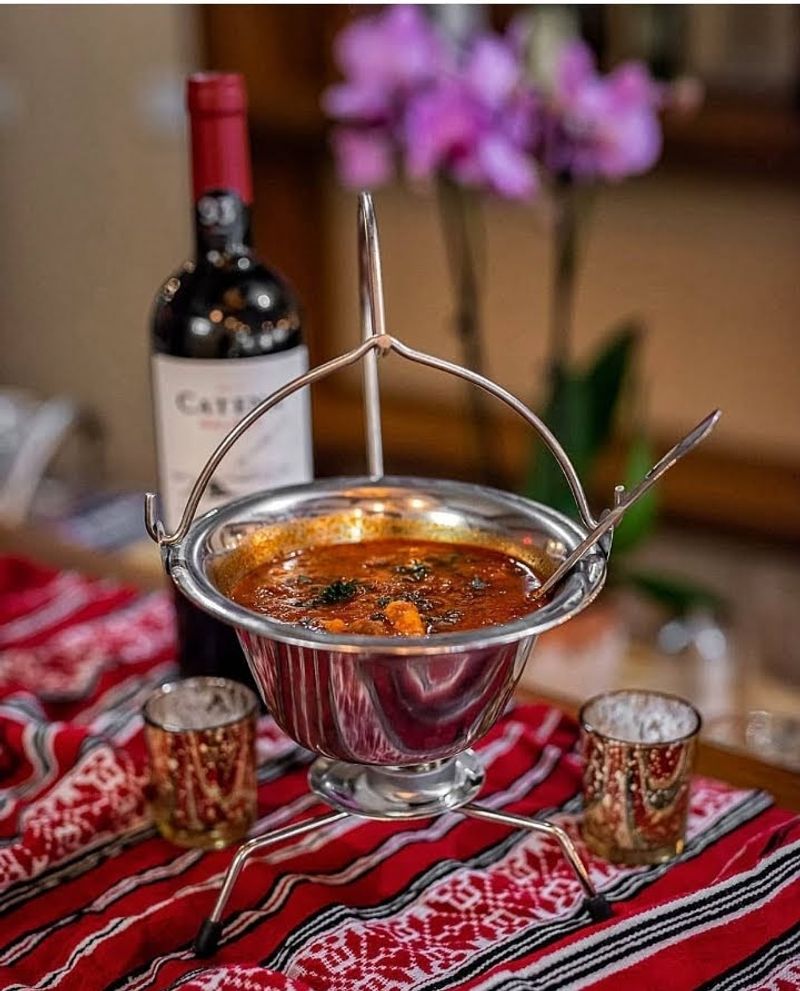
The wine list here skews heavily European, which makes perfect sense given the food’s origins. You’ll find bottles that don’t show up at every other Tampa restaurant, selections that actually complement the Romanian and Mediterranean flavors coming from the kitchen.
The staff knows their inventory well enough to guide you toward pairings that enhance your meal rather than just selling you the most expensive bottle.
Markup exists, because of course it does—restaurants need to make money. But diners willing to invest in a good bottle report finding options that genuinely improve the whole dining experience.
That $80 bottle someone mentioned might make you wince initially, but paired with the right dishes, it transforms the meal into something more memorable than just eating dinner.
The by-the-glass selection lets you sample without committing to full bottles, which works perfectly if you’re dining solo or want to try multiple wines with different courses. The pours come proper-sized, not those stingy two-ounce tastes that disappear before you’ve finished your appetizer.
European wine regions get represented broadly rather than focusing on just one country. You might find Romanian wines sitting next to Italian and French selections, creating opportunities to explore regions you’ve never tried.
The staff can explain what makes each choice interesting without coming across like pretentious sommeliers talking down to you.
The exotic lemonade gets mentioned almost as often as the wine, which is saying something. This isn’t standard restaurant lemonade from a soda gun—it’s a crafted beverage that tastes complex and refreshing in ways that surprise people.
Some diners claim it’s among the best drinks they’ve ever had, alcoholic or otherwise.
Non-drinkers won’t feel left out here, which isn’t always true at restaurants with serious wine programs. The beverage menu offers enough interesting non-alcoholic options that you’re not stuck choosing between water and Coke.
That attention to every diner’s experience, regardless of whether they’re ordering wine, reflects the family’s genuine hospitality.
Papanashi Dessert That Ends Meals On A High Note
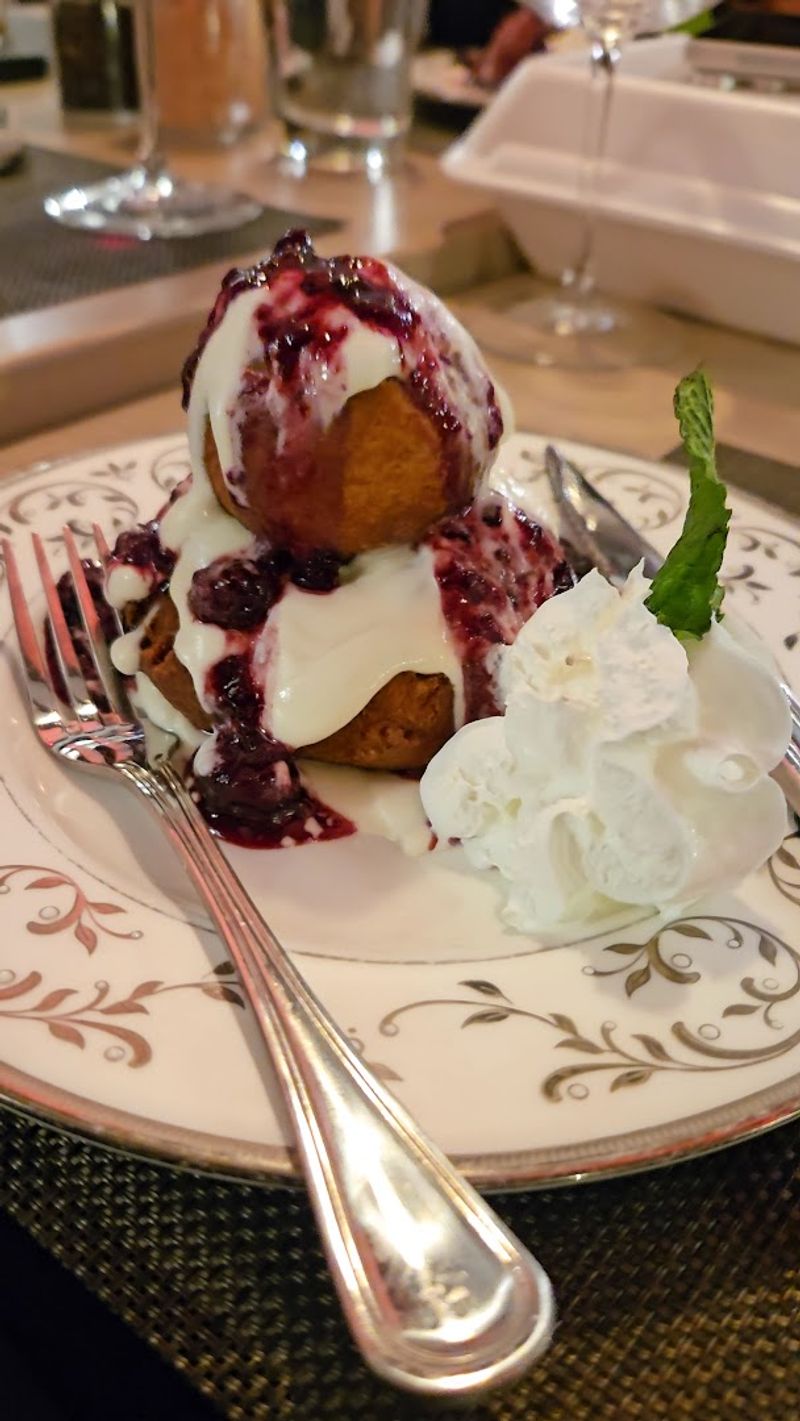
Skip dessert at most restaurants and you’re not missing much. Skip it at Chanta and you’re making a legitimate mistake.
The Papanashi brings a texture somewhere between a cruller and a popover, creating something that feels both familiar and completely new. The outside develops that satisfying crispness while the interior stays soft and slightly custardy.
This Romanian specialty doesn’t show up on many Tampa menus, which makes sense given how few Romanian restaurants exist here period. The preparation requires technique and timing—too much frying and it turns greasy, not enough and the texture falls flat.
Chanta clearly has the process dialed in based on how consistently reviewers praise this particular dessert.
The accompaniments change the experience from good to exceptional. Fresh cream and fruit jam provide contrasts in temperature, texture, and flavor that make each bite interesting.
The sweetness level hits that perfect balance where you know you’re eating dessert without feeling like you’re eating straight sugar.
Portion sizing allows you to actually finish dessert even after a full meal, unlike those massive American desserts that could feed four people. You get enough to satisfy that post-dinner sweet craving without needing to unbutton your pants or immediately regret your choices.
Sharing works if you’re dining with others, though you might not want to once you taste it.
The raspberry fluff offers another option that hits home runs according to multiple reviewers. Between these two desserts, you’re covered whether you prefer something fried and substantial or lighter and fruit-forward.
Asking your server for recommendations based on what you’ve already eaten helps ensure you end on the right note.
Some desserts don’t land as well—the Transylvanian dessert gets mixed reviews, with at least one diner reporting burnt custard. But even that reviewer still gave five stars overall, which suggests the rest of the meal more than compensated.
Sticking with the Papanashi seems like the safe bet based on the consistent praise it receives.
Family-Run Atmosphere That Actually Feels Like Family
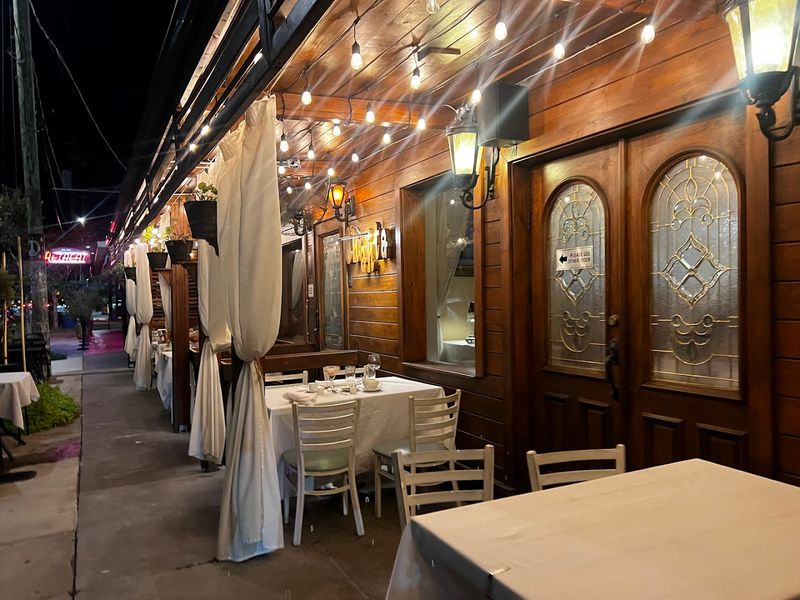
Most restaurants claim to be family-friendly or family-owned while feeling exactly like every other corporate dining experience. Chanta actually operates as a family business in ways you can see and feel throughout your visit.
The grandmother cooks, the granddaughter serves, and everyone treats you less like a transaction and more like someone they invited into their home.
This creates a warmth that’s difficult to fake. You can tell when hospitality comes from genuine care versus training manuals and employee handbooks.
When it rains and you show up soaked, they bring you blankets and invite you in to dry off before you’ve even mentioned eating there. That’s not calculated customer service—that’s just human decency that happens to occur in a restaurant setting.
The small size contributes to this intimate atmosphere. This isn’t a massive dining room with dozens of tables where you’re just another check to close.
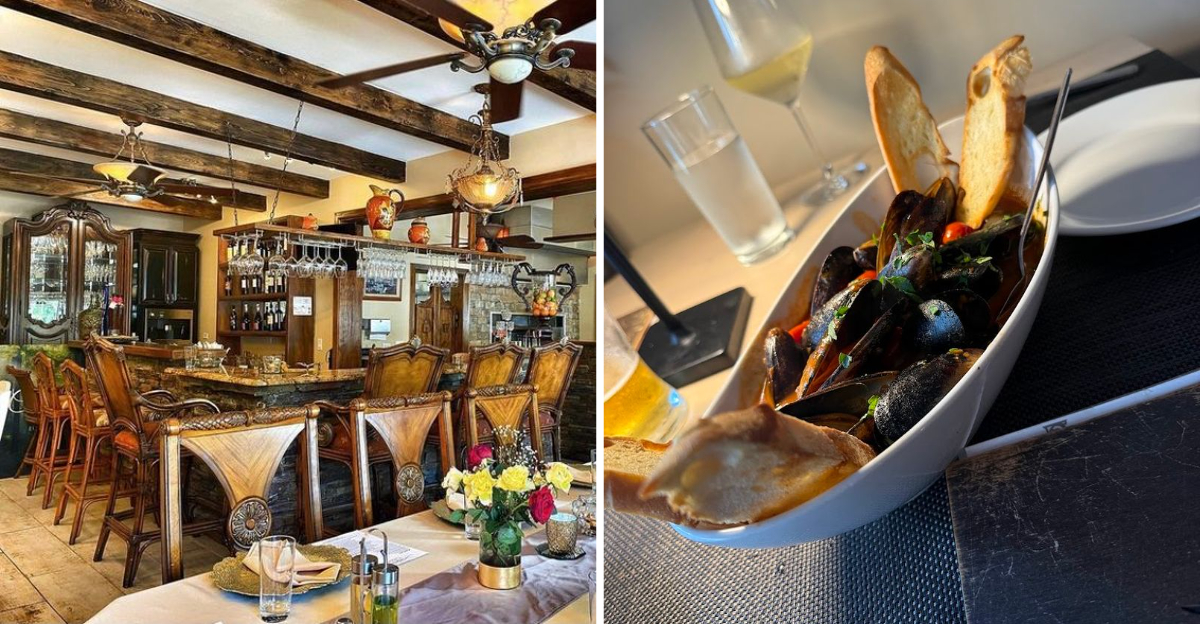
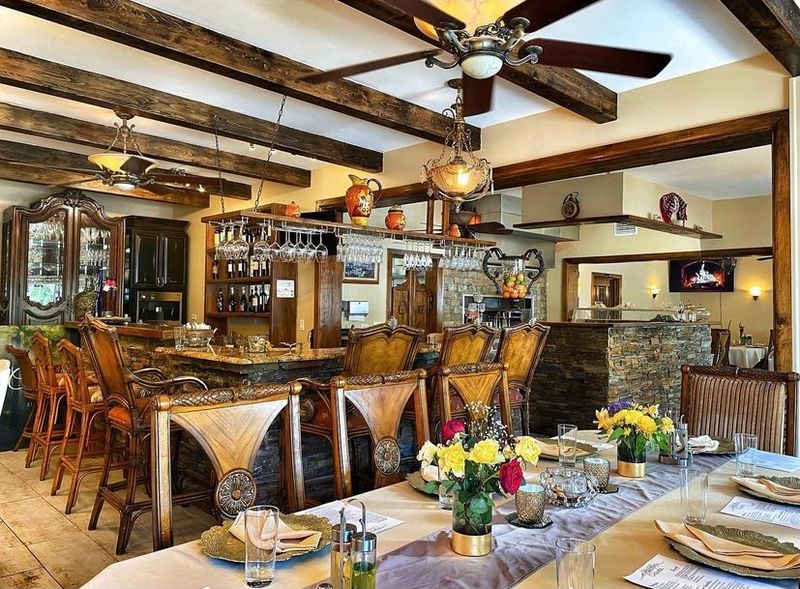
The space feels more like someone’s dining room that happens to serve the public. That coziness means noise levels can rise when it’s busy, making conversation slightly harder, but it also creates energy and warmth that sterile restaurants never achieve.
Service pacing reflects European dining culture, which moves slower than typical American restaurants. Your server won’t rush you through courses trying to turn the table.
Plates get cleared when you’re actually finished, not the second you set your fork down. Water refills might take longer than at chain restaurants where someone’s constantly circling with pitchers.
For diners who appreciate a relaxed meal where you’re encouraged to linger, this approach feels perfect. For those wanting quick in-and-out dining, it might feel slow.
The staff’s genuine friendliness shows up in small ways—remembering regulars, taking time to explain dishes, checking in without hovering. They want you to enjoy your meal, not just pay your bill and leave.
That difference in approach transforms an ordinary dinner into an experience worth repeating and telling friends about.
Location In Hyde Park Near University Of Tampa
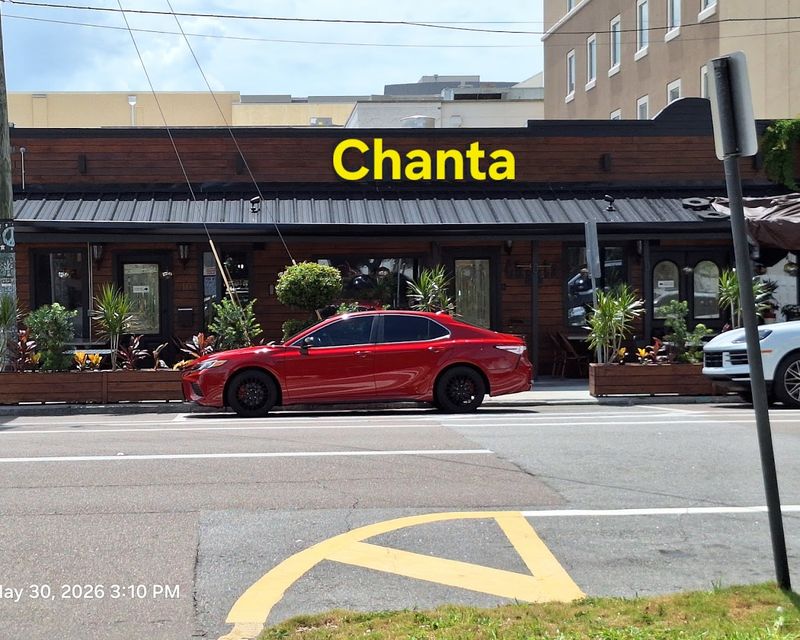
Finding Chanta means heading to Hyde Park, one of Tampa’s more charming neighborhoods. The location on South Hyde Park Avenue puts you near the University of Tampa, making it convenient for both locals and visitors exploring that area.
The neighborhood itself brings tree-lined streets and a walkable vibe that feels refreshing compared to Tampa’s more car-dependent zones.
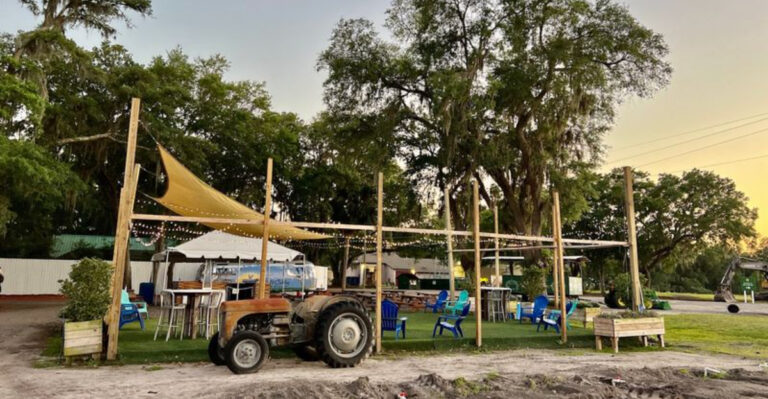
Outdoor seating extends the dining space when weather cooperates, which in Florida means most of the year. The patio provides a more casual option than the cozy interior, plus it accommodates dogs for those who want to bring their four-legged friends along.
Staff bring blankets when temperatures drop, showing that attention to comfort that characterizes the whole operation.
Parking can get interesting given the neighborhood’s popularity, but it’s manageable if you arrive slightly early or don’t mind walking a block or two. The area features enough other businesses and restaurants that you could easily make an evening of it—grabbing drinks elsewhere before or after dinner, or window shopping between courses if you need to walk off some of that Wellington.
The proximity to the Straz Center makes this a popular pre-show dinner spot for people catching performances downtown. The European-paced service means you’ll want to communicate if you’re on a schedule, but the staff can absolutely accommodate timing needs when they know about them upfront.
Groups of seven or more report having plenty of room, which isn’t always true at smaller restaurants.
Hours run Tuesday through Sunday with Monday closures, opening at 5 PM on weeknights and 11 AM on weekends. That weekend brunch/lunch service opens up different menu possibilities and lets you experience the space during daylight hours.
The late Friday and Saturday hours accommodate dinner crowds who eat on the later side.
The neighborhood’s evolution means Chanta sits among other quality dining options, but regulars suggest it’s become the frontrunner since Mise en Place relocated. That’s high praise given how beloved that previous tenant was among Tampa food enthusiasts.
Reservations Recommended For This Hidden Gem
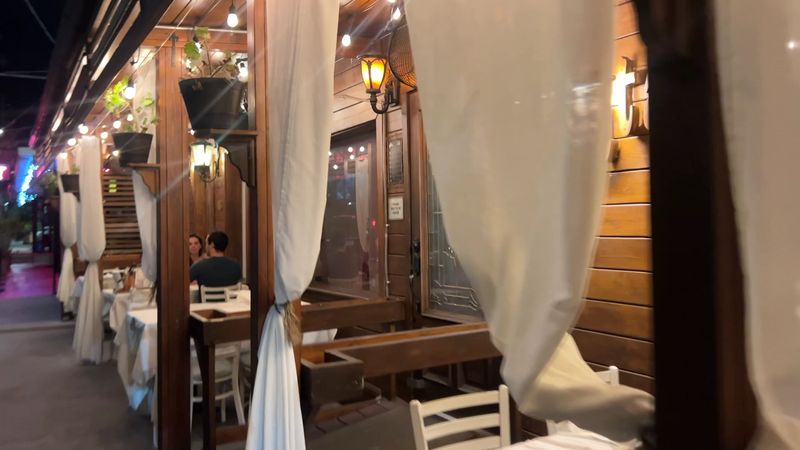
The small interior means seating fills up quickly, especially on weekends and during peak dinner hours. Calling ahead for reservations prevents the disappointment of arriving hungry only to find no available tables.
The indoor space is genuinely limited—we’re talking maybe a dozen tables at most, not some massive dining room with endless capacity.
Walk-ins sometimes get lucky, particularly if you’re flexible about sitting on the patio or arriving during off-peak hours. Tuesday and Wednesday evenings tend to be calmer than Friday and Saturday nights when everyone wants to eat out.
Lunch service on weekends offers another opportunity to snag a table with potentially less competition.
The popularity creates a legitimate concern about the restaurant being discovered by too many people. Current regulars already worry about it becoming impossible to get reservations as word spreads.
This review might contribute to that problem, but food this good deserves recognition even if it makes getting a table slightly harder.
Outdoor patio seating expands capacity but depends on weather and personal preference. Some diners report feeling slightly forgotten when seated outside, with slower service and less frequent check-ins.
Others enjoy the more relaxed patio vibe and don’t mind the extra wait between courses. Communicating your needs to the staff helps—they’re responsive when they know what you want.
The intimate size contributes to noise levels when the restaurant is full. Multiple conversations in a small space create ambient sound that makes hearing your dining companions harder.
This isn’t the place for quiet romantic whispers—think lively family dinner energy instead. If you need quieter surroundings for conversation, requesting a table away from the main cluster might help, though options are limited given the overall footprint.
Despite occasional service hiccups that come with being small and busy, most diners report experiences positive enough to return repeatedly. The food quality and genuine hospitality outweigh the logistical challenges of limited space and European-paced service for people who appreciate what this restaurant offers.