This Little-Known Florida Spot Leads To Manatees, Marshes, Birds, And Scenic Wildlife Drives
Merritt Island National Wildlife Refuge offers a wild side of Florida that most tourists never discover. This 140,000-acre sanctuary is home to hundreds of bird species, gentle manatees, sunbathing alligators, and miles of pristine marshlands that feel worlds away from the theme park crowds. Whether you’re cruising the famous wildlife drives or strolling boardwalk trails, this refuge delivers up-close encounters with Florida’s incredible natural diversity in a setting that’s as peaceful as it is thrilling.
1. Start Your Adventure at the Visitor Center
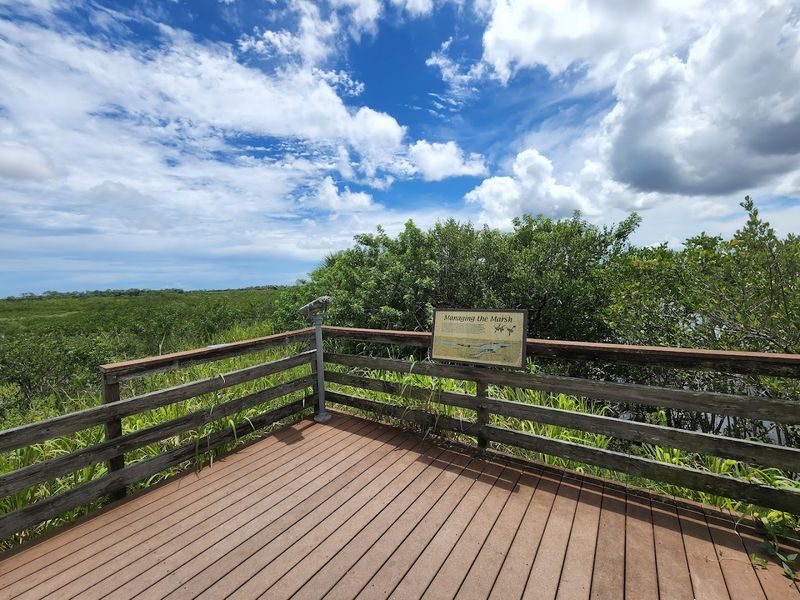
Before you head out into the wild, swing by the visitor center to get the insider scoop. Knowledgeable volunteers greet you with genuine enthusiasm and share tips on where the manatees are hanging out that day or which trails are buzzing with bird activity. The staff here aren’t just helpful—they’re genuinely excited to connect you with the refuge’s hidden gems.
Behind the center, a three-quarter-mile boardwalk winds through native habitats where you might spot painted buntings flitting around feeders or herons stalking the shallows. The facility includes clean restrooms, educational displays about local ecosystems, and accessibility features that make it easy for everyone to explore. It’s the perfect launching point for your wildlife adventure.
Visitors rave about the personalized recommendations they receive here. One guest captured a stunning photo of an osprey clutching a half-eaten fish after following a volunteer’s suggestion about timing and location. The center operates Tuesday through Saturday from 8:30 AM to 4 PM, giving you plenty of time to plan your route.
Pro tip: arrive early in the morning when wildlife is most active and temperatures are cooler. The volunteers can tell you exactly which viewing areas are producing the best sightings that particular day, saving you time and maximizing your chances of unforgettable encounters.
2. Black Point Wildlife Drive Delivers Nonstop Action
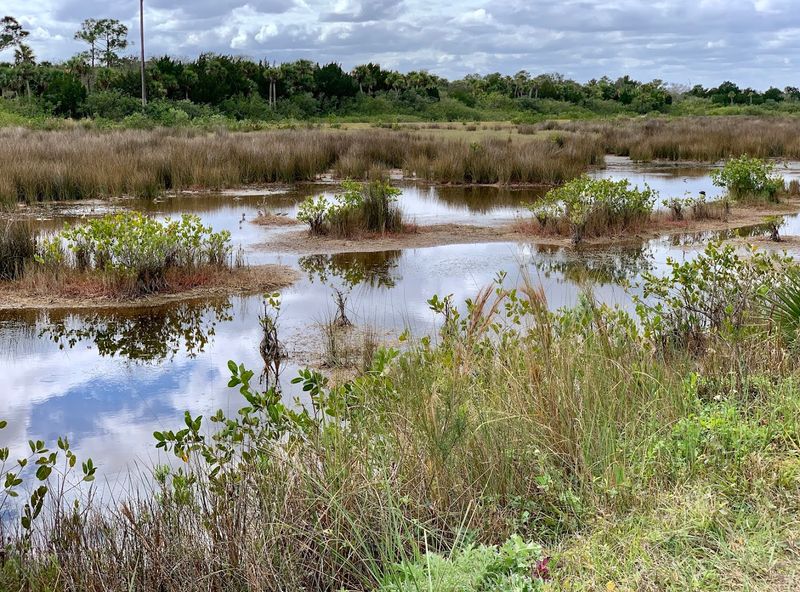
This seven-mile loop is legendary among birders and nature photographers for good reason. The single-lane gravel road meanders through salt marshes, freshwater impoundments, and coastal habitats where wildlife congregates in staggering numbers. Drive slowly—5 mph is the sweet spot—because around every bend, something remarkable awaits your discovery.
Spoonbills wade through shallow waters with their distinctive pink plumage catching the sunlight. White pelicans gather in massive rafts on open water. Alligators bask on muddy banks while ospreys patrol overhead, occasionally diving for fish with breathtaking precision.
The diversity here is genuinely world-class, rivaling any wildlife destination you’ll find anywhere.
Photographers love the multiple pullouts where you can park and set up for that perfect shot without blocking other visitors. Just remember that this is a one-way road, so patience pays off when someone ahead stops to watch a particularly interesting bird. Most people are considerate about pulling over to let others pass.
Seasonal migrations bring different species throughout the year, so repeat visits reveal entirely new wildlife communities. Winter months attract enormous flocks of waterfowl escaping northern cold, while summer showcases nesting behaviors and juvenile animals learning survival skills from their parents.
3. Manatee Viewing Spots Offer Gentle Giant Encounters
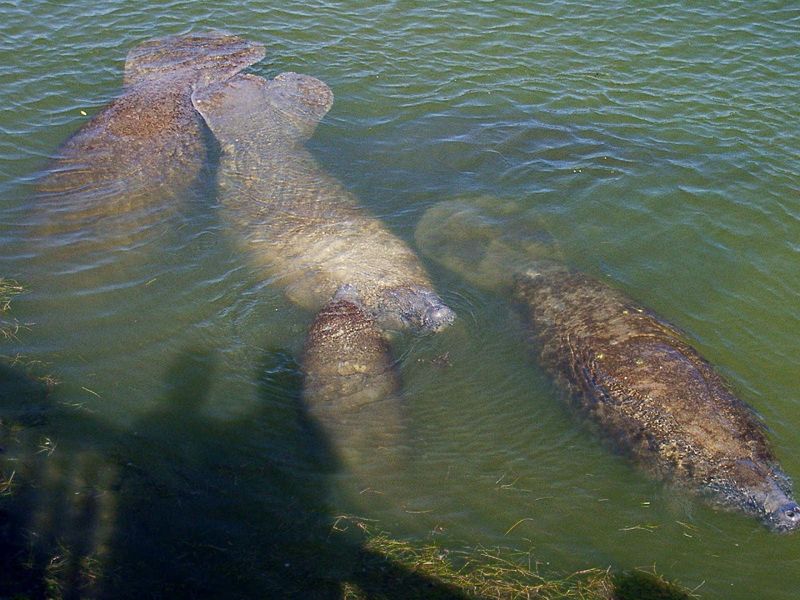
Few experiences match the thrill of watching manatees glide through crystal-clear waters just feet away. The refuge includes dedicated manatee observation areas where these thousand-pound marine mammals gather to feed on aquatic vegetation. Late October through early spring brings the highest concentrations as manatees seek warmer waters.
One visitor counted twenty manatees feeding on river bottoms, their distinctive pancake-shaped tails breaking the surface as they rolled in shallow spots. The boat launch area across from the main viewing platform often provides equally spectacular sightings. Bring binoculars to appreciate their whiskered faces and surprisingly graceful movements despite their substantial size.
These endangered creatures are protected by federal law, so viewing happens from designated platforms and shorelines. The distance actually enhances the experience—you’re observing wild animals in their natural behavior patterns rather than staged attractions. Watch them surface to breathe, mothers guiding calves, or groups socializing in deeper channels.
Timing matters significantly for manatee viewing. Cooler months bring more animals to the refuge’s warm-water springs and river systems. Early morning visits before boat traffic increases offer the calmest conditions and clearest water visibility.
Rangers and volunteers at the visitor center can direct you to the most productive viewing locations based on recent sightings and seasonal patterns.
4. Boardwalk Trails Wind Through Pristine Habitats
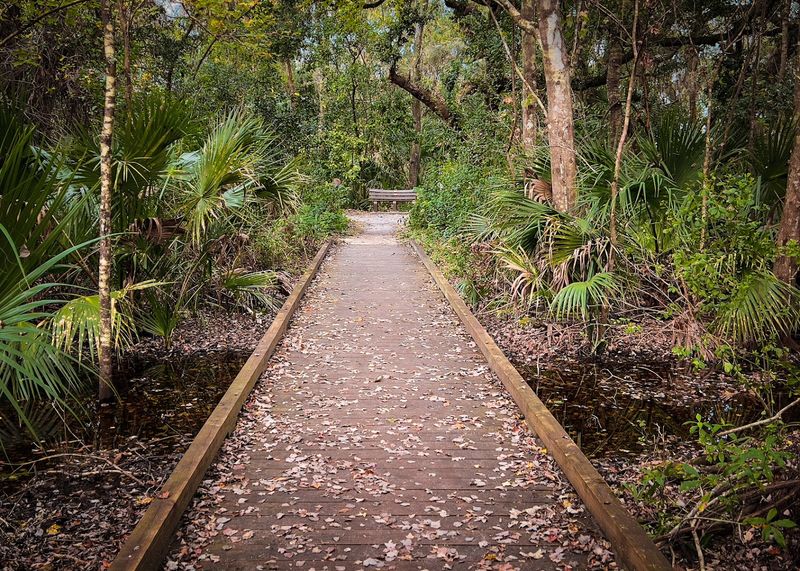
Walking trails at Merritt Island let you stretch your legs and immerse yourself in ecosystems that cars can’t access. The boardwalk behind the visitor center showcases scrub habitat, wetland edges, and transitional zones where different plant communities meet. Each environment supports distinct wildlife communities that reveal themselves to patient observers.
Short walks make these trails perfect for families with young kids or anyone preferring a gentler pace than driving. Well-maintained surfaces and handrails ensure comfortable exploration while protecting fragile vegetation from foot traffic. Interpretive signs explain what you’re seeing and help identify common species.
Birding opportunities along these trails are exceptional. Kingfishers rattle from overhanging branches before plunging after small fish. Painted buntings—arguably North America’s most colorful bird—visit feeders near the visitor center.
Herons and egrets stalk the marsh edges while hawks circle overhead scanning for prey.
The boardwalks also provide excellent vantage points for observing smaller wildlife that vehicle-bound visitors miss entirely. Box turtles lumber across the path. Lizards dart through palmetto scrub.
Even the occasional snake might be spotted at safe distance, playing its role in the refuge’s ecological balance. These walking experiences complement the driving tours perfectly, offering intimate encounters that create lasting memories of Florida’s wild side.
5. Bird Watching Reaches Epic Proportions
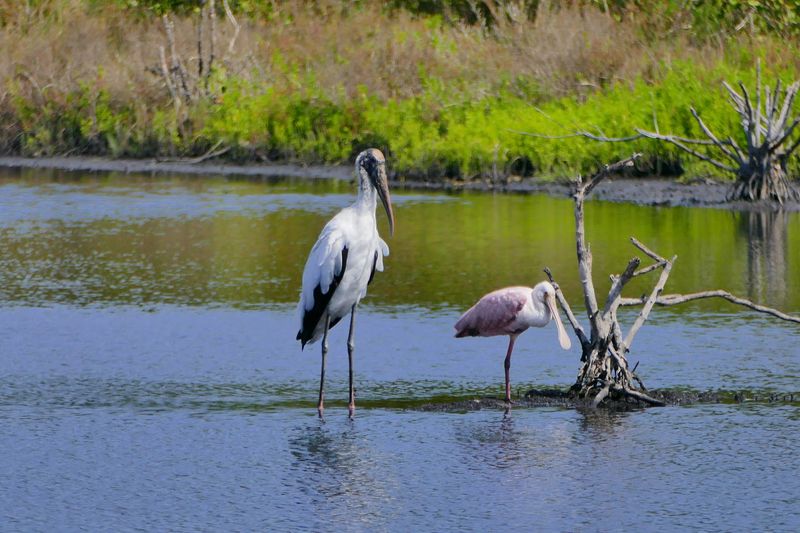
Merritt Island ranks among North America’s premier birding destinations, with over 330 recorded species using the refuge throughout the year. Whether you’re a serious lister chasing rare migrants or a casual observer enjoying beautiful creatures, this place delivers avian encounters that exceed expectations. Bring binoculars and a camera because opportunities appear constantly.
Winter months showcase the refuge at peak bird diversity. Thousands of ducks, coots, and other waterfowl blanket the impoundments. Roseate spoonbills sweep their specialized bills through shallow water.
Tri-colored herons, white egrets, and great blue herons stalk fish along every shoreline. Raptors including ospreys, bald eagles, and various hawks patrol from above.
Migration periods in spring and fall add warblers, shorebirds, and unexpected rarities that send birders scrambling with excitement. Even common species like white pelicans become extraordinary when you’re watching hundreds gather in coordinated feeding groups. The variety of habitats—from salt marshes to hardwood hammocks—supports this remarkable diversity.
Photography enthusiasts find endless subjects here. The relatively approachable wildlife combined with beautiful natural lighting creates ideal conditions for capturing stunning images. Many visitors report seeing thirty or more species in just a few hours.
September through April typically offers the most productive birding, though summer brings nesting behaviors and breeding plumage that dedicated birders appreciate equally.
6. Alligators Sunbathe Along Every Waterway
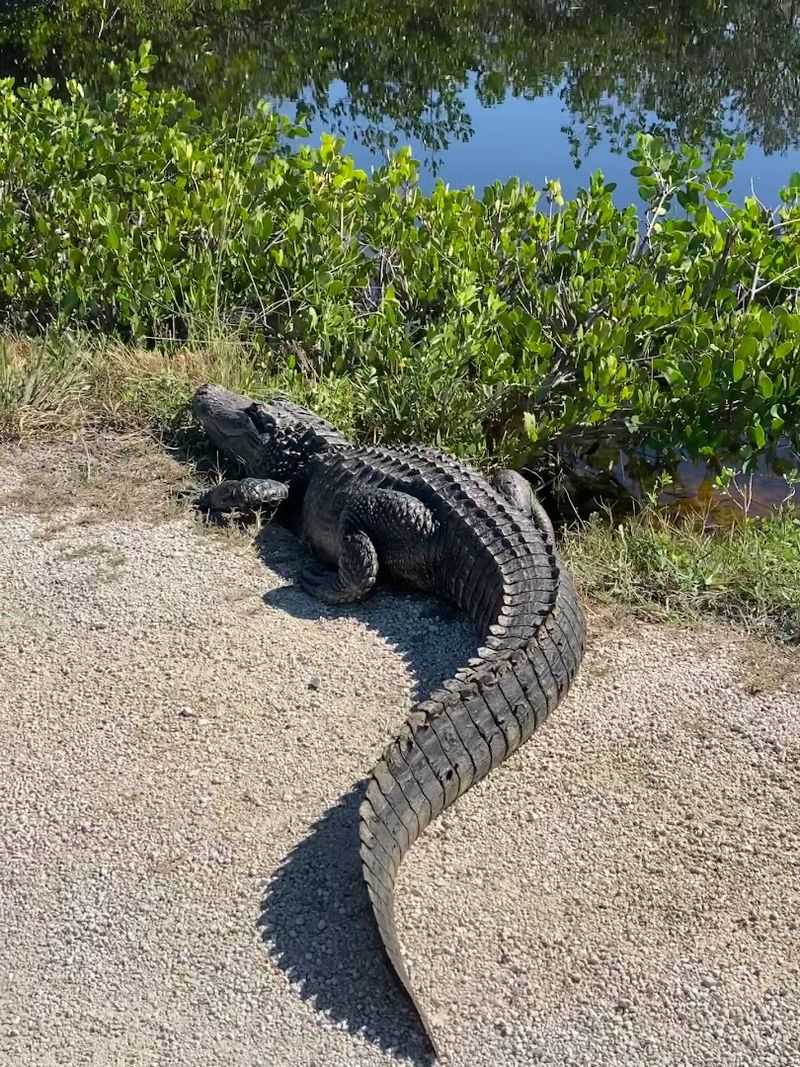
Alligators are practically guaranteed sightings at Merritt Island, especially on sunny days when these cold-blooded reptiles haul out to regulate their body temperature. From tiny juveniles to massive adults stretching over ten feet, gators populate every pond, canal, and marsh throughout the refuge. They’re fascinating to observe from the safety of your vehicle or designated viewing areas.
Watch for them floating motionless in water with only eyes and nostrils visible—a hunting technique perfected over millions of years. On cooler mornings, multiple gators often cluster on south-facing banks soaking up the first warming rays. During nesting season, females become particularly visible as they guard their egg mounds against potential predators.
Despite their fearsome reputation, alligators generally ignore human observers who maintain respectful distances. Never approach or feed them, as this dangerous behavior can habituate wildlife to human presence with tragic consequences. The refuge provides plenty of safe vantage points where you can watch these prehistoric survivors without disturbing their natural behaviors.
Photographers love the opportunities here because gators often position themselves in photogenic locations with good lighting and clean backgrounds. Patient observers might witness feeding behaviors, territorial displays, or social interactions between multiple individuals. These apex predators play crucial roles in maintaining healthy ecosystems, and seeing them in genuinely wild settings beats any zoo exhibit hands down.
7. Marshlands Stretch to Distant Horizons
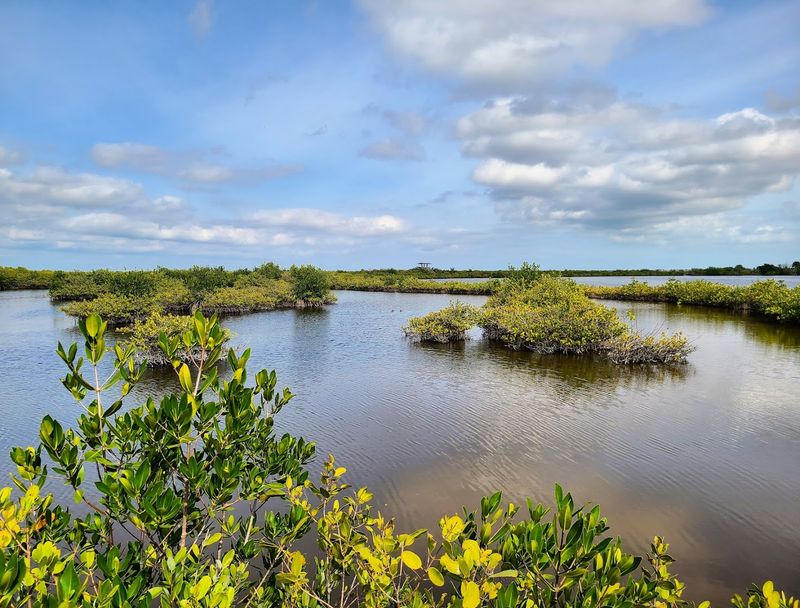
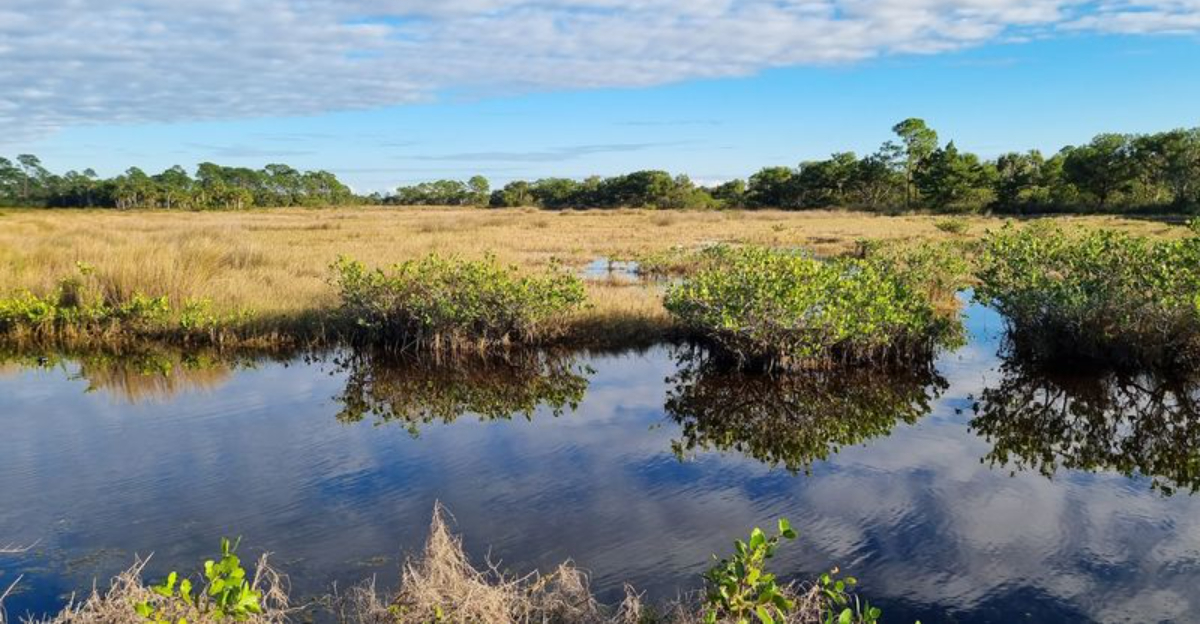
The refuge’s marshlands create landscapes that feel timeless and infinite. Cordgrass and other salt-tolerant plants wave in ocean breezes while tidal channels snake through the flats like liquid silver. These wetlands aren’t just beautiful—they’re incredibly productive ecosystems that support the entire food web from tiny invertebrates to the largest predators.
Standing at overlooks or pullouts, you can scan these vast expanses for wildlife activity. Wading birds probe the mud for crustaceans and small fish. Marsh rabbits nibble vegetation along the edges.
Diamondback terrapins sun themselves on partially submerged logs. The interplay of water, land, and sky creates ever-changing scenery that photographers find endlessly inspiring.
These marshes also provide critical buffers against storms and sea-level changes while filtering water and sequestering carbon. Understanding their ecological importance adds depth to your appreciation of their beauty. The refuge protects these habitats from development pressures that have destroyed similar wetlands throughout coastal Florida.
Sunrise and sunset transform the marshes into magical realms of golden light and dramatic silhouettes. The relatively flat terrain means you can see weather systems approaching from miles away, creating dynamic skies that complement the serene wetlands below. Many visitors find these open landscapes surprisingly moving—a reminder of how Florida looked before widespread development altered so much of the coastline forever.
8. Plan Your Visit for Maximum Wildlife Encounters
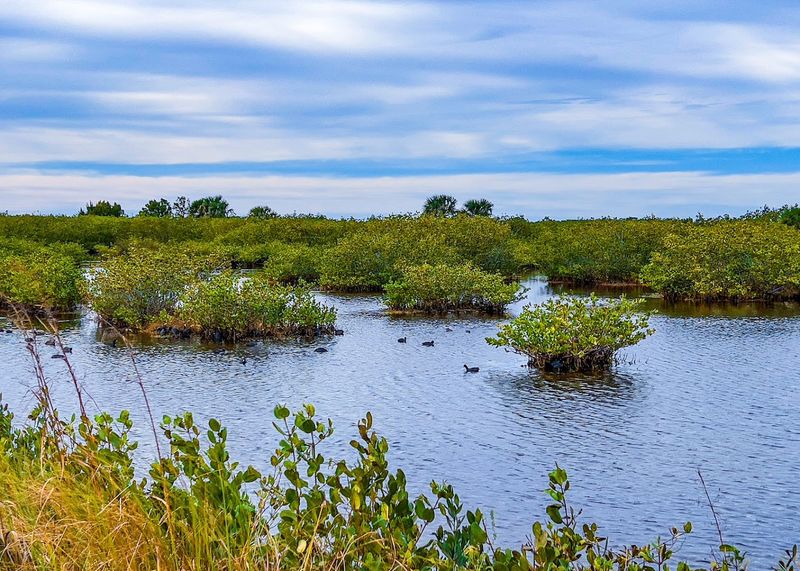
Timing and preparation dramatically improve your Merritt Island experience. Early morning visits between 7 AM and 10 AM typically produce the most wildlife activity as animals feed before midday heat. Cooler months from November through March bring peak bird diversity and more comfortable temperatures for extended exploring.
Check the refuge website for any seasonal closures before heading out.
Pack essentials including water, snacks, sunscreen, and insect repellent. Binoculars transform distant specks into identifiable species, while cameras let you document your discoveries. The wildlife drives have no services, so use facilities at the visitor center beforehand.
Fuel up your vehicle too—you’ll want to drive slowly and potentially make multiple loops.
Dress in layers since mornings can be cool while afternoons warm up considerably. Neutral-colored clothing helps you blend into surroundings, though bright colors won’t necessarily scare wildlife if you remain quiet and move slowly. Comfortable walking shoes work for boardwalk trails, though you’ll do most viewing from your vehicle.
Allow at least three to four hours minimum, though wildlife enthusiasts easily spend entire days here. The refuge’s size means you can’t possibly see everything in one visit, which gives you great excuses to return across different seasons. Free admission makes repeat visits budget-friendly, and each trip reveals different species and behaviors that keep the experience fresh and exciting.