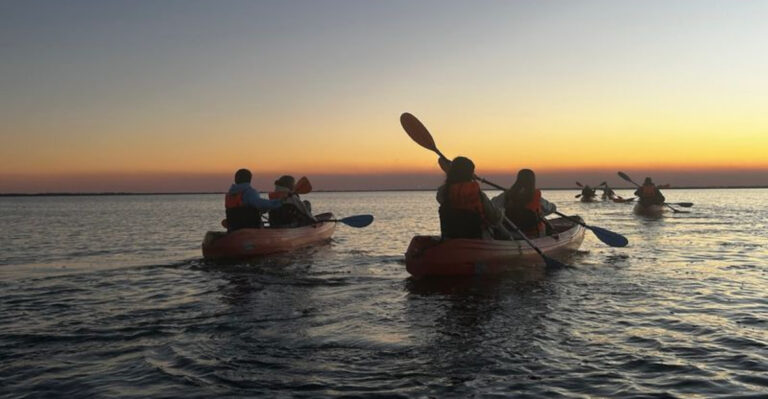
The Crowds Typically Skip This Florida Preserve, And That’s Exactly Why It’s Worth Finding
Most Florida tourists flock to beaches and theme parks, but hidden near Dunnellon sits an 8,100-acre treasure that sees more deer than people. Halpata Tastanaki Nature Preserve offers something rare in the Sunshine State: genuine solitude mixed with wild Florida beauty. Named after a Seminole leader who once walked these lands, this preserve rewards those willing to venture off the beaten path with miles of trails, incredible wildlife encounters, and the kind of peace that’s becoming harder to find.
1. Seventeen Miles of Trails Without the Tourist Crowds
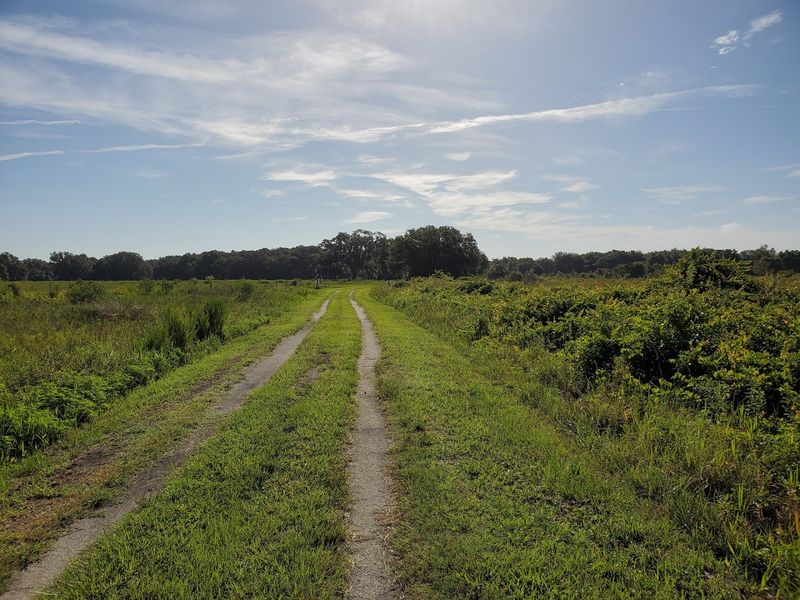
Walking these trails feels like stepping back to a Florida that existed before the crowds arrived. The preserve maintains 17 miles of multi-use paths that wind through oak hammocks, pine flatwoods, and wetland edges. Sandy stretches alternate with harder-packed sections, creating variety that keeps every hike interesting.
Mountain bikes handle the terrain best, especially where horses have left their mark in softer sand. The northern routes offer better cycling conditions with firmer ground and occasional shade. Southern trails get sandier and showcase more of that untouched wilderness character.
You might encounter a handful of horse riders or a lone cyclist, but many visitors report hiking for hours without seeing another soul. That solitude becomes part of the experience. The quiet lets you hear rustling in the palmettos and bird calls echoing through the canopy.
Trail markings exist but require attention, so bringing a map makes sense. Some paths stretch longer than expected, particularly when you’re distracted by wildlife sightings. The preserve opens daily from 8 AM to 6 PM, giving you plenty of daylight for exploration without rushing.
2. Wildlife Encounters That Happen on Nature’s Schedule
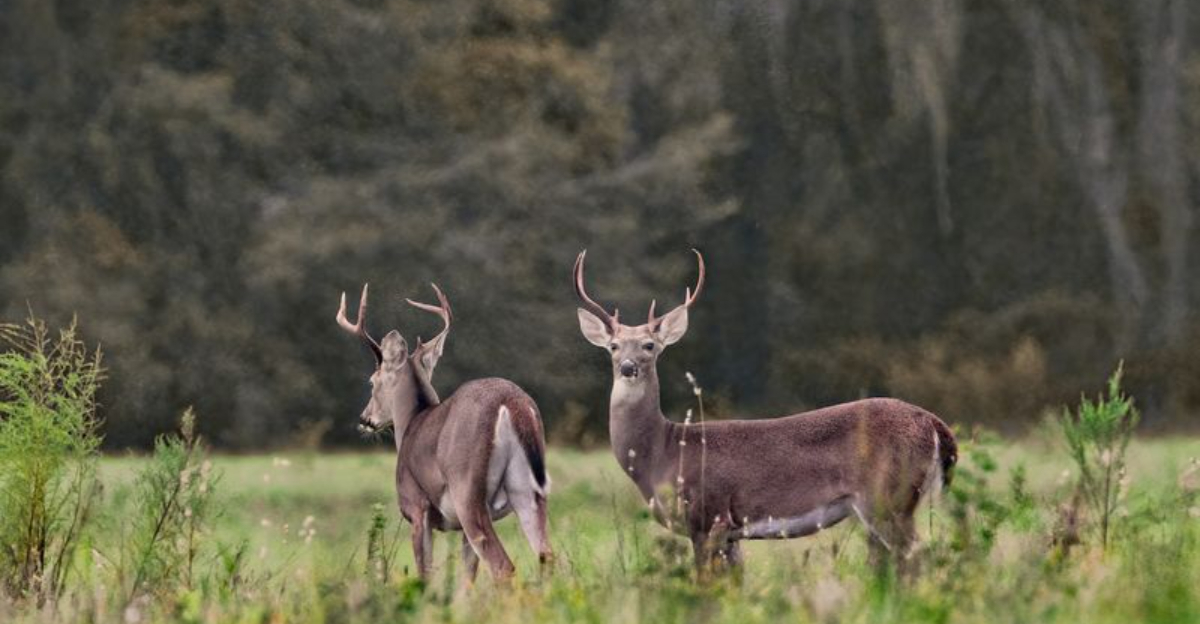
Forget the scripted animal shows at tourist attractions. At Halpata Tastanaki, wildlife appears when it wants to, and those surprise encounters create memories that staged experiences never could. White-tailed deer browse along trail edges, often pausing to study you with curious eyes before bounding away.
Red-shouldered hawks patrol from high perches, their distinctive calls echoing across the preserve. Gopher tortoises lumber across paths, reminding you these ancient reptiles have called Florida home for millions of years. Wild turkeys strut through clearings, and armadillos root through leaf litter seemingly oblivious to observers.
Recent visitors have spotted wild hares, rattlesnakes sunning themselves, and even coyotes moving through distant tree lines. Eastern Phoebes flit between branches while warblers add splashes of color during migration seasons. One lucky hiker encountered what appeared to be wild horses, though these might be feral descendants of domestic animals.
Bring binoculars and patience. Wildlife viewing here rewards those who move quietly and watch carefully. Early morning and late afternoon offer the best chances for sightings when animals are most active and temperatures stay comfortable.
3. History Embedded in Every Acre
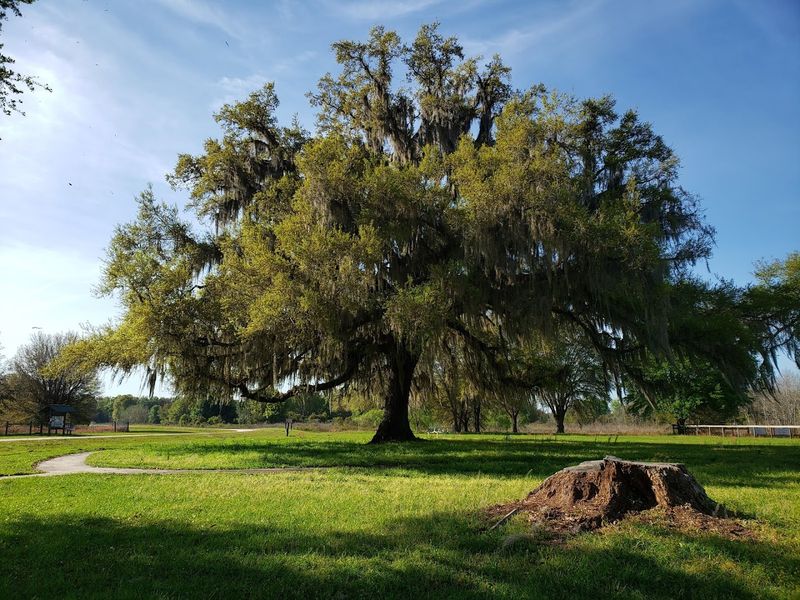
Chief Alligator, known to the Seminole people as Halpata Tastanaki, fought here during the Second Seminole War in 1836. Walking these same grounds connects you to a chapter of Florida history that textbooks often gloss over. The preserve’s name honors this leader and acknowledges the indigenous people who knew this land intimately.
The Withlacoochee River flood plain that forms much of the preserve provided strategic advantages during conflicts. Dense forests offered cover, and waterways supplied resources. Understanding this context transforms a simple hike into something more meaningful.
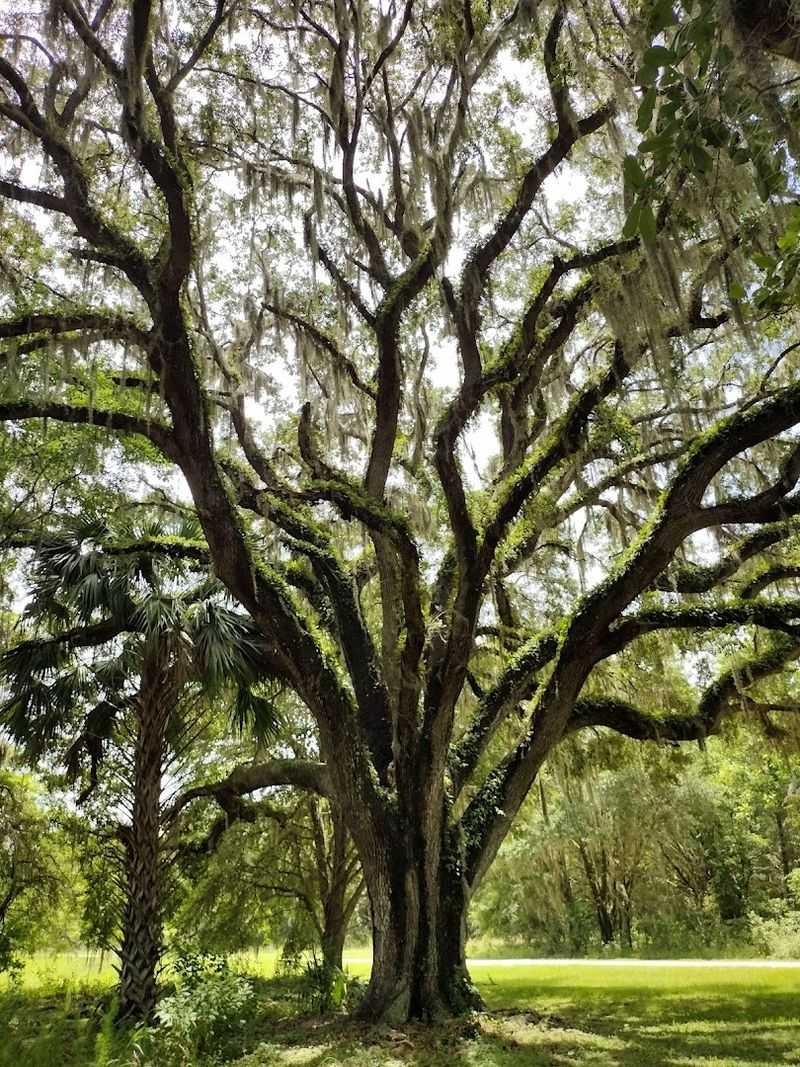
Old oak forests still stand where they witnessed history unfold nearly two centuries ago. These trees predate Florida statehood and have sheltered countless generations of wildlife. The landscape itself tells stories if you know how to read it.
Educational opportunities here go beyond posted signs. Research the Seminole Wars before visiting, and the preserve transforms into an outdoor classroom. Imagine the challenges faced by those who called this challenging environment home, who navigated these wetlands and forests with skill born from necessity rather than recreation.
4. Minimal Amenities Mean Maximum Adventure
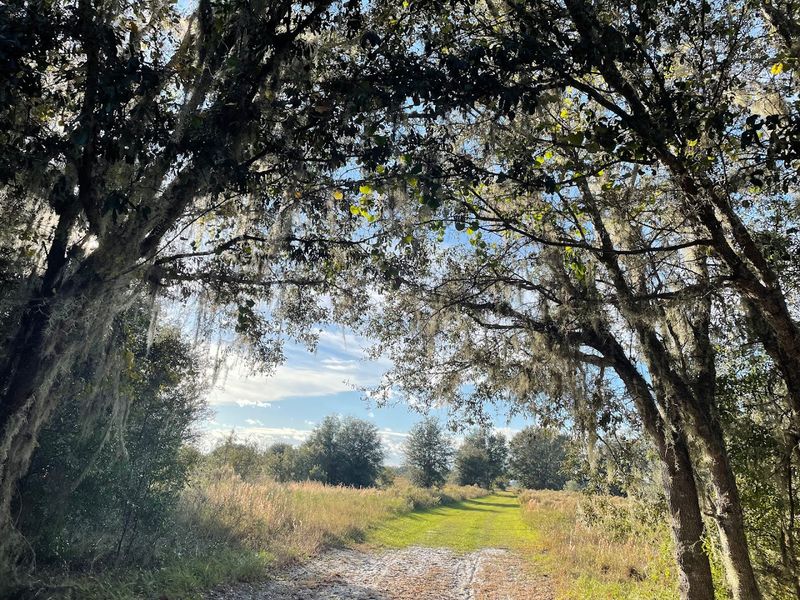
Don’t expect visitor centers, gift shops, or snack bars here. Halpata Tastanaki keeps things beautifully simple with just portable toilets and a few picnic tables near the parking area. This bare-bones approach filters out casual visitors and rewards those who come prepared.
Pack everything you’ll need because there’s nowhere to buy forgotten items. Water bottles rank as essential gear since Florida heat drains you faster than you’d expect, even in winter. A cooler in your vehicle makes sense for longer visits.
The gravel access road leading to parking gives fair warning that this isn’t a manicured park. Come in a capable vehicle, especially after heavy rains when conditions get rougher. That short bumpy ride separates the preserve from civilization more effectively than miles of distance.
Bug spray deserves a permanent spot in your pack. Ticks live here year-round, and mosquitoes swarm during warmer months. Check yourself and your dogs thoroughly after every visit.
This wildness comes with small inconveniences that seem minor compared to the experience gained.
Self-sufficiency becomes part of the adventure. Planning ahead and bringing proper supplies makes you more aware and engaged with your surroundings.
5. Dog-Friendly Trails With Important Considerations
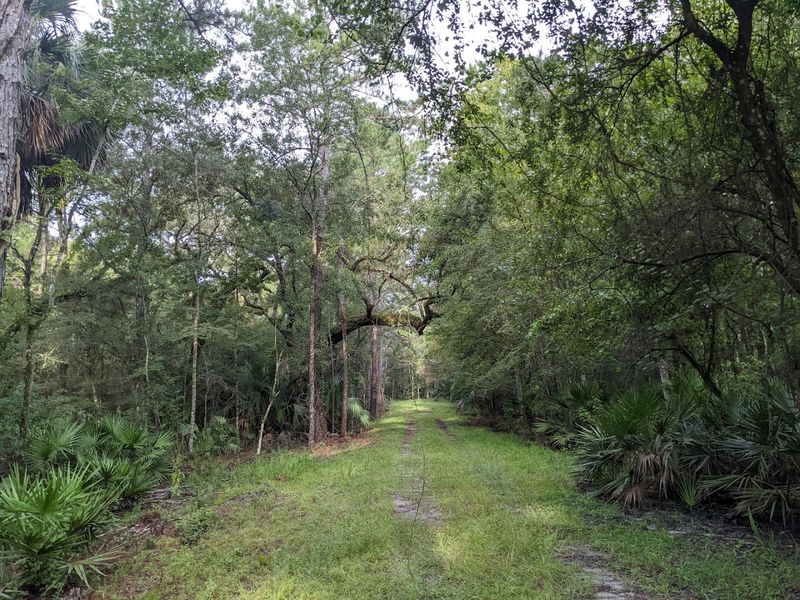
Four-legged adventurers are welcome here, making this preserve perfect for dogs who need more than neighborhood walks. The trails offer varied terrain and endless interesting scents that keep canine noses busy for hours. Just remember that bringing dogs here requires extra responsibility.
Ticks present the biggest concern for furry companions. These parasites thrive in the preserve’s natural environment and latch onto passing animals eagerly. Check your dog thoroughly after every visit, running your fingers through their coat to catch ticks before they embed deeply.
Leash requirements might vary, though some visitors report seeing off-leash dogs. Regardless of rules, keeping dogs under control protects wildlife and prevents encounters with potentially dangerous animals like rattlesnakes. Your dog’s safety depends on your vigilance.
Bring extra water for your pet since they’ll work harder navigating sandy sections and warm weather. Collapsible bowls pack easily and give dogs chances to hydrate during breaks. Watch for signs of overheating, especially in summer months when temperatures soar.
The preserve’s quiet nature means your dog can enjoy trails without the chaos of crowded parks. That peaceful setting benefits nervous dogs while giving energetic ones space to explore safely under your supervision.
6. Fishing Opportunities Along the Withlacoochee
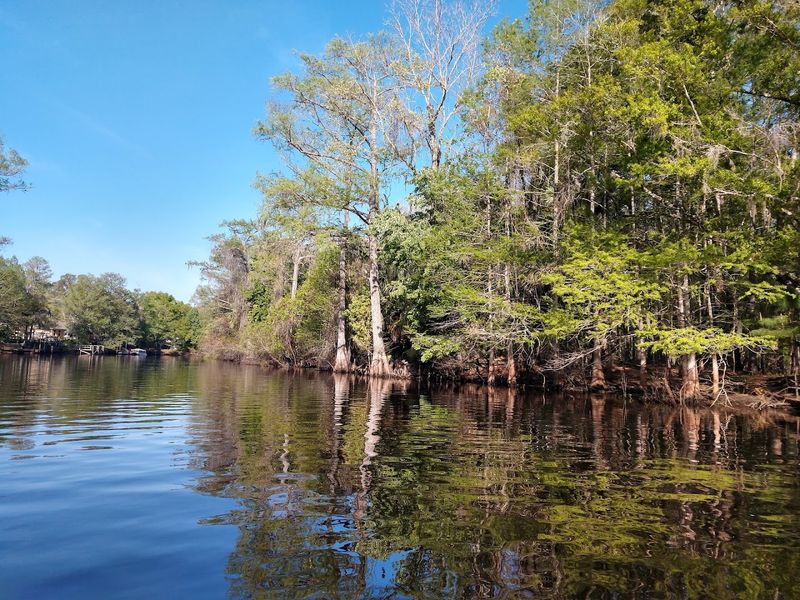
While trails get most attention, the preserve also offers fishing access along the Withlacoochee River. This river meanders through the property’s western edge, creating quiet spots where anglers can cast lines away from boat traffic and development. The fishing here won’t make tourism brochures, but it provides authentic experiences that crowded public piers can’t match.
Access requires some effort since you’ll need to reach the river on foot. That extra work means fewer competing anglers and better chances of finding your own stretch of bank. The river holds various freshwater species typical of Florida waterways.
Bring everything you need because there’s no bait shop nearby. A valid Florida fishing license is required, and knowing current regulations prevents problems. The preserve’s natural setting means you’re fishing in habitat that looks much as it did generations ago.
Combining fishing with hiking creates full-day adventures. Pack fishing gear in a backpack and explore trails before settling at a promising spot. The preserve’s size means discovering new access points each visit.
Peaceful surroundings enhance the fishing experience beyond catch counts. Watching herons hunt nearby and listening to the river’s subtle sounds reminds you why people fish in the first place.
7. Seasonal Changes That Transform the Landscape
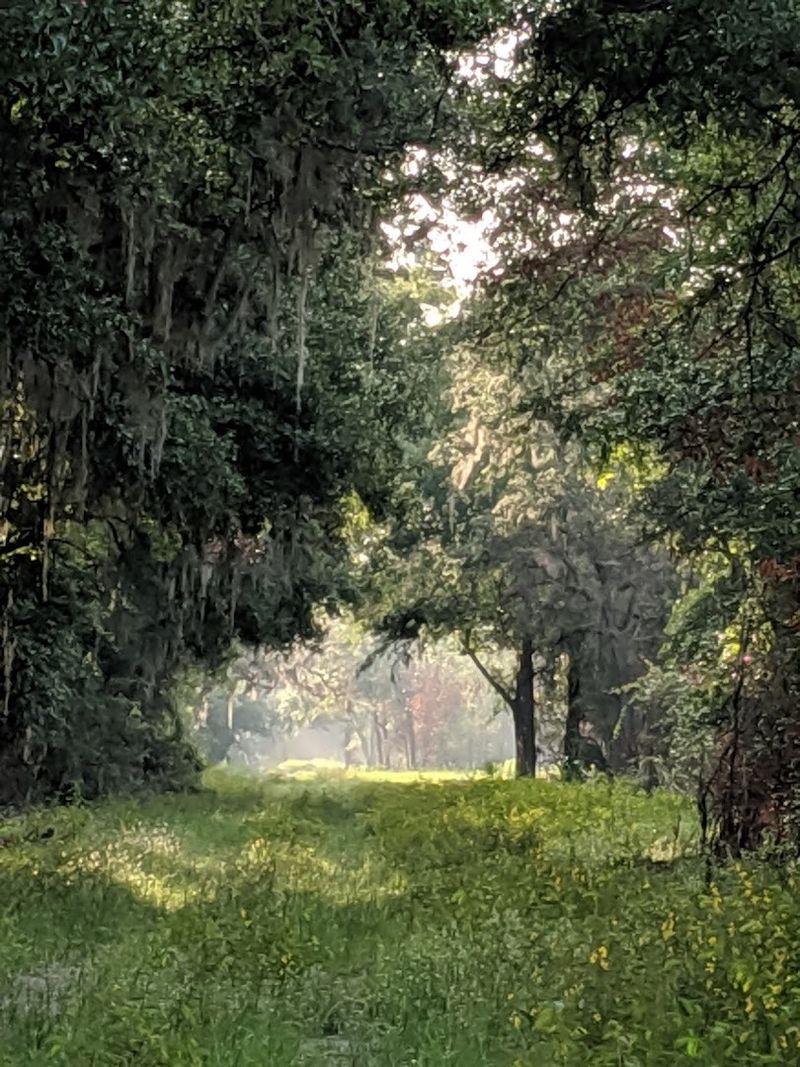
The preserve never looks quite the same twice because seasons and management practices constantly reshape the landscape. Winter brings cooler temperatures and drier conditions that make hiking more comfortable. Spring explodes with wildflowers and migrating birds passing through on their journeys.
Summer heat intensifies while afternoon thunderstorms transform dry trails into temporary streams. The preserve’s role as a Withlacoochee River flood plain becomes obvious during wet seasons when water spreads across low-lying areas. One visitor described encountering flooding that still looked beautiful despite making some trails impassable.
Controlled burns occasionally blacken sections of forest, creating stark landscapes that initially shock visitors. These fires serve important ecological purposes, mimicking natural processes that maintain healthy ecosystems. Within weeks, new growth emerges from blackened ground as fire-adapted plants respond to conditions they’ve evolved alongside for millennia.
Fall brings relief from summer’s intensity and attracts different wildlife as animals prepare for winter. Changing light angles create different moods along familiar trails. Butterfly populations peak during certain months, adding color and movement to forest edges.
Visiting across different seasons reveals the preserve’s complexity. Each trip offers new perspectives on this landscape that continues functioning according to natural rhythms rather than human schedules.
8. Getting There and Making the Most of Your Visit
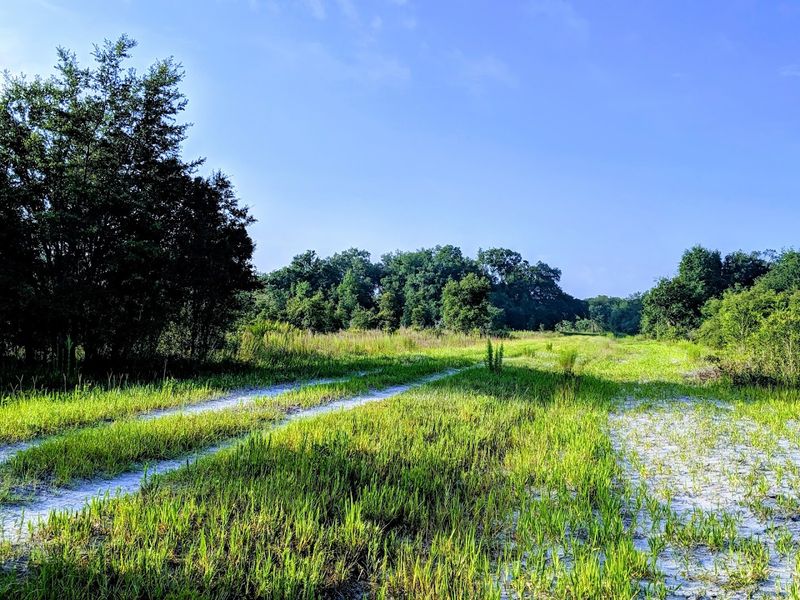
Finding Halpata Tastanaki requires intentional navigation since it sits away from major highways near Dunnellon. The preserve doesn’t jump out at passing drivers, which perfectly suits its under-the-radar character. GPS coordinates (29.0241684, -82.3650167) help, though cellular service might get spotty as you approach.
Multiple access points serve different trail systems. The Pruitt trailhead offers designated parking, while the Halpata area provides less obvious parking near a locked gate where the road forks. Arriving early claims the best spots and gives you cooler morning temperatures for hiking.
Plan at least three hours for a meaningful visit, though you could easily spend an entire day exploring. The preserve’s 8,146 acres mean you won’t see everything in one trip. Repeat visitors discover new trails and spots each time they return.
Download trail maps before arriving since internet access can’t be counted on. A physical map provides backup navigation that doesn’t depend on battery life. Mark your starting point and pay attention to landmarks since trails can feel confusing in dense forest.
Contact the Southwest Florida Water Management District at 352-796-7211 for current conditions or visit their website before heading out. Knowing about recent burns, flooding, or maintenance activities helps you prepare appropriately for whatever the preserve offers that day.