12 Florida Children’s Museums Where Kids Happily Spend Hours Exploring And Playing
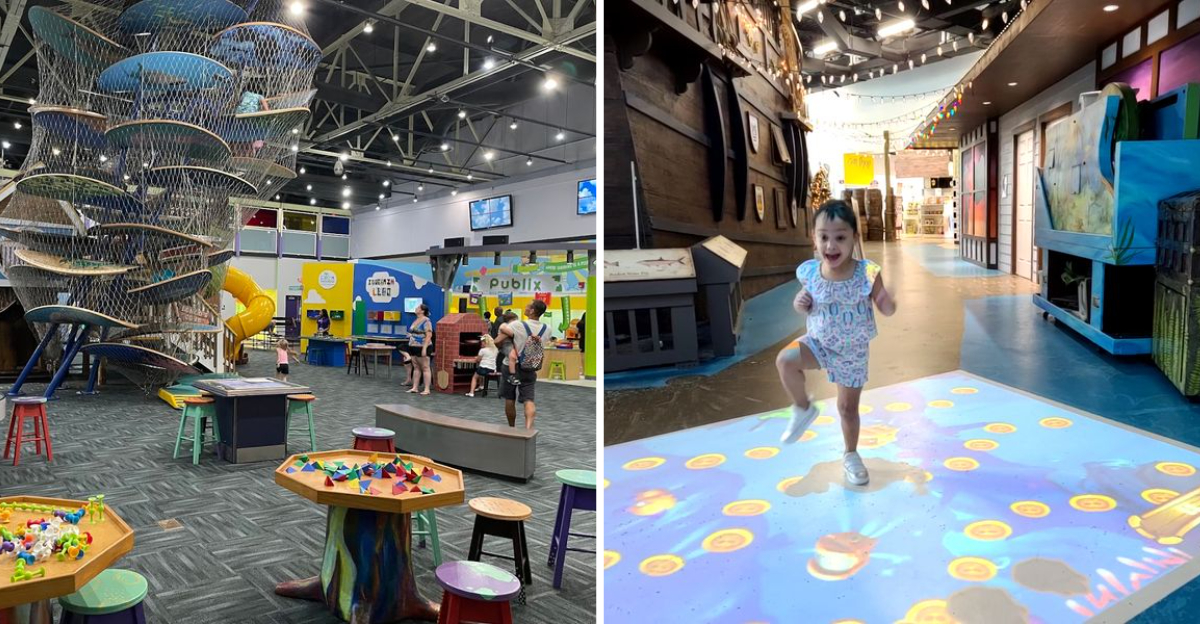
Florida offers families an incredible variety of interactive museums designed specifically for curious young minds. From hands-on science experiments to artistic adventures and imaginative play spaces, these museums transform learning into pure fun.
Whether your kids love dinosaurs, rockets, art, or just running around exploring new things, the Sunshine State has something special waiting. These destinations give children the freedom to touch, build, create, and discover while parents enjoy watching their little ones light up with excitement.
1. Miami Children’s Museum – Miami
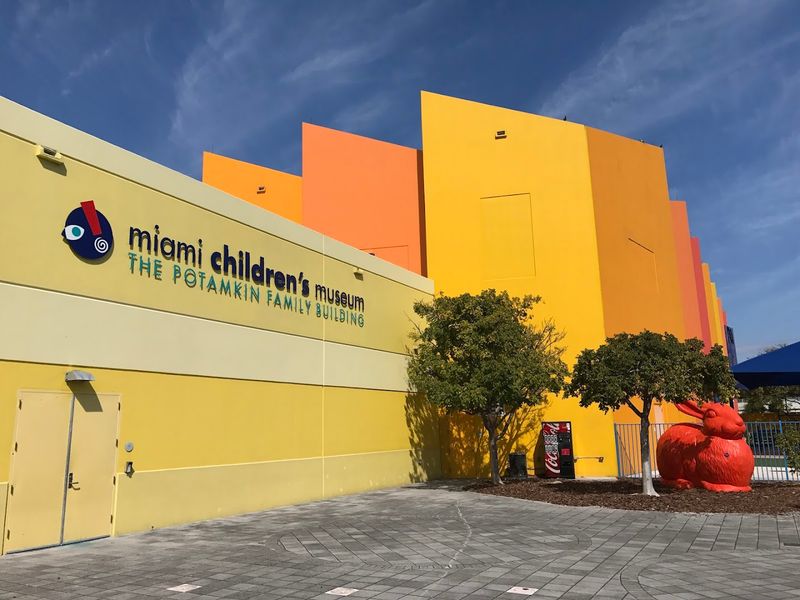
Located on Watson Island between downtown Miami and Miami Beach, this museum sprawls across 56,500 square feet of pure childhood joy. The Castle of Dreams towers as the centerpiece, inviting kids to climb, slide, and imagine themselves as knights or princesses.
Every corner bursts with color and activity, making it impossible for children to stand still.
The supermarket exhibit teaches kids about nutrition and shopping while they scan items and stock shelves like real grocers. A miniature cruise ship lets them pretend to captain their own voyage across imaginary seas.
The music studio gives budding musicians a chance to bang drums, strum guitars, and create their own concerts without anyone telling them to keep it down.
Outside, the waterfront location provides stunning views while kids burn energy in the play areas. The museum hosts special events throughout the year, from cultural celebrations to educational workshops.
Parents appreciate the air conditioning during those sweltering Miami summers while their children race between exhibits.
Toddlers have their own dedicated space where everything is sized perfectly for tiny hands and shorter legs. The bank exhibit introduces basic money concepts through play, while the art studio gets messy with paints, clay, and craft supplies.
Construction zones let kids wear hard hats and operate kid-sized machinery.
This museum understands that children learn best when they’re having too much fun to realize they’re absorbing information about the world around them.
2. Glazer Children’s Museum – Tampa
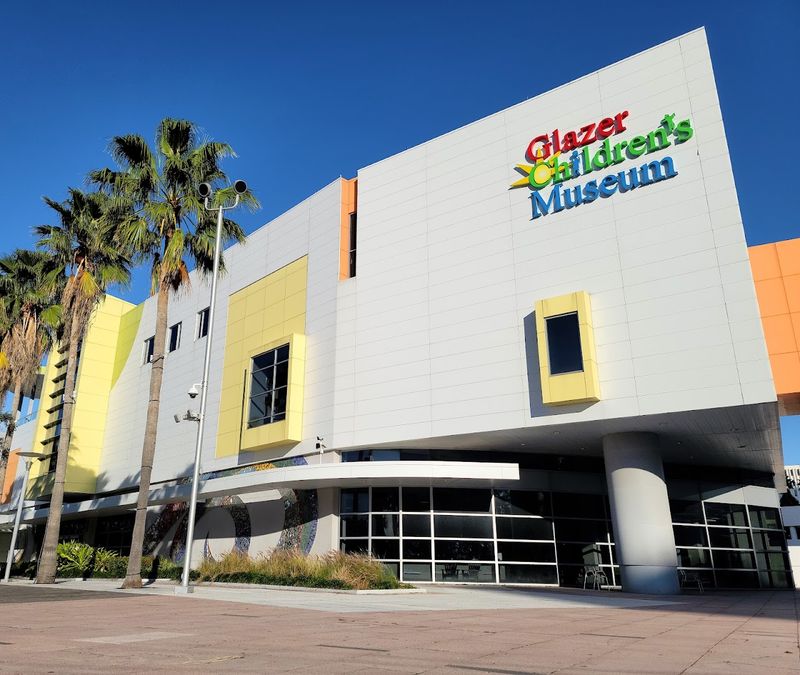
Right in the heart of downtown Tampa sits this three-story wonderland where science, art, and imagination collide. The building itself catches your eye with its contemporary design and floor-to-ceiling windows that let natural light flood the learning spaces.
Kids spot it from blocks away and start bouncing with anticipation.
The water play area might be the hardest place to drag children away from, featuring dams, pumps, and channels that teach physics while getting everyone a little wet. Smart parents bring extra clothes because resistance is futile.
The veterinary clinic lets animal-loving kids examine stuffed patients, take X-rays, and prescribe treatments just like real doctors.
Engineering challenges scattered throughout encourage problem-solving as children build bridges, design structures, and test their creations. The grocery store and pizza shop teach life skills through pretend play that feels incredibly real.
A fire truck lets kids climb aboard and imagine racing to emergencies with sirens blaring.
The creativity commons provides endless supplies for artistic expression without the cleanup stress parents face at home. Paint, glue, recyclables, and craft materials transform into whatever young minds dream up.
The cruise ship exhibit nods to Tampa’s port status, complete with a captain’s bridge and cargo holds to explore.
Outdoor spaces include a climbing wall and nature area where urban kids connect with plants and insects. Special programs rotate regularly, keeping repeat visitors engaged with fresh experiences every time they walk through those welcoming doors.
3. Florida Children’s Museum – Lakeland
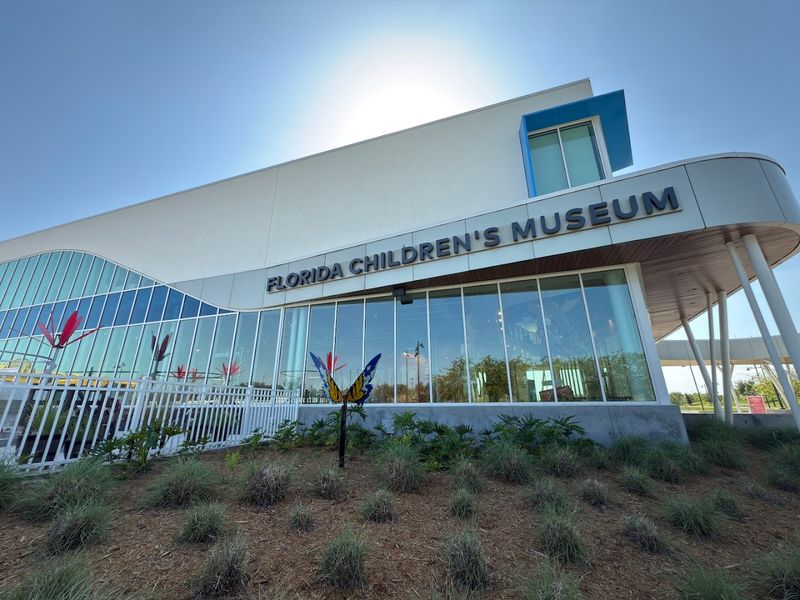
Tucked away in central Florida, this hidden gem punches above its weight with exhibits that rival much larger museums. The intimate size actually works in its favor, allowing younger children to explore without feeling overwhelmed by massive crowds or endless hallways.
Parents can keep eyes on their kids while everyone spreads out across the thoughtfully designed spaces.
A full-sized fire truck dominates one area, letting children climb into the cab and spray water at pretend flames. The agricultural exhibits reflect Lakeland’s citrus heritage, teaching kids where their orange juice actually comes from.
Hands-on displays explain farming, harvesting, and the journey from grove to grocery store in ways that stick with young minds.
The art room encourages messy creativity with supplies that change seasonally, keeping regular visitors surprised and delighted. A miniature town complete with post office, bank, and shops lets children role-play adult responsibilities in a consequence-free environment.
They learn about community helpers, money management, and social interaction while having a blast.
Science stations introduce basic concepts through experiments kids can repeat over and over until they understand the principles. The museum staff genuinely loves working with children, offering guidance without hovering or rushing anyone along.
Birthday parties here become legendary among local families, with packages that include exclusive access to favorite exhibits.
The museum partners with schools for field trips that align with curriculum standards, making teachers’ lives easier. Affordable admission and membership options make repeat visits feasible for families on any budget, creating a welcoming environment where all children can explore and grow.
4. Great Explorations Children’s Museum – St. Petersburg
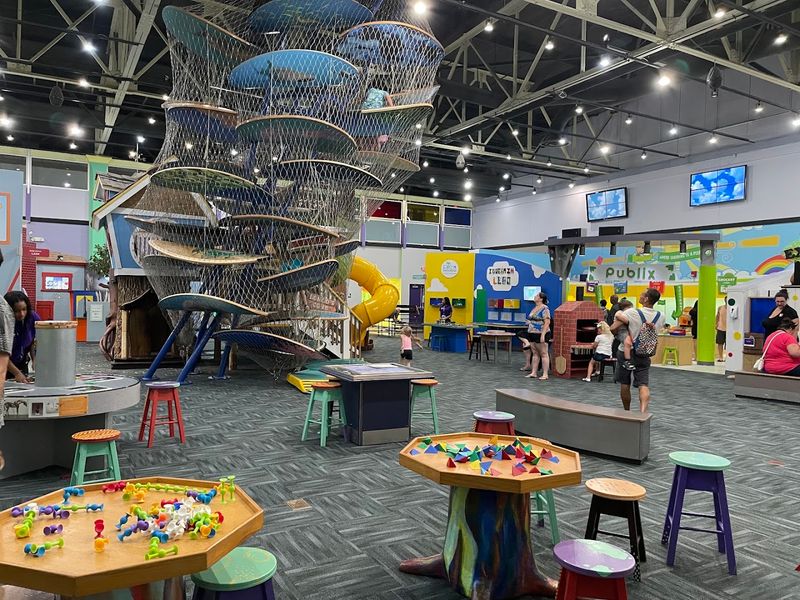
Nestled in the Sunken Gardens area of St. Pete, this museum has been sparking curiosity since 1987. The building may look unassuming from outside, but step through those doors and you’ll find yourself in a world where touching everything isn’t just allowed but encouraged.
The philosophy here centers on learning through doing, not just looking.
The Vet Clinic remains perpetually popular, with examination rooms, surgical theaters, and even an X-ray machine that shows what’s happening inside stuffed animal patients. Kids don surgical scrubs and take their roles seriously, diagnosing ailments and prescribing treatments with adorable authority.
The Fire House next door lets them switch careers instantly, sliding down poles and steering engines toward imaginary emergencies.
A tree house climbing structure challenges physical skills while building confidence in kids who conquer their fear of heights. The art studio provides materials for projects ranging from simple coloring to complex constructions.
No two visits produce the same creations, keeping the experience fresh even for children who come weekly.
The Touch Tunnel plunges brave explorers into complete darkness, forcing them to navigate by feel alone. This experience builds sensory awareness and courage in a safe environment.
Toddlers get their own special area where everything is appropriately sized and padded for wobbly walkers.
Science exhibits explain concepts like magnetism, light, and motion through interactive demonstrations that make physics fun. The museum also hosts camps during school breaks, giving working parents a reliable option that kids actually look forward to attending instead of dreading.
5. The Children’s Museum of the Treasure Coast – Jensen Beach
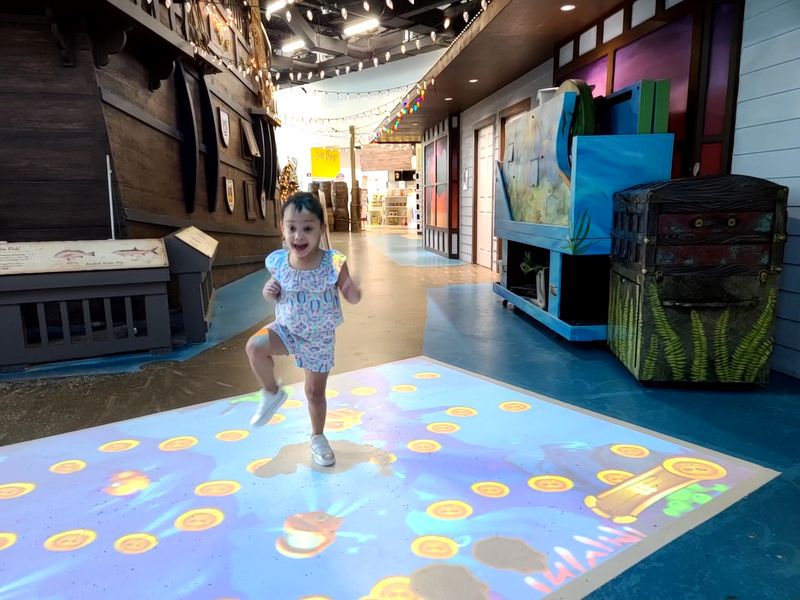
This coastal gem reflects the laid-back vibe of the Treasure Coast while delivering serious educational value. The museum embraces its beachside location with exhibits celebrating marine life, maritime history, and environmental conservation.
Kids learn about their local ecosystem while having too much fun to realize they’re in an outdoor classroom.
The agriculture exhibit honors the region’s farming heritage, particularly its famous citrus industry. Children can pretend to pick fruit, operate miniature tractors, and run a farmers market.
These activities connect them to their community’s roots in ways that abstract lessons never could.
A kid-sized town includes a grocery store, bank, and restaurant where children practice real-world skills through imaginative play. They scan groceries, make deposits, cook meals, and serve customers, learning about commerce and community cooperation.
The veterinary clinic lets animal lovers care for patients of all species, from household pets to exotic creatures.
Art stations encourage creativity with supplies that change regularly to match themes or seasons. The museum understands that some kids express themselves better with paintbrushes than words.
Construction zones provide building blocks, magnetic tiles, and other materials that challenge spatial reasoning and engineering skills.
The outdoor play area takes advantage of Florida’s gorgeous weather with climbing structures and nature exploration zones. Parents appreciate the shaded seating where they can relax while maintaining sight lines to their adventurous offspring.
Special events bring the community together for celebrations that make the museum feel like a second home to local families who visit repeatedly throughout the year.
6. Museum of Discovery and Science – Fort Lauderdale
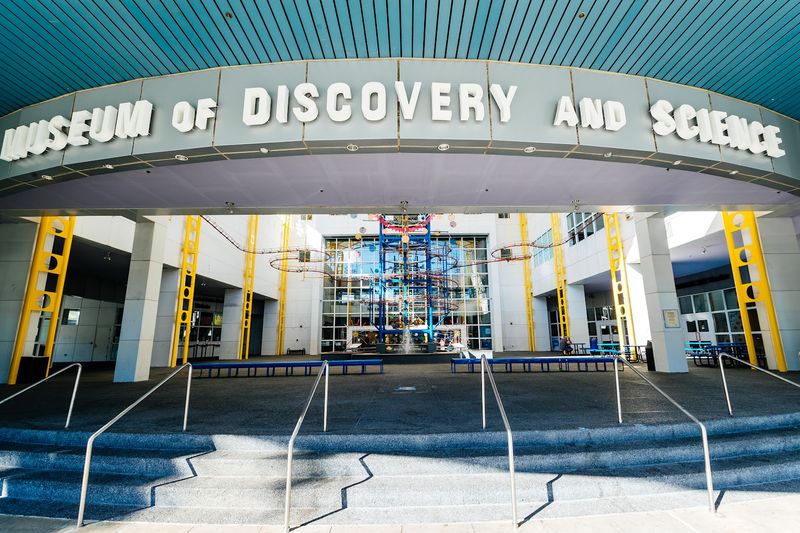
This massive facility dominates Fort Lauderdale’s downtown with exhibits that make science irresistible to even the most reluctant learners. The five-story building houses enough attractions to fill an entire day without anyone complaining about boredom.
The giant IMAX theater shows films that transport viewers to distant planets, ocean depths, and prehistoric eras.
Living animals throughout the museum bring biology lessons to life in unforgettable ways. Otters play in their habitat while educators explain their behaviors and ecological importance.
A massive coral reef aquarium showcases the diversity of South Florida’s marine ecosystems, with colorful fish darting between formations that took years to cultivate.
The Everglades exhibit allows visitors to walk through a recreated cypress swamp complete with alligators, turtles, and native birds. Kids learn about this endangered ecosystem while observing creatures they might never encounter in the wild.
Interactive displays explain the science behind weather patterns, particularly hurricanes that frequently threaten Florida’s coasts.
Flight simulators let children experience piloting aircraft without leaving the ground. The physics of flight becomes clear through hands-on demonstrations that make complex concepts accessible to elementary-aged minds.
A dedicated area for younger children ensures toddlers have age-appropriate activities that won’t frustrate them or bore older siblings.
The museum partners with schools throughout Broward County, hosting field trips that align with state education standards. Teachers appreciate the reinforcement of classroom lessons through experiential learning that students actually remember.
Special overnight programs let kids sleep among the exhibits, creating memories that last lifetimes and fostering genuine love for scientific discovery.
7. Orlando Science Center – Orlando
Standing tall in Loch Haven Park, this science center competes with Orlando’s famous theme parks for family attention and often wins. The four-story facility contains enough exhibits to justify multiple visits without repetition.
A planetarium projects shows that explain astronomy in ways that spark lifelong fascination with space.
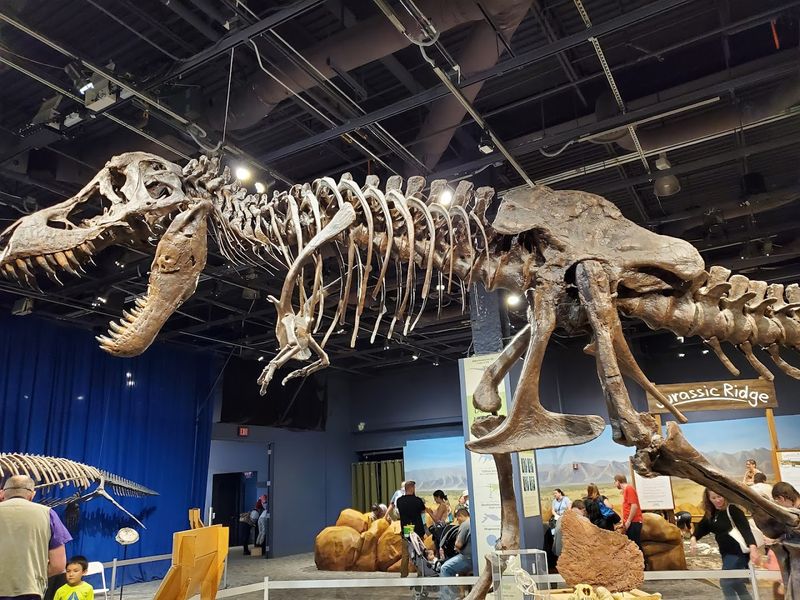
The dinosaur exhibit captivates young paleontologists with fossils, reconstructions, and interactive displays about prehistoric life. Kids can dig for bones in simulated excavation sites, experiencing the thrill of discovery that drives real archaeologists.
The hands-on approach makes ancient history feel immediate and exciting rather than dusty and distant.
Live science demonstrations happen throughout the day, with educators performing experiments that produce dramatic results. Explosions, color changes, and surprising reactions make chemistry and physics entertaining rather than intimidating.
Children volunteer as assistants, participating in demonstrations they’ll recount excitedly for weeks afterward.
The KidsTown area caters specifically to children under seven, with water play, construction zones, and sensory experiences designed for developing minds. Parents of multiple children appreciate having age-appropriate options that keep everyone engaged.
The observatory opens on clear nights, giving families access to powerful telescopes that reveal celestial wonders invisible to naked eyes.
Traveling exhibits rotate regularly, bringing national and international displays to Central Florida audiences. One visit might feature marine biology, while the next showcases robotics or ancient civilizations.
This variety rewards members who return frequently, always finding something new to explore and discuss. Summer camps fill quickly with children eager to spend vacation time conducting experiments and building projects under expert guidance.
8. The Bishop Museum of Science and Nature – Bradenton
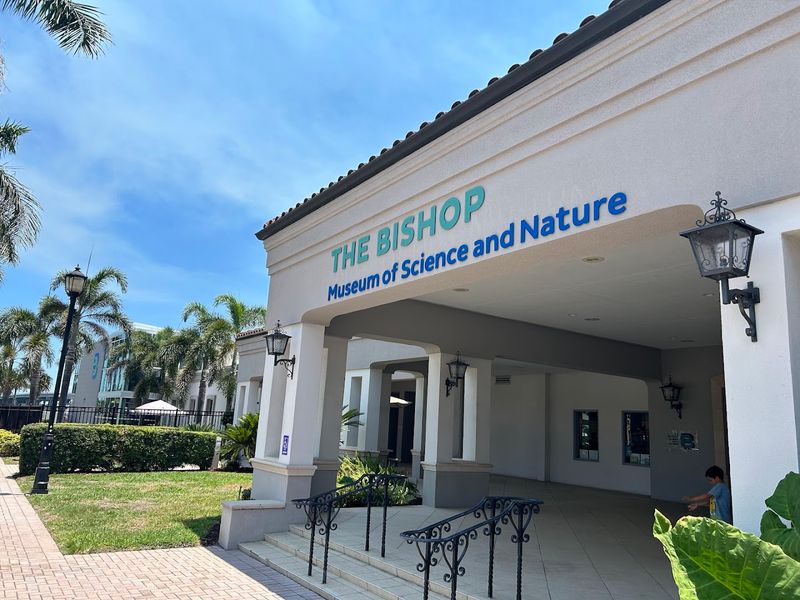
Situated on the banks of the Manatee River, this museum combines natural history with cutting-edge science in a setting that feels more like a park than a traditional museum. The campus includes multiple buildings, nature trails, and a planetarium that rivals much larger facilities.
Families can easily spend an entire day here without exhausting the available activities.
The Parker Manatee Aquarium houses rehabilitating manatees that cannot survive in the wild, giving visitors up-close encounters with Florida’s beloved sea cows. Children watch these gentle giants munch lettuce and glide through the water with surprising grace.
Educational programs explain threats manatees face and conservation efforts working to protect them.
The museum’s fossil collection impresses paleontology enthusiasts with specimens from Florida’s ancient past, including massive megalodon teeth and mammoth bones. Interactive displays let kids touch real fossils, connecting them physically to creatures that roamed Earth millions of years ago.
The planetarium offers multiple shows daily, each exploring different aspects of astronomy from beginner to advanced levels.
Nature trails wind through the property, showcasing native plants and wildlife in their natural habitats. Guided walks led by knowledgeable staff point out features visitors might otherwise miss.
The museum also operates a research facility, conducting real science that contributes to understanding Florida’s ecosystems.
Special exhibitions rotate regularly, bringing traveling displays from major museums nationwide. One visit might feature ancient Egypt, while another showcases modern technology or environmental science.
This variety ensures that even frequent visitors discover something new each time they return, making annual memberships valuable investments for local families.
9. Hands On! Children’s Museum – Palm Coast
This community-focused museum proves that smaller facilities can deliver enormous value when designed with genuine understanding of how children learn. The intimate size allows kids to explore independently while parents maintain visual contact from central seating areas.
Every square foot serves a purpose, with no wasted space or filler exhibits.
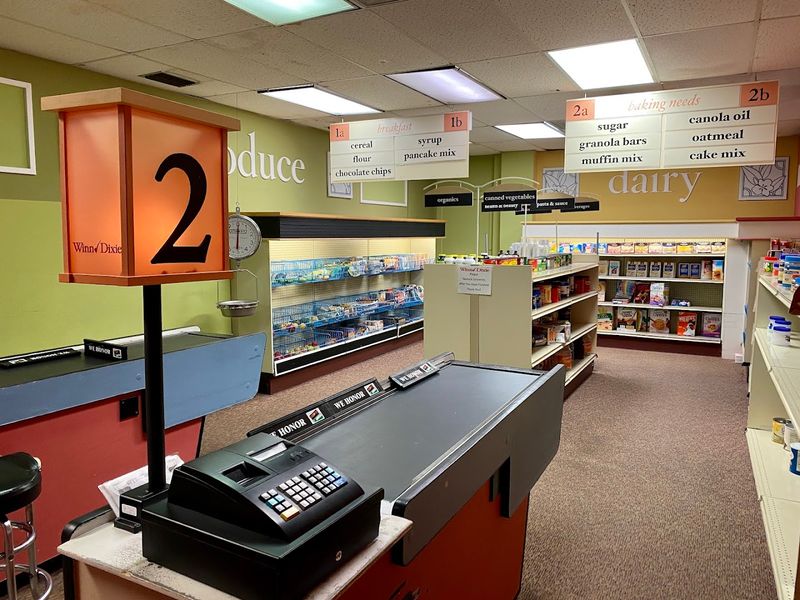
A miniature town includes a grocery store, veterinary clinic, and construction zone where children practice real-world skills through imaginative play. They scan items, examine patients, and build structures while learning about community helpers and commerce.
The art studio provides supplies for creative projects without the mess parents dread at home.
Science stations introduce concepts like magnetism, simple machines, and basic physics through experiments kids can repeat endlessly. The hands-on approach makes abstract ideas concrete and memorable.
A water table teaches fluid dynamics while getting everyone slightly damp, so smart parents come prepared with extra clothes.
The museum hosts special events throughout the year that bring the community together for celebrations and learning opportunities. Story times, craft workshops, and themed parties make the museum feel like an extension of family life rather than just another tourist attraction.
Local schools partner with the museum for field trips that reinforce classroom curriculum.
Birthday party packages transform celebrations into memorable experiences that kids talk about for months. The staff genuinely enjoys working with children, offering engagement without being overbearing.
Affordable membership options make repeat visits feasible for families on any budget, creating an inclusive environment where all children can explore, learn, and grow through play.
10. Kennedy Space Center Visitor Complex – Merritt Island
No list of Florida learning destinations would be complete without mentioning this legendary facility where America’s space program comes to life. The sheer scale overwhelms first-time visitors as they approach and spot actual rockets standing against the sky.
Children who thought space exploration was ancient history suddenly realize it’s happening right now, right here.
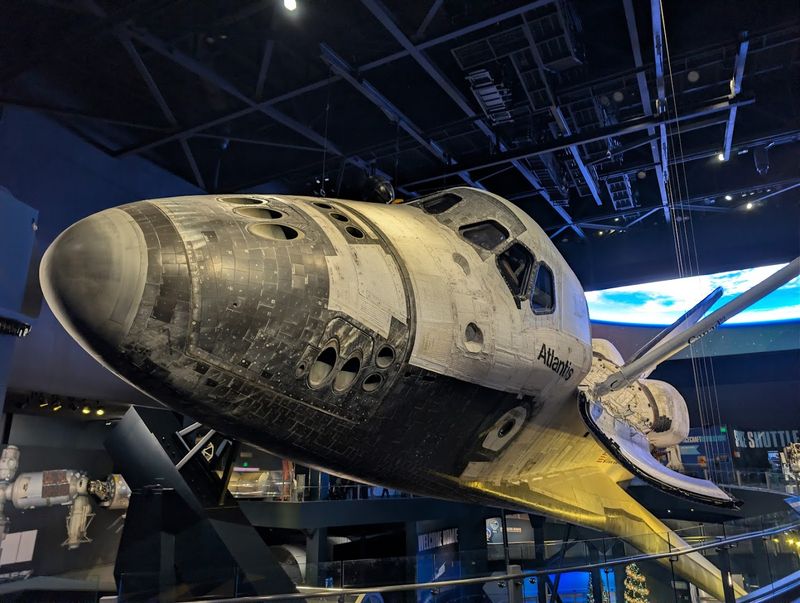
The Space Shuttle Atlantis exhibit leaves jaws on the floor as visitors round a corner and come face-to-face with a genuine orbiter that traveled to space 33 times. The presentation builds anticipation perfectly before revealing the spacecraft suspended as if in flight.
Interactive displays let kids experience what astronauts face during launches, spacewalks, and landings.
The Rocket Garden showcases missiles and launch vehicles from different eras of space exploration. Children can walk beneath these towering achievements and grasp the engineering brilliance required to escape Earth’s gravity.
Guided tours take visitors to actual launch pads where history was made and where future missions will blast off.
The Astronaut Encounter program brings real space travelers face-to-face with visitors during presentations that mix technical information with personal stories. Kids ask questions and get answers from people who actually lived in orbit.
The Heroes and Legends exhibit honors pioneers who risked everything to advance human knowledge and capability.
Simulator rides give families a taste of launch forces and space travel without leaving the ground. The IMAX theater shows films shot in space that provide perspectives impossible to achieve any other way.
While definitely more expensive than typical children’s museums, the experience justifies the cost for families who want to inspire future scientists, engineers, and explorers.
11. The Cummer Museum of Art & Gardens – Jacksonville
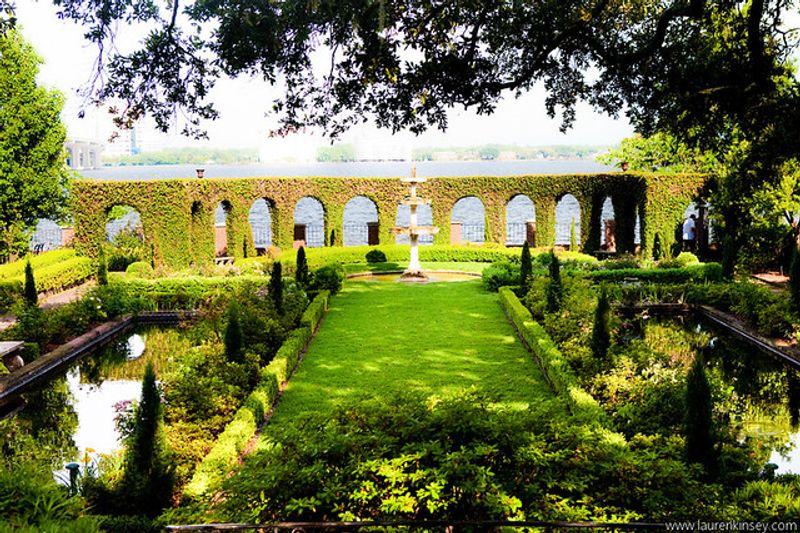
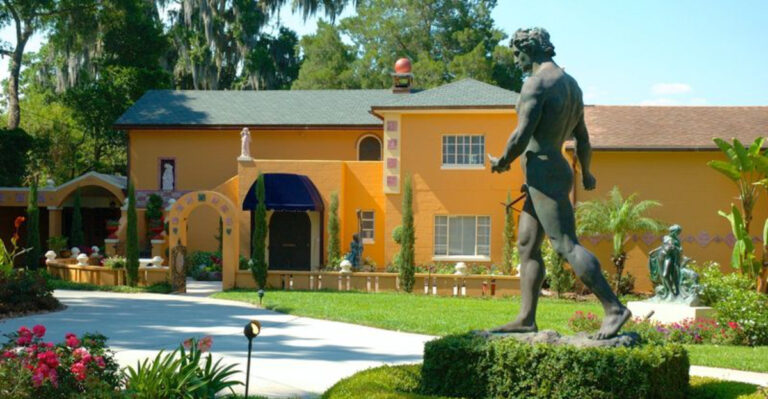
While primarily an art museum serving adult audiences, the Cummer offers exceptional programming specifically designed for children that makes fine art accessible and enjoyable. The stunning riverside location includes formal gardens that provide outdoor learning opportunities complementing indoor galleries.
The combination of art and nature creates unique educational experiences unavailable at typical children’s museums.
The Art Connections gallery provides hands-on activities related to works displayed throughout the museum. Children might create their own sculptures after viewing ancient Greek pottery or experiment with perspective techniques after studying Renaissance paintings.
This approach transforms passive observation into active learning that sticks with young minds.
Family programs scheduled throughout the year bring children and adults together for guided experiences that make art appreciation approachable. Scavenger hunts send kids searching for specific paintings, sculptures, or design elements, turning gallery walks into engaging adventures.
Story times connect picture books with artworks, showing children how visual narratives work across different media.
The gardens offer lessons in landscape design, horticulture, and environmental science. Children observe seasonal changes, identify plant species, and learn about the historical significance of formal garden traditions.
The peaceful setting provides welcome contrast to high-energy play spaces, teaching kids that quiet contemplation has value too.
Art classes and camps introduce techniques and media that school programs often skip due to time or budget constraints. Professional artists lead sessions, exposing children to perspectives and skills that expand their creative capabilities.
The museum proves that institutions serving broad audiences can still provide exceptional value for families willing to explore beyond dedicated children’s facilities. Annual memberships include reciprocal benefits at museums nationwide, making the investment particularly worthwhile for families who travel.
12. The Revs Institute – Naples

Car-obsessed kids find paradise at this automotive research library and museum showcasing some of history’s most significant vehicles. While not a traditional children’s museum, the Revs Institute offers family programs that make automotive history and engineering accessible to young enthusiasts.
The collection spans over a century of innovation, with each vehicle representing important technological or cultural developments.
The cars aren’t just sitting static behind velvet ropes; many remain operational and occasionally take to the track for demonstrations. Seeing these machines in motion transforms them from museum pieces into living history.
Children grasp the evolution of transportation technology by comparing early horseless carriages with modern racing machines.
Educational programs explain engineering concepts like aerodynamics, power transmission, and materials science through automotive examples that capture attention better than abstract textbooks. Kids learn about innovation, problem-solving, and how competition drives technological advancement.
The institute’s research library contains resources for serious students developing genuine interest in automotive history or engineering.
Special family days offer hands-on activities related to exhibits and collections. Children might design their own dream cars, learn basic mechanics, or participate in challenges that apply physics principles to real-world problems.
The programs respect young visitors’ intelligence, avoiding dumbed-down presentations in favor of age-appropriate depth.
The facility itself impresses with climate-controlled spaces maintaining perfect conditions for preserving automotive treasures. This attention to detail teaches children about conservation and the importance of protecting historical artifacts for future generations.
While admission costs more than typical children’s museums, the specialized collection and programming justify the expense for families raising future engineers, designers, or automotive enthusiasts who will remember this experience for years.