15 Florida Children’s Museums Where “I’m Bored” Basically Disappears
Kids have energy to burn and curiosity that never quits, which makes Florida’s children’s museums absolute lifesavers for parents. These aren’t your typical walk-and-look museums where everyone whispers and nothing gets touched. Instead, they’re designed for noise, movement, and hands-on chaos that somehow teaches kids while they play.
From pretend grocery stores to splash zones and invention labs, these spots turn rainy afternoons and school breaks into adventures that wear out even the bounciest little humans.
1. Miami Children’s Museum (Miami)
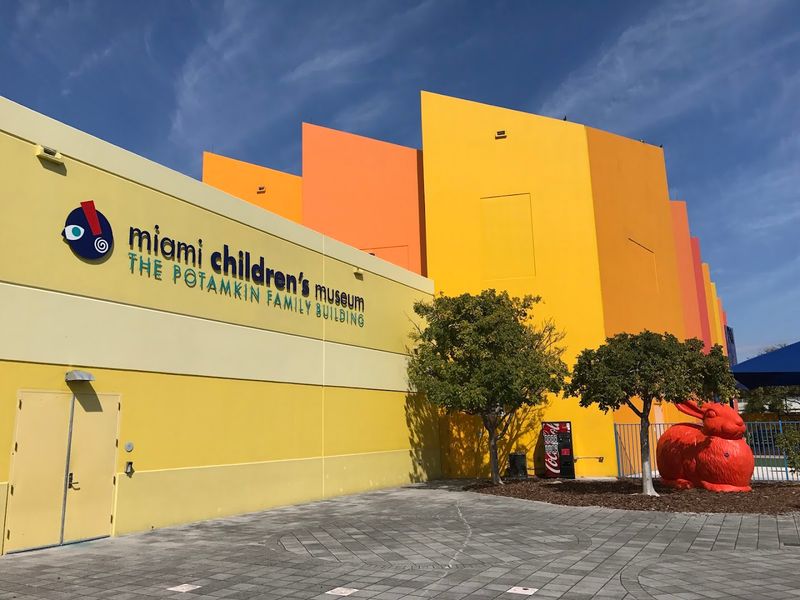
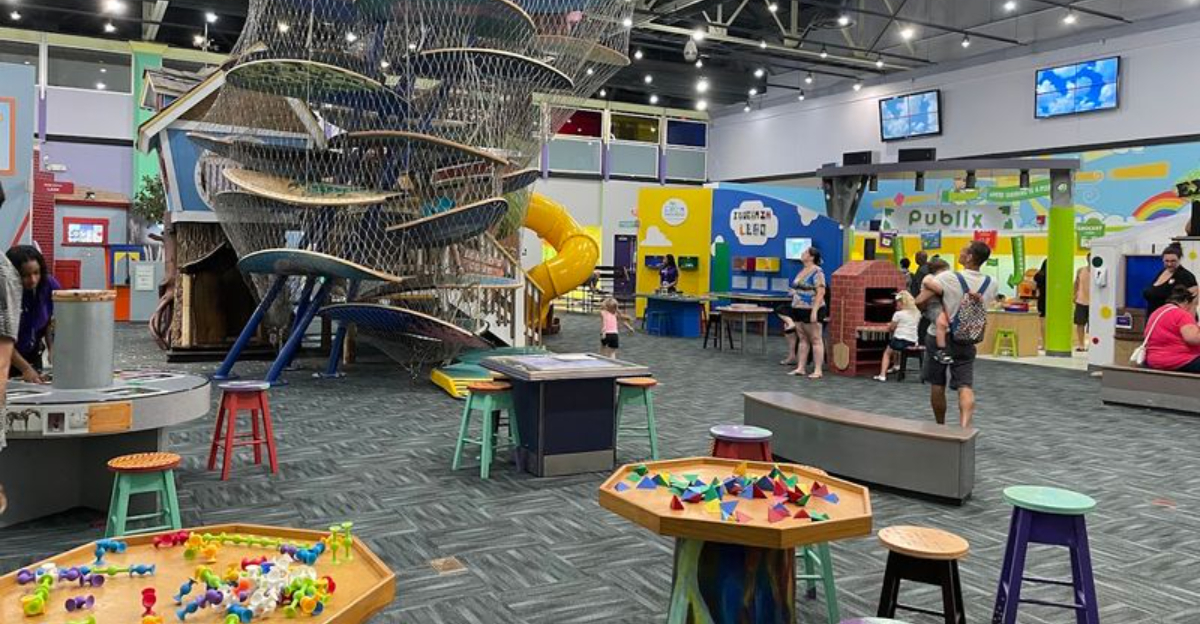
Sitting right on Watson Island with Biscayne Bay views, this museum packs 56,500 square feet of pure kid energy. Children race between a miniature cruise ship, a working television studio, and a two-story climbing structure that looks like something from a jungle adventure. The Bank of America gallery lets them play banker, while the Publix supermarket area turns grocery shopping into role-play gold.
What sets this place apart is how it mixes education with imagination without feeling like school. Kids can explore a pet clinic, construct buildings in a mini-construction zone, or create art projects that actually hold their attention. The museum rotates special exhibits regularly, so repeat visits never feel stale.
Parents appreciate the outdoor areas where kids can burn energy before heading back inside. The museum cafe saves families from hunger meltdowns, and membership pays for itself after just three visits. Parking can get tight on weekends, so arriving early or on weekday mornings makes the experience smoother and less crowded for everyone involved.
2. Glazer Children’s Museum (Tampa)
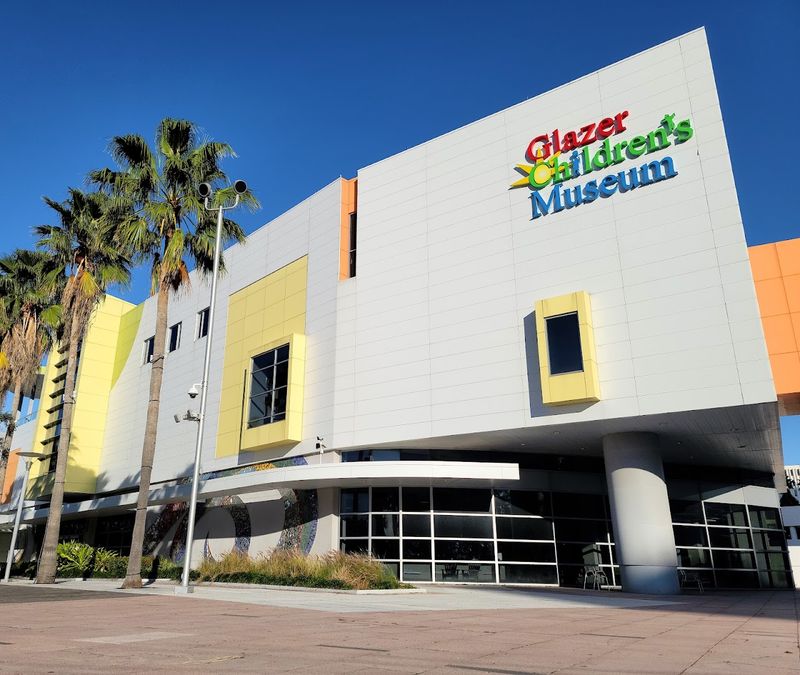
Right in the heart of downtown Tampa, this museum sits across from Curtis Hixon Park, making it easy to pair museum time with outdoor play. The building itself catches your eye with its bright, welcoming design that practically pulls families inside. Once through the doors, kids scatter to 17 interactive exhibit areas that cover everything from water play to engineering challenges.
The design studio lets children build and tinker with real tools, while the vet clinic area has kids diagnosing stuffed animals with surprising seriousness. Upstairs, the water play zone requires swimsuits or a change of clothes because nobody stays dry. The cruise ship exhibit teaches navigation, and the bank teaches money skills without the boring lecture format.
Summer camps and special programming keep locals coming back throughout the year. The museum connects to the Tampa Riverwalk, so families often make a whole day of it with lunch outside and a walk along the water. Members get early access hours, which makes weekend mornings significantly less chaotic for everyone trying to navigate the popular exhibits.
3. Florida Children’s Museum (Lakeland)
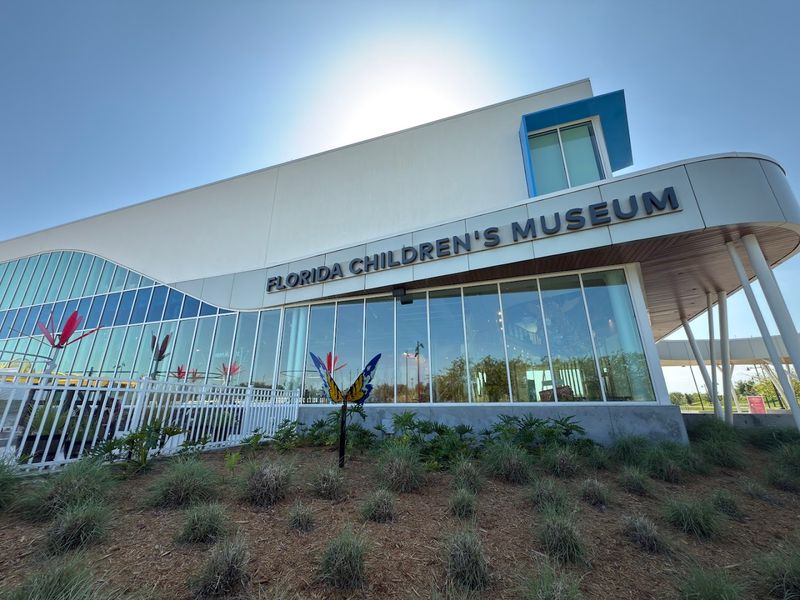
Bonnet Springs Park became Lakeland’s family destination when this 47,800-square-foot museum opened its doors. The building feels massive but somehow never overwhelming, with thoughtful layout that guides kids naturally from one discovery zone to the next. Natural light floods through large windows, making the whole space feel open and energizing rather than like a typical indoor facility.
Inside, exhibits cover Florida ecosystems, creative arts, building challenges, and pretend-play areas that change themes seasonally. The outdoor connection stands out here since kids can transition between museum exploration and park adventures without getting in the car. The orange grove exhibit teaches Florida agriculture history through interactive elements that make learning feel accidental.
Families often pack picnics to enjoy in the park between museum sessions. The museum hosts toddler mornings when older kids are in school, giving little ones space to explore without getting trampled. Annual memberships include reciprocal benefits at other children’s museums nationwide, making this a smart investment for families who travel.
The newness means everything still feels fresh and well-maintained, which parents definitely notice and appreciate.
4. Golisano Children’s Museum of Naples (Naples)
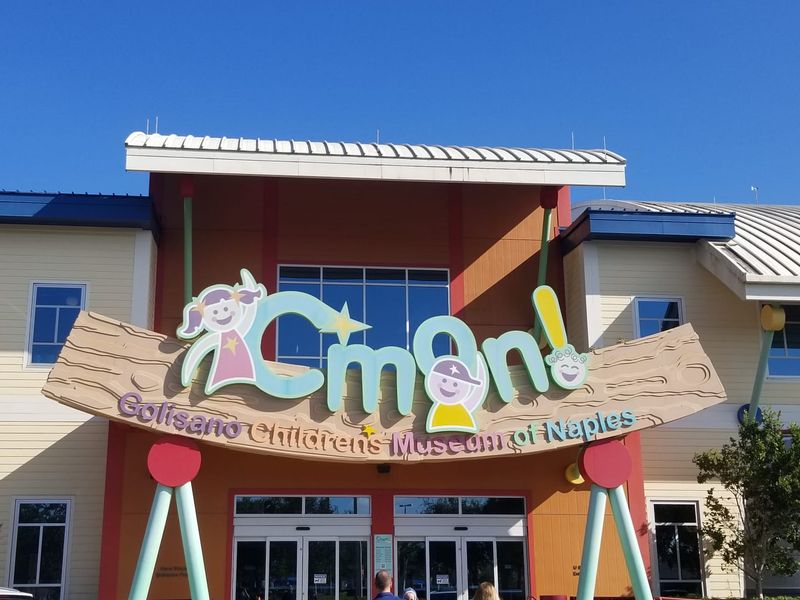
Southwest Florida finally got its dedicated children’s museum when this place opened, and Naples families haven’t stopped celebrating since. The museum focuses heavily on early childhood development through play, which means exhibits get designed with serious thought about how young brains actually learn. Colors, textures, and interactive elements all serve specific developmental purposes while looking like pure fun to kids.
The farm-to-fork exhibit teaches where food comes from, complete with a pretend farmer’s market that turns picky eaters into enthusiastic shoppers. A banyan tree climbing structure dominates one area, giving kids a safe place to test their physical limits. The art studio stays stocked with rotating projects that let children create actual take-home masterpieces rather than generic crafts.
Storm exhibits teach Florida weather science through hands-on experiences that make hurricanes less scary and more understandable. The Everglades area introduces local ecosystems without requiring an actual swamp trek. Membership includes special family nights and early learning workshops that give parents useful tools.
Located near North Collier Regional Park, families easily combine museum visits with playground time and nature trails for full-day adventures.
5. Great Explorations Children’s Museum (St. Petersburg)
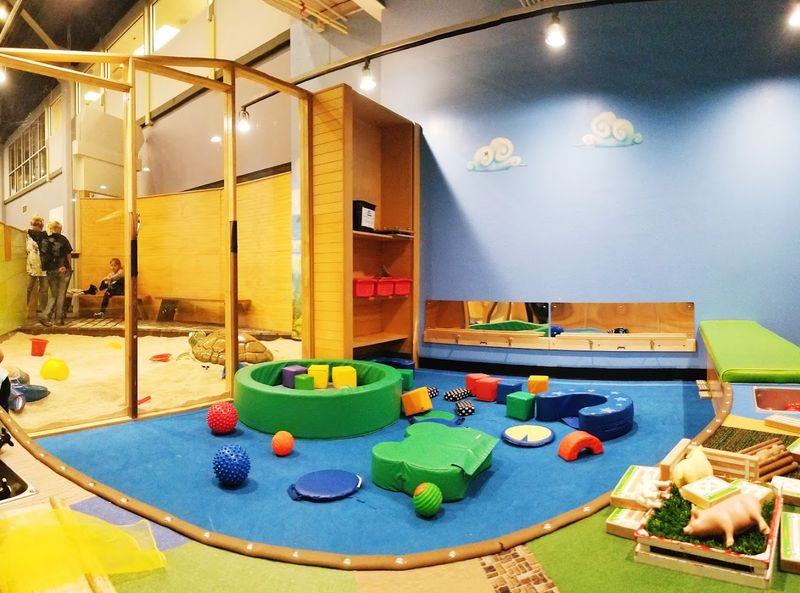
Tucked near Sunken Gardens in St. Pete, this museum keeps things intentionally manageable in size, which works perfectly for younger children who get overwhelmed in massive facilities. The focus stays firmly on creative play and imagination rather than flashy technology, giving kids space to actually think and problem-solve. Exhibits encourage open-ended play where there’s no single right answer, just exploration and discovery.
The fire station exhibit lets kids suit up and pretend to fight fires, complete with a real vintage fire truck. The veterinary clinic has realistic medical tools and plenty of stuffed patients needing care. A whole section dedicated to water play requires planning ahead with extra clothes, but kids love the engineering challenges involving dams, waterwheels, and channels.
Art spaces stay stocked with materials for process-based projects where the making matters more than the finished product. The touch tank brings marine life education indoors with gentle creatures kids can actually interact with safely. Staff members engage genuinely with children rather than just monitoring, often joining play and asking questions that extend learning.
The museum size means families can comfortably experience everything in one visit without exhaustion setting in for anyone involved.
6. The Children’s Museum of the Treasure Coast (Jensen Beach)
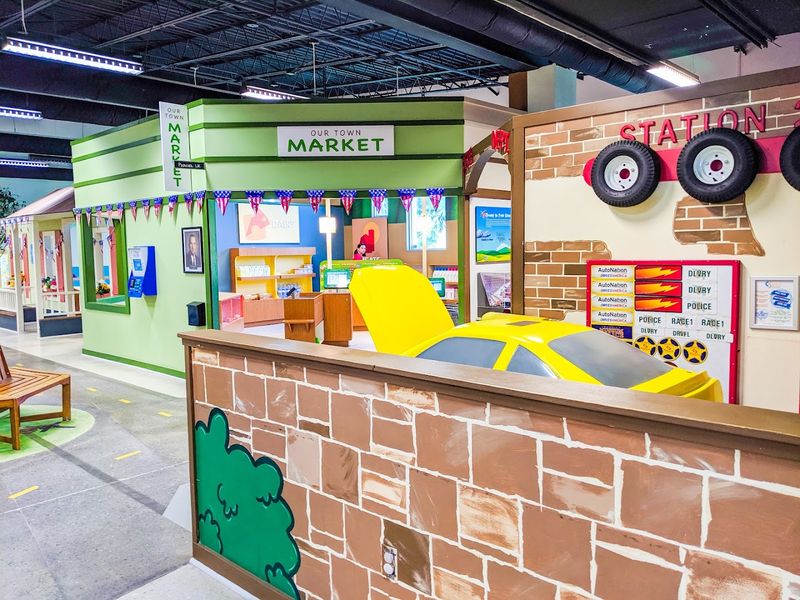
Indian Riverside Park houses this gem where kids explore Florida’s Treasure Coast history and culture through play. The museum building sits surrounded by park amenities, making it easy to split time between structured museum activities and free outdoor play. Inside, exhibits focus heavily on local themes that connect children to their community and environment in meaningful ways.
A working citrus packing house teaches Florida’s agricultural heritage through sorting, packing, and shipping games. The marine exhibit features local sea life and teaches ocean conservation without preaching. Kids can navigate a pirate ship, dig for treasure, and learn actual Treasure Coast shipwreck history simultaneously.
The veterinary office includes X-ray viewers and examination tables that make pretend play surprisingly educational.
Special programming brings in local experts from marine biology, agriculture, and conservation fields for hands-on demonstrations. The museum stays committed to affordability with reasonable admission prices and frequent free community days. Toddler programs run weekly, giving little ones age-appropriate exploration time.
The park location means families often arrive early for playground time, hit the museum mid-morning, then finish with picnic lunch under the oaks before heading home tired and happy.
7. Orlando Science Center (Orlando)
While the whole science center offers incredible exhibits for all ages, KidsTown specifically targets younger children with 11,000 square feet designed just for them. This dedicated space means toddlers and preschoolers can explore without competing with older kids or feeling overwhelmed by exhibits beyond their understanding. The area includes water play, climbing structures, building zones, and sensory experiences that match early childhood development stages perfectly.
Water tables let kids experiment with flow, pressure, and engineering while getting completely soaked. The climbing structures challenge gross motor skills safely, and the building area provides blocks, tubes, and connectors for endless construction projects. Sensory stations introduce textures, sounds, and visual experiences that fascinate young children while supporting neural development.
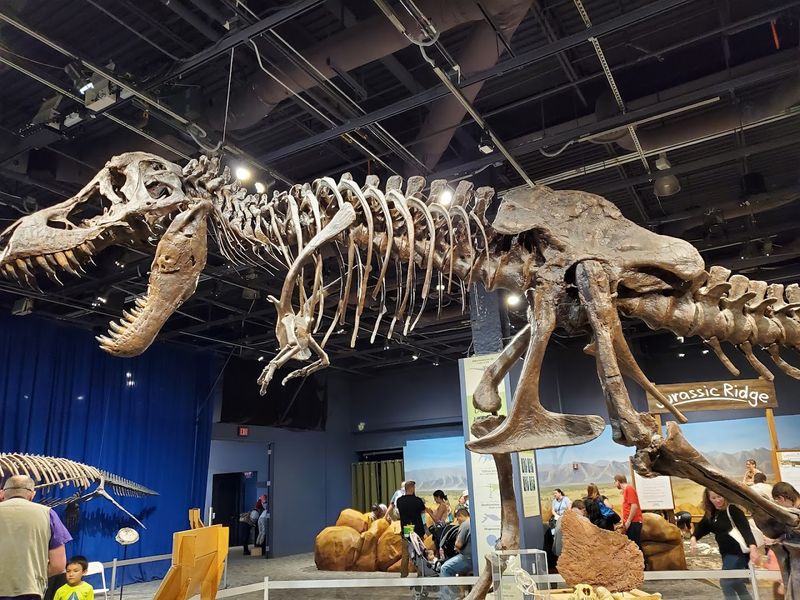
Beyond KidsTown, the whole science center offers dinosaur exhibits, body zone explorations, and live science demonstrations that keep older siblings equally entertained. The planetarium shows run regularly, introducing astronomy concepts through stunning visuals. Giant screen films in the theater bring nature and science to life in ways that hold attention spans surprisingly well.
Annual memberships pay for themselves quickly and include free parking, which saves significant money for repeat visitors to this massive downtown Orlando attraction.
8. Museum of Discovery and Science (Fort Lauderdale)
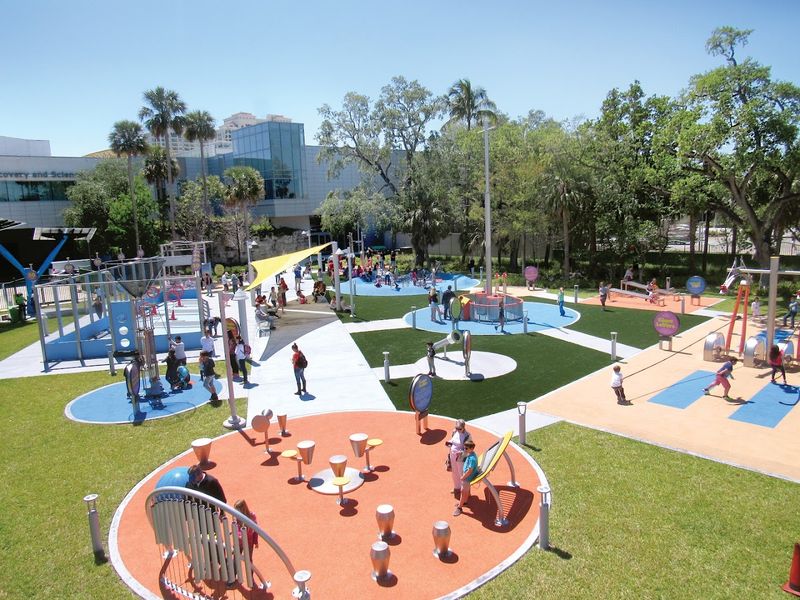
Fort Lauderdale’s riverfront science museum combines serious scientific content with seriously fun interactive experiences. The building itself impresses with multiple floors of exhibits that never feel repetitive or boring. From the moment families enter, they face choices about where to explore first, which creates genuine excitement rather than following a prescribed path through displays.
The Everglades exhibit recreates Florida’s ecosystem with live animals, including alligators that mesmerize kids for extended periods. Flight simulators let children experience piloting, while the storm center demonstrates weather phenomena through dramatic interactive displays. The living coral reef aquarium showcases local marine life with daily feedings that draw crowds.
What makes this place special is how exhibits scale for different ages simultaneously. A five-year-old and a twelve-year-old can explore the same space but engage at completely different levels. The IMAX theater shows educational films on a screen so large that even reluctant learners get pulled into the content.
Science demonstrations happen throughout the day, with staff who genuinely love their subjects and communicate enthusiasm naturally. Membership includes reciprocal admission to science centers nationwide, extending value well beyond Fort Lauderdale visits alone.
9. Pensacola MESS Hall (Pensacola)
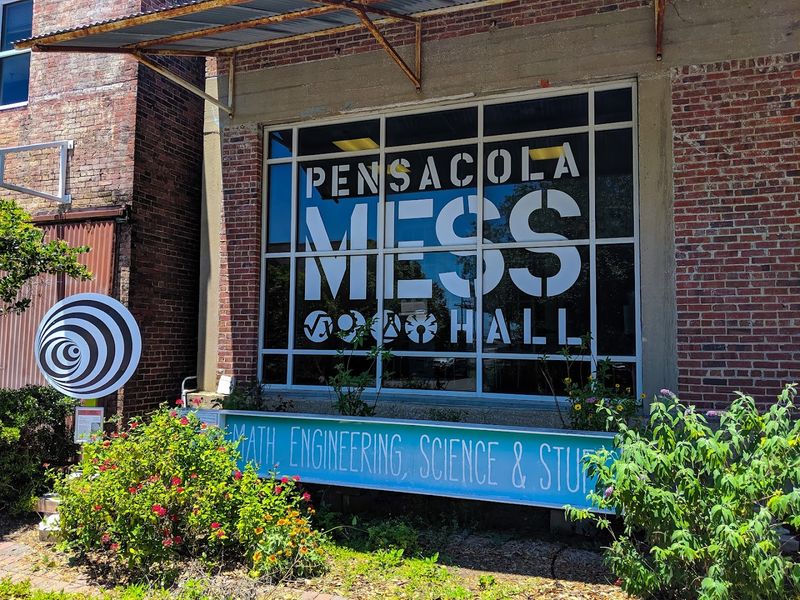
The name MESS Hall stands for Math, Engineering, Science, and Stuff, which perfectly captures this museum’s embrace of learning through experimentation. Located in downtown Pensacola, the space encourages kids to build, test, fail, and try again without worrying about keeping things perfect. This philosophy creates an atmosphere where genuine discovery happens because children feel free to take risks and make mistakes.
Exhibits change regularly, keeping repeat visitors engaged with new challenges and projects. Building stations provide materials for construction projects that range from simple towers to complex mechanical systems. The tinkering lab includes real tools under supervision, teaching kids how to safely use equipment while creating functional objects.
Science demonstrations happen daily, often involving spectacular reactions that make chemistry and physics suddenly fascinating.
Staff members excel at asking questions that guide thinking without giving away answers, which develops problem-solving skills naturally. The museum offers camps, classes, and special events that extend learning beyond casual visits. Birthday party packages let kids celebrate while actually learning, which parents appreciate more than sugar-fueled chaos.
The downtown location pairs well with lunch at nearby restaurants and walks along Pensacola Bay, making museum visits part of larger family outings that everyone enjoys together.
10. Pensacola Children’s Museum (Pensacola)
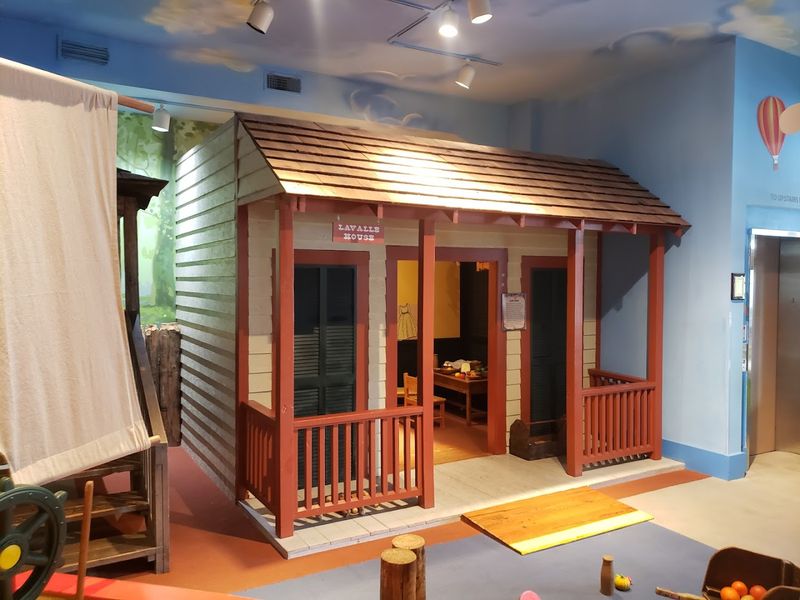
Downtown Pensacola’s historic district houses this smaller children’s museum that focuses on learning through imaginative play. The intimate size works beautifully for younger children who might feel lost in larger facilities, and the historic building adds character that modern structures can’t replicate. Exhibits emphasize Pensacola’s history and culture, connecting children to their community through hands-on experiences.
A historic kitchen lets kids pretend to cook meals from different time periods, teaching history through daily life activities. The dress-up area includes period costumes that bring past eras to life through play. A miniature Pensacola cityscape lets children explore their hometown from a new perspective, identifying landmarks and learning geography simultaneously.
The museum hosts story times, craft sessions, and special programs that create community among local families. Staff members know regular visitors by name, creating a welcoming atmosphere that makes children feel comfortable and valued. The location means families often combine museum visits with exploration of historic downtown, nearby parks, and waterfront areas.
Admission prices stay intentionally affordable, ensuring access for all families regardless of economic circumstances. The museum may be smaller than others, but the quality of experiences and genuine community feel make it a treasured resource for Pensacola families.
11. Children’s Science Explorium at Sugar Sand Park (Boca Raton)
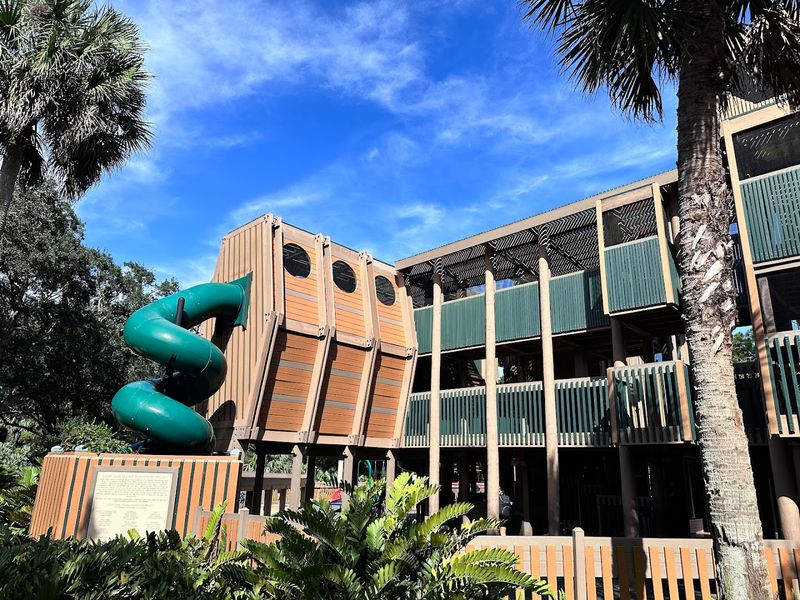
Free admission makes this science center a standout resource for families watching budgets. Located inside Sugar Sand Park, the Explorium targets children ages 5 to 12 with hands-on science exhibits that teach through experimentation rather than reading. The setting inside a larger park means kids can transition between structured learning and free play without leaving the property.
Exhibits cover physics, biology, engineering, and environmental science through interactive stations that encourage testing and discovery. Kids can build structures to test earthquake resistance, explore circuits to understand electricity, or examine specimens under microscopes to see hidden details. The focus stays on process and experimentation rather than getting right answers, which removes pressure and increases genuine curiosity.
The park itself offers playgrounds, athletic fields, and nature trails that extend family time well beyond the science center. Carousel rides and amphitheater performances add entertainment options that make Sugar Sand Park an all-day destination. The science center hosts camps during school breaks, giving kids structured activities that prevent summer brain drain.
Because admission is free, families visit more frequently and casually, dropping in for an hour rather than feeling pressure to maximize paid admission. This accessibility makes science exploration a regular part of life rather than a special occasion event.
12. Cade Museum for Creativity and Invention (Gainesville)
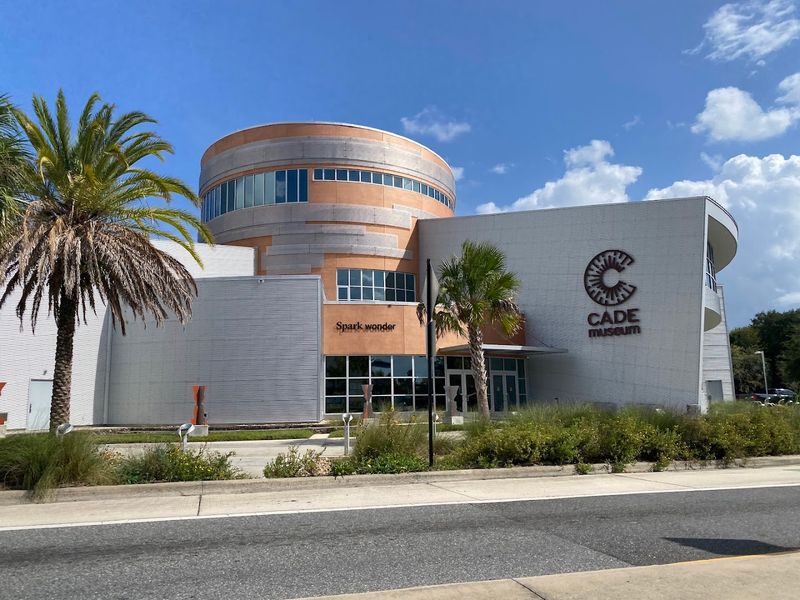
Gainesville’s innovation museum teaches children to think like inventors through hands-on creativity labs and interactive exhibits. Named after Dr. James Robert Cade, who invented Gatorade at the University of Florida, the museum celebrates the invention process from idea to reality. This focus on creativity and problem-solving sets it apart from typical science museums that emphasize facts over thinking.
The Creativity Lab provides materials and challenges that encourage open-ended experimentation without predetermined outcomes. Kids might build bridges, design solutions to engineering problems, or create artistic projects that blend science and art. The Inventors Gallery showcases real inventors and their stories, making innovation feel achievable rather than something only geniuses accomplish.
Interactive exhibits explain the invention process through failure, iteration, and persistence rather than instant success. This realistic approach teaches resilience and growth mindset naturally through play and exploration. The museum hosts invention competitions, summer camps, and workshops that deepen engagement beyond casual visits.
University of Florida connections bring in student mentors and cutting-edge research that keeps content current and exciting. The museum building itself demonstrates sustainable design, teaching environmental responsibility through architecture. Gainesville families appreciate having a STEAM resource that complements school learning while feeling nothing like school.
13. Cox Science Center and Aquarium (West Palm Beach)
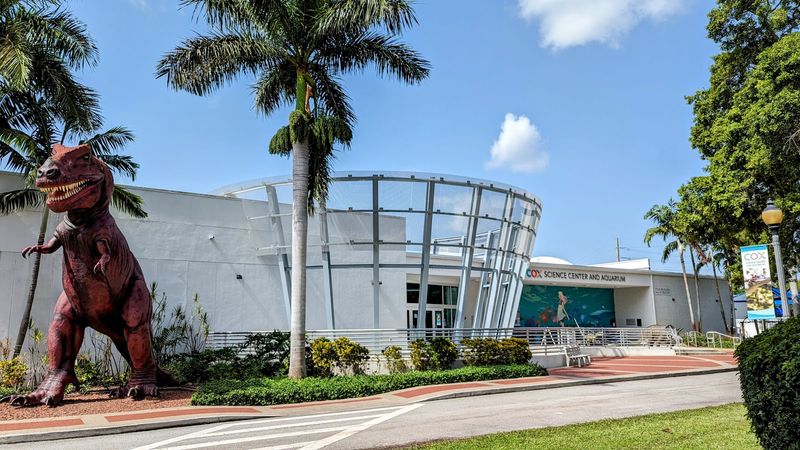
West Palm Beach’s science center packs remarkable variety into one location with aquariums, planetarium, outdoor exhibits, and hands-on science stations. The combination means families can easily spend entire days exploring without exhausting the available activities. Indoor and outdoor spaces provide flexibility when weather turns unpredictable, which happens frequently in South Florida.
The aquarium features local marine life with touch tanks that let kids safely interact with sea creatures. Planetarium shows introduce astronomy through immersive presentations that make space science accessible to young minds. Outside, the science trail winds through native Florida habitats with educational stations explaining ecosystems and conservation.
The splash pad provides relief on hot days while teaching water science through play. A dinosaur walk combines paleontology education with the thrill of life-size prehistoric creatures. Interactive exhibits inside cover physics, biology, and environmental science through hands-on stations that encourage experimentation.
The center hosts science camps, scout programs, and special events that create repeat visit value. Staff scientists conduct live demonstrations throughout the day, answering questions and sparking curiosity naturally through conversation. Membership includes unlimited visits plus discounts on camps and programs, making it worthwhile for local families who visit regularly throughout the year.
14. Emerald Coast Science Center (Fort Walton Beach)
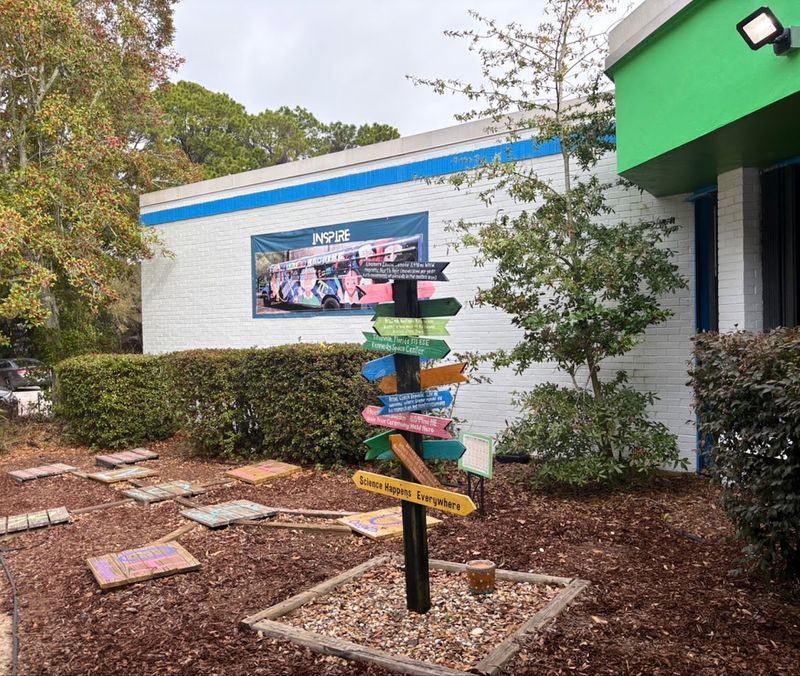
Fort Walton Beach’s science center brings STEM education to Florida’s Panhandle with hands-on exhibits and live animal encounters. The center stays intentionally accessible in size and scope, making it perfect for younger children taking their first steps into science exploration. Live animals create immediate engagement that pulls kids in before they even realize they’re learning.
Animal exhibits include reptiles, amphibians, and small mammals with scheduled feeding times and keeper talks. Kids learn animal care, biology, and conservation through observation and interaction. Interactive science stations cover topics from simple machines to weather patterns, all scaled appropriately for elementary-age understanding.
Building challenges provide engineering practice through play with blocks, connectors, and problem-solving scenarios.
The center emphasizes local ecosystems and environmental science, teaching children about their immediate surroundings and conservation needs. Staff members engage personally with visitors, explaining concepts and answering questions without talking down to kids. Special programs bring in guest scientists, offer themed workshops, and provide summer camp options that extend learning beyond casual visits.
The science center serves an area without many similar resources, making it especially valuable for Emerald Coast families seeking educational entertainment. Admission prices stay reasonable, and annual memberships pay for themselves within just a few visits for families who make science exploration a regular activity.
15. Museum of Science & History (Jacksonville)
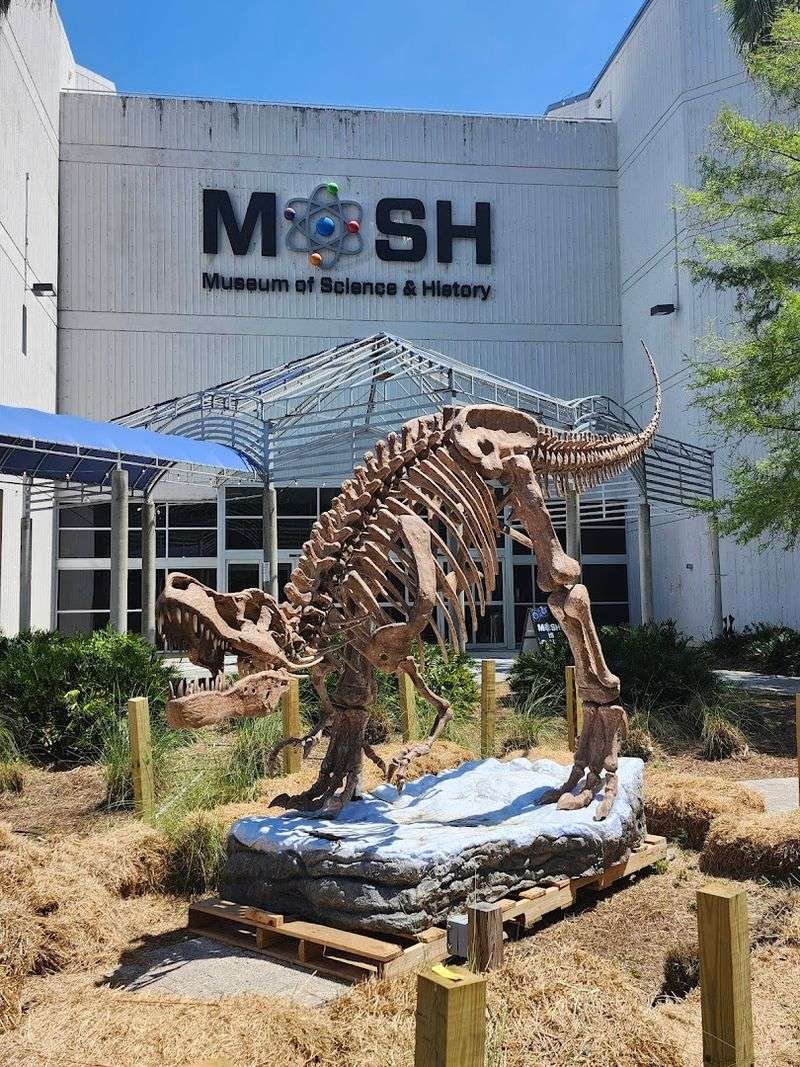
Jacksonville’s MOSH combines science and history under one roof, creating unique connections between past and present. The museum sits along the Southbank Riverwalk with views of downtown, making the location itself part of the experience. Exhibits range from regional history to cutting-edge science, providing depth that keeps families returning as children grow and interests evolve.
The planetarium offers shows that transport viewers through space and time with stunning visuals and expert narration. Science exhibits cover physics, biology, and technology through interactive stations that encourage hands-on exploration. History galleries tell Jacksonville’s story through artifacts, multimedia presentations, and immersive environments that make the past feel relevant to modern life.
The kid-friendly discovery area targets younger visitors with age-appropriate activities that introduce scientific thinking through play. Live science demonstrations happen throughout the day with staff who communicate enthusiasm naturally and answer questions patiently. Special exhibitions rotate regularly, bringing in traveling shows that complement permanent collections.
The museum hosts sleepovers, camps, and special events that create memorable experiences beyond typical visits. Membership includes reciprocal admission to hundreds of museums nationwide through the ASTC program, extending value far beyond Jacksonville. The riverside location pairs perfectly with outdoor time along the Riverwalk, creating full-day family adventures that combine learning with fresh air and exercise.