This Orlando Neighborhood Is One Of Florida’s Most Seriously Slept-On Spots
Tucked away from the theme park chaos that defines much of Orlando, Baldwin Park quietly thrives as one of Central Florida’s best-kept secrets. This former Naval Training Center has been reimagined into a charming residential oasis where palm-lined streets, waterfront views, and a genuine sense of community create something truly special. While tourists flock to the usual Orlando attractions, locals in the know have discovered that Baldwin Park offers the kind of authentic Florida living that’s becoming increasingly rare—and it’s about time more people caught on.
1. Two Stunning Lakes That Define the Neighborhood
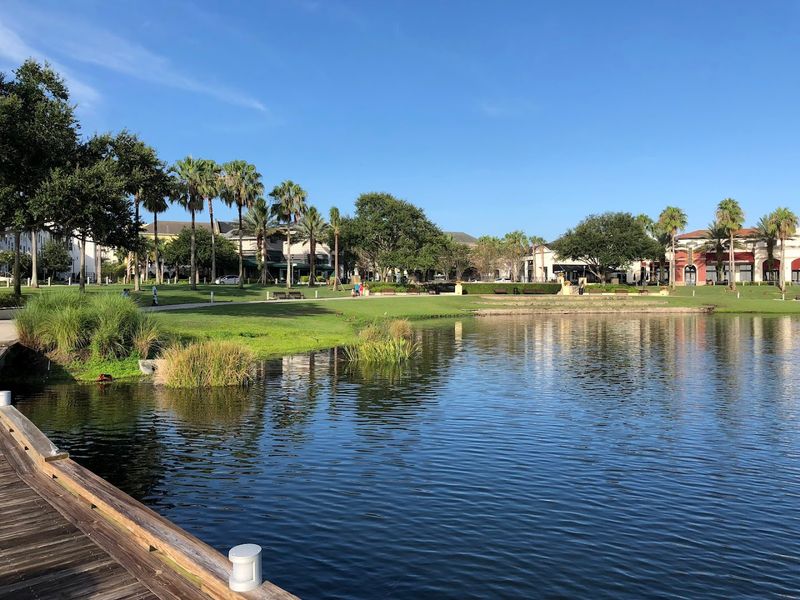
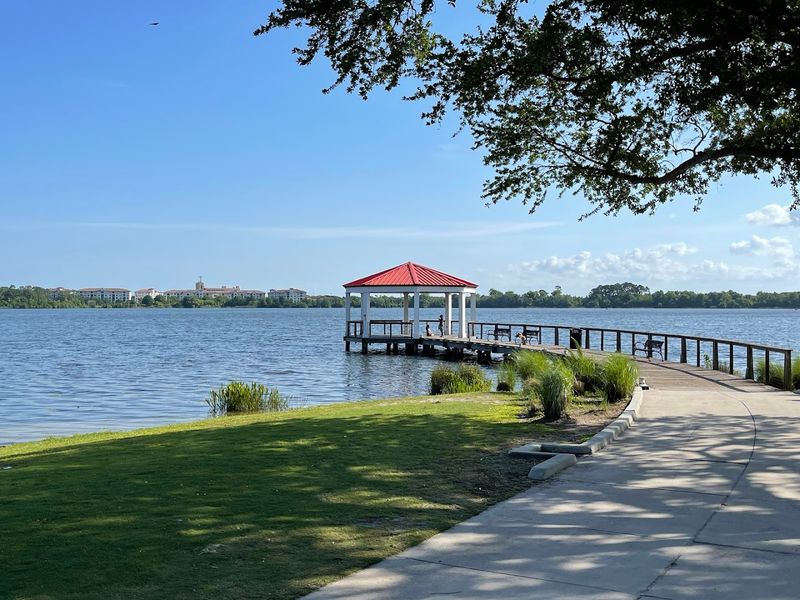
Water shapes everything about Baldwin Park’s identity. Lake Baldwin and Lake Susannah anchor this community, providing residents with nearly constant access to gorgeous waterfront scenery that feels worlds away from typical suburban sprawl. Morning joggers circle these lakes as the sun rises, while evening strollers catch spectacular Florida sunsets reflecting off the calm waters.
The lakes aren’t just pretty to look at—they’re functional green spaces that encourage outdoor activity year-round. Families gather along the shores for impromptu picnics, fitness enthusiasts use the waterfront paths for training runs, and photographers never run out of beautiful backdrops. The presence of water also helps regulate temperatures and creates a microclimate that feels slightly cooler during those brutal summer months.
What makes these lakes special is how accessible they are to everyone in the neighborhood. You don’t need to live in a waterfront home to enjoy lakeside relaxation. Public access points and well-maintained paths ensure that these natural features benefit the entire community rather than just a privileged few.
It’s this democratic approach to natural amenities that sets Baldwin Park apart from gated communities where lakes become private playgrounds.
The wildlife around these lakes adds another layer of charm. Herons stalk the shallows hunting for fish, turtles sun themselves on logs, and ducks paddle contentedly through the water, creating a peaceful soundtrack to neighborhood life.
2. Cady Way Trail Connects You to Greater Orlando
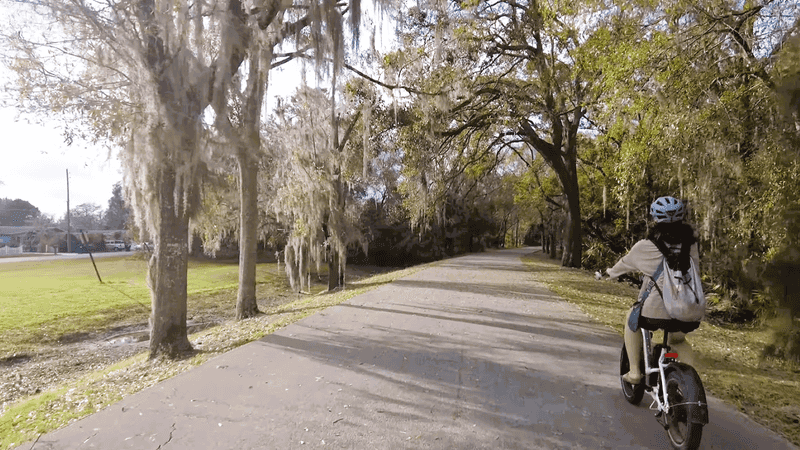
Stretching over six miles through Baldwin Park, the Cady Way Trail represents one of Orlando’s most successful urban trail projects. This paved pathway connects Baldwin Park residents to Fashion Square Mall, Downtown Orlando, and beyond—all without getting into a car. Cyclists, runners, rollerbladers, and casual walkers share this beautifully maintained trail that proves Orlando can be pedestrian-friendly when properly planned.
Early mornings bring serious cyclists logging miles before work, their colorful jerseys flashing past as they train. Lunchtime sees professionals from nearby offices taking walking meetings or clearing their heads with quick jogs. Evenings transform the trail into a social hub where neighbors catch up during strolls and families bike together after dinner.
The trail’s design prioritizes safety and comfort. Smooth pavement makes for easy rolling on bikes or skates, while strategic shade trees provide relief from Florida’s intense sun. Regular maintenance keeps the path clean and well-marked, and good lighting extends usability into evening hours when temperatures finally become tolerable.
Beyond recreation, Cady Way Trail serves as legitimate transportation infrastructure. Commuters actually use it to reach jobs, students bike to nearby schools, and residents can run errands without driving. This connectivity reduces traffic, promotes healthier lifestyles, and builds community bonds as people interact face-to-face rather than through car windows.
It’s urban planning done right.
3. Blue Jacket Park and the RTC Orlando Memorial
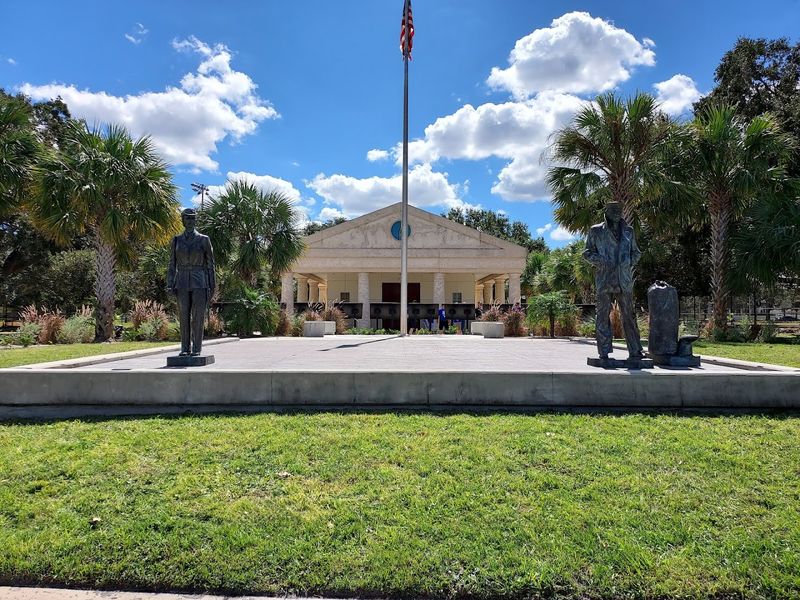
History runs deep in Baldwin Park, and nowhere is that more apparent than Blue Jacket Park. Named for the Naval recruits who once trained on this land, the park honors Baldwin Park’s military heritage while serving modern recreational needs. The centerpiece RTC Orlando Memorial stands as a powerful reminder that this neighborhood was once home to thousands of sailors beginning their service careers.
Veterans and military families find special meaning in this memorial, often visiting to remember their own training days or honor loved ones who served. The memorial’s thoughtful design creates a contemplative space that encourages reflection without feeling somber. It successfully bridges Baldwin Park’s past and present, reminding newer residents of the land’s significant history.
Beyond its memorial function, Blue Jacket Park delivers excellent recreational amenities. Open green spaces invite pickup soccer games, frisbee throwing, and kite flying. Playground equipment keeps younger children entertained while parents relax on nearby benches.
The park hosts community events throughout the year, from holiday celebrations to outdoor movie nights that bring neighbors together.
What’s particularly impressive is how the park balances multiple functions seamlessly. You can attend a Memorial Day ceremony in the morning and watch your kids play soccer that same afternoon. The design respects the site’s military history without letting that history dominate or limit current community use.
It’s a living space that honors the past while serving the present.
4. Walkable Village Center with Local Flavor
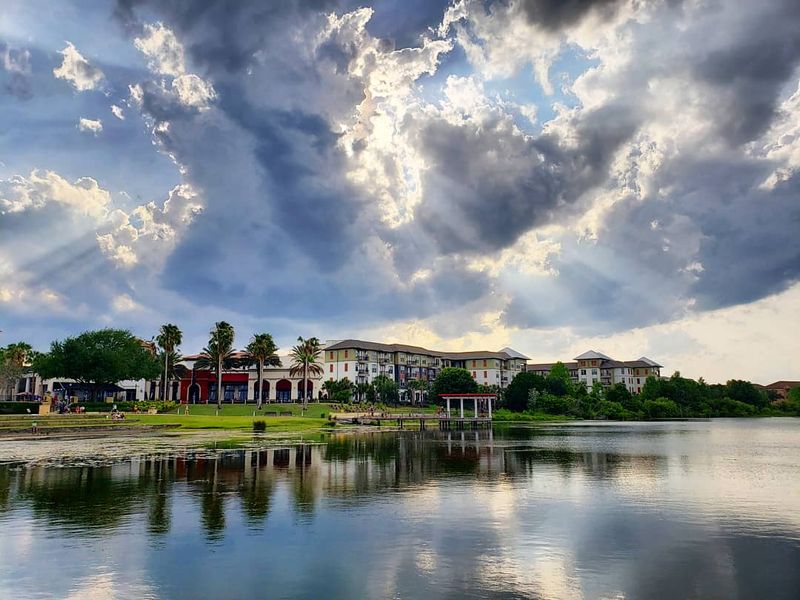
Forget sprawling strip malls and endless parking lots—Baldwin Park’s village center brings European-style walkability to Central Florida. Cafes, restaurants, bars, and shops cluster together along pedestrian-friendly streets where people actually walk from place to place. It’s the kind of neighborhood commercial district that developers talk about but rarely execute this well.
Morning coffee runs become social occasions when your favorite cafe sits just a short stroll away. Business owners recognize regular customers by name, creating genuine relationships that big-box retailers can’t replicate. This familiarity breeds community trust and loyalty—residents actively support local businesses because they know the people behind the counters.
The architectural design reinforces walkability through human-scale buildings and attractive storefronts. Wide sidewalks accommodate outdoor dining, while strategic landscaping provides shade and visual interest. Parking exists but doesn’t dominate; it’s tucked behind buildings rather than sprawling out front, maintaining the pedestrian-oriented feel.
Evening transforms the village center into Baldwin Park’s social heart. Restaurants fill with diners enjoying everything from casual pizza to upscale cuisine. Bars welcome neighbors unwinding after work, and ice cream shops draw families seeking after-dinner treats.
You’ll see people you know, strike up conversations, and feel genuinely connected to your community. This organic social mixing—impossible in car-dependent suburbs—makes Baldwin Park feel more like a small town than a Orlando neighborhood.
5. Palm-Lined Streets That Feel Like Old Florida
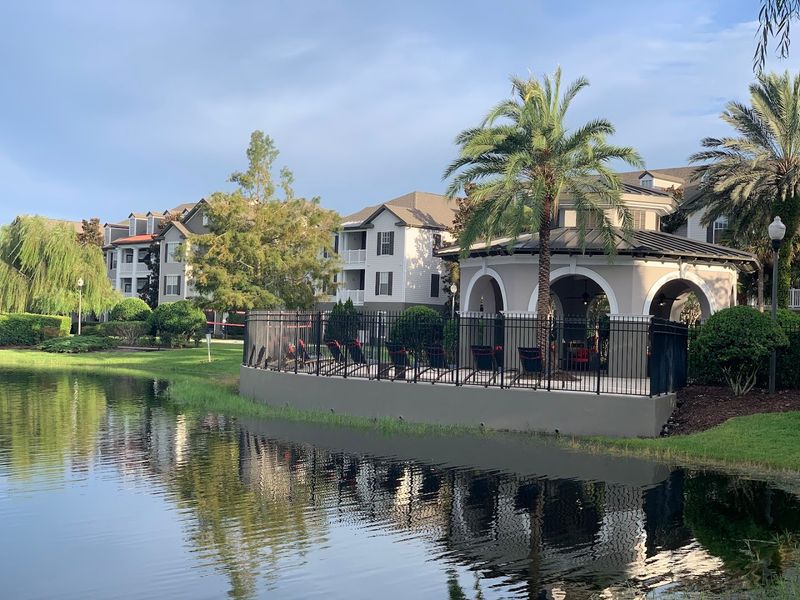
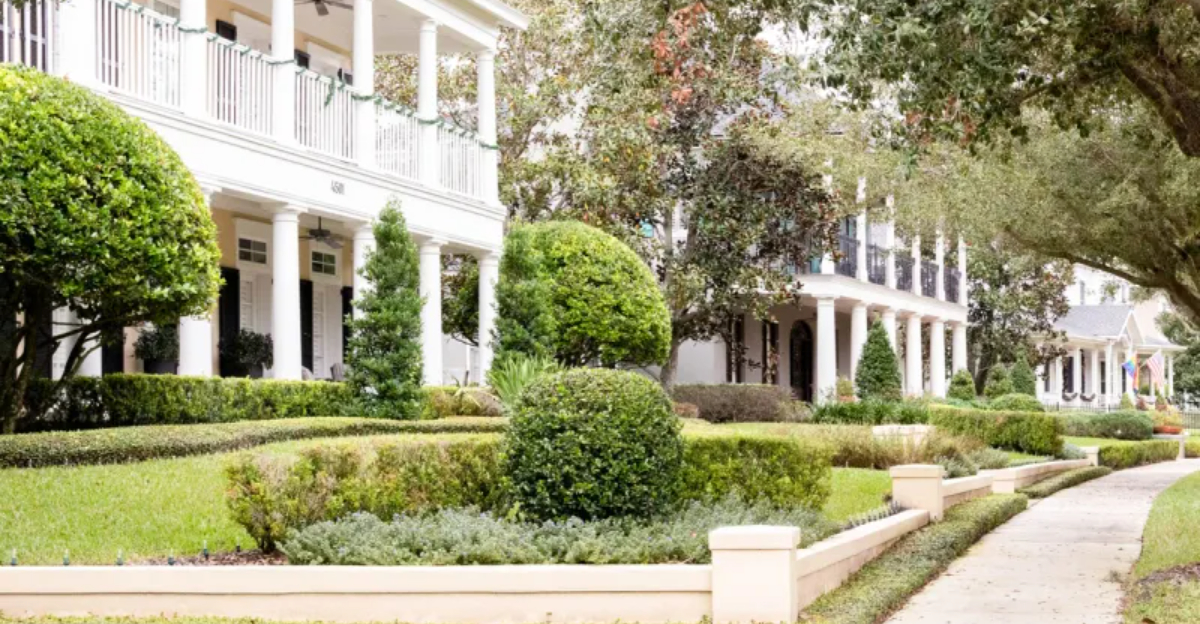
Baldwin Park’s streetscape immediately signals that this neighborhood prioritizes aesthetics and livability. Towering palm trees line residential streets, their fronds swaying in afternoon breezes and casting dappled shadows on sidewalks below. These aren’t random plantings—they’re part of a cohesive design vision that gives Baldwin Park its distinctive character and tropical ambiance.
The palms evoke classic Florida imagery without feeling touristy or artificial. They connect Baldwin Park to the state’s architectural heritage when towns planted palms as status symbols and cooling shade providers. Walking these streets feels like stepping into a more elegant era of Florida development, before cookie-cutter subdivisions became the norm.
Mature landscaping extends beyond just palms. Carefully selected native and adapted plants create lush greenery that survives Florida’s climate without requiring excessive irrigation. Flowering shrubs add seasonal color, while shade trees provide relief during summer heat.
This attention to landscaping makes walking and biking genuinely pleasant rather than just theoretically possible.
Street design itself encourages slower speeds and pedestrian safety. Narrower roadways, frequent crosswalks, and traffic-calming measures prioritize people over cars. Kids can bike to friends’ houses without parents panicking about traffic.
Neighbors chat across front yards rather than retreating into backyard privacy. The physical environment shapes social behavior, and Baldwin Park’s streets foster the kind of neighborly interaction that builds strong communities. It’s urban design as social engineering—and it works.
6. Tranquil Residential Vibe Away from Tourist Chaos
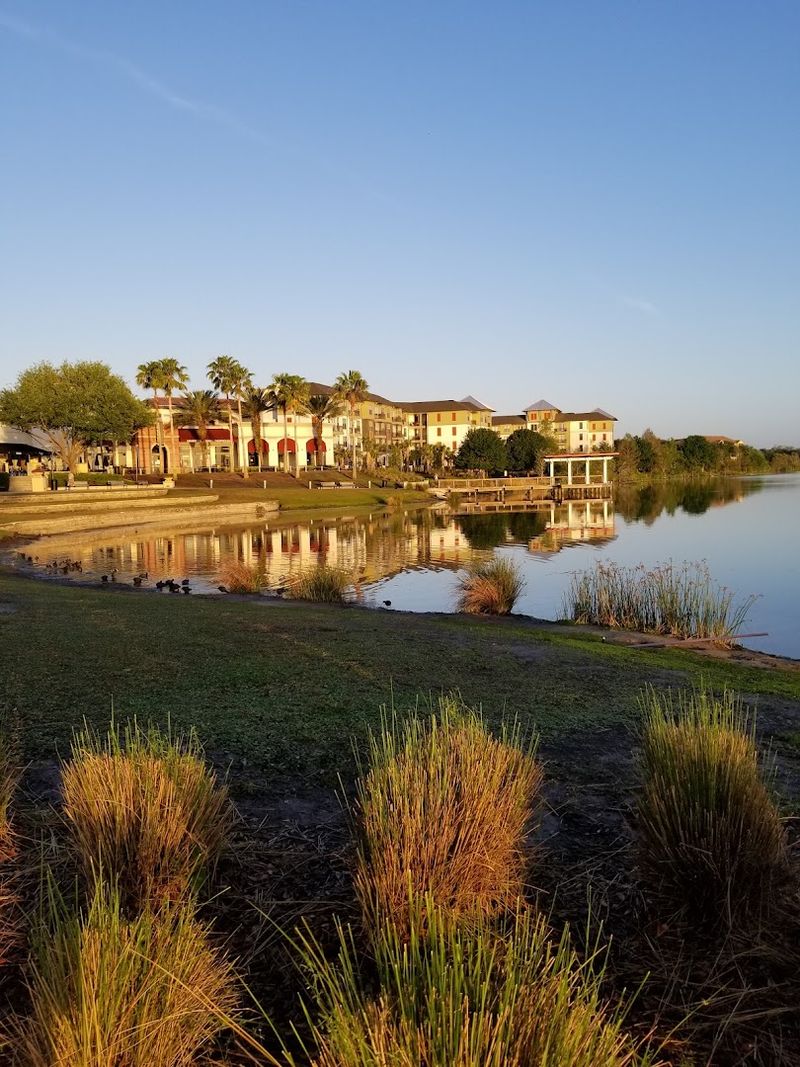
Living in Orlando typically means accepting tourism’s constant presence—traffic congestion, crowded restaurants, and theme park visitors everywhere. Baldwin Park offers a remarkable escape from this reality despite sitting just minutes from downtown. The neighborhood maintains a peaceful, residential atmosphere where you can forget you’re in one of America’s most-visited tourist destinations.
This tranquility isn’t accidental. Baldwin Park’s master-planned design deliberately creates a self-contained community with everything residents need within walking distance. You don’t have to venture onto congested tourist corridors for daily errands, which means you can genuinely disconnect from Orlando’s visitor economy when desired.
The residential focus attracts people seeking community over convenience to attractions. Families with school-age children, young professionals, and retirees all find Baldwin Park appealing because it offers authentic neighborhood living. People know their neighbors, participate in community events, and invest in local relationships rather than treating their homes as temporary crash pads between theme park visits.
Weekday mornings reveal Baldwin Park’s true character. Parents walk kids to school, neighbors greet each other during morning jogs, and local coffee shops buzz with regular customers. There’s a rhythm and routine that feels distinctly residential—a sharp contrast to tourist areas where every day brings new faces and transient energy.
For people who actually live in Orlando rather than just visiting, Baldwin Park provides the stable, community-oriented lifestyle that’s increasingly difficult to find.
7. Former Naval Training Center Turned Community Asset
Baldwin Park’s origin story reads like successful adaptive reuse at its finest. For decades, this land functioned as a Naval Training Center where thousands of sailors received basic training before deploying worldwide. When the facility closed in the 1990s, Orlando faced a decision: let valuable land sit vacant or reimagine it entirely.
Developers chose transformation over preservation, creating a neighborhood that honors military history while serving contemporary needs.
Evidence of the site’s naval past appears throughout Baldwin Park. Street names reference military service, parks commemorate training center history, and the RTC Memorial ensures future generations remember this land’s significance. This thoughtful incorporation of history prevents Baldwin Park from feeling like generic new construction dropped onto empty land.
The base’s existing infrastructure provided unexpected advantages during redevelopment. Wide streets originally designed for marching formations now accommodate bike lanes and pedestrian paths. The flat, cleared land simplified construction while existing utilities reduced development costs.
Even the base’s isolated location—once necessary for military security—now creates Baldwin Park’s desirable separation from surrounding development.
Current residents appreciate living somewhere with genuine history and purpose. The land wasn’t scraped and developed purely for profit; it served an important national function before transitioning to civilian use. This heritage adds depth and meaning that purely speculative developments lack, giving Baldwin Park residents a connection to something larger than just real estate investment.
8. Growing Food and Entertainment Scene Worth Exploring
Baldwin Park’s culinary landscape has quietly matured into one of Orlando’s most interesting neighborhood food scenes. Small restaurants and bars have discovered that Baldwin Park residents enthusiastically support quality establishments, creating opportunities for chef-driven concepts that might struggle in more transient areas. You’ll find everything from neighborhood pizza joints to upscale dining, all operating at a scale that encourages personal service and menu experimentation.
Local ownership dominates Baldwin Park’s restaurant mix, which means you’re supporting actual people rather than corporate franchises. Chefs live nearby and shop at the same stores as their customers, creating accountability and pride in their work. This personal investment shows in food quality, creative menus, and genuine hospitality that chain restaurants simply cannot replicate.
The bar scene leans neighborhood tavern rather than nightclub chaos. Craft beer selections showcase Florida breweries, bartenders remember your preferences, and conversation flows easily among regulars. These establishments function as community living rooms where residents gather to decompress, celebrate, and connect.
They’re places where showing up alone doesn’t feel awkward because you’ll inevitably know someone.
Entertainment options extend beyond food and drink. Live music venues host local performers, coffee shops feature rotating art exhibitions, and seasonal events activate public spaces. Baldwin Park has cultivated a cultural scene proportional to its size—not competing with downtown Orlando but providing enough variety that residents don’t feel culturally starved.
It’s the Goldilocks solution: enough happening to stay interesting without overwhelming the neighborhood’s residential character.