This Crystal-Clear South Florida Swimming Spot Is Closed Until Late 2026, And Locals Are Nervous
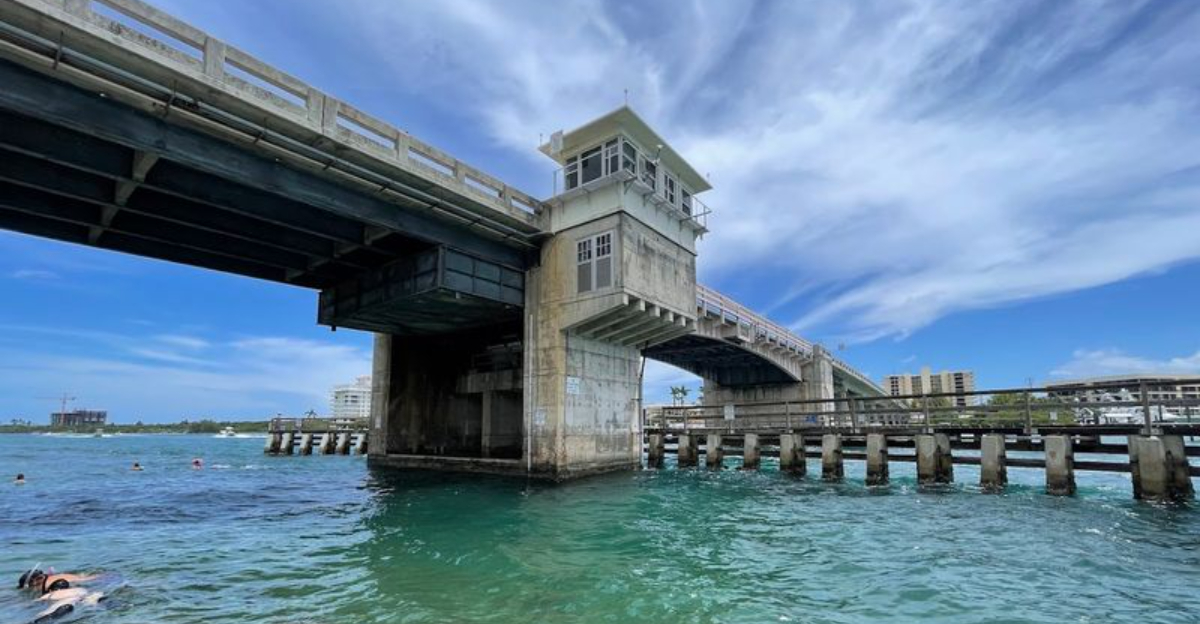
Cato’s Bridge in Tequesta has been one of South Florida’s best-kept secrets for years, drawing snorkelers, kayakers, and nature lovers to its incredibly clear waters. The bridge sits over the Loxahatchee River, where you can see fish swimming 30 feet below and spot manatees gliding past. But now this beloved spot is closed for major construction work that won’t wrap up until late 2026, and the local community is worried about what changes might come with the reopening.
1. Why The Closure Is Happening Now
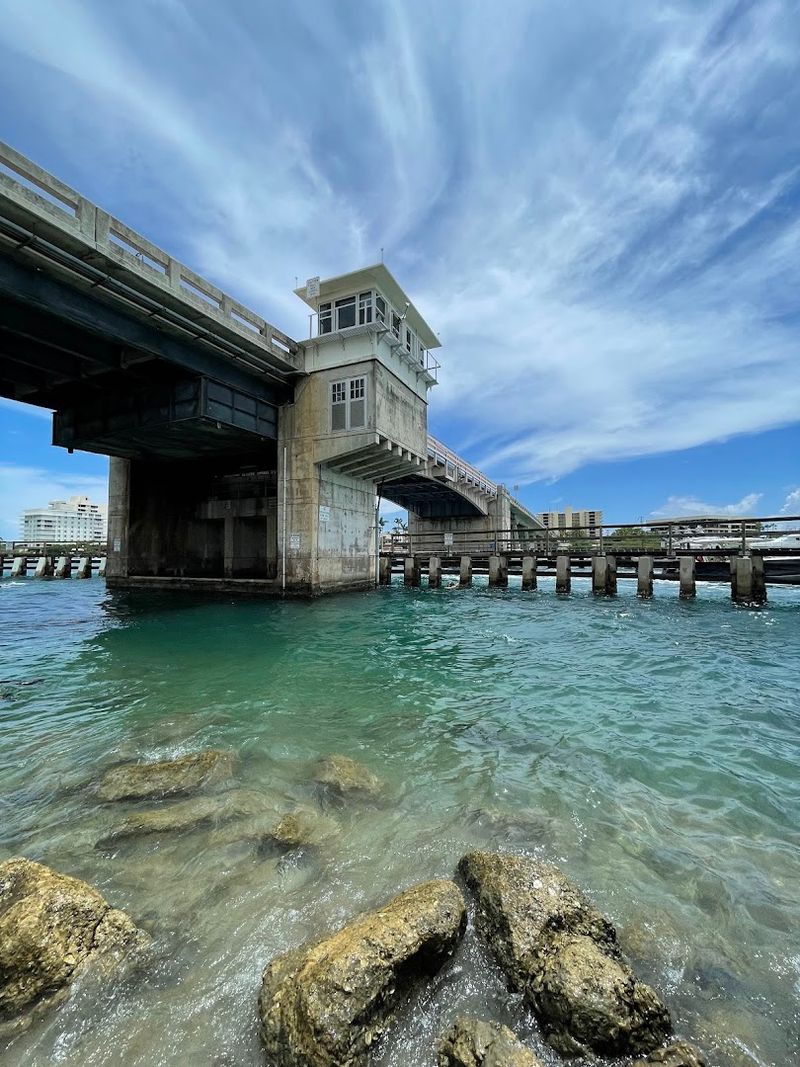
The bridge needs serious repairs after decades of wear from saltwater, boat traffic, and constant use. Engineers discovered structural problems that can’t wait any longer, so the county decided to start a complete renovation project. The work includes replacing old concrete, reinforcing the foundation, and updating safety features to modern standards.
Local officials say the bridge was built in a different era and doesn’t meet current engineering requirements. Saltwater has been eating away at the support beams for years, and cracks were starting to show in places that worried inspectors. Rather than doing quick fixes that would only last a few years, they’re doing a full rebuild that should last another 50 years or more.
The timing couldn’t feel worse for people who visit regularly. Summer is when the water is clearest and warmest, perfect for snorkeling and paddleboarding. Families had planned their weekends around trips to Cato’s Bridge, and now they’re scrambling to find other spots that come close to matching the experience.
The construction timeline stretches all the way to late 2026, which means missing three full summer seasons at this special place.
2. What Made This Spot So Special
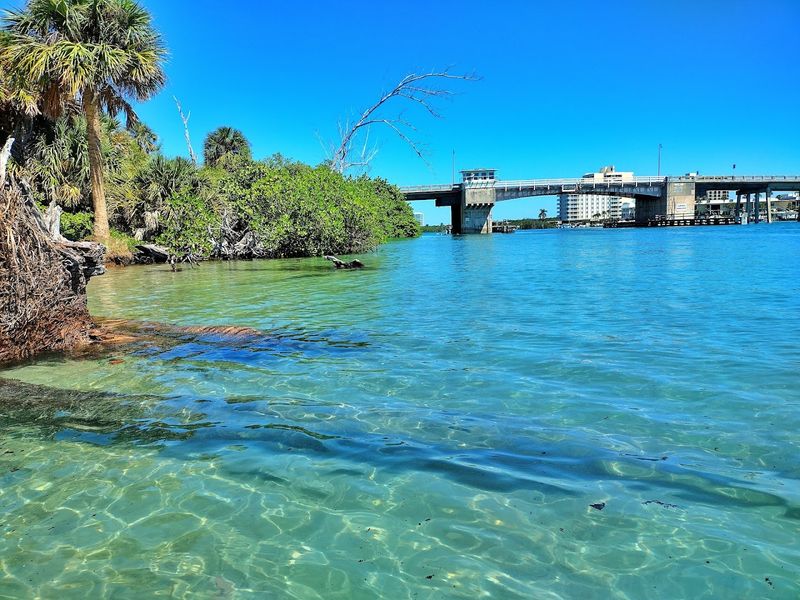
Cato’s Bridge wasn’t just another swimming hole. The water there runs so clear that you could watch fish darting around bridge pillars from 30 feet above. Reviews mention seeing the sandy bottom in perfect detail, even in deeper sections where most Florida waters turn murky and green.
The bridge sits right where freshwater from the Loxahatchee River meets saltwater from the Intracoastal, creating a unique ecosystem. This mix brings in an amazing variety of wildlife including manatees, sea turtles, puffer fish, small barracuda, and countless tropical fish species. Starfish cover the rocks near the pillars, and if you’re lucky, you might spot a stingray gliding past.
What really set it apart was the combination of easy access and wild beauty. You didn’t need a boat or special equipment to experience something that felt like the Florida Keys. Park near the Jupiter Lighthouse, walk down a short trail, and suddenly you’re in paradise.
The small beach area meant it never felt overcrowded like bigger tourist spots, keeping that local hideaway vibe that made regulars feel like they’d discovered something secret and worth protecting from the masses.
3. The Snorkeling Scene Locals Will Miss
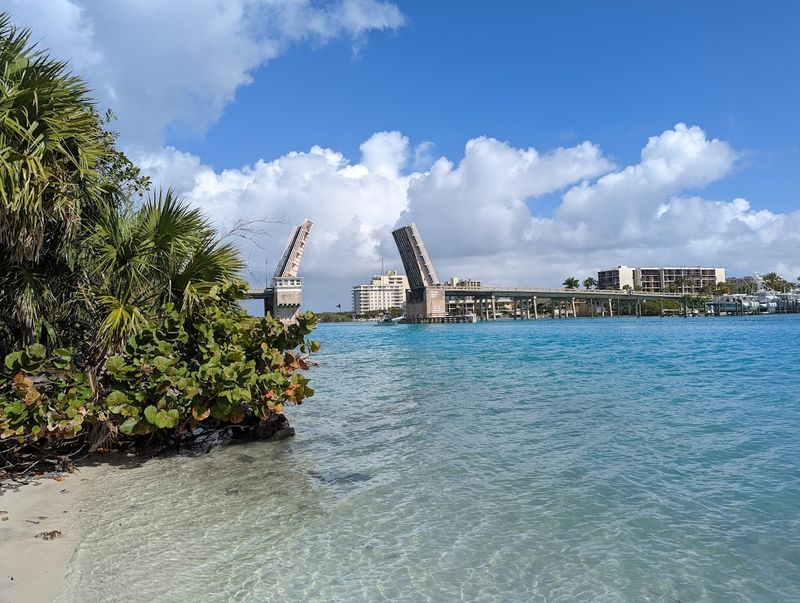
Snorkelers rated Cato’s Bridge as a solid 10 out of 10, which says everything about what’s being lost during this closure. The bridge pillars created perfect spots to explore, with fish congregating around the structures like apartments in an underwater city. Strong swimmers loved diving down to check out the deeper areas, though the current could get tricky depending on the tide.
Timing your visit made all the difference in what you’d see. Arriving about 40 minutes before high tide gave you the clearest water and calmest conditions. The current picked up significantly after high tide passed, turning the channel into more of a drift snorkel where you’d float past everything quickly.
Experienced snorkelers knew to get there early and leave within an hour after the tide peaked.
The depth wasn’t for beginners though. Some areas dropped to 30 feet or more, and the current around the pillars required confident swimming skills. A few reviewers mentioned getting stung by fire coral or anemones on the rocks, so a wetsuit or dive skin was smart protection.
Sharp oysters and old metal posts lurked beneath the surface in spots, adding an element of caution to the adventure that kept things interesting.
4. Kayaking And Paddleboarding Paradise Lost
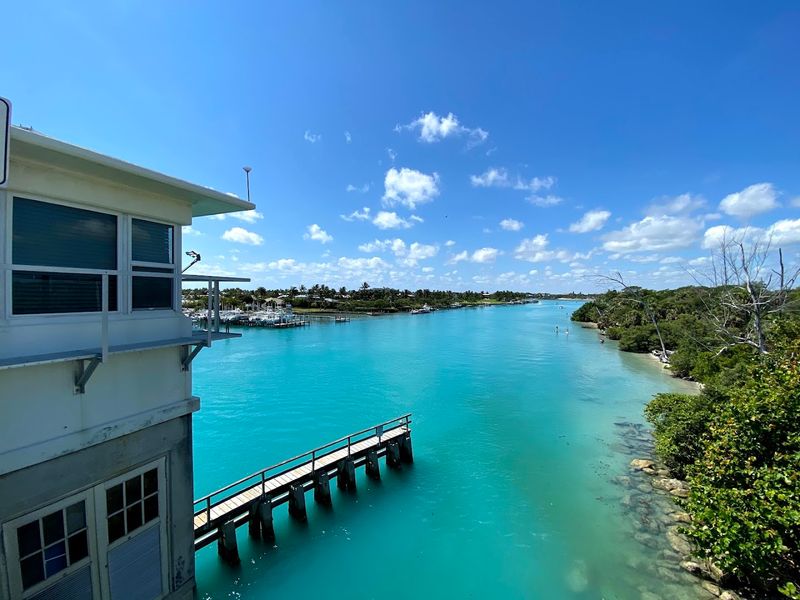
Kayakers found Cato’s Bridge perfect for launching and exploring the surrounding waterways. The small beach area provided easy access to put in without fighting waves or struggling through mud. Once on the water, paddlers could explore little coves and nooks along the shoreline, finding quiet spots away from the main action under the bridge.
Wildlife encounters happened constantly for people on kayaks and paddleboards. Manatees would surface right next to boats, close enough to see their whiskered faces and gentle eyes. Sea turtles popped up for air between dives, and schools of fish created silvery flashes just below the surface.
The calm water on most days made it accessible even for beginners who were still building their paddling confidence.
Boat watching added entertainment throughout the day. The drawbridge would lift to let sailboats and yachts pass through, creating a parade of vessels that ranged from small fishing boats to impressive luxury cruisers. Some boaters would anchor near the bridge to swim and hang out, turning the area into a social scene on busy weekends.
The mix of paddlers, swimmers, snorkelers, and boaters created an energetic vibe that felt uniquely Florida without the commercial tourist trap atmosphere you’d find at more famous spots.
5. The Parking And Access Challenges
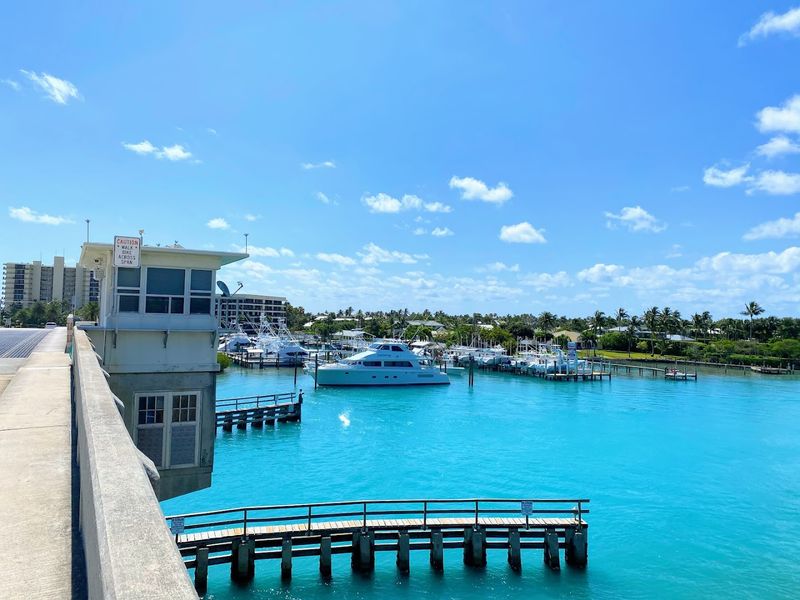
Getting to Cato’s Bridge required some planning because parking was always tight. The closest lot sits up by the Jupiter Lighthouse, and spaces filled up fast on nice days. Visitors who arrived after 10 or 11 in the morning often found themselves circling or parking far down the street, then walking back with all their gear in the Florida heat.
The walk from the lighthouse parking area down to the bridge wasn’t terrible, but it wasn’t convenient either when you’re hauling coolers, snorkel equipment, and towels. A trail leads down through some vegetation and opens up at the small beach area under the bridge. Early birds who snagged the first spots got the best access and prime real estate on the limited beach space.
What the area completely lacked were basic facilities. No public bathrooms meant people had to plan ahead or hold it, which led to some unfortunate situations that reviewers mentioned smelling evidence of. No trash cans resulted in litter problems, with broken glass, plastic bottles, and general debris left behind by less considerate visitors.
These infrastructure gaps created frustration for people who wanted to spend several hours enjoying the water but had nowhere to dispose of lunch trash or answer nature’s call properly.
6. What Locals Are Worried About
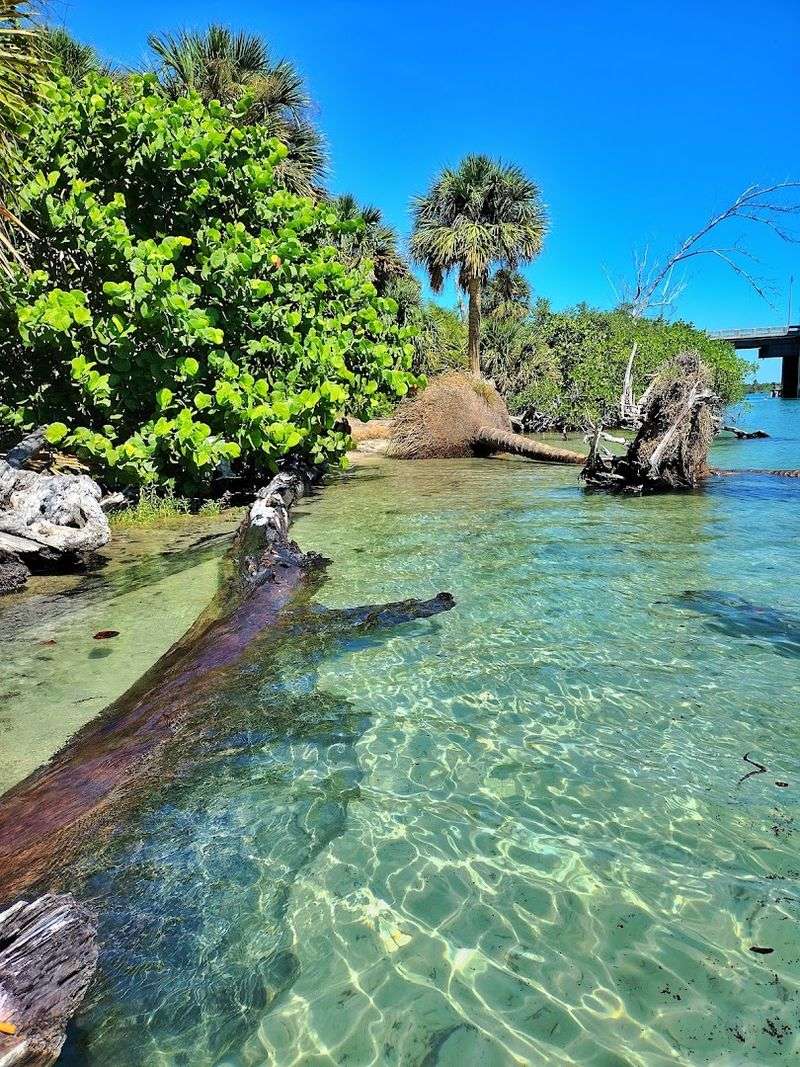
The biggest fear isn’t just losing access for three years. People worry that when Cato’s Bridge reopens, it might be completely different from the place they loved. Will there be new restrictions on swimming and snorkeling?
Could parking become even more limited or get turned into paid lots? Nobody knows yet, and that uncertainty creates anxiety in the community.
Some locals suspect the renovation might attract even more visitors once it’s finished. If the new bridge becomes a bigger deal with better facilities, the secret hideaway vibe could disappear forever. What was once a spot where regulars recognized each other might turn into another overcrowded tourist destination with rules, fees, and crowds that ruin the relaxed atmosphere everyone cherished.
Environmental concerns also worry nature lovers. Construction work near sensitive waterways always carries risks of pollution, habitat disruption, and changes to water flow patterns. The unique mix of fresh and saltwater that created such perfect conditions might get altered by the new bridge design.
Fish populations could shift, and the crystal clarity that made the spot famous might not return exactly as it was before all the construction equipment moved in and started changing everything around the pillars and shoreline.
7. The Instagram Effect And Overcrowding Issues
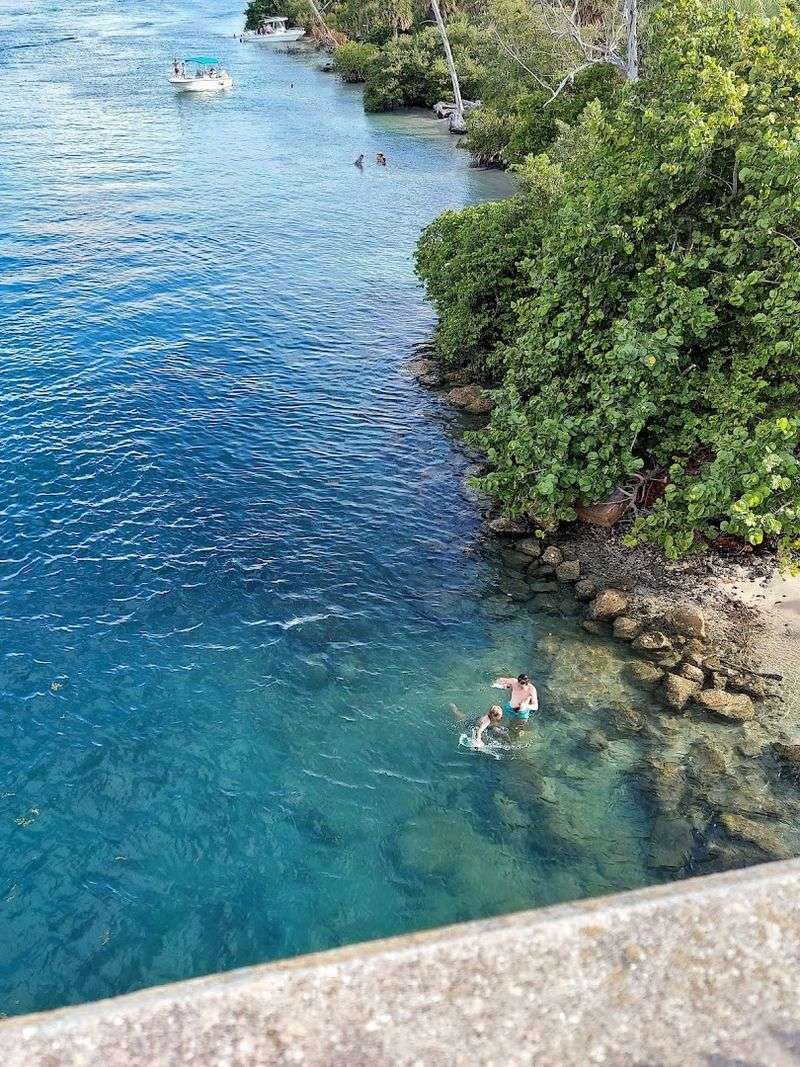
Social media turned Cato’s Bridge from a local secret into an Instagram sensation over the past few years. Stunning reels showing turquoise water and tropical fish went viral, bringing waves of visitors who’d never heard of Tequesta before seeing it on their phones. The tiny beach area couldn’t handle the sudden popularity, leading to overcrowding on weekends and holidays.
Not everyone who showed up knew proper etiquette for the spot. Reviewers complained about people pulling starfish out of the water for photos, which actually harms these creatures by essentially drowning them in air. Trash increased as inexperienced visitors left behind bottles, food wrappers, and broken glass in the sand.
The party boat scene also ramped up, with boaters anchoring to drink and swim, sometimes leaving debris floating in the water.
Long-time visitors noticed the change in atmosphere. What used to feel like a peaceful nature spot started feeling more like a party scene with people drinking on shore despite rules against it. The lack of enforcement and facilities made problems worse.
Some people even arrived expecting a tropical paradise based on viral videos, only to find murky water on the wrong tide or a trash-strewn beach on a bad day, leaving disappointed reviews that didn’t match the hype they’d seen online.
8. Finding Alternatives Until 2026
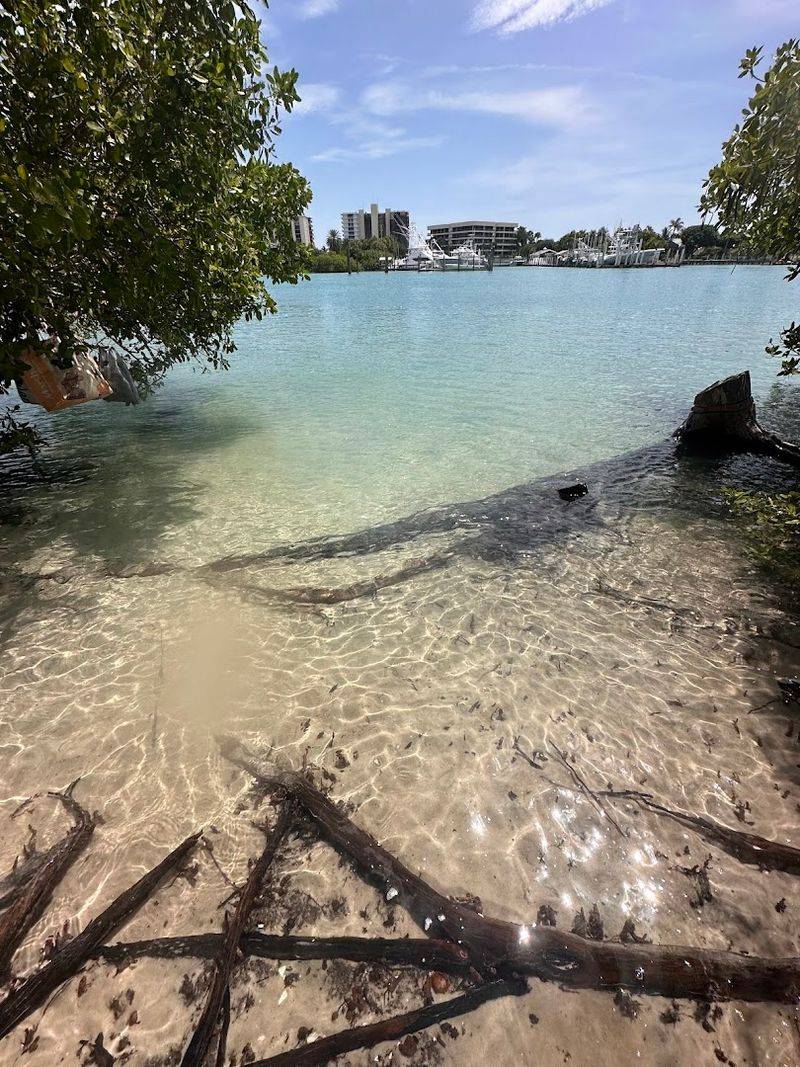
With Cato’s Bridge closed for years, locals are hunting for replacement spots that offer similar experiences. Coral Cove Park in Tequesta provides decent snorkeling with rocky areas that attract fish, though the water doesn’t quite match Cato’s clarity. Dubois Park in Jupiter offers calmer lagoon swimming that’s great for families, but you won’t see the same variety of marine life or that dramatic clear blue color.
Peanut Island near Palm Beach delivers excellent snorkeling and a more developed beach experience with actual facilities. The trip requires a water taxi or your own boat though, adding expense and planning that Cato’s Bridge never required. Blowing Rocks Preserve offers dramatic coastal scenery and tide pools to explore, but it’s more about rocks and waves than clear swimming and snorkeling opportunities.
The honest truth is that nothing in the immediate area perfectly replaces what Cato’s Bridge offered. Each alternative has trade-offs whether it’s water clarity, marine life variety, ease of access, or that special combination of wild nature and convenient location. Locals are making do with these other spots while counting down the months until late 2026, hoping their beloved bridge returns better than ever and still recognizable as the special place they remember from before the construction crews arrived.