10 Florida Beach Towns Where $2,000 A Month Might Actually Work
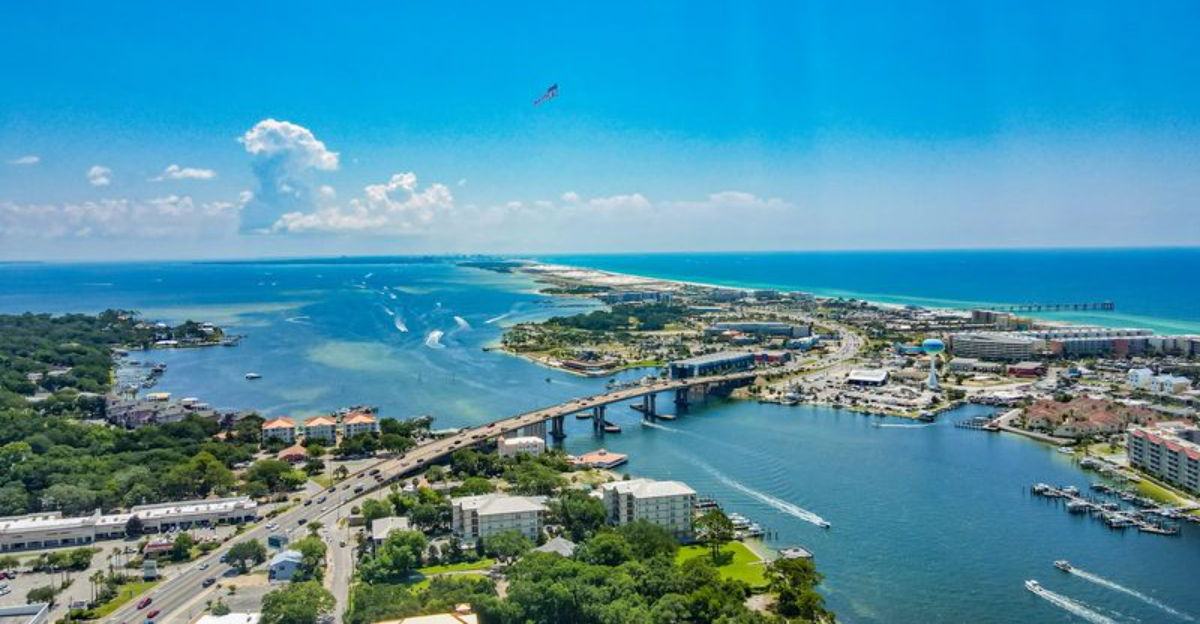
Living near the beach in Florida doesn’t have to drain your bank account. While many coastal cities have skyrocketed in price, some hidden gems still offer that salt-air lifestyle without the sticker shock. If you’re working with a $2,000 monthly budget and dreaming of sand between your toes, these ten beach towns prove you don’t need a fortune to call paradise home.
1. Pensacola
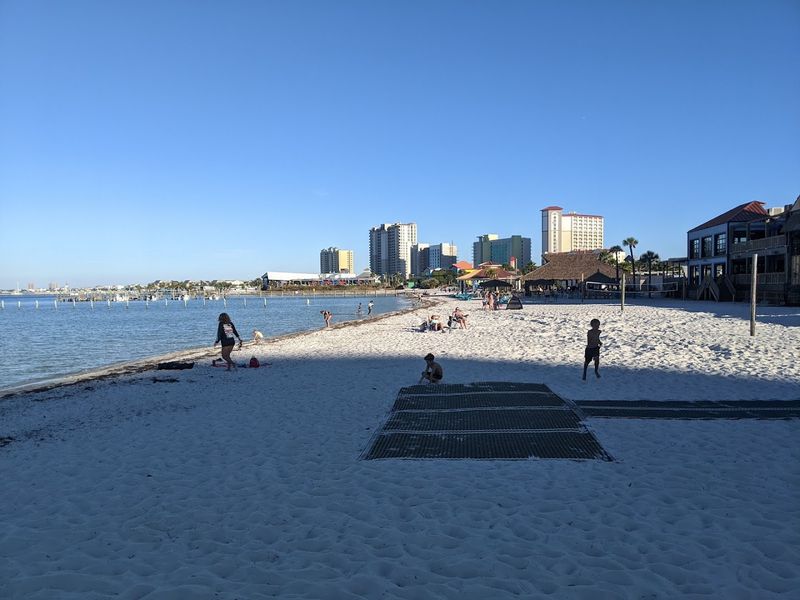
White sand that squeaks under your feet and a cost of living that won’t make you squeak in horror—Pensacola delivers both. This panhandle town sits where Old Florida charm meets military-town practicality, keeping prices reasonable even as other beach spots climb out of reach.
Rent here runs considerably lower than Miami or Tampa. One-bedroom apartments often land between $900 and $1,200, leaving breathing room in a $2,000 budget for groceries, utilities, and the occasional fish taco at a local joint. The military presence means steady infrastructure and services without the tourist-trap markup.
Downtown Pensacola surprises visitors with its walkable historic district, where brick streets lead to art galleries, dive bars, and restaurants that locals actually frequent. The beach itself—Pensacola Beach—sits across a bridge on Santa Rosa Island, offering that postcard-perfect Gulf view without the South Beach attitude.
Grocery stores include national chains and a few local markets where produce prices stay competitive. Public transportation exists but remains limited, so budget for a car. Healthcare access is solid thanks to multiple hospitals and clinics serving the military community.
The trade-off? Summer humidity rivals a sauna, and hurricane season demands respect. But if you can handle the weather and don’t need big-city nightlife, Pensacola offers genuine beach living on a shoestring budget.
2. Fort Walton Beach
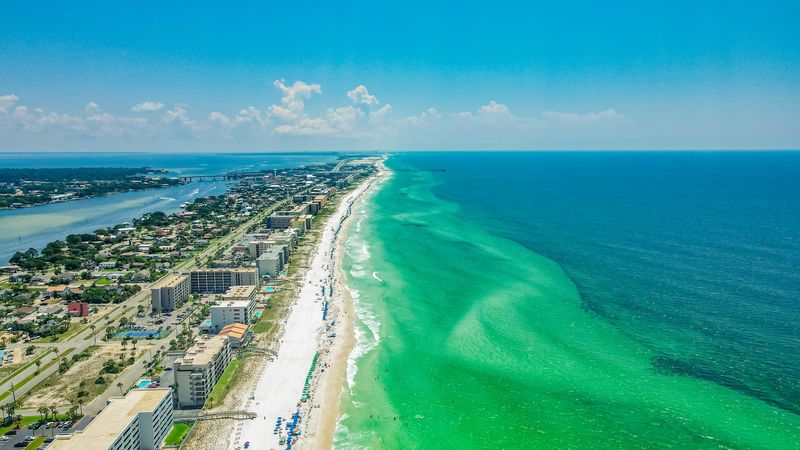
Emerald water laps against sugar-white sand here, and somehow the price tag hasn’t caught up with the scenery yet. Fort Walton Beach sits in that sweet spot between Pensacola and Destin, offering similar natural beauty without Destin’s wallet-draining reputation.
Housing costs hover in the manageable zone. Studio and one-bedroom places typically range from $850 to $1,150 monthly, giving you cushion for everything else. The Eglin Air Force Base influence keeps the local economy stable and prevents the wild price swings that plague purely tourist-dependent towns.
This town doesn’t pretend to be fancy, and that’s exactly why it works for budget-conscious beach lovers. Local seafood shacks serve grouper sandwiches that rival expensive restaurants, and the public beach access points mean you’re never paying resort fees just to touch the sand. Okaloosa Island, connected by bridge, extends your beach options even further.
Walmart, Publix, and Winn-Dixie provide grocery competition that keeps food costs reasonable. The town itself feels lived-in rather than staged for Instagram, with working-class families and retirees mixing comfortably. Entertainment leans toward fishing, kayaking, and beach bonfires rather than clubs and concerts.
Summers bring heat and tourists, but winters stay mild and quiet. Job opportunities center around hospitality, retail, and military-adjacent work. If you’re seeking authentic Gulf Coast living without the markup, Fort Walton Beach delivers.
3. Panama City Beach
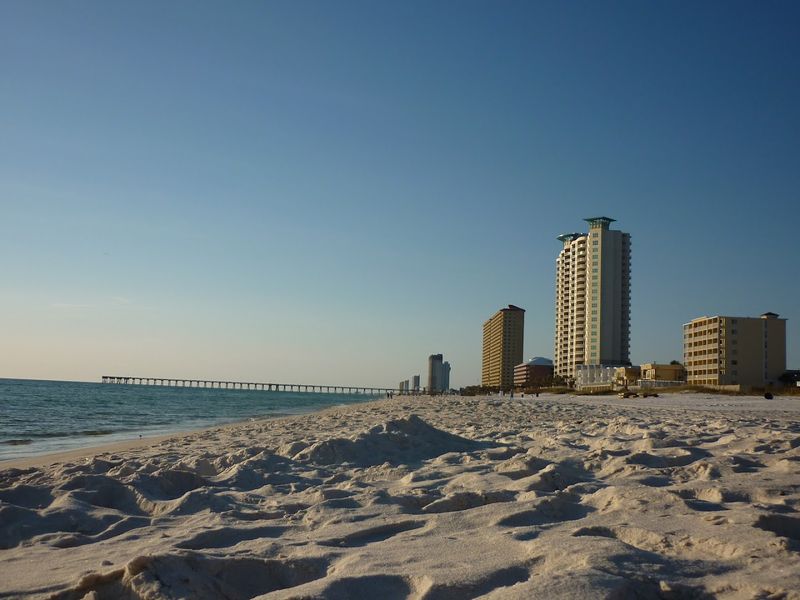
Spring break capital meets year-round resident reality in Panama City Beach, where the party reputation overshadows a surprisingly workable cost of living. Once the college crowds clear out, this town reveals a different personality—one where locals grab coffee at hole-in-the-wall cafes and fish off the pier at sunrise.
Finding affordable housing takes some hunting, but it exists. One-bedroom apartments in older complexes away from the main strip run $950 to $1,300 monthly. Avoid the beachfront high-rises and look inland a few blocks where prices drop noticeably.
The trade-off means a five-minute drive to the beach instead of a beachfront view.
Grocery options abound with multiple chains competing for business, keeping food costs competitive. Walmart Supercenter, Publix, and local seafood markets give you choices. Eating out can drain funds quickly in tourist zones, but locals know which Mexican joints and BBQ spots deliver quality without the beach-tax pricing.
The town sprawls more than you’d expect, so a car becomes essential unless you’re content staying in one neighborhood. Public transit remains minimal. Healthcare facilities include several urgent care centers and Gulf Coast Regional Medical Center for serious needs.
Hurricane Michael in 2018 left scars that are still healing, but reconstruction brought newer buildings and improved infrastructure. The town works if you can tolerate March madness and summer crowds while enjoying the quieter months when locals reclaim their beaches.
4. Daytona Beach
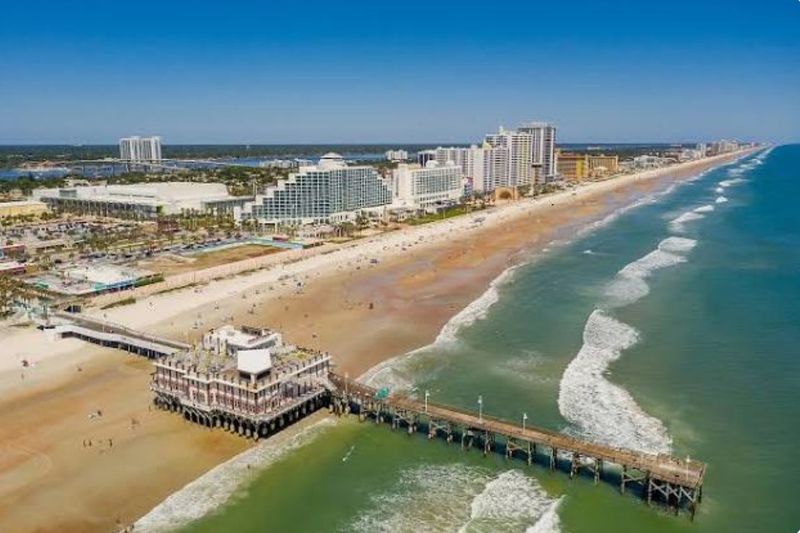
Cars driving on the beach might seem gimmicky, but that quirk hints at Daytona’s blue-collar beach town vibe. This isn’t the Hamptons—it’s where mechanics and nurses and retirees live near the ocean without pretending to be wealthy. That authenticity translates to prices that actually make sense on a tight budget.
Rent runs lower here than most Florida beach towns. One-bedroom apartments frequently list between $850 and $1,200, with some older complexes dipping even lower. The housing stock skews older and less flashy, but functional beats fancy when you’re stretching $2,000 monthly.
The famous boardwalk and pier offer free entertainment, and the beach itself stretches for miles with ample public access. Beyond the tourist corridor, Daytona reveals working neighborhoods with corner stores, taco trucks, and dive bars where locals gather. It’s not polished, but it’s real.
Grocery shopping stays affordable thanks to Aldi, Walmart, and several Publix locations competing for business. The city’s size means you’ll find most necessities without driving far. Healthcare access is solid with Halifax Health Medical Center and numerous clinics.
Job opportunities exist in hospitality, healthcare, and retail, though wages tend toward the lower end. Speedway events bring crowds and traffic several times yearly, but also inject money into the local economy. The town definitely shows its age in places, with some areas looking tired and worn.
If you can embrace Daytona’s rough edges and working-class character, it offers legitimate beach access on a budget that few Florida towns can match.
5. New Smyrna Beach
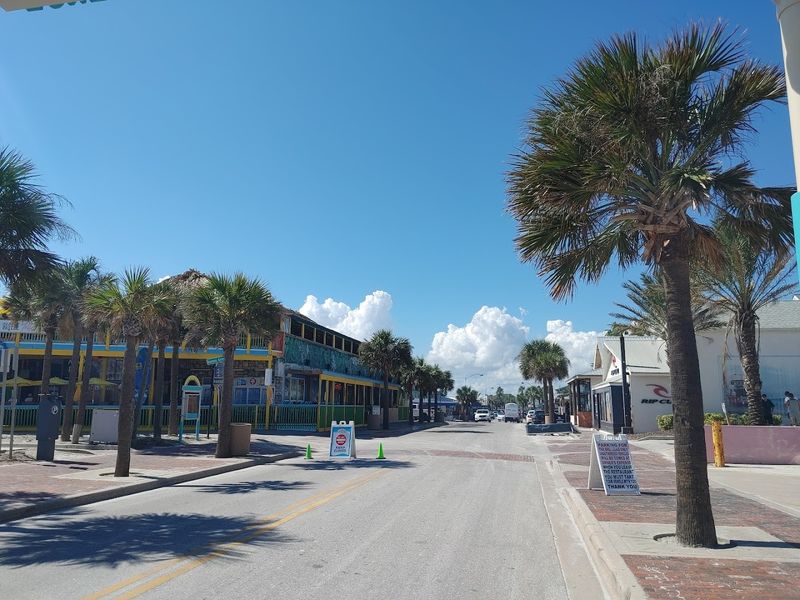
Surfers discovered this spot decades ago and never really left. New Smyrna Beach maintains a laid-back vibe that feels more authentic than manufactured, where people actually live and work rather than just vacation. That local focus helps keep costs from spiraling into absurdity.
Housing here sits slightly higher than some panhandle options but remains manageable. One-bedroom apartments typically range from $1,000 to $1,400 monthly, eating a bigger chunk of that $2,000 budget but still leaving room to breathe. The town’s popularity with artists and surf culture folks means rental options vary from beach cottages to standard apartment complexes.
Flagler Avenue serves as the main beach drag, lined with surf shops, casual restaurants, and ice cream stands that don’t gouge tourists. The town actually has a walkable downtown area where you might run into the same faces regularly—a rarity in transient Florida beach towns.
Publix handles most grocery needs, supplemented by a farmers market and smaller specialty shops. Eating out can add up, but plenty of casual spots serve solid food without requiring a second mortgage. The artistic community means galleries, music venues, and cultural events that don’t cost a fortune.
The shark-bite capital label sounds scarier than reality—most incidents are minor bumps from blacktip sharks. Still, something to know before paddling out. The town leans older and quieter, without much nightlife for party seekers.
Job opportunities focus on hospitality, healthcare, and small business, with wages reflecting the town’s modest size.
6. Titusville
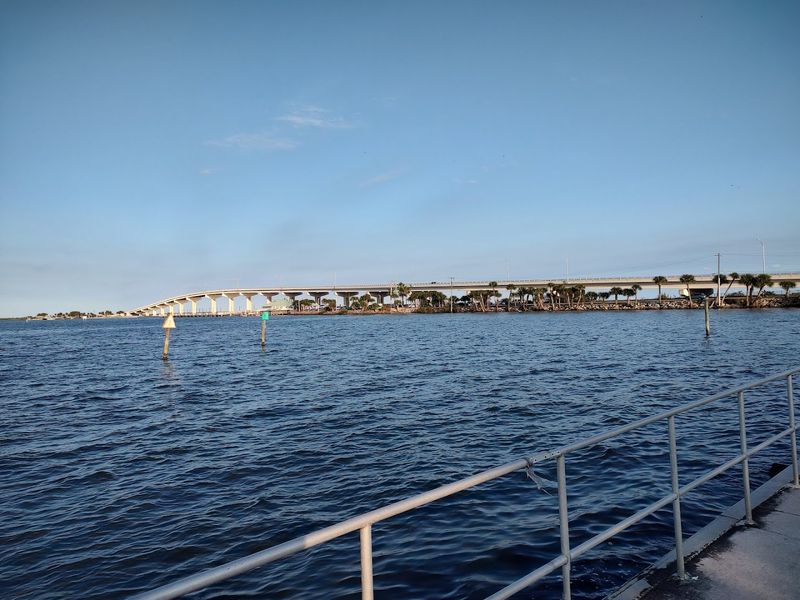
Rocket launches light up the sky here, visible from your front yard if you live on the right side of town. Titusville sits across the Indian River from Kennedy Space Center, giving residents front-row seats to space history while maintaining small-town affordability that NASA engineers probably envy.
This isn’t technically a beach town—the ocean sits about fifteen minutes east—but the location delivers water access and coastal proximity without beachfront prices. One-bedroom apartments run $850 to $1,150 monthly, leaving substantial budget room. The trade-off means driving to Cocoa Beach or Canaveral National Seashore for actual ocean swimming.
Downtown Titusville has undergone revitalization efforts, with new restaurants and shops breathing life into historic buildings. The Indian River Lagoon offers kayaking, fishing, and manatee watching right in town. Playalinda Beach, part of Canaveral National Seashore, provides undeveloped shoreline when you need that ocean fix.
Walmart, Publix, and Aldi keep grocery costs competitive. The town feels more working-class than tourist-focused, with locals employed by the space industry, healthcare, and service sectors. Chain restaurants dominate dining options, though a few local spots add character.
Space Coast Regional Medical Center handles healthcare needs adequately. The town lacks the walkability of denser beach communities, requiring a car for most errands. Traffic spikes during launches when space fans descend, but otherwise stays manageable.
If you can accept the beach commute and small-town limitations, Titusville offers affordable living with unique perks. Watching a Falcon Heavy launch from your backyard beats a beachfront view some days.
7. Fort Pierce
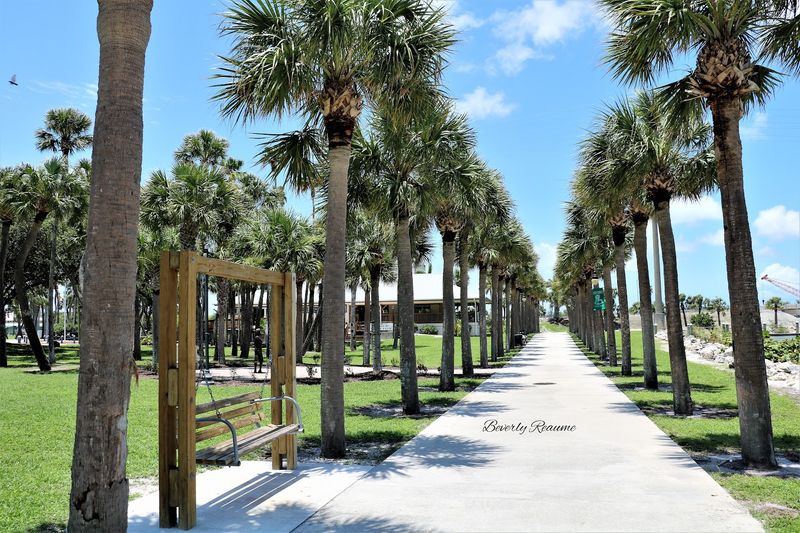
Gritty and unpretentious, Fort Pierce doesn’t try to compete with Palm Beach glamour—and that’s exactly why your budget survives here. This Treasure Coast town maintains a working-waterfront character where commercial fishing boats outnumber yachts and locals actually make a living from the sea.
Rent stays refreshingly reasonable. One-bedroom apartments typically range from $900 to $1,200 monthly, with some older units dipping lower. The housing stock varies widely in condition, so inspect carefully before signing anything.
Fort Pierce Inlet State Park provides ocean access without the development that drives up costs elsewhere.
Downtown has seen revitalization attempts with mixed success. Some blocks showcase art galleries and farm-to-table restaurants, while others still show wear and economic struggle. The contrast creates character but also reveals the town’s economic challenges.
Second Street, the main drag, hosts a weekly farmers market that locals actually use.
Multiple grocery chains including Publix, Walmart, and Save-A-Lot compete for business, keeping food costs manageable. Seafood comes fresh and affordable from dockside markets where fishing boats unload their catch. The town’s diversity means authentic Caribbean, Mexican, and Southern soul food at prices that won’t wreck your budget.
Crime rates run higher than some coastal towns, requiring careful neighborhood selection. Healthcare access centers around Lawnwood Regional Medical Center. Job opportunities lean toward healthcare, retail, agriculture, and marine industries, with wages generally modest.
Fort Pierce rewards those seeking authentic Florida coastal living over resort-town polish. It’s rough around the edges but real, with prices that reflect its working-class roots.
8. New Port Richey
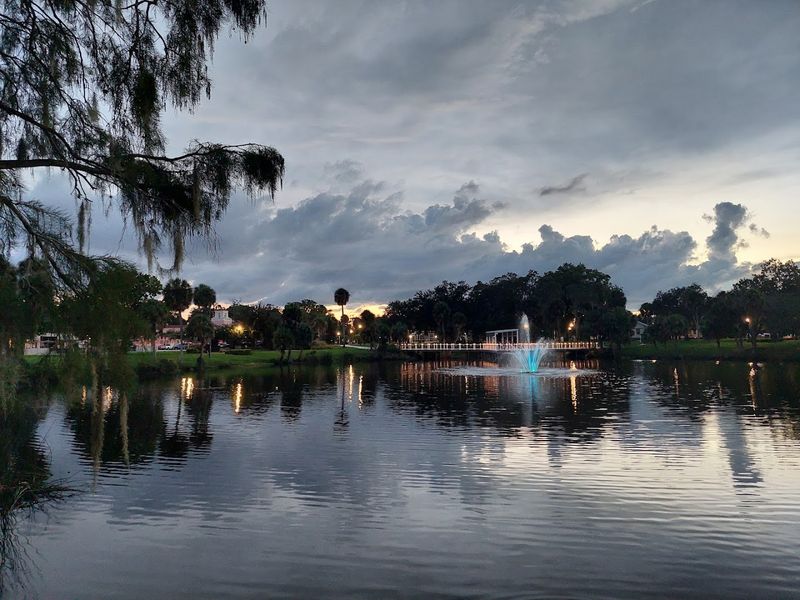
The Gulf of Mexico technically sits about ten miles west, but New Port Richey’s location along the Cotee River and close proximity to coastal areas earns it consideration. This Pasco County town flies under the radar, offering water access and beach proximity without the price tags attached to Clearwater or Tampa.
Housing costs stay notably affordable. One-bedroom apartments run $900 to $1,200 monthly, with some older complexes offering even lower rates. The town attracts retirees and working families seeking coastal access without coastal prices.
Drive fifteen minutes west and you’ll hit actual Gulf beaches at Hudson Beach or further south at Clearwater.
Main Street downtown has undergone revitalization, with the Hacienda Hotel building converted to shops and restaurants. The Cotee River provides kayaking, fishing, and manatee spotting right in town. Brasher Park offers riverfront space for picnics and sunset watching without spending a dime.
Grocery options include Publix, Walmart, and Winn-Dixie spread throughout the area. Chain restaurants dominate, though a few local Greek and Cuban spots add flavor. The town doesn’t pretend to be trendy or exciting—it’s suburban Florida with water access and honest pricing.
Regional Medical Center Bayonet Point provides healthcare services. The area requires a car since sprawl and limited transit make walking impractical. Traffic on US-19 can frustrate during rush hours.
New Port Richey works for budget-conscious folks who want water nearby without needing oceanfront living. It’s not glamorous, but it delivers practical coastal access while keeping $2,000 monthly budgets intact.
9. Tarpon Springs
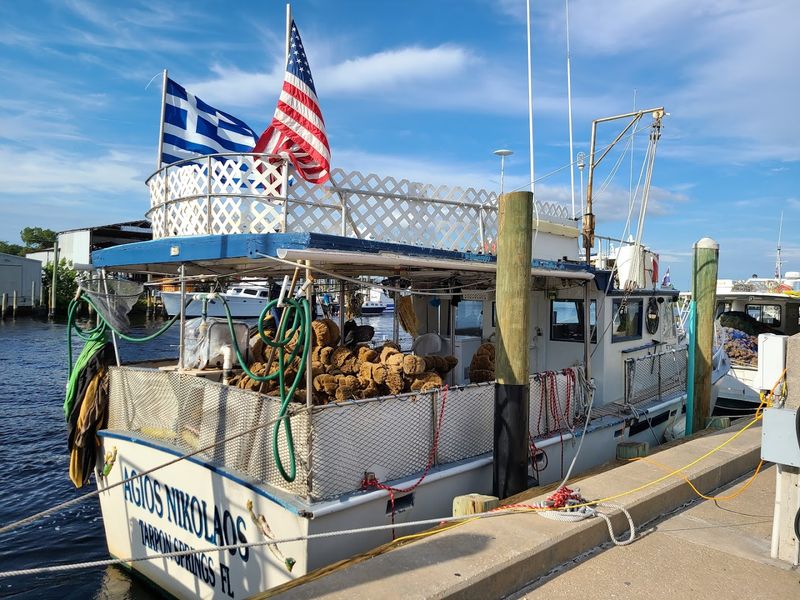
Greek culture saturates this Pinellas County town where sponge diving built an economy and created a community unlike anywhere else in Florida. Tarpon Springs delivers authentic character and coastal charm while maintaining prices that don’t require a trust fund, though it’s crept higher as people discover it.
Rent runs slightly elevated compared to some budget options but remains workable. One-bedroom apartments typically range from $1,100 to $1,500 monthly, pushing that $2,000 budget but still feasible with careful spending. The town’s popularity and proximity to Tampa and Clearwater create upward pressure on housing costs.
The Sponge Docks area draws tourists but also serves as a working waterfront where boats still harvest sponges. Greek bakeries sell spanakopita and baklava at prices locals can afford, and family-owned restaurants serve authentic Greek food without tourist-trap markups if you know where to go. The Pinellas Trail runs through town, offering free recreation and transportation options.
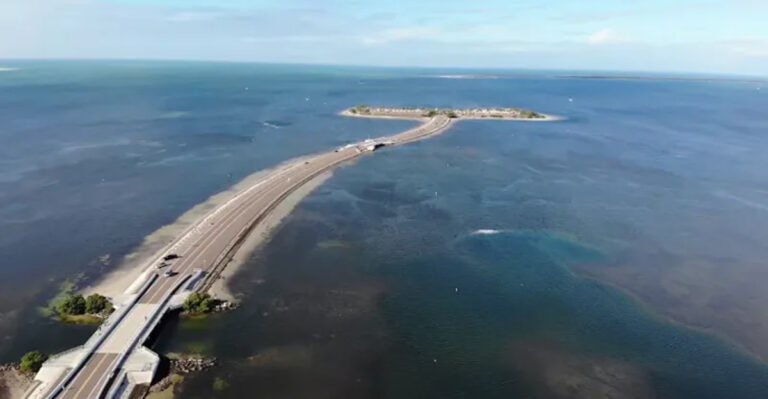
Fred Howard Park provides beach access on a causeway jutting into the Gulf, with calm waters perfect for families. The town maintains a walkable historic district and genuine small-town feel despite growing popularity. Grocery options include Publix and Walmart, with specialty Greek markets adding variety.
Healthcare access benefits from proximity to larger Tampa Bay area facilities. The town’s charm and culture attract visitors year-round, creating service-industry jobs but also crowds. January’s Epiphany celebration brings massive crowds for the cross-diving ceremony.
Tarpon Springs costs more than panhandle options but delivers unique cultural richness and genuine coastal character worth the premium for some budgets.
10. Carrabelle
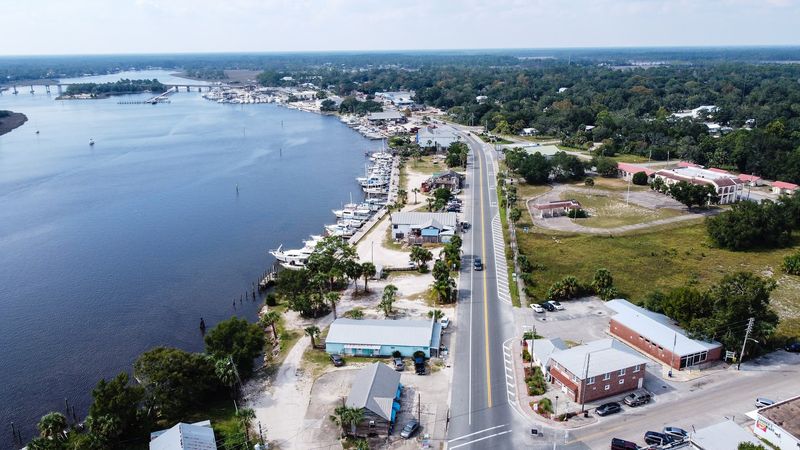
Population barely cracks 3,000 in this Forgotten Coast fishing village where the pace moves slower and prices haven’t caught up to the rest of Florida. Carrabelle represents Old Florida before condos and chain restaurants—just fishing boats, quiet beaches, and people who chose simplicity over status.
Housing costs hit rock bottom here. One-bedroom apartments and small houses rent for $700 to $1,000 monthly, leaving substantial breathing room in a $2,000 budget. The catch?
Selection is extremely limited, and places fill through word-of-mouth before hitting listing sites. Patience and networking become essential.
Downtown consists of a few blocks with a handful of restaurants, a grocery store, and marine supply shops. This isn’t a place with nightlife or entertainment options—you create your own fun through fishing, kayaking, beachcombing, and porch sitting. Carrabelle Beach provides quiet shoreline without crowds, while Dog Island sits offshore for more adventurous exploring.
One small grocery store serves the town, with prices reflecting the lack of competition. Serious shopping means driving to Apalachicola or Eastpoint. Healthcare requires travel to nearby towns for anything beyond basic urgent care.
Job opportunities are scarce, centered around fishing, forestry, and small business. Many residents work remotely or have retirement income. Cell service and internet can be spotty depending on location.
Hurricane vulnerability is real this close to the Gulf.
Carrabelle isn’t for everyone—isolation and limited services challenge some. But if you’re seeking genuine escape and authentic coastal living on the cheapest budget possible, this forgotten village delivers.