This Strange Florida Sculpture Garden Is One Of The State’s Most Unexpected Attractions
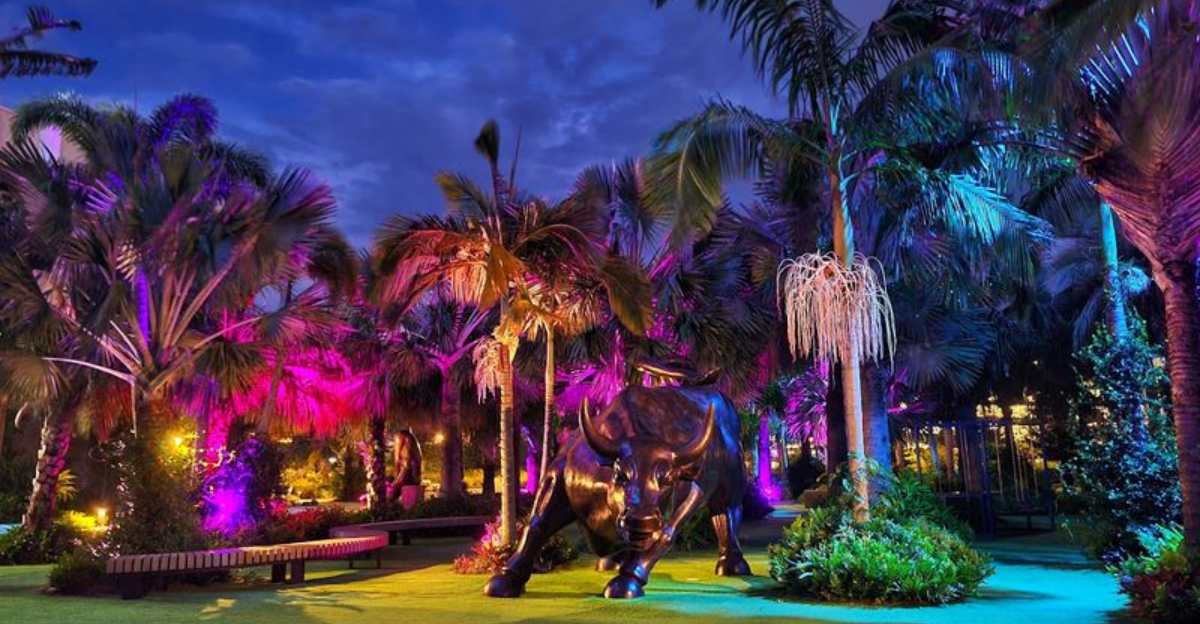
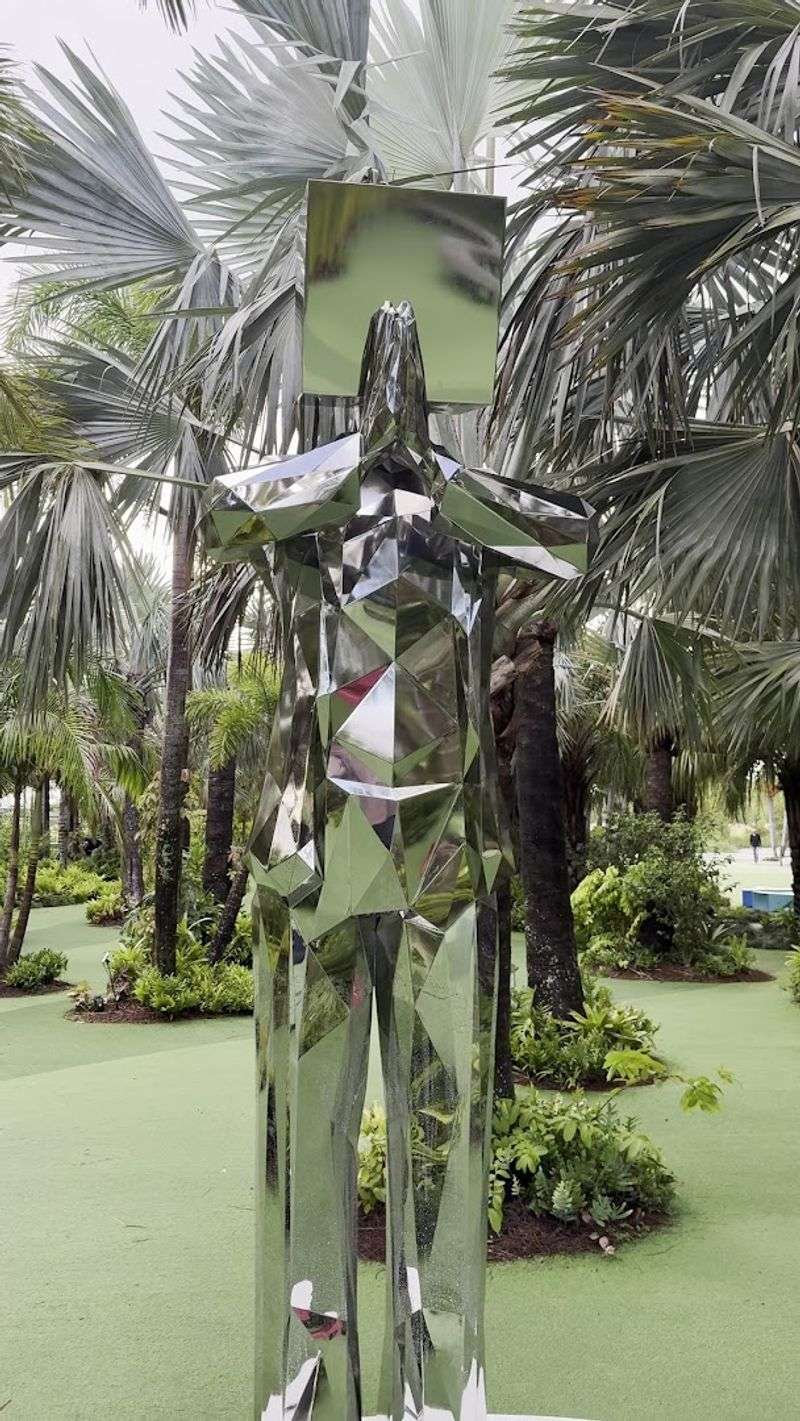
Most people visit Orlando for the theme parks and tourist traps, but there’s a completely free hidden gem that feels like you’ve stumbled into a secret world of art and tranquility. The Lake Nona Sculpture Garden sits quietly behind the Wave Hotel, offering 50,000 square feet of outdoor gallery space where massive international sculptures meet perfectly landscaped Florida flora.
Whether you’re an art enthusiast, a parent looking for a peaceful escape with the kids, or just someone who appreciates beautiful spaces without the crowds, this unexpected attraction delivers an experience that feels worlds away from typical Orlando chaos.
A Free World-Class Art Experience Hidden Behind a Hotel
Walking through the lobby of the Wave Hotel to access a sculpture garden might seem odd at first, but that’s exactly what makes this place so wonderfully unexpected. The hotel staff welcomes visitors with genuine warmth, and parking in their garage won’t cost you a penny.
Once you step through those lobby doors and emerge into the garden beyond, you’ll understand why this spot has become one of Orlando’s best-kept secrets.
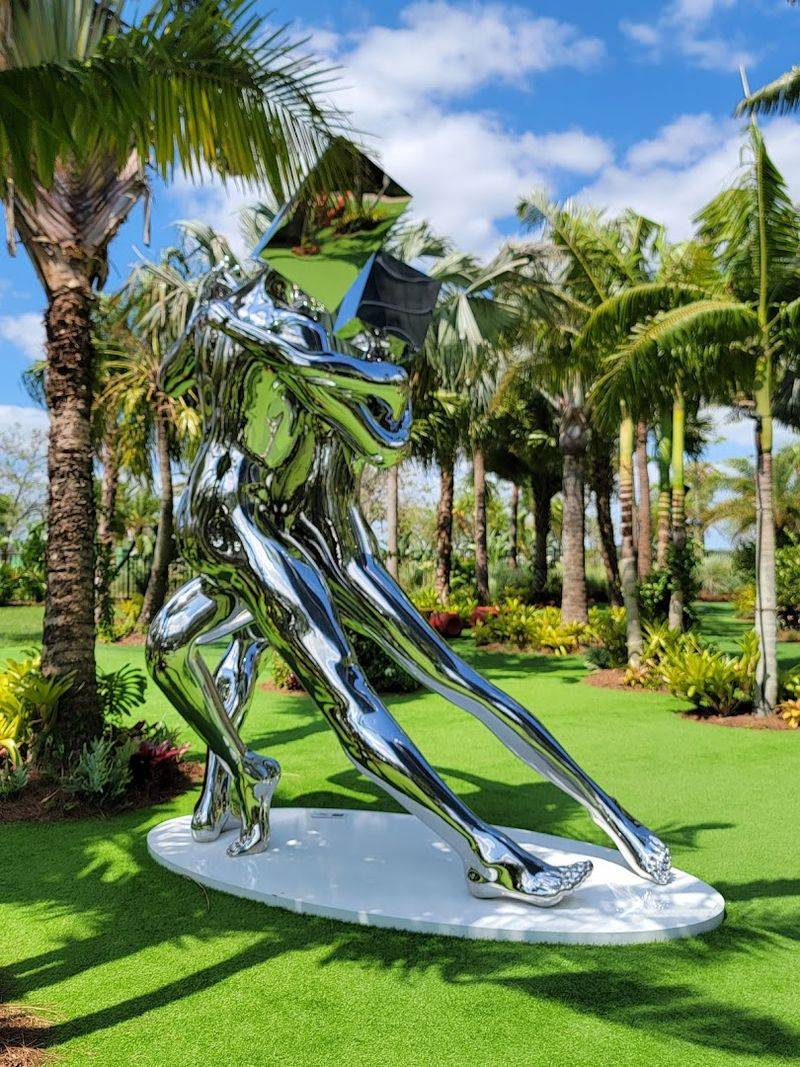
The garden showcases works from internationally renowned artists like Fernando Botero and Philip Jackson, the kind of pieces you’d normally pay museum admission to see. Yet here they stand, completely free for anyone to enjoy, surrounded by exotic plants and towering palms that provide welcome shade from Florida’s relentless sunshine.
The 50,000 square foot space feels intimate despite its size, with winding paths that encourage slow exploration and quiet contemplation.
What sets this garden apart from typical outdoor art installations is the thoughtful integration of nature and sculpture. Each piece seems to have found its perfect spot among the tropical landscaping, creating visual conversations between human creativity and natural beauty.
Educational signs appear throughout, offering insights into both the artwork and the surrounding plant life without being intrusive or overwhelming.
Families love this spot because kids can roam freely while parents actually relax, a rare combination in Orlando. The open design means children stay visible while exploring, and the sculptures spark imagination in ways that screens simply can’t match.
Photography enthusiasts find endless angles and compositions, especially during golden hour when the light transforms the metallic and stone surfaces into something almost magical.
The entire experience feels refreshingly unpretentious. There’s no pressure to buy anything, no timed entry, and no crowds pushing you along.
You can spend ten minutes or two hours, and both feel equally valid. This democratic approach to high-quality art makes the Lake Nona Sculpture Garden feel less like an attraction and more like a gift to the community and visitors alike.
International Sculptures That Stop You in Your Tracks
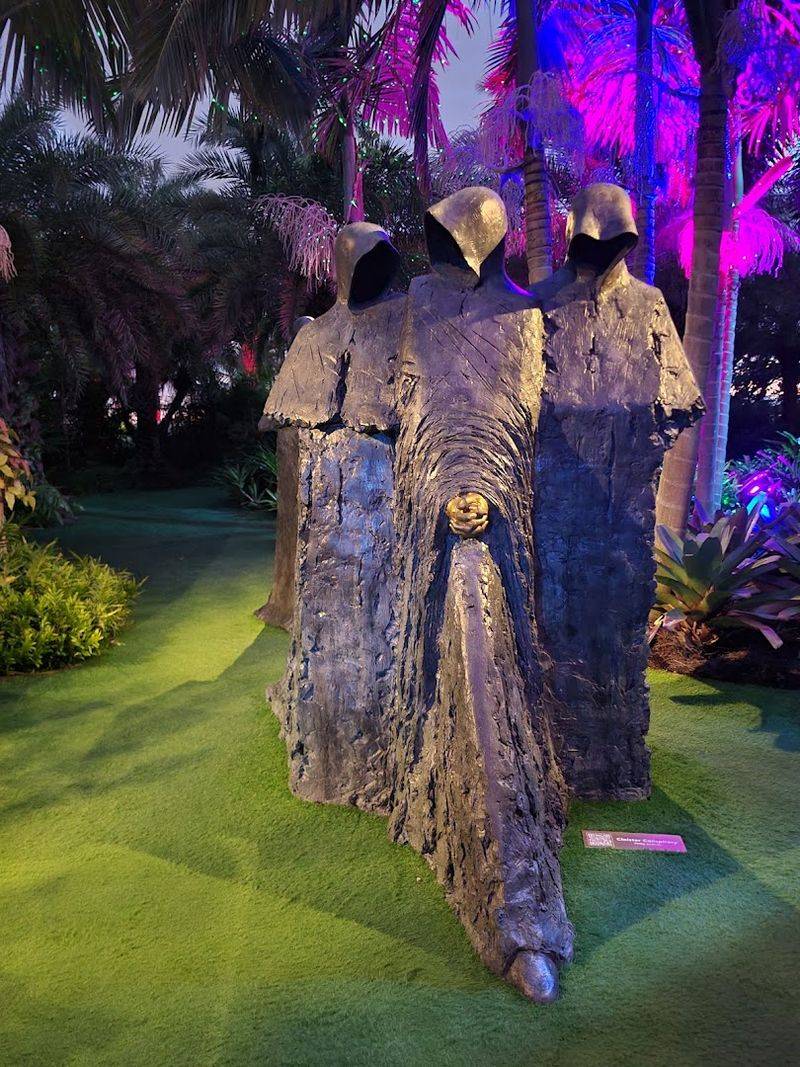
The sculptures themselves deserve serious attention because these aren’t decorative lawn ornaments or mass-produced replicas. These are significant works from artists whose pieces typically grace major museums and prestigious private collections worldwide.
Standing face-to-face with a massive Botero sculpture or contemplating the intricate details of a Philip Jackson piece creates an intimate connection that photographs simply can’t capture.
Each sculpture brings its own personality to the garden. Some pieces tower overhead with commanding presence, while others invite you to crouch down and examine fine details.
The variety in styles, materials, and artistic approaches means that even visitors who claim they “don’t get art” find something that speaks to them. Metal, stone, bronze, and mixed media pieces coexist harmoniously, proving that good curation matters as much as the individual works.
What makes these sculptures particularly engaging is their accessibility. Unlike museum pieces behind velvet ropes or glass cases, these works exist in open space where you can walk around them, view them from multiple angles, and watch how changing light throughout the day transforms their appearance.
Morning visits reveal different shadows and textures than sunset viewings, making return trips worthwhile.
The international scope of the collection adds educational value without feeling like a lecture. Seeing how artists from different cultures interpret similar themes or use various materials broadens perspectives naturally.
Kids especially benefit from this exposure, developing visual literacy and aesthetic appreciation in an environment that encourages questions and personal interpretation rather than demanding quiet reverence.
Seasonal changes and occasional rotations keep the garden dynamic. Regular visitors report discovering new details in familiar pieces or finding that certain sculptures resonate differently depending on their own life circumstances.
This living quality distinguishes the garden from static collections, creating reasons to return beyond simple repetition.
Tropical Landscaping That Rivals the Artwork
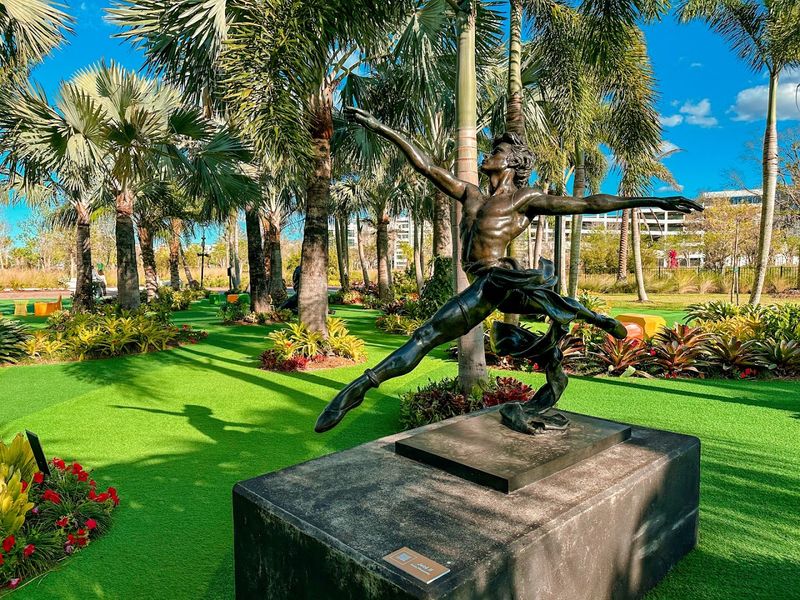
The plants deserve equal billing with the sculptures because the horticultural team clearly understands that setting matters as much as subject. Exotic palms tower overhead, creating natural architecture that frames sculptures beautifully while providing crucial shade in Florida’s intense heat.
Native and tropical flora blend seamlessly, offering year-round color and texture that evolves with the seasons in subtle, sophisticated ways.
Educational signs identify various plant species, turning a simple garden stroll into an informal botany lesson. You’ll discover which palms are native to Florida versus imported tropical varieties, learn about plants that attract local wildlife, and understand how careful landscaping choices create sustainable beauty.
This attention to ecological education adds depth without feeling preachy or overwhelming.
The garden’s designers clearly understood that negative space matters. Rather than cramming every square foot with plants or sculptures, they’ve created breathing room that lets both elements shine.
Manicured lawns provide visual rest between more complex plantings, while strategic placement ensures that each sculpture enjoys its own spotlight moment without competing for attention.
Maintenance standards remain impressively high. Multiple reviews mention the spotless conditions, and it’s true that the garden consistently looks camera-ready without feeling sterile or artificial.
Fallen palm fronds disappear quickly, pathways stay clear, and seasonal plantings appear fresh and healthy. This level of care signals respect for visitors and reinforces the garden’s status as a serious cultural amenity rather than an afterthought hotel decoration.
The combination of permanent tropical specimens and rotating seasonal color keeps the landscape interesting for repeat visitors. Spring might showcase flowering plants that weren’t visible during winter visits, while summer’s lush growth creates different sight lines and shaded retreats.
This dynamic quality mirrors the sculptural collection’s ability to reveal new aspects upon multiple viewings, making the garden a genuinely reusable resource rather than a one-and-done destination.
Perfect Timing Makes All the Difference
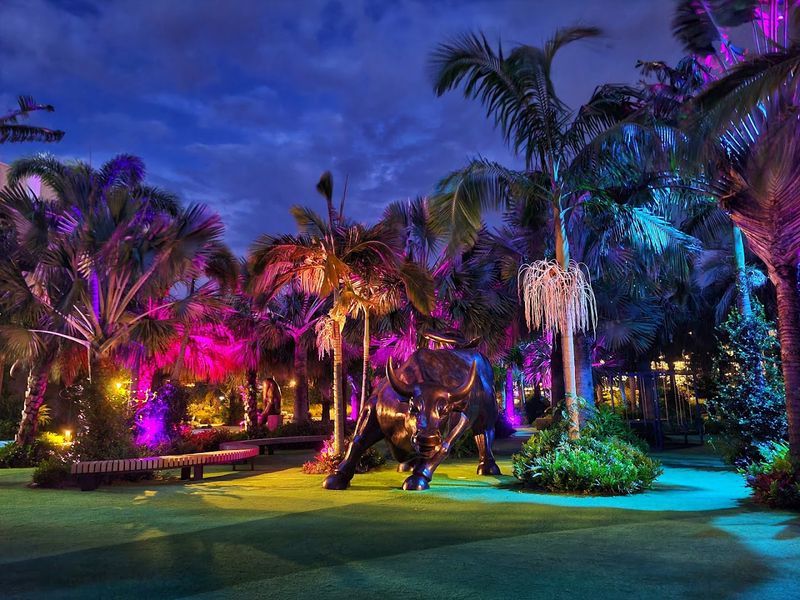
Timing your visit transforms a good experience into an unforgettable one. Multiple visitors specifically recommend sunset visits, and they’re absolutely right about the magic that happens when golden hour light hits metal and stone surfaces.
Sculptures that seemed solid and static during midday suddenly glow with warmth, casting dramatic shadows that become temporary art installations themselves.
Early morning visits offer different rewards. The garden opens at 9 AM, and arriving shortly after opening means you’ll likely have the space mostly to yourself.
Morning light creates its own special effects, and cooler temperatures make extended walking more comfortable. Birds are more active during these hours too, adding a natural soundtrack that enhances the peaceful atmosphere.
Weekday visits generally mean fewer crowds than weekends, though the garden never feels truly packed thanks to its generous size. Even during busier periods, the layout allows visitors to spread out naturally, so you can always find quiet corners for contemplation or photography without photobombers in every shot.
Seasonal considerations matter in Florida. Summer visits require sun protection and hydration, but the abundant shade makes the garden more comfortable than many outdoor Orlando attractions.
Winter months offer ideal weather, though you might encounter more tourists who’ve discovered this hidden gem. Spring brings fresh plantings and perfect temperatures, while fall provides relief from summer intensity without winter crowds.
Special events occasionally close portions of the garden for private functions like weddings, which makes sense given the stunning backdrop. Some reviewers wished they’d known about closures in advance, suggesting a quick call to the hotel before visiting might save disappointment.
However, even when events occupy parts of the garden, surrounding areas typically remain accessible, and the Wave Hotel’s public spaces feature their own sculptural installations worth exploring.
The Wave Hotel Connection Elevates Everything
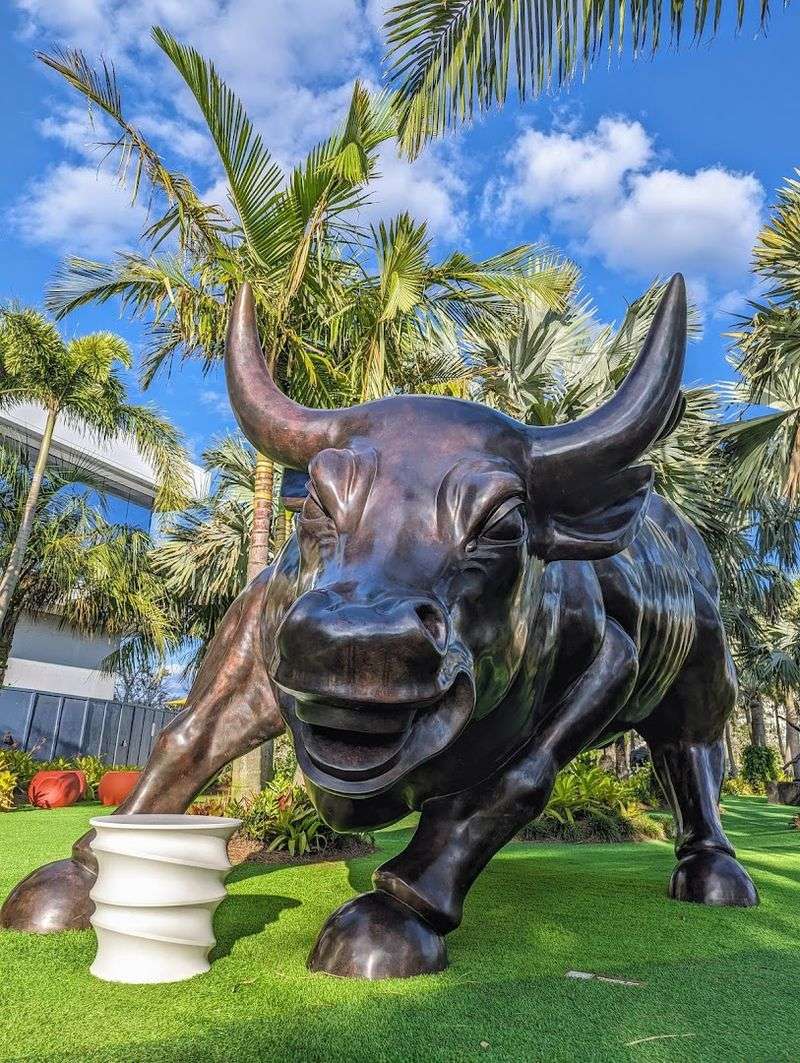
The Wave Hotel isn’t just the physical gateway to the sculpture garden; it’s an integral part of the overall experience. The hotel’s striking contemporary architecture sets expectations before you even reach the garden, signaling that you’re entering a space where design and aesthetics matter.
Staff members genuinely welcome garden visitors, understanding that the sculpture garden enhances the hotel’s reputation while the hotel provides necessary infrastructure and access.
Free parking in the hotel garage removes a typical Orlando frustration. Finding parking near attractions usually involves either paying premium prices or circling endlessly, so the Wave’s generous policy feels remarkably civilized.
The garage itself features thematic decorations, proving that attention to design extends even to utilitarian spaces. Clear signage directs visitors through the lobby to the garden, making navigation foolproof even for first-timers.
The hotel’s restaurant and bar options mean you can easily combine a garden visit with a meal or drinks. Several reviews mention enjoying brunch at the hotel before or after exploring the sculptures, noting that the food quality matches the artistic surroundings.
This combination transforms a simple garden walk into a more substantial outing, perfect for dates, family gatherings, or solo treat-yourself days.
The symbiotic relationship between hotel and garden benefits both. The hotel gains a unique amenity that distinguishes it from cookie-cutter properties, while the garden receives professional maintenance and security that ensures its long-term survival.
Visitors benefit most of all, gaining access to museum-quality art without admission fees or restricted hours beyond the garden’s daily 9 AM to 5 PM schedule.
This partnership model could teach other developers valuable lessons about creating public amenities that serve communities while enhancing private properties. The Wave Hotel’s willingness to share its backyard treasure demonstrates enlightened self-interest at its best, proving that generosity and business success aren’t mutually exclusive.
Background Music Creates Unexpected Ambiance
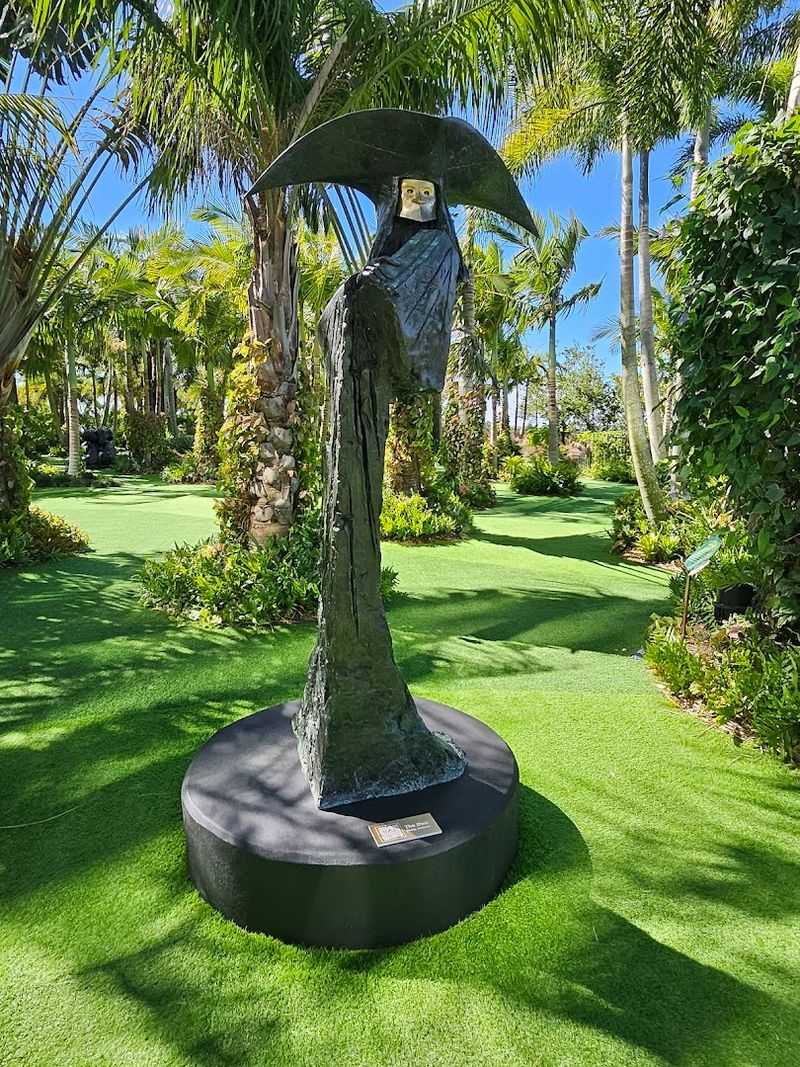
One of the most delightful surprises visitors discover is the carefully curated background music playing from speakers discreetly mounted on lamp posts throughout the area. This isn’t jarring commercial radio or generic elevator music; it’s thoughtfully selected instrumental and contemporary pieces played at perfectly calibrated volumes that enhance rather than dominate the experience.
You can easily hold conversations while still enjoying the musical backdrop.
The music selection changes seasonally, with some visitors reporting Christmas music during holiday periods that added festive atmosphere without tipping into tackiness. This attention to seasonal appropriateness shows the same thoughtfulness evident in the sculpture placement and landscape design.
Someone clearly understands that ambient sound design matters as much as visual elements in creating memorable spaces.
The volume calibration deserves special mention because it’s genuinely impressive. Too loud would be intrusive and prevent conversation; too quiet would be pointless.
The Lake Nona team has found the sweet spot where music adds emotional texture without demanding attention. You notice it, appreciate it, but never feel assaulted by it.
This audio layer transforms the garden from a purely visual experience into something more immersive. The combination of art, nature, and sound creates what designers call a “complete sensory environment,” though you don’t need fancy terminology to recognize that it simply feels good to be there.
The music helps visitors slow down and shift into a more contemplative mindset, counteracting the rushed pace that theme park culture typically encourages.
For parents, the background music provides another benefit: it creates a pleasant atmosphere that helps children regulate their energy levels naturally. Kids tend to match their environment’s tone, and the calm, sophisticated music subtly encourages quieter, more thoughtful behavior without requiring constant parental reminders.
This makes the garden remarkably family-friendly despite featuring expensive, fragile artwork.
Lake Nona’s Broader Appeal Beyond Theme Parks
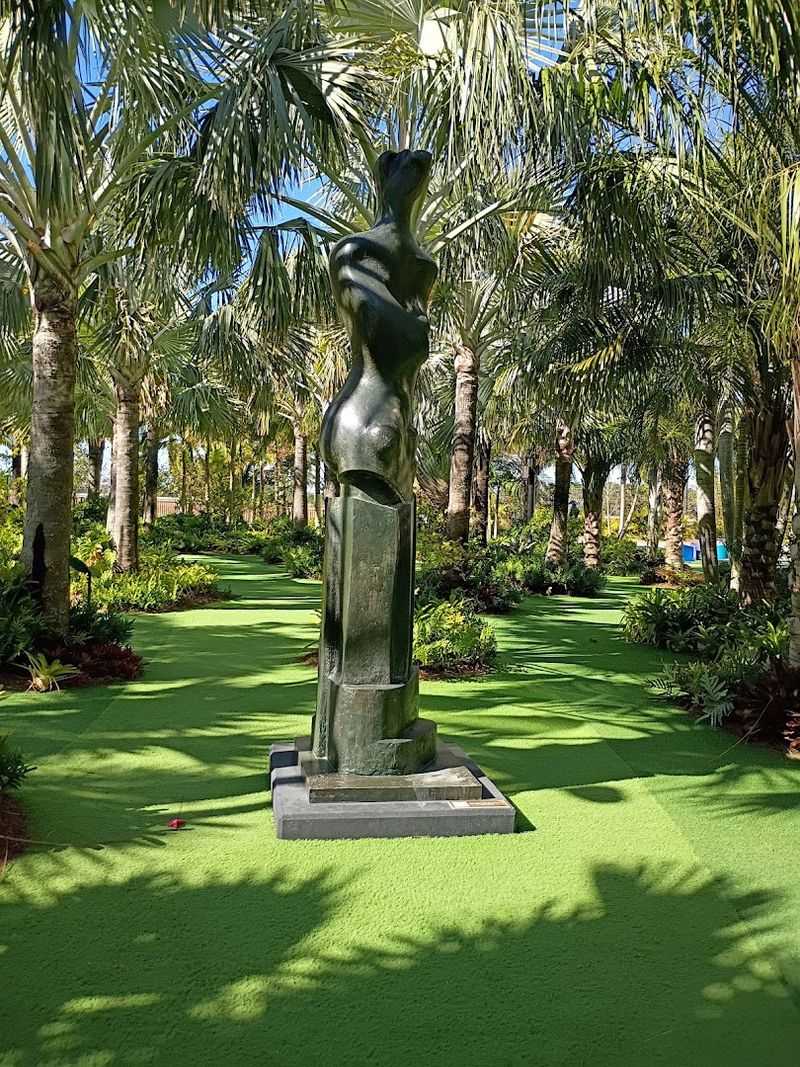
The sculpture garden serves as an introduction to Lake Nona itself, a master-planned community that deliberately positions itself as Orlando’s sophisticated alternative to theme park tourism. Walking the surrounding streets reveals the same attention to detail evident in the garden: impeccable landscaping, public art installations, architectural variety, and an overall sense that someone actually thought about how humans experience spaces.
Lake Nona represents a different vision of Florida development, one that prioritizes walkability, aesthetics, and community gathering spaces over maximum density and commercial exploitation. The sculpture garden fits perfectly into this philosophy, offering a cultural amenity that enriches residents’ daily lives while welcoming visitors to experience something beyond typical tourist offerings.
The neighborhood’s cleanliness consistently impresses visitors. Multiple reviews mention spotless streets and public spaces, a rarity in tourist-heavy areas where maintenance often struggles to keep pace with crowds.
This commitment to upkeep signals respect for both residents and visitors while preserving the area’s appeal over time. It’s the kind of place where you notice the absence of litter because you’ve become accustomed to seeing it everywhere else.
Restaurant options throughout Lake Nona provide additional reasons to extend your visit beyond the sculpture garden. Reviews mention excellent pizza and ice cream nearby, and the general dining scene skews toward quality independent establishments rather than chain restaurants.
This culinary variety transforms a garden visit into a full afternoon or evening outing.
The community’s proximity to Orlando International Airport makes it easily accessible for visitors flying in, yet it feels completely removed from airport chaos. This convenient location combined with free parking and free attractions makes Lake Nona an ideal spot for layover entertainment or a pre-flight relaxation stop.
You can genuinely enjoy a few peaceful hours here without fighting traffic or crowds.
Photography Opportunities Around Every Corner
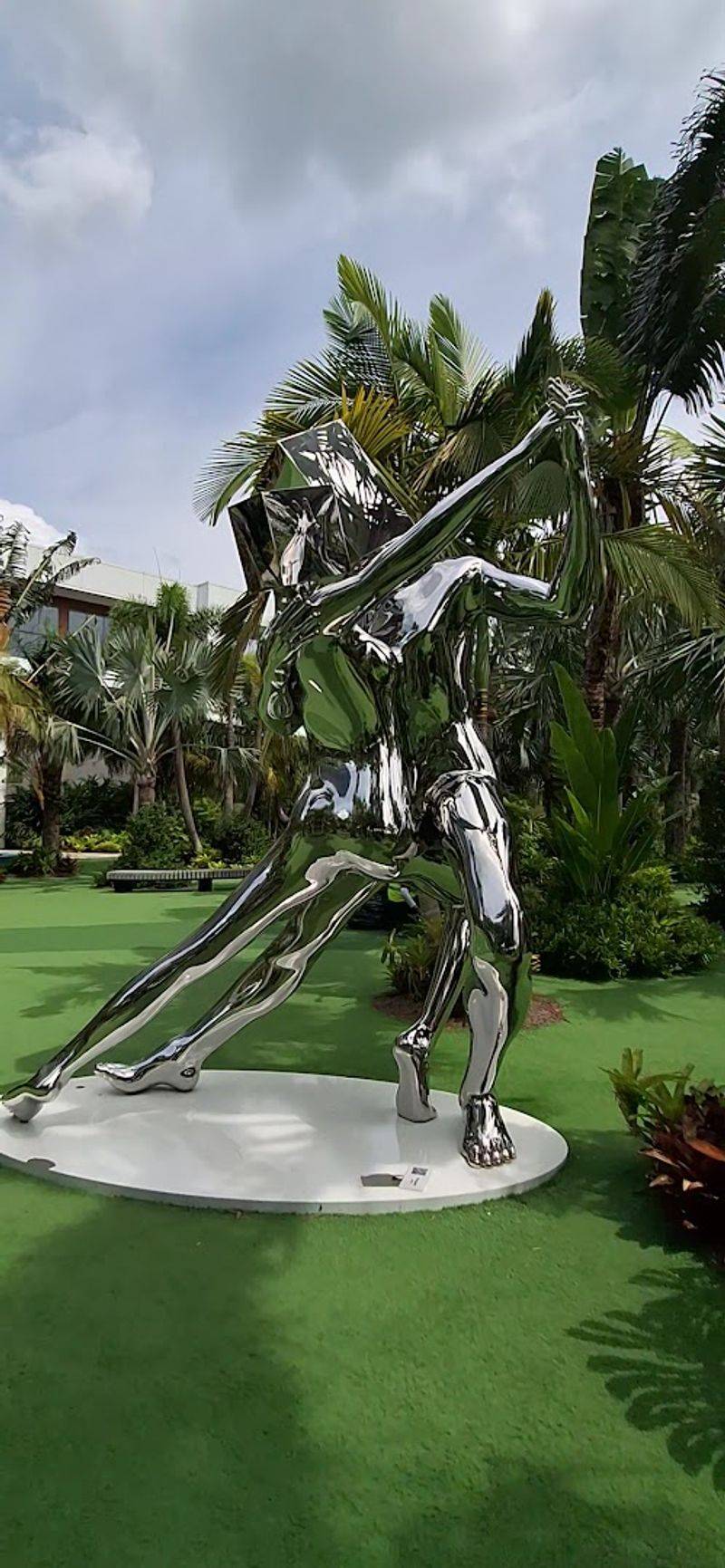
Instagram and photography enthusiasts consider the Lake Nona Sculpture Garden a goldmine of visual opportunities, and they’re not wrong. The combination of striking sculptures, lush tropical landscaping, dramatic Florida skies, and thoughtful design creates endless compositional possibilities.
Whether you’re shooting with professional equipment or just using your phone, you’ll find angles and subjects that make you look more talented than you might actually be.
The sculptures themselves photograph beautifully from multiple perspectives. Walking completely around each piece reveals different profiles, and varying your shooting height from ground-level to standing creates dramatically different images.
Morning and evening light add dimension and drama that midday sun can’t match, turning metal surfaces into glowing focal points or creating mysterious shadows that add narrative intrigue.
The garden’s design naturally creates Instagram-worthy moments without feeling contrived or artificial. You’re not searching desperately for that one photogenic corner; instead, you’re trying to decide which of dozens of great shots to actually take.
This abundance means even amateur photographers leave with images they’re genuinely proud to share.
For portrait photographers, the garden offers varied backdrops that work for everything from engagement photos to family portraits to personal branding sessions. The sculptures add visual interest without overwhelming human subjects, and the abundant shade prevents the squinting and harsh shadows that plague outdoor Florida photography.
Several reviews mention seeing photo sessions in progress, and the garden’s popularity for this purpose makes perfect sense.
The lack of entrance fees or photography restrictions means you can visit repeatedly to capture different lighting conditions, seasonal changes, or simply to improve your technique without financial pressure. This accessibility makes the garden valuable for both casual snapshooters and serious photographers building portfolios or practicing new skills.
Genuinely Family-Friendly Without Dumbing Down
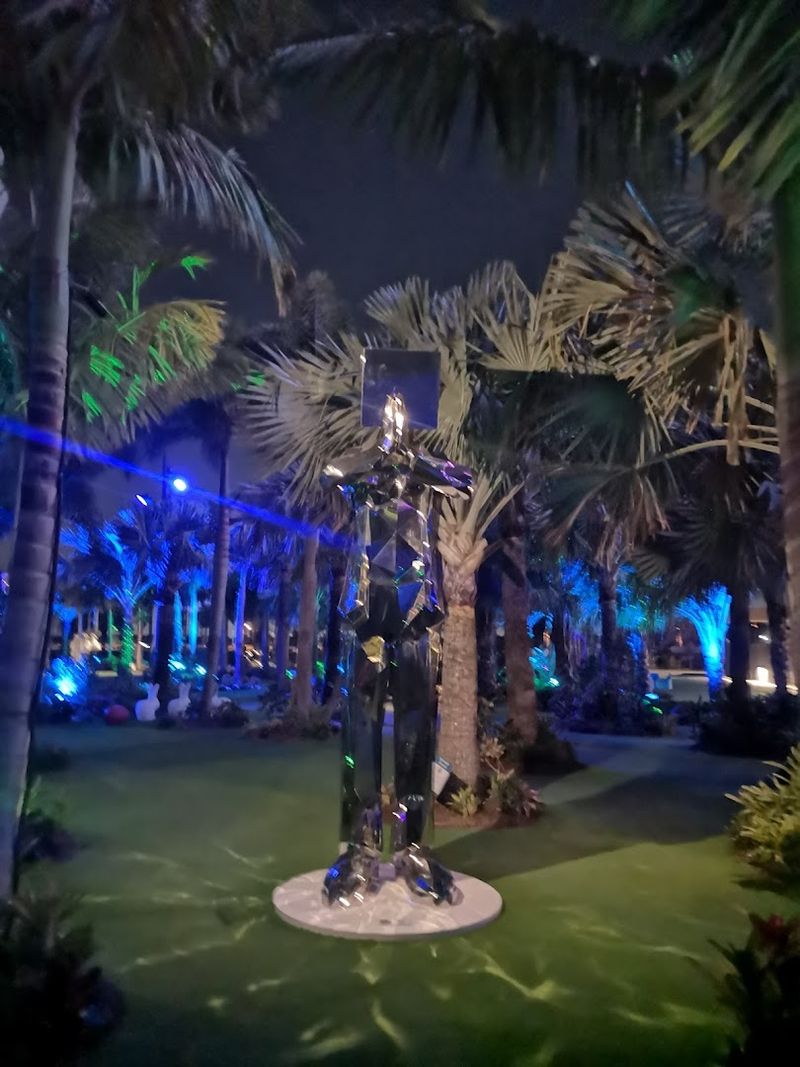
Finding truly family-friendly activities that don’t insult adult intelligence or bore parents to tears is surprisingly difficult. The Lake Nona Sculpture Garden achieves this balance beautifully, offering enough space and visual interest to engage children while providing genuine artistic and horticultural substance that adults appreciate.
Kids can roam and explore freely while parents actually relax, a combination that feels almost miraculous in the parenting trenches.
The open layout means children remain visible even when they wander ahead or lag behind, reducing the constant anxiety that accompanies many public outings with kids. The sculptures spark imagination and encourage questions, creating natural teaching moments without requiring formal lessons or structured activities.
Children naturally want to know who made these pieces, why they look this way, and what they mean—exactly the kind of curiosity that parents hope to nurture.
The garden’s size hits a sweet spot for family visits. It’s large enough to feel like a real outing rather than a five-minute stop, but not so vast that little legs give out before you’ve seen everything.
Most families can comfortably explore the entire space in an hour or less, perfect for short attention spans without feeling rushed. Bringing a picnic extends the visit naturally, turning it into a more substantial family adventure.
The free admission removes financial pressure that often ruins family outings. Parents don’t worry about wasted money if kids lose interest quickly, and children don’t sense parental stress about “getting their money’s worth.” This relaxed dynamic makes everyone more present and able to actually enjoy the experience rather than anxiously managing it.
Educational value sneaks in naturally through the informational signs about both art and plants. Kids absorb information better when they’re engaged and comfortable, and the garden’s informal learning environment beats classroom instruction for retention and genuine interest development.
Peaceful Escape from Orlando’s Typical Chaos
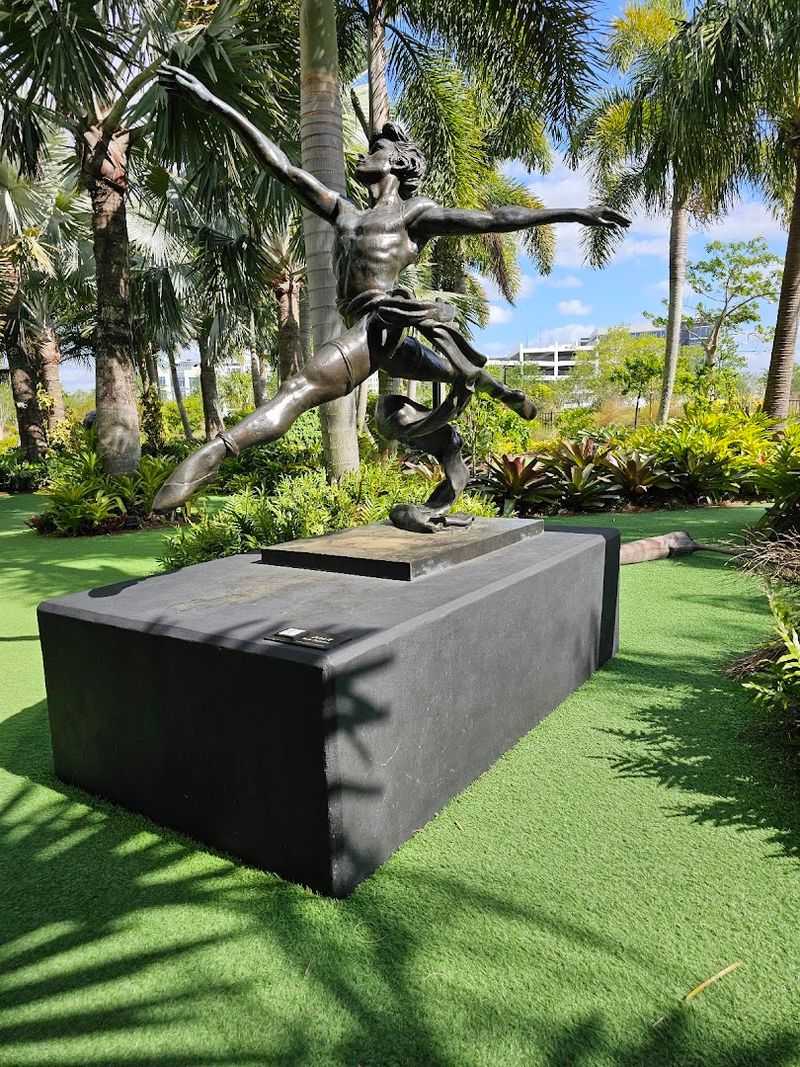
Orlando’s reputation centers on high-energy theme parks, crowded attractions, and sensory overload that exhausts even the most enthusiastic visitors. The Lake Nona Sculpture Garden offers the complete opposite experience: quiet, contemplative, uncrowded, and genuinely peaceful.
For travelers suffering from theme park fatigue or locals needing regular sanity breaks, this garden provides essential refuge without requiring a long drive to escape the metro area.
The absence of crowds fundamentally changes how you experience public space. You can stand in front of a sculpture for as long as you want without feeling rushed by people waiting their turn.
You can sit on one of the creative seating areas scattered throughout the garden and actually think your own thoughts rather than processing constant stimulation. This luxury of space and time feels increasingly rare in modern life, especially in tourist-heavy Orlando.
The natural sounds—birds calling, breeze rustling palm fronds, the subtle background music—replace the artificial noise pollution of theme parks and commercial districts. Your nervous system gets permission to downshift from constant vigilance to genuine relaxation.
Multiple reviews specifically mention the peaceful atmosphere, and this consistency suggests the garden reliably delivers this quality regardless of when you visit.
For solo visitors, the garden offers a socially acceptable place to be alone in public without feeling conspicuous or vulnerable. You can wander, sit, photograph, or simply exist without anyone questioning your presence or trying to sell you something.
This welcoming solitude appeals to introverts, travelers needing quiet time, or anyone who simply enjoys their own company in beautiful surroundings.
The mental health benefits of green spaces combined with art exposure are well-documented, and the Lake Nona Sculpture Garden delivers both in generous measure. It’s the kind of place that genuinely restores your equilibrium, leaving you feeling calmer and more centered than when you arrived.
Romantic Setting for Dates and Special Moments
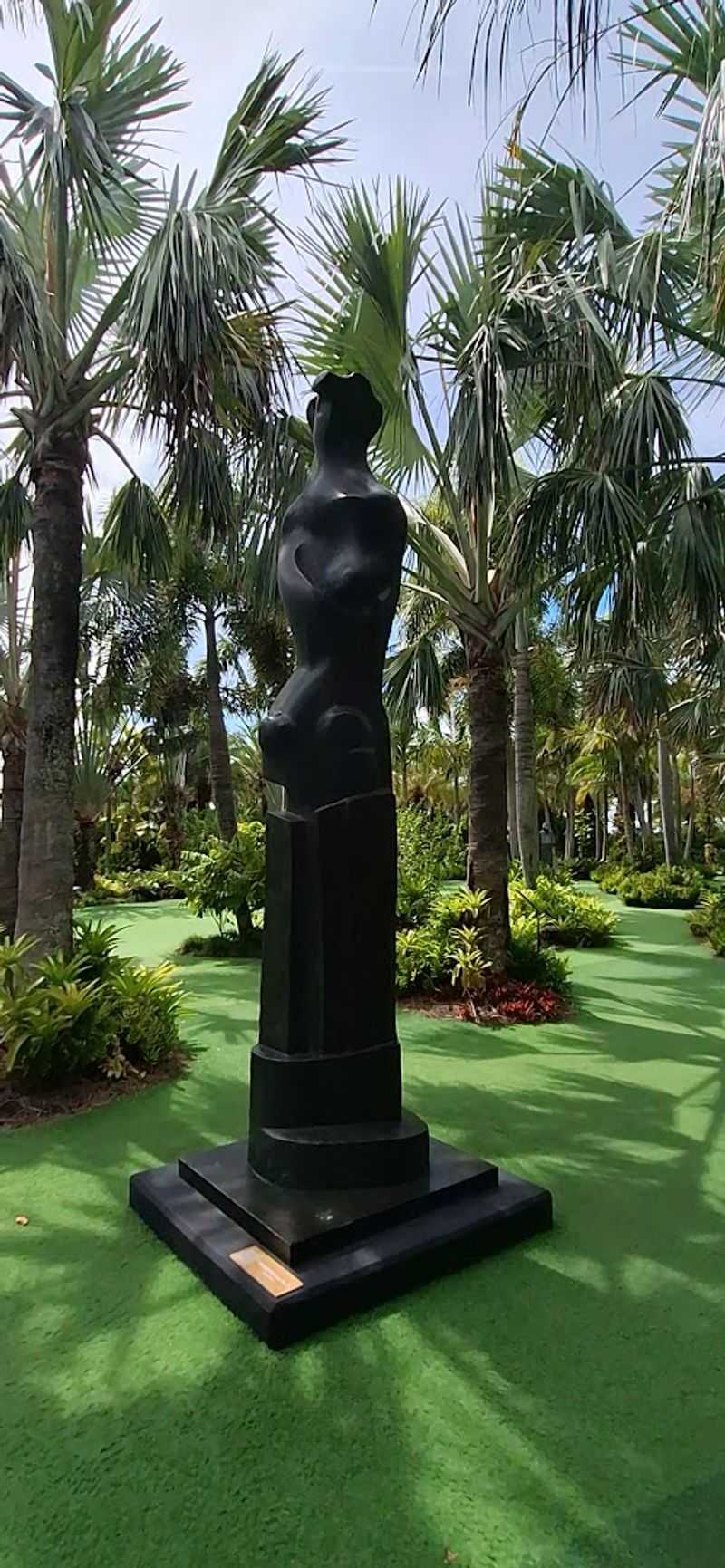
Romance requires the right atmosphere, and the Lake Nona Sculpture Garden delivers ambiance that feels special without trying too hard. The combination of art, beauty, and peaceful surroundings creates natural conversation starters while providing enough visual interest that awkward silences feel comfortable rather than painful.
Whether you’re on a first date or celebrating decades together, the garden offers a sophisticated setting that signals thoughtfulness.
Sunset visits particularly shine for romantic purposes. The golden light transforms ordinary moments into memorable ones, and the beauty surrounding you eliminates pressure to manufacture romance through forced activities or expensive entertainment.
Simply walking together through a beautiful space while discussing the sculptures or pointing out favorite plants creates genuine connection without artifice.
The garden’s free admission means romance doesn’t require a significant budget, democratizing special moments that might otherwise be restricted to those who can afford expensive restaurants or entertainment. Young couples, retirees on fixed incomes, or anyone prioritizing experiences over expenditures can create meaningful memories here without financial stress.
Privacy exists despite the public setting because the garden’s size and layout create intimate pockets where couples can feel alone together. Strategic bench placement invites sitting close, and the sculptures provide focal points that naturally draw two people into shared observation and discussion.
These design elements feel intentional, suggesting that someone understood the garden’s romantic potential.
Several reviews specifically mention bringing dates here, and the consistent enthusiasm suggests the garden reliably succeeds as a romantic venue. The Wave Hotel’s proximity means you can easily transition from garden stroll to dinner or drinks, creating a complete date experience without driving all over Orlando.
This convenience combined with the garden’s inherent beauty makes it an ideal choice for proposals, anniversaries, or simply reminding someone why you chose them in the first place.
A Model for What Florida Tourism Could Be
The Lake Nona Sculpture Garden represents a vision of Florida tourism that prioritizes quality over quantity, accessibility over exploitation, and cultural enrichment over commercial extraction. It proves that developers can create valuable amenities that serve both business interests and public good simultaneously.
This model deserves examination and replication throughout Florida, where tourism often means environmental destruction, cultural homogenization, and experiences designed primarily to separate visitors from their money as efficiently as possible.
The garden’s success challenges assumptions about what attracts visitors and creates value. You don’t need admission fees, gift shops, or constant upselling to deliver meaningful experiences that people remember and recommend.
Sometimes the most generous approach—providing free access to genuinely valuable cultural resources—builds goodwill and reputation more effectively than aggressive monetization strategies.
The partnership between the Wave Hotel and the public demonstrates how private entities can contribute to community cultural life while enhancing their own appeal. The hotel gains a unique selling point that distinguishes it from competitors, while residents and visitors gain access to world-class art without barriers.
This win-win arrangement should inspire other developers to consider how their projects might include similar public benefits.
Sustainability appears built into the garden’s design through native plant selections, shade structures that reduce cooling needs, and maintenance practices that keep the space beautiful without apparent environmental destruction. This thoughtful approach to landscape management sets standards that other Florida attractions should meet or exceed.
The Lake Nona Sculpture Garden proves that Florida can offer sophisticated cultural experiences that rival anything found in major cities while maintaining the casual accessibility that defines the state’s best qualities. It’s a place that respects visitors’ intelligence, values their time, and trusts that beauty and art have inherent worth beyond their commercial potential.