The Florida City Where You Can Park Once And Wander All Day
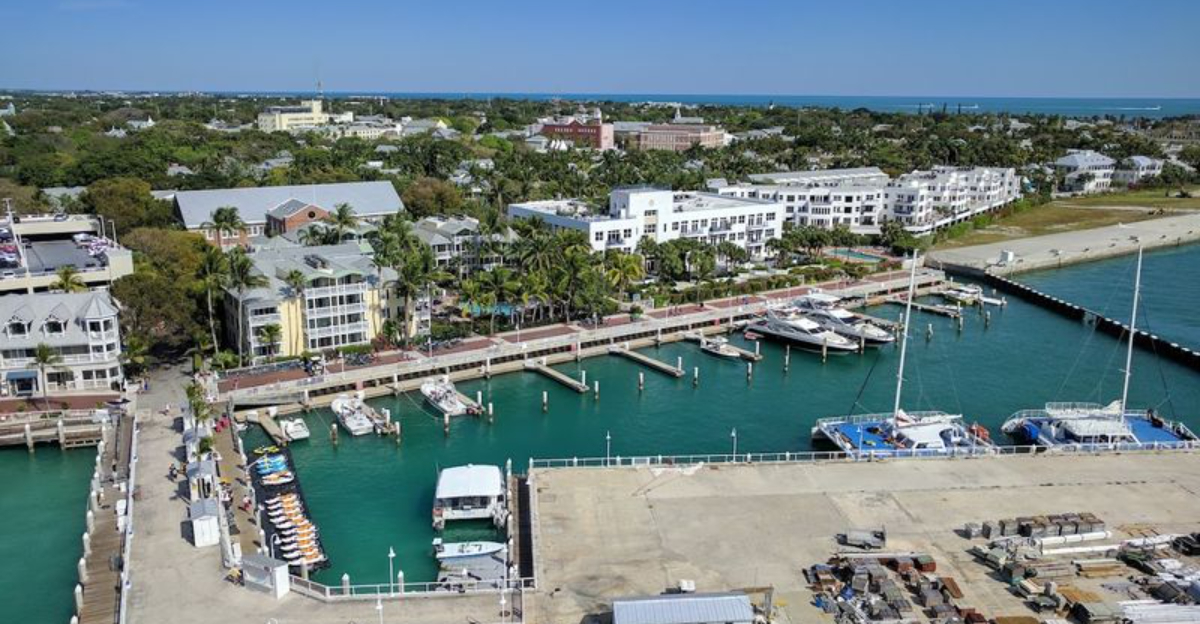
Key West stands out as Florida’s most walkable destination, where your car becomes completely optional once you arrive. This tiny island city packs incredible charm into just two miles by four miles, making everything accessible on foot or by bike. From sunrise at the Atlantic to sunset celebrations at the Gulf, you can explore historic neighborhoods, waterfront bars, museums, and tropical gardens without ever moving your vehicle.
Park once in the morning and spend the entire day wandering through one of America’s most unique island communities.
1. Duval Street’s Mile-Long Magic
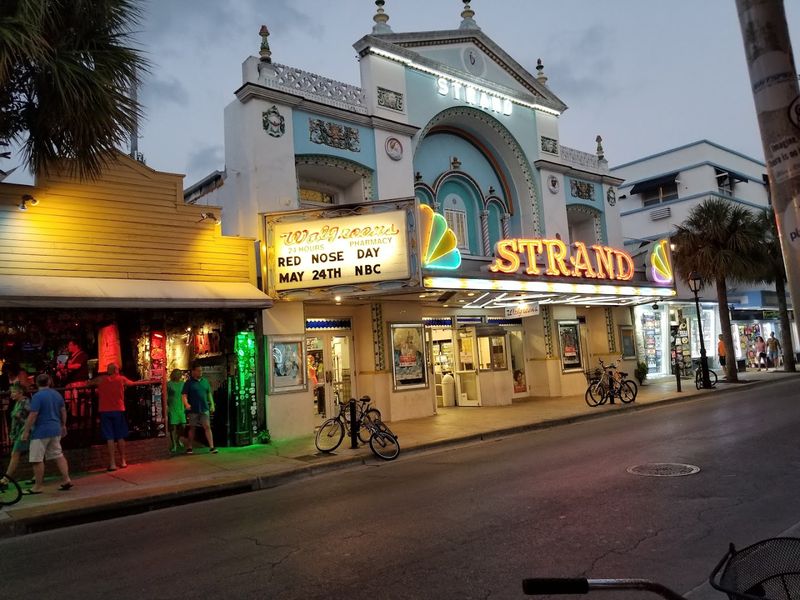
Duval Street runs straight through the heart of Key West from the Atlantic Ocean to the Gulf of Mexico, creating the perfect walking corridor. This famous mile connects nearly everything worth seeing, and you’ll pass countless bars, restaurants, shops, and galleries just by strolling its length. Street performers pop up at corners, and the architecture shifts from touristy to residential as you move between the water on either end.
The northern section near Mallory Square buzzes with energy and cruise ship visitors exploring souvenir shops and grabbing conch fritters. Mid-Duval gets more interesting with local boutiques, the historic San Carlos Institute, and the famous Green Parrot Bar tucked on a side street. The southern end near the Atlantic feels more laid-back, with the Southernmost Point marker just a few blocks away.
Walking Duval takes about twenty minutes without stops, but plan at least three hours to properly explore. Pop into the Oldest Bar, check out street art in alleyways, and grab fresh key lime pie from Kermit’s. The entire street stays pedestrian-friendly with wide sidewalks and frequent crosswalks.
Evening transforms Duval into party central, especially on weekends when live music spills from every doorway. Yet mornings offer a completely different vibe—quiet, calm, and perfect for photographing those pastel conch houses without crowds blocking your shot.
2. Mallory Square Sunset Celebration
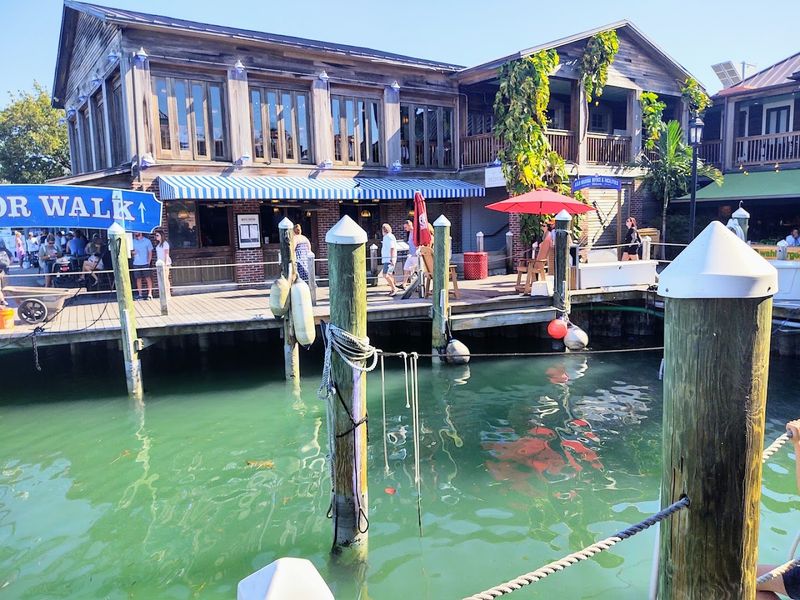
Every single evening, locals and visitors gather at Mallory Square to watch the sun drop into the Gulf of Mexico. This isn’t just sunset watching—it’s a full-blown street festival with jugglers, acrobats, musicians, psychics, and artists creating a carnival atmosphere. The celebration happens year-round, rain or shine, starting about two hours before sunset when performers begin staking out their spots.
Cookie the tightrope-walking dog has become legendary here, along with the escapologist who dangles from chains and the guy who balances impossible objects. Local artisans spread out handmade jewelry, paintings, and crafts between the performance circles. Food carts sell everything from conch fritters to frozen mojitos, and the smell of grilled seafood floats through the crowd.
The square sits right at the western end of Duval Street, making it incredibly easy to walk over from anywhere downtown. Arrive early to grab a good viewing spot along the waterfront railing, especially during peak season when hundreds pack the area. The actual moment of sunset triggers applause and cheers from the entire crowd—a Key West tradition that feels genuinely special every time.
After the sun disappears, performers pass their hats for tips while the crowd disperses into nearby restaurants and bars. The whole experience costs nothing except whatever you choose to tip, making it one of Florida’s best free entertainment options.
3. Historic Seaport District
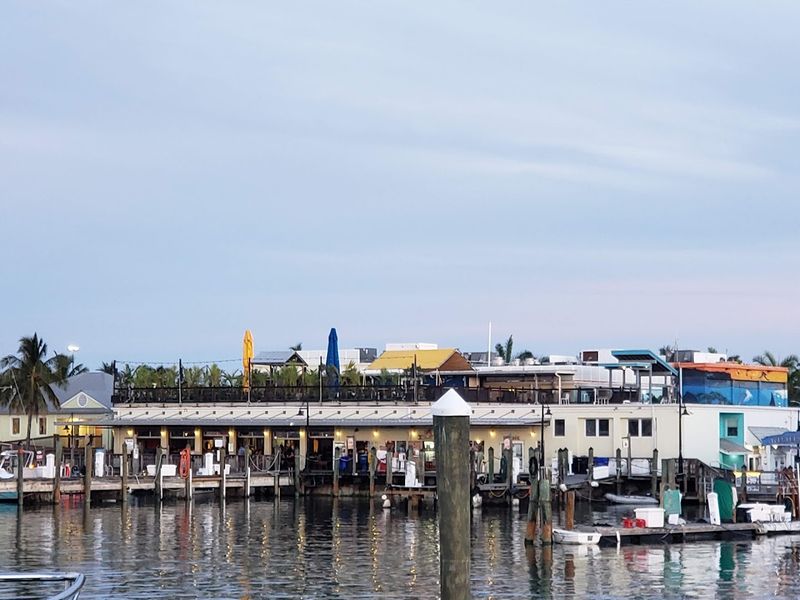
Walk northeast from Duval and you’ll discover the Historic Seaport, where Key West’s working waterfront meets tourist-friendly restaurants and bars. Wooden docks stretch into the harbor filled with fishing charters, sailboats, and the occasional mega-yacht. This area maintains authentic island character while offering some of the best waterfront dining on the entire island.
The Schooner Wharf Bar sits directly on the water and hosts live music every afternoon and evening. Grab a table outside, order grouper sandwiches, and watch boats coming and going while pelicans dive for fish. Nearby, the Conch Republic Seafood Company serves stone crabs and hogfish on a massive deck overlooking the marina.
Both spots let you experience genuine Keys atmosphere without the Duval Street tourist intensity.
Shopping here skews toward nautical and local rather than generic beach souvenirs. You’ll find shops selling handmade jewelry, fishing gear, tropical clothing, and marine art. The Key West Shipwreck Museum sits at the edge of this district, offering fascinating stories about the island’s treasure-hunting history.
Several glass-bottom boat tours and snorkeling excursions depart from these docks throughout the day.
Morning brings a completely different scene when charter fishing boats head out before dawn and shrimp boats unload their catch. The Turtle Kraals restaurant becomes a breakfast spot where commercial fishermen grab coffee alongside early-rising tourists. Walking the entire seaport area takes maybe thirty minutes, but budget more time to stop and watch the water.
4. Hemingway House and Gardens
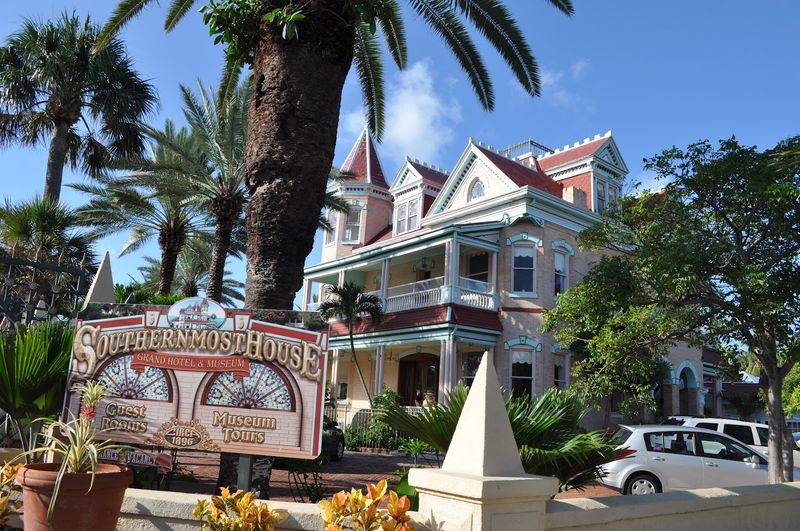
Ernest Hemingway lived and wrote in this gorgeous Spanish Colonial home during the 1930s, producing some of his most famous works including “For Whom the Bell Tolls.” Today the house operates as a museum filled with original furniture, Hemingway’s writing studio, and about fifty six-toed cats descended from his original feline companions. The property sits on Whitehead Street, just a pleasant ten-minute walk from Duval.
Tours run continuously throughout the day with knowledgeable guides sharing stories about Hemingway’s wild Key West years. You’ll see the pool where he supposedly spent ten thousand dollars—a fortune during the Depression—and the studio above the carriage house where he wrote every morning. The cats roam freely, lounging on beds, chairs, and sunny spots throughout the house and gardens.
Many have extra toes due to a genetic mutation, and staff members know each cat by name.
The surrounding gardens deserve as much attention as the house itself, with tropical plants, towering palms, and shaded pathways creating a peaceful retreat from the street. Original penny tiles line the pool, and the property’s wall features embedded Spanish coins. Photography is allowed throughout, making this an Instagram favorite.
Plan about an hour for the complete experience, though cat lovers often linger longer. The admission fee includes the guided tour, and proceeds help maintain the historic property and care for the famous cats. Visit early morning or late afternoon to avoid peak crowds and heat.
5. Fort Zachary Taylor Beach and Park
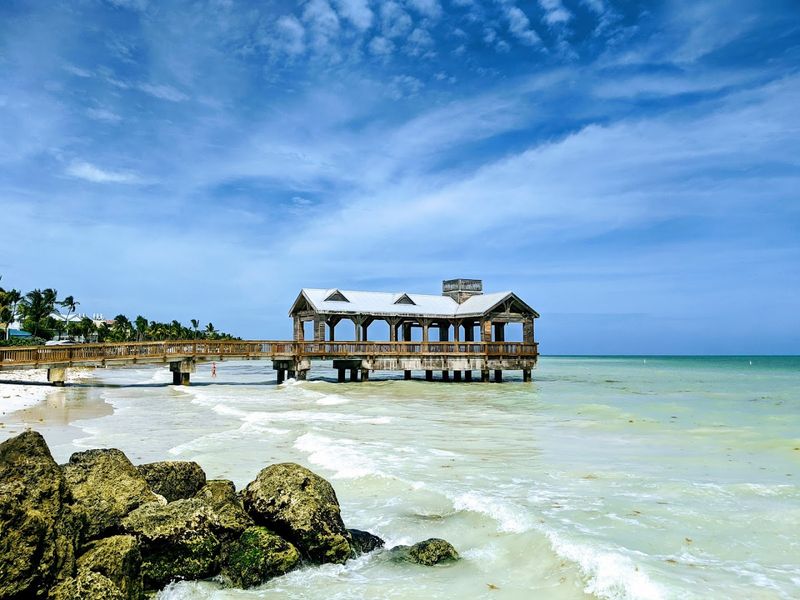
Key West isn’t really known for beaches, but Fort Zachary Taylor offers the island’s absolute best stretch of sand and swimming. The beach sits inside a state park at the southwestern tip, about a twenty-minute walk from downtown or a quick bike ride. Crystal-clear water and rocky areas create perfect snorkeling conditions right from shore, and the beach never gets as crowded as mainland Florida spots.
The fort itself dates back to the Civil War and now operates as a museum with self-guided tours through dark corridors and gun emplacements. History buffs can easily spend an hour exploring the fortifications and reading interpretive signs. The beach curves along the western side with calm, protected water that stays shallow for quite a distance.
Rent snorkel gear from the concession stand or bring your own to explore the underwater rocks where tropical fish hang out.
Shaded picnic areas with grills make this popular with locals on weekends, and the park includes restrooms, outdoor showers, and a small cafe. Palm trees provide natural shade, though bringing an umbrella helps during midday sun. The water stays warm year-round, and the rocky bottom means fewer jellyfish than sandy beaches.
Entry requires a small state park fee per person, and the park opens early morning until sunset. Arrive before noon during high season to guarantee parking, or better yet, walk or bike from downtown to skip the car hassle entirely. The paved path from the entrance gate to the beach takes about five minutes.
6. Bahama Village Neighborhood
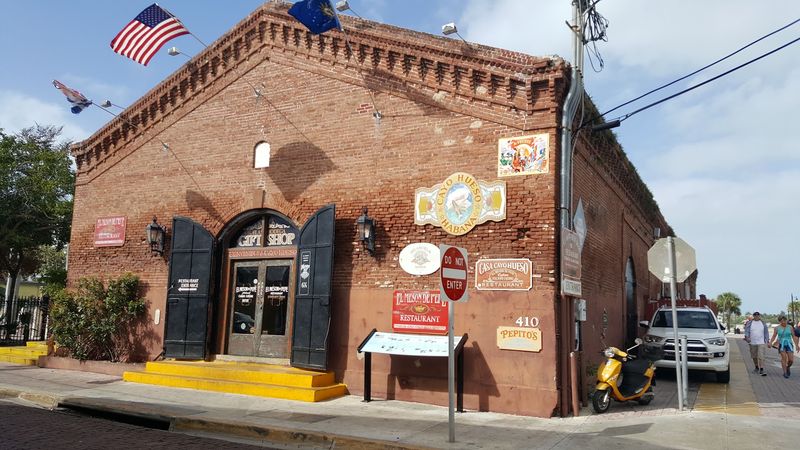
Most tourists stick to Duval Street and miss Bahama Village completely, which means you’ll experience authentic Key West culture just blocks from the main drag. This historically Bahamian neighborhood features brightly painted shotgun houses, local restaurants serving Caribbean food, and a relaxed vibe that feels worlds away from tourist crowds. The area roughly covers Petronia Street and surrounding blocks between Duval and Whitehead.
Blue Heaven restaurant anchors the neighborhood with outdoor dining under trees where Hemingway supposedly refereed boxing matches. Roosters and chickens wander freely here—a Key West trademark you’ll notice throughout the island. The food leans Caribbean with jerk chicken, fresh fish, and their famous lobster benedict for breakfast.
Expect a wait during peak times, but the funky atmosphere makes it worthwhile.
Walk the side streets to see how locals actually live, with front porch culture still thriving and neighbors chatting across yards. Small galleries showcase Afro-Caribbean art, and occasional street festivals celebrate the neighborhood’s heritage with live music and food vendors. The Martin Luther King Jr. Community Pool and Park provides a shaded rest spot.
Some sections look rough around the edges, which adds to the authentic character but might feel uncomfortable to visitors expecting polished tourist zones. Daytime exploration is perfectly safe, and you’ll likely encounter friendly locals happy to chat. This neighborhood shows Key West’s real personality beyond the party scene, giving you genuine island culture within easy walking distance of everywhere else.
7. Truman Little White House
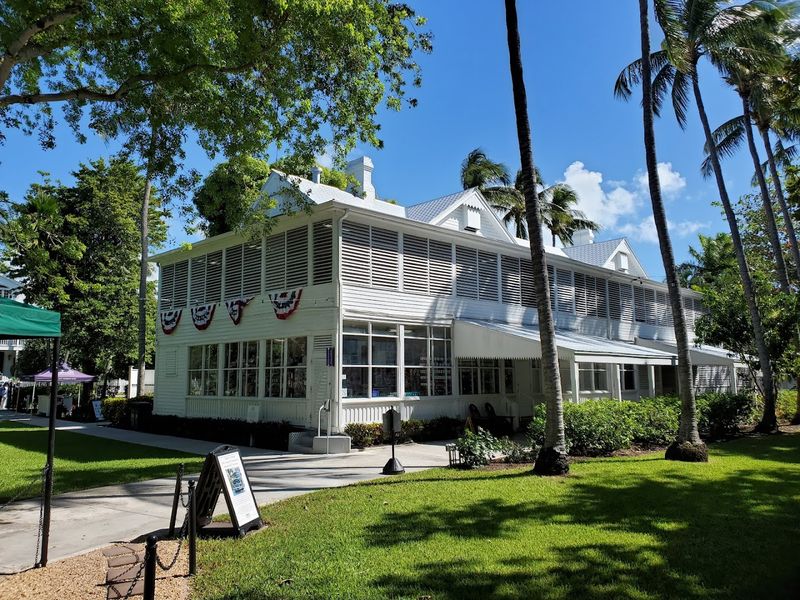
President Harry Truman used this unassuming white house as his winter retreat, spending about 175 days here during his presidency. The property sits on the grounds of the former naval station and now operates as a museum showcasing 1940s furnishings, presidential memorabilia, and beautiful botanical gardens. Located on Front Street near Mallory Square, it’s an easy walk from downtown hotels and attractions.
Guided tours run every twenty minutes and last about forty-five minutes, taking you through rooms preserved exactly as they appeared during Truman’s visits. You’ll see the poker table where he played with advisors, the kitchen where White House staff prepared meals, and the bedroom where presidential decisions were made. Knowledgeable guides share fascinating stories about Truman’s Key West experiences and the informal atmosphere he preferred here over Washington formality.
The surrounding gardens deserve exploration before or after your tour, with native plants, towering trees, and peaceful pathways. Several other presidents have visited this property, including Eisenhower, Kennedy, and Carter. The gift shop sells unique presidential souvenirs and local history books.
Photography isn’t allowed inside but works fine in the gardens and exterior. The property maintains its historic character beautifully, giving you genuine insight into presidential life during a simpler era. Air conditioning throughout makes this a pleasant escape during hot afternoons.
Admission includes the guided tour, and combination tickets with other Key West attractions offer savings. Military members receive discounts. Plan about ninety minutes total for the complete experience including garden time.
8. Southernmost Point Marker
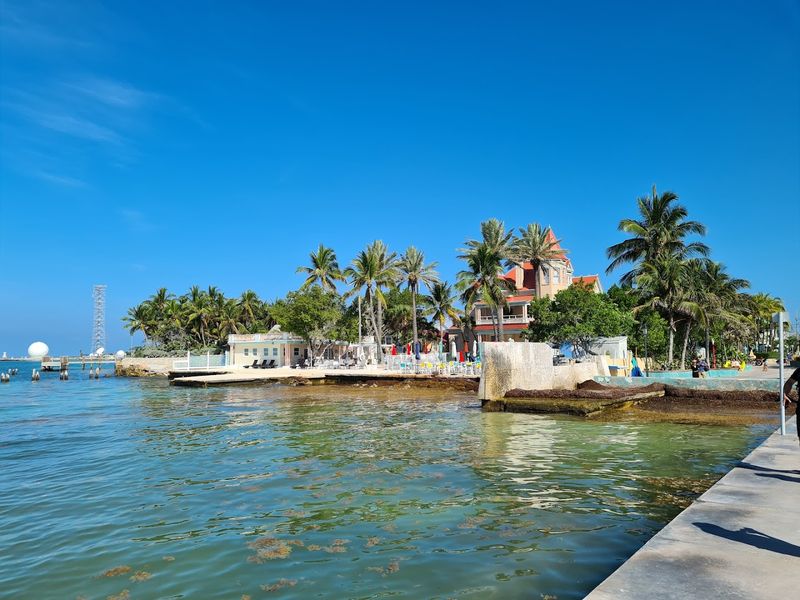
This massive concrete buoy marks the southernmost point of the continental United States, sitting just ninety miles from Cuba. The marker has become Key West’s most photographed landmark, with tourists lining up throughout the day for their turn posing beside it. Located at the corner of South Street and Whitehead, it’s about a fifteen-minute walk from the center of Duval Street.
The buoy itself stands taller than most people and features bright red, black, and yellow paint with “Southernmost Point Continental U.S.A.” written across it. Professional photographers often hang around offering to take pictures for tips, or you can wait your turn and ask fellow tourists to snap your shot. Sunrise brings the smallest crowds and best lighting, while sunset creates long lines.
Technically, the actual southernmost point sits on private property at a naval station, making this marker the closest public access. The distinction doesn’t matter much to visitors who just want the iconic photo. Across the street, souvenir shops sell Southernmost Point merchandise, and several cafes provide air-conditioned breaks.
The surrounding neighborhood features beautiful historic homes worth exploring after you grab your photo. Walk north on Whitehead toward the Hemingway House, or head west along South Street to see stunning ocean views and more pastel conch houses. Street parking exists nearby but fills quickly, making walking or biking the smarter choice.
The marker stays accessible twenty-four hours, though nighttime visits mean no photos unless you bring good lighting. Expect to share the space with dozens of other visitors during peak afternoon hours.