The Beaches Get All the Attention, but This Florida State Park Has Wetlands, Wildflowers, and Treetop Views
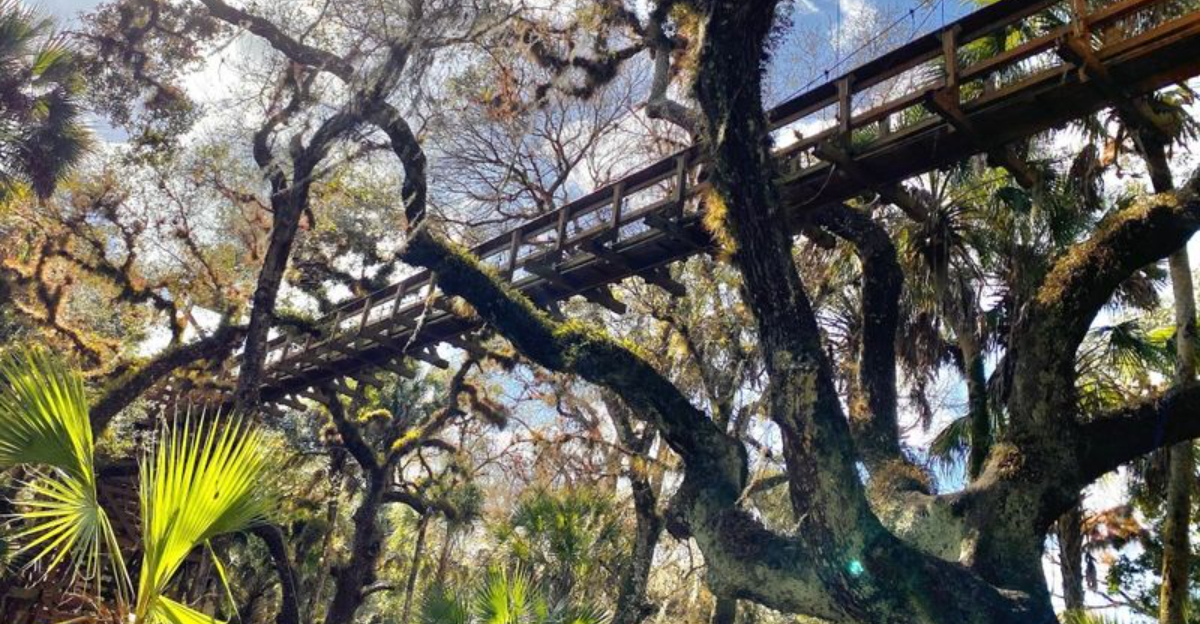
When most people think of Florida, they picture crowded beaches and ocean waves. But just inland from Sarasota lies a 58-square-mile treasure that tells a completely different story about the Sunshine State. Myakka River State Park offers wetlands teeming with alligators, prairies bursting with wildflowers, and observation towers that let you see Florida from a bird’s-eye view—no sunscreen or sand required.
1. Canopy Walkway and Observation Tower
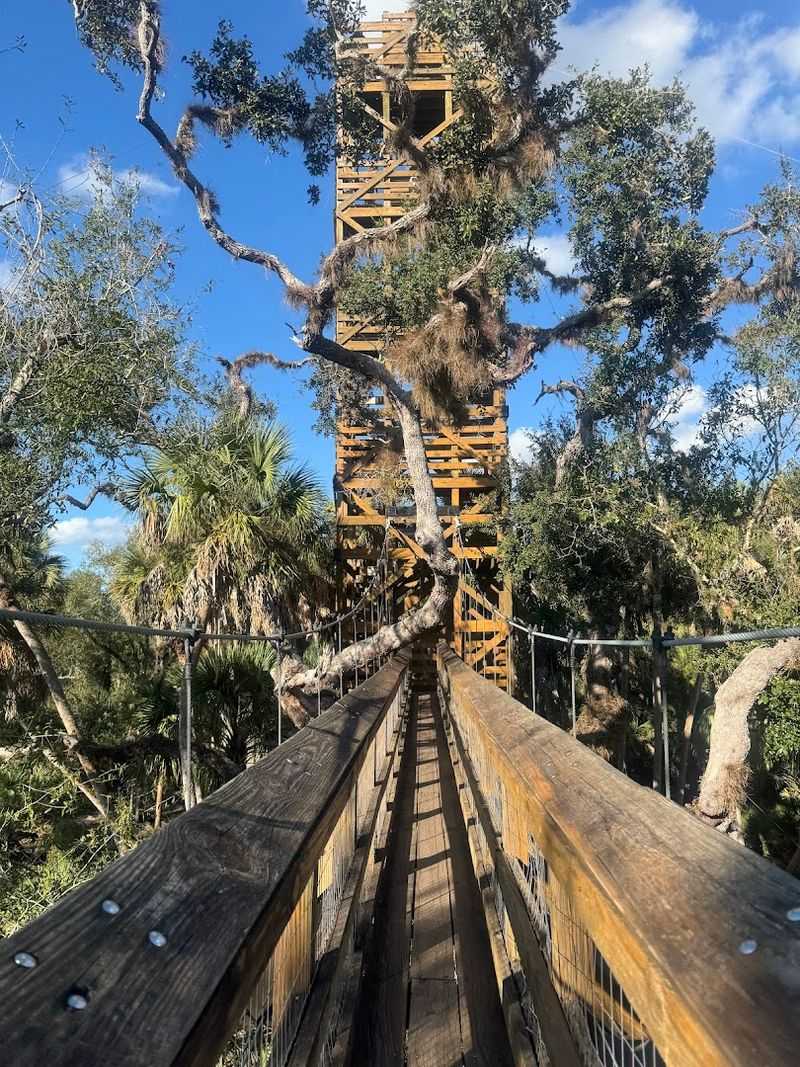
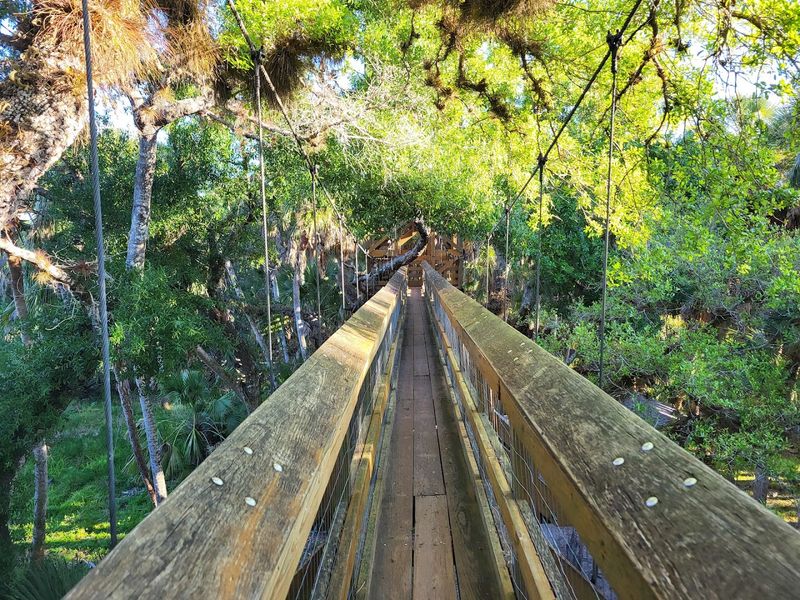
Picture yourself swaying gently 25 feet above the forest floor on a suspension bridge that stretches between two towering structures. The canopy walkway might be shorter than you expect—about 100 feet that you can cross in under a minute—but what it lacks in length, it makes up for in experience. The bridge sways just enough to remind you that you’re floating above ancient oaks and palmettos, giving you a perspective most visitors never get.
The real showstopper stands at the end: a 74-foot observation tower that climbs high above the tree line. Climbing those stairs feels like ascending into another world entirely. From the top platform, the view unfolds in every direction—endless stretches of wetlands, the dark ribbon of the Myakka River snaking through prairies, and forests that seem to go on forever.
Arrive early if you can, especially on weekends. Parking near the trailhead fills up fast, and by afternoon the area gets packed with families and photographers. The short hike from the parking area takes you through shaded hammocks before reaching the walkway.
Bring your camera because the elevated views offer photo opportunities you simply can’t get anywhere else in the park.
2. Alligator Viewing Along the River and Bridge
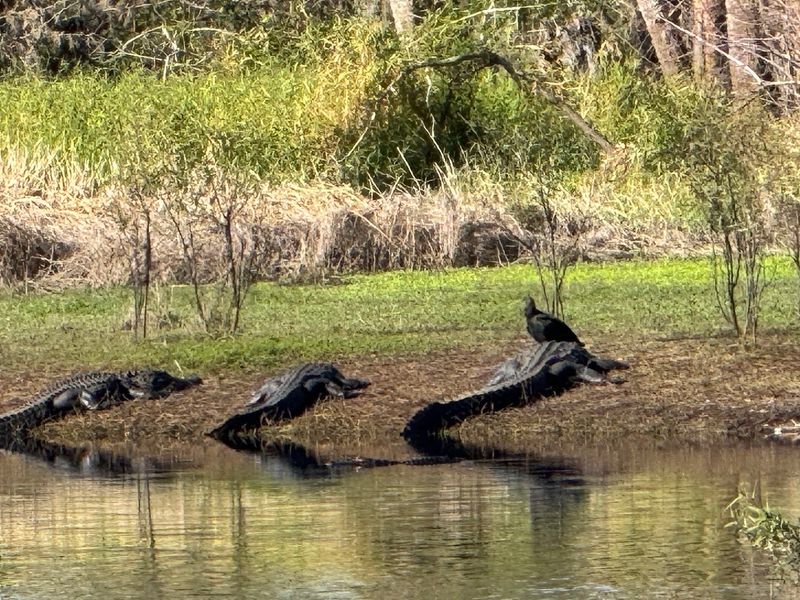
Few places in Florida let you see alligators in such impressive numbers without stepping into the Everglades. At Myakka, gators are practically guaranteed—especially along the bridge near the park entrance and at designated viewing spots like Alligator Point. Visitors regularly count 15 to 20 alligators in a single visit, lounging on muddy banks or gliding silently through the dark water like prehistoric submarines.
The bridge at the park entrance serves as an unofficial welcome committee of reptiles. Pull over safely and you’ll likely spot several large gators basking in the sun below. Alligator Point, accessible via an easy one-mile walk each way, delivers even more concentrated viewing opportunities.
The scenery along the road on both sides makes the walk enjoyable even before you reach the main attraction.
These aren’t zoo animals behind glass—they’re wild creatures in their natural habitat, so keep a respectful distance and never feed them. Bring binoculars if you have them (the visitor center loans them out for free if you ask at check-in). Early morning and late afternoon provide the best viewing times when gators are most active.
Patience pays off here; sometimes they’ll suddenly appear from underwater right when you least expect it.
3. Miles of Diverse Hiking Trails
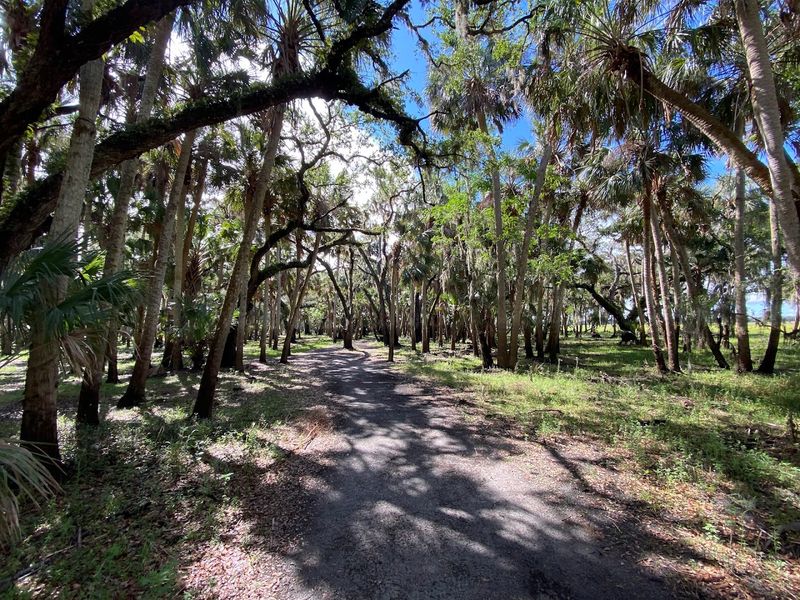
Forget the idea that Florida hiking means flat, boring walks through sameness. Myakka offers over 39 miles of trails that wind through completely different ecosystems, sometimes within the same hike. One moment you’re walking through shaded oak hammocks where Spanish moss hangs like curtains, the next you’re crossing open prairies where wildflowers bloom and the sky stretches endlessly above you.
The trails range from easy strolls to more challenging treks. Meadow Sweet Pastures offers a popular 5.5-mile loop where you’ll likely have long stretches entirely to yourself after the first quarter-mile. The trails are well-marked with clear signage, though snapping a photo of the trail map at the trailhead makes a smart backup to your phone’s GPS.
Some paths run wide enough for easy walking, while others narrow to single-track adventures through denser vegetation.
What makes these trails special is the variety. You’ll encounter different bird species, spot deer grazing in clearings, and maybe even catch sight of wild turkeys strutting across your path. The trails stay well-groomed without feeling overly manicured, maintaining that authentic old-Florida atmosphere that’s becoming harder to find.
Whether you tackle a short 20-minute nature walk or commit to a half-day adventure, the trail system accommodates every fitness level and time constraint.
4. Wetlands and Prairie Ecosystems
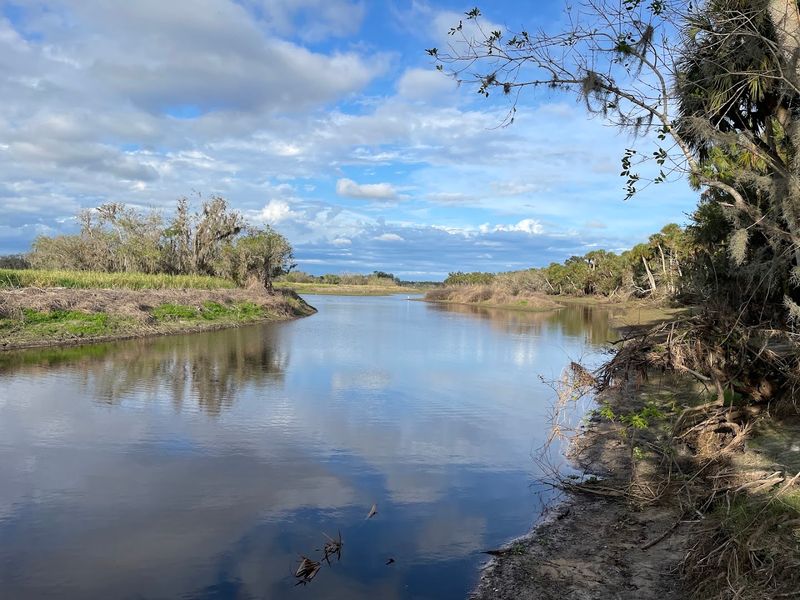
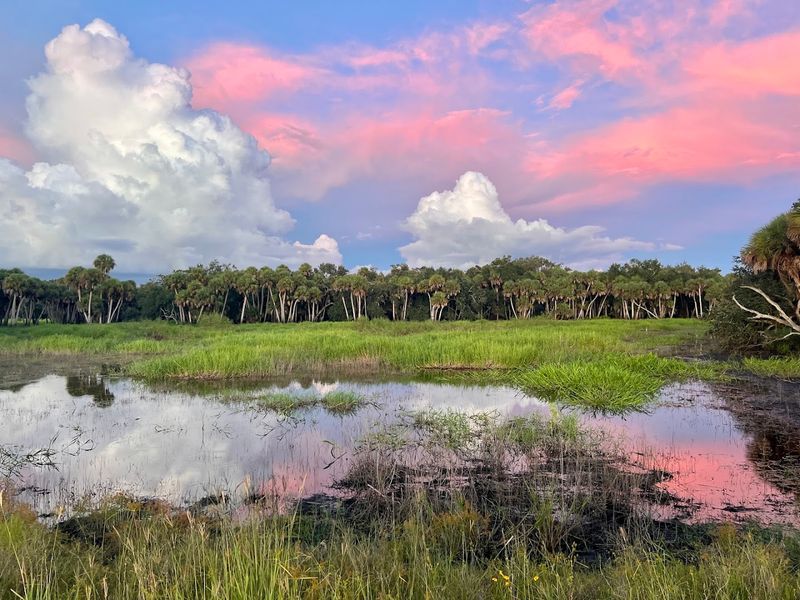
Myakka protects one of Florida’s most biodiverse landscapes, where wetlands transition seamlessly into dry prairies and back again. This isn’t just one type of scenery—it’s a living textbook of Florida ecosystems all packed into a single park. The wetlands stretch for miles, creating vital habitat for wading birds, while the prairies offer something you rarely see in modern Florida: wide-open spaces that look much like they did centuries ago.
Walking through these areas feels like time travel. The prairies bloom with wildflowers depending on the season, painting the landscape in yellows, purples, and whites. Sawgrass marshes create patterns that shift with the water levels, and the tannic waters of the Myakka River itself flow dark and mysterious through it all.
Educational signage throughout the park helps you understand what you’re seeing, explaining how these ecosystems support each other and why they matter.
The biodiversity here amazes even repeat visitors. In a single afternoon, you might spot great blue herons stalking through shallow water, white ibis probing the mud with curved beaks, and dozens of other bird species. The wetlands serve as a natural filter for water while providing critical habitat.
Standing in the middle of these prairies with nothing but nature surrounding you makes you realize what Florida looked like before development changed so much of the state.
5. Scenic Park Drive and Bike Routes
Not everyone wants to hike for miles, and Myakka understands that perfectly. The park’s scenic drive lets you experience the landscape from your car, winding through different habitats with plenty of pulloffs for photos and wildlife watching. The well-maintained roads make the journey enjoyable whether you’re driving slowly with windows down or pedaling along on a bicycle rented from the park.
Biking through Myakka offers a sweet spot between hiking and driving. You cover more ground than walking but move slowly enough to really see things—and stop quickly when something interesting appears. The roads feature beautiful scenery on both sides, with opportunities to spot deer, birds, and yes, even gators crossing from one side to the other.
Cyclists appreciate the relatively flat terrain and the fact that vehicles generally move slowly and respectfully through the park.
The scenic drive takes you past the lake, through forests, and across prairies, essentially giving you a greatest-hits tour of what makes Myakka special. Multiple access points to trailheads mean you can park and explore on foot whenever something catches your eye. This flexibility makes the park accessible to visitors with different mobility levels and energy reserves.
Some people spend an entire day just slowly cruising or pedaling through, stopping frequently to soak in the peaceful, old-Florida atmosphere that permeates every corner.
6. Abundant Birdwatching Opportunities
Serious birders and casual observers alike find themselves reaching for binoculars constantly at Myakka. The park’s diverse habitats create perfect conditions for an impressive variety of bird species—from tiny warblers flitting through the understory to massive wood storks wading through shallow water. On any given visit, you might add a dozen new species to your life list or simply enjoy watching familiar birds go about their daily business.
The lake area and wetlands serve as bird magnets, especially during migration seasons. Great blue herons stand motionless as statues waiting to spear fish, while white ibis probe the mud in coordinated groups. Ospreys circle overhead before diving dramatically into the water.
Roseate spoonbills occasionally make appearances, their pink plumage looking almost artificial against the greens and browns of the marsh. Even the common species put on fascinating shows if you take time to watch their behaviors.
Rangers and staff members genuinely help visitors spot birds—Ranger Bob has become something of a legend for guiding people to the best viewing spots. The visitor center loans binoculars for free, removing any excuse not to try your hand at identification. Educational signage near popular birding spots helps beginners learn what they’re seeing.
Whether you’re a dedicated birder traveling with spotting scopes or just someone who thinks birds are pretty, Myakka delivers consistently rewarding experiences.
7. Full-Service Camping and Picnic Facilities
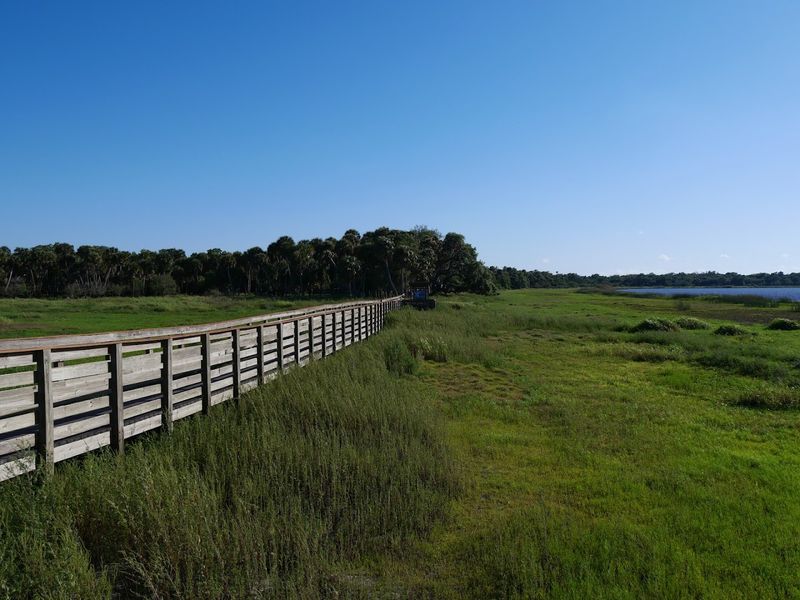
Experiencing Myakka for just a few hours barely scratches the surface. The park’s camping facilities let you wake up to birdsong and fall asleep to the sounds of the wilderness, extending your visit into something more memorable. The campgrounds offer everything from primitive sites for adventurous tent campers to full-hookup spots for large RVs, with the Palmetto Ridge campground earning particular praise for private sites and immaculately maintained bathrooms.
Each campsite typically includes a spigot and electrical outlet, so you can keep devices charged while still feeling immersed in nature. The sites feel spacious and private rather than cramped together like some state parks. Clean bathrooms get regular attention from staff, which campers consistently mention in reviews.
The park currently provides free gallons of potable water while they upgrade the water lines—a temporary inconvenience that management handles thoughtfully.
Day visitors enjoy extensive picnic facilities perfect for family gatherings. Pavilions with grills let you cook hamburgers while surrounded by nature, and plenty of tables spread throughout the park accommodate groups of various sizes. The combination of great facilities and stunning natural surroundings creates that rare situation where you get modern conveniences without sacrificing the wilderness experience.
Many visitors plan overnight stays specifically because one day simply isn’t enough to see everything this massive park offers.
8. Visitor Center, Gift Shop, and Convenient Amenities
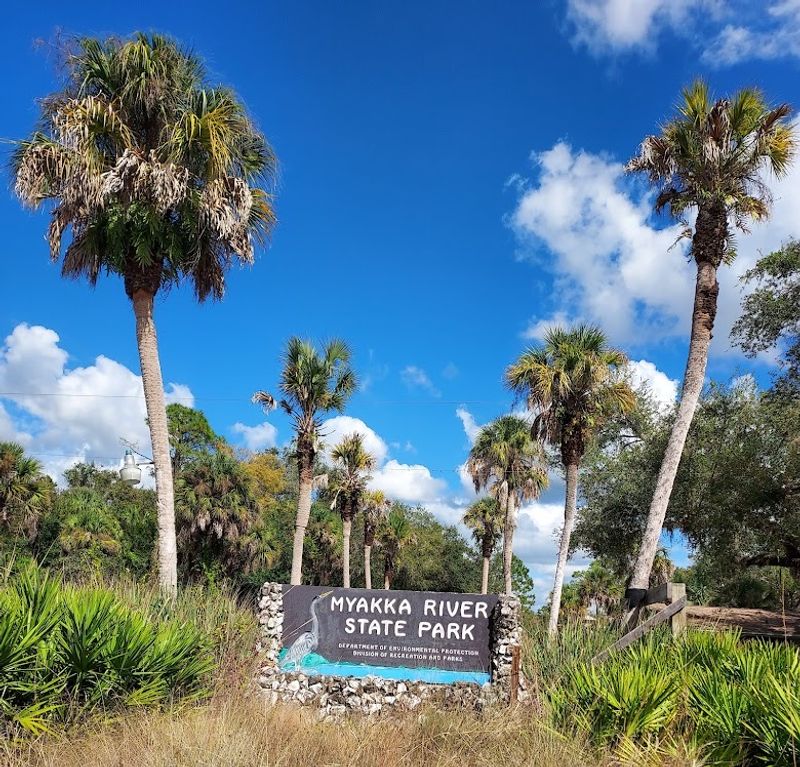
Before heading into the wilderness, stop at the visitor center near the park entrance. This isn’t just a place to pay your six-dollar entry fee—it’s a hub of information staffed by genuinely helpful people who know the park intimately. They’ll point you toward the best trails for your interests, tell you where recent wildlife sightings have occurred, and answer questions you didn’t even know you had about the ecosystems you’re about to explore.
The center features educational displays and a small museum showcasing the natural and cultural history of the area. Grab a detailed park map here—essential for navigating the extensive trail system even if you’re using GPS. The gift shop sells more than typical tourist trinkets; you’ll find field guides, nature books, and locally-made items that actually connect to the park experience.
It’s the perfect spot to pick up a souvenir that reminds you of your visit without feeling cheesy.
Near the lake, you’ll find additional amenities including restrooms, a gift shop, and a food truck serving refreshments. While the restaurant undergoes renovations, the food truck fills the gap nicely for grabbing snacks, drinks, or a quick meal. These conveniences mean you can spend the entire day exploring without needing to leave the park.
The staff throughout all facilities consistently earn praise for friendliness and helpfulness, making even practical stops enjoyable parts of the overall experience.