We Found One of Florida’s Most Charming Cities Hiding Along the Forgotten Coast
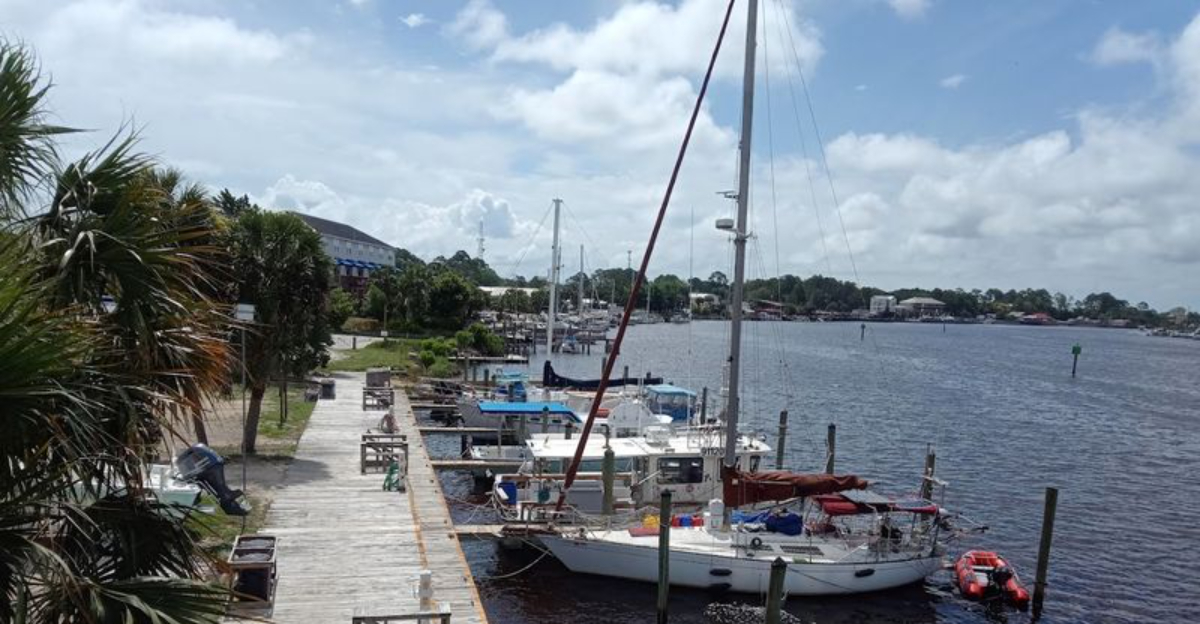
Carrabelle is the kind of place most travelers zoom past without a second glance. This tiny fishing village of just over 2,600 people sits quietly at the mouth of the Carrabelle River, where the Gulf of Mexico meets old Florida charm. But those who stop discover a town that feels like stepping back in time, where shrimping boats still rule the harbor, locals know your name by your second visit, and the pace of life moves at the speed of a lazy afternoon breeze.
1. The World’s Smallest Police Station
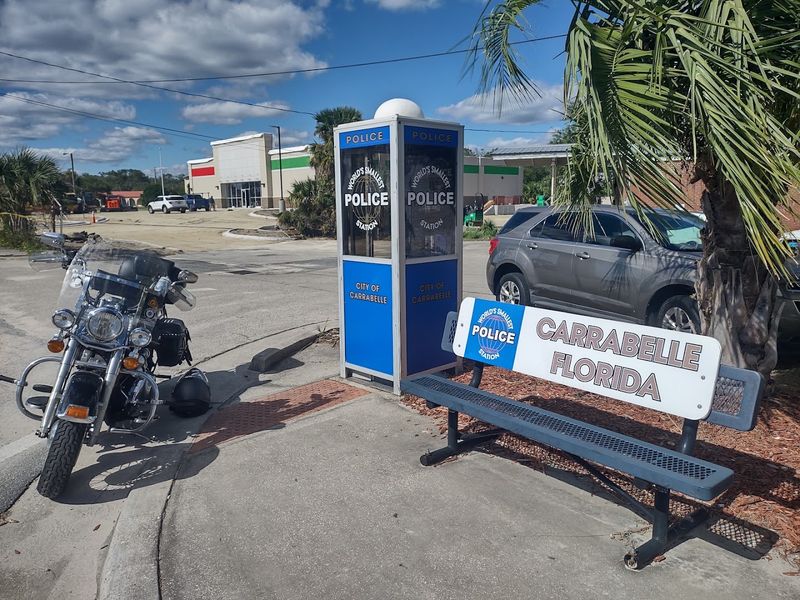
Standing just 64 square feet, Carrabelle’s police station started as a joke and became a legendary roadside attraction. Back in 1963, the police chief got tired of officers missing calls while out on patrol, so he installed a phone booth next to a building and called it headquarters. The thing actually worked as the town’s official police station until 2015.
Today, this bright blue booth sits on Highway 98 as one of the most photographed spots in town. Tourists pull over constantly to snap selfies and peek inside at the vintage phone and old police memorabilia. The station earned a spot in Ripley’s Believe It or Not and continues to charm visitors with its small-town quirkiness.
You’ll find it right downtown, impossible to miss with its cheerful paint job and historical marker. The current police department operates from a proper building now, but they’ve kept the original booth intact as a monument to Carrabelle’s sense of humor. It perfectly captures the town’s unpretentious personality, where practical solutions and local character matter more than impressing anyone.
Stop by for photos, but stick around to explore the surrounding downtown area. The booth represents everything Carrabelle does best: embracing its quirks, preserving its history, and never taking itself too seriously.
2. Crooked River Lighthouse
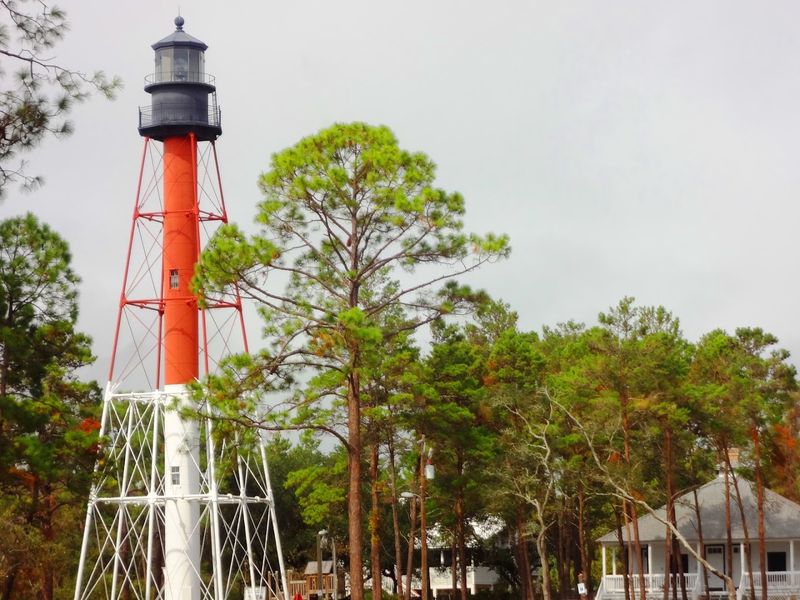
Rising 103 feet above Dog Island, this 1895 lighthouse has guided ships through treacherous Gulf waters for over a century. The cast-iron tower survived hurricanes, abandonment, and near demolition before locals rallied to save it in the 1970s. Climb the 139 steps spiraling upward and you’ll understand why mariners depended on this beacon.
From the top gallery, views stretch across Carrabelle Beach, St. George Sound, and barrier islands dotting the horizon. On clear days, you can see for miles in every direction, watching dolphins play in the channels below. The keeper’s house museum downstairs tells stories of the families who lived here, isolated and responsible for keeping the light burning every single night.
The lighthouse grounds make for peaceful wandering, with nature trails winding through coastal forest and interpretive signs explaining the area’s maritime heritage. Rangers offer fascinating tours covering everything from Fresnel lens technology to ghost stories about keepers who never quite left their posts.
Visit during the week to avoid crowds and catch the afternoon light painting the tower golden. The gift shop sells locally made items, and all proceeds support preservation efforts. This working aid to navigation still flashes every ten seconds, just as it has for generations of sailors finding their way home.
3. Working Waterfront Culture
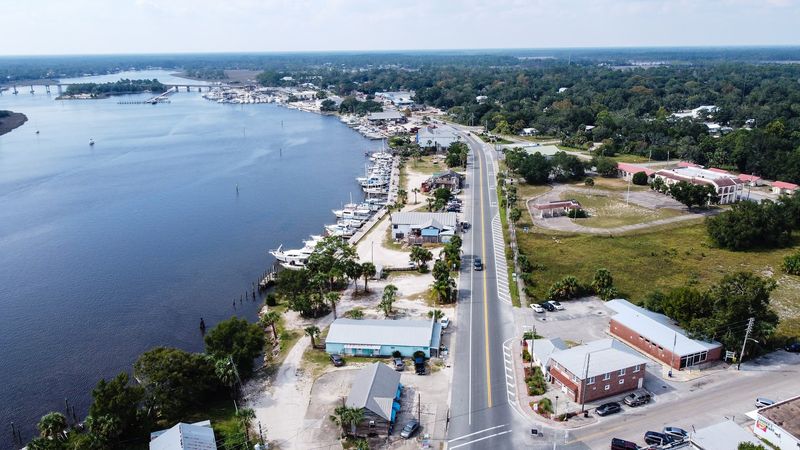
Carrabelle earned its reputation as Florida’s last authentic fishing village, and one morning at the docks proves why. Shrimp boats head out before dawn, their nets ready for Gulf catches that end up in restaurants across the Southeast. This isn’t a theme park version of coastal life; it’s the real deal, where families have worked the water for four generations.
Walk along the harbor and you’ll see captains mending nets, offloading iced-down catch, and preparing vessels for the next run. The air smells like salt, diesel, and fresh seafood. Local seafood markets sell shrimp, oysters, and fish caught that very morning, prices far below what tourists pay at beach resorts.
The town’s commercial fishing fleet represents one of Florida’s few remaining working waterfronts, a designation that protects it from overdevelopment. City leaders fought hard to preserve this heritage, knowing that once fishing culture disappears, it never comes back. Several operations welcome visitors who want to learn about sustainable harvesting and the challenges facing independent fishermen.
Stop by C-Quarters Marina or the Carrabelle Riverfront to watch the action unfold. Talk to the crews and they’ll share stories about navigating storms, following shrimp migrations, and why they’d never trade this life for anything. Their pride in feeding America runs deep, and their knowledge of these waters is encyclopedic.
4. Carrabelle Beach and Tate’s Hell State Forest
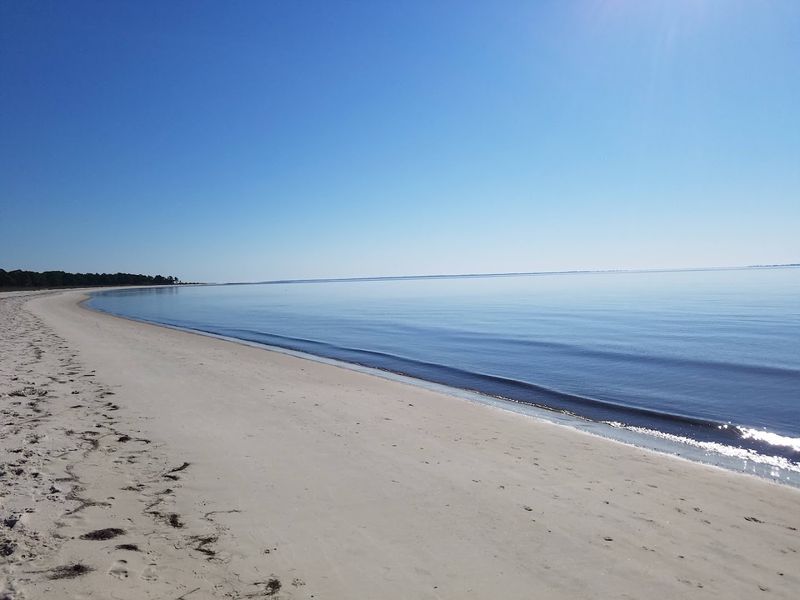
Unlike the packed beaches farther south, Carrabelle Beach feels like your own private stretch of Gulf coast. This uncrowded shoreline offers calm waters perfect for families, with shallow sandbars extending far offshore. Pack a cooler, claim your spot, and enjoy the luxury of space that’s become rare along Florida’s coast.
The beach borders Tate’s Hell State Forest, a 202,000-acre wilderness that’s pure Old Florida. This massive preserve contains cypress swamps, pine flatwoods, and the Carrabelle River winding through it all. More than 60 miles of trails await hikers, mountain bikers, and horseback riders looking to explore ecosystems that have barely changed in centuries.
Tate’s Hell earned its ominous name from a farmer who got lost in the swamp for seven days in 1875, emerging delirious and claiming he’d been through hell. Today’s visitors find it more heavenly than hellish, especially during cooler months when bugs retreat and wildlife viewing peaks. Black bears, deer, and countless bird species make their homes in these protected lands.
Combine beach time with forest exploration for the perfect day. Kayakers launch from various access points to paddle blackwater creeks under cathedral-like canopies. The forest offers primitive camping for those wanting total immersion in nature.
Bring bug spray, plenty of water, and respect for an environment that’s genuinely wild.
5. Camp Gordon Johnston WWII Museum
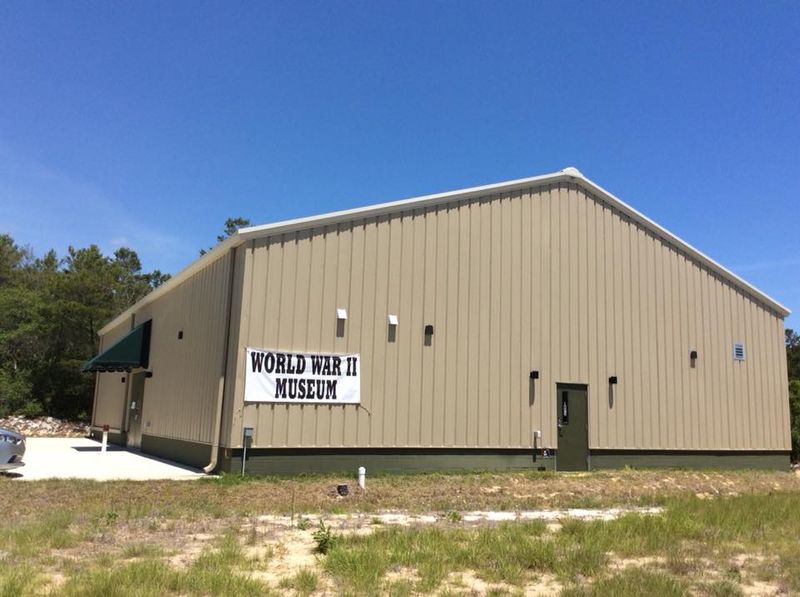
During World War II, Carrabelle hosted one of America’s most important amphibious training bases. Camp Gordon Johnston prepared over 250,000 soldiers for beach invasions across Europe and the Pacific, using the local coast to simulate combat conditions. The men who trained here went on to storm the beaches at Normandy, Sicily, and islands throughout the Pacific theater.
This volunteer-run museum preserves that crucial history with artifacts, photographs, and personal stories from veterans. Display cases hold uniforms, weapons, letters home, and equipment used during training exercises. Original barracks buildings still stand on the property, offering glimpses into daily life for young soldiers far from home and facing an uncertain future.
Veterans and their families make pilgrimages here to honor those who trained and the 24 men who died in training accidents. The emotional weight of these stories hits differently than textbook history. Museum volunteers, many with military backgrounds themselves, provide context about amphibious warfare tactics and why this remote Florida town played such a strategic role.
Admission is free, though donations support ongoing preservation efforts. Annual reunions bring aging veterans back to Carrabelle, where locals treat them like the heroes they are. The museum hosts special events throughout the year, including Memorial Day and D-Day commemorations.
Plan to spend at least an hour here; rushing through would disrespect the sacrifices these exhibits represent.
6. Fresh Local Seafood Scene
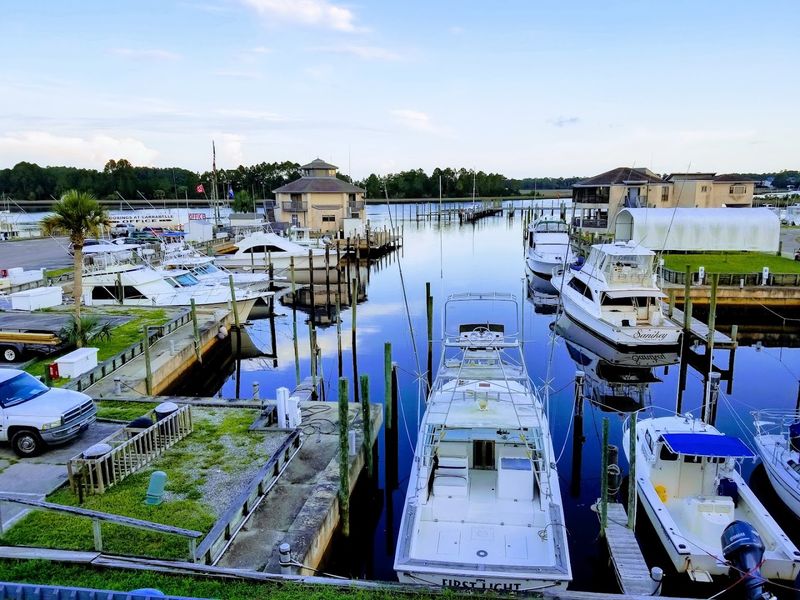
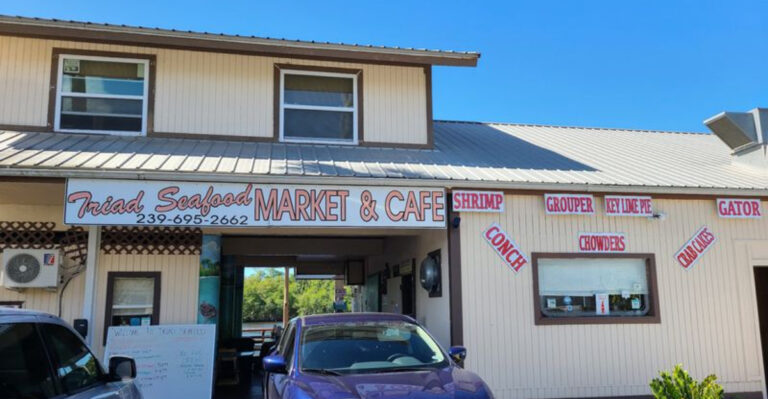
When shrimp boats dock at your back door, freshness takes on new meaning. Carrabelle restaurants serve seafood that was swimming in the Gulf hours earlier, a farm-to-table concept applied to the ocean. Forget fancy presentations and inflated resort prices; here you get honest portions of perfectly prepared fish at prices that make sense.
Local favorites include Carrabelle Junction, where the crab cakes are legendary and the atmosphere stays delightfully unpretentious. Harry’s Bar offers waterfront views with your oysters, while The Fisherman’s Wife serves breakfast so good that locals line up on weekends. These aren’t tourist traps trying to capitalize on location; they’re community gathering spots where regulars have their usual tables.
The raw bars deserve special mention. Apalachicola Bay oysters, harvested from nearby waters, taste like the Gulf itself, briny and sweet with a clean finish. Servers shuck them to order, and watching their knife work is entertainment in itself.
Pair them with local Tupelo honey hot sauce for the full Panhandle experience.
Several restaurants source directly from the commercial fleet, meaning menus change based on daily catches. This variability is a feature, not a bug, connecting diners to natural rhythms and seasonal abundance. Ask your server what came in fresh that morning and trust their recommendations.
The grouper sandwich alone justifies the drive to Carrabelle.
7. St. George Island Access
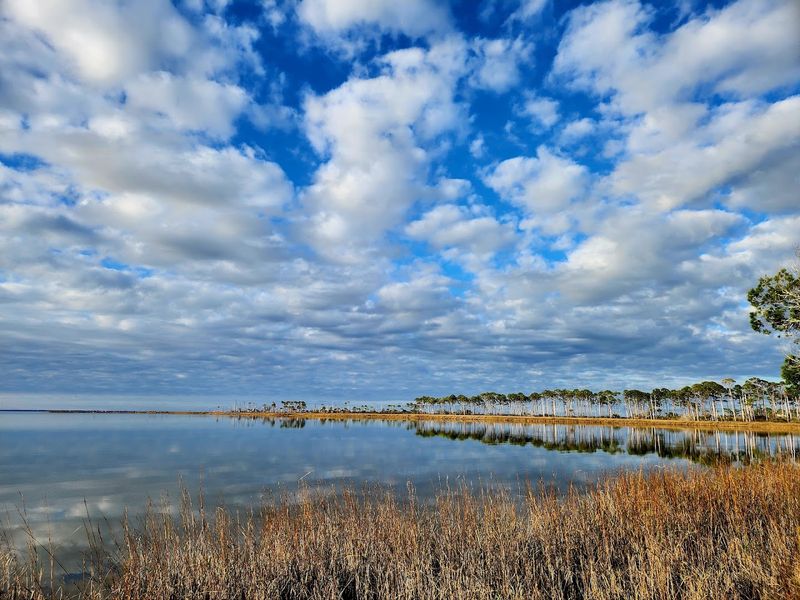
Carrabelle serves as the gateway to St. George Island, one of Florida’s most pristine barrier islands. Just a short drive across the causeway, this 22-mile stretch of sugar-white sand remains blissfully underdeveloped compared to other Gulf beaches. No high-rises block the view, no chain restaurants dominate the landscape, and the pace stays refreshingly slow.
The island offers two distinct experiences. St. George Island State Park occupies the eastern end, protecting nine miles of wilderness beach where sea turtles nest and shore birds hunt for meals. Hiking trails wind through dunes and maritime forests, while the bay side offers calm waters perfect for kayaking and paddleboarding.
The residential west end features vacation rentals and a small commercial district with local shops and restaurants. Development stays low-rise and respectful of the environment, maintaining the laid-back vibe that keeps families returning year after year. Bike paths connect neighborhoods, and golf carts outnumber cars on side streets.
Staying in Carrabelle and day-tripping to the island gives you the best of both worlds: authentic town character with easy beach access. Island lodging costs significantly more, and Carrabelle’s restaurants offer better value. Time your visit right and you’ll catch the annual Mullet Toss or Chili Cook-Off, events that showcase the area’s quirky personality and tight-knit community spirit.
8. Affordable Old Florida Charm
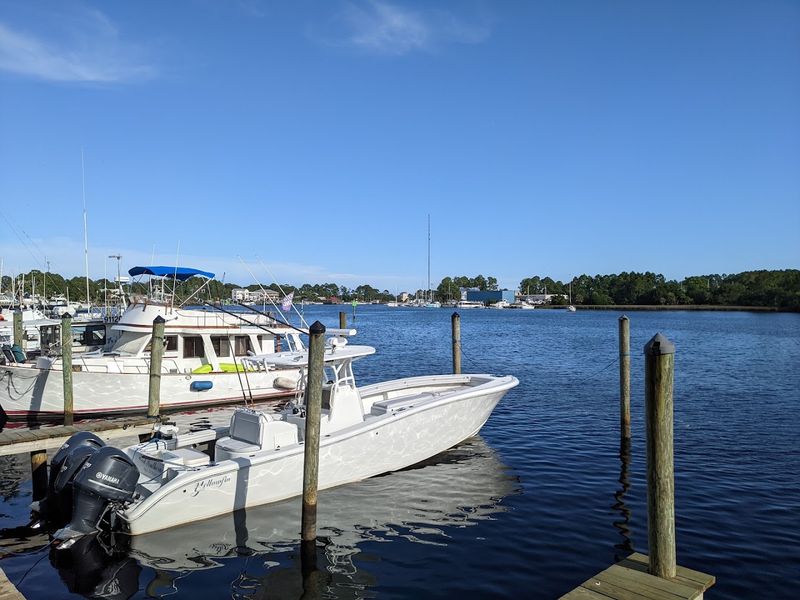
In an era when Florida beach towns price out regular families, Carrabelle remains genuinely affordable. Vacation rentals cost a fraction of what you’d pay in Destin or Panama City, and most come with water views. Restaurants serve generous portions without the tourist markup, and activities lean toward free or cheap: beaches, parks, fishing from public piers, and exploring historical sites.
This affordability stems from Carrabelle’s refusal to become something it’s not. Town leaders resisted the overdevelopment that transformed other coastal communities into unrecognizable resort zones. Instead, they preserved working waterfront zoning, protected historical buildings, and maintained the small-town character that makes Carrabelle special in the first place.
The result is a place where normal people can still afford a beach vacation. Families return annually because their budgets allow it, creating multigenerational traditions. Retirees stretch fixed incomes farther here than anywhere else on the Gulf.
Young couples discover they can actually buy waterfront property without winning the lottery.
Downtown shops sell practical goods alongside souvenirs, serving locals first and tourists second. The library hosts free community events. Parks offer playgrounds and picnic areas without admission fees.
This isn’t poverty; it’s a different value system, one that prioritizes quality of life over maximum profit. Carrabelle proves that Florida charm doesn’t require Florida prices.