I Didn’t Expect to Find This Much 90s Hip-Hop Nostalgia in a Florida Café
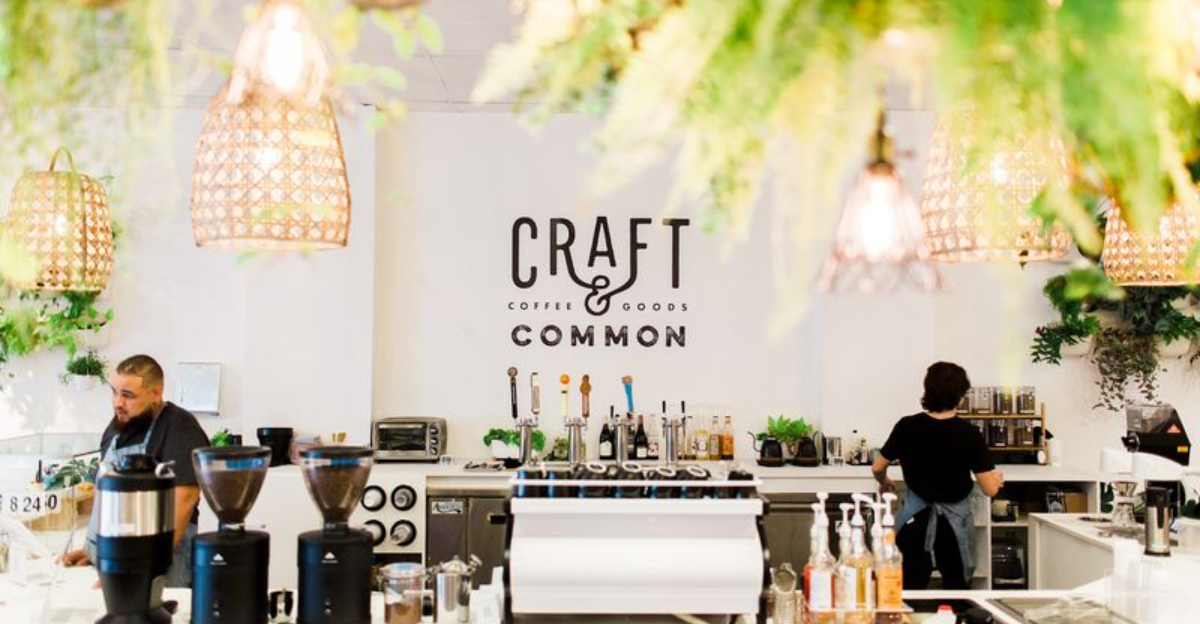
Walking into Craft & Common at 47 E Robinson St feels like stepping through a time portal where golden-era hip-hop meets modern coffee culture. This downtown Orlando café has somehow bottled the essence of 90s rap nostalgia and poured it into lattes, creating an experience that hits different than your typical Florida coffee spot. Whether you’re a die-hard fan of Biggie and Tupac or just someone who appreciates good vibes with great coffee, this place delivers both in unexpected ways that’ll have you coming back for more.
1. The Playlist That Transports You Straight to 1995
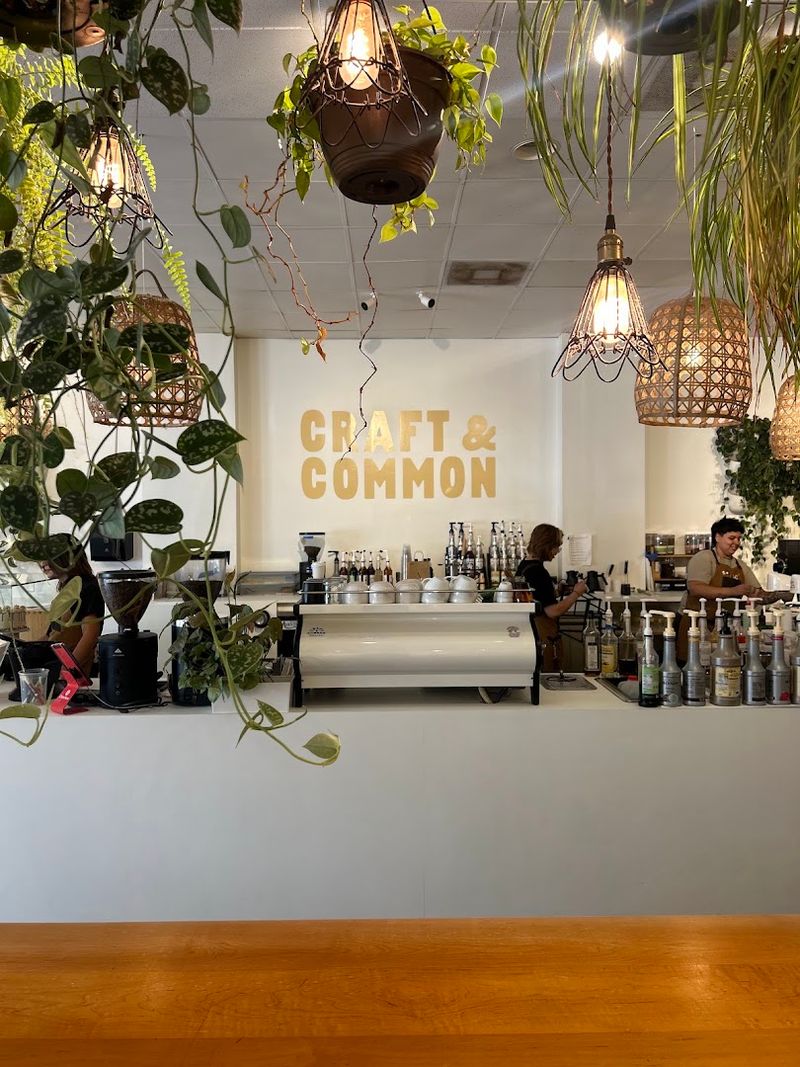
The moment you walk through the door, the speakers are dropping beats that defined an entire generation. We’re talking A Tribe Called Quest, Wu-Tang Clan, and Notorious B.I.G. flowing through the air while you’re deciding between a Banana Chai or Wild Child latte. The music selection isn’t random throwback tracks either; someone clearly curated this playlist with the kind of care usually reserved for mixtapes you’d make for your crush back in middle school.
What makes it work so well is how naturally the old-school hip-hop vibes mesh with the modern, plant-filled aesthetic. You’d think boom-bap beats and hanging pothos wouldn’t go together, but Craft & Common proves otherwise. The volume sits at that perfect level where you can still have a conversation without shouting, but you’ll definitely catch yourself nodding your head to the rhythm while waiting for your order.
Regular visitors have mentioned how the music creates this unexpected bridge between generations. Older millennials get hit with waves of nostalgia while Gen Z discovers why everyone won’t shut up about 90s hip-hop. It’s background music that actually enhances the foreground experience, making your morning coffee run feel like a cultural moment rather than just another caffeine stop.
2. Street Art Murals That Channel Graffiti Culture
The walls at Craft & Common don’t just hold up the ceiling; they tell stories through vibrant street art that could’ve been pulled straight from a Brooklyn subway car circa 1993. Bold colors, spray-paint aesthetics, and urban imagery create an atmosphere that feels authentically connected to hip-hop’s visual culture. This isn’t corporate-approved “urban chic” decoration; it’s art that respects the roots of the culture while fitting perfectly into downtown Orlando’s evolving creative scene.
Several murals feature elements that hip-hop heads will immediately recognize: boom boxes, microphones, and abstract designs that echo album covers from rap’s golden age. The artwork doesn’t scream for attention but rewards those who take a moment to actually look around instead of immediately burying their faces in laptops. Even the Instagram crowd finds these walls irresistible, though the art existed long before it became backdrop material for social media posts.
What’s particularly cool is how the street art complements rather than competes with the greenery throughout the space. You’ve got wild graffiti-style pieces coexisting peacefully with ferns and succulents, creating this weird but wonderful collision of urban grit and natural calm. It’s the kind of design choice that shouldn’t work on paper but absolutely does in practice, much like pairing espresso with rose flavor in their Wild Child drink.
3. Throwback Drink Names That Reference Classic Albums
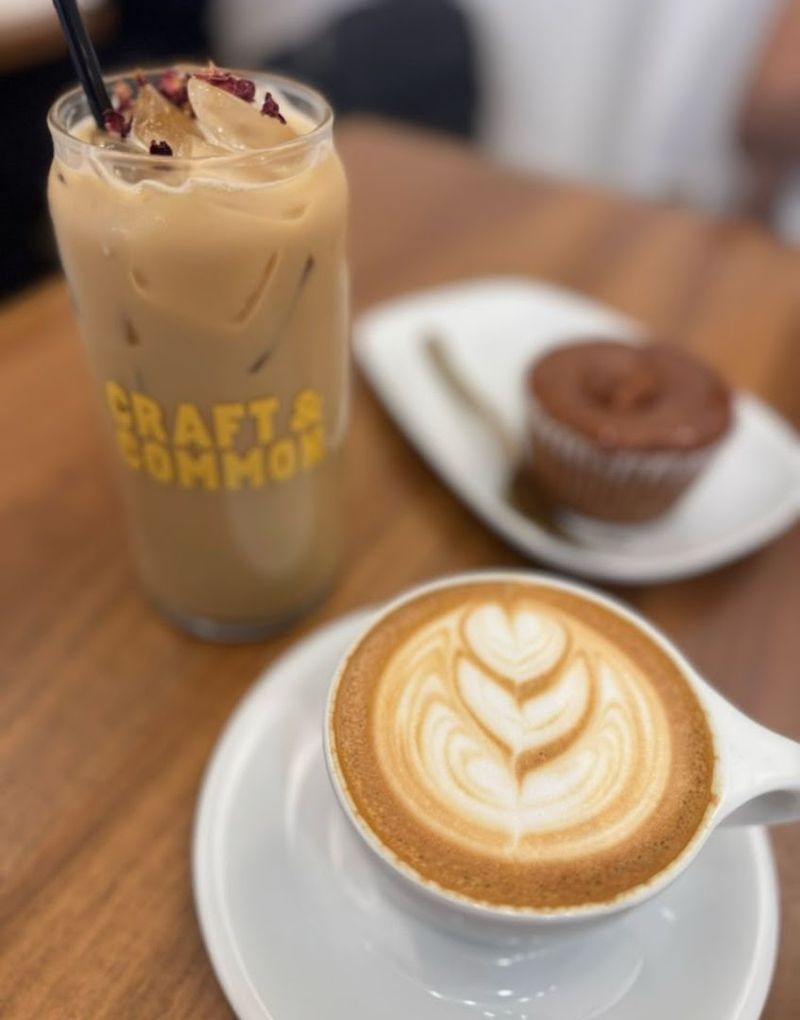
Craft & Common’s beverage menu reads like a love letter to 90s music culture, with drink names that make you wonder if the person who created them grew up with Yo! MTV Raps playing in the background. While not every single drink explicitly references hip-hop, the naming convention and creative energy channel that same experimental spirit that defined the era.
The French Toast Latte and Sweater Weather options show the kind of bold flavor combinations that mirror how producers like DJ Premier and Q-Tip weren’t afraid to sample unexpected sources.
The Milk & Cookies Latte particularly embodies that nostalgic pull, reminding you of simpler times when your biggest concern was whether you’d catch your favorite music video on TRL. These aren’t just cutesy names slapped on regular drinks either; each beverage delivers complex flavor profiles that actually justify the creative branding. The Tiramisu Iced Latte, for instance, layers flavors with the precision of a well-produced track.
Seasonal offerings like the Nuts 4 You Latte push boundaries even further, combining pistachio syrup, rhubarb bitters, and strawberry foam in ways that sound wild but somehow work. It’s the beverage equivalent of sampling a jazz record over a hard-hitting beat; unexpected combinations that create something entirely new. The baristas clearly enjoy explaining these creations, and their enthusiasm adds another layer to the whole experience that keeps the vibe authentic rather than forced.
4. The Boom Box-Shaped Speakers Throughout the Space
Scattered strategically around Craft & Common are speakers that look like they were ripped straight from a 1990s bedroom where someone saved up months of allowance money to afford decent sound equipment. These aren’t functional vintage boom boxes but modern speakers designed to evoke that aesthetic, creating visual callbacks to an era when carrying your music meant actual physical effort. They serve as both functional audio equipment and decorative elements that reinforce the hip-hop nostalgia running through the venue.
The placement of these speaker elements shows thoughtful design rather than random decoration. You’ll spot them near seating areas where the music needs to reach without overwhelming conversation, positioned almost like they’re DJs at different stations throughout the café. Some visitors don’t even notice them consciously at first, but they register subconsciously, adding to that feeling that something about this place hits different from other coffee shops.
What makes these details matter is how they contribute to an immersive experience without being heavy-handed. The café doesn’t bash you over the head with “HEY REMEMBER THE 90S?” Instead, elements like these speakers create layers of discovery for observant visitors. You might visit three times before you notice a particular detail, and that gradual revelation keeps the space interesting.
It’s environmental storytelling at its finest, using design elements to communicate culture and values without needing signs explaining everything.
5. Vinyl Record Displays That Double as Décor
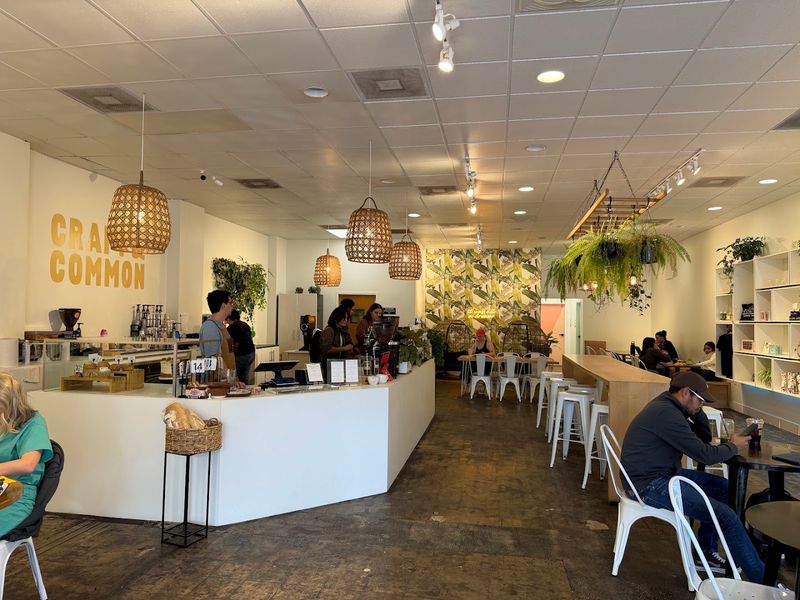
Real vinyl records line certain sections of Craft & Common’s walls, and if you look closely, you’ll recognize classic hip-hop albums that defined the genre’s golden era. These aren’t reproductions or poster prints; they’re actual records that someone either collected or specifically sourced to create authentic visual texture. The black discs catch light differently than flat posters would, adding depth and dimension while paying respect to the physical format that hip-hop was originally distributed on.
For older visitors, seeing these albums triggers immediate memory responses. You remember where you were when you first heard certain tracks, who you were with, what you were doing. Younger customers get a tangible connection to music history that streaming services can’t provide.
There’s something about seeing the physical artifact that makes the music playing overhead feel more connected to its roots rather than just background noise pulled from a Spotify playlist.
The records integrate seamlessly with the plant-heavy décor that defines Craft & Common’s overall aesthetic. Somehow, vintage vinyl and trailing ivy create a conversation between old and new, urban and natural. It’s the kind of design decision that could easily feel forced or try-hard, but the execution here feels organic.
These records aren’t screaming for attention; they’re just there, existing as part of the space’s DNA, much like how hip-hop has woven itself into broader American culture over the past three decades.
6. The Egg Chairs That Reference 90s Futurism
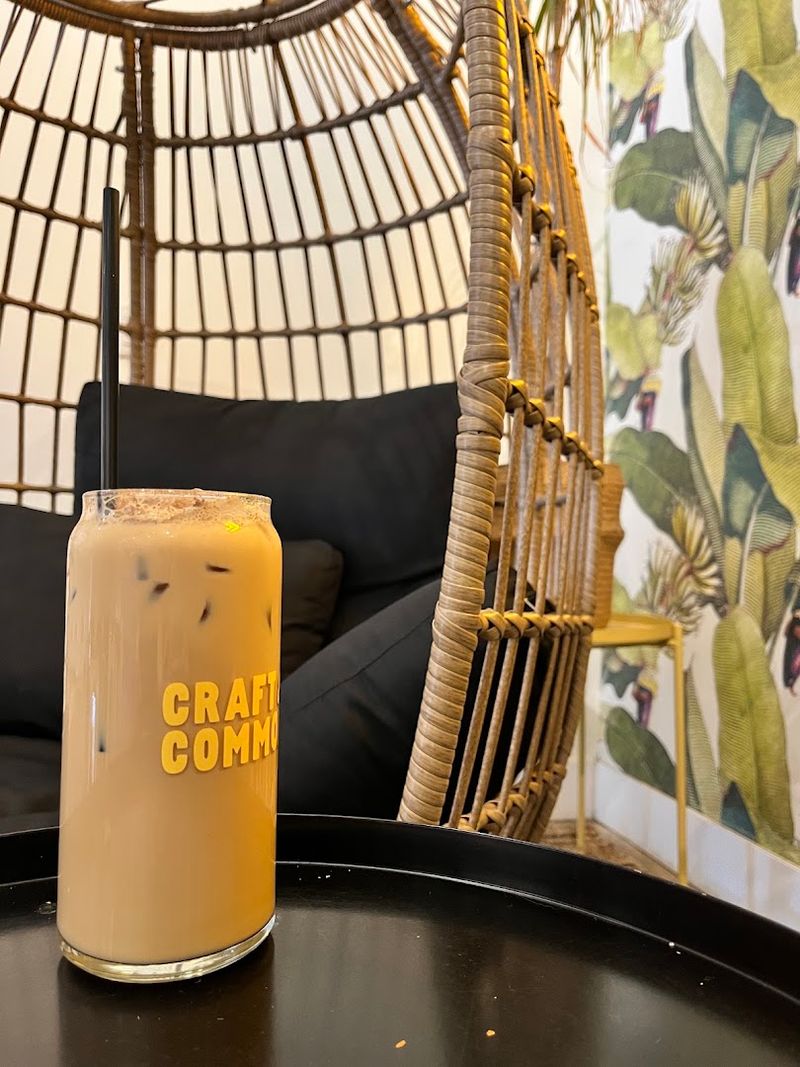
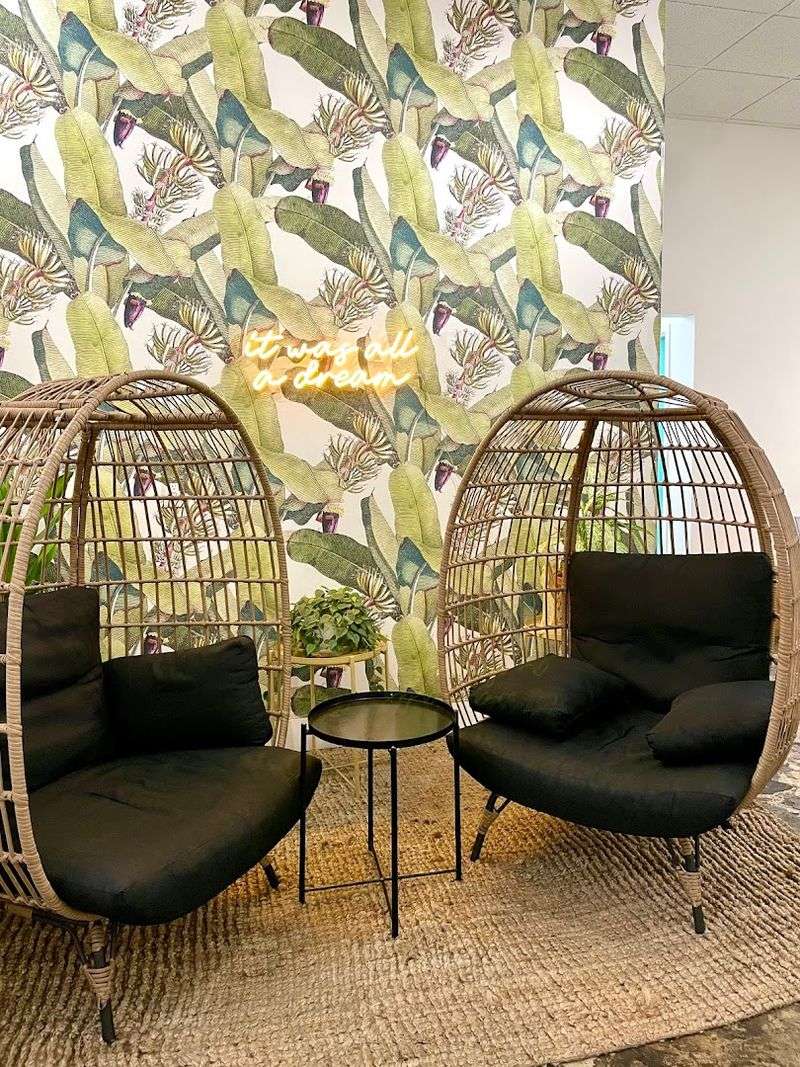
Two chairs shaped like eggs sit in Craft & Common’s seating area, and while they might seem like random quirky furniture choices, they actually connect to the same futuristic optimism that permeated 90s culture. Back then, music videos featured chrome surfaces, bubble furniture, and designs that imagined what the future might look like. These egg chairs channel that same energy, the kind of forward-thinking aesthetic that artists like Missy Elliott and Busta Rhymes incorporated into their visual presentations.
Sitting in one of these chairs while sipping a Pink Honey Matcha Latte creates an experience that feels both retro and contemporary. The curved design cocoons you slightly, creating a semi-private space perfect for reading, working, or just vibing with your thoughts. They’re surprisingly comfortable despite looking like they prioritize form over function, and they’ve become popular enough that you might need to wait for one to open up during busy weekend mornings.
What’s interesting is how these chairs represent the playful experimentation that characterized both 90s design and hip-hop itself. Neither took themselves too seriously; both were willing to try bold ideas that traditional gatekeepers might have rejected. The egg chairs don’t match the wooden tables or the industrial-style counters, and that’s exactly the point.
They’re conversation starters, Instagram magnets, and comfortable seating all rolled into one weird package that somehow makes perfect sense once you’re actually sitting in one.
7. The Cassette Tape Coasters and Table Accessories
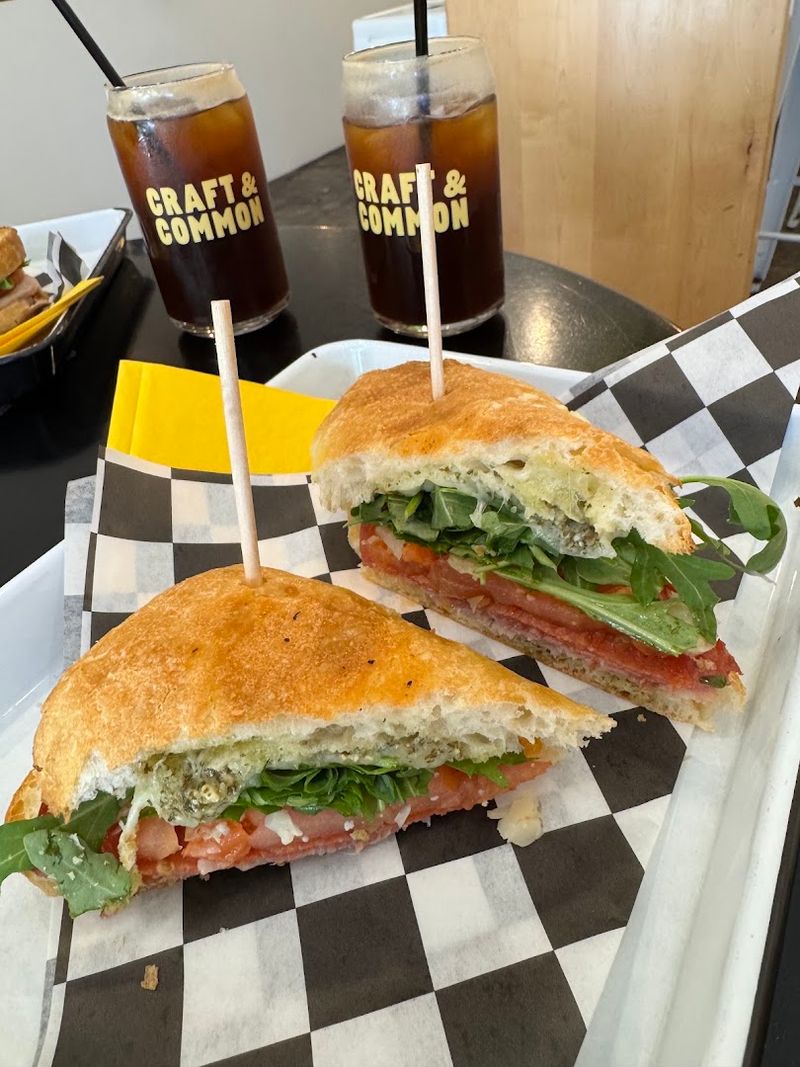
Small details matter, and Craft & Common proves it with table accessories that reference the format hip-hop fans used to record their favorite radio shows and make mixtapes. Cassette tape-shaped coasters protect tables from condensation rings while triggering nostalgia for anyone old enough to remember rewinding tapes with pencils. These aren’t expensive or elaborate decorative elements, but they show commitment to the theme without beating customers over the head with obviousness.
The coasters spark conversations, especially among groups with mixed age ranges. Someone inevitably has to explain what cassettes were to a younger friend, which leads to stories about recording songs off the radio and the tragedy of tape players eating your favorite mix. These organic interactions add to the community feel that regulars rave about in reviews.
The café becomes more than just a place to grab caffeine; it’s a space where cultural memory gets shared across generations.
Other small touches throughout the space follow similar logic: menu holders that reference old-school design elements, stickers available for purchase that channel 90s graphic styles, and merchandise that shows someone actually cares about maintaining a consistent aesthetic vision. None of these elements individually would transform the experience, but collectively they create an environment where every detail reinforces the same cultural conversation. It’s the difference between a coffee shop that happens to play hip-hop and a coffee shop that genuinely understands and celebrates the culture.
8. The Community Vibe That Mirrors Cipher Culture
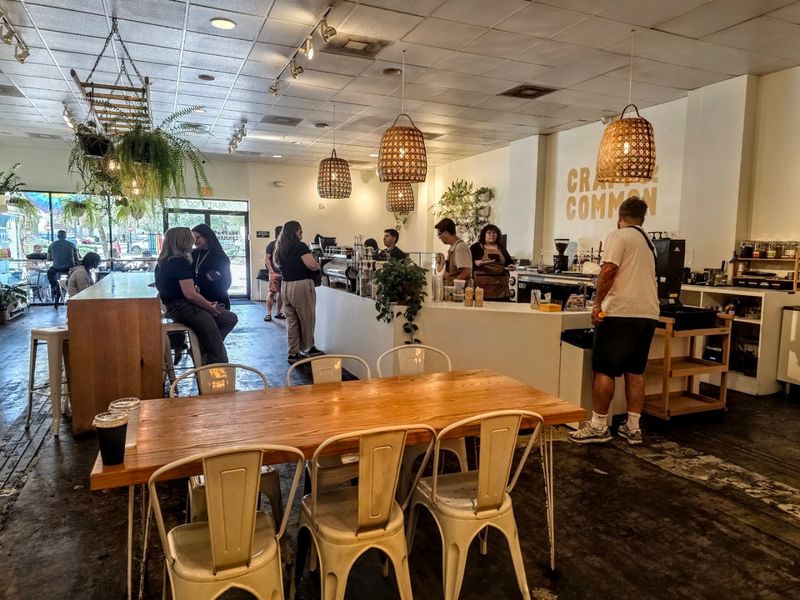
Beyond all the visual and musical elements, what really channels 90s hip-hop culture at Craft & Common is the community atmosphere that regulars describe in glowing reviews. Hip-hop was built on ciphers: circles where people gathered to share skills, support each other, and build something bigger than themselves. The café recreates that energy through its layout, staff interactions, and the way customers naturally congregate and connect rather than just isolating with laptops.
The staff deserves major credit for cultivating this vibe. Multiple reviews mention baristas taking time to explain drinks, offer recommendations for the area, and generally treat customers like welcomed guests rather than transactions. That personal touch mirrors the community-focused ethos that hip-hop championed before it became a multi-billion-dollar industry.
People feel comfortable striking up conversations with strangers here, something increasingly rare in modern coffee culture where everyone hides behind screens and headphones.
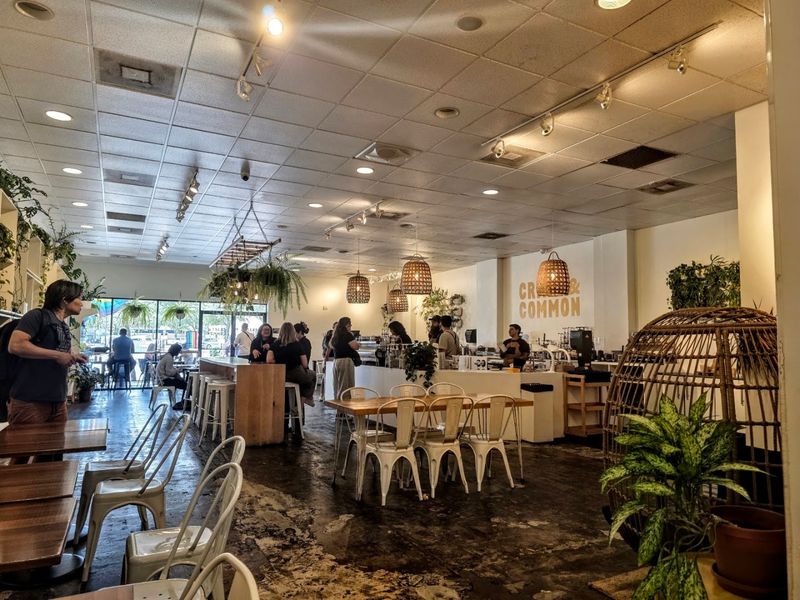
The seating arrangement encourages interaction without forcing it. You’ve got communal tables for groups, individual spots for solo workers, and those egg chairs for people who need semi-privacy. This variety accommodates different social needs while maintaining an overall openness that invites connection.
It’s the kind of thoughtful spatial planning that creates organic community rather than trying to manufacture it through gimmicks. When you combine friendly staff, good music, creative drinks, and intentional design, you get a space where people actually want to linger and return regularly, building the kind of loyal following that hip-hop artists cultivated through authentic connection with their audiences.