People Overpay for Florida Fun While These 11 Cheap Adventures Hide in Plain Sight
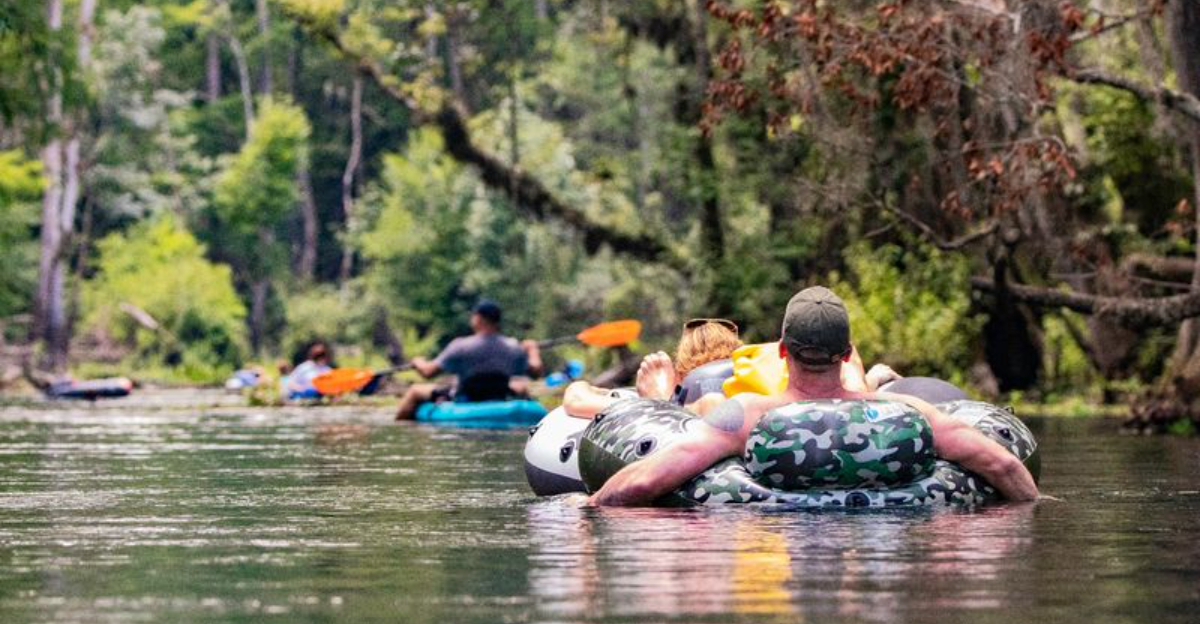
Florida vacations can drain your wallet faster than a summer rainstorm if you stick to the usual tourist traps. Theme parks, crowded beaches, and overpriced attractions dominate most travel guides, but the state hides dozens of spectacular natural experiences that cost almost nothing. From springs so clear you can count fish scales to beaches where ancient shark teeth wash ashore, these budget-friendly adventures deliver memories without the sticker shock.
1. Drive Through an Alligator-Filled Wetland at Lake Apopka Wildlife Drive
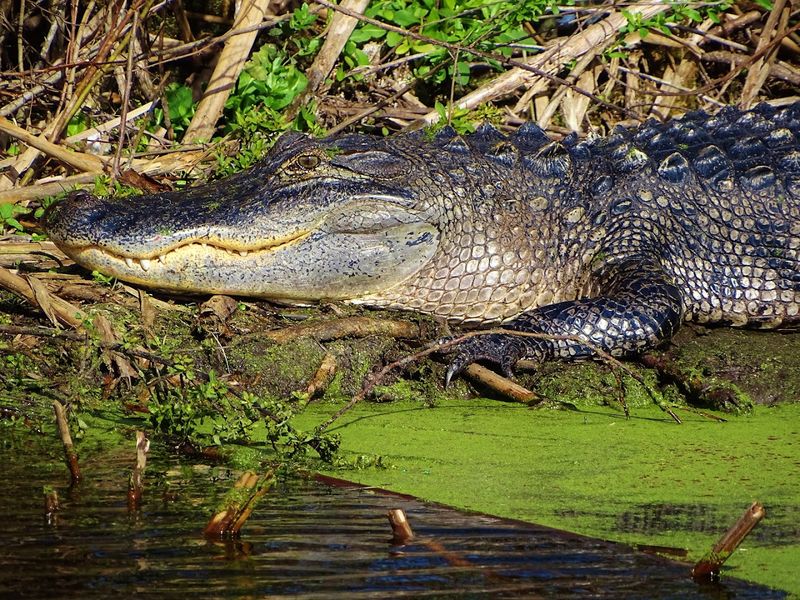
Most people spend hundreds of dollars hoping to glimpse Florida wildlife from a tour boat. Meanwhile, this free 11-mile route delivers front-row seats to marshes teeming with gators, turtles, and wading birds without charging a penny.
Lake Apopka Wildlife Drive opens Fridays through Sundays plus federal holidays, giving you a slow-paced cruise through restored wetlands. Alligators sun themselves on muddy banks just feet from your car window. Great blue herons stalk fish in shallow water while anhingas spread their wings to dry.
Bring binoculars and a camera with decent zoom because the wildlife doesn’t always pose close-up. Early morning or late afternoon visits reward you with cooler temperatures and more active animals. The gravel road handles regular cars just fine, though you’ll want to skip it after heavy rain.
Pack water and snacks since the route has no facilities once you enter. Most visitors spend one to two hours completing the drive, stopping frequently to watch and photograph. Kids especially love counting gators and spotting different bird species along the way.
2. Walk Above the Wetlands at Green Cay Nature Center
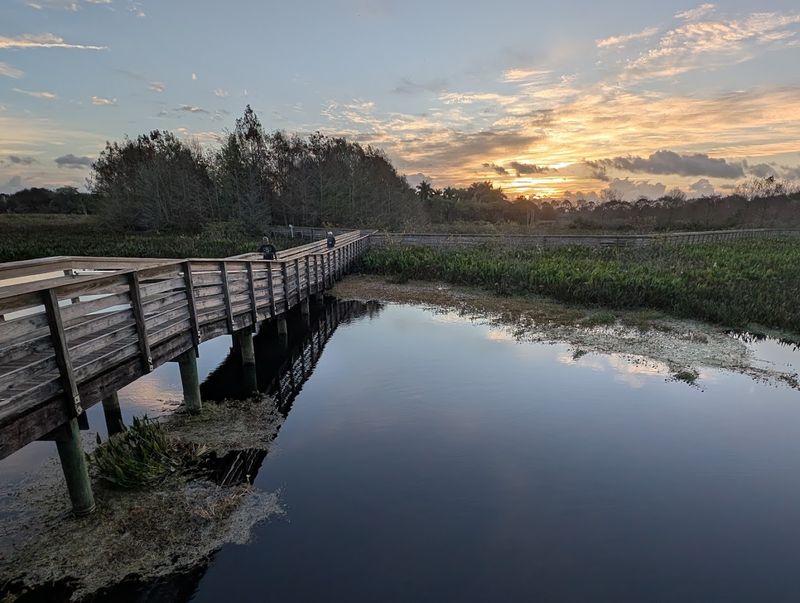
Green Cay Nature Center proves you don’t need an expensive eco-tour when a free elevated boardwalk delivers better views anyway. This 1.5-mile wooden pathway floats above 100 acres of constructed wetlands where wildlife congregates in impressive numbers.
Alligators cruise through the water below while herons fish from lily pads. Turtles pile onto logs for sunbathing sessions, and anhinga birds dive for breakfast. The boardwalk puts you at eye level with trees where woodpeckers hammer and warblers flit between branches.
Unlike muddy trails that flood or attract mosquitoes, this elevated walkway stays dry and accessible year-round. Interpretive signs explain the ecosystem without boring you with textbook language. The nature center building offers air-conditioned relief, clean restrooms, and educational exhibits when you need a break.
Sunrise brings cooler air and active wildlife, though any time works for a pleasant walk. The entire loop takes about an hour at a leisurely pace with plenty of photo stops. Locals treat it as their morning exercise routine, which tells you everything about its quality and convenience.
3. Swim in an Emerald Spring at Wekiwa Springs State Park
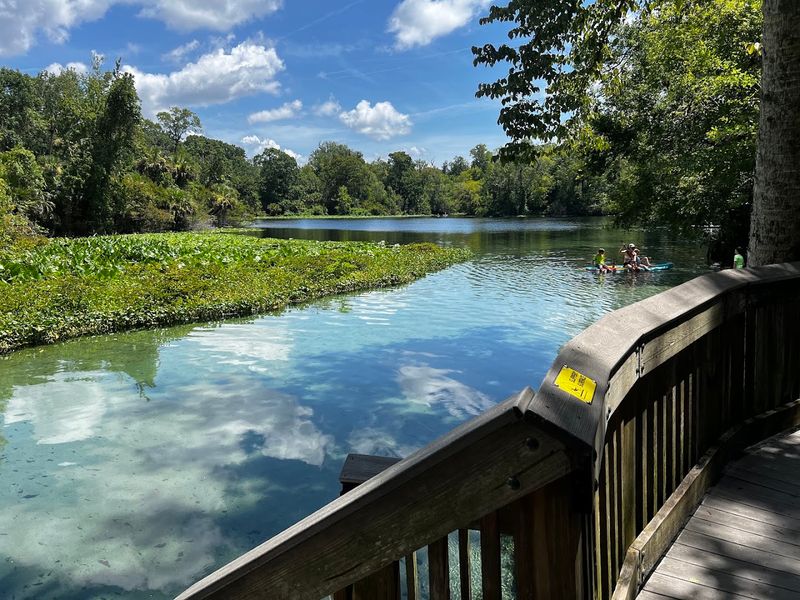
Just minutes from Orlando’s tourist chaos, Wekiwa Springs State Park offers a completely different Florida experience for six bucks per vehicle. The spring pumps out 42 million gallons daily of 72-degree water so clear it looks photoshopped.
Swimmers float in water that stays perfectly cool even during August heat waves. The spring run connects to the Wekiva River, creating opportunities for paddling adventures if you rent a canoe or kayak. Hiking trails wind through forests where deer, turkeys, and occasionally black bears roam.
The spring itself gets crowded on summer weekends, so smart visitors arrive early or visit on weekdays. Picnic areas provide shaded spots for lunch, and the park maintains clean facilities throughout. Unlike chlorinated pools or salty ocean water, spring water feels silky and refreshing without any chemical smell.
Canoe and kayak rentals cost extra but remain reasonably priced compared to commercial outfitters. Pack your own food since the park has no restaurant, though vending machines offer basic snacks. The combination of swimming, hiking, and wildlife watching creates a full day of entertainment that costs less than a single theme park ticket.
4. Spend the Day Beside the Ichetucknee River
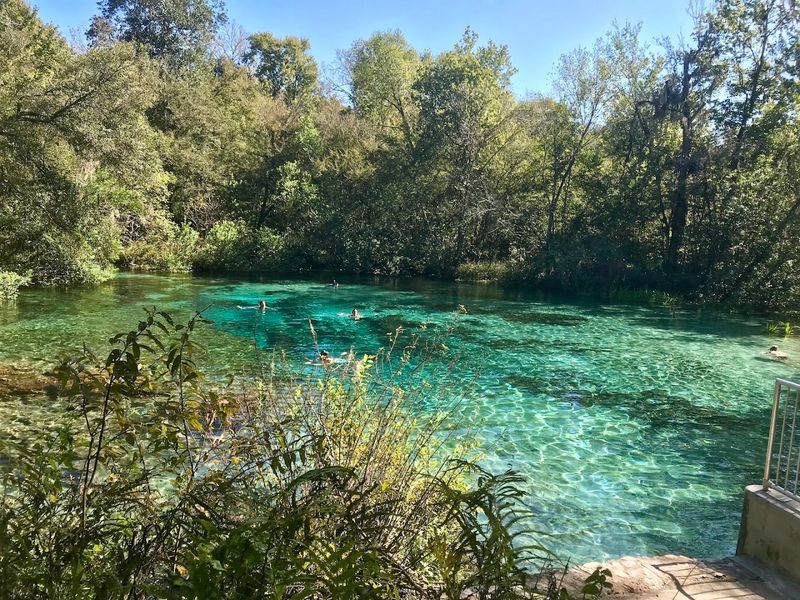
Six dollars buys you access to one of Florida’s most beautiful spring-fed rivers, where water flows so clear you can watch fish swimming beneath your feet. Ichetucknee Springs State Park protects this gem near Fort White, offering swimming areas, hiking trails, and tubing opportunities.
The river maintains a constant 72-degree temperature that feels freezing in summer and surprisingly warm in winter. Multiple springs feed the system, creating pools perfect for swimming and snorkeling. Trails follow the riverbank through hardwood forests where wildlife sightings happen regularly.
Tubing the river ranks as the most popular activity, though you’ll pay extra for tube rentals and shuttle service. The Midpoint Tube Launch currently sits closed for repairs, but the upper launch still operates when water levels cooperate. Bring your own tube if you want to save money and have transportation figured out.
Swimming near the springs requires no rental equipment and costs nothing beyond park admission. Underwater visibility extends for dozens of feet, making snorkeling worthwhile if you bring your own mask. The park gets packed on summer weekends, so weekday visits or early arrivals guarantee better experiences and easier parking.
5. Follow a Cypress Boardwalk at Manatee Springs
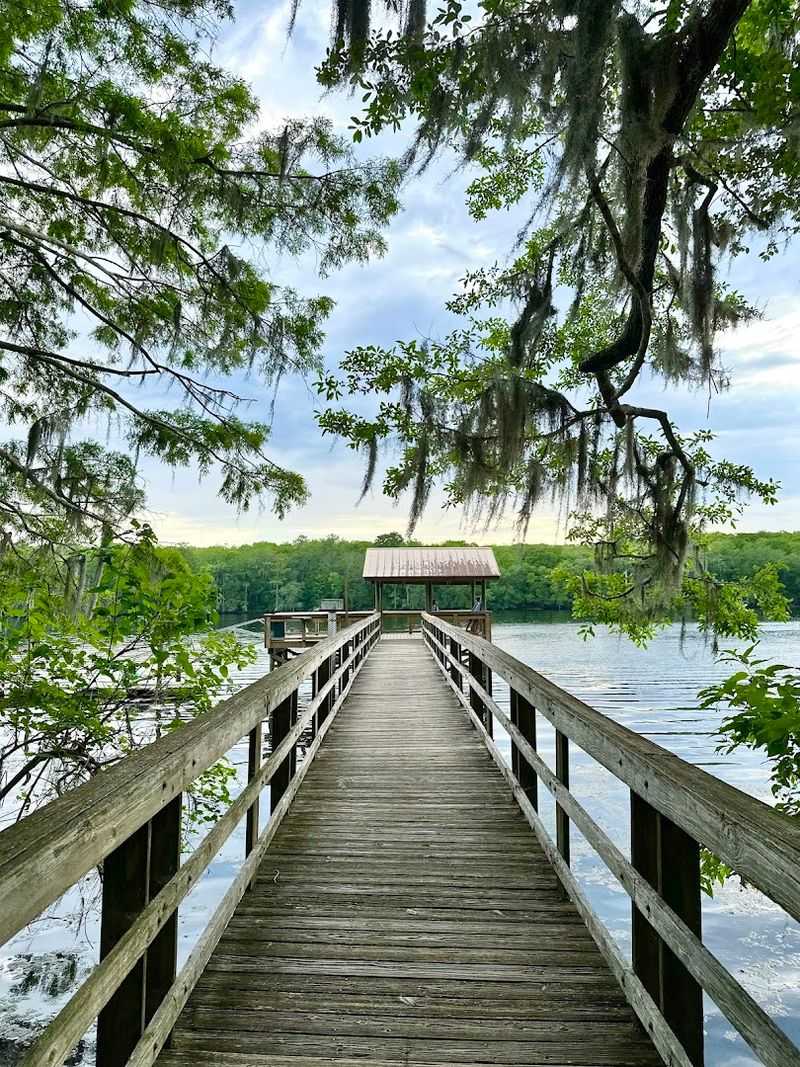
Manatee Springs State Park delivers exactly what its name promises during winter months when manatees seek warm water refuge. The $6 vehicle fee grants access to a stunning first-magnitude spring, shaded boardwalk, swimming area, and riverfront trails.
The spring pumps crystal-clear water into the Suwannee River, creating a junction where manatees sometimes gather when temperatures drop. Even without manatees present, the spring itself impresses with its size and clarity. Swimmers enjoy the cool water while snorkelers explore the spring basin and run.
A cypress boardwalk winds through wetlands where alligators, turtles, and wading birds congregate. Spanish moss drapes from trees overhead, creating that classic Old Florida atmosphere. The boardwalk stays dry and accessible, making it perfect for visitors who want wildlife encounters without muddy shoes.
Canoe and kayak rentals let you paddle the Suwannee River, though bringing your own boat saves money. Picnic areas scatter throughout the park, offering shaded spots for lunch. The combination of spring swimming, boardwalk exploring, and potential manatee sightings creates exceptional value for six dollars.
6. Turn One Parking Fee Into a Full Island Day at Fort De Soto
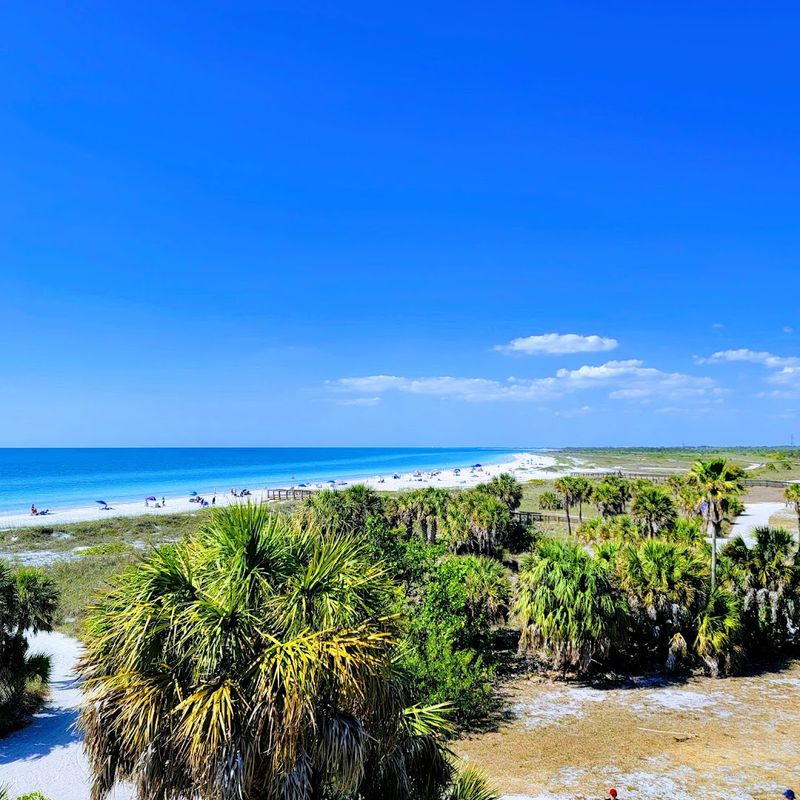
Fort De Soto Park transforms a single $6 parking fee into an entire day exploring five interconnected islands near St. Petersburg. White sand beaches stretch for miles while nature trails wind through coastal forests and historic fortifications tell stories from the Spanish-American War.
The park protects 1,136 acres of beaches, mangroves, and coastal habitats where birds flock in impressive numbers. Fishing piers extend into Tampa Bay, offering chances to catch dinner without needing a boat. A small museum explains the fort’s history without charging admission, and kids love exploring the old artillery batteries.
Beach quality rivals anything you’d find at expensive resorts, with soft sand and gentle waves perfect for swimming. Multiple beach areas mean you can usually find less crowded spots even on busy weekends. Bike trails connect different sections of the park, and rentals are available if you didn’t bring your own.
Picnic shelters provide shaded lunch spots with grills for cooking. The dog beach lets furry family members enjoy the water too. Between beaches, trails, historic sites, and fishing spots, most visitors struggle to experience everything in a single visit despite spending the whole day trying.
7. Explore Plantation Ruins and Driftwood Beaches at Timucuan Preserve
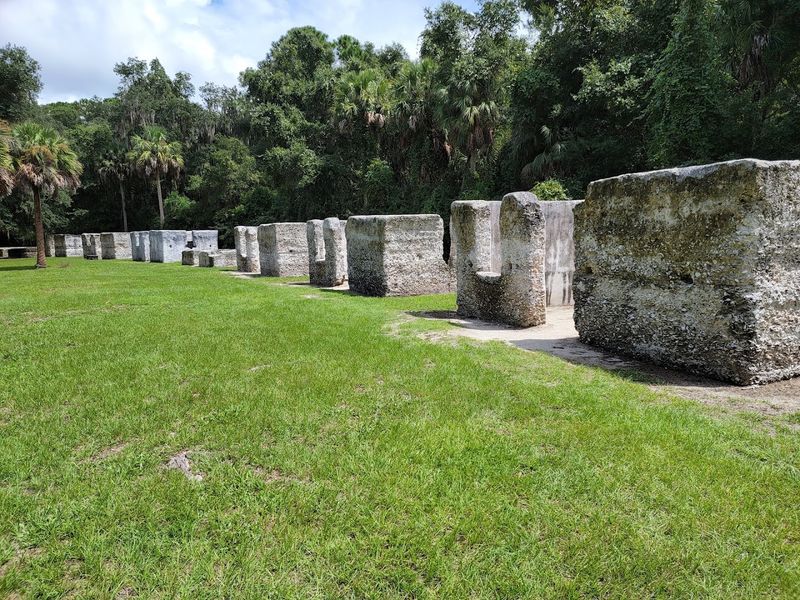
Timucuan Ecological and Historic Preserve protects 46,000 acres of marshes, waterways, and history along Jacksonville’s coast, with most experiences costing absolutely nothing. Kingsley Plantation stands as the oldest surviving plantation in Florida, where tabby ruins and slave quarters tell difficult but important stories.
Fort Caroline commemorates French colonial attempts with a replica fort and waterfront trails. The preserve’s hiking paths wind through coastal forests where birdwatchers spot hundreds of species throughout the year. Driftwood-strewn beaches offer solitude that crowded tourist beaches can’t match.
Photography opportunities abound with weathered ruins, twisted trees, and expansive marshes creating dramatic compositions. Unlike manicured state parks, Timucuan feels wild and slightly forgotten, which adds to its appeal. Rangers lead free programs explaining the area’s complex history involving Native Americans, Spanish missionaries, plantation owners, and enslaved people.
Some preserve sections connect to state parks that charge separate admission, so check before assuming everything is free. Kayaking the preserve’s waterways requires your own equipment or paid rentals from outside vendors. Still, the free hiking, history, and beach access provide more than enough entertainment for a full day of exploration without spending a dime beyond gas money.
8. Hike to Florida’s Largest Whitewater Rapids at Big Shoals
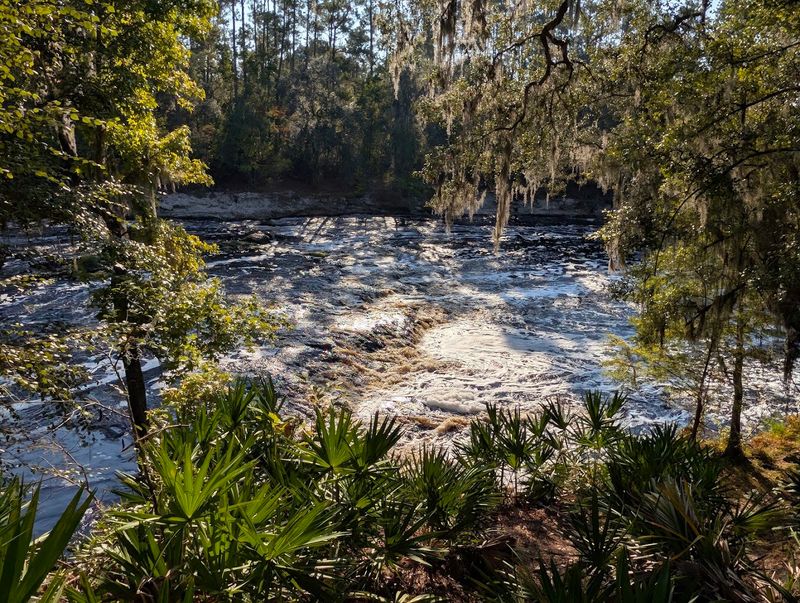
Florida doesn’t exactly scream whitewater rafting, but Big Shoals State Park protects the state’s most impressive rapids where the Suwannee River tumbles over limestone ledges. When water levels cooperate, these rapids can reach Class III conditions that actually challenge experienced paddlers.
More than 28 miles of trails wind through the park, leading to overlooks above the shoals and through forests along the river. Limestone bluffs create dramatic viewpoints where you can watch kayakers navigate the rapids or simply enjoy the rushing water. The trails vary from easy walks to challenging hikes, accommodating different fitness levels.
Spring and fall offer the best hiking weather, though the rapids flow year-round. Summer heat makes morning or evening visits more comfortable. The park sees far fewer visitors than more famous Florida destinations, so you’ll often have trails mostly to yourself.
Paddling the rapids requires serious whitewater skills and proper equipment since the rocky bottom and swift current don’t forgive mistakes. Watching from the bluffs provides plenty of excitement without the risk. The park charges no admission, making it an exceptional bargain for hikers and nature lovers seeking something different from typical Florida landscapes.
9. Explore River Ruins at Suwannee River State Park
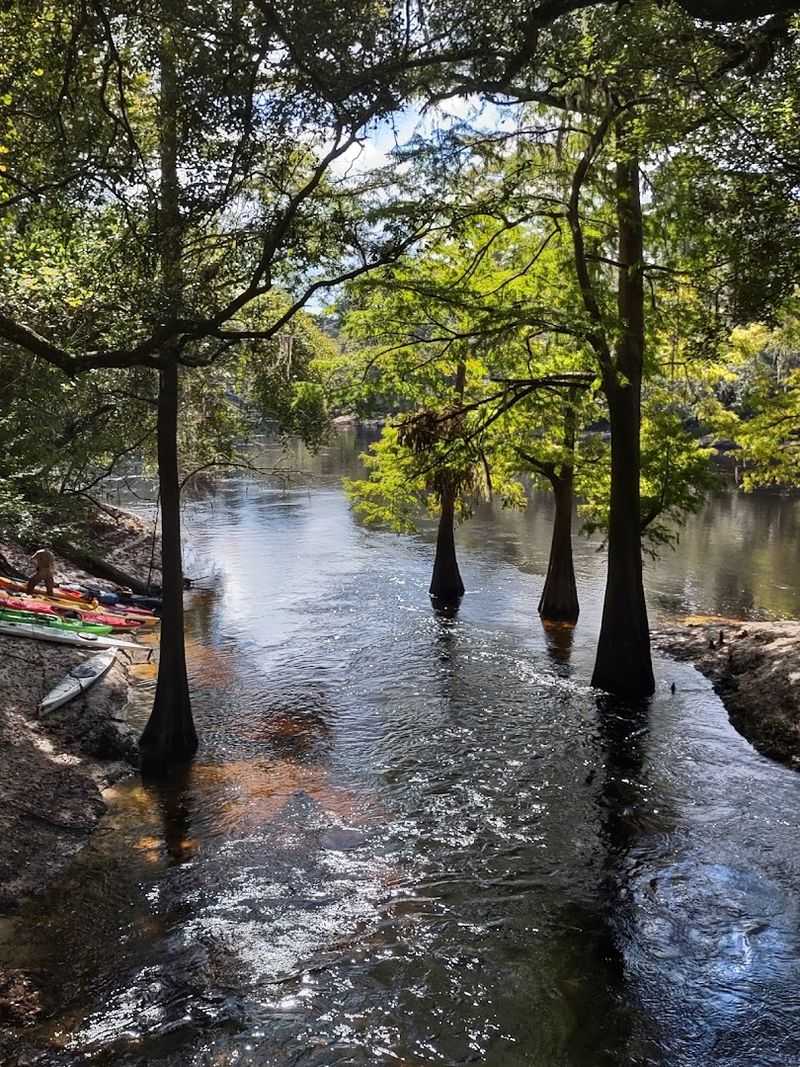
Where the Withlacoochee River joins the Suwannee, this state park preserves both natural beauty and historical remnants for just $5 per vehicle. Trails follow both rivers through forests draped with Spanish moss, leading to old earthworks and settlement ruins that hint at the area’s complex past.
Confederate earthworks remain visible along the riverbank, built to defend against Union gunboats during the Civil War. Earlier settlements left traces too, creating a landscape where nature and history intertwine. The park maintains these historical features without overwhelming them with excessive interpretation, letting visitors discover details at their own pace.
Picnic areas nestle beneath massive live oaks where shade stays cool even during summer heat. The rivers themselves offer paddling opportunities for people who bring their own canoes or kayaks. Fishing from the banks attracts locals who know where bass and catfish hide.
Wildlife sightings happen regularly along the trails, with deer, turkeys, and various bird species making appearances. The park’s relative remoteness means fewer crowds than parks closer to major cities. Five dollars buys access to miles of trails, two beautiful rivers, fascinating history, and peaceful natural surroundings that feel worlds away from Florida’s tourist hustle.
10. Climb the Observation Tower at Big Lagoon State Park
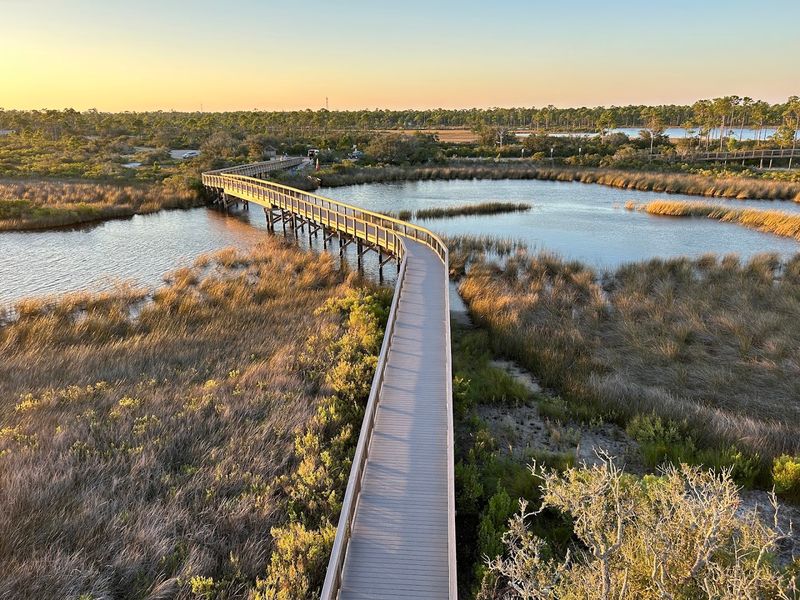
Big Lagoon State Park sits on a narrow strip between the Gulf of Mexico and Big Lagoon near Pensacola, offering beaches, boardwalks, trails, and elevated views for $6 per vehicle. The observation tower stands as the park’s signature feature, providing panoramic views across the lagoon and surrounding coastal ecosystems.
Climbing the tower rewards you with perspectives that help you understand how barrier islands, lagoons, and wetlands fit together. On clear days, you can see for miles across water and coastal forests. Below, trails wind through different habitats where birds, butterflies, and other wildlife thrive.
Beach access lets you swim in the Gulf or simply relax on white sand that rivals more famous Panhandle beaches. Boardwalks cross wetlands where fiddler crabs scuttle and wading birds hunt. Paddling the lagoon’s calm waters provides a peaceful alternative to ocean kayaking, especially when Gulf waves run high.
The park maintains excellent facilities including picnic areas, clean restrooms, and well-marked trails. Its location near Pensacola makes it easily accessible for day trips, yet it stays much less crowded than nearby tourist beaches. Six dollars buys a full day exploring beaches, wetlands, forests, and elevated views that showcase the Panhandle’s natural beauty.
11. Hunt for Fossilized Shark Teeth Along Venice Beach
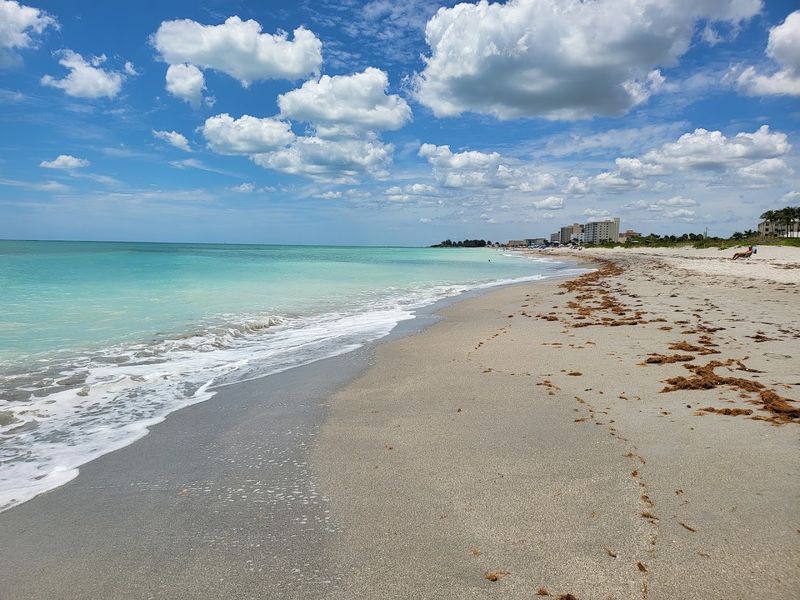
Venice Beach earned its nickname as the Shark Tooth Capital of the World because ancient deposits continuously wash fossilized teeth onto the shore. Beach access itself costs nothing, though parking fees vary depending which access point you choose and whether you arrive early enough to snag street parking.
Fossilized teeth range from tiny fragments to impressive specimens several inches long, representing sharks that swam these waters millions of years ago. Black, brown, and gray teeth stand out against lighter sand, especially after storms churn up fresh material. Serious hunters bring small scoops or sifters, but you can find teeth just by walking slowly and watching the sand.
Early morning low tides offer the best hunting conditions when fresh material appears and crowds haven’t picked over everything. The teeth are yours to keep, making this a free souvenir that actually means something. Kids especially love the treasure hunt aspect, and finding your first tooth creates genuine excitement.
Regular beach activities like swimming and sunbathing work perfectly between tooth-hunting sessions. The beach itself offers typical Gulf Coast beauty with soft sand and gentle waves. Unlike expensive attractions that charge admission for manufactured experiences, Venice Beach delivers authentic discovery and natural history without demanding anything beyond parking fees.