I’d Skip Every Trendy Restaurant in Florida for These 9 Tiny Local Spots
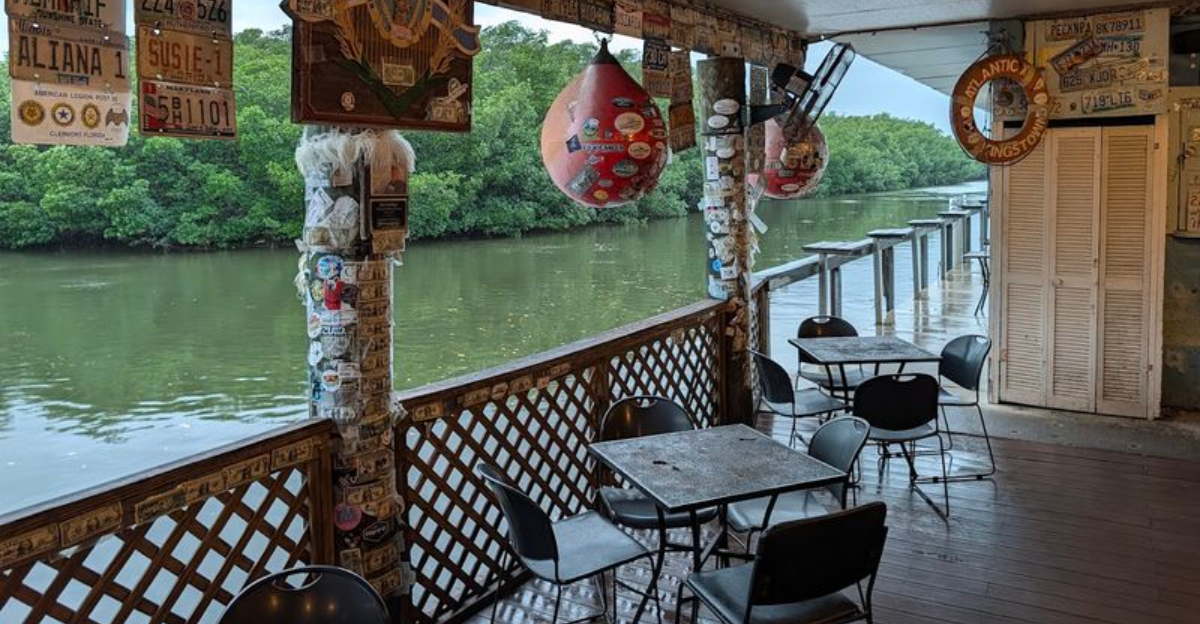
Florida’s restaurant scene gets a lot of attention for flashy new openings and celebrity chef concepts, but the real magic happens in the small, unassuming spots that have been feeding locals for decades. These are the places where you won’t find reservations or Instagram-worthy interiors, just honest food served by people who’ve been doing it the same way for years. If you’re tired of waiting in line at the latest hot spot, these nine tiny restaurants offer something far better: authenticity, character, and flavors that remind you why simple, well-executed food never goes out of style.
1. Indian Pass Raw Bar (Port St. Joe)
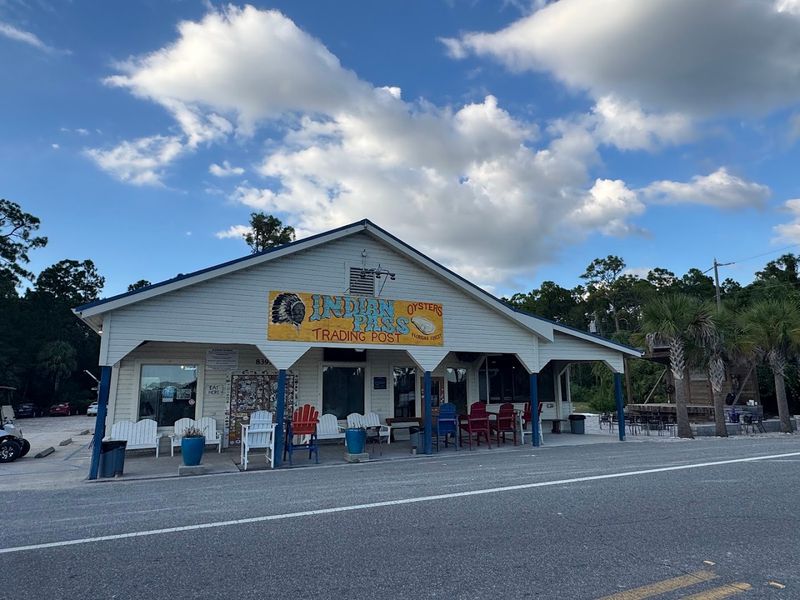
Forget fancy oyster presentations on ice sculptures. At Indian Pass Raw Bar, you walk up to a cooler, grab whatever you want to drink, and write it down on a card yourself. Nobody’s checking over your shoulder because this place runs on trust, and somehow, that system has worked perfectly for years.
The family that owns it keeps things refreshingly simple. Fresh oysters come straight from the water nearby, and you can shuck your own or have someone do it for you at the bar. Either way, you’re eating seafood that tastes like the Gulf, not like a kitchen trying too hard to reinvent it.
There’s no pretense here, no waitlist app, no hostess stand. Just weathered wood, cold drinks, and oysters so fresh they barely need hot sauce. The vibe feels like a backyard cookout where everyone’s invited, and the lack of polish is exactly what makes it perfect.
Port St. Joe isn’t on most tourists’ radar, which means Indian Pass stays blissfully uncrowded. You can actually have a conversation without shouting, and the sunset views over the water don’t cost extra. It’s the kind of spot where you realize that sometimes the best dining experiences have nothing to do with trends and everything to do with keeping things real.
2. Star Fish Company Market & Restaurant (Cortez)
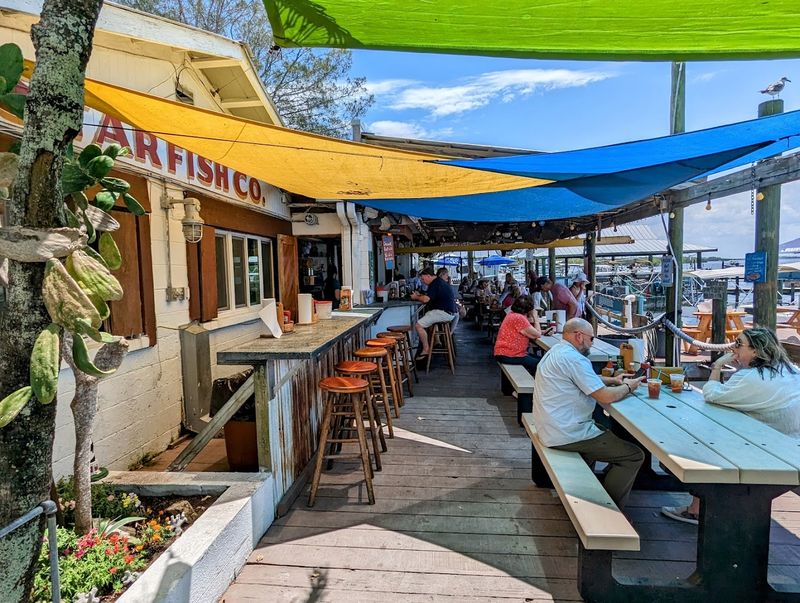
Cortez is one of the last real fishing villages left in Florida, and Star Fish Company sits right in the heart of it. This isn’t some themed restaurant pretending to be dockside—actual fishing boats unload their catch steps away from where you’re eating. The grouper, shrimp, scallops, and stone crab you order were probably swimming that morning.
Everything gets served in simple cardboard boxes because nobody here is trying to win design awards. The focus stays entirely on the seafood, which arrives so fresh it doesn’t need elaborate sauces or complicated preparations. A little butter, some lemon, maybe Old Bay if you’re feeling adventurous—that’s all it takes when the product speaks for itself.
The market side lets you buy straight from the source if you want to cook at home. Locals line up early for the best selection, and the staff knows their regulars by name. It’s the kind of place where commercial fishing heritage isn’t a nostalgic story on the menu—it’s the reason the restaurant exists.
Eating outside with boats bobbing nearby and pelicans eyeing your fries feels miles away from typical Florida dining. No reservations, no dress code, no fuss. Just incredible seafood in a setting that reminds you why people fell in love with coastal Florida in the first place.
3. Singleton’s Seafood Shack (Mayport)
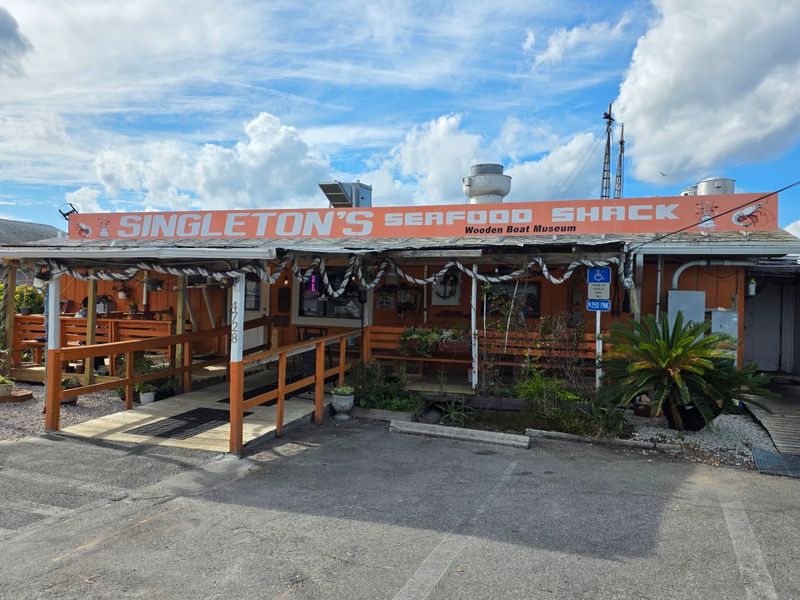
Singleton’s looks exactly like what it is: a no-nonsense seafood shack that’s been feeding fishermen and locals near the Mayport docks for decades. The building shows its age proudly, with weathered wood and zero interest in modern restaurant aesthetics. If you’re looking for Edison bulbs and reclaimed barnwood carefully arranged by a designer, keep driving.
What you will find is fried shrimp that actually tastes like shrimp, oysters with proper breading, and fish so fresh it flakes apart with just a fork. The Minorcan clam chowder carries a little kick that sets it apart from the usual cream-heavy versions, and portion sizes assume you’ve been working all day and need real food.
The atmosphere feels authentically Old Florida because it is. Nobody remodeled this place to look vintage—it just never changed. Regulars occupy the same seats they’ve claimed for years, and conversations flow between tables like everyone’s been neighbors forever.
Mayport itself stays under the radar compared to flashier beach towns nearby. The working waterfront keeps things grounded, and Singleton’s reflects that perfectly. You won’t leave with trendy photos for social media, but you will leave full, satisfied, and probably planning your next visit before you’ve even finished your basket of fried grouper.
4. Ted Peters Famous Smoked Fish (South Pasadena)
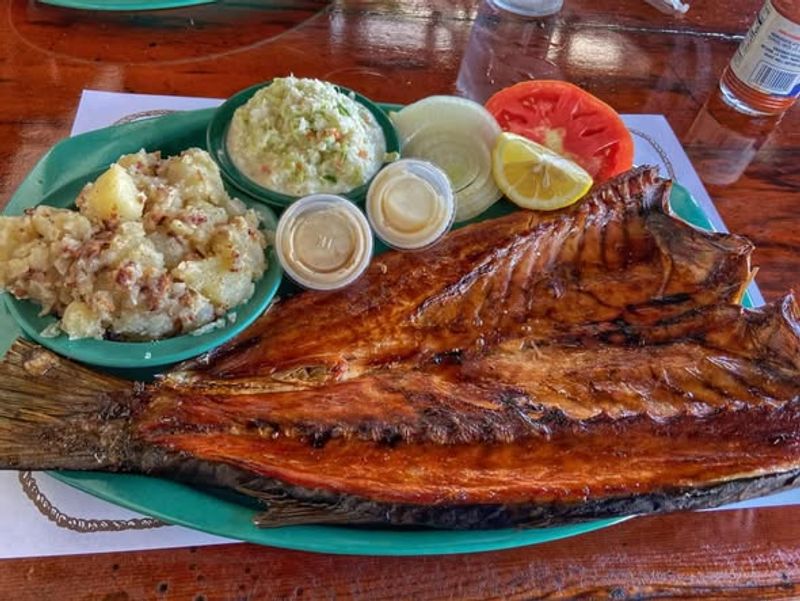
Ted Peters has been smoking fish since 1951, and the process hasn’t changed because it doesn’t need to. The smell of smoked mullet hits you from the parking lot, and if that doesn’t immediately make you hungry, you might be at the wrong restaurant. This place earned its reputation one fish at a time, with decades of consistency that trendy spots can’t buy.
Picnic tables outside and counter stools inside provide all the seating you need. The menu stays focused: smoked fish (mullet, mackerel, salmon), German potato salad that’s become legendary in its own right, burgers for anyone not in the mood for seafood. Everything tastes like it came from someone’s family recipe, probably because it did.
The staff moves with the efficiency of people who’ve done this thousands of times. Orders get called out, fish gets plated, and somehow the rhythm never breaks even when the place is packed. Locals treat it like their personal cafeteria, showing up weekly or even more often because some cravings only Ted Peters can satisfy.
South Pasadena doesn’t draw huge tourist crowds, which helps keep Ted Peters feeling like a neighborhood secret even though plenty of people know about it. The lack of pretension, the focus on doing one thing exceptionally well, and the refusal to modernize just for the sake of it—that’s what makes this place irreplaceable in Florida’s dining landscape.
5. The Yearling Restaurant (Cross Creek)
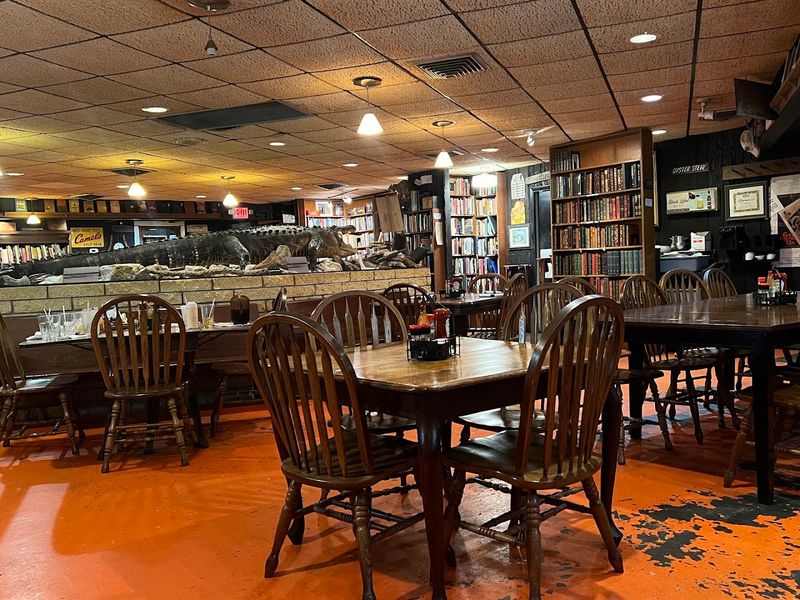
Finding The Yearling requires actual navigation skills because Cross Creek sits in the middle of nowhere by design. The restaurant occupies a historic building surrounded by oak trees and the kind of quiet that makes city dwellers nervous. This is rural Florida at its most authentic, serving food that connects directly to the land around it.
Frog legs, venison, catfish, alligator—the menu reads like a guide to traditional Florida cooking before chain restaurants homogenized everything. These aren’t novelty dishes meant to shock tourists; they’re preparations that have fed Floridians for generations. The kitchen treats them with respect, cooking them properly instead of relying on shock value.
The restaurant’s connection to Marjorie Kinnan Rawlings and her Pulitzer Prize-winning novel gives the place literary credibility, but the food stands on its own. You don’t need to know the backstory to appreciate perfectly fried catfish or tender venison that actually tastes like something special.
Cross Creek’s isolation works in The Yearling’s favor. People make the drive intentionally, which means everyone there actually wants to be there. The atmosphere feels genuinely Old Florida because the setting hasn’t been manufactured or themed—it’s just been preserved.
Eating here feels like stepping into a different era, one where restaurants focused on cooking regional food well instead of chasing whatever’s trending on food blogs this month.
6. 13 Gypsies (Jacksonville)
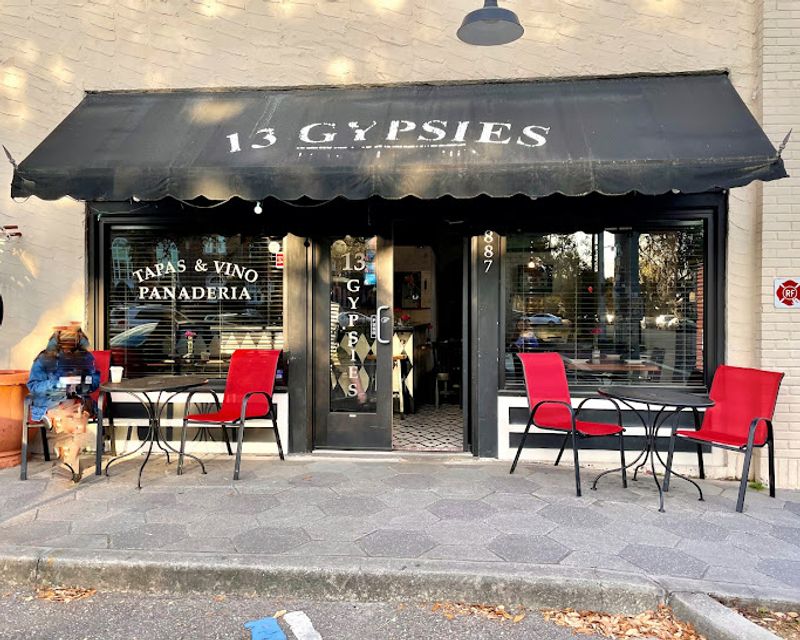
With only a handful of tables, 13 Gypsies feels more like eating in someone’s dining room than visiting a restaurant. Reservations aren’t just recommended—they’re basically required unless you enjoy waiting outside for an hour. The tiny space creates an intimacy that bigger restaurants spend fortunes trying to manufacture, and here it just happens naturally because there’s literally no room for anything else.
The Spanish-inspired menu changes based on what’s available and what the kitchen feels like making. House-made chorizo arrives with flavors that remind you why people make things from scratch. Risotto gets cooked properly, with actual attention and stirring, not the shortcut methods chain kitchens use.
Pasta tastes like it was rolled that afternoon, and the bread comes out warm enough that butter melts on contact.
The chef-owner approach means everything gets personal attention. You’re not eating food that traveled through a corporate test kitchen and focus groups. You’re eating what someone who genuinely loves cooking decided to make, and that difference shows up in every bite.
Jacksonville has plenty of restaurants with more square footage and bigger marketing budgets. But 13 Gypsies proves that size doesn’t matter when the cooking is this good and the atmosphere this genuine. The neighborhood location keeps it feeling like a local secret even though food lovers across the city know exactly where to find it when they want a meal that actually means something.
7. El Siboney Restaurant (Key West)
El Siboney has spent more than four decades serving Cuban food to Key West without changing much of anything. The dining room looks the same as it probably did in the 1980s, and the menu still focuses on the dishes that made the place a local institution. While Duval Street restaurants chase tourists with frozen drinks and inflated prices, El Siboney keeps feeding the people who actually live here.
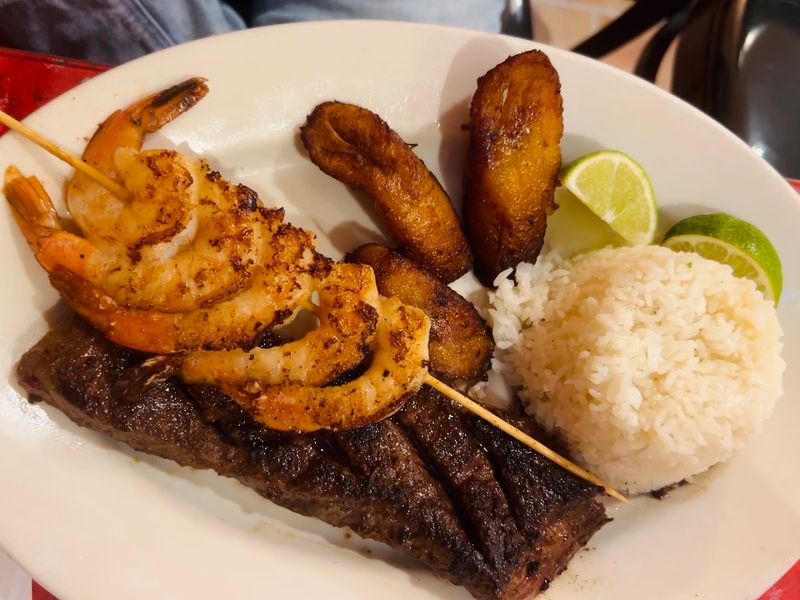
Ropa vieja arrives properly shredded and seasoned, not the dry, flavorless version some places pass off. Roast pork gets the slow-cooking treatment it deserves, coming out tender with crispy edges. Croquetas taste like someone’s abuela made them, because the family-owned operation means recipes get passed down, not pulled from a corporate manual.
Rice, beans, and plantains come as standard sides, cooked the way they should be—not fancy, just correct. Portions assume you’re actually hungry, and prices reflect the fact that this is a neighborhood restaurant, not a tourist trap. The staff treats regulars like family and newcomers like future regulars, creating an atmosphere that feels welcoming without trying too hard.
Key West’s restaurant scene gets increasingly expensive and tourist-focused every year. El Siboney stands as a reminder that the island still has places where locals eat, where Cuban food tastes like it should, and where more than 40 years of consistency means something. That kind of staying power doesn’t happen by accident—it happens by doing things right, every single day.
8. Lee & Rick’s Oyster Bar (Orlando)
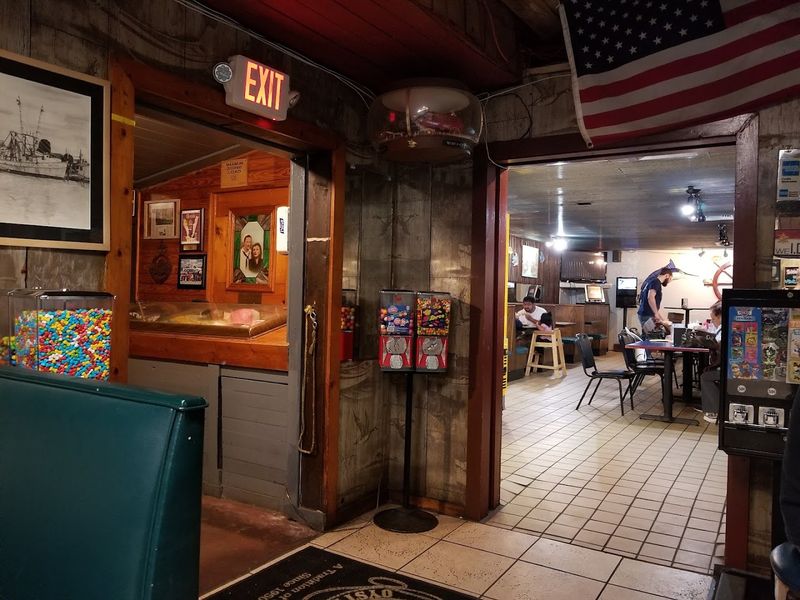
Lee & Rick’s puts you right at the action, with seating directly beside the concrete shucking bar where you can watch every oyster get opened. There’s something mesmerizing about the rhythm—the quick work with the knife, the pop of the shell, the oyster sliding onto the plate. It’s dinner and a show, except the show is just people doing their jobs really well.
Orlando isn’t exactly known for seafood, being stuck in the middle of the state, but Lee & Rick’s has built a reputation that spans decades. The oysters come in fresh, the kitchen knows how to fry seafood without drowning it in grease, and the whole operation runs with the efficiency of a place that’s been doing this since before most current diners were born.
The atmosphere feels authentically dive-bar casual. Nobody’s dressed up, nobody’s taking food photos with ring lights, and the focus stays on eating and drinking rather than being seen. It’s refreshingly unpretentious in a city that increasingly caters to theme park tourists looking for manufactured experiences.
Being recognized as one of Florida’s enduring restaurant institutions means something in a state where restaurants open and close constantly. Lee & Rick’s survived by staying true to what it does best: serving fresh oysters and good seafood in a no-nonsense environment. That formula might not win design awards, but it keeps people coming back year after year, which matters more than any trendy accolade.
9. Alabama Jack’s (Key Largo)
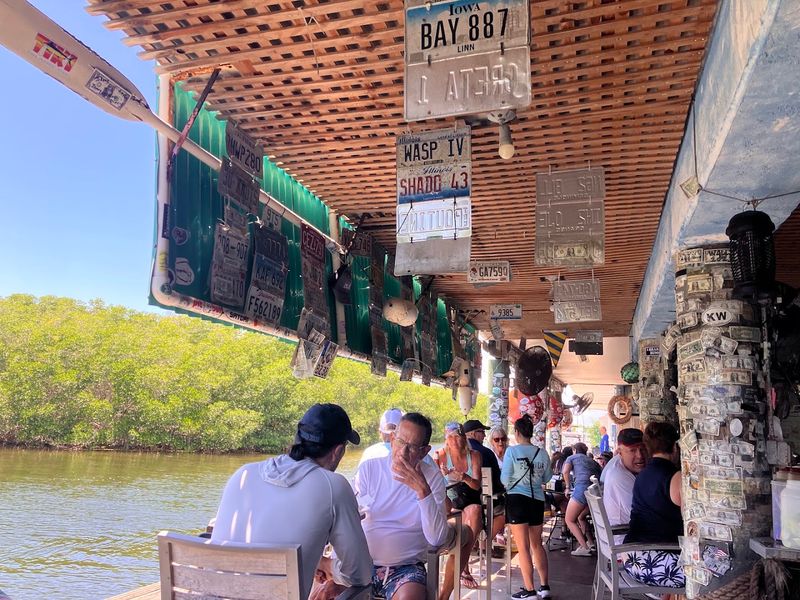
Alabama Jack’s sits right beside the water on Card Sound Road, looking like it grew out of the mangroves naturally. The open-air structure means you’re basically eating outside, with breezes coming off the water and boats drifting past close enough to wave at. It’s the kind of place that defines Old Florida—not the version theme parks sell, but the real, slightly rough-around-the-edges version that existed before everything got polished for tourists.
Conch fritters come out hot and actually taste like conch, not just fried dough balls. Seafood baskets arrive piled high with shrimp, fish, or whatever you ordered, served in the same no-frills style the place has used forever. The kitchen isn’t trying to reinvent anything because the classics work just fine when you execute them properly.
Live music adds to the atmosphere without overwhelming it. Musicians set up in the corner, people start tapping their feet, and before long the whole place feels like a party that happened organically rather than being scheduled by an events coordinator. It’s genuinely fun without feeling forced or manufactured.
The drive down Card Sound Road already feels like an adventure, and Alabama Jack’s serves as the perfect destination. It’s become famous enough that plenty of people know about it, but the location and vibe keep it from ever feeling like a typical tourist spot. You can’t fake this kind of authentic Florida character—you either have it or you don’t, and Alabama Jack’s has it in abundance.