This 37-Acre Florida Park Lets You Eat Every Exotic Fruit That Falls for Just $15

Hidden in Homestead, Florida, sits a tropical paradise where you can wander through 37 acres of rare fruit trees and taste everything that drops to the ground. For just $15, Fruit & Spice Park opens its gates to over 500 varieties of exotic fruits, vegetables, spices, and herbs from around the world. Imagine biting into a starfruit you just picked up, sampling a mango variety you’ve never heard of, or discovering what a miracle berry actually tastes like—all while strolling through shaded groves that feel like a botanical adventure.
1. The Ultimate Fruit Foraging Experience
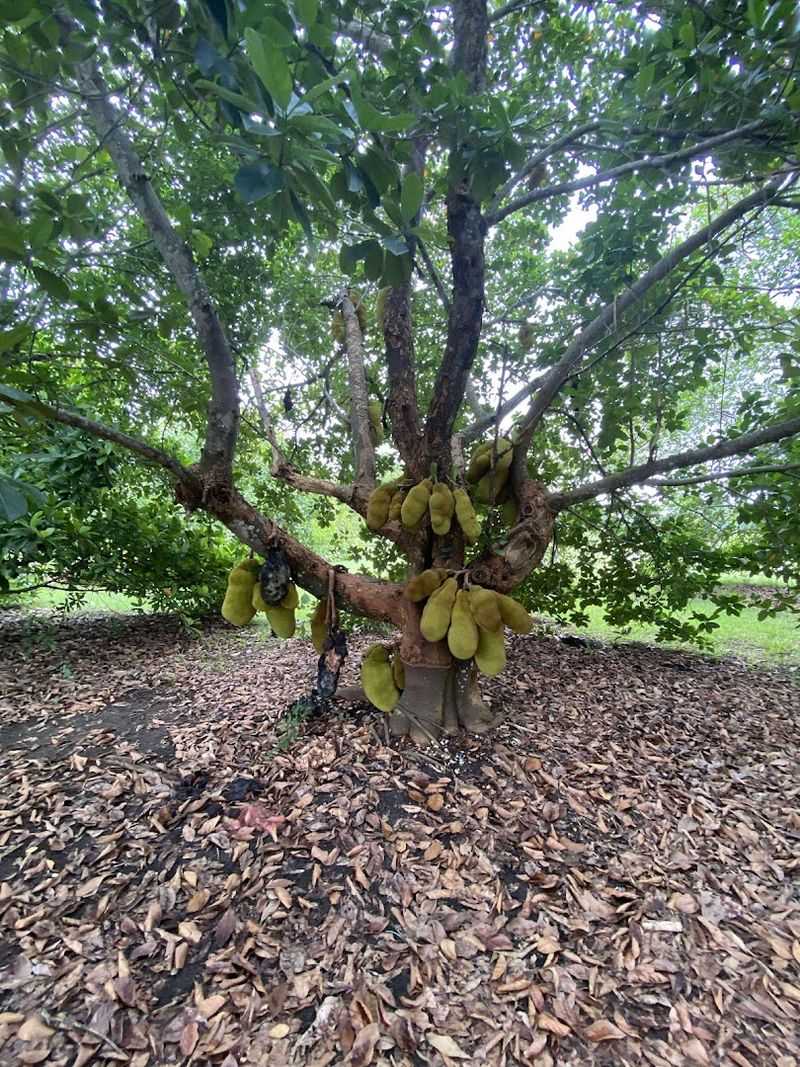
Walking into Fruit & Spice Park feels like stepping into an edible treasure hunt. The rules are simple: anything on the ground is fair game. You can pick up fallen starfruits, sample rare mangoes, or try fruits you’ve never even seen at a grocery store.
Staff members at the entrance will help identify what you’ve found and even prep it for you if needed. They’re incredibly knowledgeable and genuinely excited to share their passion for tropical plants. One visitor described finding a perfectly ripe starfruit after searching through the groves, while others have stumbled upon mamoncillo berries and jackfruit.
The park sprawls across 37 acres, so wear comfortable shoes and bring a sense of adventure. You’ll wander through sections organized by region—Africa, Asia, Australia, and the Mediterranean—each showcasing fruits native to those areas. Some trees are over 100 years old, their branches heavy with fruit waiting to drop.
Peak season matters here. Check the website before visiting to see what’s ripe. Mango season brings over 240 varieties, while banana lovers can explore more than 70 types.
The park’s policy means you can’t take fruit home, but the tasting experience alone makes the trip unforgettable. Visitors often spend two to three hours exploring, and re-entry is allowed with your receipt if you need a lunch break.
2. Guided Tasting Tours Worth Every Penny
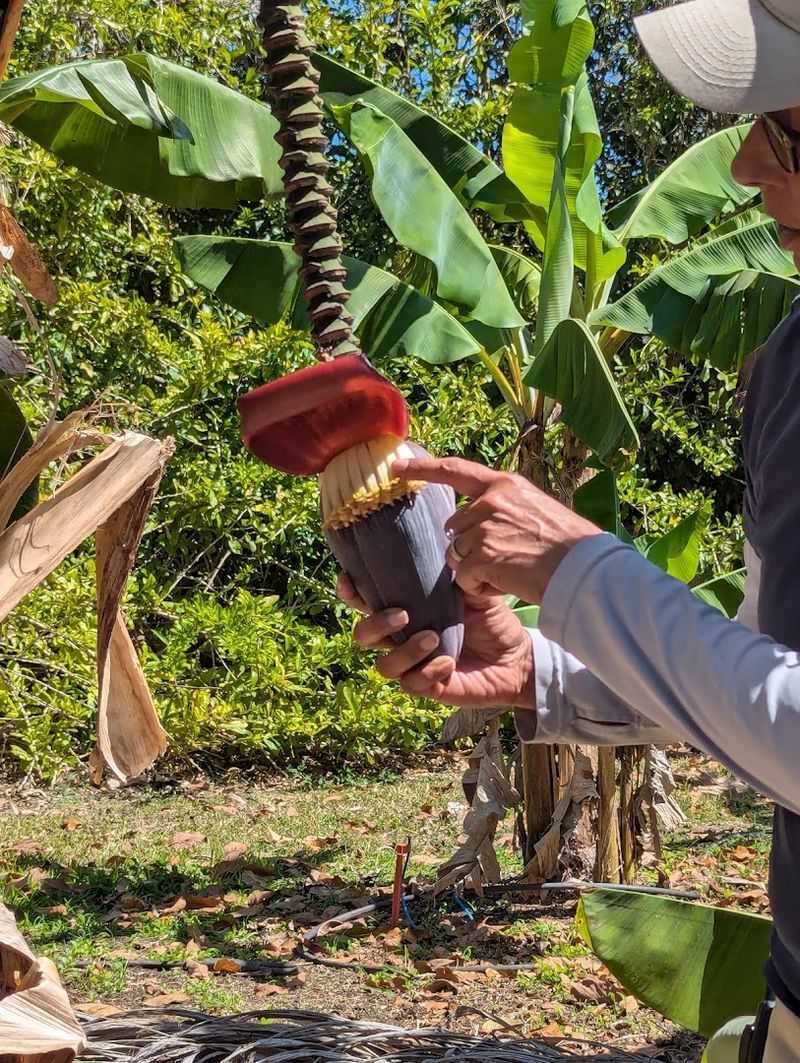
Sure, you can explore solo, but the guided tasting tour transforms your visit from a nice walk into an educational adventure. Guides like Gonzalo and Rolie have become local legends, praised in review after review for their enthusiasm and deep knowledge. They don’t just point out trees—they share stories about origins, uses, and quirky facts you’d never discover alone.
Tours run on a tram, making them accessible even for visitors with limited mobility. Your guide will stop at carefully chosen spots throughout the park, offering samples of rare fruits most people have never tasted. You might try black pepper straight from the vine, smell citronella grass, or learn about leaves that work as natural lint rollers.
The small group size keeps things intimate and interactive. One couple reported having just four people on their 3 PM Thursday tour in early March, giving them plenty of time to ask questions. Guides adapt based on what’s in season, ensuring you get the best possible tasting experience.
Even during off-peak seasons, tour guides make the experience worthwhile by focusing on what is available and sharing fascinating details about the park’s geology and history. Multiple visitors mentioned the tour exceeded their expectations, especially when guides helped them identify fruits to purchase from the gift shop afterward. The tram tour costs extra beyond admission, but reviewers consistently say it’s worth it.
3. Over 240 Varieties of Mangoes Alone
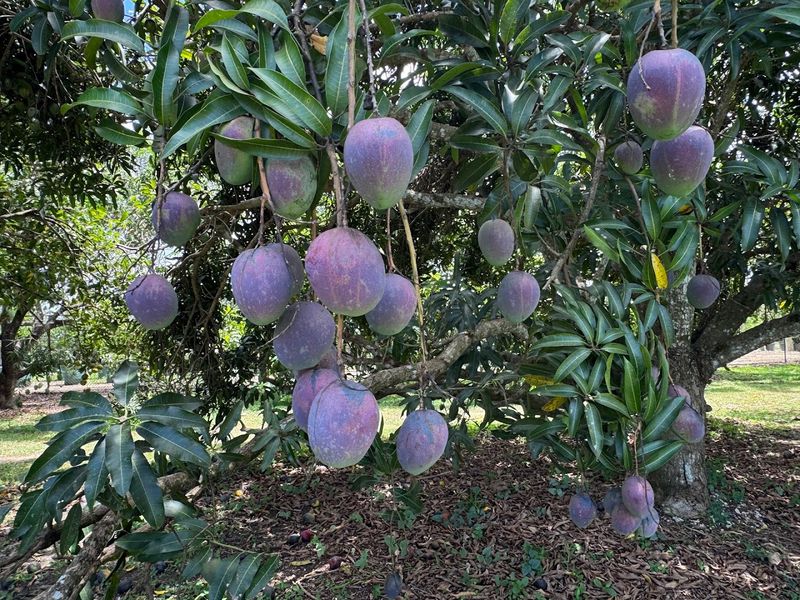
Mango lovers, prepare to have your minds blown. Fruit & Spice Park cultivates more than 240 different mango varieties, each with distinct flavors, textures, and sweetness levels. Forget everything you think you know about mangoes from the grocery store—tree-ripened varieties taste completely different.
Visitors who made the drive from north of Tampa specifically for mango season said grocery store mangoes simply can’t compare afterward. The park’s collection represents decades of careful cultivation, with some trees planted generations ago. During peak mango season, the ground becomes a buffet of fallen fruit in every color from green to deep red.
Walking through the mango groves feels surreal when you realize how many varieties exist beyond the standard Tommy Atkins variety most Americans know. Some are fibrous, others buttery smooth. Certain varieties taste like candy, while others have subtle floral notes.
The park’s regional organization means you’ll encounter mangoes from different parts of the world, each adapted to slightly different growing conditions but thriving in South Florida’s climate. Staff can explain which varieties work best for eating fresh versus cooking, and they’re happy to share growing tips if you’re inspired to plant your own tree.
Timing your visit during mango season requires planning—check the website’s seasonal calendar before booking your trip. But if you catch it right, you’ll understand why some visitors return year after year specifically for the mangoes.
4. Welcome Samples and Gift Shop Treasures

Your adventure starts before you even hit the trails. At the entrance, friendly staff greet visitors with complimentary fruit samples served on banana leaves—a beautiful touch that sets the tropical tone. The samples change based on what’s ripe, giving you a preview of the flavors waiting throughout the park.
The gift shop deserves its own dedicated browsing time. Shelves are stocked with locally made jams, exotic spice blends, hot sauces, trail mixes, and keepsakes. Many products feature fruits grown right in the park, processed and packaged by local artisans.
One disappointment visitors mention is that fresh fruit isn’t sold in the gift shop—you can only eat what falls during your visit. However, staff will help you identify avocados or other items you loved so you can potentially find the same variety elsewhere. Some visitors have purchased specific mango or avocado varieties to take home after tasting them in the park.
The shop also offers beer and wine for purchase, perfect for adults who want to enjoy a beverage while strolling the grounds. Staff members are incredibly helpful, offering recommendations and answering questions about everything from plant care to recipe ideas.
Before leaving, grab a map from the front desk. The park is large enough that you’ll want guidance, and staff members often mark current fruiting hotspots to help you find the best specimens during your visit.
5. Banana Bonanza: 70-Plus Varieties
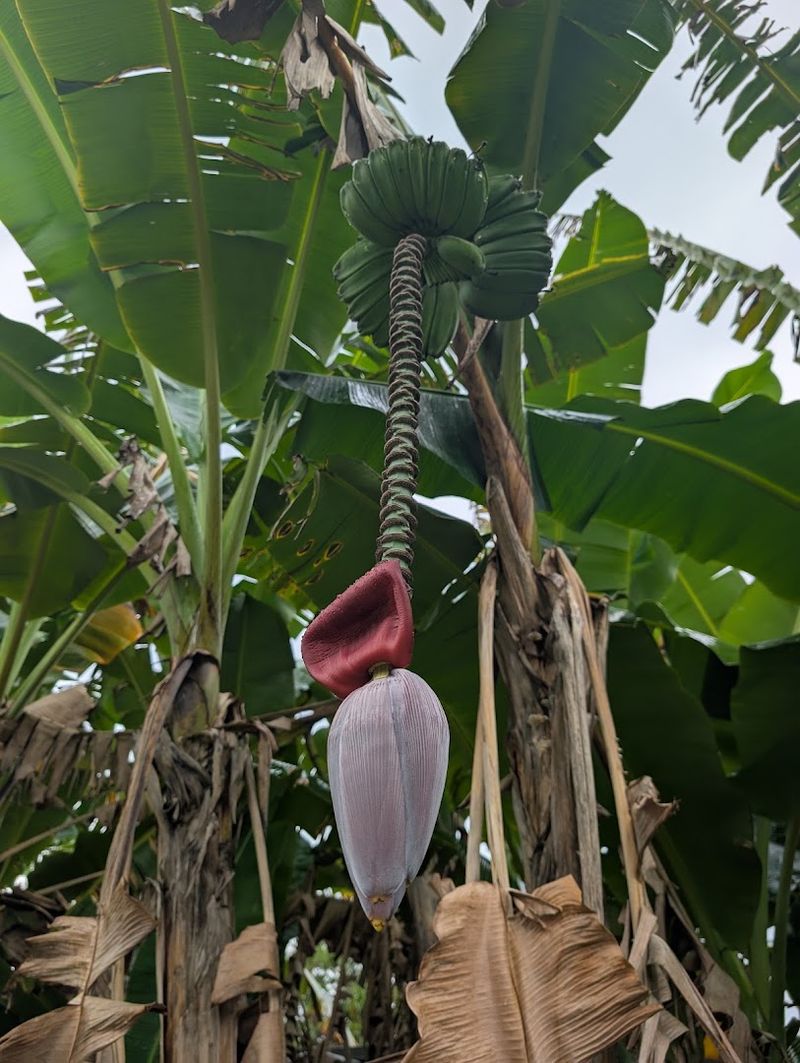
Think bananas are boring? The park’s collection of over 70 banana varieties will change your mind forever. From tiny finger bananas to massive plantains, the diversity is staggering.
Some varieties taste like apples, others have hints of strawberry, and certain types are meant for cooking rather than eating fresh.
Banana plants create dramatic visual impact throughout the park, their massive leaves providing shade and tropical atmosphere. Unlike the uniform Cavendish bananas dominating supermarkets, these varieties showcase the fruit’s true range. You might encounter red bananas, short fat ones, or varieties that stay green even when ripe.
The plants themselves are fascinating to observe. Bananas don’t actually grow on trees—they’re the world’s largest herb. Watching fruit develop from the distinctive purple flower is educational for kids and adults alike.
During your walk, you’ll likely spot banana bunches in various stages of development.
Fallen bananas are fair game for tasting, though you’ll want to check with staff if you’re unsure whether a variety is ripe. Some need to be cooked, while others are perfect straight from the plant. The banana collection represents cultivation efforts from tropical regions worldwide, all thriving in South Florida’s warm climate.
Photographers love capturing the banana groves, where light filters through enormous leaves creating dappled patterns on the ground. The plants add to the park’s peaceful, jungle-like atmosphere that visitors consistently praise in reviews.
6. Peaceful Nature Walk With Wildlife Encounters
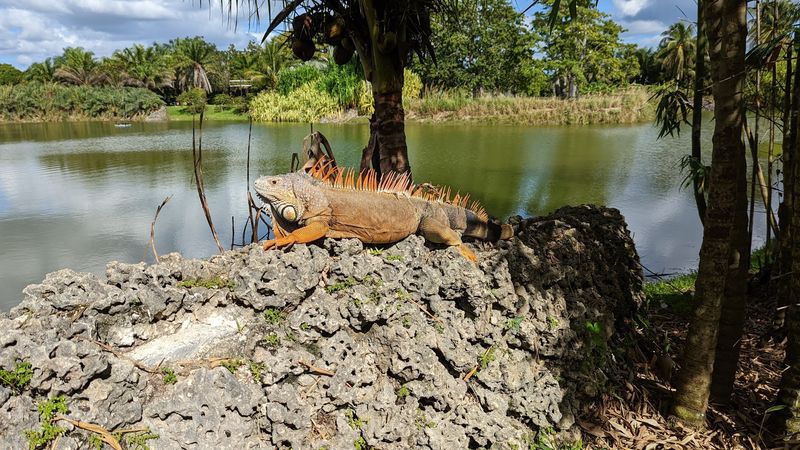
Beyond the fruit, Fruit & Spice Park offers a genuinely peaceful escape from urban stress. Mature trees create a canopy of shade, making even hot Florida days comfortable for walking. The park’s layout encourages slow wandering, with winding paths that reveal new discoveries around every turn.
Wildlife adds unexpected excitement to your visit. Iguanas are everywhere, sunning themselves on branches or scurrying across paths. Butterflies flutter constantly, attracted by flowering plants and ripe fruit.
Multiple visitors mentioned the joy of simply watching nature while their kids ran around spotting animals.
The herb garden deserves special attention for its incredible smells. Crushing leaves releases aromatic oils that fill the air with scents ranging from citronella to cinnamon. It’s a sensory experience that complements the visual beauty and taste adventures happening elsewhere in the park.
Most visitors spend at least two hours exploring, though you could easily fill half a day if you’re thorough. The park’s size means you can find quiet corners even on busier days. Couples appreciate the romantic atmosphere, while families love the open spaces where kids can explore safely.
One important note: the park closes during lightning storms, a common occurrence in Florida. If lightning is detected within 10 miles, everyone must leave until conditions improve. Check the weather forecast before planning your visit to avoid disappointment.
7. Special Events and Plant Bingo
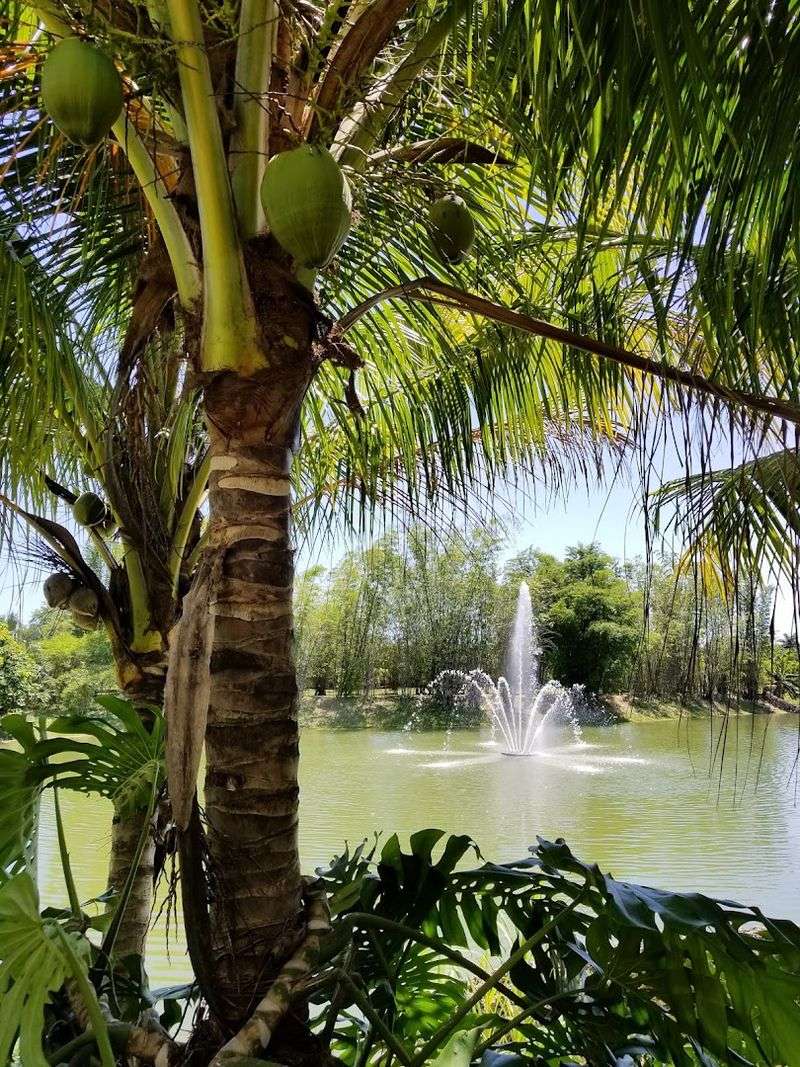
Fruit & Spice Park isn’t just a static garden—it’s a community hub hosting special events throughout the year. Plant Bingo has become a visitor favorite, combining education with fun competition. Winners take home actual plants, making it both entertaining and practical for gardeners.
Calling ahead pays off because the schedule varies seasonally. Staff members like Rolie and Ileana are praised for helping visitors plan their trips around events and peak fruiting times. They’ll tell you honestly whether it’s worth visiting based on your interests and the current season.
The park’s programming reflects its mission as a Miami-Dade County facility—it’s designed to educate while entertaining. Beyond casual visits, the park serves as an outdoor classroom where people learn about tropical agriculture, sustainable growing practices, and biodiversity. School groups frequently visit for field trips.
Workshops occasionally cover topics like grafting techniques, composting, or cooking with exotic fruits. These events fill up quickly, so checking the website or calling ahead is essential if you’re interested. The educational focus makes the park valuable beyond just the novelty factor.
Even without special events, the park maintains an educational atmosphere. Most trees and plants are clearly labeled with both common and scientific names, plus origin information. It’s impossible to walk through without learning something new, whether you’re a serious gardener or just curious about where your food comes from.
8. Practical Tips for Your Visit
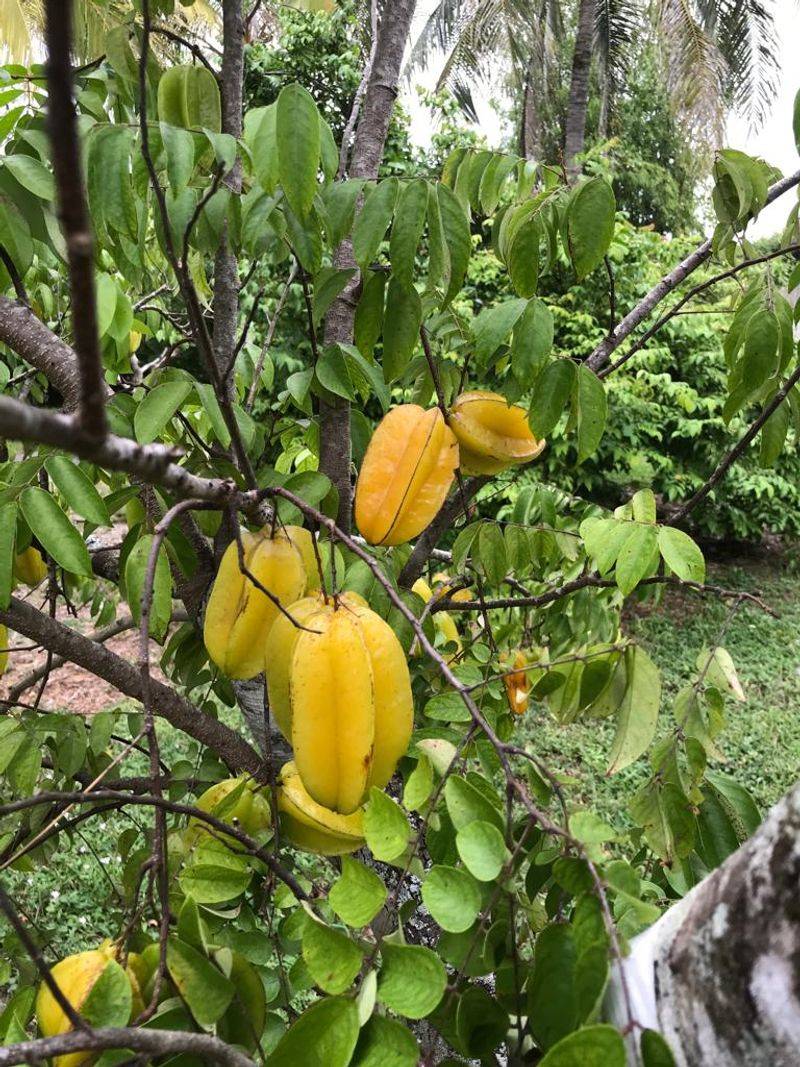
Planning makes all the difference at Fruit & Spice Park. First, check what’s in season before visiting—the experience varies dramatically depending on timing. The website lists fruiting schedules, helping you target your favorite fruits.
Mango season peaks in summer, while winter brings different varieties.
Arrive early in the day when fruit is freshest and temperatures are cooler. The park opens at 10 AM Tuesday through Sunday and closes at 5 PM. Admission is $15 for adults, an incredible bargain for what you get.
Bring cash for gift shop purchases and optional guided tours.
Wear comfortable walking shoes and clothes you don’t mind getting dirty. The ground can be uneven, and you’ll be bending down to pick up fruit. A small bag or container helps carry your finds back to the entrance for identification, though remember you can’t take fruit home.
Bring water and sunscreen, even though much of the park is shaded. South Florida sun is intense, and you’ll be outside for hours. The park allows re-entry with your receipt, so some visitors grab lunch nearby and return for more exploring.
Photography enthusiasts should bring cameras—the park is incredibly photogenic. From massive jackfruits hanging overhead to colorful fallen specimens on the ground, photo opportunities are endless. Just respect the plants and stay on designated paths to protect the collections for future visitors.