We Found an Orlando Bakery Open for Just Two and a Half Hours a Week
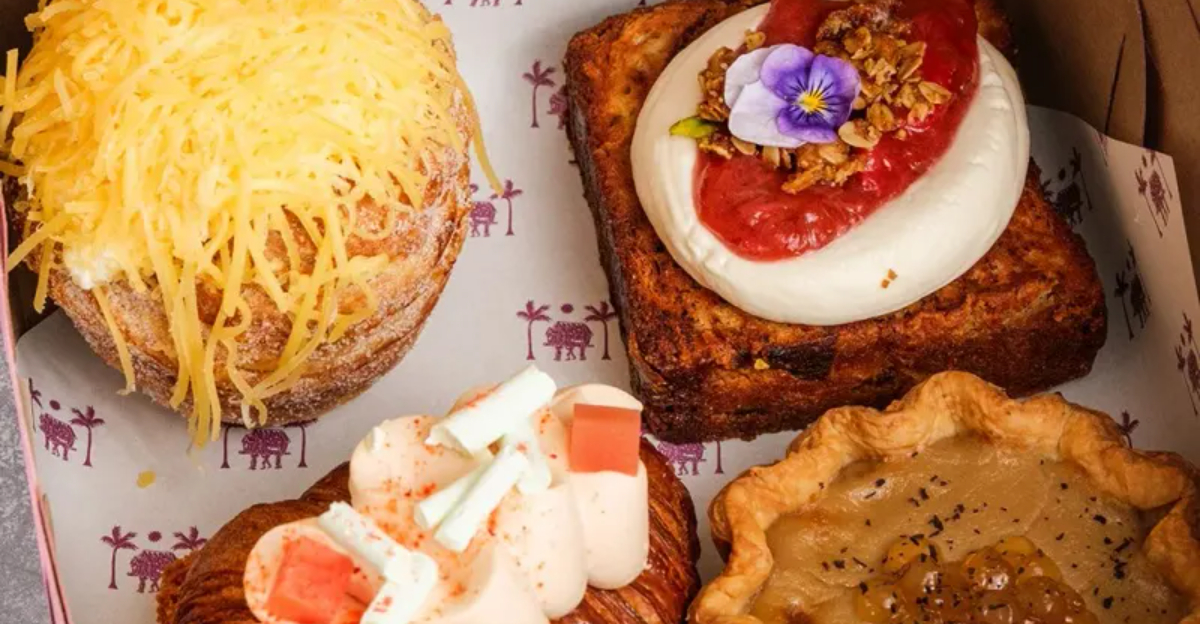
Hidden in Orlando’s Mills 50 district sits a Filipino bakery operation so exclusive, you might miss it if you blink. Kaya, known primarily as a neighborhood restaurant serving elevated Filipino cuisine during evening hours, transforms into a sought-after bakery for exactly two and a half hours every Saturday morning. From 9:30 AM to noon, locals line up outside the charming bungalow on Thornton Avenue, eager to snag freshly baked Filipino pastries before they sell out.
This unusual schedule has turned Kaya’s Saturday morning bakery into one of Orlando’s most buzzed-about food experiences, where the aroma of warm pandesal and sweet treats draws crowds who know that good things come to those who wake up early.
1. The Saturday Morning Bakery Window
Most bakeries operate daily, opening before dawn and staying busy until afternoon. Kaya flips that script entirely. Every Saturday morning at 9:30 sharp, the doors open exclusively for bakery service, closing promptly at noon.
This isn’t your typical grab-and-go bakery counter either. The same space that hosts intimate Filipino dinners during the week becomes a bustling pastry hub for those precious 150 minutes. Regulars know to arrive early because once the baked goods sell out, that’s it until next Saturday.
The limited hours create an almost cult-like following among Orlando foodies. There’s something special about a place confident enough to operate a bakery for just a fraction of the week. It forces you to plan, to prioritize, to actually mark your calendar for pastries.
The scarcity adds value, sure, but the quality backs up the hype. Fresh pandesal emerges from the oven throughout the morning service, filling the bungalow with that unmistakable smell of warm bread. Other Filipino baked specialties rotate based on what the kitchen crew perfects that week.
This unconventional schedule reflects Kaya’s overall philosophy of doing fewer things exceptionally well rather than being everything to everyone all the time.
2. Pandesal That’s Worth Setting an Alarm For
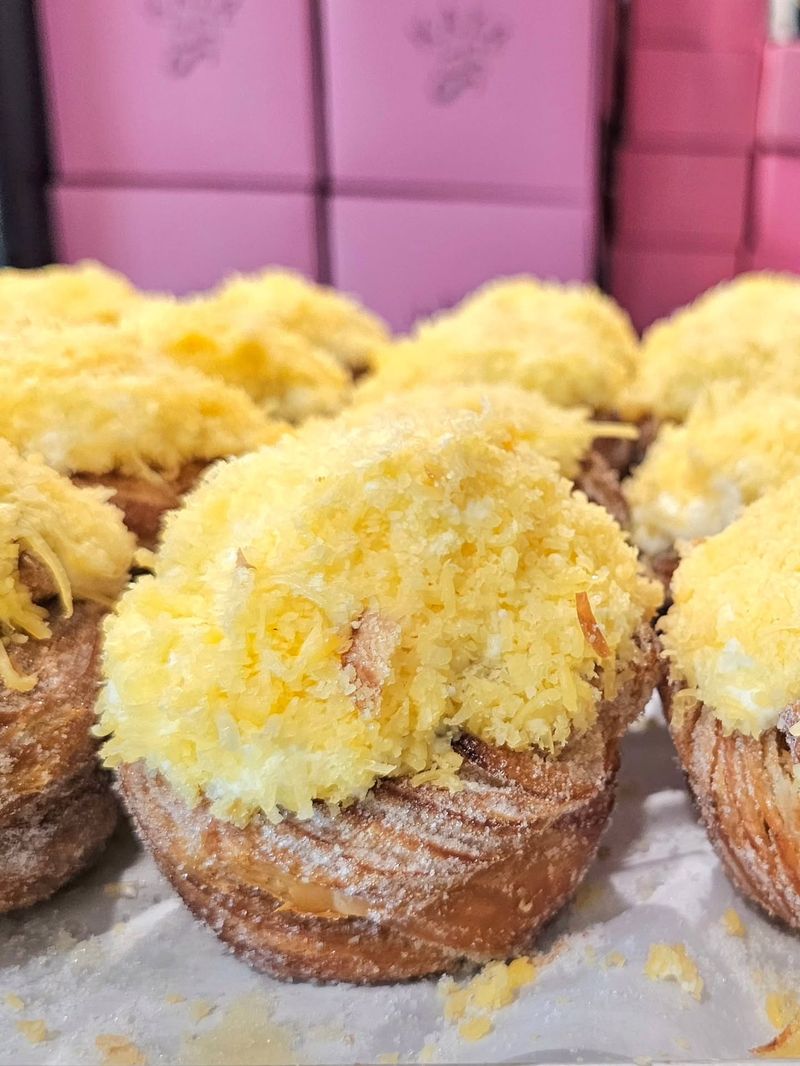
Filipinos grow up with pandesal the way Americans grow up with sliced bread. These slightly sweet rolls, coated in breadcrumbs, represent comfort in its purest form. Kaya’s version honors tradition while elevating execution to restaurant quality.
The rolls arrive warm, with a delicate crust that gives way to pillowy soft interior. They’re best enjoyed within minutes of purchase, though many customers buy extras knowing they’ll never make it home. Pair them with the scallion butter available during dinner service, and you’ve got something transcendent.
What makes Kaya’s pandesal stand out isn’t reinvention but respect for the fundamentals. The dough gets proper fermentation time. The breadcrumb coating achieves the right texture.
The baking temperature creates that perfect golden exterior without drying out the inside.
During the Saturday bakery hours, pandesal often sells fastest. Smart shoppers call ahead or arrive right at opening to secure their batch. The restaurant has mentioned these rolls in glowing terms across countless reviews, with visitors specifically requesting more bread just to enjoy the accompanying butter.
For anyone unfamiliar with Filipino cuisine, pandesal serves as the perfect gateway. It’s approachable, delicious, and showcases how seemingly simple dishes require serious skill to execute properly.
3. Banana Mochi Donuts with Tamarind Caramel
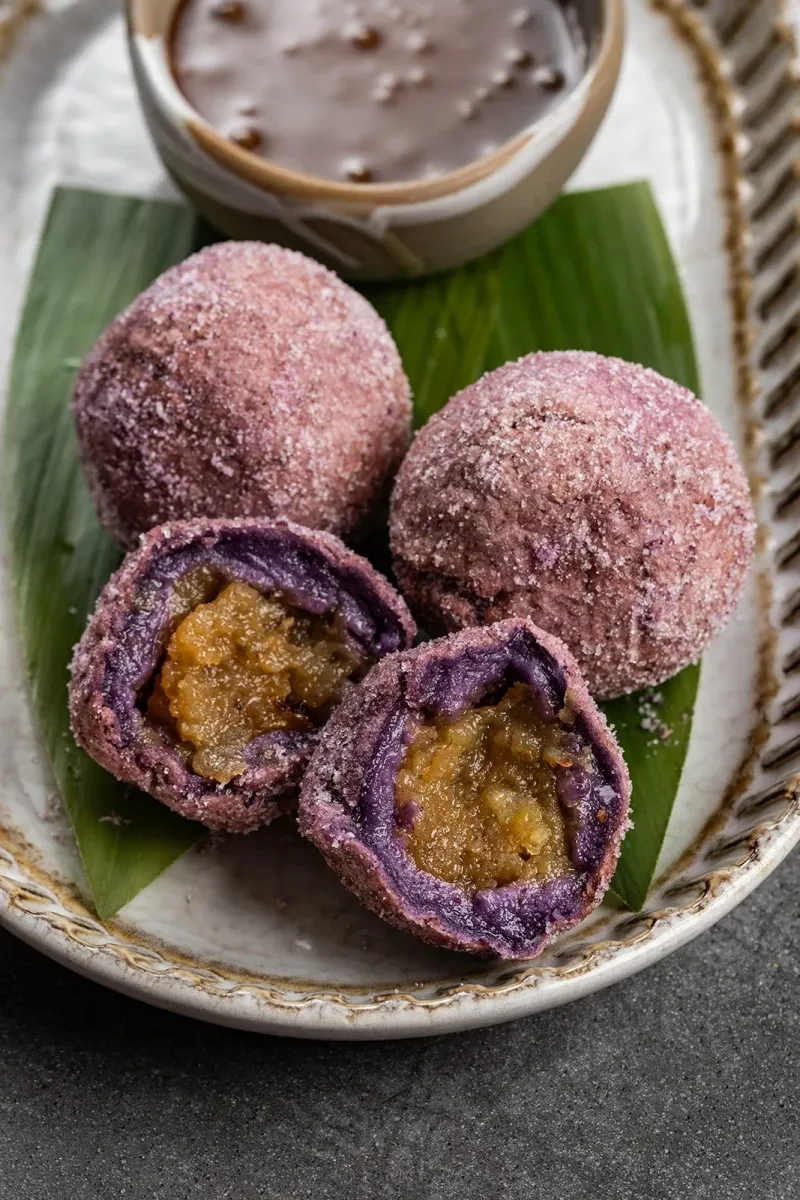
Forget everything you think you know about donuts. Kaya’s banana mochi version introduces textures and flavors that traditional American donuts never approach. The mochi element creates this incredible chewiness that’s simultaneously light and satisfying.
Banana brings natural sweetness and moisture without making the donut heavy or overly rich. Then comes the real surprise: tamarind caramel. That tangy, slightly sour note cuts through the sweetness in a way that keeps you reaching for another bite instead of feeling overwhelmed after one.
These donuts appear during the Saturday bakery window and occasionally as dessert during dinner service. They represent Kaya’s approach to Filipino cuisine perfectly—honoring traditional ingredients while presenting them in creative, modern ways that surprise even Filipino food veterans.
The texture alone makes them memorable. Mochi donuts have that distinctive chew that’s almost addictive. They don’t crumble like cake donuts or feel greasy like raised donuts.
They exist in their own category entirely.
Reviewers consistently mention these donuts as highlights, with some admitting they’d return to Kaya just for dessert. The tamarind caramel especially gets called out as a game-changer, introducing people to how Filipino flavors balance sweet, sour, and savory in unexpected combinations.
4. Ube Donuts That Disappear Fast
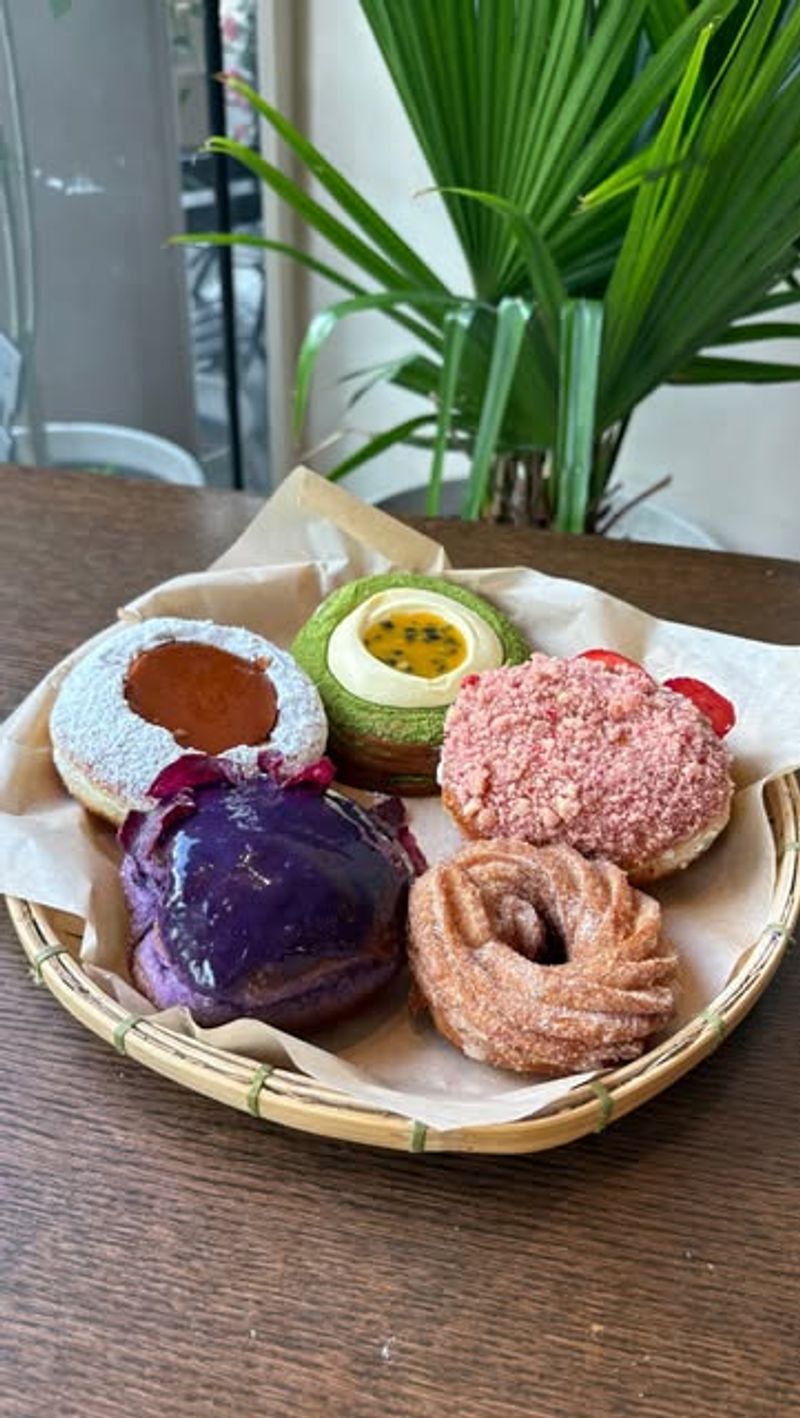
Purple yam, known as ube in the Philippines, has exploded in popularity across American dessert menus recently. Kaya’s been incorporating this ingredient since opening, treating it with the respect it deserves rather than as a trendy gimmick.
Their ube donuts showcase the ingredient’s natural earthy sweetness and stunning purple color. The flavor sits somewhere between vanilla and pistachio, with a subtle nuttiness that’s distinctly its own. It’s not aggressively sweet, which lets the ube’s unique taste shine through.
These donuts vanish quickly during Saturday bakery hours. The combination of Instagram-worthy appearance and genuinely delicious flavor makes them a double threat. People buy them for photos, then discover they actually taste as good as they look.
Ube has become synonymous with Filipino desserts in America, though it’s been a staple in the Philippines for generations. Kaya treats it as an everyday ingredient rather than an exotic novelty, which results in more authentic and balanced applications.
The texture matches the banana mochi donuts—that signature chew that makes mochi-style donuts so distinctive. They’re substantial enough to feel satisfying but never heavy. The glaze adds sweetness without overwhelming the delicate ube flavor underneath.
First-timers often grab both banana and ube varieties to compare. Smart move, because choosing just one feels like leaving something special behind.
5. The Insider Strategy for Scoring Pastries
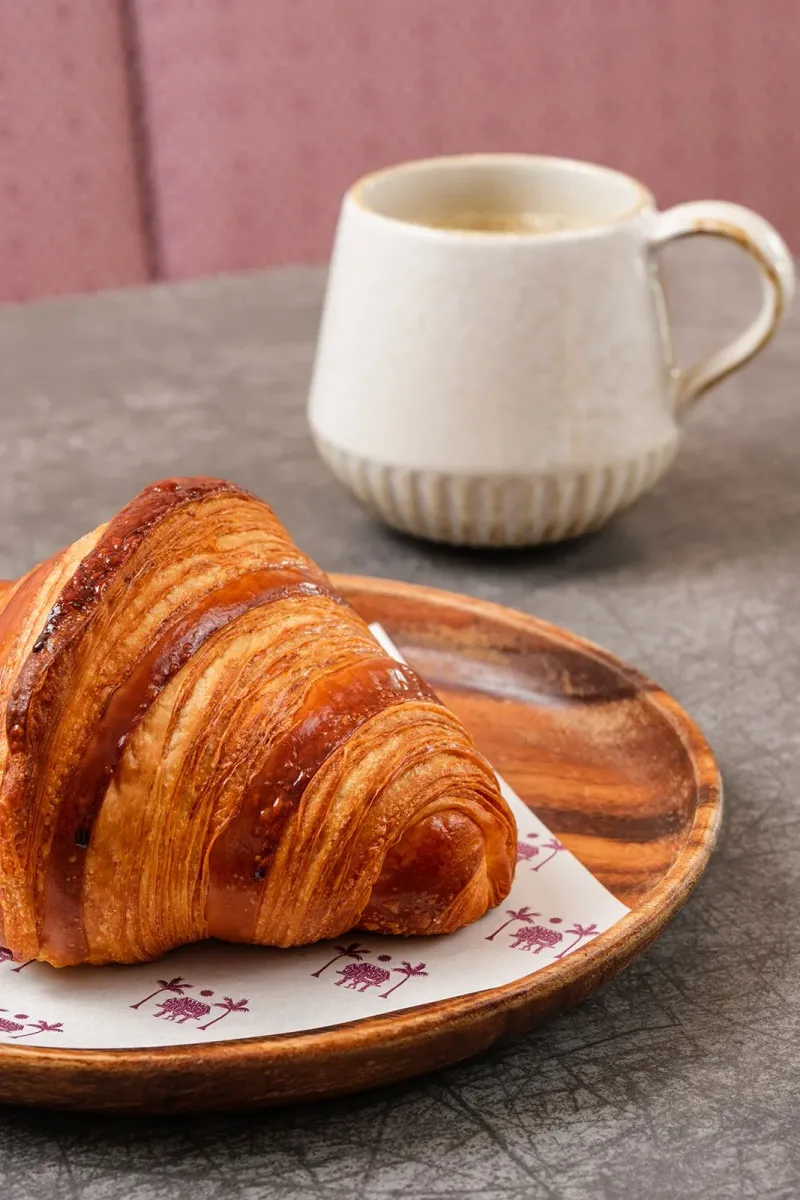
Want to actually get pastries during that narrow Saturday window? You’ll need strategy. Showing up at 11:45 AM hoping for selection is a recipe for disappointment.
The serious pastry hunters arrive before 9:30, sometimes even earlier to secure parking in the limited spaces around the bungalow.
Calling ahead helps, though the bakery operation keeps things fairly spontaneous based on what comes out of the oven successfully that morning. The staff can at least tell you what’s available and whether they’re close to selling out of specific items.
Parking presents the biggest logistical challenge. The Mills 50 neighborhood doesn’t have massive lots, and Kaya’s bungalow location means limited dedicated spaces. Arriving early solves two problems at once—better pastry selection and actual parking spots.
Following Kaya’s Instagram provides intel on what might appear each Saturday. The team occasionally posts teasers about special items or seasonal offerings. This advance notice lets fans plan their visit around specific pastries they’ve been craving.
Some regulars have formed a routine, treating Saturday morning Kaya runs as a weekly ritual. They know the timing, understand the flow, and have backup parking spots mapped out. They’re also the ones who snag the best selection.
The limited hours mean staff can focus entirely on quality rather than quantity, but it also means disappointment for latecomers.
6. Why the Unusual Hours Actually Make Sense
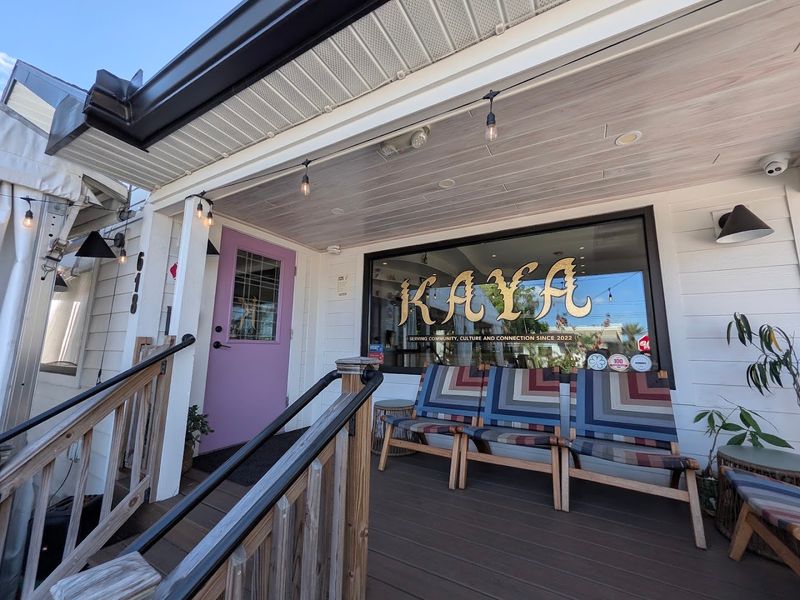
Running a bakery for two and a half hours weekly sounds bizarre until you understand Kaya’s primary identity. This is fundamentally a dinner restaurant that happens to offer bakery service one morning per week, not a bakery trying to also serve dinner.
The kitchen team focuses on preparing for evening service Tuesday through Sunday. Adding full-time bakery operations would stretch resources thin and potentially compromise the quality of both offerings. The Saturday morning window allows them to showcase Filipino baked goods without overwhelming their operation.
It’s also a smart business move. The exclusivity creates demand. People talk about Kaya’s bakery precisely because it’s hard to access.
That word-of-mouth marketing proves more valuable than any advertising campaign could achieve.
The model reflects confidence in their product. They’re essentially saying, “Our food is good enough that you’ll work around our schedule.” And customers do exactly that, proving the approach works.
From a staffing perspective, the limited bakery hours let the team maintain work-life balance while still offering this additional service. The restaurant industry notoriously burns people out. Kaya’s approach suggests a more sustainable model.
Other restaurants might view those Saturday morning hours as leaving money on the table. Kaya sees them as maintaining quality control and building mystique. Both perspectives have merit, but Kaya’s packed Saturday mornings suggest they’ve chosen correctly.
7. The Connection Between Bakery and Dinner Service
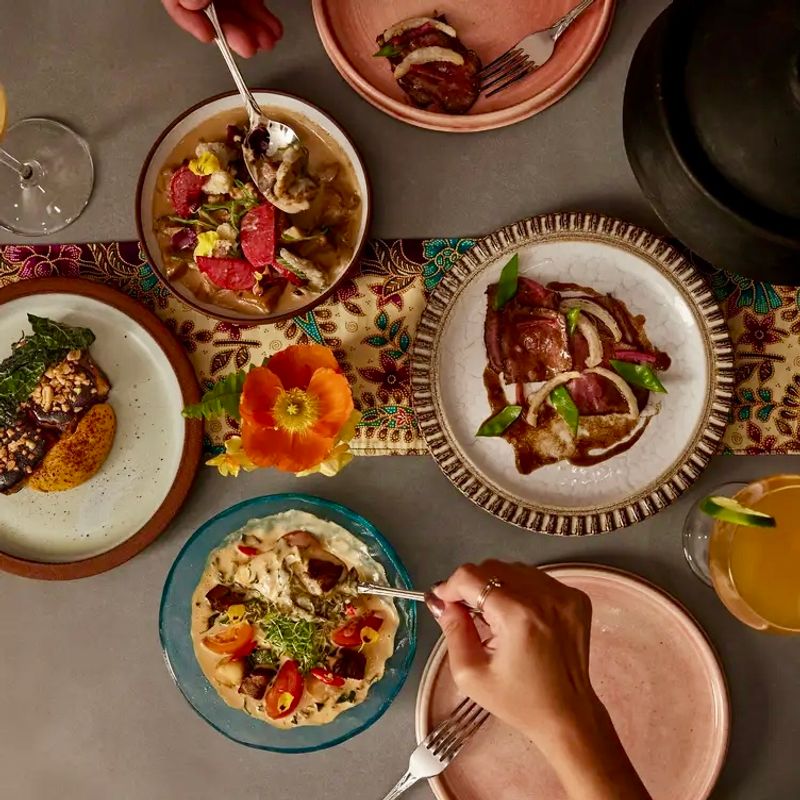
Kaya’s Saturday bakery isn’t separate from their dinner service—it’s an extension of the same philosophy. The pandesal you buy Saturday morning is the same bread served during evening meals, just available for takeaway in larger quantities.
Many items featured during bakery hours also appear as dinner desserts. Those banana mochi donuts? They show up on the dessert menu.
The ube treats rotate through as well. Experiencing the bakery gives you a preview of Kaya’s sweet capabilities.
The scallion butter that accompanies pandesal during dinner service has achieved near-legendary status among regulars. Multiple reviews specifically mention wanting extra bread just to eat more of that butter. It’s ridiculously good—savory, rich, with just enough scallion bite to keep it interesting.
This overlap means the bakery serves as an accessible entry point for people curious about Kaya but intimidated by making dinner reservations. Grabbing pastries Saturday morning requires less commitment than booking an evening table, yet still showcases the kitchen’s skill.
The reverse also works. Dinner guests who fall in love with the pandesal return Saturday mornings to buy it fresh from the oven. It creates a positive feedback loop where each service promotes the other.
Understanding this connection helps explain why Kaya bothers with the bakery at all. It’s not a side hustle—it’s an integral part of their identity as a Filipino neighborhood spot.
8. What the Bakery Reveals About Kaya’s Approach
A restaurant that operates a bakery for 150 minutes weekly tells you everything about their priorities. Kaya values quality over quantity, exclusivity over ubiquity, and doing things their way over following industry norms.
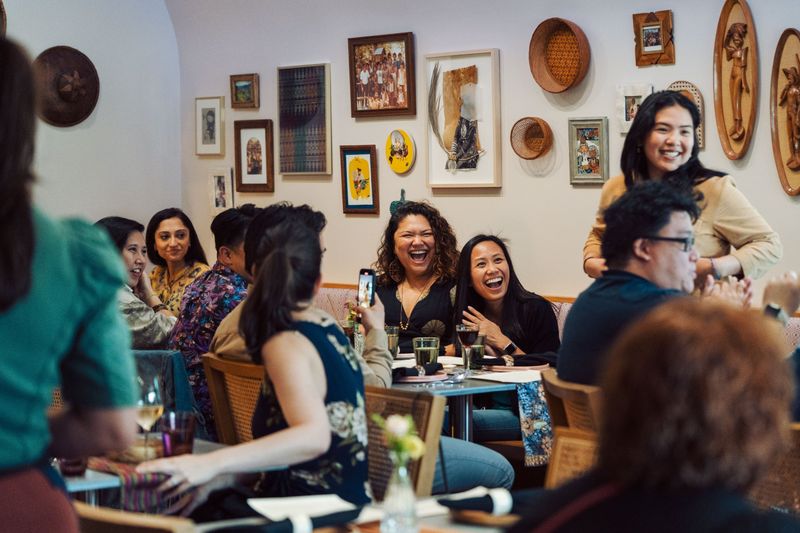
The Saturday bakery embodies the same warmth that defines their dinner service. Reviews consistently mention feeling like you’re eating at a Filipino family’s home rather than a commercial restaurant. The bakery extends that vibe—grabbing fresh pastries feels like visiting a neighbor who happens to be an incredible baker.
It also demonstrates respect for Filipino baking traditions. These aren’t trendy fusion pastries designed to go viral on social media. They’re traditional items executed with care and skill, presented in a way that honors their cultural significance.
The limited hours force intentionality from customers. You can’t casually stop by Kaya’s bakery. You have to plan for it, prioritize it, make it part of your Saturday morning.
That effort investment makes the pastries taste even better.
This approach has earned Kaya recognition in the Michelin Guide and a devoted local following. They’ve proven that unconventional business models can succeed when backed by exceptional product and clear vision. The Saturday bakery isn’t a compromise or a side project—it’s a deliberate choice that reinforces everything Kaya represents as a restaurant and community gathering spot.