Life Moves A Little Slower In This Dreamy Florida Coastal Town
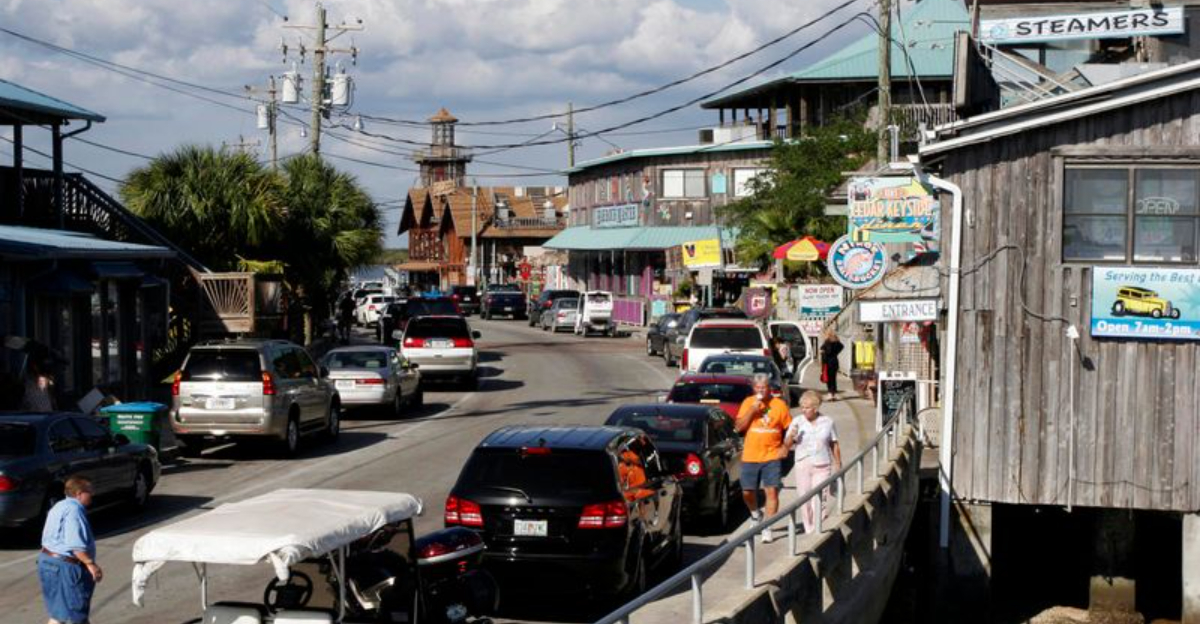
Cedar Key sits on a cluster of islands off Florida’s Gulf Coast, where the pace feels like it belongs to another era. This Old Florida gem has no chain restaurants, no high-rises, and no crowds rushing anywhere. Instead, you’ll find weathered docks, art galleries tucked into historic buildings, and locals who actually wave as you pass by.
It’s the kind of place where watching the sunset becomes the evening’s main event, and that’s exactly how it should be.
1. Downtown Historic District Feels Like Time Travel
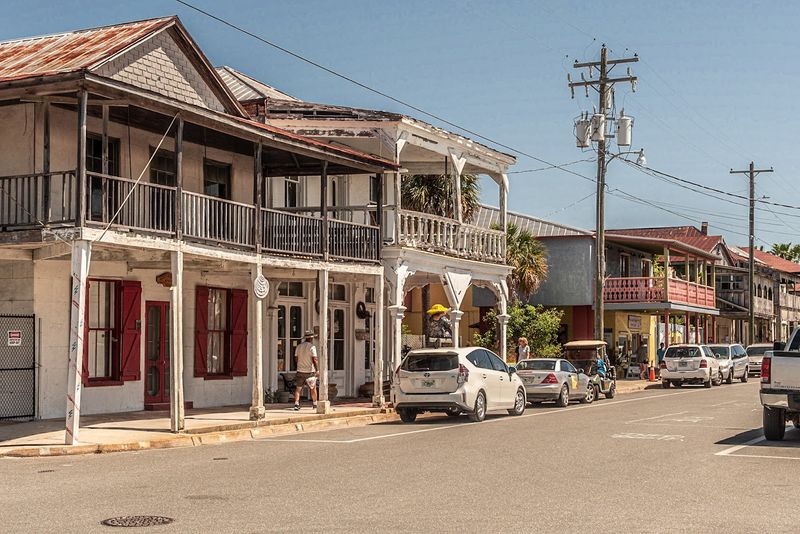
Walking through Cedar Key’s downtown takes you straight back to Old Florida. The wooden storefronts date back over a century, and many still have their original character intact. You won’t find any corporate logos here, just hand-painted signs and buildings that lean slightly with age and charm.
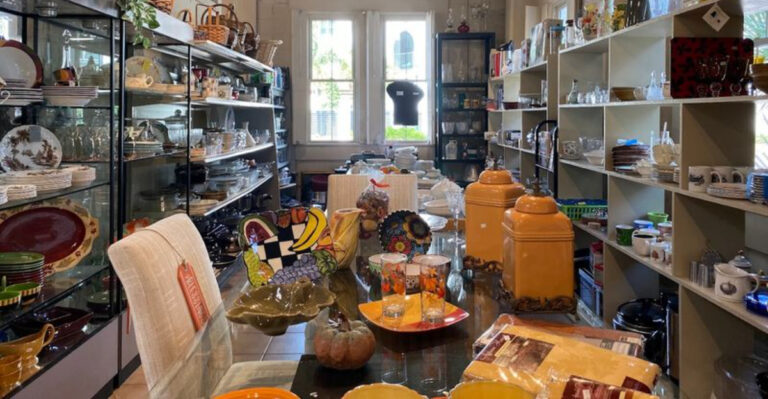
Local artists have claimed many of these historic spaces as galleries and studios. You can watch painters work on canvases inspired by the surrounding waters, or browse handmade jewelry crafted from shells found on nearby beaches. The shops sell everything from vintage nautical gear to fresh-baked key lime pie.
Second Street runs along the waterfront and serves as the town’s main drag. Wooden boardwalks connect the shops, and benches face the water so you can rest and watch fishing boats come and go. The whole stretch is only a few blocks long, which means you can explore everything on foot without breaking a sweat.
Early mornings bring a special quiet to these streets. Shopkeepers sweep their storefronts while pelicans perch on pilings, and the smell of coffee drifts from the few cafes that open before dawn. It’s the perfect time to wander and pretend you’ve got nowhere else to be.
2. Cedar Key National Wildlife Refuge Protects Island Wilderness
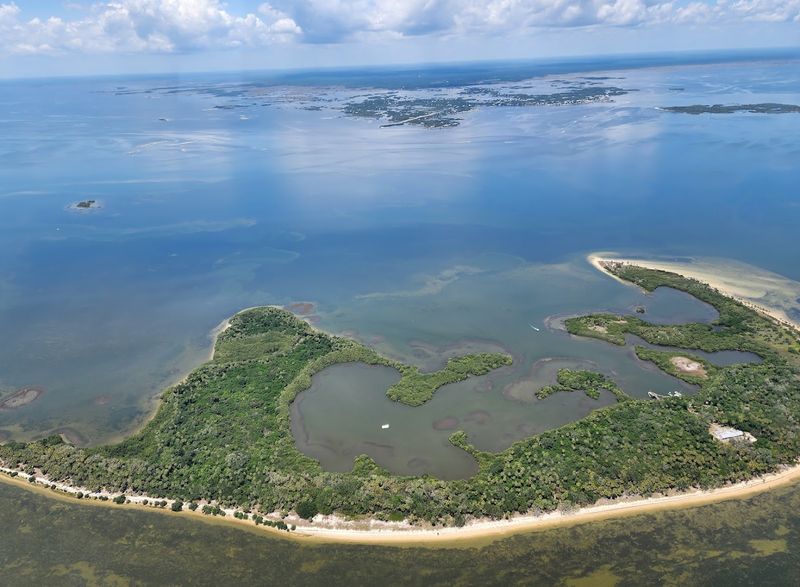
Thirteen small islands make up this wildlife refuge, and they’re off-limits to people for most of the year. That’s because they serve as crucial nesting grounds for birds like herons, egrets, and pelicans. During nesting season, the islands become noisy nurseries where thousands of birds raise their young away from predators.
You can kayak around the refuge boundaries and watch the action from a respectful distance. The shallow waters surrounding these islands glow turquoise in the sunlight, and you’ll likely spot dolphins cruising past. Manatees also frequent these areas, especially during cooler months when they seek out warm springs.
Seahorse Key, the largest island in the refuge, opens to visitors only on select weekends during fall and winter. A historic lighthouse built in 1854 still stands on the island’s highest point, though it’s no longer operational. The hike to the top rewards you with views across the entire island chain.
Rangers lead guided tours when the island opens, sharing stories about the lighthouse keepers who once lived in isolation here. The surrounding waters are so clear you can see rays gliding over the sandy bottom. Pack binoculars because the birdwatching opportunities are exceptional year-round.
3. Fresh-Caught Clams Define Local Cuisine
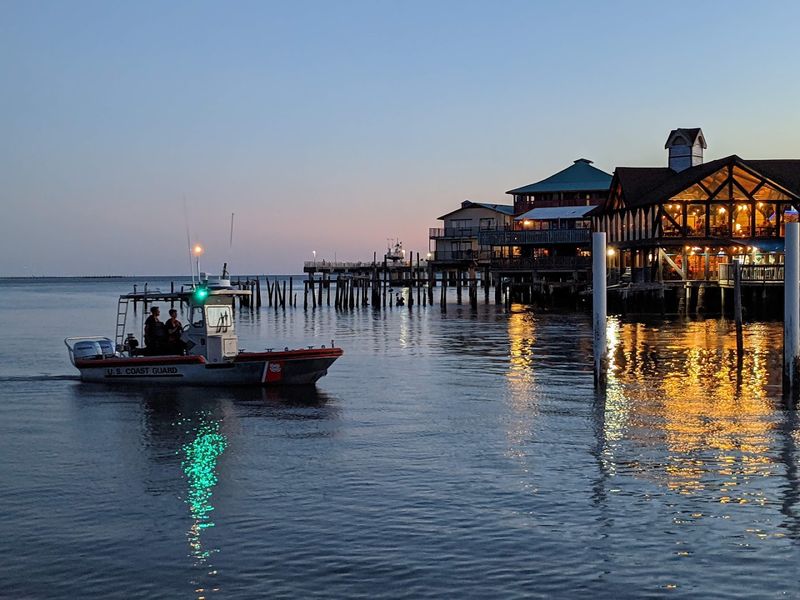
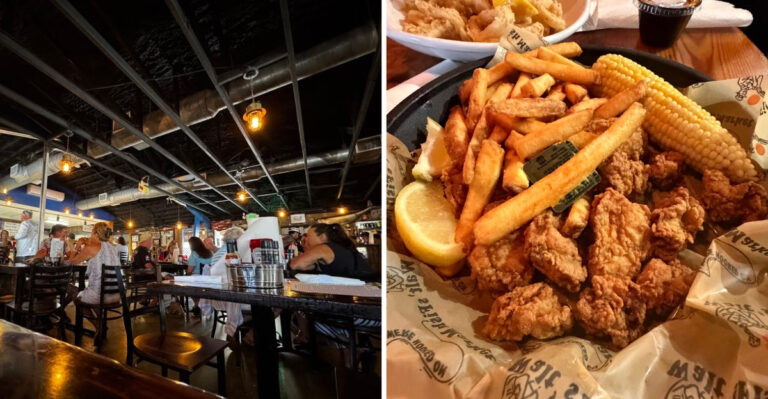
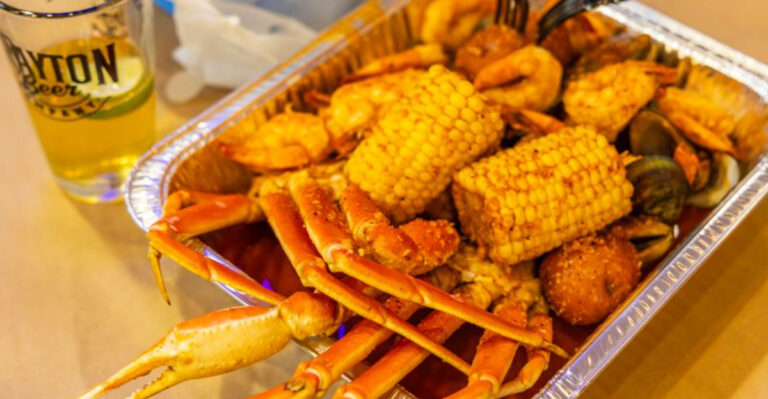
Cedar Key built its reputation on clams, and the local waters still produce some of the sweetest, most tender shellfish you’ll ever taste. Commercial clamming remains a major industry here, with boats heading out daily to harvest from the shallow grass flats. Most restaurants receive deliveries straight from the docks each morning.
You’ll find clams prepared every possible way. Some places serve them raw on the half shell with hot sauce and lemon. Others steam them in white wine and garlic until they pop open.
The most popular preparation might be fried, where they’re breaded and dropped into hot oil until golden and crispy.
The annual Cedar Key Seafood Festival celebrates this heritage each October. Thousands of visitors descend on the tiny town to sample clam chowder, clam fritters, and clam cakes from competing vendors. Local cooks guard their recipes closely, though butter and Old Bay seasoning seem to be universal ingredients.
Several waterfront restaurants let you watch clammers unload their catch while you eat. The boats pull up to docks, and crew members shovel bushels of clams onto sorting tables. It doesn’t get much fresher than watching your dinner come off the boat just minutes before it hits your plate.
4. Sunset Watching Becomes The Main Event
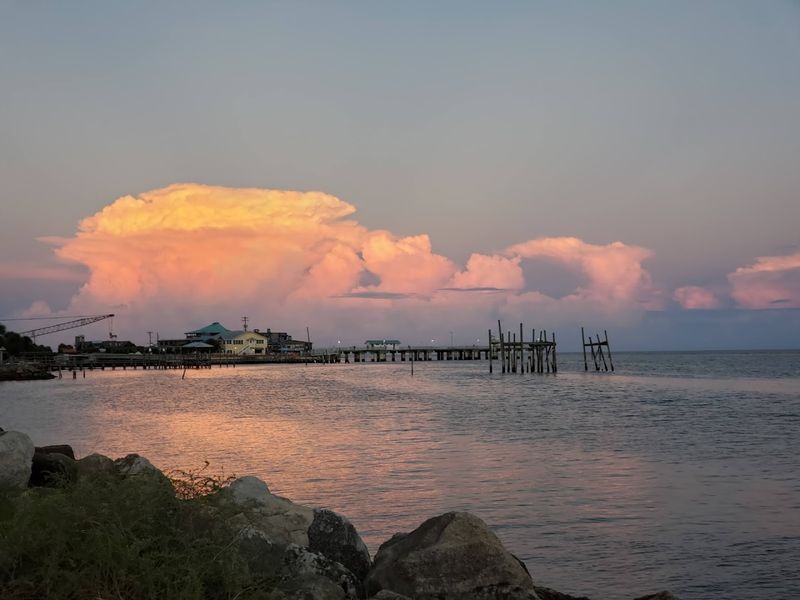
Every evening around dusk, something magical happens in Cedar Key. People stop whatever they’re doing and turn toward the western horizon. The sky transforms into shades of orange, pink, and purple that reflect off the still Gulf waters, creating a mirror effect that seems almost unreal.
City Park offers the best viewing spot, with a long pier that extends into the water. Locals and visitors gather here with cameras, coolers, and folding chairs. Some bring guitars and play soft music while the sun sinks lower.
Nobody rushes because there’s an unspoken understanding that this moment deserves your full attention.
The sunsets look different every single night depending on cloud cover and humidity. Some evenings deliver dramatic displays with rays shooting through clouds. Other nights offer subtle gradients that fade slowly from day to night.
Dolphins often surface during this hour, their fins catching the golden light.
After the sun disappears, most people linger for the afterglow. The sky continues changing colors for another twenty minutes, and stars begin appearing one by one. It’s common to hear spontaneous applause when a particularly spectacular sunset finishes its show, a tradition that perfectly captures the town’s appreciation for simple beauty.
5. Cedar Key Museum State Park Preserves Island History
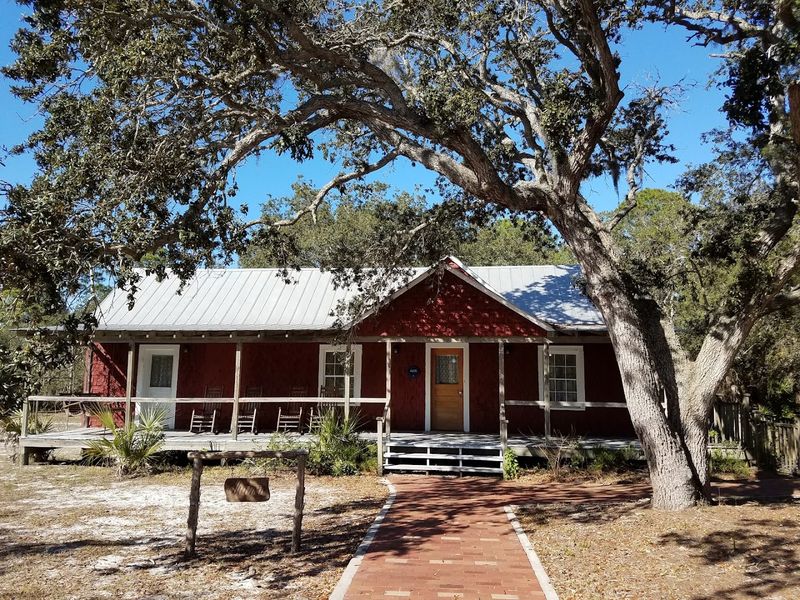
This small state park sits on a shell mound built up over thousands of years by Native Americans who harvested shellfish here. The museum building itself started as the home of St. Clair Whitman, who collected thousands of seashells and other natural specimens in the 1920s. His collections still fill display cases throughout the house.
Walking through the rooms feels like visiting a eccentric relative’s cluttered mansion. Glass cases contain everything from Civil War artifacts to taxidermied birds to ancient pottery shards. Whitman was particularly obsessed with shells, and he organized them by species with handwritten labels that have yellowed with age.
Behind the museum, a short nature trail loops through coastal hammock habitat. Live oaks draped in Spanish moss create deep shade, and the air smells like salt and earth. Interpretive signs explain how different Native American groups used this area as a seasonal camp for harvesting oysters and clams.
The park hosts special events throughout the year, including guided moonlight walks and historical presentations. Rangers share stories about Cedar Key’s boom years during the 1800s when it was one of Florida’s largest ports. The town shipped pencil cedar, seafood, and turpentine to ports around the world before hurricanes and economic changes reduced it to the quiet village it is today.
6. Kayaking Through Mangrove Tunnels Reveals Hidden Wildlife
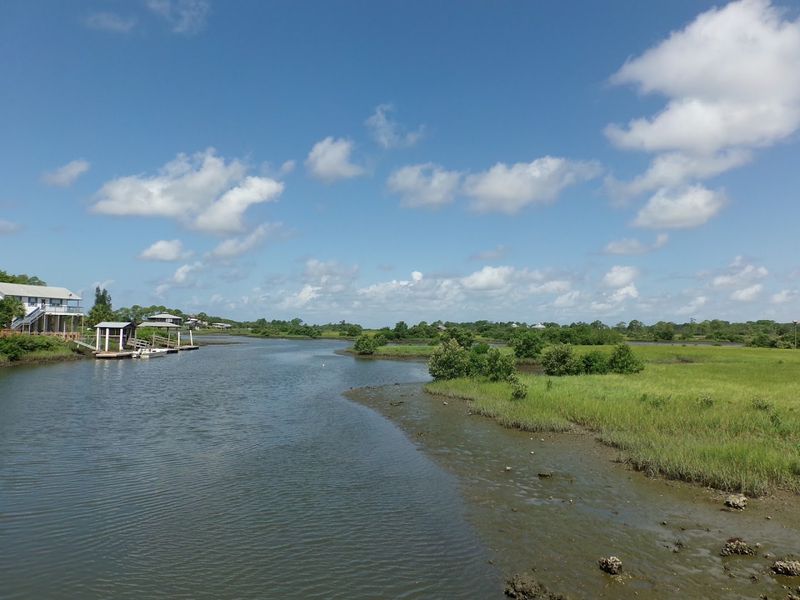
The waters around Cedar Key hide an intricate maze of channels winding through mangrove islands. These natural tunnels form where mangrove branches arch overhead, creating shaded passageways that feel like secret routes only locals know. The water inside stays calm and clear, perfect for spotting marine life below your kayak.
Renting a kayak takes about five minutes, and most outfitters provide basic maps showing popular routes. The mangrove tunnels vary in width, with some barely wide enough to paddle through without branches brushing your shoulders. Others open into small lagoons where you can stop and float while watching for wildlife.
Fish scatter in silver flashes as your paddle dips into the water. Herons stand motionless in the shallows, waiting to spear unsuspecting prey. If you move quietly, you might spot a manatee’s snout breaking the surface for air, or an osprey diving from above to snatch a fish.
The longest tunnel routes take two to three hours to complete, winding through uninhabited islands where the only sounds come from birds and water lapping against roots. Bring water and sunscreen because the sun reflects intensely off the water. Low tide reveals oyster beds and allows you to beach your kayak on sandy spots for a rest.
7. Local Artists Create Island-Inspired Work
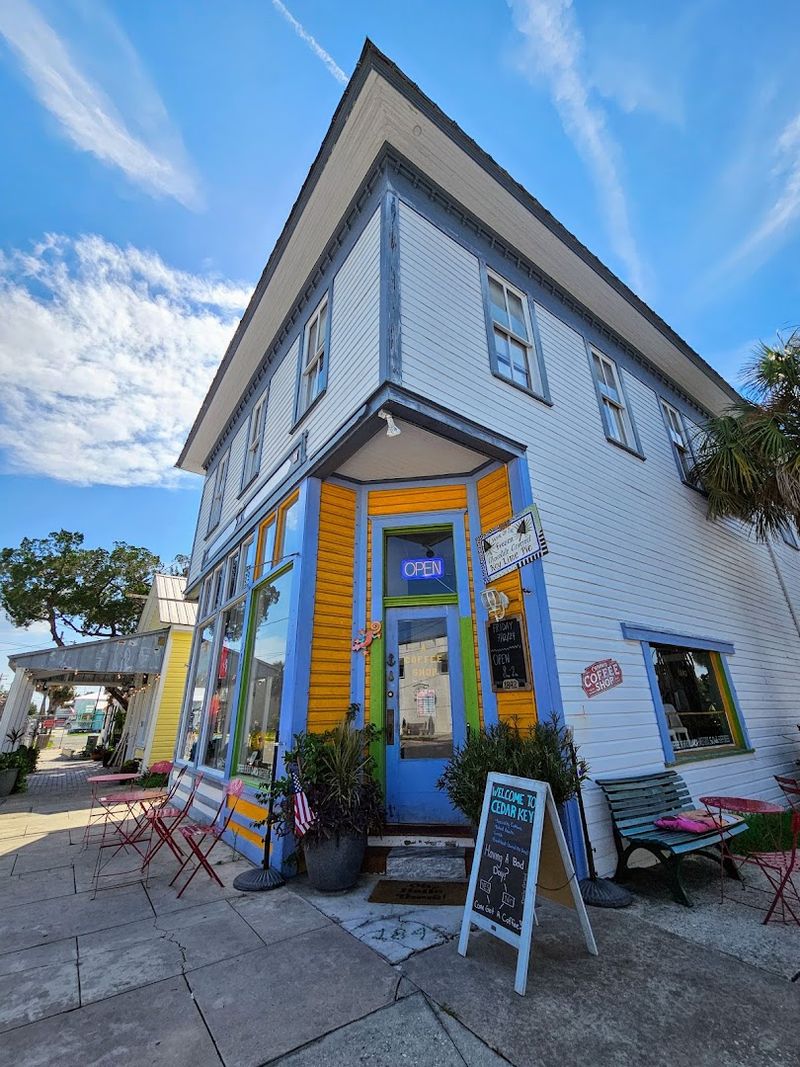
Something about Cedar Key’s isolation attracts creative people. The town has more artists per capita than almost anywhere else in Florida, and their work reflects the surrounding landscape. Galleries line the historic downtown blocks, each one featuring paintings, sculptures, and crafts that capture the island’s character.
Many artists live and work in the same buildings where they display their art. You can watch them paint or sculpt through open studio doors, and most welcome questions about their process. The subject matter tends toward coastal themes: weathered boats, wading birds, stormy Gulf waters, and sun-bleached shells.
The Cedar Keyhole Artist Co-op represents over forty local artists in one space. You’ll find everything from realistic watercolors to abstract metal sculptures to handwoven baskets made from local grasses. Prices range from affordable postcards to serious investment pieces, but even browsing costs nothing and provides a window into how residents see their home.
Several times a year, the town hosts gallery walks where studios stay open late and serve wine and snacks. Artists demonstrate techniques and discuss their inspiration. These events draw visitors from across the state, but they maintain an intimate feel because the whole downtown is so compact you can visit every gallery in a single evening.
8. No Chain Stores Mean Authentic Local Character
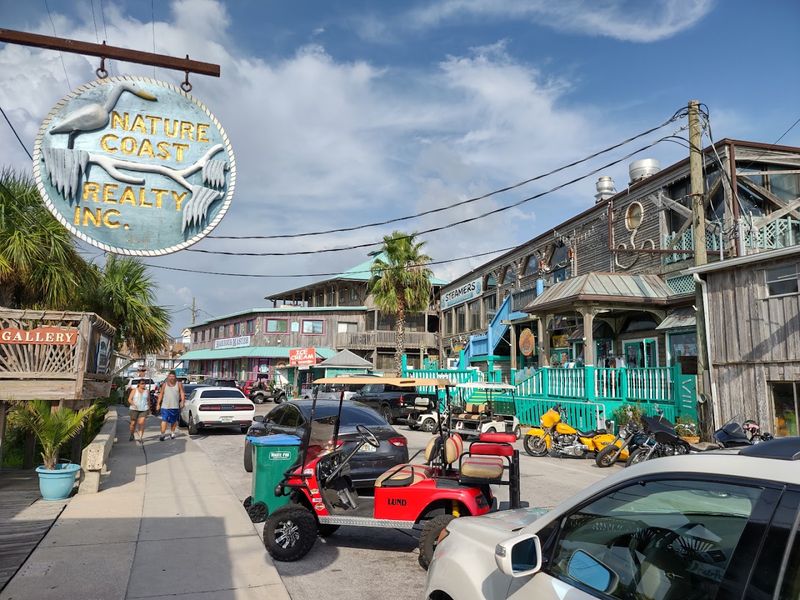
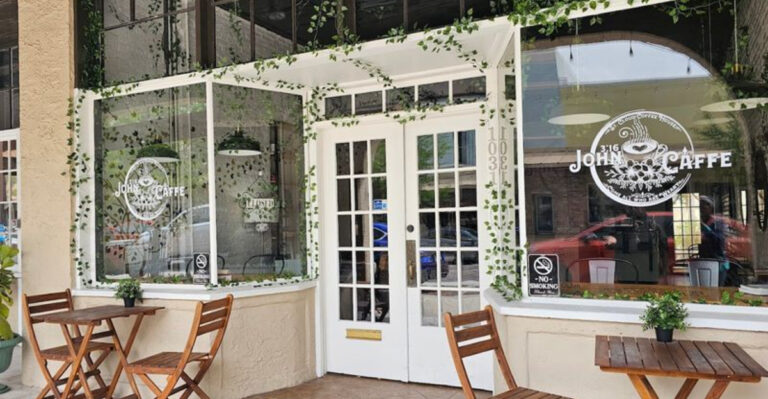
You won’t find a single McDonald’s, Starbucks, or Walmart in Cedar Key. The town has resisted chain development for decades, preserving a authenticity that’s increasingly rare in Florida. Every restaurant, shop, and hotel is locally owned, which means your money stays in the community and supports actual residents.
This independence shows in unexpected ways. Menus feature family recipes rather than corporate standards. Shop owners remember repeat customers and their preferences.
The hardware store owner might close early if the fishing is good, and nobody complains because everyone understands priorities here.
The lack of chains also means things operate on island time. Restaurants might run out of menu items if the catch was small that day. Shops close when the owner decides, not according to corporate schedules.
This unpredictability frustrates some visitors, but most find it refreshing after dealing with homogenized experiences everywhere else.
Walking through town, you notice how businesses reflect individual personalities rather than brand guidelines. One ice cream shop occupies a converted house with mismatched furniture on the porch. A bookstore sells used paperbacks alongside fishing lures and handmade soaps.
Nothing matches, nothing looks corporate, and everything feels genuine. It’s the kind of place where people still shake hands on deals and your word means something.