Florida’s Most Charming Waterfront Town May Be the One Nobody Talks About
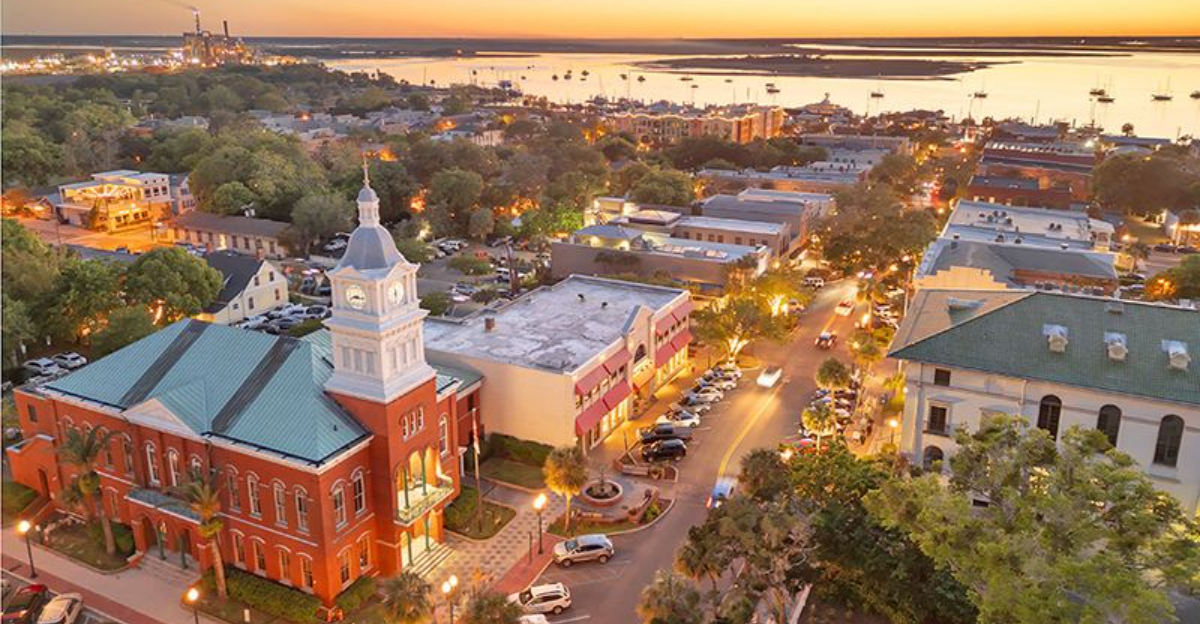
Tucked away on the southern end of Amelia Island, there’s a quiet waterfront gem that most travelers drive right past without a second glance. Amelia City may not have the flashy resorts or crowded beaches that define much of Florida’s coast, but that’s exactly what makes it special. This unincorporated community along the Amelia River offers an authentic slice of Old Florida that feels worlds away from the tourist traps, where fishing boats outnumber jet skis and locals still wave from their porches.
1. A Working Waterfront That Hasn’t Changed Much
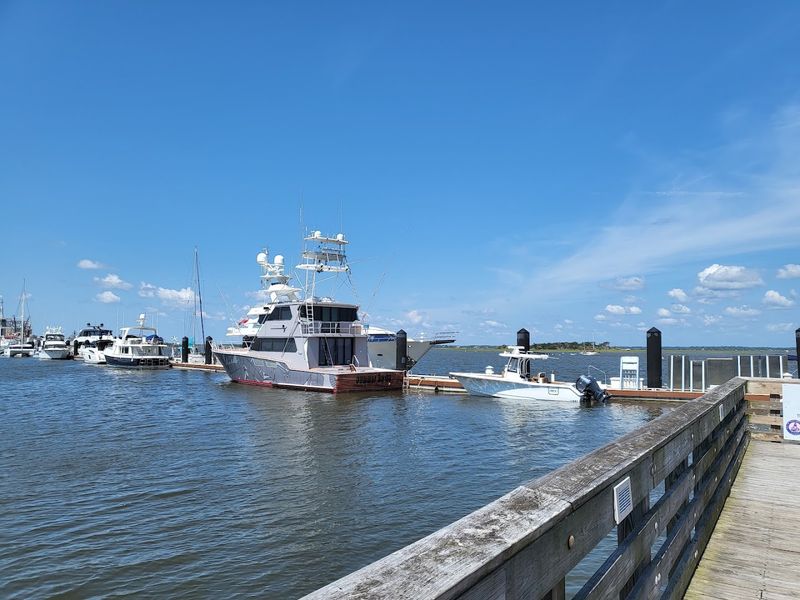
Walk along the Amelia River here and you’ll see something rare in modern Florida: a waterfront that still earns its keep. Commercial fishing boats tie up at weathered docks where shrimpers have worked for generations. The smell of salt and diesel hangs in the air, mixed with the cries of seabirds following the day’s catch.
This isn’t a recreated maritime village or a theme park version of coastal life. Real fishermen still head out before dawn to trawl these waters. Their boats return loaded with shrimp, blue crab, and whatever else the Atlantic decided to share that day.
You can often buy seafood straight off the boat if you know when to show up.
The docks themselves tell stories through their sun-bleached wood and rusted cleats. Some have stood here since the 1950s, patched and repaired but never replaced. Local families maintain these working piers, passing down knowledge about tides, weather patterns, and the best spots to drop nets.
Unlike Fernandina Beach just up the road, Amelia City hasn’t traded its maritime heritage for boutique hotels. The community values function over polish, which gives the waterfront an authenticity that’s increasingly hard to find along Florida’s developed coastline.
2. A1A Views Without the Tourist Crowds
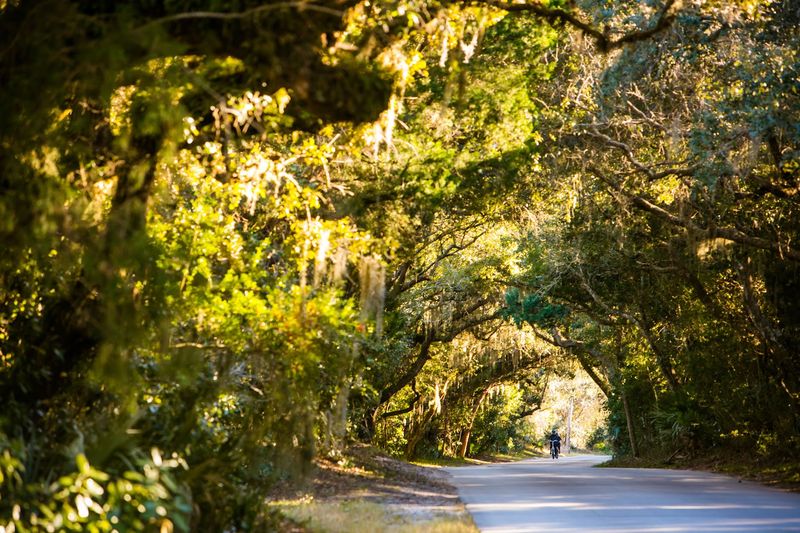
State Road A1A cuts right through Amelia City, offering some of the prettiest coastal scenery in Nassau County. But here’s the thing most people miss: this stretch doesn’t look like the A1A you see in postcards. Instead of high-rises and beach shops, you get salt marshes, live oaks draped in Spanish moss, and glimpses of the Amelia River winding through the landscape.
The road feels more like a country lane than a coastal highway. Drivers actually go the speed limit here because there’s nowhere urgent to be. You might spot a great blue heron fishing in the shallows or a family of deer crossing near dusk.
What makes this section special is what’s missing. No billboards screaming about mini-golf or all-you-can-eat seafood buffets. No traffic backed up for miles because everyone’s trying to reach the same crowded beach.
Just a quiet two-lane road connecting small communities that haven’t changed much in decades.
Pull off at one of the informal viewing spots and you’ll have the view mostly to yourself. Locals know these places, but tourists racing toward Fernandina Beach or Jacksonville rarely stop. That oversight is Amelia City’s gain, keeping this part of A1A peaceful and unspoiled.
3. Marshlands That Feel Like Stepping Back in Time
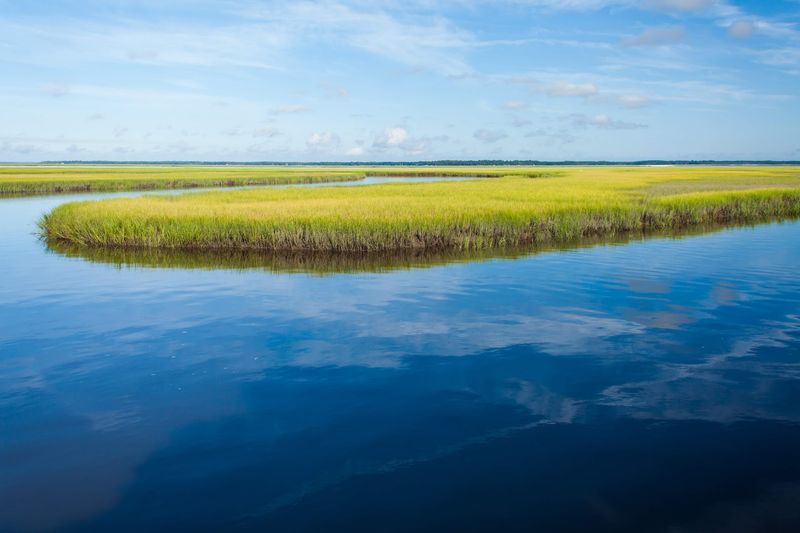
The salt marshes surrounding Amelia City stretch for miles, creating a landscape that looks much like it did centuries ago. These tidal wetlands pulse with life, flooding twice daily as the Atlantic’s rhythm pushes water inland through countless creeks and channels. Stand still long enough and you’ll see fiddler crabs scuttling across mud flats, their oversized claws waving like they’re conducting an invisible orchestra.
Cordgrass dominates the marsh, turning golden in fall and creating waves of color that shift with every breeze. These aren’t just pretty plants—they’re the foundation of an entire ecosystem. Small fish hide among their roots during high tide, which attracts bigger fish, which brings birds, and so the cycle continues.
Unlike developed areas where marshes get drained or filled, Amelia City’s wetlands remain largely untouched. No boardwalks with interpretive signs, no guided tours, just raw nature doing what it’s done forever. You can explore on your own if you have a kayak or canoe, paddling through narrow channels where the only sounds are water lapping and wind rustling through grass.
These marshes also protect the community during storms, absorbing wave energy and buffering against flooding. Locals understand their value beyond beauty—they’re nature’s insurance policy against hurricanes.
4. Old Florida Homes With Stories to Tell
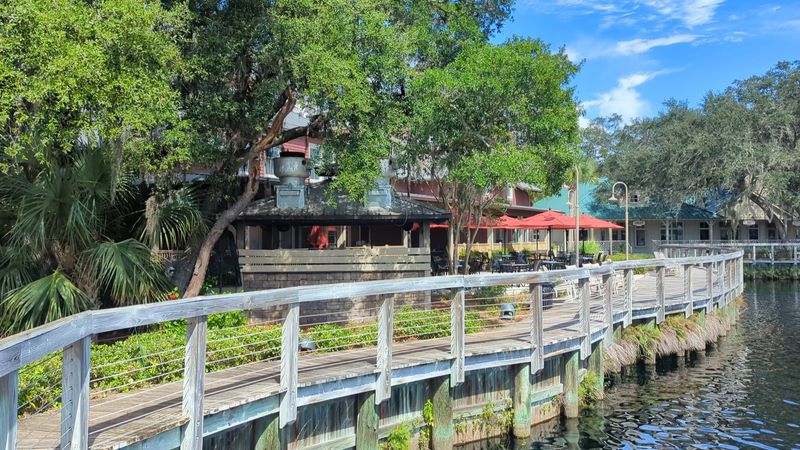
Amelia City’s residential streets showcase a style of Florida architecture that’s quickly vanishing. These aren’t McMansions or cookie-cutter subdivisions—they’re modest wooden homes built when craftsmanship mattered more than square footage. Many sit on raised foundations to avoid flooding, with deep porches designed to catch every breeze back before air conditioning arrived.
Tin roofs ping when rain falls, creating music that locals find comforting. Wide eaves provide shade during brutal summer afternoons. Windows align to create cross-ventilation, pulling cooler air through rooms naturally.
These houses were engineered for Florida’s climate using common sense rather than technology.
Some properties have been in the same families for three or four generations. Grandchildren play in yards where their grandparents once played, climbing the same oak trees and fishing from the same docks. This continuity creates a sense of place that new developments can never replicate.
The homes aren’t fancy, but they’re genuine. Paint might be peeling on a few, and some could use new screens, but they possess character that vinyl-sided tract homes lack. Each one has weathered countless hurricanes and hot summers, earning its place in this landscape through sheer survival.
5. A Community Where Neighbors Actually Know Each Other
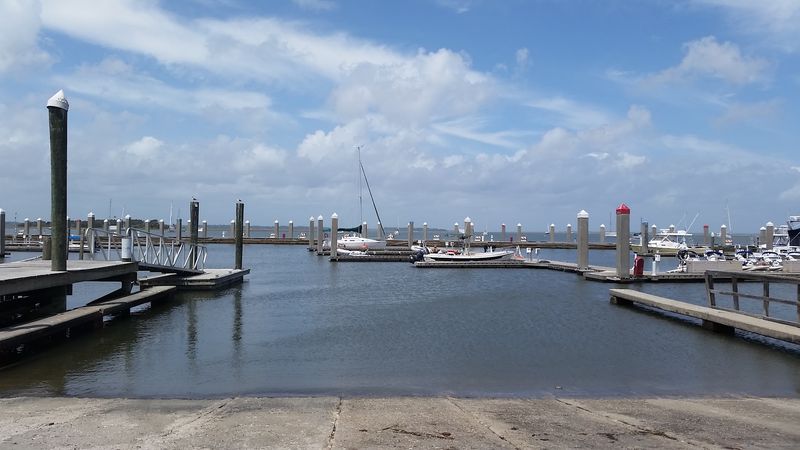
Something unusual happens in Amelia City that’s become rare in modern Florida: people know their neighbors’ names. Not just the folks next door, but families three streets over and the couple who lives near the boat ramp. This isn’t forced friendliness or small-talk politeness—it’s genuine connection built over years of shared experience.
Kids still ride bikes to friends’ houses without parents hovering nervously. Residents leave their doors unlocked when running quick errands. If someone’s sick or struggling, word spreads quickly and help arrives without anyone needing to ask.
These aren’t Norman Rockwell fantasies; they’re daily realities in a community small enough that people matter to each other.
The lack of commercial development actually strengthens these bonds. Without shopping centers or entertainment complexes, people create their own social fabric. They gather at the boat ramp to swap fishing stories, organize informal cookouts, and help each other with boat repairs or yard projects.
Newcomers sometimes find this closeness intimidating at first. Privacy exists differently here than in anonymous subdivisions. But most who stay eventually appreciate living somewhere people notice if you’re gone too long or if something seems wrong.
That kind of looking-out-for-each-other creates safety that no security system can match.
6. Wildlife Encounters That Don’t Require a Zoo
Living in Amelia City means sharing space with wildlife that most Floridians only see on nature documentaries. Dolphins regularly cruise the Amelia River, sometimes close enough to shore that you can hear them breathe. They’re not performing for tourists or being fed by handlers—they’re just hunting fish and living their lives in waters clean enough to support them.
Manatees show up when water temperatures drop, seeking the river’s slightly warmer pockets. These gentle giants surface near docks, their whiskered faces breaking the water like curious puppies. Watching them is free entertainment that never gets old, especially when mothers swim with calves tucked close to their sides.
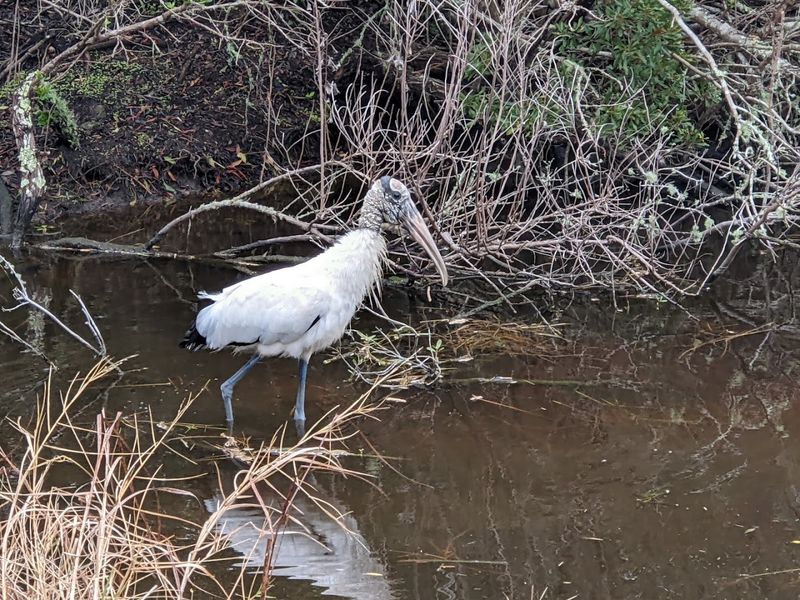
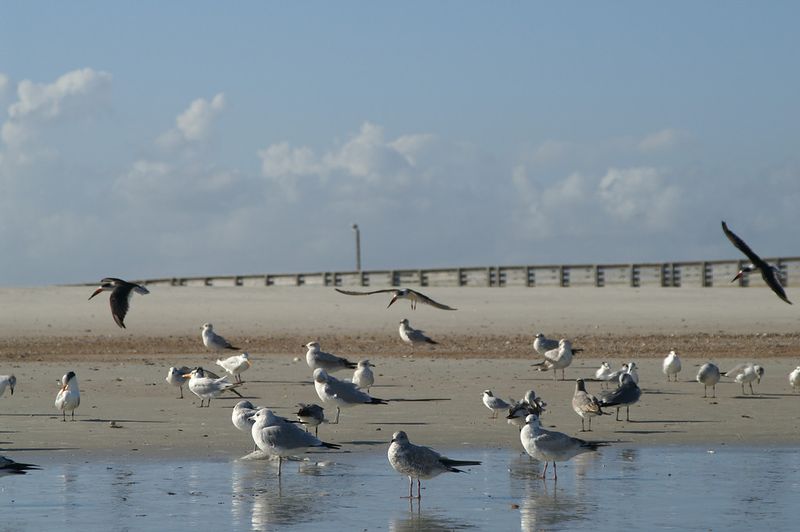
The marshes host an incredible variety of birds. Roseate spoonbills sweep their unusual bills through shallow water. Wood storks wade on stick-thin legs, looking prehistoric and elegant simultaneously.
Ospreys build massive nests atop channel markers and dead trees, raising chicks that eventually soar over the same waters their parents fish.
Even land-based wildlife thrives here. Bobcats slip through palmetto thickets at dawn. Gopher tortoises dig burrows in sandy soil.
Armadillos root through leaves after dark, making far more noise than their size would suggest. This abundance exists because development hasn’t squeezed out habitat—there’s still room for wild things to be wild.
7. Fishing Spots That Locals Guard Like Secrets
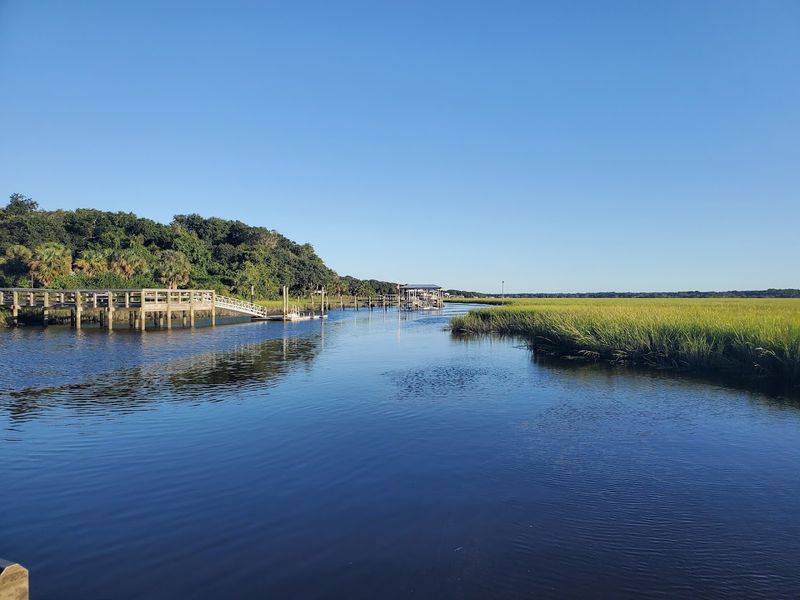
Ask an Amelia City resident about good fishing spots and watch them get vague real quick. Not because they’re unfriendly, but because these waters still produce catches worth protecting. The Amelia River and surrounding creeks hold redfish, speckled trout, flounder, and sheepshead in numbers that would make charter captains jealous.
Locals know which docks produce during which tides. They understand how moon phases affect fish behavior and where currents create ambush points that predators use. This knowledge gets passed down through families rather than posted on social media, keeping pressure low and fishing quality high.
You don’t need expensive gear or a fancy boat to catch fish here. Plenty of folks work shorelines with simple spinning rods, tossing live shrimp under docks or bouncing jigs along oyster bars. The fish don’t care about your equipment—they care about presentation and timing, things that experience teaches better than any YouTube video.
What makes fishing here special isn’t just the catches, though those can be impressive. It’s the setting—casting lines as the sun rises over marshes, with only bird calls and water sounds for company. No jet skis buzzing past, no crowds competing for the same spot.
Just you, the fish, and a landscape that feels timeless.
8. The Quiet That Modern Florida Forgot
The most striking thing about Amelia City isn’t something you see—it’s something you don’t hear. Real quiet exists here, the kind where you notice individual sounds rather than constant background noise. Wind moving through pine trees.
Water lapping against dock pilings. A mockingbird running through its repertoire at three in the morning because it feels like it.
No traffic roar competes with these natural sounds. No leaf blowers scream at dawn because landscaping crews aren’t maintaining HOA-mandated perfection. No outdoor speakers pump music into every public space.
The community hasn’t confused noise with vitality, understanding that silence has its own value.
This quietness affects how people live. Conversations happen at normal volume because there’s nothing to shout over. Kids play outside without competing against television noise bleeding through windows.
Evenings feel genuinely peaceful rather than just less hectic than daytime.
Visitors from busier parts of Florida sometimes find the quiet unsettling at first. They’re so accustomed to constant stimulation that its absence feels wrong. But spend a few days here and your nervous system starts remembering what calm actually feels like.
You sleep deeper. Your thoughts slow down. The tight knot of stress you didn’t know you were carrying begins to loosen.