Dinosaurs And Historic Ruins Make This Port Orange Garden Unlike Anywhere Else

Hidden away in a quiet Port Orange neighborhood sits one of Florida’s most unexpected treasures. Dunlawton Sugar Mill Gardens combines centuries-old plantation ruins with playful concrete dinosaurs from the 1950s, creating a blend of history and whimsy you won’t find anywhere else. Run entirely by volunteers and free to visit, this botanical wonderland offers themed gardens, shaded trails, and enough surprises to keep every age group entertained for hours.
1. The Historic Sugar Mill Ruins Tell Stories From 1830
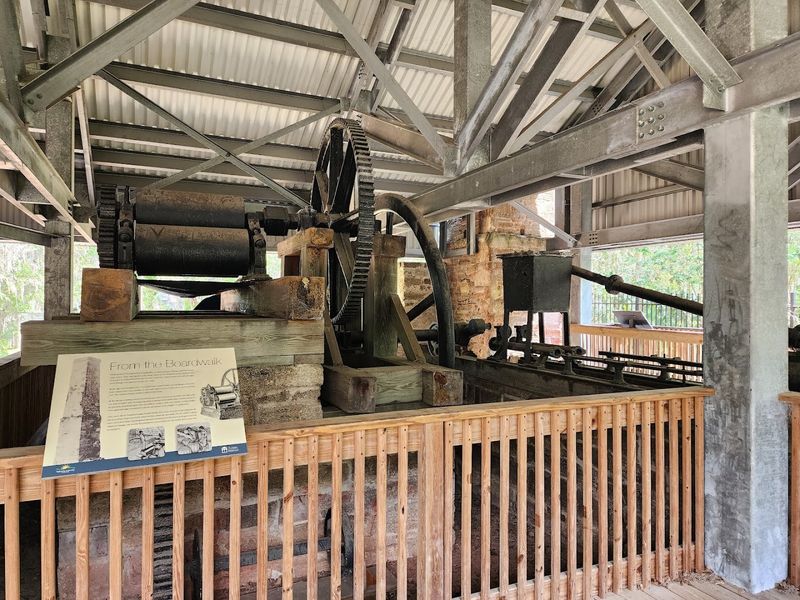
Walking up to the preserved sugar mill feels like stepping back nearly 200 years. The ruins date to the 1830s when Florida was still a frontier territory, and the Dunlawton Plantation processed sugarcane into molasses and sugar. The original stone structures stand protected under a modern enclosure, allowing you to examine the machinery and architecture without weather damage obscuring the details.
Informative signs throughout the site explain how the mill operated and what daily life looked like for those who worked here. You can see the massive grinding wheels, boiling kettles, and other equipment that turned raw cane into refined sugar. The preservation work is exceptional, especially considering this entire experience costs visitors nothing.
History buffs appreciate the serious attention to accuracy and context provided at each interpretive station. The volunteers have researched extensively to present an honest picture of plantation life, including the difficult realities alongside the technological achievements. Kids find the giant machinery fascinating, even if they don’t fully grasp the historical significance yet.
Photography opportunities abound here, with dramatic shadows playing across ancient stonework and tropical plants framing the weathered structures. The ruins anchor the entire garden experience, reminding visitors that this beautiful space carries deep Florida history within its borders.
2. Concrete Dinosaurs From The 1950s Roam The Gardens
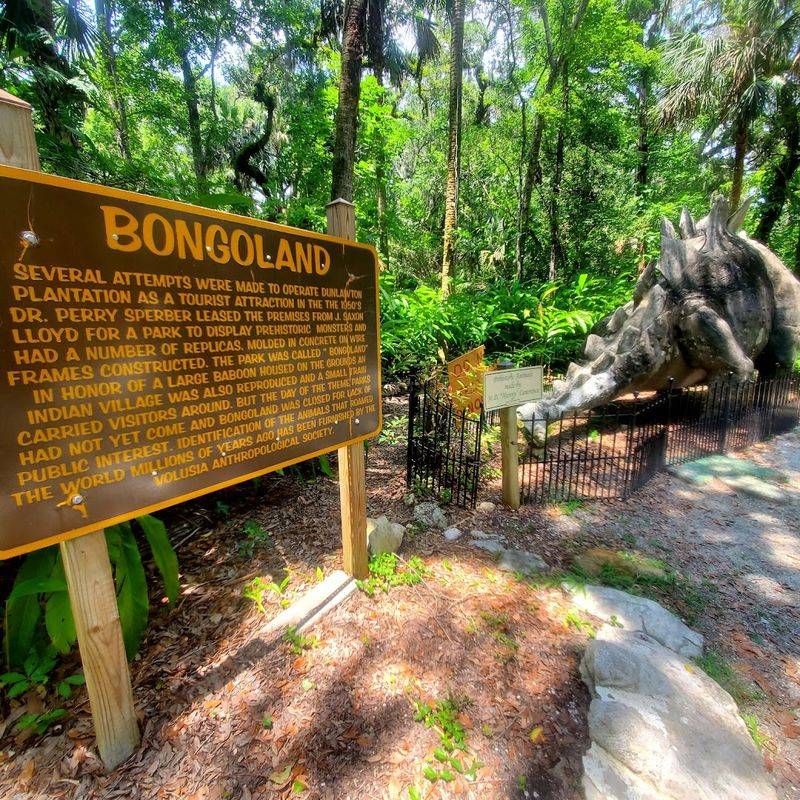
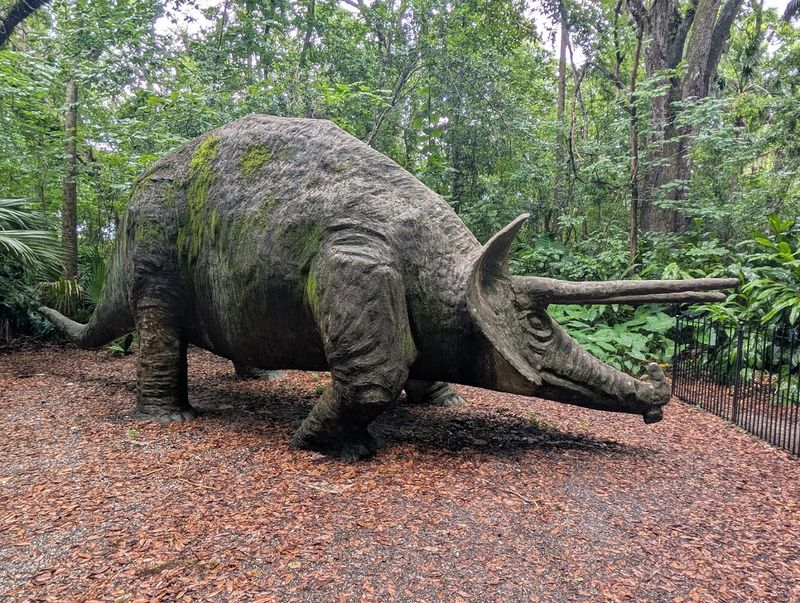
Scattered throughout the pathways, you’ll encounter something completely unexpected: full-sized concrete dinosaurs that have stood here since the 1950s. These aren’t modern additions or recently installed attractions. They’re vintage relics from an earlier attempt to create a roadside dinosaur park, now preserved as beloved quirky landmarks within the botanical gardens.
The dinosaurs remain in excellent condition despite their age, a testament to both Florida concrete and dedicated volunteer maintenance. Kids absolutely lose their minds when they round a corner and come face-to-face with a towering T-Rex or stumble upon a triceratops hiding among the ferns. Parents love them too, often remembering similar roadside attractions from their own childhoods.
Each dinosaur has its own personality based on its placement within the gardens. Some peek out from dense foliage like they’re hunting, while others stand proudly in open clearings as photo-op centerpieces. The juxtaposition of prehistoric creatures against actual prehistoric sugar mill ruins creates an amusing timeline collision that somehow works perfectly.
Visitors often leave painted rocks or small toys near the dinosaurs, creating an evolving folk art installation that changes with each visit. The dinosaurs have become unofficial mascots for the gardens, appearing in countless family photos and local memories spanning multiple generations.
3. Meticulously Labeled Theme Gardens Offer Living Lessons
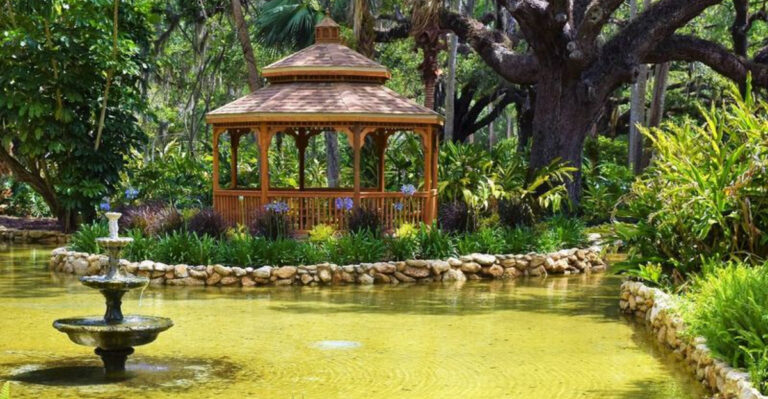
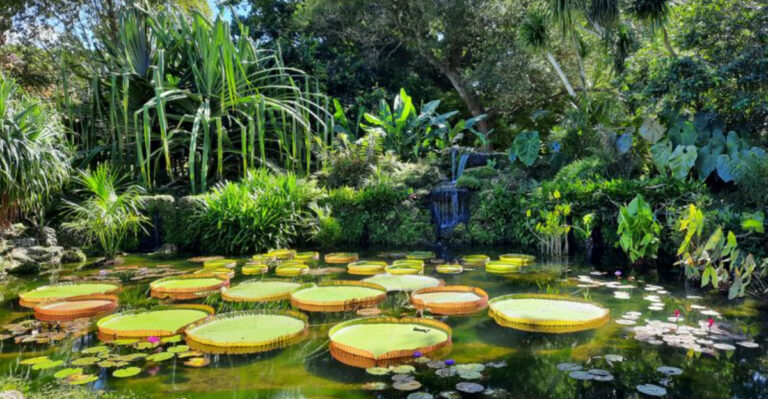
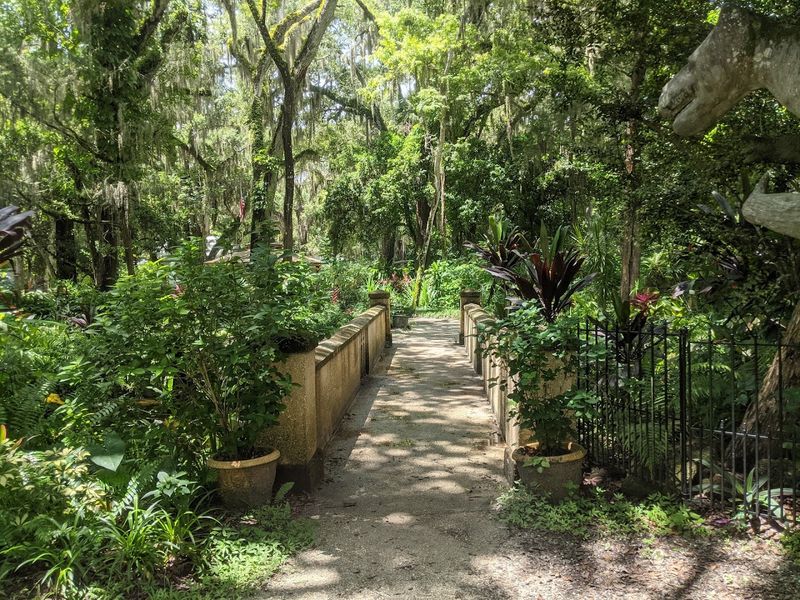
Professional botanical gardens charge hefty admission fees for the kind of plant collection and labeling system you’ll find here completely free. The volunteers have organized the grounds into distinct themed sections including native Florida plants, herb gardens, butterfly gardens, and flowering beds that change with the seasons. Every plant carries a label identifying its common name, scientific name, and often growing tips.
Garden enthusiasts walk away with mental notes about which species thrive in Central Florida’s climate and soil. The native plant section proves especially valuable for homeowners looking to create low-maintenance, environmentally friendly landscapes. You’ll discover beautiful options you never knew existed, many available for purchase at the small donation-based plant sale area.
The layout encourages exploration rather than following a single prescribed path. You might wander through the Florida hammock one moment, then discover yourself in an Asian-inspired garden the next. Each themed area maintains its own character while flowing naturally into neighboring sections.
Seasonal changes dramatically alter the garden’s appearance, rewarding repeat visitors with completely different experiences throughout the year. What blooms brilliantly in spring gives way to summer’s lush greenery, then fall’s subtle color shifts. The labeling helps you understand what you’re seeing and plan your own garden accordingly, making this both an aesthetic and educational experience.
4. Crushed Shell Pathways Wind Through Shaded Canopies
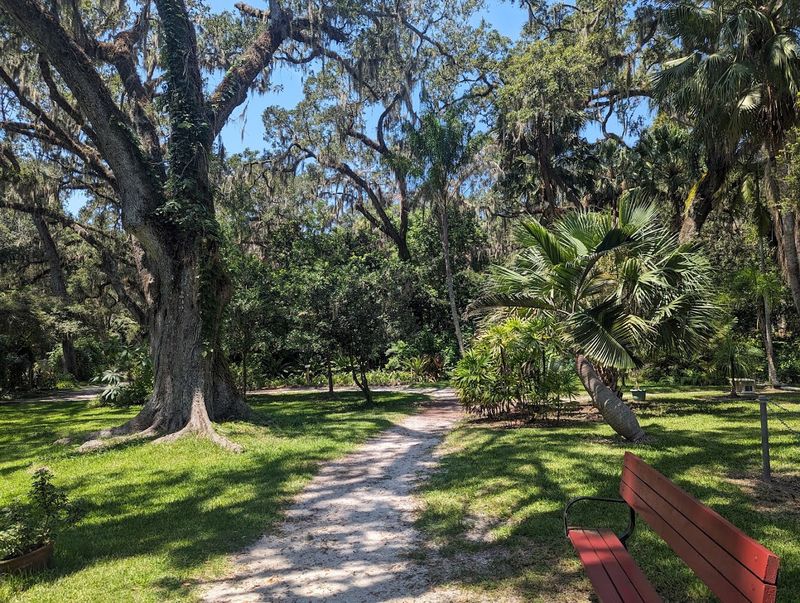
Florida heat can make outdoor exploration miserable, but Dunlawton’s designers understood the assignment. Mature trees create a nearly continuous canopy over most pathways, providing blessed shade even during brutal summer afternoons. The crushed shell paths stay relatively cool underfoot and offer better drainage than pavement, meaning you can visit shortly after rain without slogging through mud.
The pathways vary in length and difficulty, accommodating everyone from wheelchair users to serious hikers. Some routes loop back to the entrance within ten minutes, perfect for families with small children or visitors with limited mobility. Other trails wind deeper into the property, leading to hidden gardens and quiet benches where you can sit surrounded by nature despite being in a residential neighborhood.
Uneven terrain on certain paths gets clearly marked, allowing visitors to choose routes matching their physical abilities. The volunteer-created maps available at the entrance help you plan your walk based on what you want to see and how far you want to travel. Most people spend about an hour exploring, though plant lovers and photographers easily lose track of time.
The shell paths also create a pleasant crunching sound as you walk, adding to the sensory experience. Combined with bird calls, rustling leaves, and the occasional glimpse of resident cats, the soundscape feels worlds away from nearby traffic and suburban development.
5. A Hidden Chapel Hosts Weddings Amid The Greenery
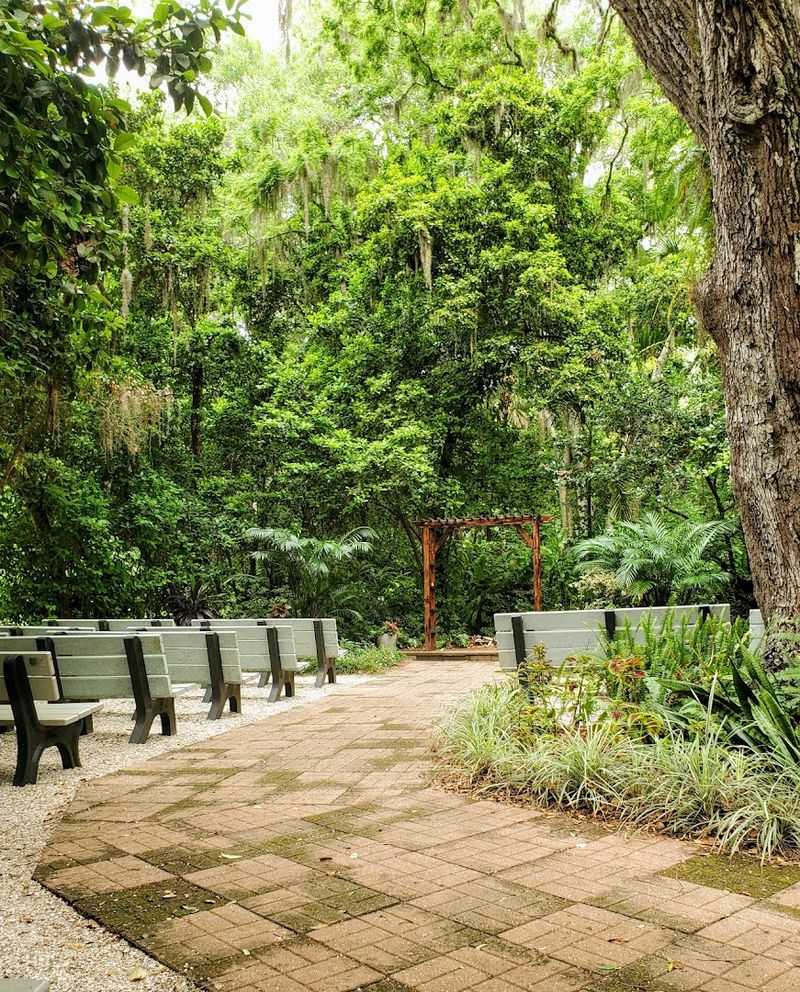
Tucked among the gardens sits a charming small chapel that regularly hosts weddings and other ceremonies. The simple structure blends into the landscape rather than dominating it, creating an intimate setting for couples who want natural beauty without commercial wedding venue prices. Lucky visitors sometimes stumble upon ceremonies in progress, complete with live music drifting through the trees.
The chapel’s placement within the gardens means wedding parties get built-in gorgeous backdrops for photos without hiring expensive decorators. Flowering plants, historic ruins, and shaded pathways provide endless combinations for memorable pictures. Even if you’re not attending a wedding, discovering the chapel feels like finding a secret garden within the garden.
Benches near the chapel offer peaceful spots for reflection or simply catching your breath during a longer walk. The area maintains a quiet, contemplative atmosphere even when no formal events are scheduled. Some visitors specifically seek out this spot for meditation or prayer, appreciating the combination of natural beauty and spiritual space.
The fact that such a lovely venue exists within a free public garden speaks to the community spirit that makes Dunlawton special. Rather than commercializing every aspect, the volunteers have preserved spaces for meaningful personal moments. Whether you’re witnessing a wedding or just enjoying the tranquil setting, the chapel adds another layer to what makes these gardens unique.
6. Whimsical Gnome Village Delights Younger Explorers
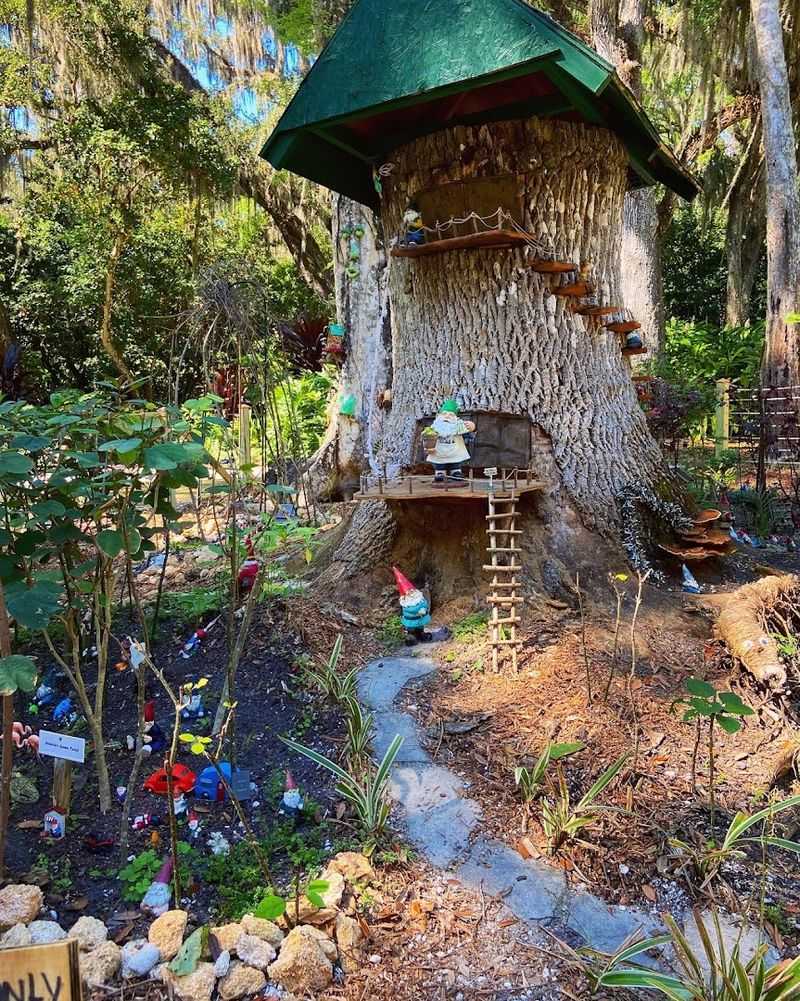
Kids who might otherwise complain about walking through gardens perk up considerably when they discover the gnome village. This adorable miniature settlement features tiny houses, gnome residents, and creative details that reward close inspection. Children crouch down to peer into windows and doors, inventing stories about the gnome inhabitants and their garden lives.
The gnome village represents the playful spirit that sets Dunlawton apart from more formal botanical gardens. While serious horticulture happens throughout the property, there’s always room for imagination and fun. Parents appreciate having another engaging feature to motivate reluctant young walkers, while kids genuinely enjoy the discovery aspect.
Like the dinosaurs, the gnome village has become a beloved fixture that locals return to see again and again. Some families make it a tradition to visit and check whether anything has changed in gnome land. The volunteers occasionally add new elements or rearrange existing ones, keeping the display fresh for repeat visitors.
Photography-loving parents find the gnome village irresistible for capturing cute kid photos. The scale creates perfect opportunities for creative shots with children appearing giant-sized next to the miniature buildings. Combined with the painted rocks that visitors hide and seek throughout the gardens, the gnome village contributes to an interactive experience rather than passive observation.
7. Volunteer Dedication Creates Professional-Level Results
Perhaps the most remarkable aspect of Dunlawton Sugar Mill Gardens is that volunteers accomplish everything you see. No paid staff, no foundation grants, no government funding beyond basic infrastructure. Just dedicated community members who love this place enough to maintain it at a level rivaling professionally managed botanical gardens with million-dollar budgets.
During winter, about twenty volunteers keep the gardens pristine. Summer heat reduces that number to as few as five people somehow maintaining the entire property. The fact that paths stay cleared, plants stay labeled, ruins stay preserved, and everything looks consistently beautiful speaks to extraordinary commitment and organizational skills.
First-time visitors often express shock upon learning the volunteer-run nature of the operation. The quality simply doesn’t match what most people expect from an all-volunteer, donation-funded facility. Meticulously weeded beds, thoughtfully designed plantings, and well-maintained infrastructure all suggest professional management rather than community effort.
This volunteer spirit extends to the donation-based admission model. There’s no entrance fee, just a red donation box where visitors contribute what they can. The honor system works because people recognize the incredible value they’re receiving and want to support its continuation.
Plant sales offer another way to contribute while taking home beautiful additions to your own garden. Supporting Dunlawton means supporting community-driven public spaces that enrich everyone’s lives.
8. Free Admission And Ample Parking Make Visiting Easy
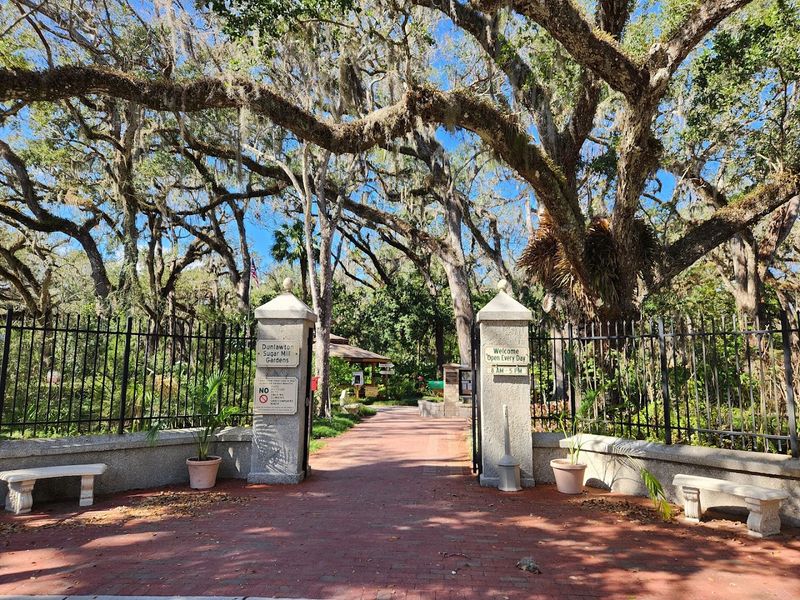
In an era when everything costs money, Dunlawton’s free admission feels almost revolutionary. No tickets to purchase, no membership required, no hidden fees once you arrive. Just park across the street, grab a map from the mailbox at the entrance, and start exploring.
The donation box accepts whatever you feel the experience was worth, but nobody checks and nobody judges.
Parking usually presents no problems, with designated spaces right across from the entrance. During weddings or special events, the lot might fill up, but volunteers direct visitors to nearby alternative parking. Since the gardens sit within a residential neighborhood, driving carefully and respecting local traffic patterns matters.
Watch for children and keep speeds low on surrounding streets.
The accessibility extends beyond just free admission. Clean restrooms near the entrance, water fountains, and benches throughout the property ensure comfort during your visit. People with mobility challenges can enjoy significant portions of the gardens thanks to relatively flat, well-maintained paths.
The volunteer-created maps help everyone plan routes matching their interests and abilities.
This combination of free access, convenient parking, and thoughtful amenities removes barriers that often prevent people from visiting cultural and natural attractions. Families on tight budgets can enjoy a full morning or afternoon without spending a cent. Repeat visits cost nothing, encouraging locals to return frequently and experience seasonal changes.
The accessibility philosophy aligns perfectly with the community-focused volunteer spirit that makes Dunlawton special.