Get an Unforgettable Close-Up View of Tigers and Lions at This Florida Sanctuary
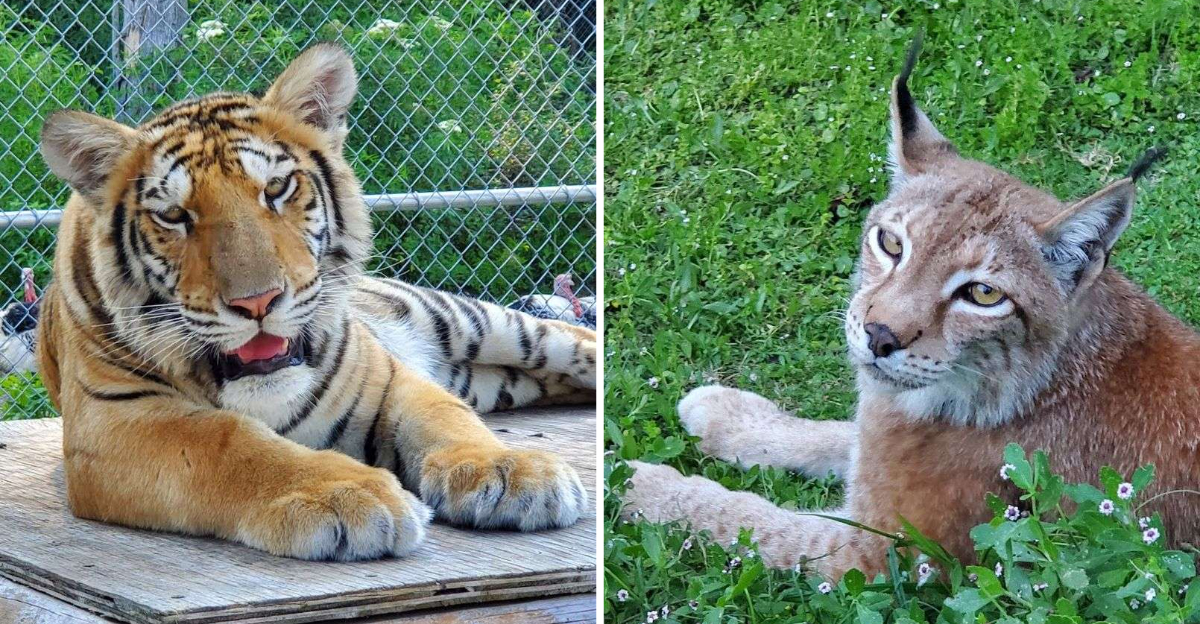
An unforgettable wildlife experience awaits at St. Augustine Wild Reserve, where visitors can come remarkably close to some of the world’s most majestic big cats in a safe and carefully guided setting. Home to rescued tigers, lions, leopards, wolves, and other exotic animals, this award-winning sanctuary focuses on providing lifelong care for animals that can no longer live in private ownership or perform in entertainment. Small guided tours give guests the rare opportunity to observe these incredible creatures from just a few feet away while learning about their unique personalities, rescue stories, and the sanctuary’s commitment to conservation and animal welfare.
Unlike a traditional zoo, St. Augustine Wild Reserve limits the number of visitors on each tour, creating a more personal and educational experience. Knowledgeable guides share fascinating facts about the animals, explain the challenges they face, and highlight the importance of responsible wildlife conservation. Watching a tiger stretch out in the sun, hearing a lion’s powerful roar echo across the property, or seeing a curious leopard up close leaves a lasting impression that’s difficult to match anywhere else in Florida.
The peaceful setting allows guests to focus on the animals without large crowds or rushed exhibits, making every encounter feel meaningful. Photography enthusiasts will also appreciate the opportunity to capture incredible images while respecting the sanctuary’s mission and the animals’ well-being. Whether you’re a lifelong wildlife enthusiast, traveling with family, or simply searching for a unique adventure beyond Florida’s beaches and theme parks, St. Augustine Wild Reserve offers an inspiring experience that combines unforgettable close-up encounters with an important message about rescue, rehabilitation, and protecting some of the planet’s most magnificent species.
Walking Tours That Bring You Face-to-Face with Big Cats
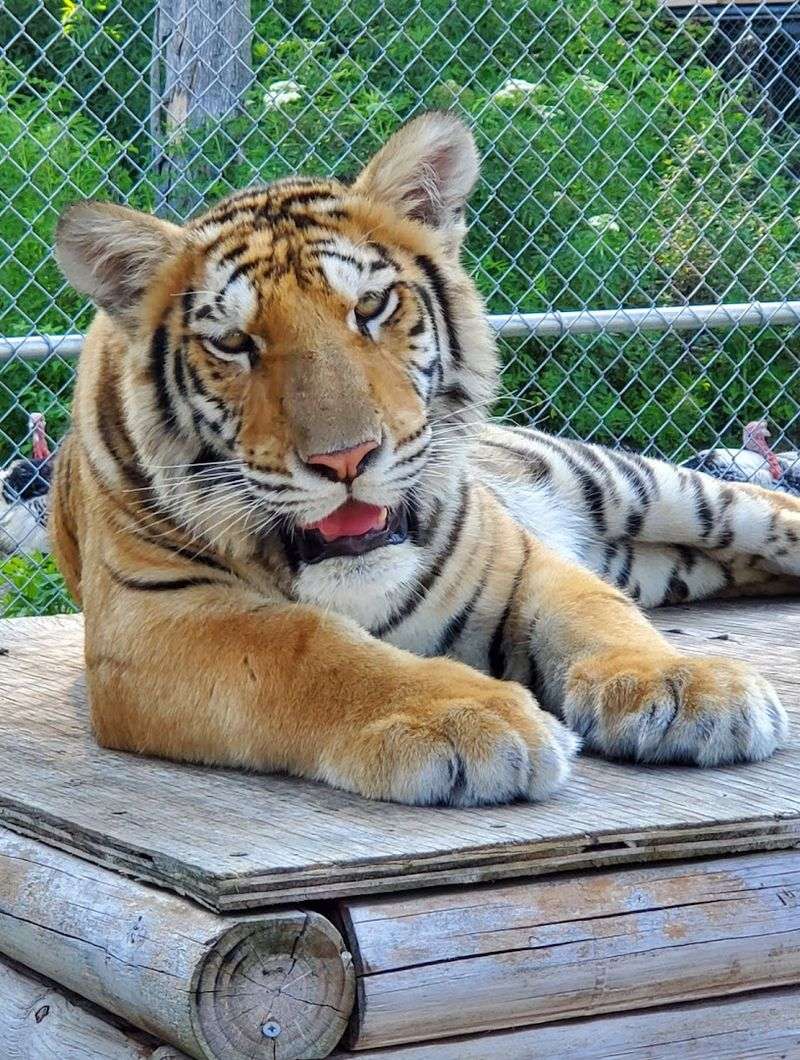
Forget peering through binoculars from a hundred yards away. The guided walking tours at St. Augustine Wild Reserve put you within arm’s reach of some of the planet’s most powerful predators. Tours last about 90 minutes and take you through the property where lions, tigers, leopards, jaguars, and panthers live in well-maintained enclosures.
What makes these tours special is the feeding component. Guides coordinate meal times with your visit, so you watch these magnificent animals up close as they eat, play, and interact with their caretakers. One reviewer mentioned getting sprayed by a male tiger—yes, that’s a real hazard when you’re standing 20 feet from an animal with impressive aim and a mischievous streak.
The path isn’t paved, so wear comfortable shoes that can handle dirt and gravel. If mobility is a concern, don’t worry. The staff offers golf cart rides for anyone who needs assistance, including pregnant visitors, elderly guests, or families with young children.
Photography isn’t allowed during tours, which might seem frustrating at first. But this policy actually enhances the experience because you’re fully present instead of obsessing over getting the perfect Instagram shot. If you want professional-quality images, the sanctuary sells flash drives with nearly 500 stunning photos for just ten dollars—pictures taken by people who know these animals and can capture angles you’d never manage through cage wires.
Tours run on limited days with specific time slots, so booking ahead is essential. Wednesday and Monday afternoons, Friday and Saturday mornings—check their schedule before planning your visit. The small group sizes mean more personalized attention from guides who genuinely love sharing what they know.
Every ticket purchase directly supports the animals’ care, from veterinary bills to daily meals. You’re not just observing wildlife. You’re helping fund a mission that saves lives.
Volunteer Guides Who Know Every Animal’s Backstory
The heart of St. Augustine Wild Reserve beats strongest in its volunteer team. These aren’t scripted tour guides reciting facts from a manual. They’re dedicated animal lovers who’ve built genuine relationships with every resident, and their enthusiasm is absolutely contagious.
Guides like Sam, Vince, and Margaret get mentioned repeatedly in reviews because they transform what could be a simple walk-through into something educational and emotionally moving. They share each animal’s origin story—how they arrived at the sanctuary, what trauma they survived, and the personality traits that make them unique. You’ll learn which tiger likes belly rubs, which lion has a theatrical roar, and which leopard prefers solitude.
These volunteers answer questions throughout the tour with patience and depth. Want to know about big cat behavior in the wild versus captivity? Curious about the legal issues surrounding exotic pet ownership?
Wondering how the sanctuary manages enrichment activities? Just ask.
What’s remarkable is how the animals respond to their caretakers. You’ll see lions eagerly approaching for scratches, tigers purring loud enough to vibrate your chest, and wolves displaying trust that only comes from consistent, loving interaction. This visible bond proves these aren’t just employees doing a job—they’re advocates who’ve dedicated significant chunks of their lives to animal welfare.
The volunteer staff also respects animal autonomy in ways larger zoos often don’t. If a particular cat doesn’t want to come out during your tour, guides skip that enclosure rather than forcing interaction. Some animals are naturally wary of humans, and the sanctuary prioritizes their comfort over visitor expectations.
This philosophy extends to everything they do. Guides warn you about potential tiger spray zones. They explain why certain enclosures look smaller than ideal while detailing plans for future expansion.
They’re honest about challenges while celebrating successes, creating an atmosphere of transparency that builds trust with visitors.
Rescued Animals Living Their Best Lives
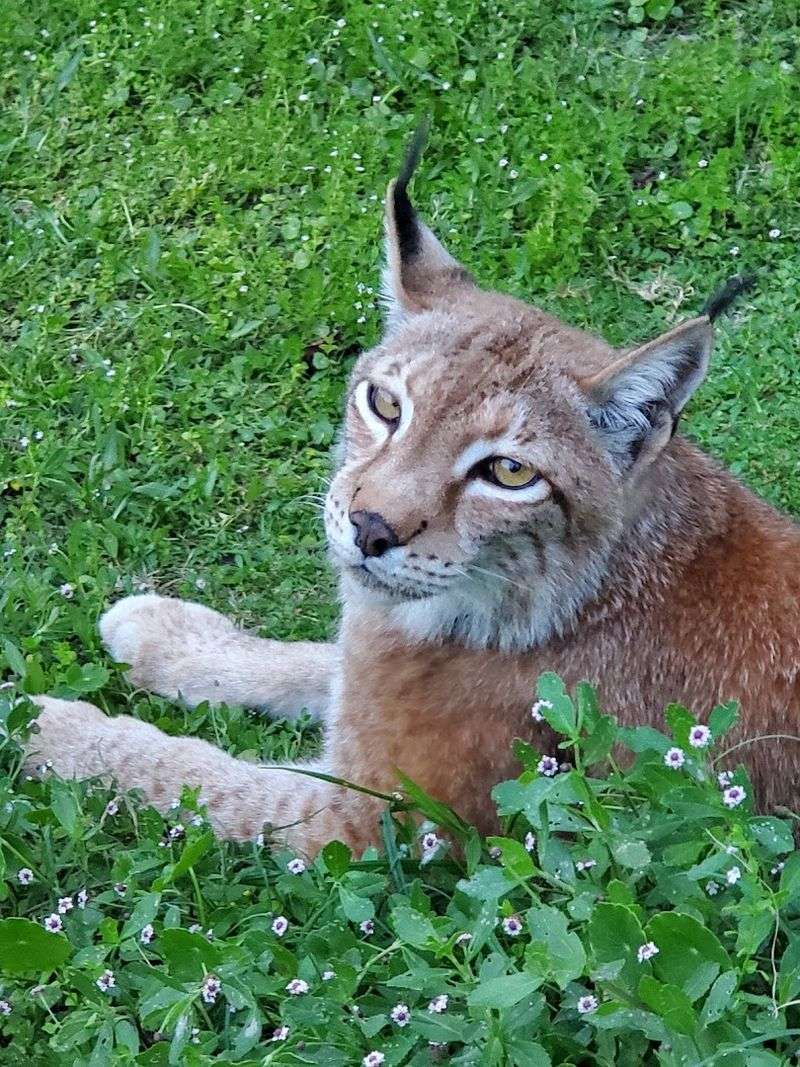
Every animal at St. Augustine Wild Reserve has a story, and none of them are pleasant. These big cats come from failed private ownership situations, illegal breeding operations, roadside attractions that closed, or seizures by authorities. Without this sanctuary, many would face euthanasia simply because there aren’t enough safe places for displaced exotic animals.
Walking through the reserve, you’ll notice something unexpected: these animals seem content. Their coats shine with health. They move with confidence rather than the neurotic pacing you see in poorly managed facilities.
They engage with enrichment toys, interact positively with caretakers, and display natural behaviors.
Critics sometimes worry about enclosure sizes, and the sanctuary doesn’t pretend the spaces are as large as natural habitats. But each enclosure is designed with the animal’s specific needs in mind, filled with climbing structures, hiding spots, pools, and rotating enrichment items. More importantly, every resident receives daily interaction, mental stimulation, and individualized care that wild animals never experience.
The staff’s knowledge of animal behavior is impressive. They can read subtle mood shifts, recognize when someone needs extra attention, and adjust care plans accordingly. This isn’t a warehouse where animals wait out their days—it’s a true sanctuary where rehabilitation and quality of life take priority over everything else.
Some animals have been at the reserve for years, growing old in safety and comfort. Others arrive traumatized and slowly learn to trust again. Watching a formerly abused tiger accept affection from a caretaker is genuinely moving, a reminder that healing is possible even after terrible circumstances.
The sanctuary also educates visitors about why exotic pets are a terrible idea. Through these animals’ stories, you understand the consequences of treating wild creatures like status symbols. It’s a powerful conservation message delivered not through lectures but through real examples of lives disrupted by human selfishness and ignorance.
An Experience More Immersive Than Traditional Zoos
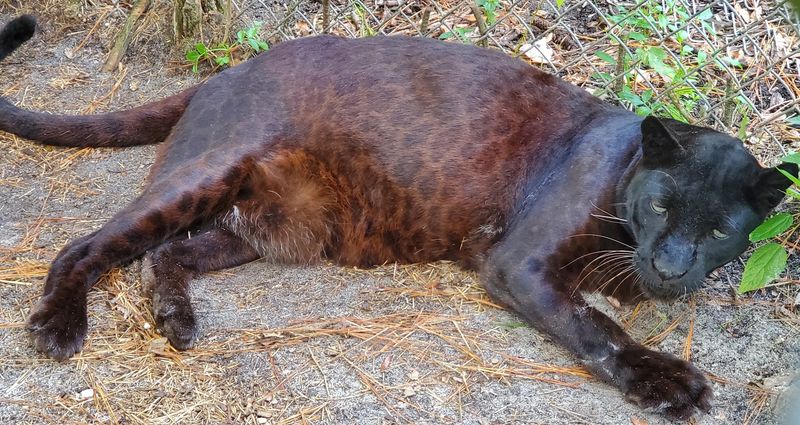
If you’ve been to major zoos, you know the drill: crowds packed around distant viewing areas, animals sleeping in the far corner of massive exhibits, rushed tours with minimal interaction. St. Augustine Wild Reserve operates on a completely different model, and visitors consistently say it beats zoo experiences by a mile.
The intimacy is unmatched. You’re not squinting at a lion lounging 50 yards away. You’re standing close enough to hear breathing, see individual whiskers, and feel the ground vibrate when a tiger roars.
During feeding times, you watch powerful jaws at work just beyond the safety barriers, an experience that’s thrilling without being dangerous.
Tour groups stay small, which means you’re not fighting for viewing position or straining to hear the guide over crowd noise. You can ask questions without feeling like you’re holding up 200 people. The pace is relaxed rather than rushed, allowing you to spend real time observing each animal rather than checking boxes on a map.
The no-photography rule actually enhances immersion. Without phones in everyone’s faces, you’re fully engaged with the moment. You notice details you’d miss while framing shots.
You listen more carefully to the guides’ stories. You make eye contact with a leopard and experience a genuine connection rather than viewing everything through a screen.
Several reviews mention that kids particularly benefit from this setup. Young visitors can get close enough to really see the animals, ask questions directly, and have experiences they’ll remember for years. The guides are excellent with children, explaining concepts at appropriate levels while keeping everyone safe and engaged.
The reserve also avoids the commercial tourist trap vibe that plagues many St. Augustine attractions. There’s no pressure to buy overpriced souvenirs or posed photo packages. The focus stays on the animals and their welfare, which gives the entire experience an authenticity that’s increasingly rare in tourism.
Supporting a Mission That Actually Saves Lives
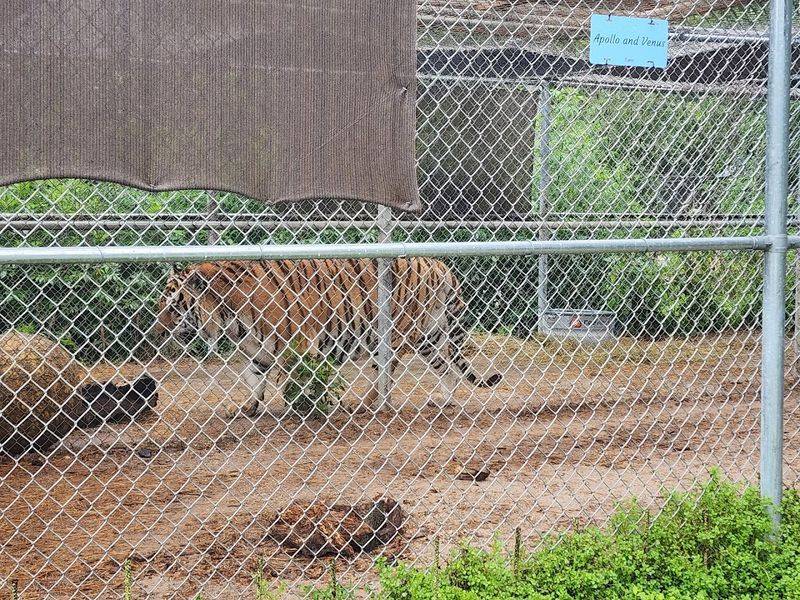
St. Augustine Wild Reserve operates as a nonprofit, which means every dollar from admission tickets, donations, and adoptions goes directly toward animal care. This isn’t a corporation extracting profit—it’s a grassroots operation run by people who’ve made wildlife rescue their life’s work.
The costs of maintaining a big cat sanctuary are staggering. A single tiger can eat 15 pounds of meat daily, which adds up fast when you’re feeding multiple large carnivores. Then there are veterinary expenses, facility maintenance, enrichment supplies, insurance, and countless other operational needs.
The sanctuary depends entirely on community support to keep functioning.
Visiting contributes to this mission in tangible ways. Your ticket helps pay for the next shipment of food, repairs to enclosures, or emergency medical care when an animal gets sick. You’re not just enjoying a cool experience—you’re directly participating in conservation work.
The sanctuary offers animal adoption programs where supporters can sponsor specific residents. For a set monthly or annual donation, you help cover that animal’s care costs and receive updates about their wellbeing. It’s a meaningful way to stay connected after your visit, especially if a particular tiger or lion captured your heart.
Beyond immediate animal care, the reserve serves an important educational function. Every tour teaches visitors about the exotic pet trade, the consequences of poor wildlife management, and the need for sanctuaries like this one. People leave with changed perspectives, more likely to support conservation efforts and less likely to romanticize owning wild animals.
The staff also handles situations that would otherwise end in tragedy. When authorities seize animals from illegal owners or when roadside zoos close, places like St. Augustine Wild Reserve provide the safety net that prevents mass euthanasia. They say yes when almost everyone else says no, taking on animals that have nowhere else to go.
Special Events That Add Extra Magic
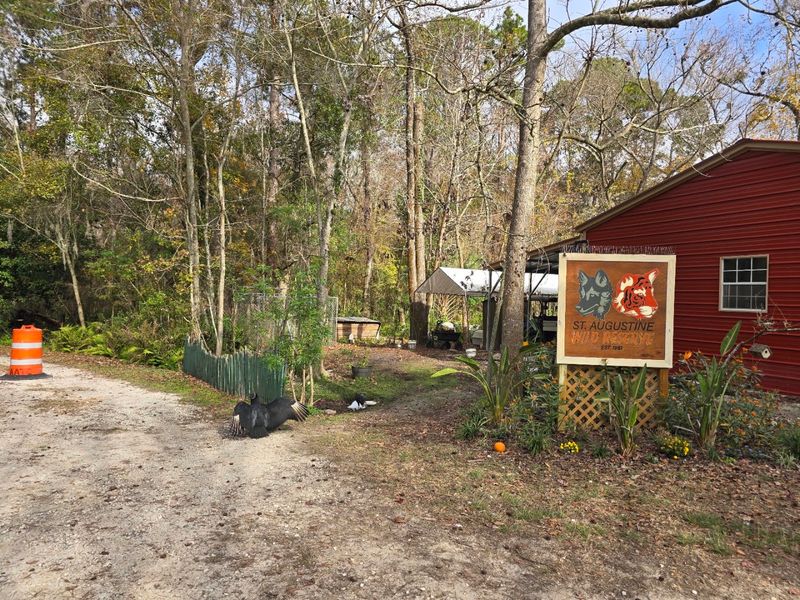
Beyond regular tours, St. Augustine Wild Reserve hosts special events that bring additional excitement to the property. Their inaugural Halloween event, “Lions, Tigers and SCARES,” drew massive crowds despite challenging weather, proving that people are eager for creative ways to experience the sanctuary.
These events typically combine the standard tour experience with themed elements, creating unique atmospheres you won’t find during normal visiting hours. Imagine walking past lion enclosures after dark, hearing roars echo through Halloween decorations, or participating in seasonal activities designed around the resident animals.
The organizers handle these events with the same care they bring to daily operations. Even when faced with unexpected challenges—like the downpour that cut the first Halloween event short—staff remained friendly, appreciative, and focused on ensuring everyone had a positive experience. Their flexibility and genuine gratitude toward attendees stood out to participants.
Special events also serve as fundraisers, channeling extra resources toward animal care and facility improvements. Ticket sales from these occasions help fund projects that regular admission alone can’t cover, like expanding enclosures or adding new enrichment features.
For families, events offer something different from typical St. Augustine tourist activities. Instead of another ghost tour or historical reenactment, you’re combining seasonal fun with meaningful animal encounters. Kids especially love the novelty of seeing big cats during special celebrations, and the memories stick with them long after the event ends.
The sanctuary’s willingness to experiment with events shows their commitment to community engagement. They’re not content to simply open gates for tours—they’re actively creating experiences that bring people together while supporting their mission. As they refine their event planning and grow their capacity, future offerings will likely become even more polished and popular.
Keep an eye on their website and social media for announcements about upcoming events. These special occasions often sell out quickly once word spreads through the local community.
Practical Details for Planning Your Visit
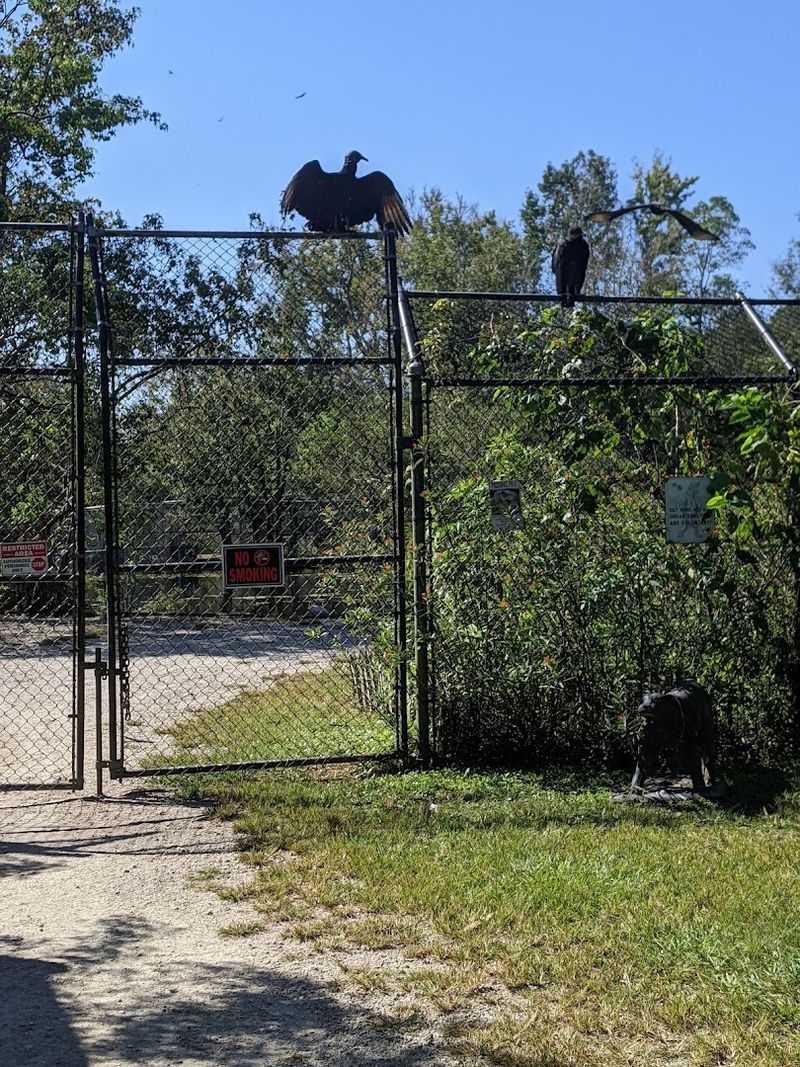
St. Augustine Wild Reserve sits at 5190 Farm Creek Road, a bit off the beaten path from downtown tourist zones. The rural setting adds to the experience—you’re not fighting theme park traffic or navigating crowded parking lots. Just peaceful woods and the occasional roar drifting through the trees.
Hours are limited and specific, so planning ahead is crucial. The sanctuary typically opens Wednesday and Monday afternoons from 2:00 to 3:30 PM, Friday mornings from 10:30 AM to noon, and Saturday late mornings from 11:00 AM to 12:30 PM. They’re closed Thursday, Sunday, and Tuesday.
These restricted hours reflect their volunteer-run nature and ensure animals aren’t overwhelmed by constant human presence.
Booking reservations is essential. Walk-ups aren’t guaranteed entry because tour sizes stay deliberately small. Call 904-940-0664 or check their website at sawildreserve.org to secure your spot.
During peak tourist seasons, weekends fill up fast, so book as early as possible.
Admission prices are reasonable considering the experience quality and the fact that you’re supporting a nonprofit. The sanctuary occasionally offers discounted rates for children, military families, or local residents, so ask when booking. Remember that flash drives with professional photos cost an additional ten dollars but are absolutely worth it.
Dress for outdoor walking on uneven terrain. Closed-toe shoes are required for safety reasons—sandals won’t cut it when you’re near animals that could accidentally step on toes through cage wires. Bring sun protection during warmer months, as much of the path has limited shade.
The sanctuary provides water bottles on hot days, but having your own hydration is smart.
Leave your phone accessible for emergencies but be prepared to put it away during the tour. The no-photography rule is strictly enforced, and trying to sneak pictures will only distract from your experience and potentially get you removed from the tour. Trust the policy—being fully present makes the visit infinitely better.