Enjoy an Affordable August Vacation at These 10 Florida Hidden Gems
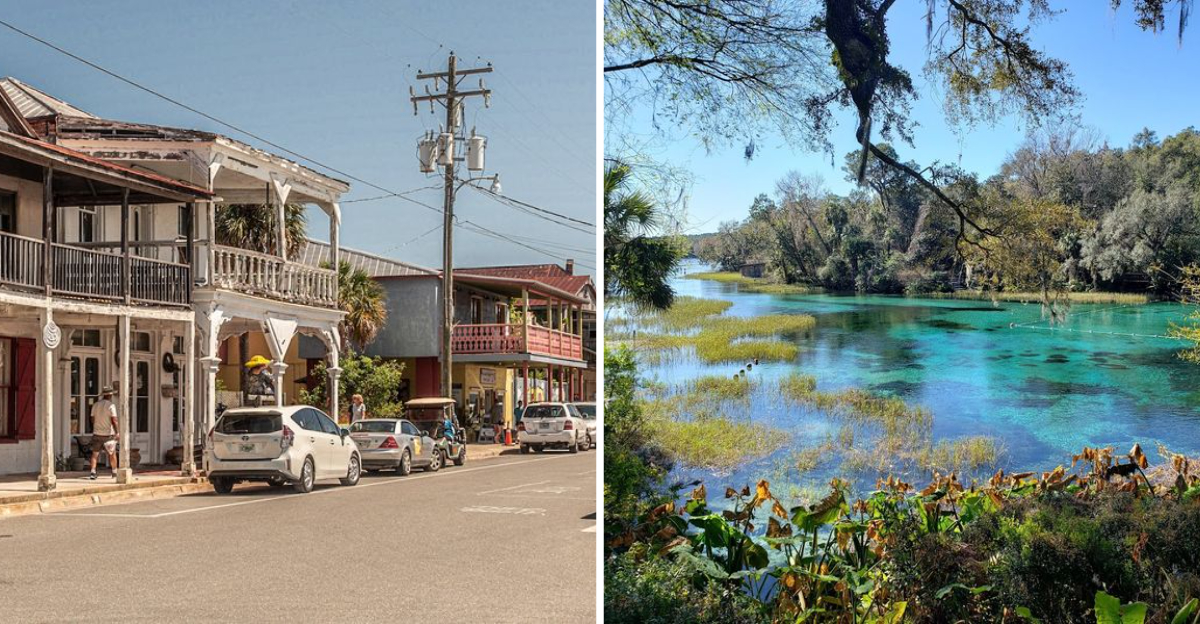
August in Florida doesn’t have to mean crowded theme parks and sky-high hotel bills. Scattered across the Sunshine State are charming small towns, pristine springs, and coastal hideaways where you can stretch your vacation budget without sacrificing fun or relaxation. These lesser-known destinations offer crystal-clear waters, fascinating wildlife, historic downtowns, and natural beauty that rival Florida’s famous hotspots, all while keeping your wallet happy.
1. Rainbow Springs State Park – Dunnellon
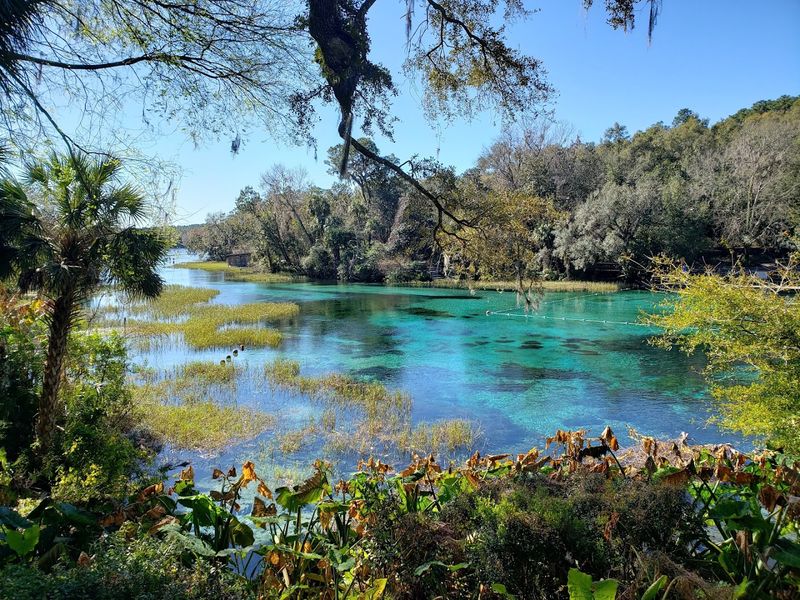
Picture yourself floating down a crystal-clear river where you can see every fish, every grain of sand, and every swaying water plant beneath you. Rainbow Springs pumps out nearly 500 million gallons of water daily, creating one of Florida’s most stunning natural attractions. The water stays a refreshing 72 degrees year-round, making August heat instantly bearable.
Tubing down the four-mile Rainbow River is the main event here, and it won’t break your budget. You can rent tubes from nearby outfitters or bring your own flotation device. The journey takes about two hours of pure relaxation as you drift past towering cypress trees and limestone banks draped in greenery.
Keep your eyes open for turtles sunning themselves on logs and fish darting through the clear water.
The park itself charges a modest entrance fee per vehicle, making it one of the most affordable day trips in central Florida. Beyond tubing, you can swim in the headspring area, hike nature trails through hardwood forests, or have a picnic under the shade of ancient oaks. The park provides pavilions, grills, and restrooms, so you can easily spend the whole day without additional costs.
Camping is available if you want to extend your stay. The campground offers full-facility sites at reasonable rates, and waking up to birdsong and Spanish moss is worth every penny. Pack your own snacks and meals to keep costs down, and you’ll have an unforgettable nature escape that feels worlds away from everyday life.
2. Cedar Key
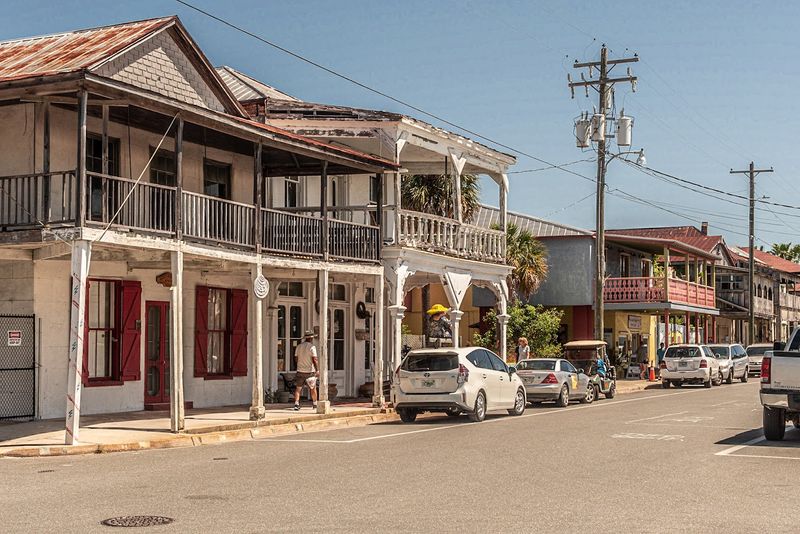
This quirky fishing village sits on a cluster of islands along Florida’s Nature Coast, where Old Florida charm hasn’t been bulldozed for condos. Cedar Key moves at its own pace, with art galleries housed in weathered buildings, restaurants serving clams pulled from local waters that morning, and sunsets that paint the entire sky in shades of orange and pink. The laid-back atmosphere makes it perfect for travelers who want to unwind without spending a fortune on entertainment.
Strolling the historic downtown costs nothing but rewards you with colorful storefronts, friendly locals, and glimpses of working fishing boats. The Cedar Key Museum State Park tells the island’s fascinating history for just a few dollars admission. You’ll learn about the pencil mill that once dominated the economy and see artifacts from the area’s Native American inhabitants.
Seafood here is fresh, plentiful, and surprisingly affordable since you’re eating where the boats dock. Try the local clams, which Cedar Key is famous for, at casual waterfront spots where atmosphere trumps fancy decor. Many restaurants have outdoor seating where you can watch dolphins play in the channel while you eat.
Nature lovers can kayak through the maze of salt marshes and small islands surrounding Cedar Key. Rental shops offer reasonable rates, and the calm waters make paddling accessible even for beginners. You might spot manatees, rays, and countless bird species.
The nearby Cedar Keys National Wildlife Refuge protects nesting areas for birds and provides pristine beaches accessible only by boat, adding adventure to your budget-friendly getaway.
3. Anna Maria Island
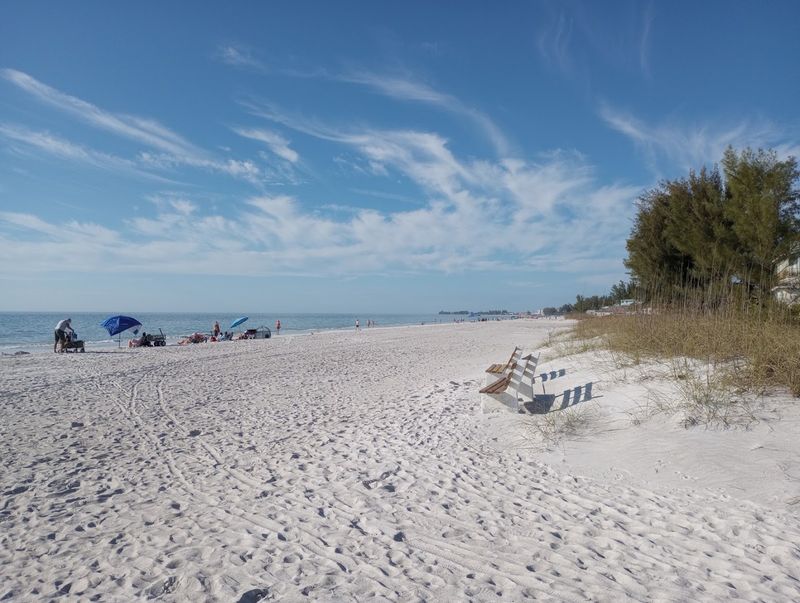
Seven miles of sugar-white sand and turquoise Gulf waters await on this barrier island that has somehow resisted the high-rise development plaguing much of Florida’s coast. Anna Maria Island maintains strict building codes that keep structures low and preserve the island’s small-town beach vibe. You’ll find colorful cottages instead of concrete towers, mom-and-pop shops instead of chain stores, and genuine friendliness instead of tourist traps.
The beaches here are free and fabulous. Bean Point at the northern tip offers stunning views where the Gulf meets Tampa Bay, and the shallow waters make it ideal for families with young children. Coquina Beach on the southern end provides free parking, picnic areas, and gentle waves perfect for boogie boarding.
Between these endpoints, you’ll discover quiet stretches of sand where you can claim your own piece of paradise.
Getting around won’t cost you gas money because the free Island Trolley runs regularly, connecting the three small towns on the island. Hop on and off to explore Pine Avenue’s shops and restaurants, the historic Bridge Street Pier, or various beach access points. Fishing from the public piers costs nothing and might even provide dinner if you’re lucky.
Accommodation prices vary, but August often brings lower rates as families return to school. Look for weekly rental deals on cottages or small motels rather than beachfront resorts. Many rentals include bikes, and cycling the flat island is both fun and economical.
Pack picnic supplies from the local grocery stores, and you can enjoy sunset beach dinners that rival any expensive restaurant experience.
4. Mount Dora
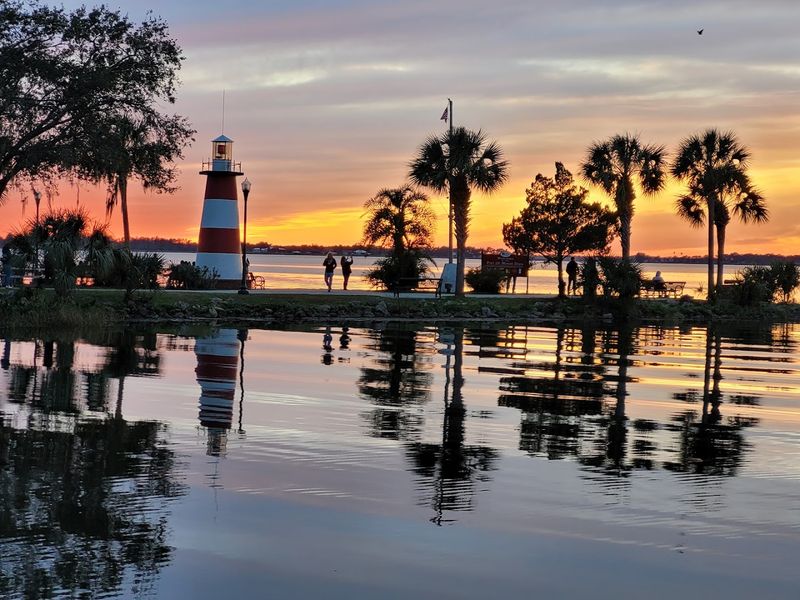
Nestled among rolling hills unusual for Florida, this New England-style town surrounds Lake Dora with Victorian architecture, antique shops, and tree-lined streets that feel transported from another era. Mount Dora earned its reputation as an antiquing paradise, but you don’t need to buy anything to enjoy browsing the eclectic collections housed in historic buildings. The downtown area invites leisurely walks where window shopping becomes entertainment.
The lakefront Donnelly Park offers free admission to gorgeous views, a playground, and picnic areas where you can watch boats glide across the water. A lighthouse replica marks the spot, and benches under shady oaks provide perfect resting points. The park hosts free concerts and events throughout the year, so check the schedule before you visit.
Walking tours of the historic district reveal beautiful homes dating back to the late 1800s, many painted in cheerful colors with gingerbread trim and wraparound porches. Pick up a free walking tour map from the Chamber of Commerce and explore at your own pace. The architectural variety tells stories of the town’s development as a winter retreat for wealthy northerners.
Dining options range from budget-friendly cafes to slightly upscale bistros, but even the nicer restaurants keep prices reasonable compared to coastal tourist towns. The farmers market offers fresh produce and local goods on weekends. Rent a pontoon boat for a few hours and explore Lake Dora’s 4,500 acres, or simply feed the ducks from the shore.
The slower pace here means your dollars stretch further while you soak up genuine small-town Florida charm that’s increasingly rare.
5. Crystal River
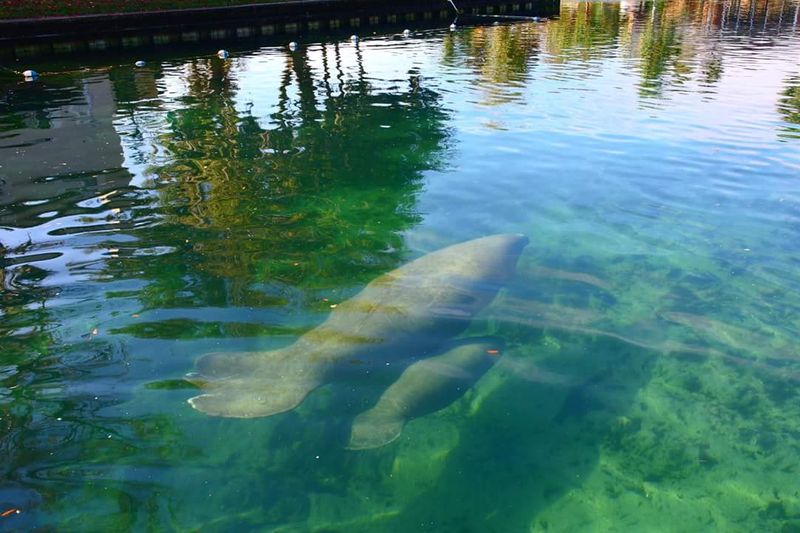
Few places on Earth let you swim alongside gentle giants in their natural habitat, but Crystal River makes this magical experience accessible and affordable. Manatees gather here in winter, but August offers a different appeal with fewer crowds, lower prices, and the chance to explore the spring-fed waters without competing for space. The town built its identity around these beloved marine mammals while maintaining an authentic, unpretentious atmosphere.
Three Sisters Springs, part of the Crystal River National Wildlife Refuge, showcases the area’s natural beauty with boardwalks offering free viewing of the crystal-clear spring. Even if you don’t swim or snorkel, watching the sunlight filter through the water and illuminate every detail of the spring bottom is mesmerizing. Educational signs explain the ecosystem and the importance of protecting these fragile environments.
Kayaking and paddleboarding let you explore the spring-fed rivers at your own pace. Rental shops offer competitive rates, and the calm, clear waters make navigation easy even for beginners. You’ll paddle past natural springs bubbling up from the limestone, creating pockets of even cooler water.
Fish are so abundant and visible that it feels like moving through an aquarium.
The town itself keeps things simple and affordable. Local seafood restaurants serve generous portions without tourist-trap pricing, and the downtown area has quirky shops and a welcoming vibe. Several springs in the area charge minimal entrance fees or are completely free to visit.
Hunter Springs Park provides beach access, picnic facilities, and playground equipment for a small parking fee, making it perfect for families watching their budget while creating priceless memories.
6. De Leon Springs State Park
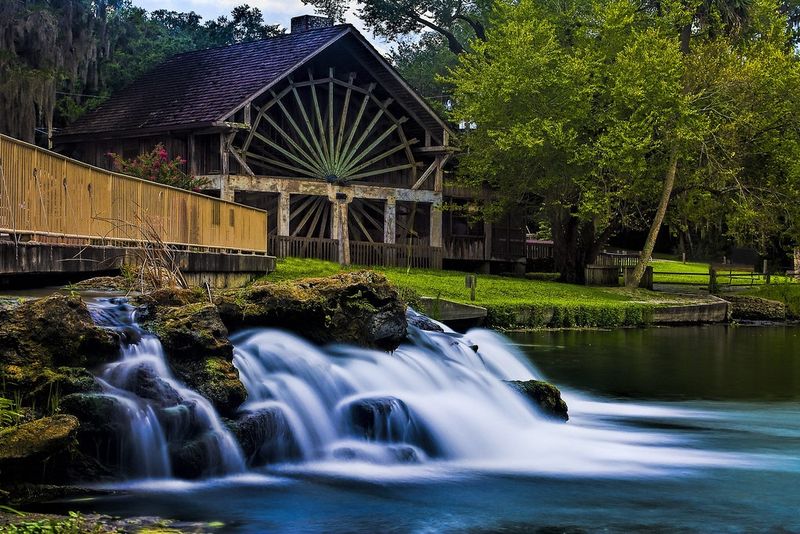
Imagine making pancakes at your table while sitting next to a first-magnitude spring that Native Americans considered sacred. The Old Spanish Sugar Mill restaurant inside this state park offers exactly that experience, with griddles built into every table where you cook your own breakfast or lunch. It’s part dining, part entertainment, and completely unique to this spot.
The novelty alone makes it worth the visit, and the prices stay reasonable despite the one-of-a-kind setting.
The spring itself pumps 19 million gallons of 72-degree water daily into a swimming area that feels refreshingly cool in August heat. Unlike ocean swimming where you can’t see your feet, here you can watch fish swimming below you and see every detail of the spring bottom. The water stays clear year-round, and the swimming area is roped off and monitored, making it safe for families.
Rent a kayak or bring your own to paddle up Spring Garden Run, a narrow waterway canopied by cypress trees draped in Spanish moss. The journey feels like entering a prehistoric world where alligators sun on banks and birds fish in the shallows. The six-mile paddle connects to Lake Woodruff National Wildlife Refuge, extending your adventure as far as your energy allows.
History buffs appreciate the park’s connection to Ponce de Leon’s legendary search for the Fountain of Youth, though historians debate whether he actually visited this specific spring. Regardless, the area’s long human history is evident in archaeological findings spanning thousands of years. The park charges standard Florida state park entrance fees, which remain among the best bargains in outdoor recreation.
Pack a picnic to enjoy after swimming, and you’ve got an affordable day combining nature, history, and that unforgettable pancake experience.
7. Apalachicola
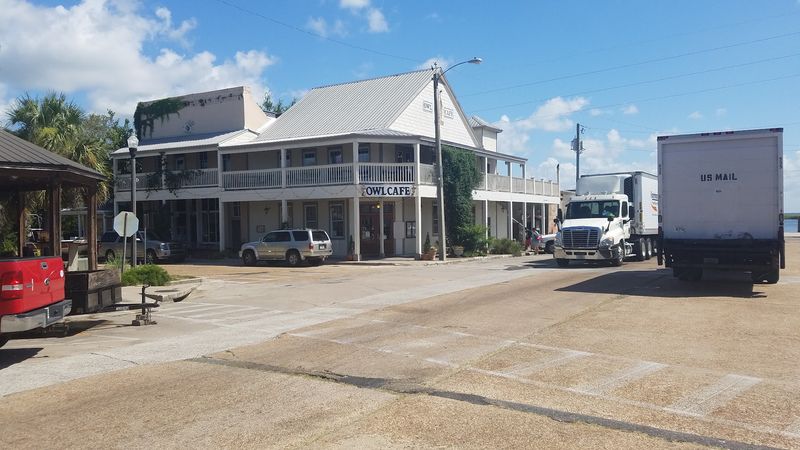
Oysters built this town, and you can taste that heritage in every restaurant along the waterfront. Apalachicola sits where the river meets the bay on Florida’s Forgotten Coast, a stretch of shoreline that development somehow overlooked. The result is an authentic working fishing town where shrimp boats still unload their catch, historic buildings house interesting shops, and the pace of life encourages you to slow down and savor simple pleasures.
The downtown historic district rewards wanderers with beautiful 19th-century architecture, including the Raney House Museum and the Orman House, both offering glimpses into the town’s prosperous past as a major cotton port. Walking tours cost nothing but time, and the tree-shaded streets stay relatively cool even in summer. Art galleries showcase local talent, and many artists welcome conversations about their work and inspiration drawn from the coastal landscape.
Beaches near Apalachicola remain wonderfully uncrowded compared to Florida’s more famous shores. St. George Island, connected by bridge, stretches for miles with white sand and gentle surf. The state park at the island’s eastern end charges a small vehicle fee but rewards visitors with pristine, undeveloped shoreline where you might walk for an hour and see only a handful of people.
Seafood restaurants serve incredibly fresh catches at prices that seem frozen in time compared to trendy coastal destinations. Order the oysters, obviously, but also try the grouper, shrimp, and whatever the daily catch brings in. Many spots are casual, family-friendly places where paper plates and plastic baskets keep costs down while flavor stays high.
The annual seafood festivals draw crowds, but visiting in August means you skip the chaos while still enjoying everything that makes Apalachicola special.
8. Flagler Beach
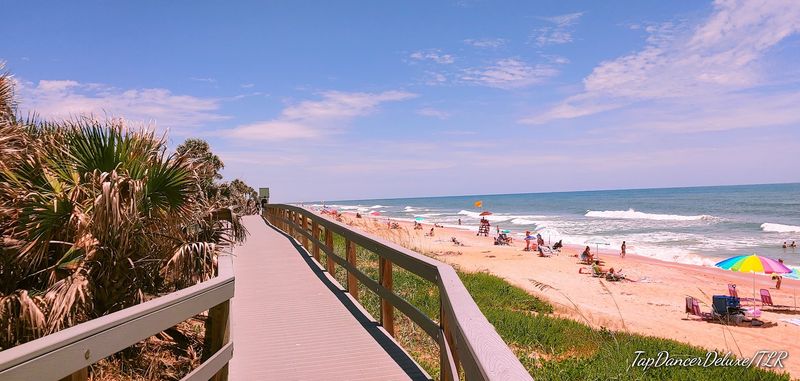
A1A runs right along the ocean here, with the beach on one side and casual restaurants on the other, creating a classic Florida beach town that hasn’t been overrun by high-rises. Flagler Beach keeps things simple and affordable, attracting surfers, fishermen, and families who prefer substance over flash. The six miles of beach remain public and accessible, with numerous entry points and parking that, while metered, costs far less than commercial beach lots in tourist hotspots.
The fishing pier stretches 800 feet into the Atlantic, offering spectacular views and the chance to catch dinner without needing a boat. A small fee gets you onto the pier for the day, and watching experienced anglers pull in catches provides free entertainment even if you don’t fish yourself. Sunrise and sunset transform the pier into a photographer’s dream, with colors reflecting off the water and silhouettes of fishermen creating perfect compositions.
Surfing culture thrives here thanks to consistent waves and a welcoming community. Several surf shops rent boards at reasonable daily or weekly rates, and the beach breaks are forgiving enough for beginners while still offering fun for experienced riders. Even if you don’t surf, watching the action from the shore beats any television show.
The small downtown area packs personality into just a few blocks, with local restaurants, ice cream shops, and beach gear stores. Many eateries offer early bird specials and happy hour deals that make dining out affordable. Gamble Rogers Memorial State Recreation Area at the southern end of town provides camping facilities right on the beach, and the sound of waves becomes your nighttime soundtrack.
August brings fewer crowds than peak season, meaning more space on the beach and better deals on accommodations while the warm Atlantic water stays perfect for swimming.
9. Blue Spring State Park
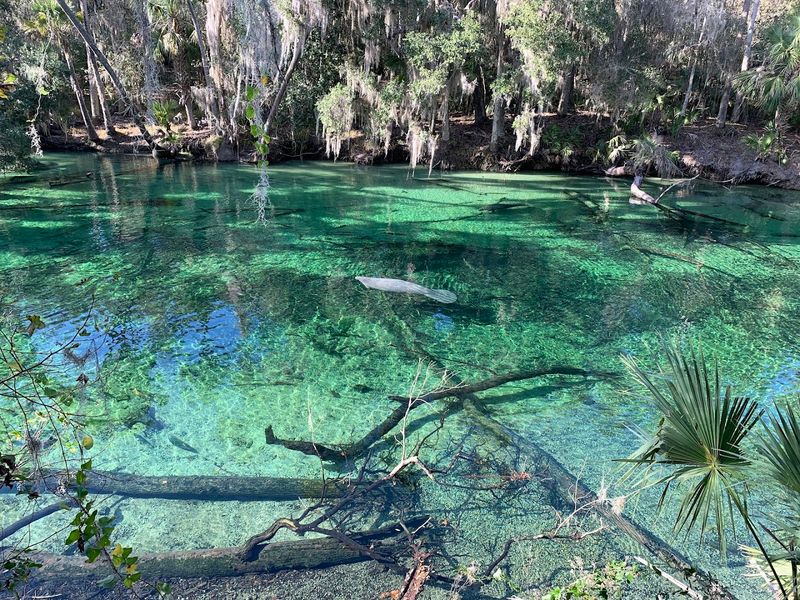
When winter arrives, hundreds of manatees crowd into this spring seeking warm water, but August flips the script entirely. The manatees head back to the St. Johns River, and humans get to swim in the spectacular 73-million-gallon-per-day spring that maintains a constant 72 degrees. The water glows an otherworldly blue, so clear you can see the limestone cave system where the water emerges from deep underground.
Swimming in Blue Spring feels like entering another dimension. The water is so transparent that depth becomes hard to judge, and the constant flow creates gentle currents that massage your body as you float. Snorkeling reveals fish, turtles, and the intricate details of aquatic plants swaying in the current.
The designated swimming area keeps you safe from boat traffic on the spring run.
The boardwalk along the spring run offers free wildlife viewing where alligators sun themselves, turtles stack on logs, and countless bird species hunt and nest. Bring binoculars and a camera because the photo opportunities never end. The ancient cypress trees lining the water create a cathedral-like atmosphere, and Spanish moss drapes from branches like natural curtains.
Camping at Blue Spring puts you steps from the water, with sites offering electric hookups, fire rings, and access to clean bathhouses. The campground rates remain incredibly affordable, especially considering the prime location. Rent a canoe or kayak to explore the St. Johns River, one of the few rivers in North America that flows north.
The river’s dark tannin-stained water contrasts dramatically with the spring’s clarity. Pack your own food and drinks to maximize your budget, and you can spend days exploring this natural wonder without spending much beyond the modest park entrance fee.
10. Wakulla Springs State Park

One of the world’s largest and deepest freshwater springs creates a swimming hole so impressive that Hollywood filmed several Tarzan movies here in the 1930s and 40s. The spring basin measures 185 feet across, and the water stays so clear that on calm days you can see down to the bottom at depths exceeding 100 feet. Swimming here feels like a privilege, like you’ve been granted access to nature’s private pool.
The historic Wakulla Springs Lodge, built in 1937, offers surprisingly affordable rooms considering its Old Florida elegance and prime location overlooking the spring. Even if you don’t stay overnight, touring the lobby with its marble floors, ornate ceilings, and mounted wildlife is free. The lodge restaurant serves Southern comfort food at reasonable prices, and eating on the veranda while watching the spring is an experience money can’t really buy.
Glass-bottom boat tours and riverboat cruises operate daily, offering different perspectives on the spring and surrounding river system. The glass-bottom boats let you peer into the spring’s depths without getting wet, revealing the underwater cave system and massive fish that call it home. The riverboat cruises venture into the Wakulla River where alligators, manatees, turtles, and wading birds appear around every bend.
Knowledgeable guides share natural and cultural history, making the tour both entertaining and educational.
The swimming area includes a diving platform that brave souls use to plunge into the cool water. Watching divers and listening to their screams of shock at the temperature provides amusement even if you prefer a more gradual entry. The park provides picnic areas, nature trails, and facilities that make spending the entire day comfortable and affordable.
August’s heat makes that 70-degree spring water feel absolutely perfect, and the state park entrance fees remain one of Florida’s best bargains for a world-class natural attraction.