This Bristol Gem Protects One Of The World’s Rarest Trees And A Piece Of Civil War History
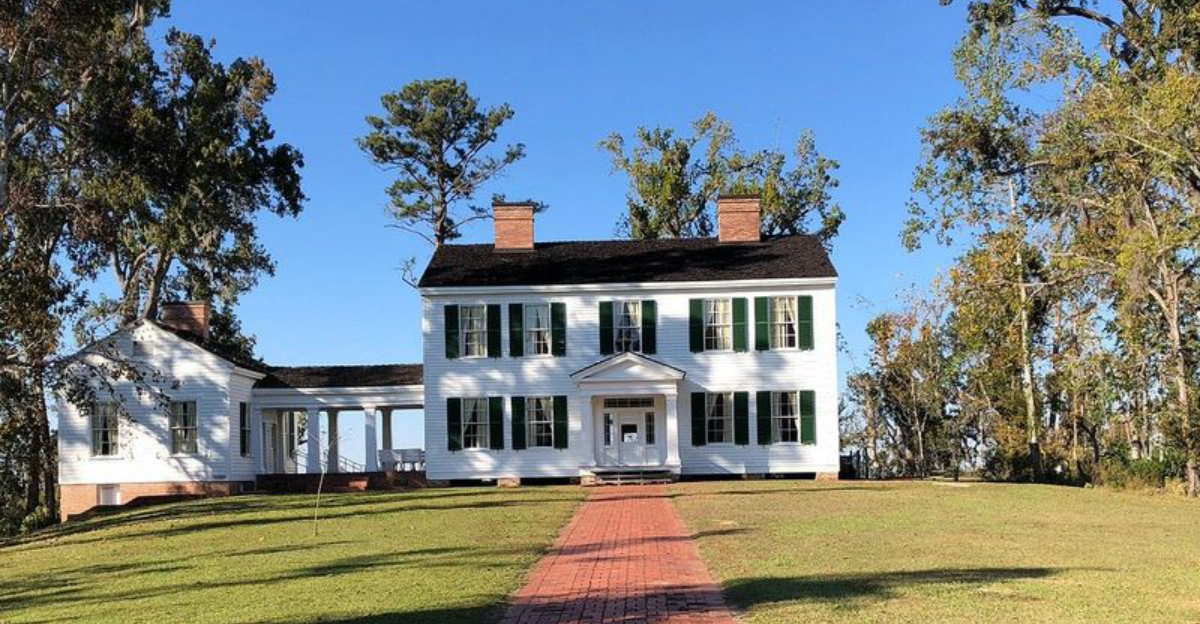
Hidden away in Bristol, Florida, Torreya State Park sits 150 feet above the Apalachicola River, offering something you won’t find anywhere else in the state. This unique park protects the critically endangered Torreya tree, one of the rarest conifers on Earth, while also preserving fascinating remnants of Civil War history. Whether you’re a nature lover, history buff, or just someone looking for a peaceful escape from typical Florida flatlands, this park delivers an experience that feels more like the Appalachian mountains than the Sunshine State.
1. The Torreya Tree: A Living Fossil on the Brink
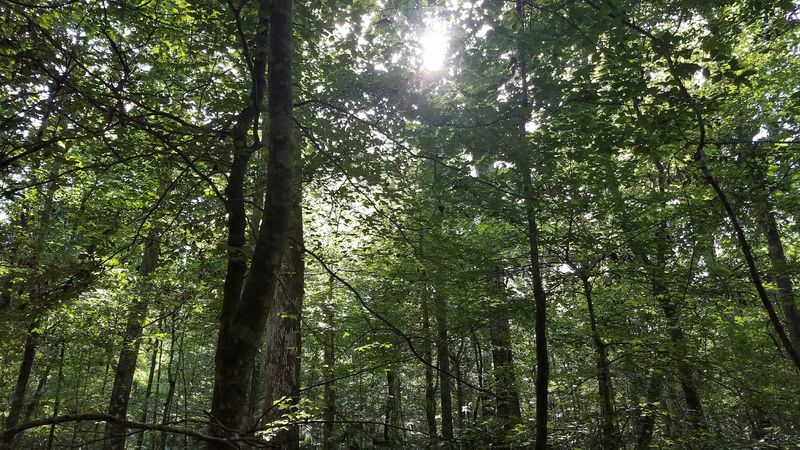
Walking through Torreya State Park feels like stepping back millions of years. The park’s namesake, the Torreya taxifolia, is a conifer so rare that fewer than 600 trees remain in the wild. These ancient evergreens once covered the ravines and bluffs along the Apalachicola River, but disease and habitat loss have pushed them to the edge of extinction.
Park rangers like Brian offer invaluable guidance during tours, pointing out where these precious trees still stand. Without their help, you’d likely walk right past them without realizing you’re looking at botanical history. The trees have glossy, dark green needles that release a pungent odor when crushed, earning them the nickname “stinking cedar” from early settlers.
Scientists consider the Torreya tree a glacial relict, meaning it survived ice ages when most of Florida was underwater. Today, conservation efforts at the park include protecting remaining specimens and attempting to cultivate new ones. Finding these trees requires patience and a good eye, as they blend into the surrounding hardwood forest.
Visiting during spring or fall offers the best chance to appreciate these botanical treasures without the oppressive summer heat. The park’s elevation and unique microclimate create conditions found nowhere else in Florida, making it the last stronghold for this irreplaceable species that has survived for millions of years.
2. Confederate Earthworks: Trenches Frozen in Time
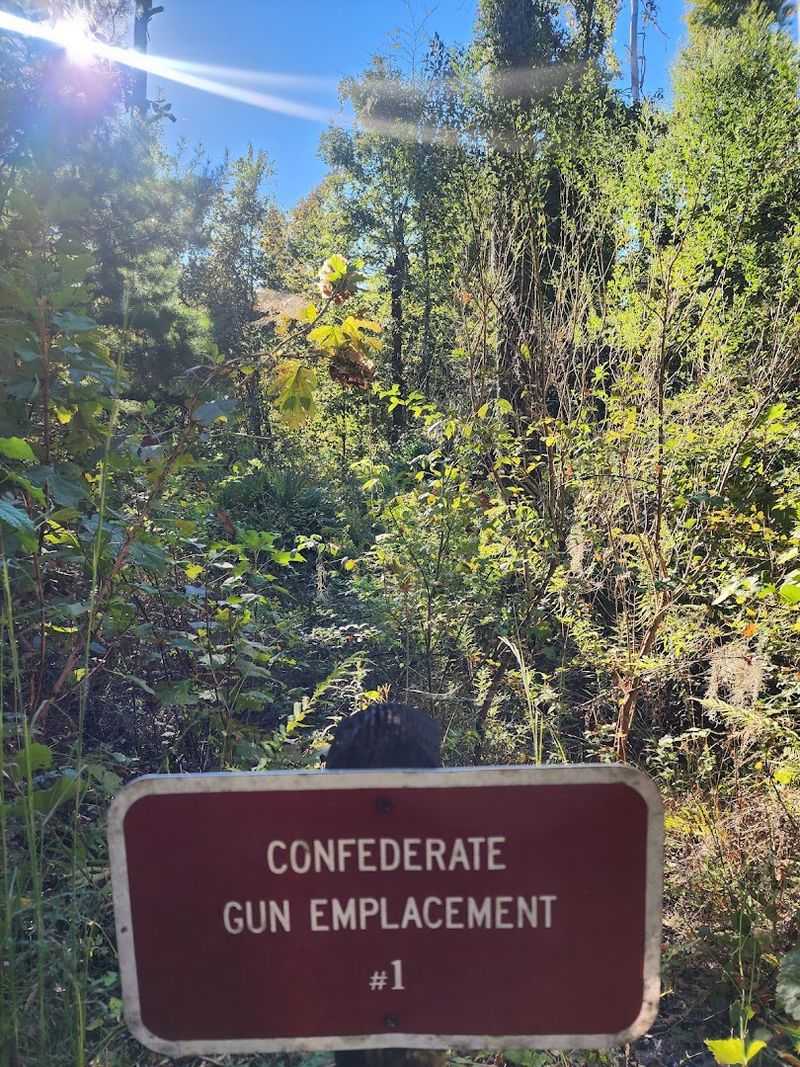
Deep in the park’s wooded trails, you’ll stumble upon something unexpected: Civil War earthworks that Confederate soldiers dug over 160 years ago. These defensive positions were built to protect the Apalachicola River, a vital supply route for Southern forces. The trenches and breastworks remain remarkably well-preserved, their outlines still clearly visible beneath the leaf litter.
Confederate troops stationed here faced the difficult task of defending river crossings from Union gunboats. The earthworks were strategically positioned on the high bluffs, giving soldiers a commanding view of the river below. Walking along these fortifications, you can almost imagine young soldiers peering over the ramparts, watching for enemy vessels.
The park has done an excellent job maintaining these historical features without over-developing them. There are no flashy interpretive centers or reconstructions, just the raw earthworks as they were left. This authenticity makes the experience more powerful than any museum display could achieve.
History enthusiasts should plan extra time to explore the full network of trenches. The trail leading to the earthworks can be challenging, with steep sections and exposed roots, but the historical significance makes every step worthwhile. Remember to stay on marked paths to help preserve these fragile archaeological features for future generations who deserve to witness this tangible connection to Florida’s Civil War past.
3. The Gregory House: A Plantation Floating Above Floods
Perched dramatically on the bluff’s edge, the Gregory House looks like it might float away at any moment. That’s actually the point. This antebellum plantation home was originally built on the Apalachicola River’s banks in 1849, then moved piece by piece to its current location in 1935 by the Civilian Conservation Corps.
The house sits on massive brick pillars, elevating it high above ground level to escape seasonal flooding. This architectural quirk gives the home an almost surreal appearance, as if suspended between earth and sky. Tours run daily at 10 AM, with additional afternoon tours on weekends, and at just three dollars per person, they’re an absolute steal.
Inside, you’ll find original furnishings and fascinating details about frontier Florida life. The home’s owner, Jason Gregory, operated a successful plantation growing cotton and other crops before the Civil War disrupted everything. Rangers share stories about the family’s struggles, the home’s remarkable relocation, and how the CCC workers accomplished such an engineering feat with 1930s technology.
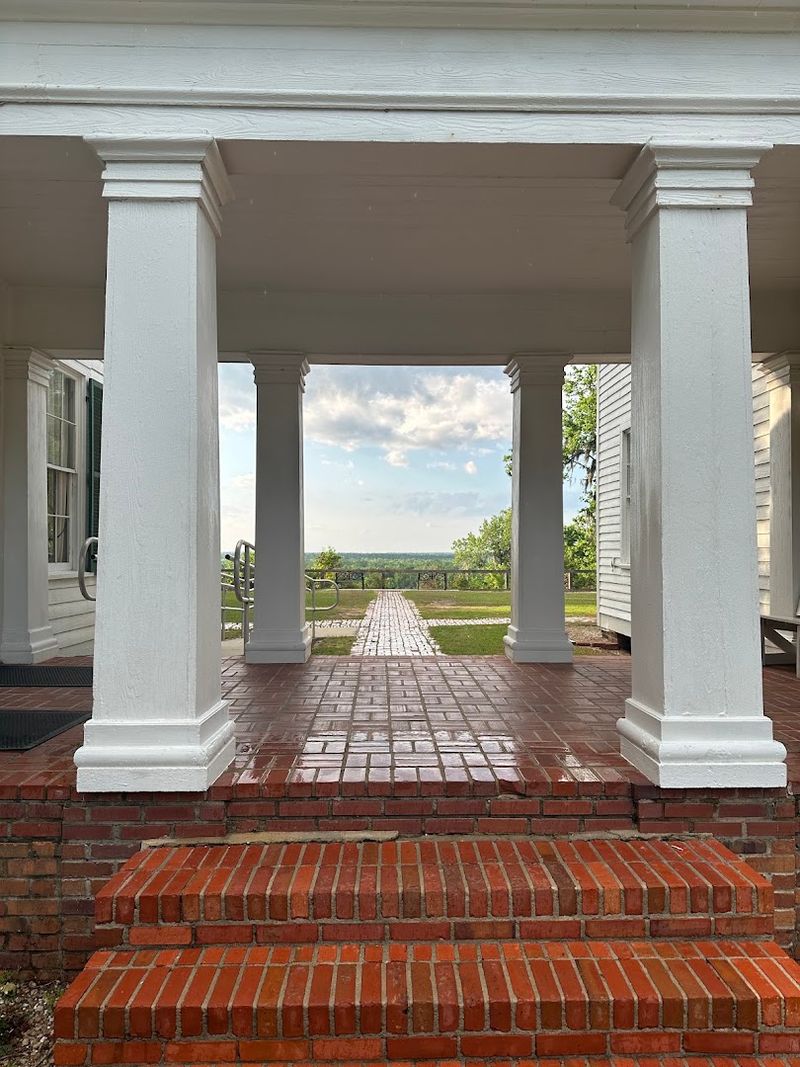
From the house’s back porch, you’ll catch breathtaking views of the Apalachicola River valley stretching out below. This vantage point alone justifies the visit. The knowledgeable staff, particularly ranger Brian mentioned in multiple reviews, bring the house’s history to life with enthusiasm and deep expertise that transforms a simple tour into an unforgettable journey through time.
4. Bluff Views That Defy Florida Stereotypes
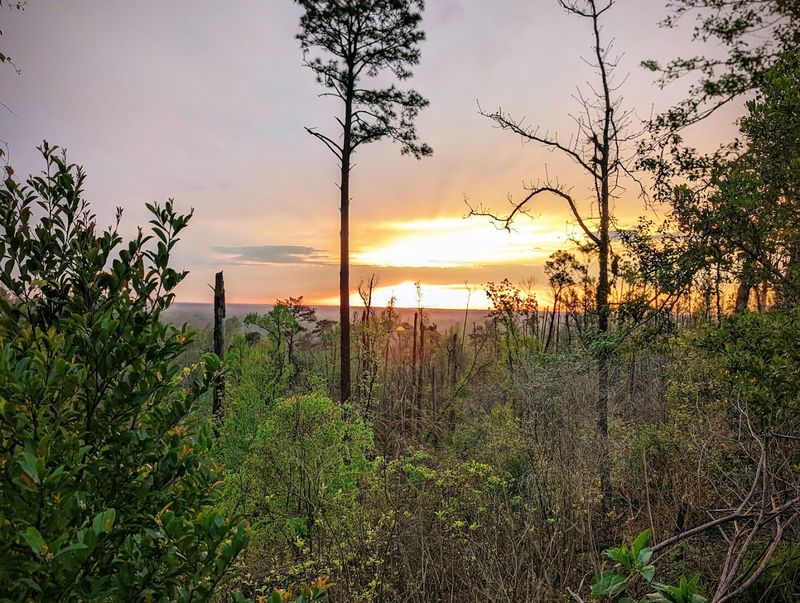
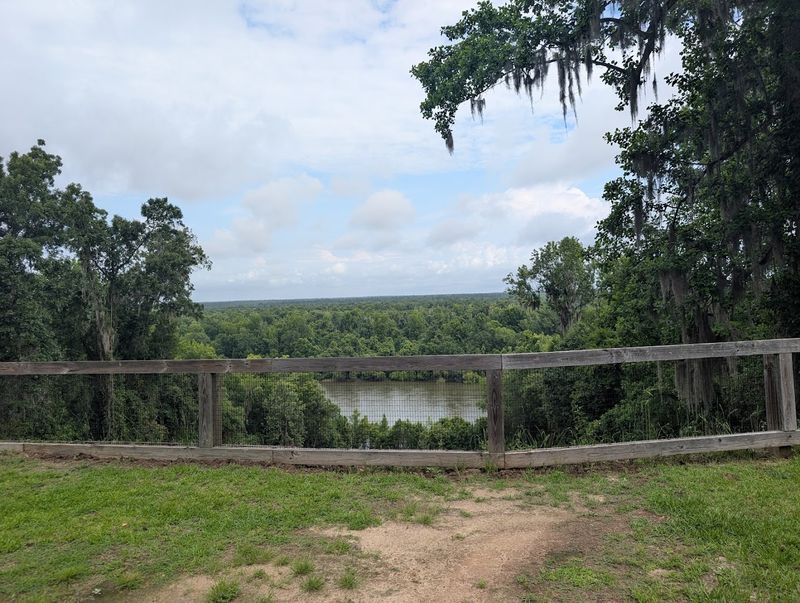
Forget everything you think you know about Florida’s pancake-flat terrain. Torreya State Park sits atop bluffs rising 150 feet above the Apalachicola River, creating vistas that feel transplanted from the Smoky Mountains. These dramatic elevation changes produce microclimates and ecosystems completely unlike the rest of the state.
Multiple overlook points throughout the park offer stunning views of the river winding through the valley below. The perspective from behind the Gregory House is particularly spectacular, especially during fall when the hardwood trees display colors rarely seen in Florida. Photographers flock here during golden hour when the setting sun bathes the river valley in warm, amber light.
The bluffs weren’t just scenic accidents. They formed over millions of years as the river carved through layers of limestone and clay, creating the steepest topography in Florida. This geological uniqueness supports plant and animal species found nowhere else in the state, making the park a biological island of Appalachian ecology.
Hiking down to the river requires serious effort, with trails descending steeply through ravines and gullies. The workout is worth it, though, as you’ll pass through distinctly different ecological zones on your descent. Spring wildflowers carpet the slopes, while summer brings lush greenery that keeps trails reasonably cool.
Just remember that what goes down must come back up, so save energy for the challenging return climb to the bluff top.
5. Hiking Trails Through Changing Ecosystems
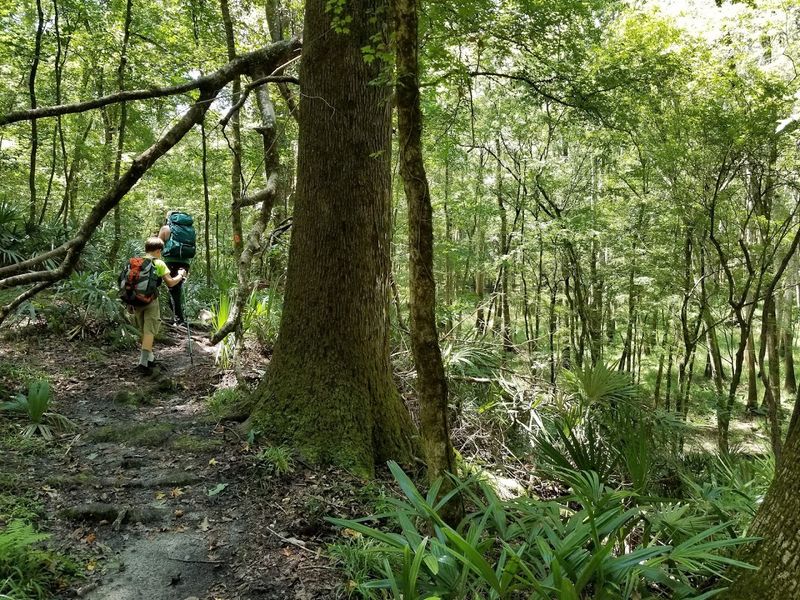
Torreya’s trail system delivers something most Florida parks can’t: genuine elevation changes that’ll make your legs remember the workout. The paths wind through ravines, climb ridges, and descend into hollows, offering a hiking experience that feels borrowed from Georgia or Tennessee. You’ll traverse multiple distinct ecosystems within a single hike, from upland pine forests to moist ravine bottoms.
The Weeping Ridge Trail leads adventurous hikers to a small waterfall, which might sound underwhelming until you remember that waterfalls barely exist in Florida. Even this modest cascade becomes remarkable in context. The trail can be challenging, with slippery sections and steep grades, but the payoff includes unique geological features and rare plant species.
Watch where you step. Multiple visitors have reported close encounters with copperhead snakes, particularly on warm days when these venomous serpents sun themselves on the trail. Wearing long pants and high socks isn’t just recommended, it’s practically mandatory.
Tick checks after every hike are essential, as these little bloodsuckers thrive in the park’s diverse habitats.
Trail maps are available at the ranger station, and you should definitely grab one before heading out. The interconnected paths can be confusing, and cell service is unreliable in the ravines. Bring plenty of water, even in cooler months, because the humidity combined with elevation changes will leave you parched faster than you’d expect on a typical Florida nature walk.
6. Camping Among the Trees and History
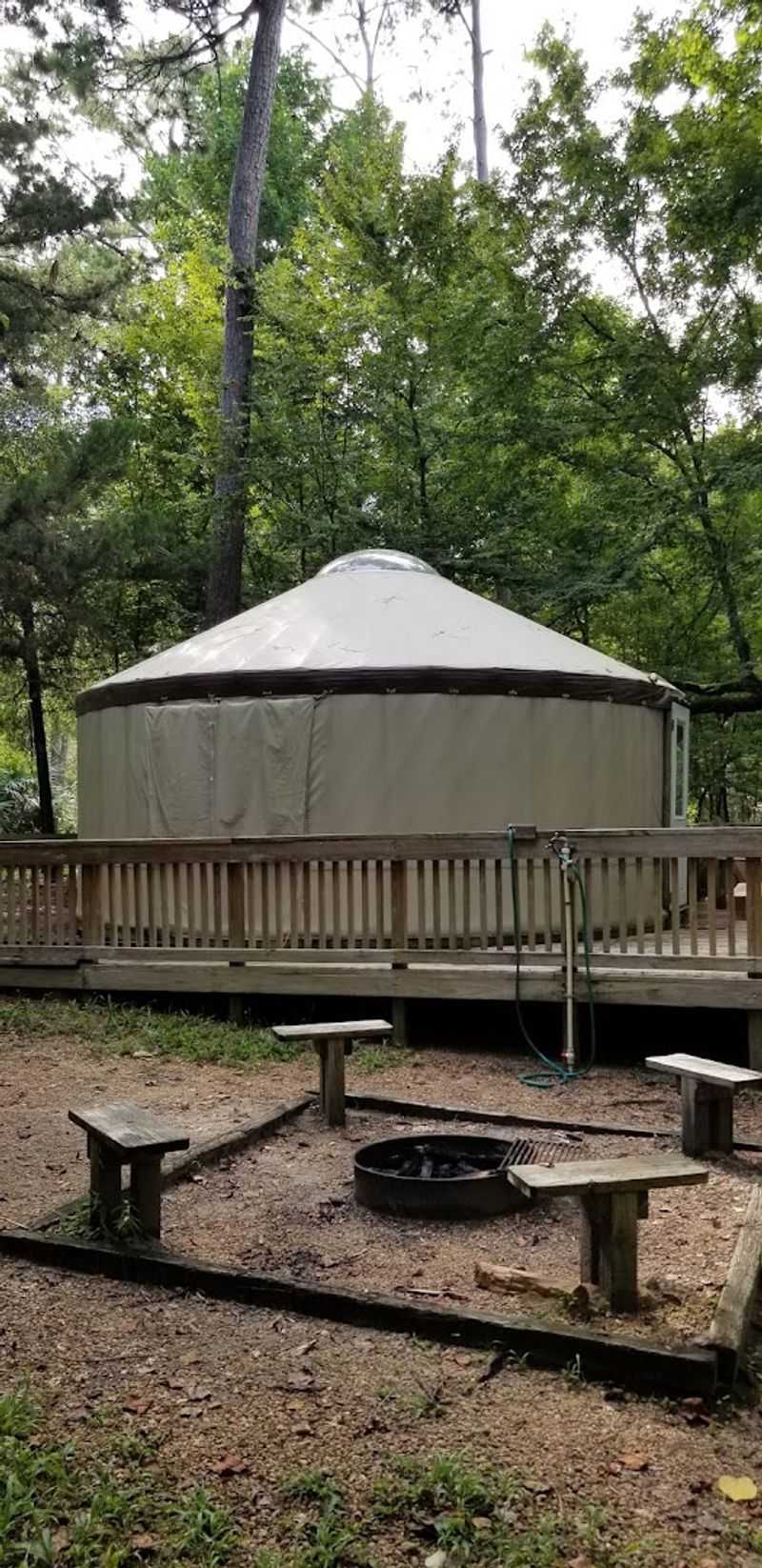
Camping at Torreya feels like stepping into old Florida before theme parks and beach resorts took over. The small campground features sites tucked among the trees, offering privacy and a genuine wilderness atmosphere. Sites 19, 28, and 30 get consistent praise from visitors for their size and seclusion, with enough room for large RVs and tow vehicles.
The campground roads are dirt and might look intimidating, but they’re well-maintained and easily navigable for big rigs. Most sites are back-in only, with level pads that rarely require extensive jacking. Each spot includes a picnic table, fire ring, and hookups for water and electricity.
The spacing between sites provides privacy that’s increasingly rare in modern campgrounds.
Bathrooms receive glowing reviews for cleanliness, with camp hosts working tirelessly to maintain facilities. There’s even an on-site laundry facility with reasonable prices: $1.50 for washing and $1 for drying. The nearest grocery store sits about 10-15 miles away in town, so stock up before arriving or be prepared for a drive.
Hurricane damage from past storms is still visible in some areas, but repairs continue steadily. The remote location means dark skies perfect for stargazing, with minimal light pollution to interfere with your view of the Milky Way. Starlink satellite internet deploys without issues for those needing connectivity.
Just remember to bring everything you need, including bug spray and tick repellent, because this wilderness setting comes with wilderness bugs.
7. The CCC Legacy: Depression-Era Conservation
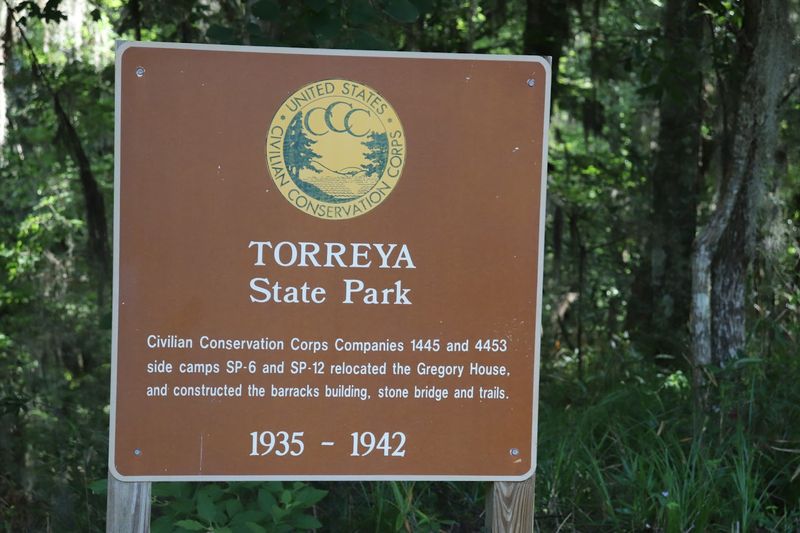
The Civilian Conservation Corps left an indelible mark on Torreya State Park during the 1930s. These young men, employed during the Great Depression, performed the Herculean task of moving the Gregory House to its current location and built much of the park’s infrastructure. A dugout canoe and historical photographs in the registration building tell their remarkable story.
President Franklin Roosevelt created the CCC in 1933 to provide jobs while conserving natural resources. The corps enrolled unemployed young men who lived in camps, earned a dollar a day, and sent most of their wages home to struggling families. At Torreya, they constructed trails, cleared land, and accomplished the engineering marvel of relocating a two-story plantation house without modern equipment.
The work they completed remains functional nearly 90 years later, a testament to their skill and dedication. Walking the trails they carved or standing in the house they moved connects you to a pivotal moment in American history when the government mobilized youth to save both people and nature. The CCC planted trees, fought erosion, and created the framework for Florida’s state park system.
Photographs show the workers using simple tools and ingenuity to solve complex problems. They built the brick pillars supporting the Gregory House, carefully dismantled and reassembled the structure, and created access roads through challenging terrain. Their legacy deserves recognition as much as the natural and historical features they helped preserve for generations who would follow in their footsteps.
8. Wildlife Watching in an Elevated Ecosystem
Torreya’s unique elevation and varied habitats create a wildlife watching paradise unlike anywhere else in Florida. The park’s position on the bluffs attracts species typically found much further north, while southern species still thrive in the lowlands. This biological crossroads produces remarkable biodiversity in a relatively compact area.
Bird enthusiasts should bring binoculars and a field guide. The park hosts both resident and migratory species, with spring and fall migrations bringing unexpected visitors. Warblers, tanagers, and other songbirds use the river valley as a migration corridor, while year-round residents include woodpeckers, hawks, and owls.
The varied terrain provides countless ecological niches supporting different bird communities.
Mammals range from white-tailed deer and armadillos to more elusive creatures like bobcats and gray foxes. Early morning and late evening offer the best chances for wildlife encounters when animals emerge to feed. The park’s remote location means wildlife remains relatively undisturbed, behaving naturally rather than growing habituated to human presence.
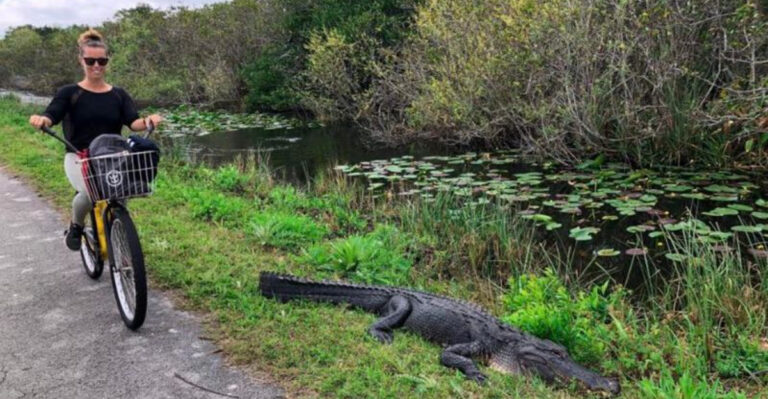
Reptile diversity is impressive but demands caution. Besides the copperheads that hikers frequently mention, you might encounter rat snakes, kingsnakes, and various lizard species. Turtles bask along the river, while alligators occasionally appear in backwater areas.
The park’s staff can provide current wildlife information and safety tips. Remember that you’re visiting their home, so maintain respectful distances and never feed or approach wild animals regardless of how harmless they might appear.