This Dade City Village Shows Exactly How Florida’s Earliest Settlers Lived
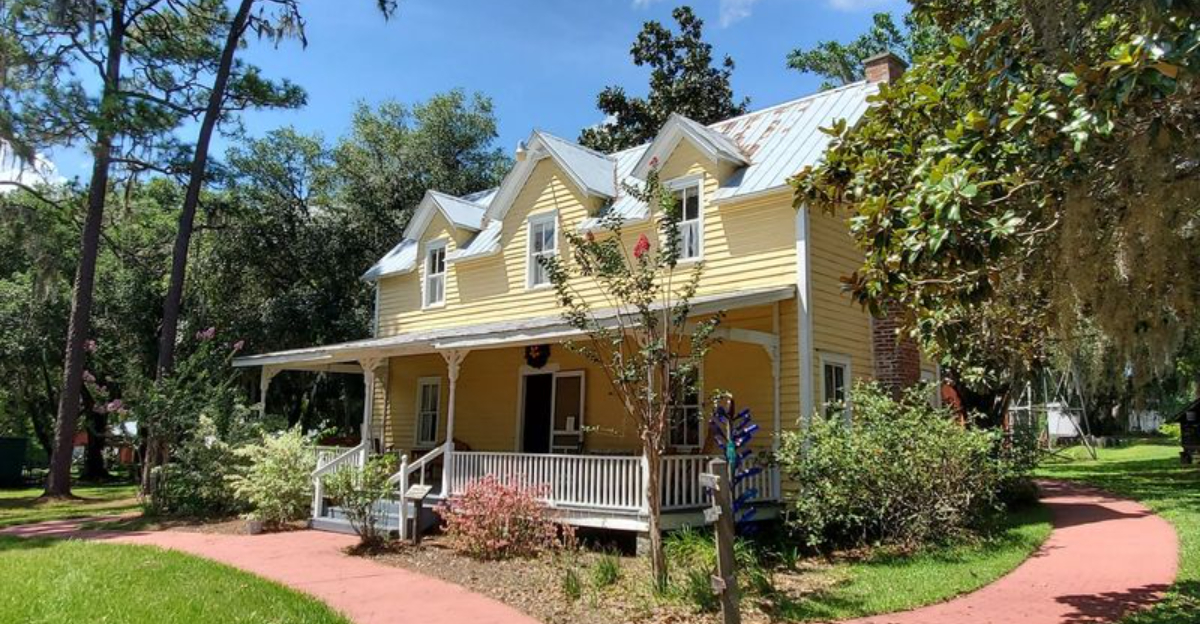
Ever wonder what life was really like for Florida’s earliest settlers? The Pioneer Florida Museum & Village in Dade City offers a genuine time machine experience, spreading historic buildings and artifacts across 16 wooded acres. From an 1890s farmhouse to a one-room schoolhouse and a working blacksmith shop, this open-air museum preserves pre-1945 Florida pioneer life in remarkable detail.
Step off the modern world and into a place where you can touch history, explore authentic structures, and discover how families carved out their lives in frontier Florida.
1. Overstreet House from the 1890s
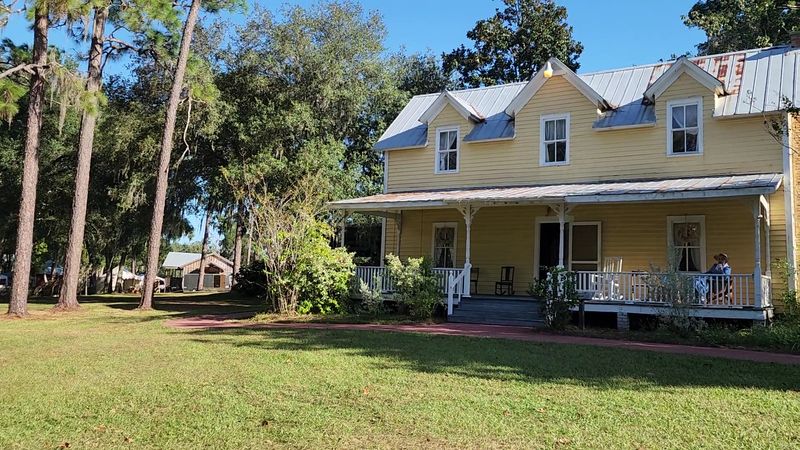
Walking up to the Overstreet House feels like stepping onto the set of a forgotten Florida story. Built in the 1890s, this authentic pioneer home showcases how families actually lived during Florida’s frontier days. The wooden structure stands as a testament to craftsmanship and survival in an era without air conditioning or modern conveniences.
Inside, you’ll find rooms furnished with period pieces that tell stories of daily routines. Kitchen tools, bedroom furniture, and household items reveal the ingenuity required to manage a home when everything had to be done by hand. The house layout reflects practical thinking, with rooms designed for both work and family life.
What makes this building special is its authenticity. This isn’t a replica or a recreation. It’s the real deal, carefully relocated and preserved to give visitors an unfiltered look at pioneer architecture.
The wear on the floorboards, the construction methods visible in the walls, and the simple elegance of the design all speak to a different time.
Visiting during cooler months makes the experience even more immersive. You can imagine families gathering around the fireplace, children doing homework by lamplight, and parents planning the next day’s farm work. The Overstreet House doesn’t just show you history; it lets you feel it in your bones.
2. One-Room Schoolhouse from Lacoochee
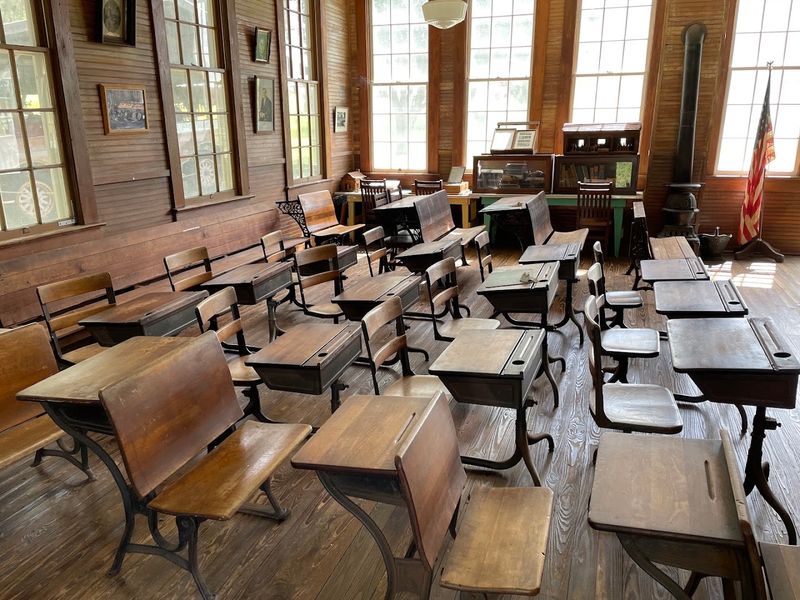
Picture 30 kids of all ages crammed into one small room, sharing textbooks and learning from a single teacher. That’s exactly what happened in this authentic schoolhouse relocated from Lacoochee. The building represents education in rural Florida when resources were scarce but determination ran deep.
The desks are the real showstoppers here. Wooden benches with attached writing surfaces show wear from decades of students carving initials and fidgeting through lessons. The teacher’s desk sits at the front, positioned to oversee every corner of the room.
A chalkboard hangs on the wall, and you can almost hear the scratch of chalk during spelling lessons.
What’s fascinating is how this single space served every grade level simultaneously. Older students helped younger ones while the teacher rotated attention between age groups. This system built community and responsibility in ways modern schools rarely achieve.
Kids learned patience, cooperation, and independence out of pure necessity.
The schoolhouse also reveals economic realities of pioneer life. Few families could afford to send children to distant schools, so communities pooled resources to build local options. Education happened despite challenges, not because everything was easy.
Standing in this room, you realize how much Florida’s early settlers valued learning, even when survival demanded most of their energy.
3. Historic Church Building
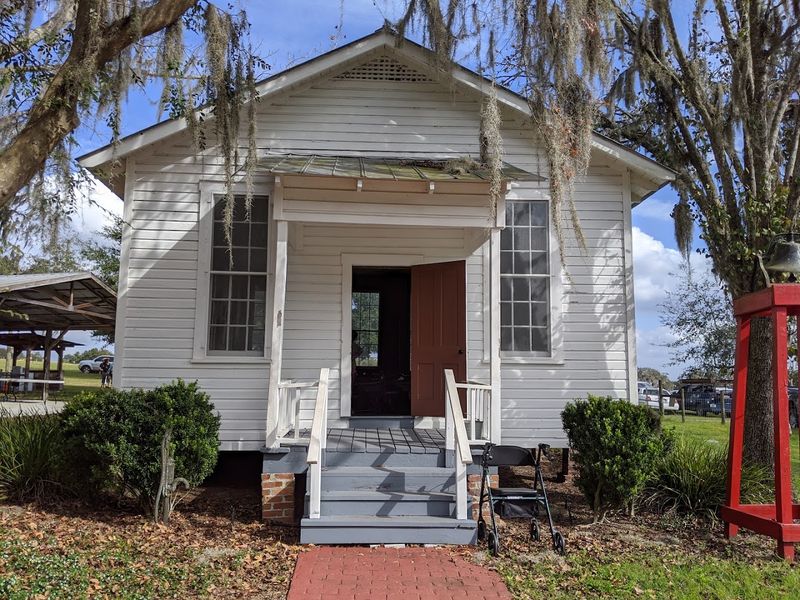
Faith anchored pioneer communities in ways modern life rarely requires. This relocated church building served as the spiritual and social heart of early Florida settlements. Simple in design but rich in purpose, the structure hosted Sunday services, weddings, funerals, and community gatherings that kept isolated families connected.
The interior features straight-backed wooden pews that demanded attention during long sermons. No cushions, no distractions, just hard seats that kept congregations focused. A pulpit stands at the front, and the acoustics in the small space mean every word carried weight.
Windows without screens allowed breezes to flow through during hot summer services.
Churches like this one weren’t just about religion. They functioned as news centers, social clubs, and support networks. Families shared information about crop conditions, warned about dangers, and organized help for neighbors facing hardship.
The building represents community survival as much as spiritual practice.
What strikes visitors most is the simplicity. No fancy decorations, no elaborate architecture, just functional space for people to gather. This plainness wasn’t about lack of skill or resources; it reflected pioneer priorities.
When every board and nail had to be hauled by wagon and assembled by hand, you built what mattered most. This church shows that connection and faith mattered more than comfort or style.
4. Trilby Train Depot
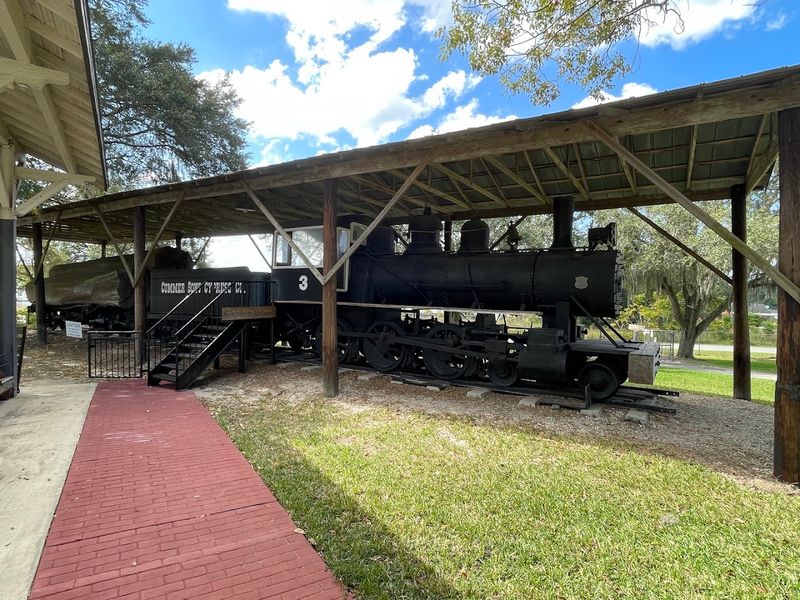
Before highways crisscrossed Florida, trains were the lifeline connecting remote communities to the wider world. The Trilby depot represents this crucial transportation era when the whistle of an approaching locomotive meant news, supplies, and connection to distant places. Small depots like this one dotted Florida’s landscape, serving as gateways for both people and commerce.
The depot building itself is compact but purposeful. A covered platform protected passengers and cargo from Florida’s unpredictable weather. Inside, a ticket window and waiting area provided basic amenities.
The telegraph equipment that once clicked out messages sits silent now, but its presence reminds visitors how information traveled before phones and internet.
Train depots transformed pioneer life dramatically. Farmers could ship produce to distant markets, families could order goods from catalogs, and travelers could reach relatives hundreds of miles away. The depot wasn’t just a building; it was hope and opportunity made tangible.
It meant isolation wasn’t permanent and communities weren’t forgotten.
Walking through the Trilby depot, you can imagine the excitement when trains arrived. Children running to see the locomotive, adults collecting mail and packages, merchants unloading supplies. The depot hummed with energy and possibility.
Today, it stands quiet but powerful, a reminder that progress came on steel rails long before it arrived on asphalt roads.
5. General Store Building
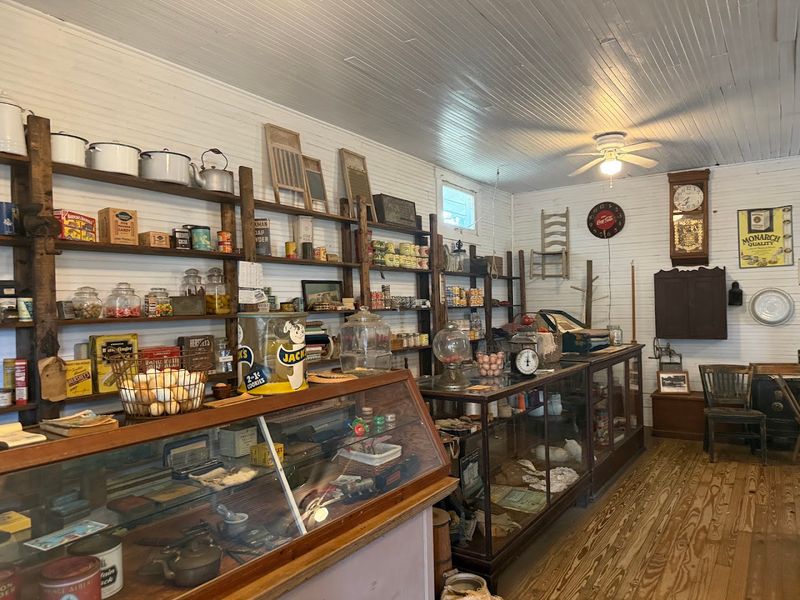
If pioneer Florida had a heart, it beat inside the general store. This relocated building captures the essence of commerce when shopping meant visiting one place that sold everything from flour to fabric. The store functioned as supply center, bank, post office, and gossip hub all rolled into one essential institution.
Shelves line the walls from floor to ceiling, stocked with replica goods that show the variety pioneers depended on. Barrels of dry goods, tools hanging from pegs, bolts of fabric, and household necessities fill every available space. An old-fashioned cash register sits on the counter, and scales for weighing purchases rest nearby.
The layout maximizes limited space with impressive efficiency.
General stores operated on credit systems that bound communities together. Storekeepers knew every family’s situation and extended trust when cash ran short. Farmers settled accounts after harvest, and relationships mattered more than immediate payment.
This system built loyalty and interdependence that strengthened community bonds.
The store also served as information central. Bulletin boards posted notices, people exchanged news while shopping, and strangers got directions or recommendations. Before mass media, the general store kept people informed and connected.
Visiting this building today, you realize how much social infrastructure disappeared when chain stores and online shopping replaced local merchants who knew customers by name and story.
6. Blacksmith Shop
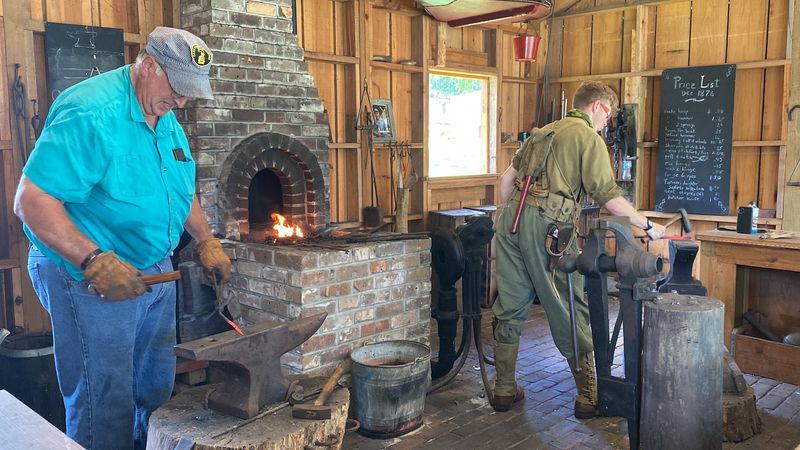
The rhythmic clang of hammer on anvil once echoed through every Florida settlement. Blacksmiths were essential craftsmen who kept pioneer life functioning by creating and repairing metal tools, horseshoes, wagon parts, and countless other necessities. This working blacksmith shop demonstrates skills that seem almost magical to modern eyes.
The forge glows hot during demonstration days, and the acrid smell of heated metal fills the air. Watching a blacksmith shape iron by hand reveals the strength, timing, and precision required for this craft. What looks like simple pounding is actually controlled violence that transforms raw material into useful objects.
Each hammer strike serves a specific purpose in the shaping process.
Tools cover the walls in organized chaos. Hammers of different weights, tongs for various tasks, and specialized implements for specific jobs show the complexity of blacksmithing. The anvil, scarred from decades of use, serves as the blacksmith’s workbench.
Its shape isn’t arbitrary; every curve and edge has a functional purpose for bending, shaping, or cutting metal.
Blacksmiths held respected positions in pioneer communities because their skills couldn’t be easily replaced. A broken plow or loose horseshoe could cripple a farm’s productivity, making the blacksmith’s expertise invaluable. The shop represents self-sufficiency and craftsmanship that modern society has largely abandoned in favor of mass production and disposable goods.
7. Main Museum Building with Artifact Collections
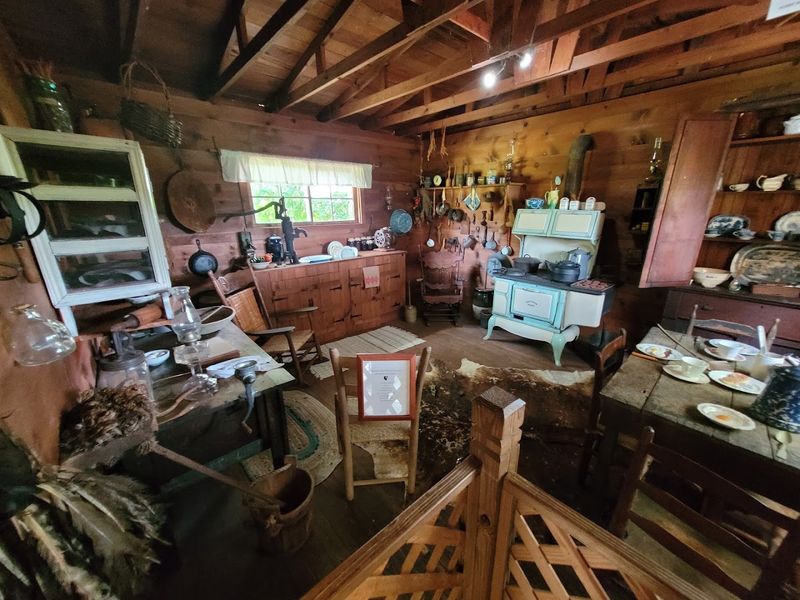
The main museum building houses treasures that would make any history lover’s heart race. Floor-to-ceiling displays showcase thousands of artifacts collected since 1961, creating one of Florida’s most comprehensive pioneer collections. Walking through feels like exploring your great-great-grandparents’ attic if they had saved absolutely everything.
Farm implements dominate several sections, showing the backbreaking tools pioneers used to work Florida’s challenging soil. Plows, harrows, and harvesting equipment reveal the physical labor required before mechanization. Household items fill other displays with butter churns, washboards, irons heated on stoves, and kitchen gadgets that required serious arm strength.
Every object tells a story of ingenuity and hard work.
Particularly impressive are the textile collections featuring sewing machines, spinning wheels, and weaving equipment. Handmade quilts demonstrate artistry achieved despite limited resources. Native American beadwork adds cultural depth, showing Florida’s history extends far beyond European settlement.
First Lady dolls in miniature gowns provide unexpected elegance among the utilitarian displays.
What makes this collection special is its authenticity and scale. These aren’t reproductions or token examples. The museum preserves genuine artifacts in quantities that show the full scope of pioneer life.
You can compare different tool designs, see how technology evolved, and understand daily routines through objects people actually touched and used. The collection rewards slow, careful exploration with discoveries around every corner.
8. Steam Engine and Agricultural Equipment
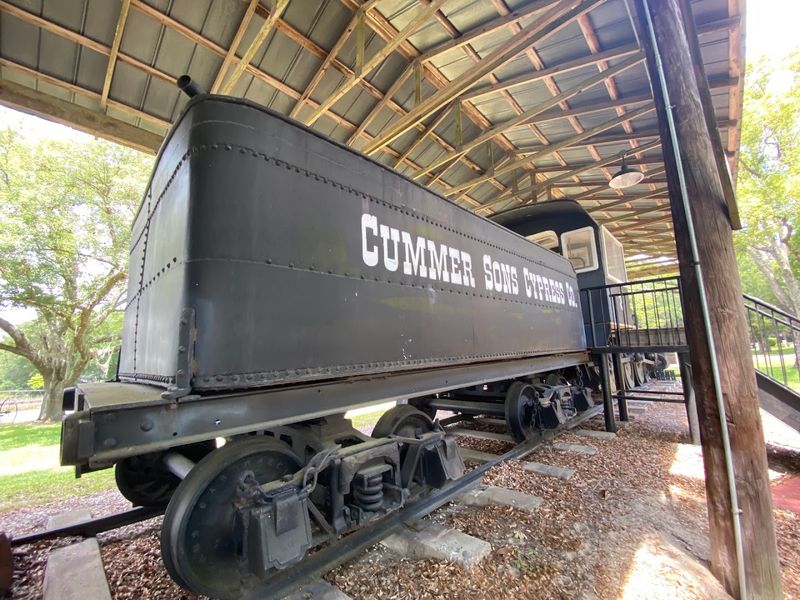
A massive steam engine sits on the grounds like a sleeping mechanical dragon from Florida’s agricultural past. This impressive piece of machinery represents the technological leap that transformed farming from human and animal power to mechanized efficiency. Seeing it up close reveals the engineering brilliance that powered Florida’s agricultural expansion.
The steam engine’s size surprises most visitors. These machines were built to last and work hard, with massive boilers, huge wheels, and complex systems of belts and pulleys. Information placards explain how steam power drove sawmills, powered threshing equipment, and pumped water for irrigation.
Understanding this technology helps you appreciate how dramatically farming changed when machines replaced muscle.
Surrounding the steam engine, various agricultural implements show the progression from hand tools to mechanical aids. Plows evolved from simple blades to complex multi-blade systems. Harvesters grew from hand-held sickles to horse-drawn equipment to tractor-pulled machines.
Each innovation saved labor and increased productivity, allowing smaller families to work larger farms.
The outdoor equipment displays benefit from Florida’s climate, allowing year-round viewing without weather concerns. You can walk around machines, examine construction details, and imagine the noise and activity when these implements were in daily use. For kids especially, seeing giant wheels and mysterious mechanical parts sparks curiosity about how things work and how much farming has changed in just a few generations.