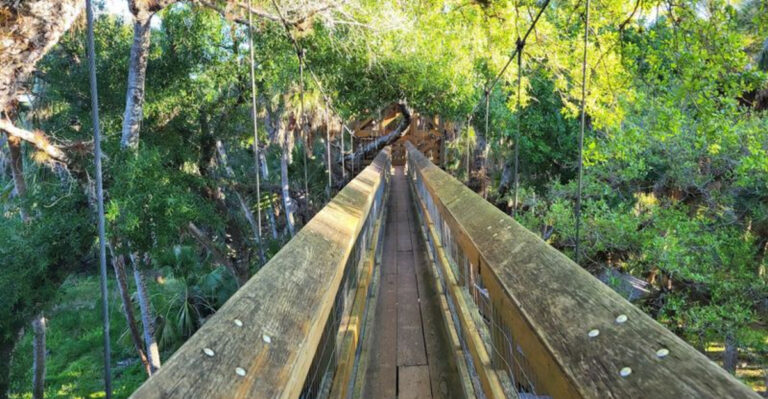
Skip the Zoo—These 13 Florida Wildlife Refuges Let You See Animals for Free
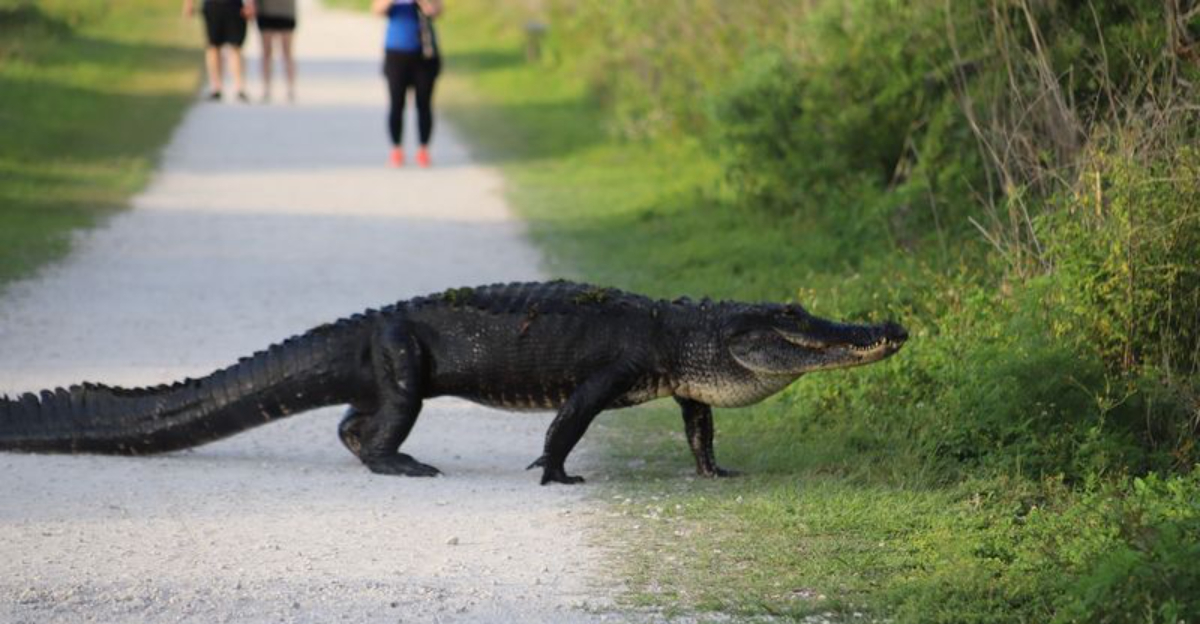
Zoos charge admission, limit your time, and keep animals behind glass. Florida’s wildlife refuges flip that script entirely. You can walk marshes, scan treetops, and watch alligators sunbathe without spending a dime or fighting crowds.
Best of all, the animals roam free in their actual habitats, so every visit feels like a real discovery instead of a staged exhibit.
1. Circle B Bar Reserve (Lakeland)
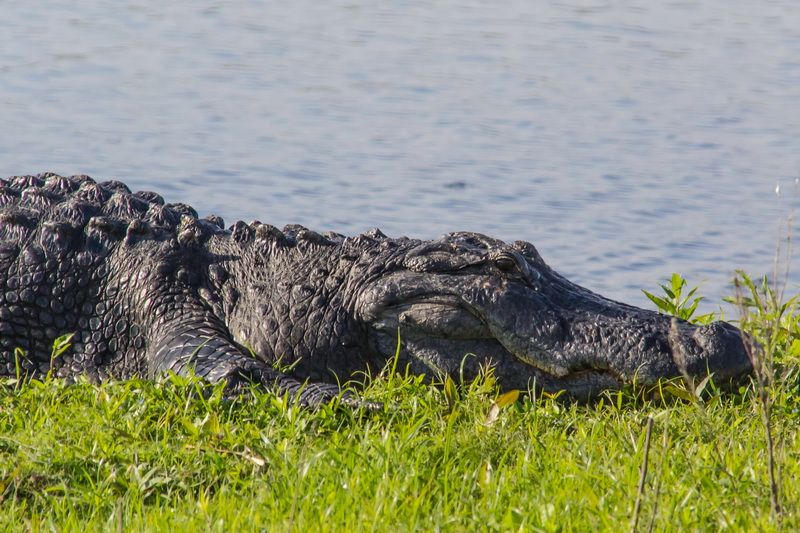
Lake Hancock sits at the heart of this reserve, and the wildlife treats it like a private buffet. Alligators pile up on sunny banks, bald eagles perch in dead pines, and herons stalk the shallows like they own the place. Wild hogs root through palmetto scrub, and if you time your visit right, you might catch a bobcat slinking through the brush.
The main loop trail stretches about three miles and hugs the lake most of the way. Boardwalks keep your feet dry and give you front-row seats to gator activity. Bring binoculars for the eagles and a camera for the waterbirds, because they pose better than most zoo animals ever will.
Early mornings deliver the best action. Fog lifts off the water, birds wake up hungry, and alligators haven’t retreated to deeper cover yet. The reserve opens at sunrise, so you can beat the heat and the weekend walkers if you show up early.
Parking fills up fast on nice weekends, but weekdays stay quiet. The trails stay flat and easy, so families with young kids handle them without complaint. Admission costs nothing, and neither does the show.
2. Orlando Wetlands (Christmas)
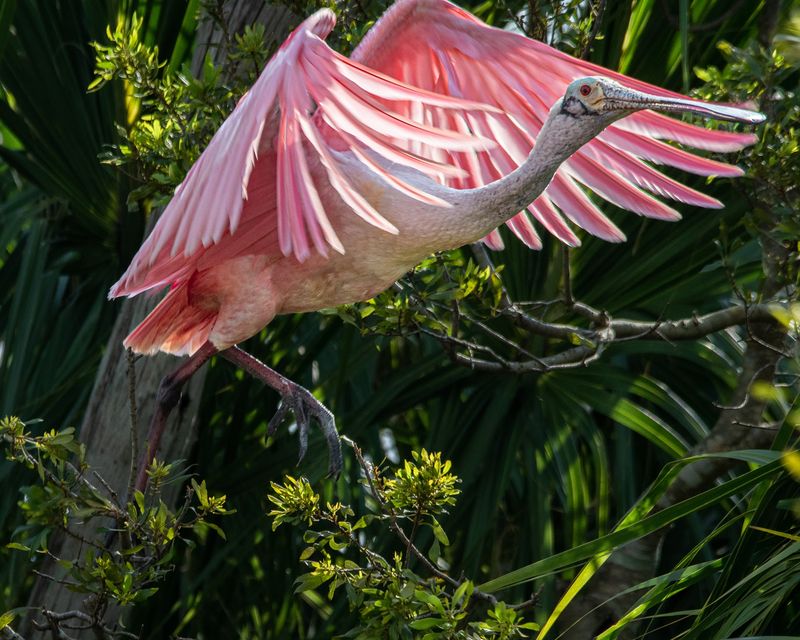
This place sprawls across 1,650 acres of marsh, and more than 18 miles of trails crisscross the whole thing. Otters pop up in canals, turtles stack themselves on logs, and alligators cruise the shallows like they’re patrolling their territory. Wading birds cluster so thick in some spots that the ground looks like it’s moving.
The trails range from short loops to full-day hikes, so you can tailor your visit to your energy level. Some paths run along levees with wide-open views, while others tunnel through scrub where songbirds dart between branches. Bikers love the flat, hard-packed routes, and photographers camp out near the ponds waiting for perfect light.
Weekdays feel almost private. You might walk an hour and see two other people, maybe a photographer with a tripod and a birder with a scope. Weekends bring more visitors, but the acreage absorbs them easily.
Entry, parking, hiking, biking, and nature viewing all cost zero dollars. Bring water, wear sun protection, and check the weather before you go, because shade disappears fast on the levees. The wetlands don’t charge admission, but they do demand respect for the heat.
3. Lake Apopka Wildlife Drive (Apopka)
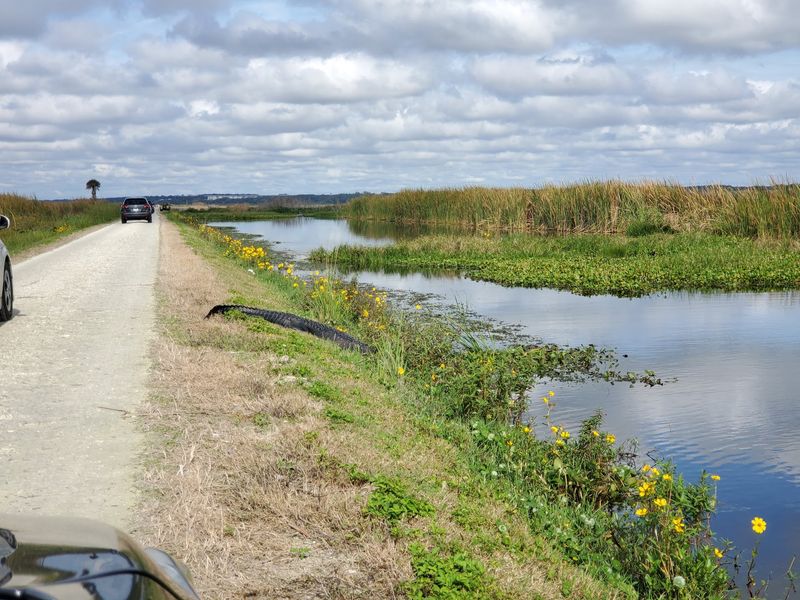
You don’t even have to leave your car to see alligators here. The 11-mile route winds through restored wetlands packed with gators, herons, egrets, ibises, and whatever else decided to show up that day. Roll your windows down, creep along at five miles per hour, and let the wildlife come to you.
The drive opens Fridays, weekends, and federal holidays, so plan accordingly. Gates unlock early, and serious birders arrive before sunrise to catch the morning feeding frenzy. By midday, alligators sprawl on the banks like they’re sunbathing at a resort, and you can count dozens without even trying.
Bring a camera with a decent zoom, because the birds don’t always cooperate by landing close to the road. Binoculars help too, especially when you spot something moving in the distant reeds. The route stays flat and easy, so even compact cars handle it without trouble.
No entrance fee, no parking charge, no hidden costs. Just show up on an open day, drive slow, and watch the wetlands put on a free show. Some visitors loop the drive twice in one visit because they missed something the first time around.
4. Wakodahatchee Wetlands (Delray Beach)
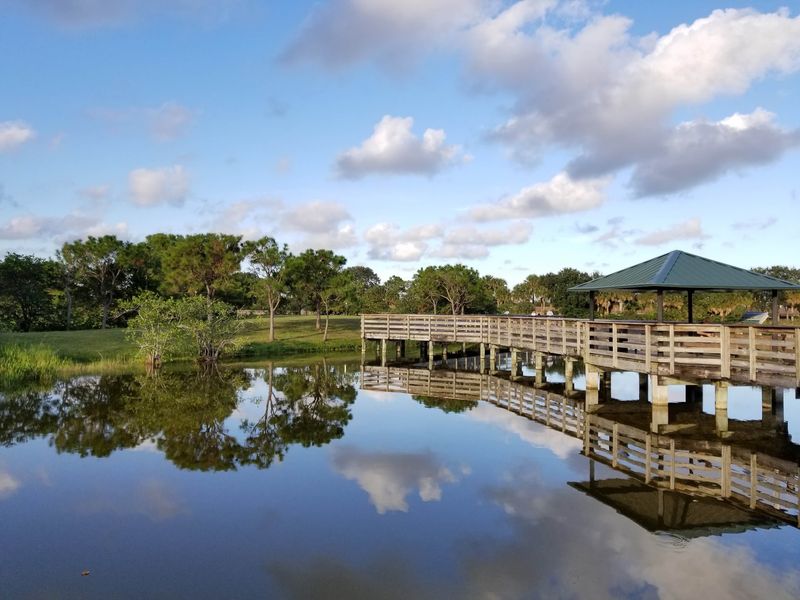
A three-quarter-mile boardwalk loops above ponds and nesting islands where herons, anhingas, turtles, and iguanas live so close you could practically reach out and touch them. Alligators glide through the water below, and nesting birds squawk overhead like they’re arguing about who gets the best branch.
The boardwalk stays elevated and shaded in spots, so even summer visits don’t melt you completely. Photographers camp out near the nesting islands, waiting for baby birds to poke their heads up or for an anhinga to spear a fish. Turtles pile onto logs in the sun, and iguanas drape themselves over branches like they’re posing for a calendar.
Families love this spot because the boardwalk stays stroller-friendly and the wildlife performs on cue. Kids lose their minds when they spot their first alligator, and parents appreciate the fact that admission and parking both cost nothing. The wetlands sit right off the main road, so you can visit on a whim without planning a whole expedition.
Early mornings bring the most bird activity, but the wetlands stay open all day. Bring water, wear sunscreen, and keep your eyes on the water, because something’s always moving down there.
5. National Key Deer Refuge (Big Pine Key)
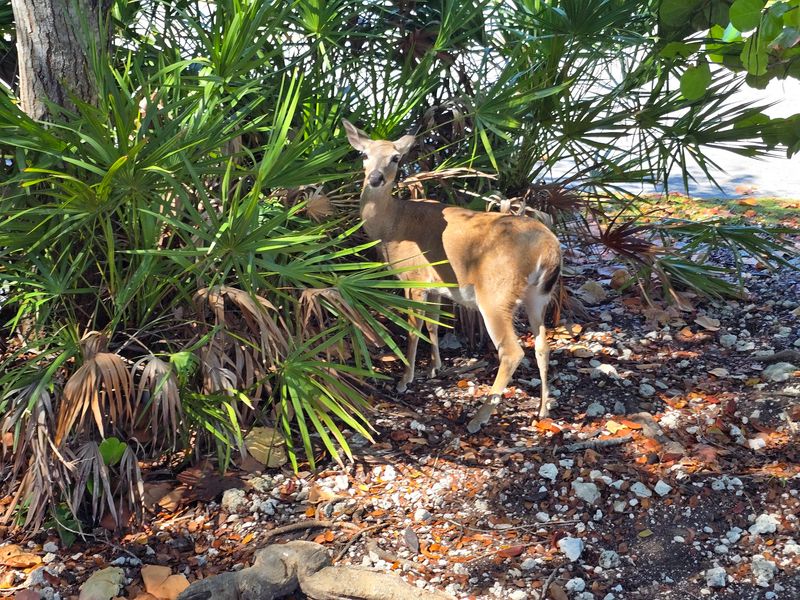
Key deer stand about waist-high and exist nowhere else on the planet. The refuge protects them and their habitat, which includes pine rocklands, freshwater wetlands, and tropical hardwood hammocks. Free public trails wind through all of it, and if you walk quietly, you’ll probably spot a few deer browsing in the undergrowth.
These deer act bolder than their mainland cousins. They’ve grown used to people, so they don’t always bolt when you approach. That said, feeding them is illegal and dangerous, so keep your snacks to yourself and just watch.
The refuge also shelters wading birds, butterflies, and the occasional raccoon, but the deer steal the show every time.
The trails stay short and easy, perfect for a quick morning walk or an afternoon stroll. Shade comes and goes depending on the habitat type, so wear sun protection and bring water. The refuge doesn’t charge admission, and parking costs nothing either.
Visit during the cooler months if you can, because summer heat on the Keys gets brutal. Early morning or late afternoon works best for deer sightings. The refuge stays open every day during daylight hours, so you can plan around your schedule without worrying about limited access.
6. Grassy Waters Preserve (West Palm Beach)
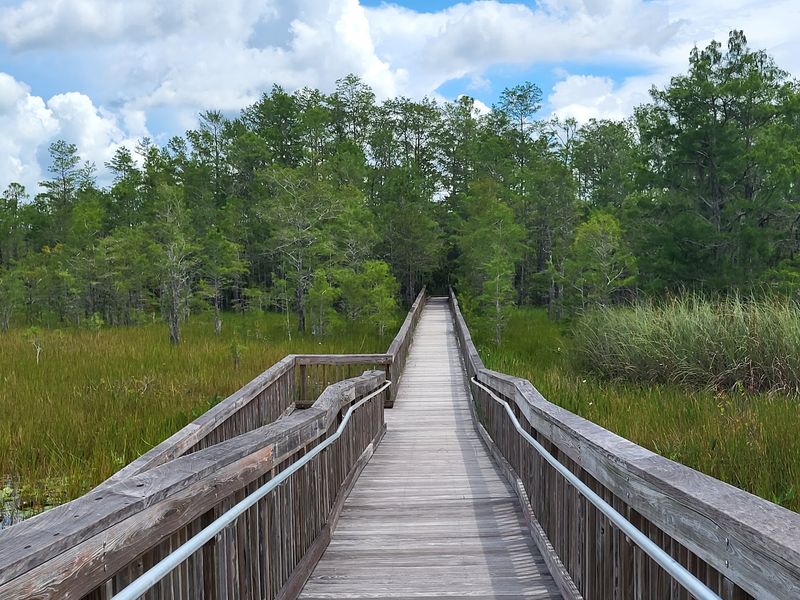
This preserve protects 23 square miles of Everglades ecosystem, and free trails and boardwalks let you wander right into the middle of it. Alligators lurk in every canal, otters splash through the shallows, and deer browse along the edges where the sawgrass meets dry ground. Wood storks and endangered snail kites patrol the skies, hunting for fish and snails.
The trails range from short nature walks to longer hikes that take you deep into the marsh. Boardwalks keep you dry and give you clear views of the water, where turtles stack up on logs and baby alligators paddle behind their mothers. Bring binoculars if you want to spot snail kites, because they hunt high and fast.
Weekdays stay quiet, so you can walk for an hour without seeing another soul. Weekends bring more visitors, but the preserve absorbs them easily thanks to its size. Parking and admission both cost nothing, and the preserve opens early enough for sunrise hikes.
Wear bug spray, because mosquitoes own this place during the wet season. Bring water and sun protection, and stay on the trails to avoid disturbing nesting birds or stepping on baby gators. The preserve doesn’t charge you a dime, but it expects you to respect the wildlife.
7. Pelican Island National Wildlife Refuge (Vero Beach)
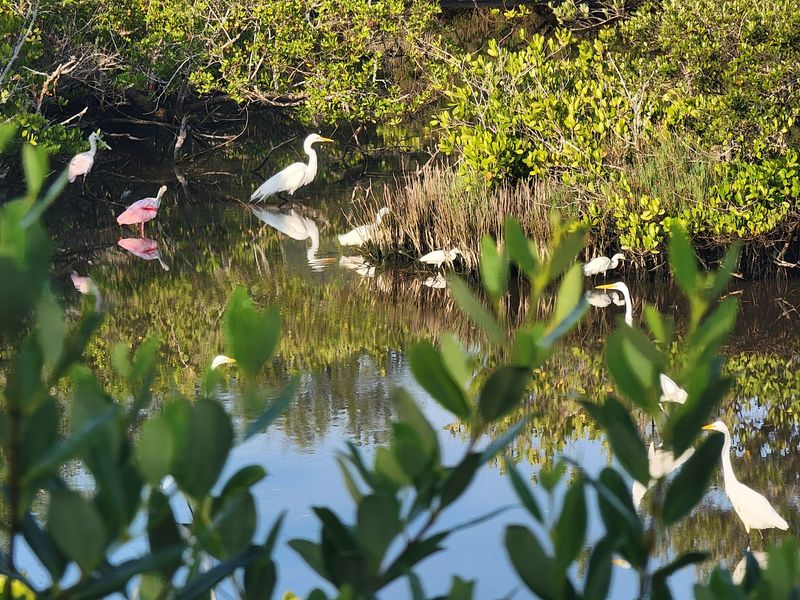
America’s first national wildlife refuge opened here in 1903, and it still delivers some of the best free birding in Florida. Seven miles of trails wind through the refuge, and observation platforms and boardwalks overlook marshes and the Indian River Lagoon. Pelicans, herons, egrets, and spoonbills cluster on the islands, and dolphins cruise the lagoon just offshore.
The refuge protects critical habitat for nesting birds, so some areas close seasonally to prevent disturbance. The trails that stay open offer plenty of wildlife viewing, though, and the observation tower gives you a bird’s-eye view of the whole scene. Bring binoculars and a field guide, because you’ll spot species you’ve never seen before.
The trails stay flat and easy, suitable for all ages and fitness levels. Shade disappears in some sections, so wear sun protection and bring water. The refuge doesn’t charge admission, and parking costs nothing either.
Visit during the cooler months for the best bird activity, because migratory species pile into the refuge from November through April. Early mornings deliver the most action, but the refuge stays open all day. Photographers love the light at sunrise and sunset, when the lagoon glows and the birds start moving.
8. Ten Thousand Islands National Wildlife Refuge (Naples)
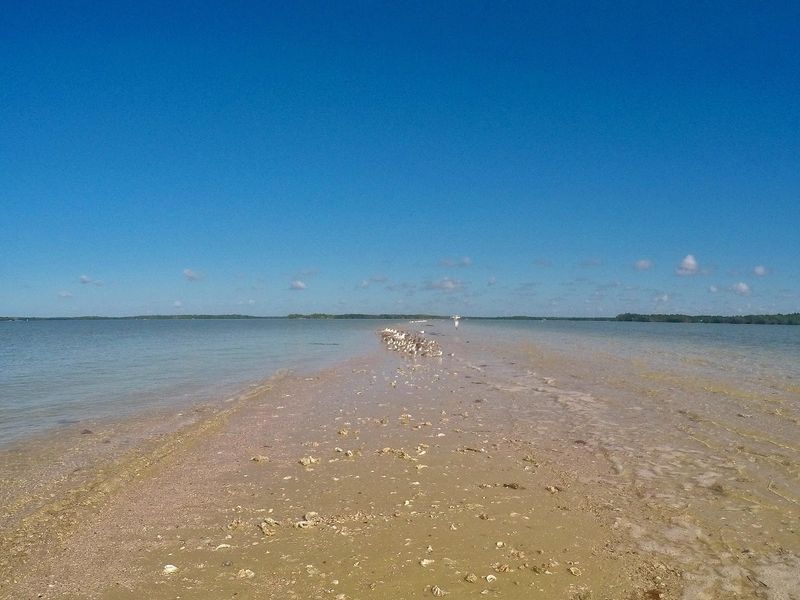
The free Marsh Trail leads to a two-story observation tower that overlooks miles of mangrove country. Manatees surface in the channels, dolphins arc through the water, and roseate spoonbills wade through the shallows looking like they escaped from a tropical postcard. Wood storks stalk the flats, and alligators patrol the mangrove edges.
The trail stays short and easy, so families with young kids handle it without complaint. The observation tower gives you a panoramic view of the refuge, and on clear days you can see for miles. Bring binoculars to scan the distant channels for dolphins and manatees, because they don’t always come close to shore.
The refuge sits off the beaten path, so it never feels crowded. Weekdays stay almost private, and even weekends bring only a handful of visitors. Parking and admission both cost nothing, and the refuge opens every day during daylight hours.
Visit during the cooler months if you want to avoid summer heat and bugs. Early mornings deliver the best wildlife activity, and the light at sunrise makes everything look better. Bring water, wear sun protection, and watch for mosquitoes during the wet season.
The refuge doesn’t charge you anything, but it does expect you to respect the wildlife and stay on the trails.
9. Florida Panther National Wildlife Refuge Trails (Immokalee)
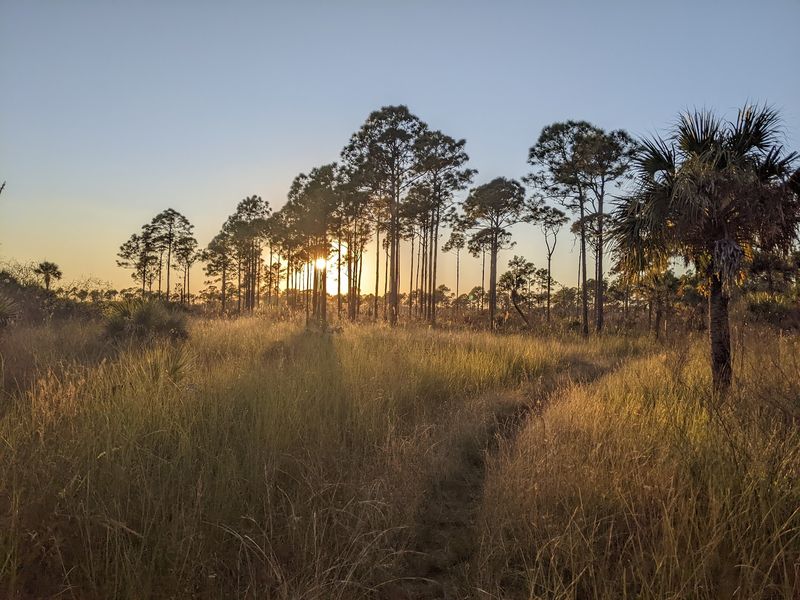
Most of this refuge stays closed to protect sensitive panther habitat, but two public hiking trails stay open every day during daylight hours. Seeing a panther is extremely unlikely, because they avoid people like the plague, but deer, birds, butterflies, and other wildlife show up regularly. The trails wind through pine flatwoods, cypress swamps, and oak hammocks, giving you a taste of the habitats panthers need to survive.
The trails stay flat and easy, suitable for casual hikers and families. Shade comes and goes depending on the habitat type, so bring sun protection and water. The refuge doesn’t charge admission, and parking costs nothing either.
Panthers hunt mostly at dawn and dusk, so if you’re hoping for a miracle sighting, visit during those hours. Even if you don’t see a panther, you’ll spot plenty of other wildlife. Deer browse along the edges, wading birds stalk the wetlands, and butterflies swarm the wildflowers during the right season.
The refuge stays quiet most days, so you can hike for hours without seeing another person. Bring bug spray during the wet season, because mosquitoes thrive in the swamps. The refuge opens every day, so you can visit whenever your schedule allows.
Admission costs nothing, and the refuge expects you to respect the wildlife and stay on the trails.
10. Green Cay Nature Center and Wetlands (Boynton Beach)
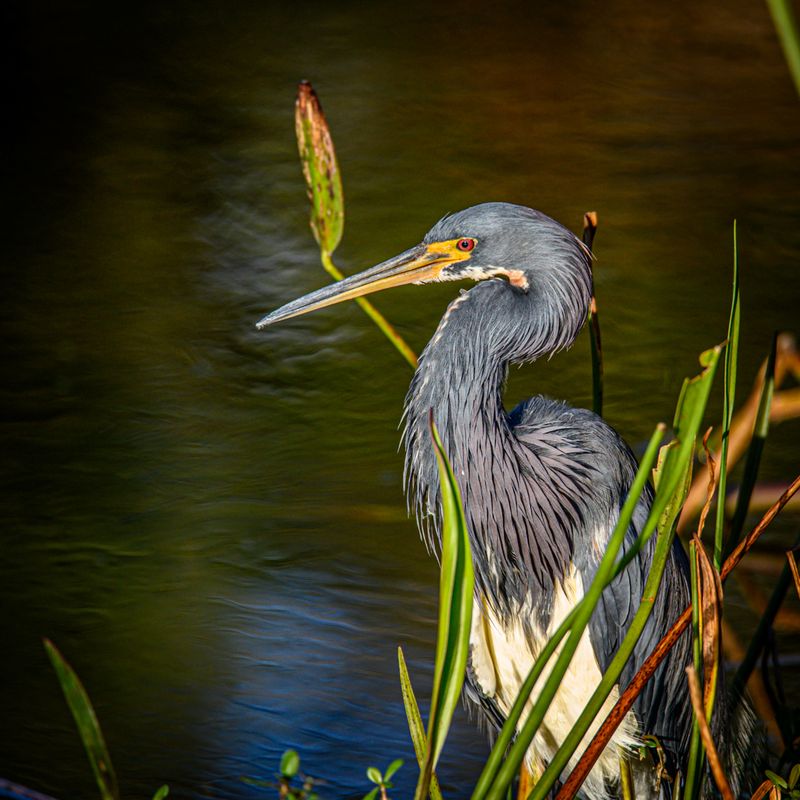
A free 1.5-mile elevated boardwalk winds above 100 acres of wetlands where alligators, turtles, rabbits, and colorful waterbirds perform like they’re auditioning for a nature documentary. Herons stalk the shallows, ibises probe the mud, and alligators float so still you’ll think they’re logs until they blink. Turtles stack themselves on every available log, and rabbits hop through the grass along the boardwalk edges.
The boardwalk stays wide and stroller-friendly, so families with young kids love this spot. Shade covers some sections, but sun protection is still a good idea. The nature center at the trailhead offers exhibits and restrooms, and staff members answer questions about the wildlife.
Photographers camp out near the nesting islands, waiting for baby birds to emerge or for an alligator to surface with a fish. Birders scan the trees for warblers and woodpeckers, and casual visitors just stroll along enjoying the scenery. The wetlands stay open all day, and admission and parking both cost nothing.
Early mornings bring the most bird activity, but the wetlands stay interesting all day. Bring water, wear sunscreen, and keep your eyes on the water, because something’s always moving. The boardwalk makes a full loop, so you end up right where you started without backtracking.
11. CREW Bird Rookery Swamp Trail (Naples)
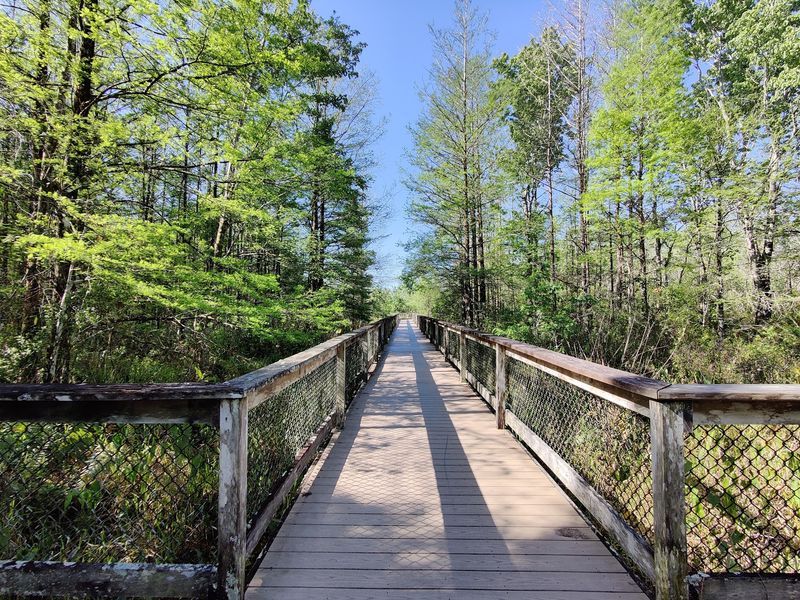
This free 12-mile trail begins with an accessible boardwalk before plunging into a wild cypress swamp inhabited by alligators, otters, wading birds, and songbirds. The boardwalk section keeps you dry and gives you clear views of the swamp, where alligators cruise the channels and herons hunt in the shallows. Beyond the boardwalk, the trail gets wilder, winding through cypress domes and wet prairies where wildlife sightings depend on luck and timing.
Otters pop up in the canals, playing and hunting with endless energy. Songbirds flit through the cypress branches, and wading birds stalk the edges looking for fish. The trail stays flat but can get muddy during the wet season, so wear waterproof boots if you plan to hike the full distance.
Donations are optional, and the trail stays open every day during daylight hours. Parking costs nothing, and the trailhead offers basic facilities. Bring water, bug spray, and sun protection, because the swamp doesn’t offer much shade in some sections.
Early mornings deliver the best wildlife activity, and the light filtering through the cypress trees looks magical. Weekdays stay quiet, so you can hike for hours without seeing another person. The trail doesn’t charge admission, but it expects you to respect the wildlife and pack out your trash.
12. Lake Woodruff National Wildlife Refuge (De Leon Springs)
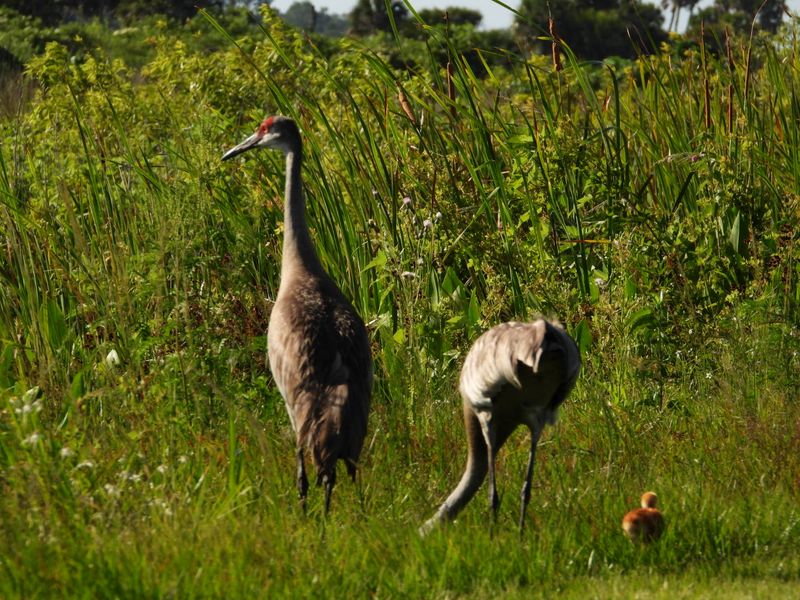
Flat trails and levees cross marshes, impoundments, pine flatwoods, and swamps inside this 22,000-acre migratory-bird refuge near the St. Johns River. Ducks, geese, and other waterfowl pile into the impoundments during the winter, and wading birds hunt the shallows year-round. Alligators patrol the canals, and turtles stack themselves on every log that breaks the surface.
The trails stay easy and flat, suitable for all ages and fitness levels. Some routes follow levees with wide-open views, while others tunnel through pine flatwoods where songbirds dart between branches. Bring binoculars for the waterfowl and a camera for the wading birds, because they pose better than most zoo animals ever will.
The refuge doesn’t charge admission, and parking costs nothing either. It opens every day during daylight hours, so you can visit whenever your schedule allows. Weekdays stay quiet, and even weekends bring only a handful of visitors thanks to the refuge’s size.
Visit during the cooler months for the best bird activity, because migratory species pile into the refuge from November through March. Early mornings deliver the most action, but the refuge stays interesting all day. Bring water, wear sun protection, and watch for mosquitoes during the wet season.
The refuge doesn’t charge you a dime, but it expects you to respect the wildlife and stay on the trails.
13. Ritch Grissom Memorial Wetlands (Viera)
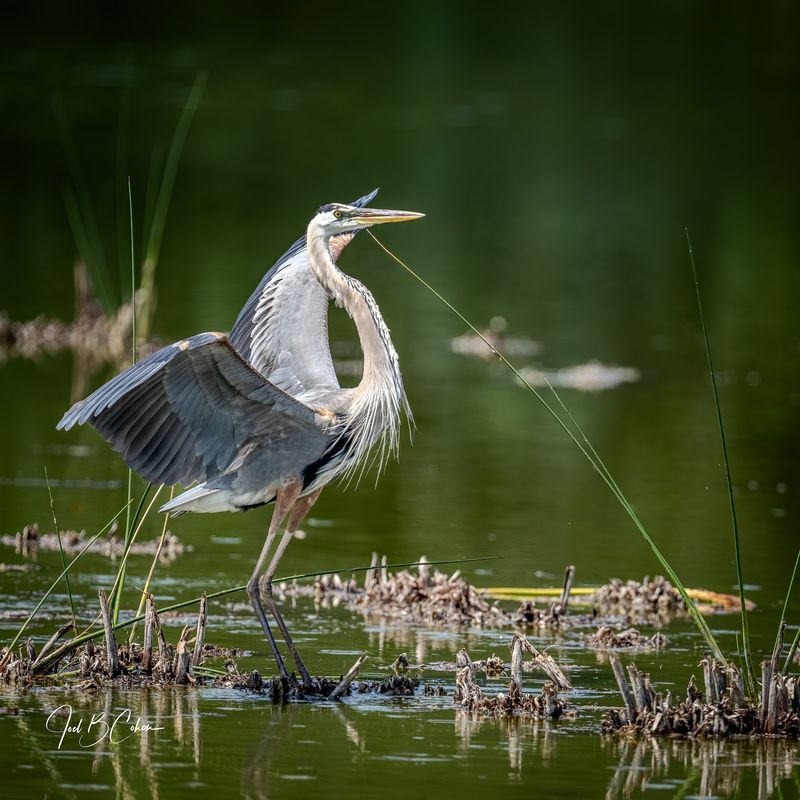
Also called Viera Wetlands, this county-owned treatment wetland has become a favorite among birders and wildlife photographers. It stays open daily for pedestrians and cyclists, with free entry and parking. Wading birds cluster in the ponds, raptors hunt from the power lines, and waterfowl paddle through the impoundments like they own the place.
Photographers love this spot because the birds come close and the light hits the water perfectly during golden hour. Birders scan the ponds for rare species, and casual visitors just stroll along enjoying the scenery. The wetlands sprawl across hundreds of acres, so you can walk for hours without covering the whole thing.
Alligators lurk in every pond, and turtles stack themselves on logs in the sun. Ducks, coots, and gallinules paddle through the shallows, and herons stalk the edges looking for fish. Raptors perch on the power lines, scanning the ground for prey.
The wetlands stay flat and easy to navigate, with levees and roads providing solid footing. Bring binoculars, a camera, water, and sun protection, because shade disappears fast on the levees. The wetlands don’t charge admission or parking fees, and they stay open every day.
Early mornings bring the most bird activity, but the wetlands stay interesting all day long.