10 Secret Florida Spots Most Natives Have Never Heard Of
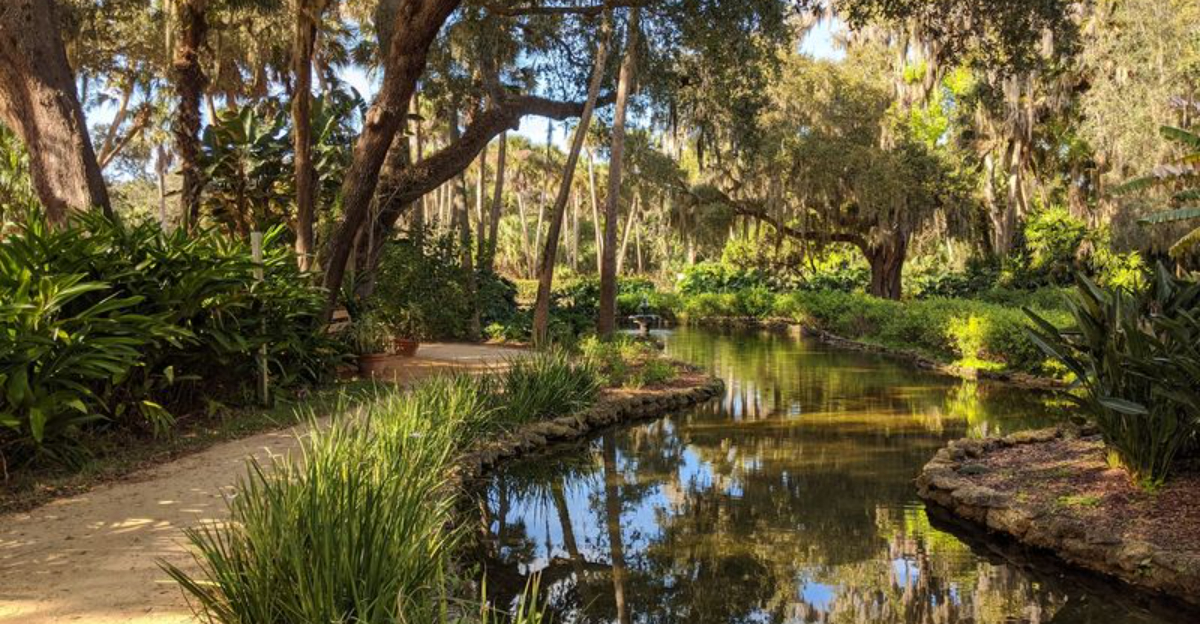
Florida might be famous for theme parks and beaches, but some of the state’s most amazing places remain virtually unknown even to people who’ve lived here their whole lives. Tucked away in quiet corners from the Panhandle to the southern coast, these hidden gems offer experiences you won’t find in any tourist brochure. Whether you’re craving geological wonders, ancient history, or landscapes that look nothing like the Florida you think you know, these secret spots will make you see the Sunshine State in a completely new light.
1. Blowing Rocks Preserve (Jupiter Island)
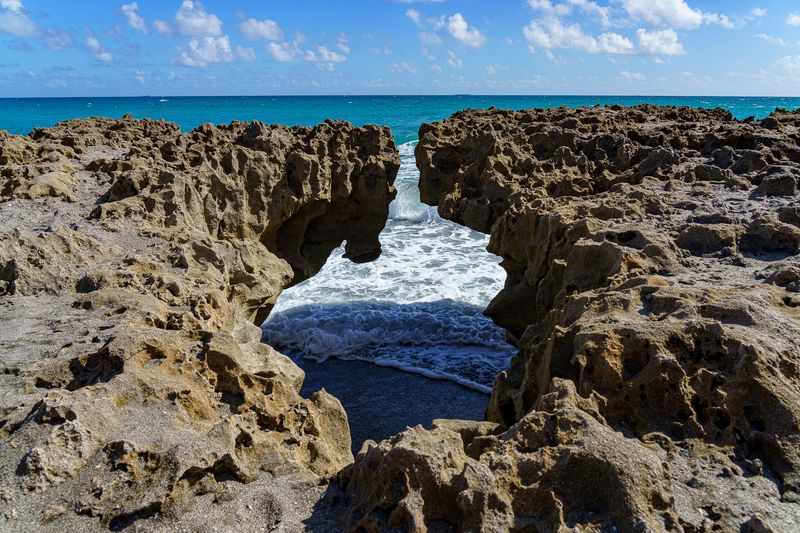
When the tide is just right and the waves are rolling in strong, water explodes through ancient limestone like natural geysers shooting 50 feet into the air. That’s the magic of Blowing Rocks Preserve, where Florida’s largest limestone outcropping meets the Atlantic Ocean in the most spectacular way possible. Most people zoom past Jupiter Island without realizing this 73-acre preserve exists.
The Anastasia limestone formations here are around 100,000 years old, riddled with holes and crevices that turn incoming waves into explosive fountains of spray. Winter months and stormy weather bring the best shows, but even on calm days, the preserve offers something special. You can explore tidal pools teeming with crabs and small fish, or walk the trails through coastal strand habitat where gopher tortoises lumber through native vegetation.
Sea turtle nesting season transforms this place into something even more remarkable. Loggerheads, greens, and leatherbacks come ashore to lay eggs on the preserve’s protected beach from March through October. The Nature Conservancy manages the property, keeping development at bay and maintaining the wild character that makes this spot so unusual.
Bring sturdy shoes because the limestone is sharp and uneven. Check tide charts before you visit since high tide during rough seas creates the most dramatic blowhole action. Parking is limited, so arriving early on weekends is smart.
This isn’t your typical Florida beach experience, and that’s exactly what makes it unforgettable.
2. Devil’s Millhopper Geological State Park (Gainesville)
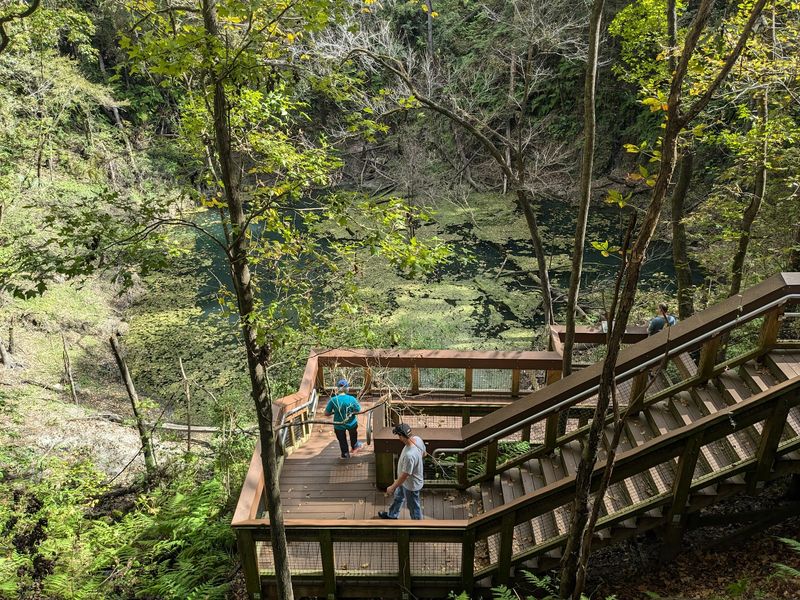
A massive sinkhole swallows 120 feet of earth right in the middle of Gainesville, creating a miniature rainforest ecosystem that feels more like Tennessee than Florida. Devil’s Millhopper formed thousands of years ago when the limestone bedrock collapsed, and now it’s one of the strangest natural features in the entire state. Wooden stairs with 232 steps wind down into the bowl, dropping you into a completely different world.
Temperature drops noticeably as you descend, and moisture hangs in the air around tiny waterfalls trickling down the sinkhole’s steep walls. Ferns, mosses, and hardwood trees cover the slopes in dense green layers. The microclimate supports plant species normally found much farther north, thriving in the cool, humid conditions at the bottom.
Scientists have discovered fossilized bones and teeth from extinct animals in the sinkhole’s sediment layers, including giant armadillos and saber-toothed cats. The name comes from old legends comparing the sinkhole to a funnel-shaped hopper that grinds grain, though locals added the devil part because of bones scattered around the rim. Early settlers thought it looked like the devil’s grain mill, grinding up unfortunate creatures.
The park stays relatively quiet even though it sits in a college town. Morning visits offer the best light for photography and fewer crowds on the stairs. The climb back up definitely gets your heart pumping, but observation platforms along the way let you catch your breath while studying the geological layers.
Pack water and wear shoes with good traction since the stairs can be slippery.
3. Falling Waters State Park (Chipley)
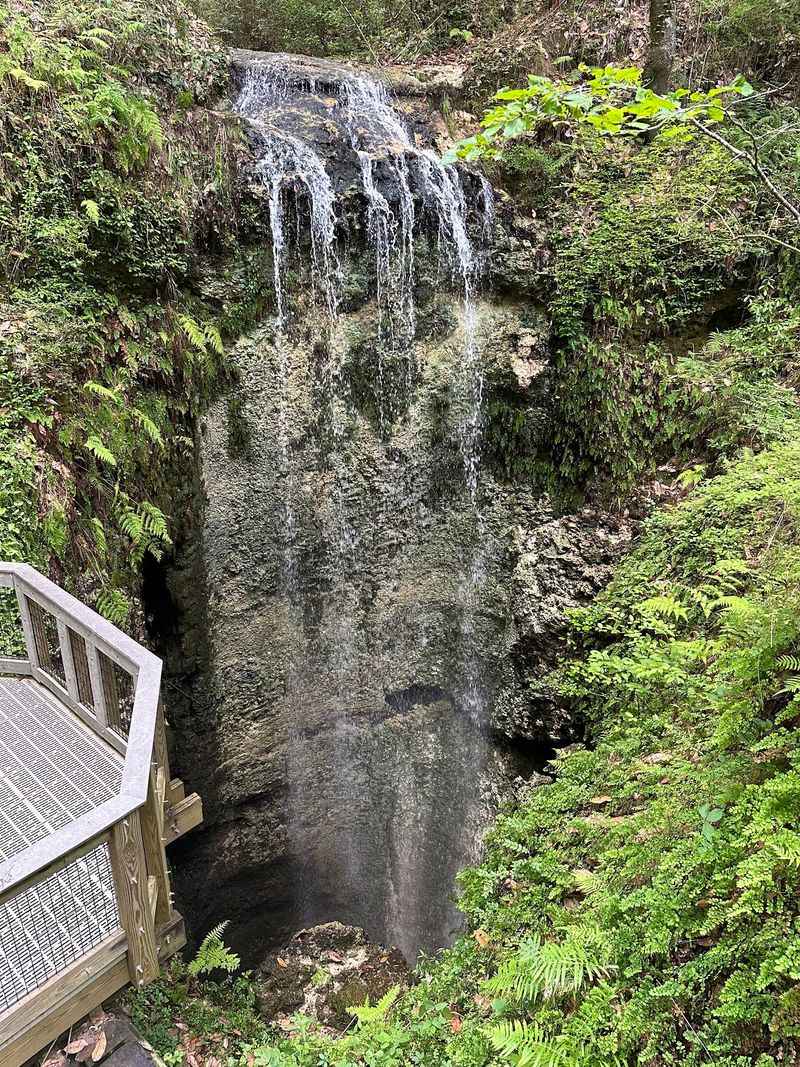
Florida’s only waterfall disappears into the earth through a 100-foot-deep cylindrical pit, creating one of the state’s most surreal natural spectacles. Falling Waters drops 73 feet before vanishing into a sinkhole that nobody has ever fully explored. During dry periods, the waterfall slows to a trickle, but after heavy rains, it becomes a legitimate cascade plunging into darkness.
The sinkhole’s bottom remains a mystery despite multiple attempts to map it. Divers and explorers have tried to find where the water goes, but the passages are too tight and dangerous to follow. Some theories suggest the water feeds into the Floridan Aquifer, while others think it connects to underground cave systems that honeycomb the limestone beneath the Panhandle.
Boardwalks and viewing platforms let you peer into the pit from different angles. Ferns and wildflowers crowd the sinkhole’s rim, and hardwood forests shade the surrounding trails. The park covers 155 acres of rolling hills, unusual topography for Florida, with elevation changes that feel almost mountainous by state standards.
Butterflies flock to the gardens near the parking area, and the lake offers fishing for bass and bream. Camping facilities stay pretty empty compared to coastal parks, making this a peaceful weekend escape. Fall brings the best conditions when cooler weather and autumn rains combine to create impressive waterfall flow.
The park sits in Washington County, one of Florida’s least populated areas, so you’ll trade beach crowds for genuine solitude and geological oddities that most Floridians never knew existed.
4. Big Shoals State Park (White Springs)
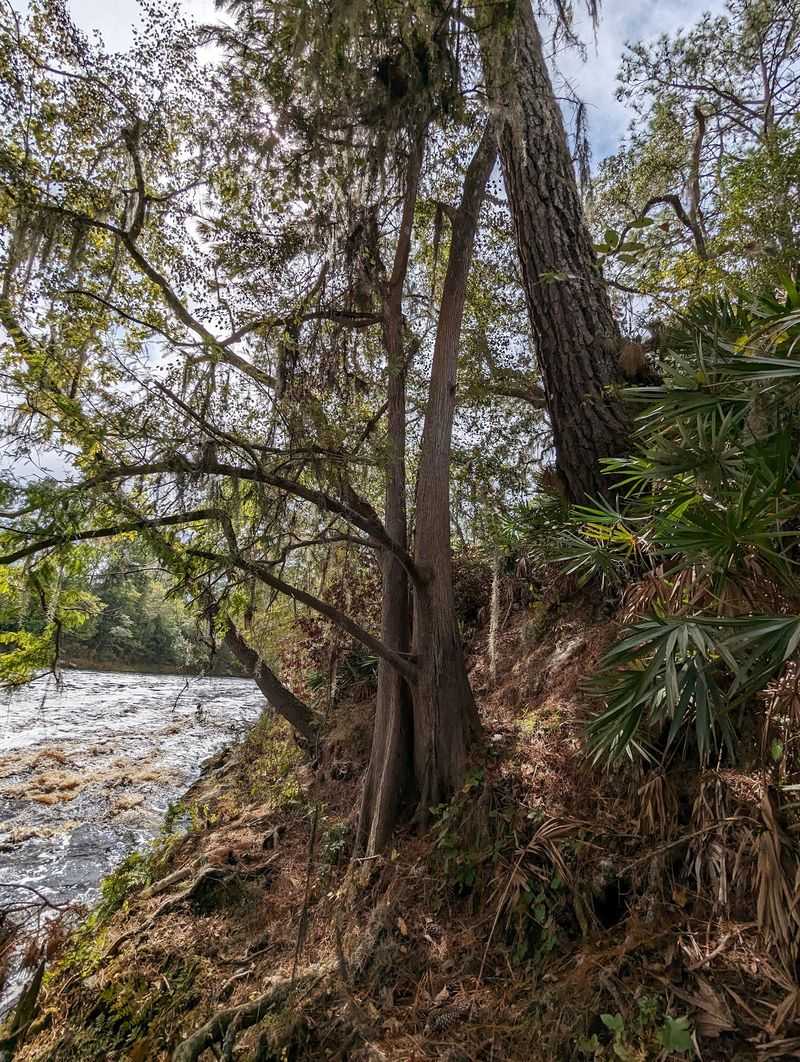
Whitewater rapids in Florida sound like fiction, but the Suwannee River crashes over limestone ledges at Big Shoals, creating Class III rapids that draw kayakers looking for actual adventure. These are the largest whitewater rapids in the entire state, dropping several feet over ancient rock formations that create churning waves and technical challenges. Most Florida rivers meander slowly through flatlands, making Big Shoals a geographical anomaly.
The shoals formed where harder limestone resisted erosion while softer rock around it wore away, leaving ridges that interrupt the river’s flow. During high water, the rapids roar with impressive force. Low water exposes the limestone shelves and creates different challenges for paddlers threading through narrow channels between rocks.
Hiking trails wind through upland forests of oak, hickory, and pine, offering overlooks where you can watch kayakers navigate the whitewater below. Spring brings wildflowers and migrating birds, while fall colors actually appear in this northern part of the state. The park protects a significant stretch of undeveloped riverfront, rare along the increasingly crowded Suwannee.
Experienced paddlers can run the shoals, but beginners should stick to calmer sections upstream or downstream. The park doesn’t allow swimming near the rapids because currents are deceptively strong and rocks create dangerous hazards. Local outfitters offer guided trips and equipment rentals if you want to experience the rapids safely.
The park remains wonderfully uncrowded because it’s tucked away in rural Columbia County, far from interstate highways and tourist corridors. Bring a picnic and spend the afternoon watching the river work its magic over stone that’s been here for millennia.
5. Cedar Key (Cedar Key)
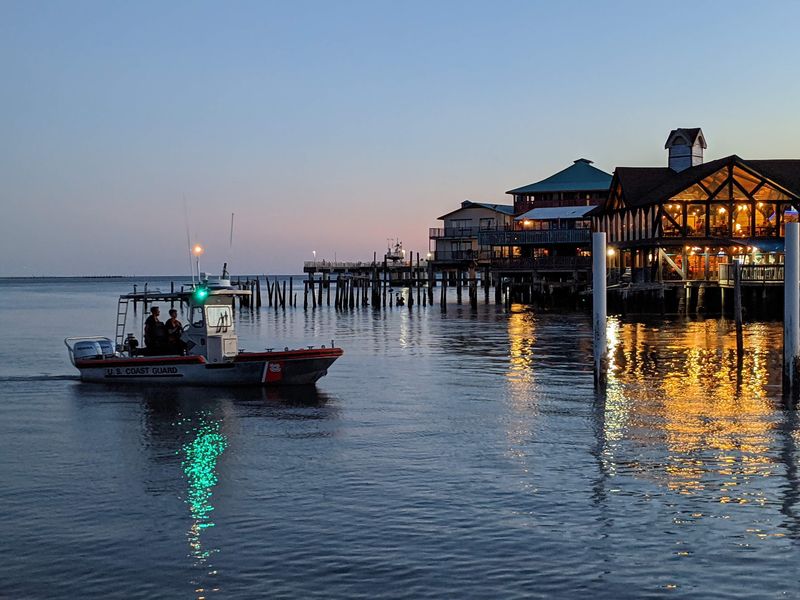
Time moves differently in Cedar Key, a cluster of islands on the Gulf Coast where Old Florida still lives and breathes. No chain restaurants, no high-rises, just weathered docks, mullet fishermen, and sunsets that paint the sky in colors that don’t seem real. The town peaked in the 1800s as a major port shipping cedar timber and pencil manufacturing center, then quietly faded when the trees ran out and hurricanes battered the coast.
That decline preserved Cedar Key’s character while the rest of coastal Florida exploded with development. Wooden fish houses perch over the water on pilings, and local boats still bring in fresh catch daily. The downtown consists of a few blocks where art galleries, seafood shacks, and quirky shops occupy historic buildings.
Artists discovered the place decades ago, drawn by cheap rent and inspiring scenery, giving the island a creative vibe alongside its fishing heritage.
Shell Mound, just outside town, protects ancient shell middens built by Native Americans over thousands of years. These massive mounds of discarded oyster shells rise 28 feet high, offering views across the salt marshes where herons and egrets stalk through shallow water. A boardwalk trail winds through the preserve, explaining how indigenous people lived here for 4,000 years before European contact.
The water stays shallow for miles offshore, creating flats perfect for kayaking and spotting manatees, dolphins, and sea turtles. Restaurants serve clam chowder and smoked mullet, local specialties you won’t find on typical tourist menus. The town hosts an annual seafood festival, but mostly Cedar Key just exists peacefully, welcoming visitors who appreciate places that refuse to change with every trend.
6. Torreya State Park (Bristol)
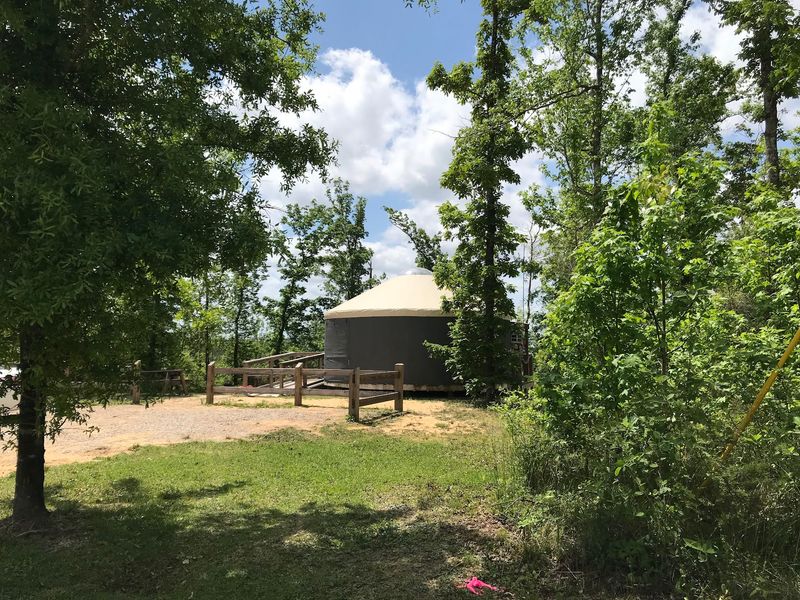
Towering bluffs rise 150 feet above the Apalachicola River in terrain that looks nothing like typical Florida. Torreya State Park protects one of the state’s rarest trees and some of its most dramatic topography, with ravines, ridges, and slopes covered in hardwood forests. The endangered Torreya tree grows almost nowhere else on Earth, a remnant from the Ice Age when cooler climates extended much farther south.
Hiking trails challenge you with actual hills, a novelty in Florida where most paths stay frustratingly flat. The seven-mile loop takes you through different ecosystems, from river bluffs to upland forests to steep-sided ravines called steepheads. Spring wildflowers carpet the forest floor, and fall brings leaf color that rivals anywhere in the South.
The Gregory House, a plantation home built in the 1840s, was moved to the park in the 1930s to save it from decay. Tours show how wealthy planters lived before the Civil War, with period furnishings and interpretive displays. Confederate soldiers built earthwork fortifications on the bluffs to control river traffic, and you can still trace the old trenches and gun emplacements through the woods.
The park sits in Liberty County, one of Florida’s most remote and least visited areas. Tallahassee lies 40 miles east, but most residents of the capital have never made the trip. Camping facilities offer electric sites and primitive areas for backpackers.
Wildlife includes black bears, bobcats, and wild turkeys, so keep your eyes open on the trails. The Apalachicola River flows wide and powerful below the bluffs, a reminder that this landscape has been shaped by water and time into something truly unique.
7. Washington Oaks Gardens State Park (Palm Coast)
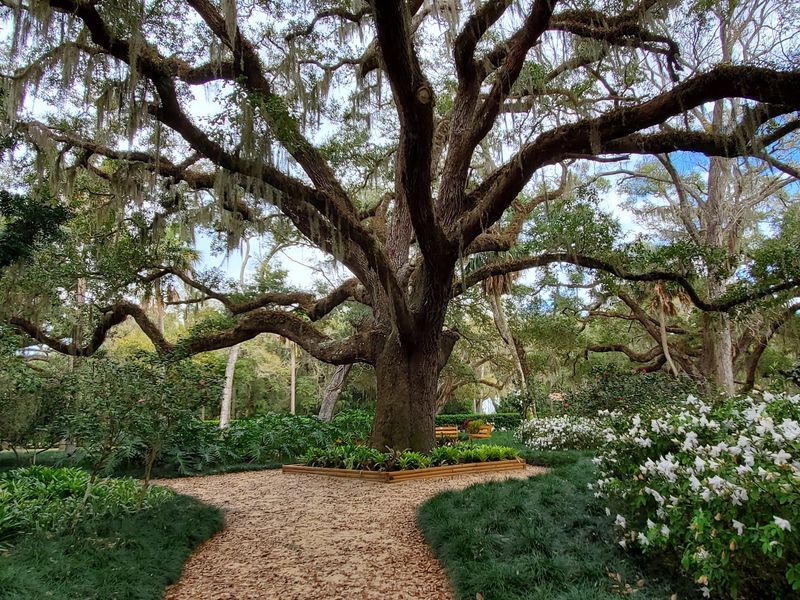
Formal gardens bloom beneath ancient oaks draped in Spanish moss, while a few hundred yards away, waves crash against coquina rock formations that look like abstract sculptures. Washington Oaks combines cultivated beauty with wild coastal landscapes, creating a park that feels like two completely different places sharing the same property. The gardens started as a private estate in the 1930s, when wealthy northerners built winter retreats along this stretch of coast.
Azaleas, camellias, and roses fill ornamental beds designed with old-fashioned elegance. Reflecting pools mirror the oak canopy overhead, and brick pathways wind through different garden rooms showcasing seasonal plantings. Spring brings peak blooms when azaleas explode in pink, white, and red masses.
Even in summer, the shade keeps temperatures pleasant while butterflies work the flowers.
Cross the coastal road and you enter a completely different world. The beach here consists of exposed coquina limestone, a soft rock made from compressed shells and coral fragments. Erosion has carved the coquina into fantastical shapes, with tidal pools forming in depressions and holes.
Waves polish the rock smooth in some places while leaving it rough and pitted in others.
Photographers love the coquina formations, especially during golden hour when low sun creates dramatic shadows and highlights. The beach isn’t ideal for swimming because rocks make entry difficult, but exploring the formations and watching waves work their magic never gets old. The Matanzas River borders the park’s western edge, offering calmer water for kayaking.
Despite sitting along A1A between St. Augustine and Flagler Beach, Washington Oaks stays relatively quiet, overshadowed by more famous attractions nearby. That oversight works in favor of visitors who discover this elegant combination of gardens and geology.
8. Dames Cave (Withlacoochee State Forest, Citrus County)
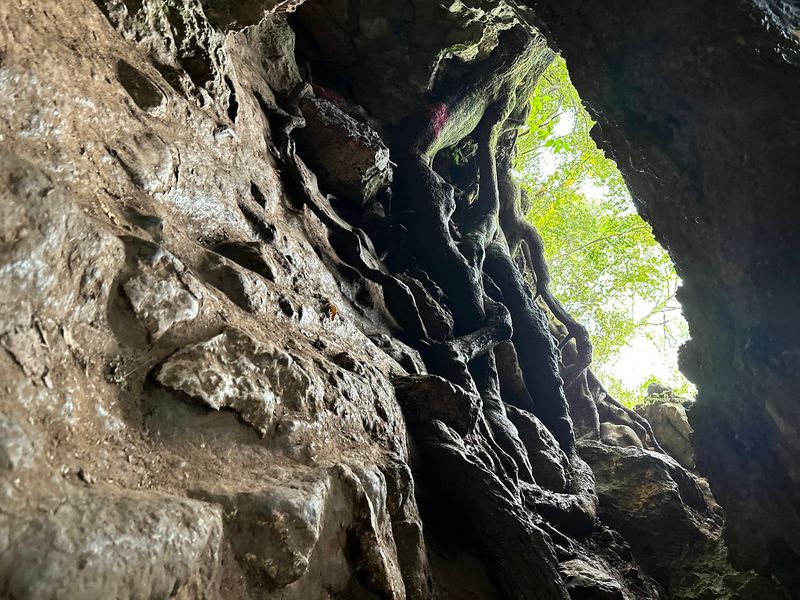
A massive cave opening swallows a crystal-clear spring in one of Florida’s least known but most impressive karst features. Dames Cave sits deep in Withlacoochee State Forest, accessible only by hiking or biking several miles through pine flatwoods and hardwood hammocks. The remoteness keeps crowds away, making this a genuine adventure for people willing to work a little for their rewards.
The cave entrance measures roughly 60 feet wide and 30 feet tall, a gaping mouth in the limestone where spring water wells up from underground passages. The pool at the cave’s entrance glows brilliant blue, fed by the aquifer flowing through rock chambers that extend back into darkness. Cave divers have explored some of the passages, but much of the system remains unmapped and dangerous for anyone without technical training and equipment.
Wildlife treats the spring as a watering hole and refuge. Otters play in the clear water, and deer come to drink at dawn and dusk. The surrounding forest supports black bears, though they generally avoid humans.
Wading birds stalk the shallows where the spring run begins its journey toward the Withlacoochee River.
Swimming is allowed, and the water stays a constant 72 degrees year-round, perfect for cooling off after the hike in. The cave opening provides shade and shelter, creating a natural swimming hole that feels primordial and wild. No facilities exist at the cave itself, so pack out everything you bring.
The trail can be muddy during rainy season, and summer heat makes early morning or late afternoon visits more comfortable. Few people know this place exists, and even fewer make the trek to see it, preserving the sense of discovery that makes finding hidden Florida gems so satisfying.
9. Lake Jackson Mounds Archaeological State Park (Tallahassee)
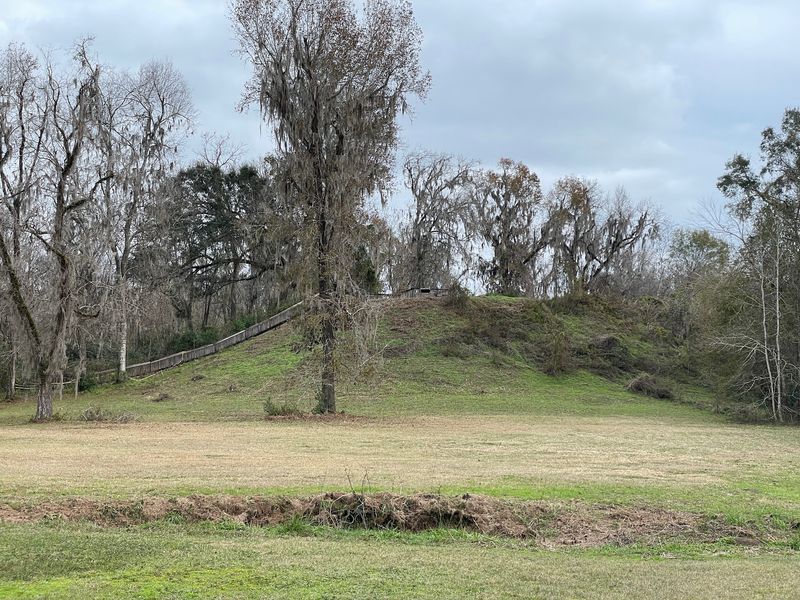
Six ceremonial mounds rise from the earth on the shores of Lake Jackson, built by indigenous people between 1200 and 1500 AD as the center of a sophisticated chiefdom. These aren’t natural hills but carefully constructed earthworks that required moving thousands of tons of soil, basket by basket, to create platforms for temples and elite residences. The largest mound stands 36 feet tall, dominating the landscape just as it did when this was a thriving political and religious center.
The Fort Walton culture built this complex, controlling territory across Northwest Florida and southern Alabama. At its peak, several thousand people lived in the surrounding area, farming, fishing, and participating in ceremonies atop the mounds. Spanish explorers likely encountered descendants of the mound builders, though European diseases and colonial violence destroyed the indigenous societies within decades of contact.
Walking trails connect the mounds, with interpretive signs explaining construction techniques and the society that created them. The park feels peaceful and contemplative, a place to consider the deep history that existed here long before European settlement. Wildflowers bloom in the open areas between mounds, and oak trees shade the paths.
The site sits within Tallahassee’s city limits, yet most residents have never visited despite passing nearby countless times. No flashy visitor center or gift shop exists, just the mounds themselves and the stories they tell about human achievement and cultural complexity. Archaeologists have excavated some areas, finding copper artifacts, marine shells from the Gulf Coast, and other evidence of far-reaching trade networks.
The park protects only a fraction of the original settlement, with many mounds destroyed by development before preservation efforts began. What remains offers a powerful connection to Florida’s pre-Columbian past, a reminder that sophisticated civilizations flourished here centuries before anyone imagined.
10. Bok Tower Gardens (Lake Wales)
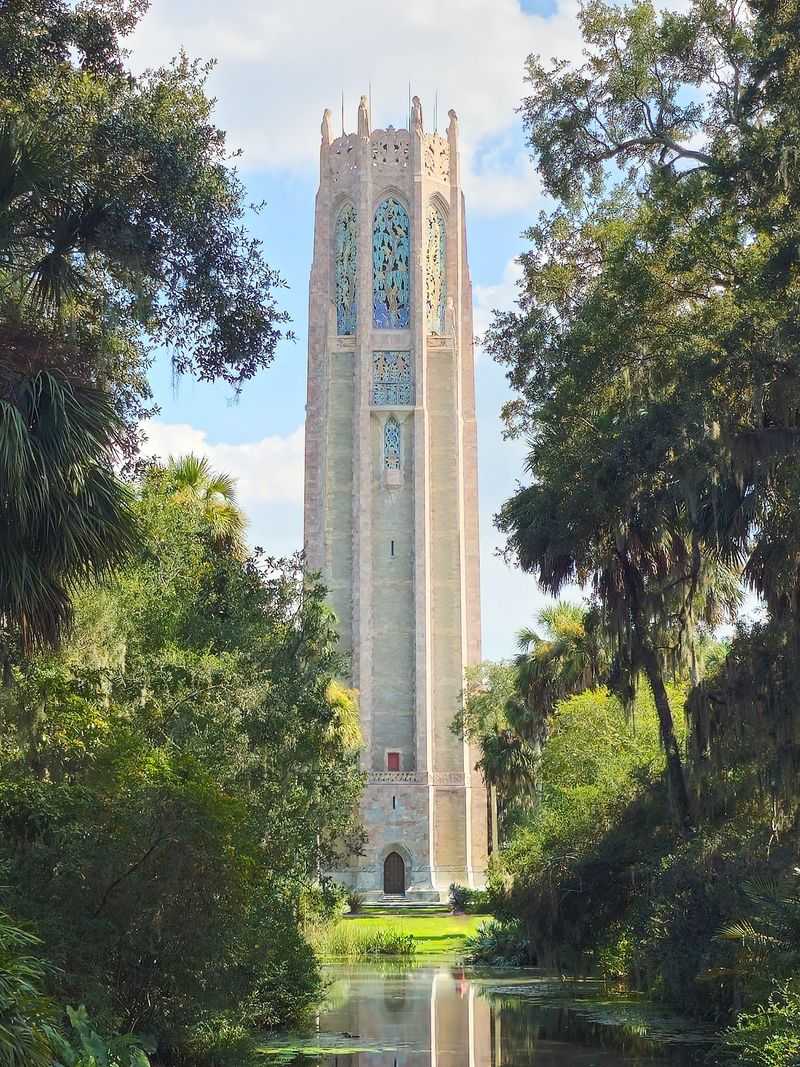
A 205-foot neo-Gothic and Art Deco tower rises from the highest point in peninsular Florida, its carillon bells ringing out across manicured gardens and natural landscapes. Edward Bok, a Dutch immigrant who became a famous editor and author, created this sanctuary in the 1920s as a thank-you gift to America for the opportunities it gave him. He hired Frederick Law Olmsted Jr., son of the legendary landscape architect, to design gardens that would inspire contemplation and peace.
The Singing Tower houses a 60-bell carillon that performs daily concerts, filling the air with music that echoes across the property. Intricate tilework and sculptures decorate the tower’s exterior, depicting Florida wildlife and plants in stunning detail. The combination of architectural beauty and natural setting creates something genuinely magical, especially when bells are ringing and sunlight filters through the live oaks.
Gardens spread across 250 acres of rolling terrain, rare topography created by ancient sand dunes. Azaleas, camellias, and magnolias bloom in seasonal succession, while native plants attract butterflies and birds year-round. A separate preserve area protects scrub habitat and endangered species, with trails winding through ecosystems found almost nowhere else.
Hammock Hollow Children’s Garden adds interactive elements for younger visitors, but the overall atmosphere remains serene and adult-friendly. Pinewood Estate, a 20-room Mediterranean Revival mansion on the property, offers tours showcasing 1930s architecture and design. The gardens have appeared in films and attracted artists for decades, yet many Floridians have never heard of the place despite its National Historic Landmark status.
Winter and spring bring the best blooms and most comfortable weather, though summer mornings offer their own humid, lush beauty before afternoon heat sets in.