9 Florida Regions Where You’re More Likely to Encounter a Cottonmouth This Late Summer
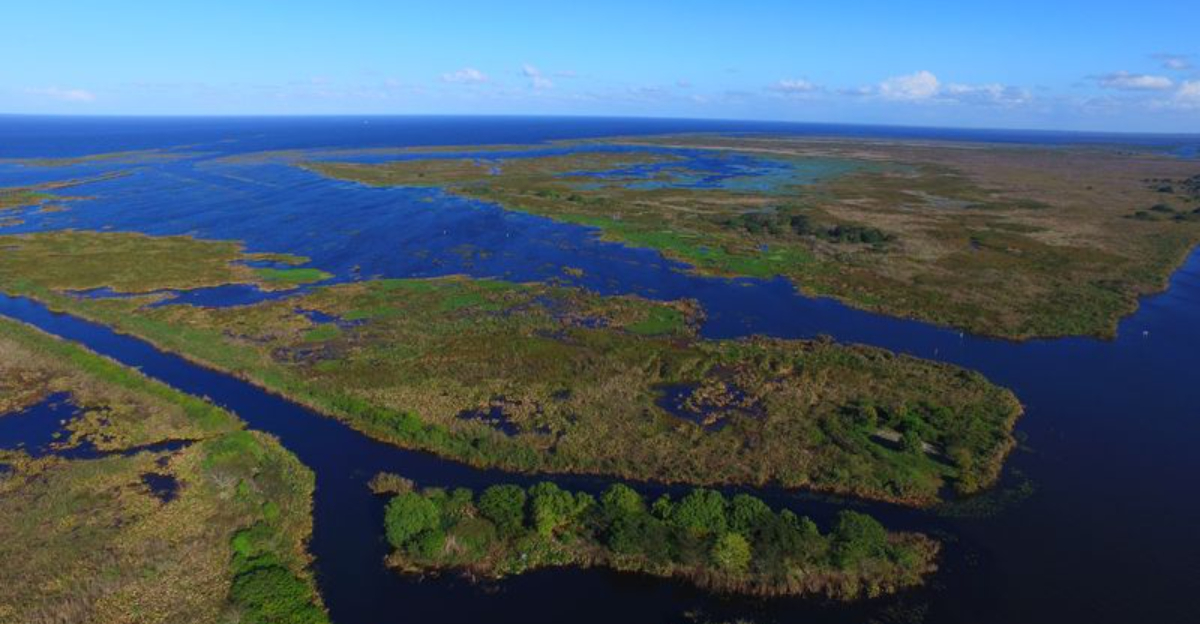
Late summer in Florida means warm, humid weather and active wildlife, including one of the state’s most misunderstood reptiles: the cottonmouth. These semi-aquatic snakes thrive in wetlands, swamps, and waterways across the Sunshine State, and they become especially visible during August and September as they hunt along shorelines and bask near water. While cottonmouths prefer to avoid humans, knowing which regions have higher populations can help you stay alert and respectful of their space during your outdoor adventures.
1. Greater Everglades & Big Cypress (South Florida)
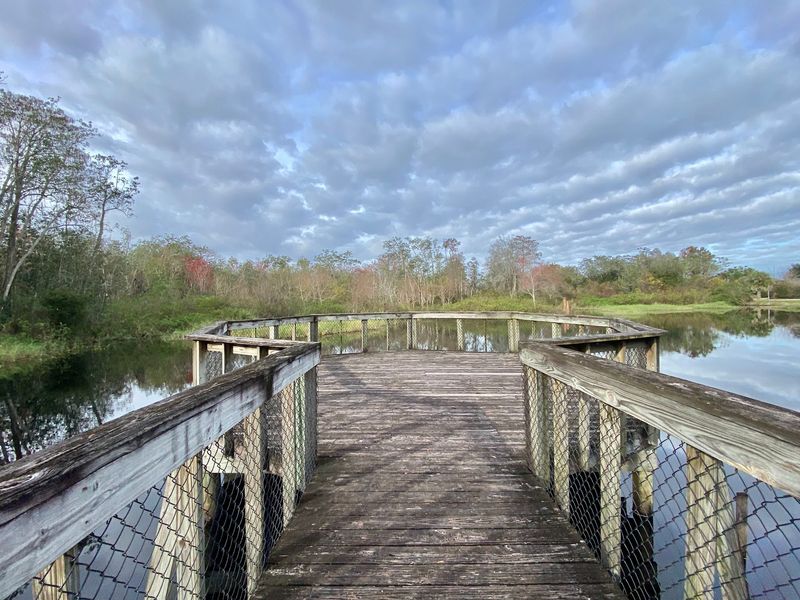
South Florida’s sprawling wetlands create the perfect stage for cottonmouth activity. The Greater Everglades and Big Cypress regions hold the state’s largest concentration of marshes, sloughs, and slow-moving waterways where these snakes hunt fish, frogs, and small mammals. During late summer, water levels drop slightly, concentrating prey and making cottonmouths more visible along shorelines and muddy banks.
Cottonmouths here are often spotted basking on cypress knees or floating logs during early morning hours. They blend remarkably well with the tannin-stained water and dark vegetation, so hikers and paddlers should watch their step near any water’s edge. The snakes are generally non-aggressive but will defend themselves if startled or cornered.
If you’re exploring boardwalks, airboat trails, or backcountry campsites in this region, keep your eyes peeled and give any snake you encounter plenty of room. Cottonmouths have thick bodies, triangular heads, and a distinctive white mouth lining they display when threatened. Most encounters happen because people accidentally step too close, so staying alert and respectful of their habitat keeps everyone safe.
Late summer is prime time for wildlife watching here, but it’s also when snakes are most active feeding before cooler months arrive.
2. Lake Okeechobee & Everglades Agricultural Area (South-Central Florida)
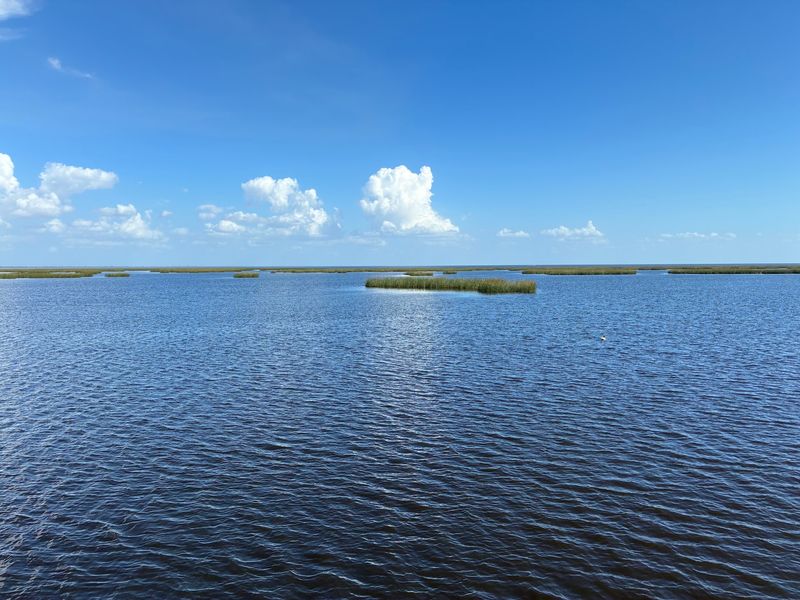
Lake Okeechobee and the surrounding agricultural lands form a massive network of canals, drainage ditches, and flooded fields that cottonmouths find irresistible. University of Florida wildlife records specifically note cottonmouths among the snakes commonly encountered in the Everglades Agricultural Area, where water management creates ideal hunting grounds year-round. Late summer brings peak activity as snakes patrol the edges of irrigation channels and marsh borders.
Anglers fishing along the lake’s rim or exploring the surrounding wetlands should stay cautious near shoreline vegetation. Cottonmouths often rest in thick grass or under overhanging brush during midday heat, emerging at dawn and dusk to hunt. Their camouflage makes them nearly invisible against muddy banks and tangled roots.
Farm workers and outdoor enthusiasts in this region report regular sightings, especially after heavy rains when water levels shift and snakes move to new hunting spots. The abundance of fish, amphibians, and rodents in this area supports a healthy cottonmouth population. These snakes play an important role controlling pest species around agricultural lands.
Respect their space, wear boots when walking near water, and never attempt to handle or harass any snake you encounter in this productive wetland landscape.
3. Kissimmee River Basin & Central Florida Lakes (Osceola, Polk & Highlands Counties)
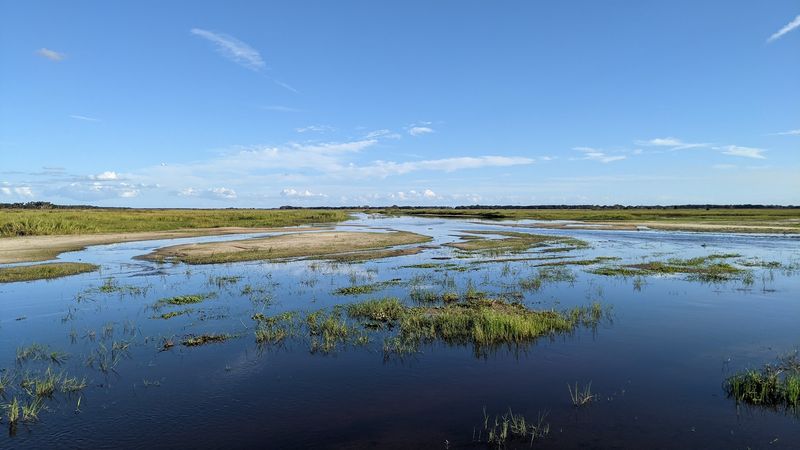
Central Florida’s lake-studded landscape offers cottonmouths everything they need: abundant water, dense vegetation, and plenty of prey. The Kissimmee River Basin and surrounding counties like Osceola, Polk, and Highlands feature interconnected wetlands, cypress swamps, and river floodplains where these snakes flourish. University of Florida research highlights cypress swamps and heavily vegetated wetlands as particularly favored cottonmouth habitats.
Late summer finds these snakes active along lake margins, especially where vegetation provides cover and shade. Boaters launching at public ramps or anglers wading shallow shorelines might spot cottonmouths swimming with their heads above water or coiled on floating mats of vegetation. They’re excellent swimmers and often cruise open water between hunting spots.
The region’s warm temperatures keep cottonmouths active well into September and October. They hunt everything from sunfish to baby alligators, making them important predators in these ecosystems. Despite their fearsome reputation, they’d rather slip away quietly than confront a human.
Families visiting lakeside parks or nature trails should teach kids to observe snakes from a distance and never reach into thick brush or under docks where snakes might be resting. Simple awareness and respect make sharing these beautiful waterways safe and enjoyable for everyone.
4. St. Johns River Basin (Northeast & Central Florida)
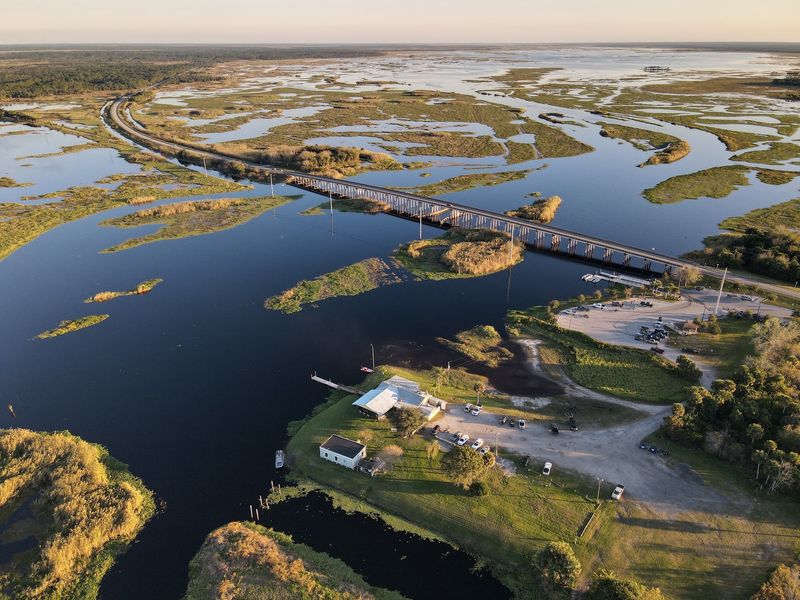
Flowing northward through the heart of Florida, the St. Johns River creates a wetland corridor that cottonmouths call home. The river’s extensive marshes, wooded banks, backwater lakes, and floodplains provide textbook habitat for these semi-aquatic snakes. Late summer brings lower water levels that concentrate fish and frogs in smaller pools, drawing cottonmouths to predictable feeding areas.
Paddlers and kayakers exploring the river’s quieter tributaries often encounter cottonmouths sunning on logs or gliding through shallow water. The snakes favor areas with thick aquatic vegetation where they can ambush prey. Their dark coloration and patterned scales blend perfectly with shadows cast by overhanging trees and floating debris.
Fishing guides working the St. Johns report seeing cottonmouths regularly, especially around vegetated shorelines and boat docks. The snakes rarely show aggression unless someone gets too close or accidentally corners them. Their defensive display, gaping mouth showing white tissue, serves as a warning rather than a prelude to attack.
Hikers on riverside trails and campers at waterfront sites should check the ground before sitting and avoid reaching into brush piles or hollow logs. Cottonmouths are most active during cooler morning and evening hours when they patrol the water’s edge searching for their next meal.
5. Green Swamp & Withlacoochee River Region (West-Central Florida)
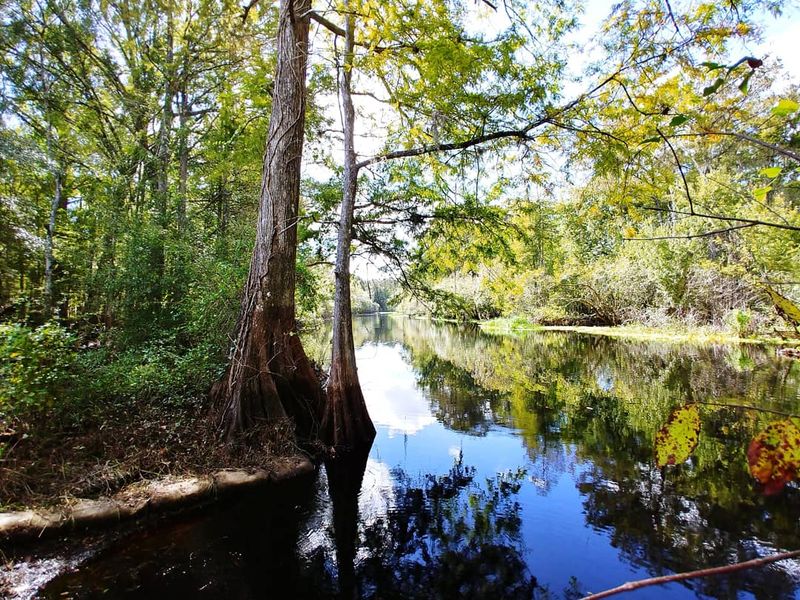
Tucked between Orlando and Tampa, the Green Swamp represents one of Florida’s wildest interior wetlands. This sprawling landscape of cypress domes, marshes, and slow-moving streams provides exactly the swampy, riverine conditions cottonmouths prefer. The Withlacoochee River winds through the region, adding miles of prime snake habitat along its forested banks and oxbow lakes.
Late summer transforms the Green Swamp into a humid, mosquito-filled jungle where cottonmouths thrive. The dense canopy keeps water temperatures cooler, and abundant prey supports a healthy snake population. Hikers on the Florida Trail and paddlers exploring the Withlacoochee should expect to share the environment with these native predators.
Cottonmouths here often rest on cypress knees or partially submerged logs during midday, becoming more active as temperatures cool toward evening. Their presence helps control populations of fish, frogs, and small mammals that might otherwise overwhelm the ecosystem. Observing one in its natural habitat offers a glimpse into Florida’s wild side.
Adventurers exploring this region should wear waterproof boots, watch where they step, and avoid disturbing any snake they encounter. Most cottonmouth bites happen when people accidentally step on or try to kill the snake, so simple awareness and respect prevent almost all negative encounters in this beautiful wilderness.
6. Suwannee River & Lower Suwannee Wetlands (North-Central Florida)
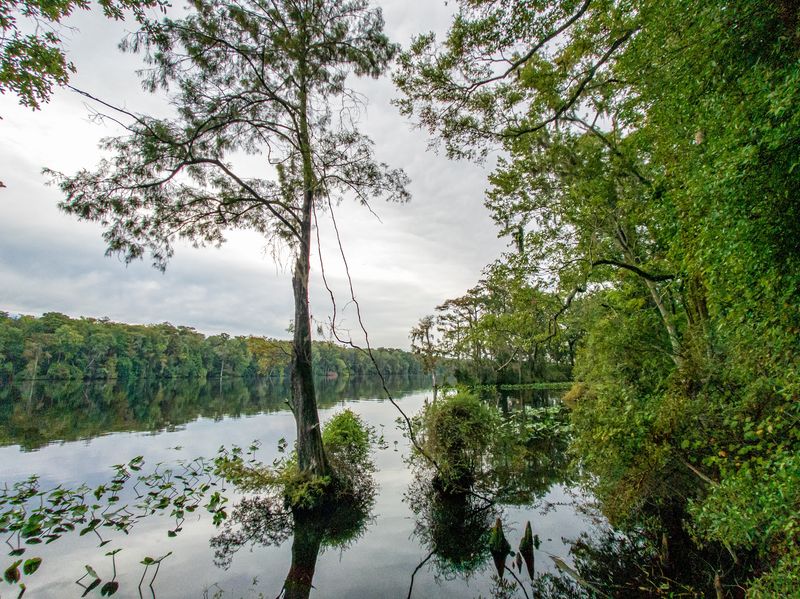
Famous for its dark, tannin-rich water and limestone springs, the Suwannee River winds through North-Central Florida creating perfect cottonmouth country. The river’s forested banks, floodplain swamps, and marshy tributaries can harbor cottonmouths in virtually any stretch. Late summer finds these snakes patrolling shorelines and spring runs where cooler water attracts concentrations of fish and amphibians.
Tubers and kayakers floating the Suwannee often spot cottonmouths basking on overhanging branches or swimming across the current. The snakes are strong swimmers and sometimes travel considerable distances between hunting territories. Their dark coloration matches the river’s tea-colored water, making them easy to overlook until you’re quite close.
The Lower Suwannee wetlands, where the river spreads into vast marshes before reaching the Gulf, offer especially rich habitat. Cottonmouths here hunt among cypress knees and tidal creeks, adapting easily to the slightly brackish conditions. They coexist with alligators, wading birds, and other wetland wildlife in a complex food web.
Campers along the river should shake out shoes and check around tent sites before settling in for the night. Cottonmouths occasionally wander into campsites attracted by the same water sources humans use, but they’ll move along if given space and time.
7. Apalachicola River & Floodplain (Florida Panhandle)
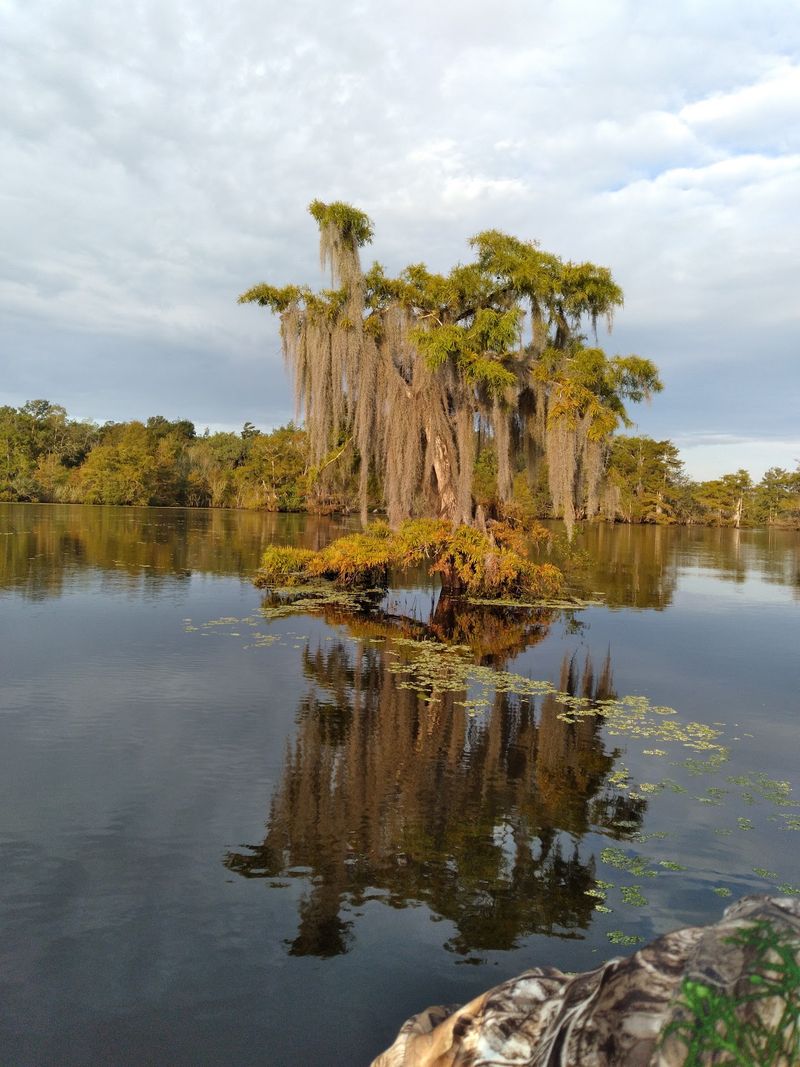
The Apalachicola River system drains a huge portion of the Southeast before emptying into the Gulf, creating extensive floodplain wetlands that cottonmouths inhabit enthusiastically. The Panhandle’s high-priority wetlands around the Apalachicola region provide everything these snakes need: permanent water, abundant cover, and steady prey populations. Late summer heat keeps snakes active and visible along riverbanks and in backwater sloughs.
Fishermen working the Apalachicola for bass and catfish regularly encounter cottonmouths, especially in areas with fallen trees and thick shoreline vegetation. The snakes often rest in shade during the hottest part of the day, then hunt actively as temperatures drop toward evening. Their presence indicates a healthy, functioning wetland ecosystem.
The Apalachicola floodplain supports incredible biodiversity, and cottonmouths play their part as mid-level predators controlling fish and amphibian populations. Watching one swim through clear shallows or coil on a sun-warmed log offers insight into how perfectly these reptiles have adapted to Florida’s aquatic environments.
Outdoor enthusiasts exploring this region should maintain awareness near any water and teach children to observe wildlife respectfully from a safe distance. Cottonmouths aren’t looking for trouble, they’re just trying to survive in the same beautiful landscapes we enjoy visiting.
8. Western Panhandle Wetlands (Escambia, Santa Rosa, Okaloosa & Walton Counties)
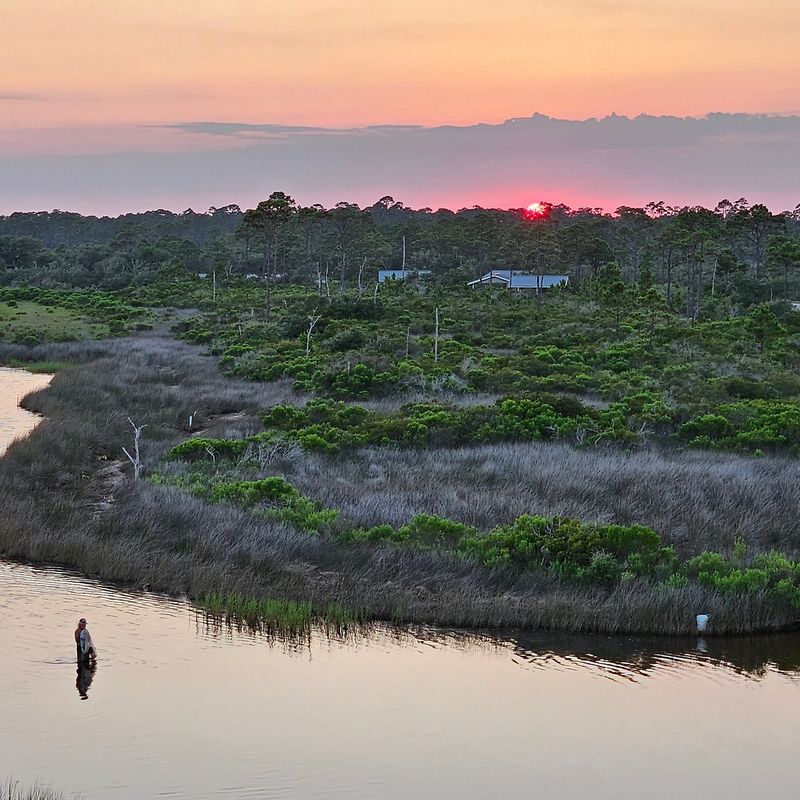
University of Florida citizen science monitoring around Pensacola documented multiple cottonmouth reports during August 2025, confirming what locals already knew: the western Panhandle’s wetlands host active snake populations. Escambia, Santa Rosa, Okaloosa, and Walton Counties contain diverse aquatic habitats from freshwater swamps to brackish coastal marshes where cottonmouths hunt and reproduce successfully.
Late summer brings peak activity as snakes take advantage of warm water temperatures and abundant prey. Residents near bayous, creeks, and retention ponds occasionally find cottonmouths in their yards, especially after heavy rains flood surrounding areas. The snakes are simply following food sources and seeking suitable habitat.
Beachgoers exploring coastal wetlands behind the dunes might encounter cottonmouths in areas where freshwater meets saltwater. These adaptable snakes tolerate slightly brackish conditions and hunt successfully in tidal creeks and marsh channels. Their presence alongside alligators and wading birds creates a complete Gulf Coast ecosystem.
Homeowners in this region should keep yards trimmed, remove debris piles, and avoid leaving pet food outside that might attract rodents and, in turn, snakes. Cottonmouths aren’t aggressive toward humans but will defend themselves if threatened, so giving them space and calling wildlife professionals for removal if necessary keeps everyone safe and stress-free.
9. Southwest Florida Wetlands & Ten Thousand Islands Region (Collier & Lee Counties)
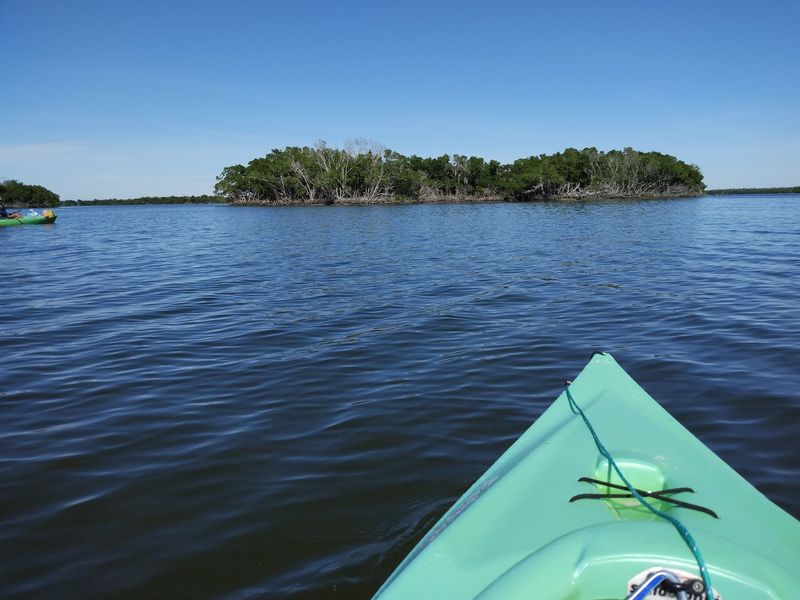
Southwest Florida’s maze of marshes, mangrove islands, and coastal sloughs creates paradise for cottonmouths. Collier and Lee Counties feature extensive wetlands ranging from freshwater interior swamps to brackish coastal environments where these adaptable snakes thrive. The Ten Thousand Islands region offers particularly rich habitat with its tangled waterways, protected coves, and abundant fish populations.
Kayakers paddling through mangrove tunnels and anglers fishing backcountry flats regularly spot cottonmouths swimming between islands or basking on exposed roots during low tide. The snakes navigate both fresh and slightly salty water with ease, hunting whatever prey each environment offers. Late summer finds them especially active as they feed heavily before any potential cooling trends.
The region’s year-round warmth means cottonmouths remain active longer than their northern Florida cousins. They hunt throughout most of the year, pausing only during rare cold snaps. Their role controlling fish and amphibian populations helps maintain the delicate balance of these productive coastal wetlands.
Visitors exploring Everglades National Park’s western sections or private lands around Naples and Fort Myers should expect to share the landscape with cottonmouths and other native wildlife. Simple precautions like watching where you step, avoiding reaching into dark spaces, and respecting wildlife from a distance ensure safe, memorable encounters with Florida’s remarkable natural heritage.