This Gorgeous State Park In Florida Is Somehow Still A Hidden Gem
Jonathan Dickinson State Park feels like a secret that only locals know about. Despite being the largest state park in Southeast Florida, it somehow stays off most tourists’ radar, which means more unspoiled wilderness for those who do venture here. With its winding Loxahatchee River, ancient cypress trees, and sixteen different natural communities all in one place, this park delivers an authentic slice of Old Florida that’s getting harder to find anywhere else.
1. Paddling the Loxahatchee River Feels Like Entering Another World
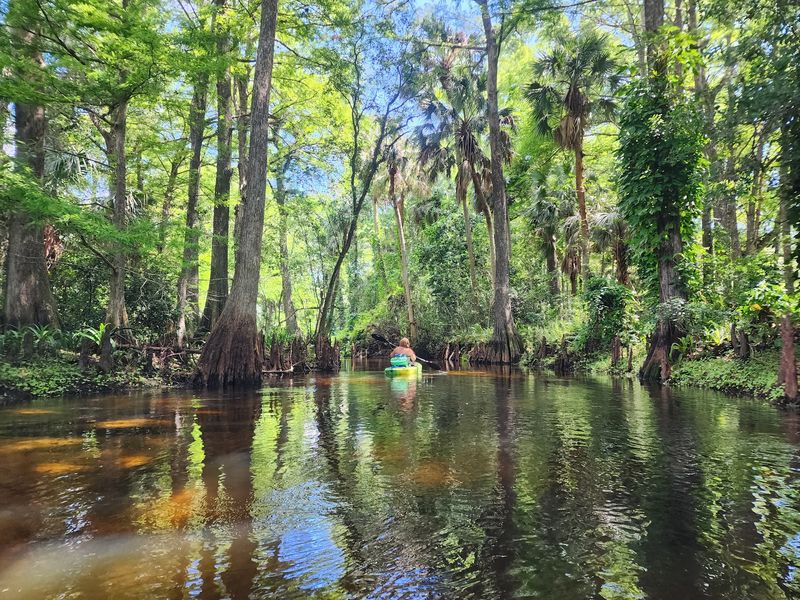
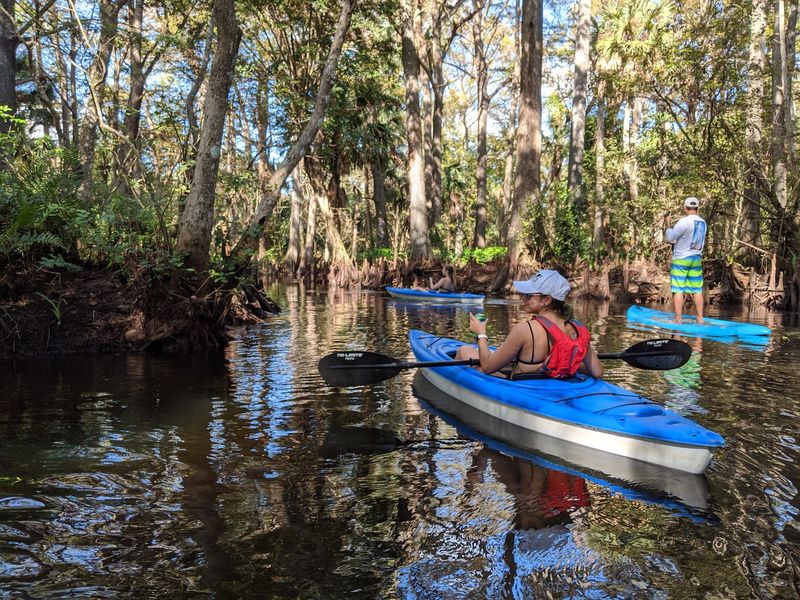
When you push off from the boat launch and start gliding down the Loxahatchee River, the modern world just melts away behind you. Thick vegetation crowds both banks, ancient cypress trees drape their roots into the dark water, and every bend reveals something new. Some paddlers swear it looks more like the Amazon than Florida.
The river winds through several distinct ecosystems, so your view changes constantly as you navigate upstream. You might spot turtles sunbathing on logs, alligators cruising silently through the shallows, or herons stalking fish in the shadows. The park offers kayak and canoe rentals right on-site, making it easy even if you don’t own your own boat.
Most people aim for Trapper Nelson’s historic site upriver, which takes about 45 minutes each way by small motorboat or a bit longer by paddle. The journey itself becomes the destination though. Every stroke takes you deeper into a landscape that feels untouched by time, where the only sounds are bird calls, water lapping against your hull, and maybe the occasional splash of wildlife.
Arrive early on weekends because rentals can sell out, especially during the cooler months when everyone wants to be on the water. Bring plenty of water, sunscreen, and a waterproof bag for your phone.
2. Mountain Biking Trails That Rival Any Purpose-Built Park
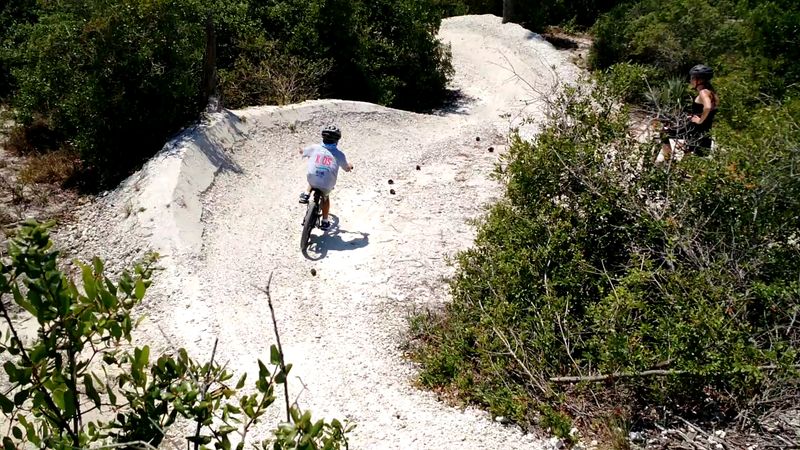
Forget what you think you know about Florida being flat and boring for mountain biking. Jonathan Dickinson has built a reputation among serious riders as one of the best trail systems in the state. The terrain here features fast, flowing singletrack that weaves through sand pine scrub, with enough technical features to keep experienced riders engaged.
The trails include built features like berms, jumps, and wooden ramps that add excitement without feeling overly manufactured. Riders love how well-maintained everything stays despite heavy use. You can spend hours exploring different loops and connecting trails, each offering its own character and challenge level.
What makes these trails special is the setting. You’re not riding through some suburban greenway but through genuine wilderness filled with scrub jays, gopher tortoises, and the occasional deer bounding across your path. The sandy soil drains incredibly well, so trails stay rideable even after rain when other Florida parks turn into mud pits.
Both beginners and advanced riders find something here. The park offers miles of paved paths for casual cyclists too, but the off-road trails are where the real action happens. Bike rentals are available if you’re visiting without your own ride, though serious mountain bikers usually bring their own equipment to tackle the more challenging sections.
3. Camping Under the Stars With Space to Breathe
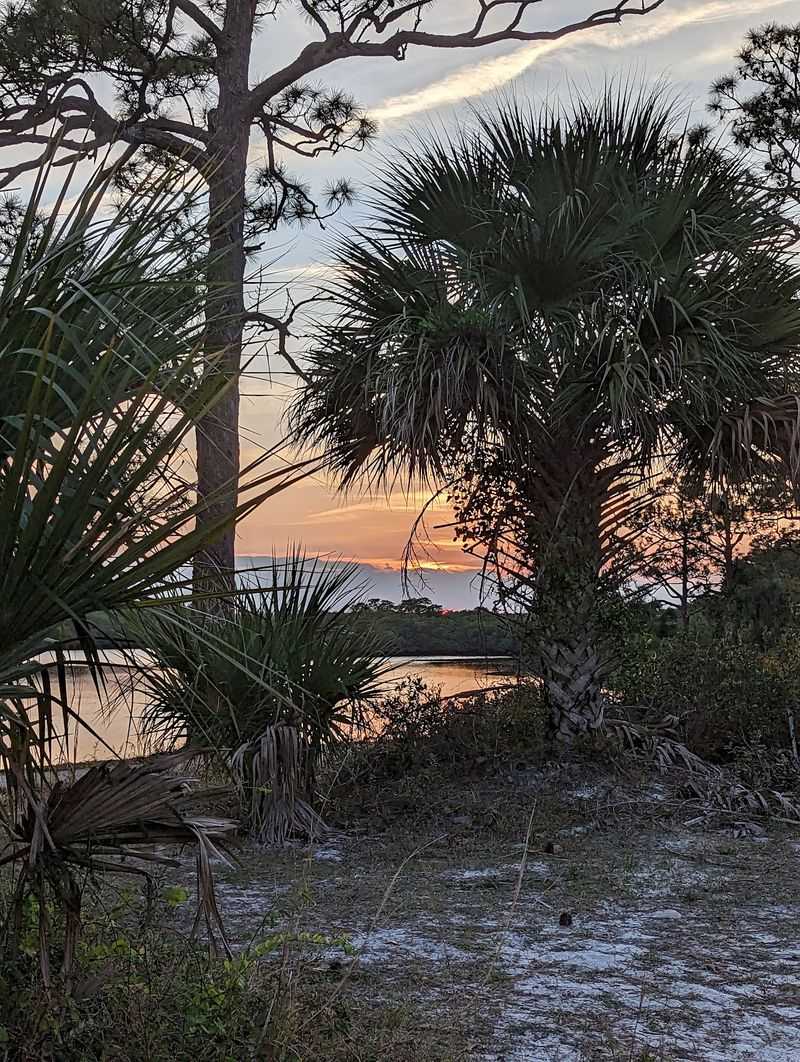
Campgrounds at Jonathan Dickinson don’t cram you in like sardines the way some popular parks do. Sites here feel genuinely spacious, giving you actual privacy and room to spread out. Whether you’re pitching a tent, parking an RV, or renting one of the park cabins, you’ll appreciate having elbow room.
The park offers two main camping areas. Pine Grove Campground provides full hookups for RVs with larger, more open sites, while River Campground puts you closer to the Loxahatchee with a wilder, more intimate feel. River sites tend to be smaller and some can be tricky for bigger rigs, so check dimensions before booking.
Facilities stay clean and well-maintained, with multiple bathhouses serving each camping area. You’ll find showers, flush toilets, family bathrooms, and coin laundry. Some bathhouses have better water pressure than others, so veteran campers recommend testing a few to find your favorite.
The cabins offer a comfortable middle ground if you want nature without sleeping on the ground. They come equipped with basics like beds, air conditioning, and porches perfect for morning coffee. Book well ahead though, because cabins fill up fast, especially during winter months when snowbirds flock south.
Dogs are welcome at campsites, making this an ideal destination for families traveling with pets.
4. Trapper Nelson’s Historic Site Brings Florida’s Wild Past to Life
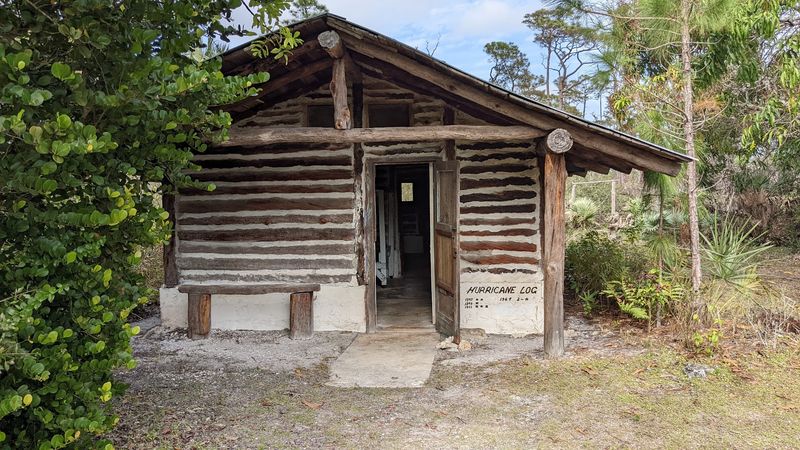
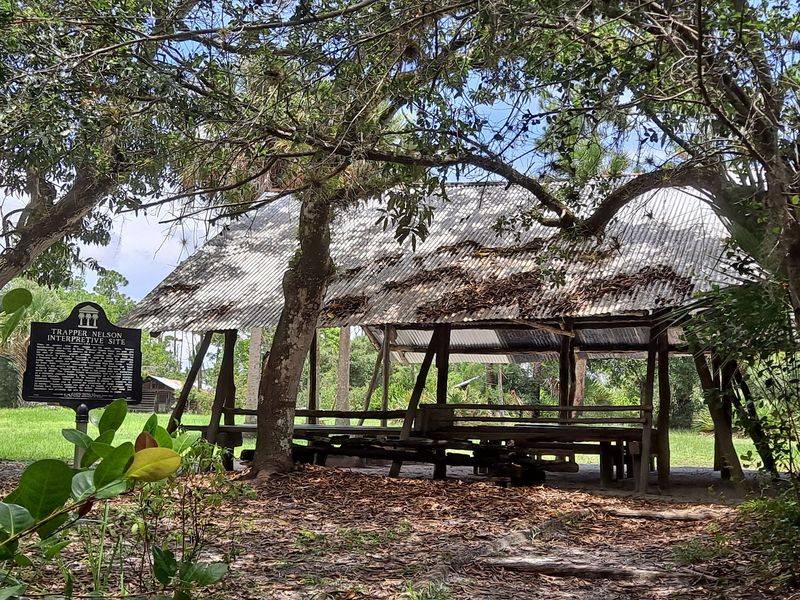
Vincent Natulkiewicz arrived in Florida during the 1930s and transformed himself into Trapper Nelson, the legendary Wildman of the Loxahatchee. His riverside homestead, accessible only by boat, has been preserved as a fascinating glimpse into Old Florida’s eccentric characters. Walking through his property feels like stepping directly into another era.
Getting there is half the adventure. You can take the park’s boat tour, which runs when tides allow, or navigate there yourself by rental skiff or kayak. Tours sell out quickly, so arrive at the concession stand right when it opens at 8:30 AM to secure tickets, especially on weekends.
Once you arrive, guides share stories about Trapper’s life as a fur trader, exotic animal keeper, and tourist attraction operator. The buildings remain much as he left them, giving you an authentic sense of how he lived in near-total wilderness. Kids especially love hearing tales about the wild animals he kept and the famous visitors who made the journey upriver to meet him.
The site only opens during high tide when boats can navigate the shallow sections of river, so check tide charts before planning your visit. This restriction actually adds to the mystique, making each visit feel like a privileged peek into Florida’s untamed past that most people never experience.
5. Wildlife Encounters That Don’t Require a Safari Ticket
You don’t need to travel to exotic destinations to see impressive wildlife. Jonathan Dickinson delivers daily encounters with creatures that make Florida special. Alligators cruise the river and lurk near shorelines, turtles pile onto every sunny log, and birds ranging from tiny warblers to massive herons work the shallows for fish.
The park’s sixteen distinct natural communities create habitats for an incredible variety of species. Sharp-eyed visitors might spot the endangered Florida scrub jay, found only in scrub habitats like those preserved here. Gopher tortoises lumber across trails, white-tailed deer browse in early morning and late evening, and wild boars occasionally make dramatic appearances.
River paddlers consistently report the best wildlife sightings. Something about being at water level and moving quietly lets you approach much closer than hikers can. You might find yourself drifting past an alligator that barely acknowledges your presence or watching an anhinga spear a fish just feet away.
Photographers love this park because wildlife stays relatively accustomed to quiet human presence without being overly habituated. Animals behave naturally rather than begging for handouts or fleeing at first sight. Bring a good zoom lens or binoculars, move slowly and quietly, and you’ll be rewarded with sightings that make your friends jealous when you share photos later.
6. The Observation Tower Offers Views Worth the Climb
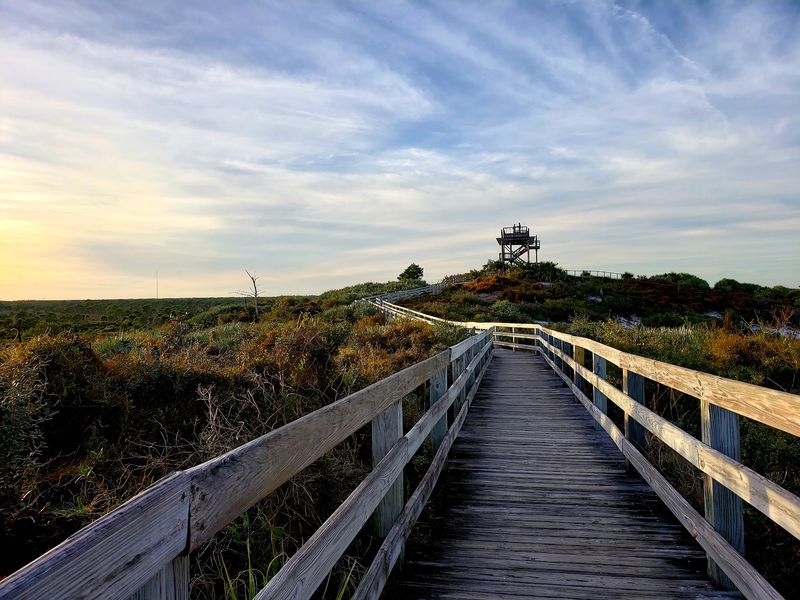
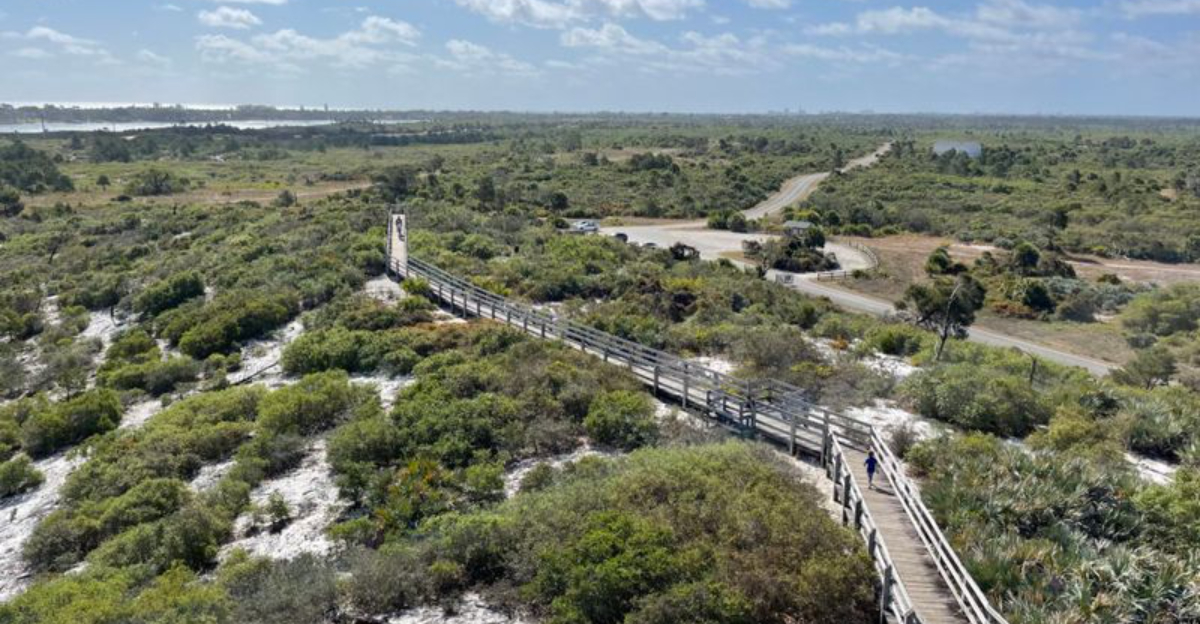
Hobe Mountain Observation Tower stands 86 feet tall, making it one of the highest points in Southeast Florida. That might not sound impressive compared to actual mountains, but in pancake-flat Florida, the views from the top stretch for miles in every direction. On clear days, you can see the Atlantic Ocean glittering to the east.
The tower sits atop an ancient sand dune, adding natural elevation to its already substantial height. Climbing the wooden stairs feels like ascending into the forest canopy itself, with views changing dramatically as you rise above the treetops. Each level offers different perspectives and photo opportunities.
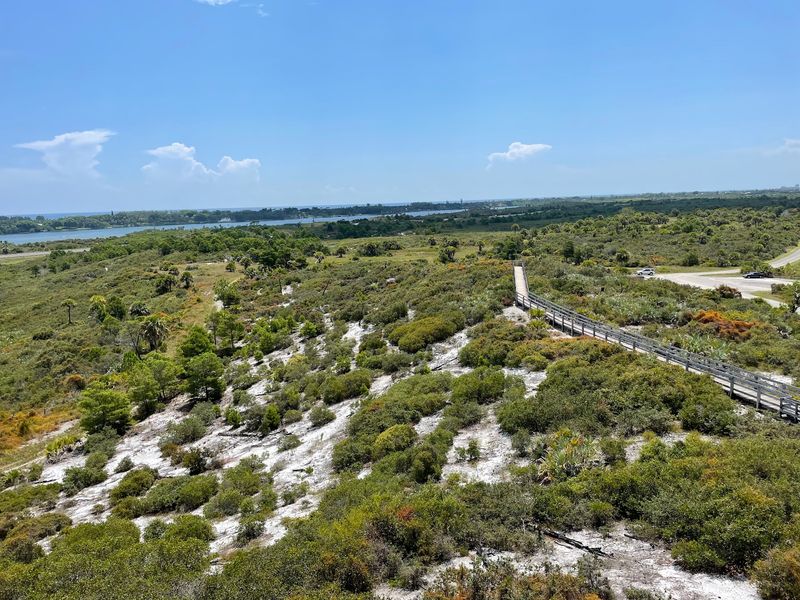
From the top platform, you gain a rare bird’s-eye view of the park’s diverse ecosystems spread out below. The Loxahatchee River snakes through the landscape, pine forests stretch in every direction, and you can pick out hiking trails cutting through the vegetation. It’s a perfect spot for getting your bearings before exploring the park.
The tower occasionally closes for maintenance or repairs, so call ahead if this experience is important to your visit. When open, it’s accessible via a short boardwalk trail that’s easy for most fitness levels. Sunrise and sunset provide the most dramatic lighting, though midday visits offer the clearest long-distance visibility for spotting landmarks.
7. Hiking Trails That Show Off Florida’s Hidden Diversity
Most people think Florida means beaches and theme parks, but the hiking trails here reveal ecosystems you probably didn’t know existed in the Sunshine State. Trails wind through coastal sand pine scrub, river swamps, mangrove forests, and upland lake communities. Each habitat supports completely different plant and animal communities.
The variety means you can hike the same park repeatedly without getting bored. One day you’re walking through airy pine forests where sunlight filters through high canopy. The next you’re navigating boardwalks over dark swamps where cypress knees poke up through tannic water like ancient sentinels.
Trail maintenance stays consistently good, though signage sometimes leaves hikers guessing at intersections. Pay attention to trail markers and consider downloading a map to your phone before heading out. Most trails are well-shaded, but Florida heat and humidity still demand you carry plenty of water.
Distances range from short nature walks to longer treks that can fill an entire morning or afternoon. The relatively flat terrain makes hiking accessible for families with kids, though sandy sections can tire out little legs faster than expected. Wildlife sightings happen regularly, so move quietly and keep your eyes open.
Early morning hikes offer the best combination of cooler temperatures and active animals.
8. The Elusive Nature Center and Junior Ranger Program
The Kimball Education and Research Center serves as the park’s interpretive heart, offering exhibits that explain the area’s natural and human history. Interactive displays help visitors understand what makes this region ecologically special, while live animal exhibits let you meet some residents up close. Kids consistently mention the turtles as a highlight.
The Junior Ranger program gives young visitors a structured way to explore and learn. Kids complete activity booklets that send them on missions throughout the park, turning education into adventure. Rangers award badges upon completion, creating a tangible memento that many children treasure long after the visit ends.
Exhibits cover everything from the park’s namesake shipwreck survivor Jonathan Dickinson to the ecology of the Loxahatchee River watershed. You’ll learn about Native American inhabitants, early settlers, and the conservation efforts that preserved this landscape for future generations. Even adults who normally skip visitor centers find interesting information here.
The gift shop stocks field guides, souvenirs, and outdoor gear you might have forgotten. Staff members are genuinely knowledgeable and helpful, offering current trail conditions, wildlife sighting reports, and insider tips about the best spots for whatever activity interests you most. Stop here first thing to orient yourself and get updated information before exploring the park’s 11,500 acres of protected wilderness.