It Kills Me That Families Skip These 10 Cheap Florida Adventures
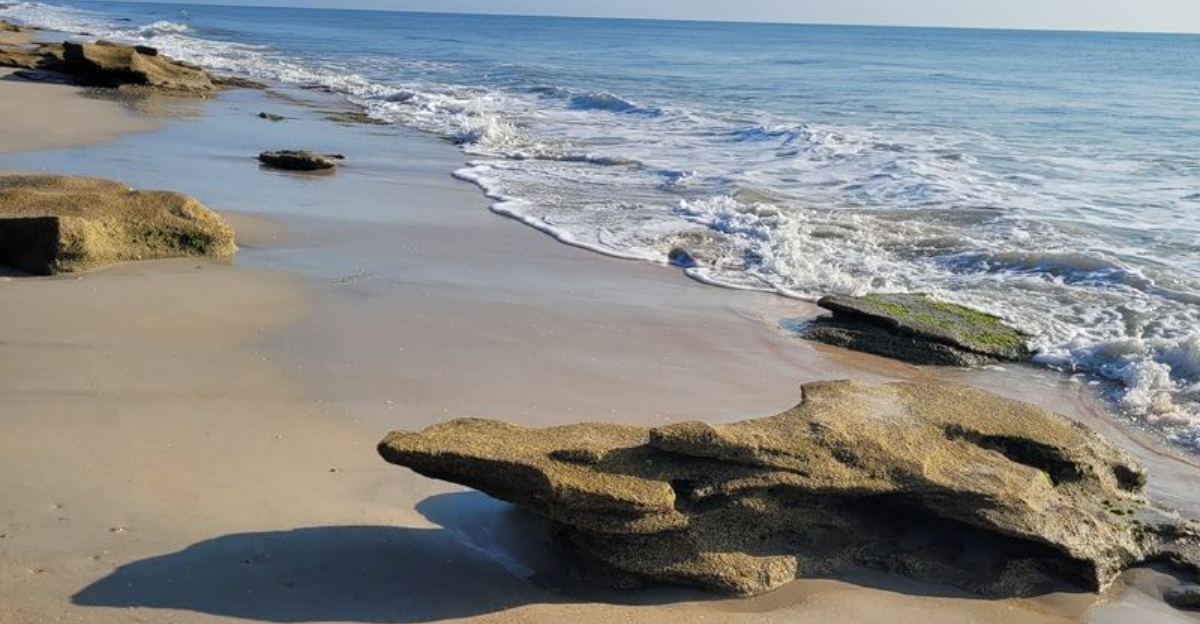
Florida families spend hundreds on theme parks while some of the state’s coolest experiences cost less than a pizza. We’re talking natural lazy rivers, actual waterfalls, wild bison roaming prairies, and beaches covered in ancient rock formations. Most of these spots charge less than ten bucks to get in, and a few are completely free if you bring your own gear.
1. Float Down A Natural Lazy River At Kelly Park/Rock Springs (Apopka)
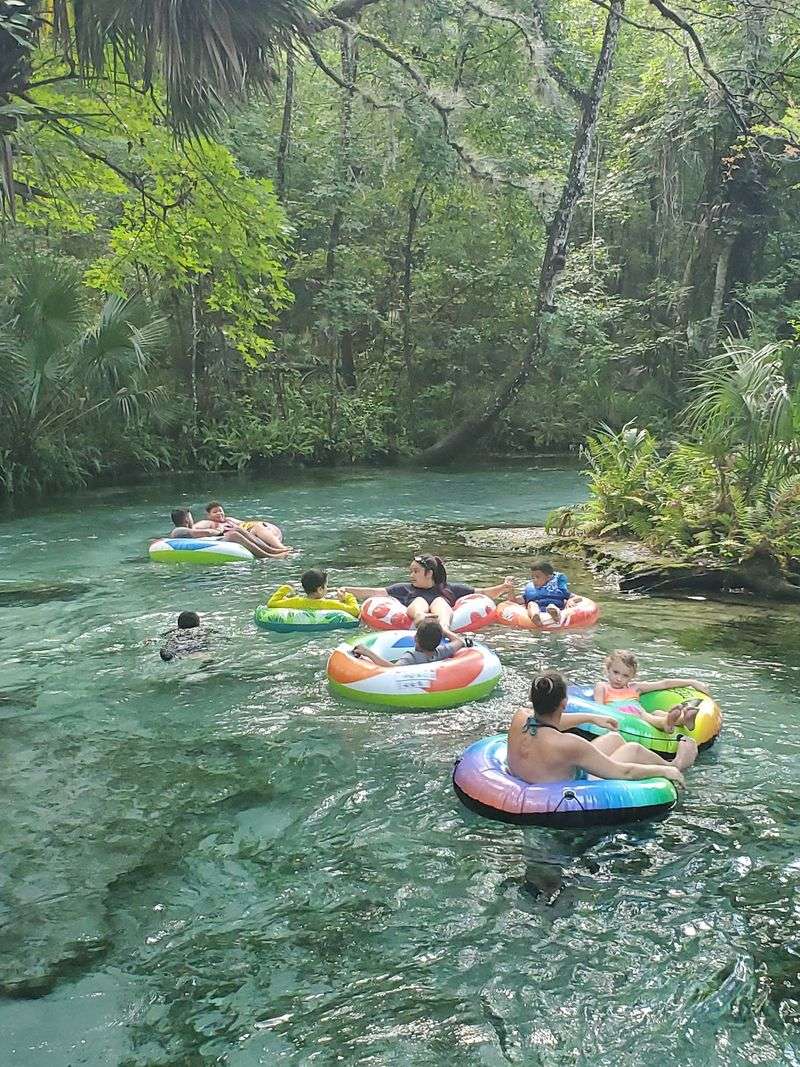
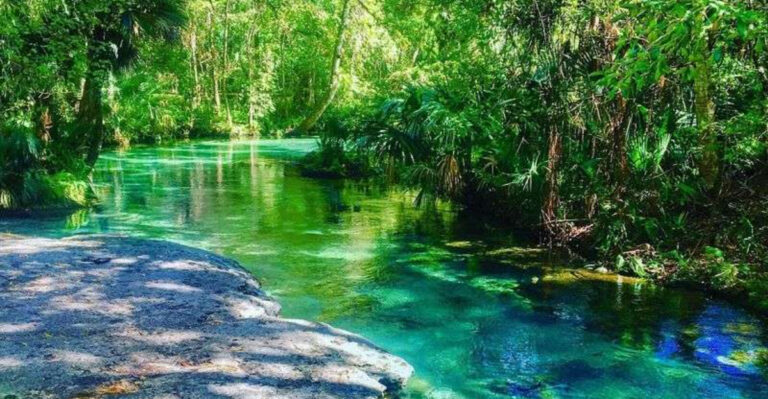
Grab an inner tube from home and spend the day drifting down one of Central Florida’s most beautiful natural springs. The water stays around 68 degrees year-round, which feels amazing when it’s hot outside and refreshingly cool when you first jump in.
Rock Springs Run flows for about a mile through shaded forest, moving just fast enough to keep things interesting without any scary rapids. Kids love spotting fish and turtles in the super-clear water below.
As of August 11, 2026, getting into Kelly Park costs just five dollars per vehicle for the whole day. That’s cheaper than most movie tickets and gives your family hours of outdoor fun.
The park does fill up on weekends during summer, so arriving early helps you snag a good parking spot. You can also rent tubes near the entrance if you don’t own one, though bringing your own saves money.
Pack a cooler with snacks and drinks since you’ll probably want to float the lazy river more than once. The picnic areas have grills and tables if you want to make a full day of it.
2. Descend Into A 120-Foot-Deep Sinkhole At Devil’s Millhopper (Gainesville)
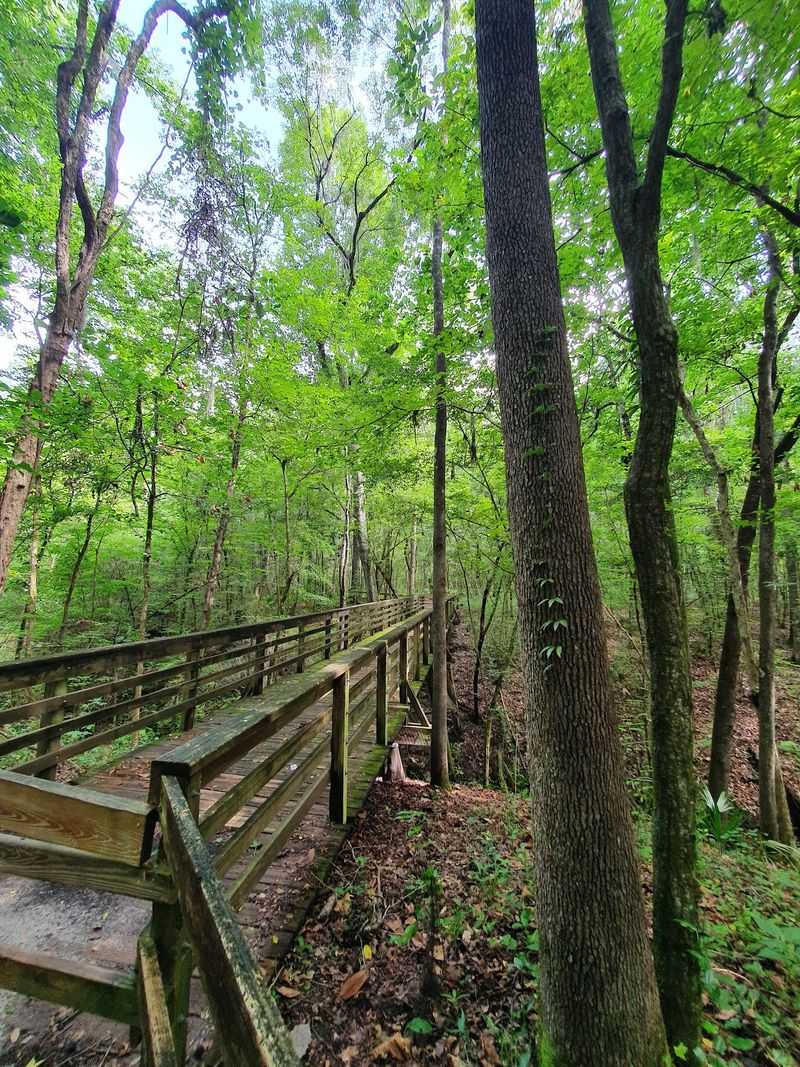
Walking down into Devil’s Millhopper feels like entering another world entirely. This geological wonder drops 120 feet into the earth, with wooden stairs and platforms taking you safely to the bottom where it’s noticeably cooler and quieter.
Tiny streams trickle down the sinkhole walls year-round, creating miniature waterfalls that feed the ferns and moss covering every surface. The microclimate at the bottom supports plants you wouldn’t normally see this far south in Florida.
State park admission covers your visit, and the trail down takes about 15 minutes at a comfortable pace. Count the steps on your way down because kids always want to know how many there are.
The observation deck at the rim gives you a bird’s-eye view before you descend, and informational signs explain how sinkholes form over thousands of years. Fossils of extinct animals have been found here, adding to the prehistoric vibe.
Summer afternoons can get humid, so mornings work better for this adventure. Wear shoes with good grip since the steps can be slippery near the waterfalls, and bring water because you’ll definitely feel the climb back up.
3. See Florida’s Tallest Waterfall At Falling Waters State Park (Chipley)
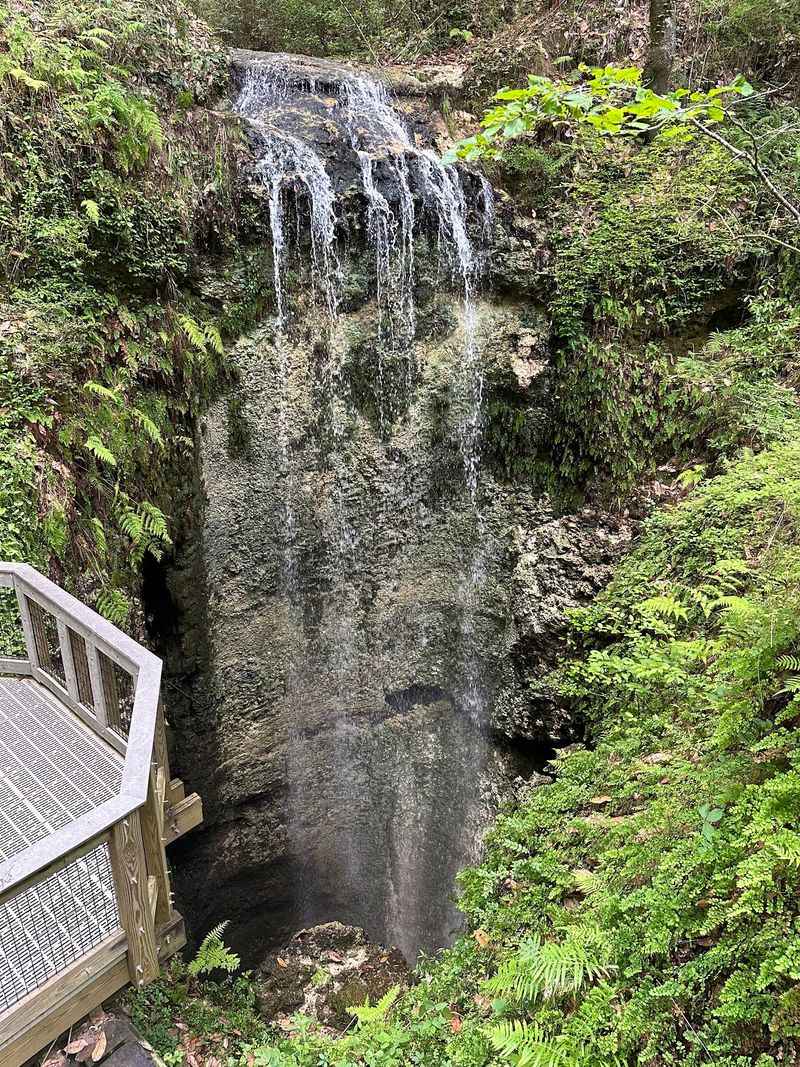
Most people don’t realize Florida has a waterfall, let alone one that drops 73 feet straight down into a sinkhole. Falling Waters sits in the Panhandle where the landscape gets hillier and the geology creates these rare features.
A wooden boardwalk winds through fern-covered slopes and brings you right to the viewing platform. During rainy season the waterfall flows strong and loud, while drier months might slow it to a trickle, but the sinkhole itself always impresses.
The cylindrical pit swallows the water completely, and nobody knows exactly where it goes from there. Geologists think it feeds into the underground aquifer system that supplies much of Florida’s drinking water.
Beyond the main attraction, the park has hiking trails, a swimming area, and camping if you want to extend your visit. Entrance fees match other state parks, keeping the whole outing affordable.
Pack bug spray during warmer months since the shaded, damp environment attracts mosquitoes. The best photos happen in late afternoon when sunlight angles into the sinkhole, though any time of day works for experiencing this unique natural wonder that proves Florida has more variety than beaches and swamps.
4. Look For Wild Bison And Horses At Paynes Prairie (Micanopy)
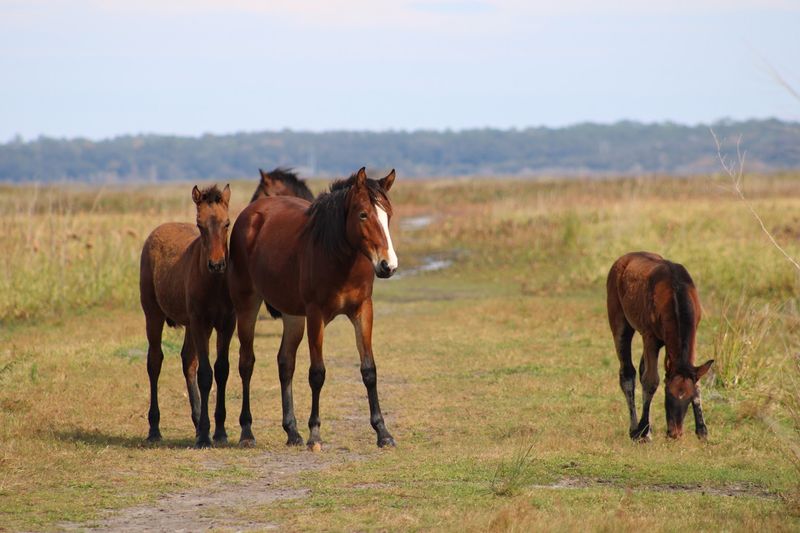
Climbing the 50-foot observation tower at Paynes Prairie gives you views across thousands of acres where wild bison and horses roam freely. Yes, actual bison in Florida, reintroduced to restore the ecosystem to something closer to what existed centuries ago.
Bring binoculars because the animals don’t always hang out close to the tower, and scanning the grasslands becomes a real safari experience. You might also spot alligators sunning themselves near water, sandhill cranes strutting through the grass, or one of the many bird species that call this preserve home.
The prairie floods seasonally, transforming into a massive shallow lake that attracts even more wildlife. Different times of year offer completely different landscapes and animal activity.
Several trails let you explore beyond the tower, including boardwalks through wetlands and shaded paths along the rim. The variety keeps things interesting for kids who get bored easily.
State park entry fees apply, but once you’re in, you can spend hours exploring without spending another penny. Early morning and late afternoon provide the best wildlife viewing since animals stay more active when temperatures drop, and the lighting makes for incredible photos of this surprisingly un-Florida-like landscape.
5. Cross Suspension Bridges Through Ancient Ravines At Ravine Gardens (Palatka)
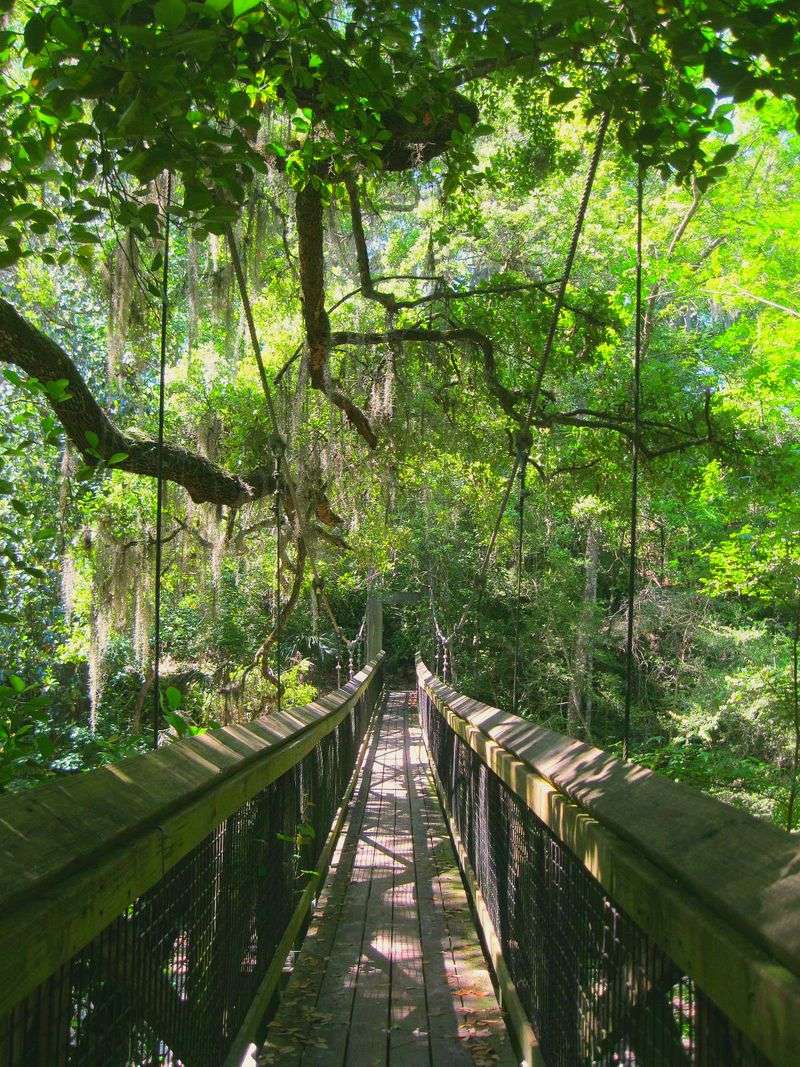
Ravine Gardens drops you into terrain that feels more like the Appalachian foothills than anything typically Floridian. Deep ravines cut through the landscape, and historic suspension bridges sway gently as you cross high above the forest floor.
The 2.5-mile Azalea Trail takes you up and down through these steep-sided gullies where the temperature drops noticeably in the shade. When azaleas bloom in spring, the entire park explodes with color, but the dramatic topography impresses year-round.
Kids get a kick out of the suspension bridges, which feel adventurous without being scary. The engineering dates back to the 1930s when the Civilian Conservation Corps built much of the park’s infrastructure.
Paved paths make the main trail accessible for strollers, though the hills provide a decent workout. Side trails branch off for those wanting a more rugged experience.
Admission costs less than a fancy coffee, and you can easily spend a couple hours exploring. The gardens also host occasional events and concerts in the outdoor amphitheater.
Pack water and snacks since there aren’t concessions inside the park. The unique geography creates microclimates where you’ll find plant species that don’t grow elsewhere in the region, making this spot genuinely special for Florida nature lovers.
6. Walk Above An Alligator-Filled Cypress Swamp At Highlands Hammock (Sebring)
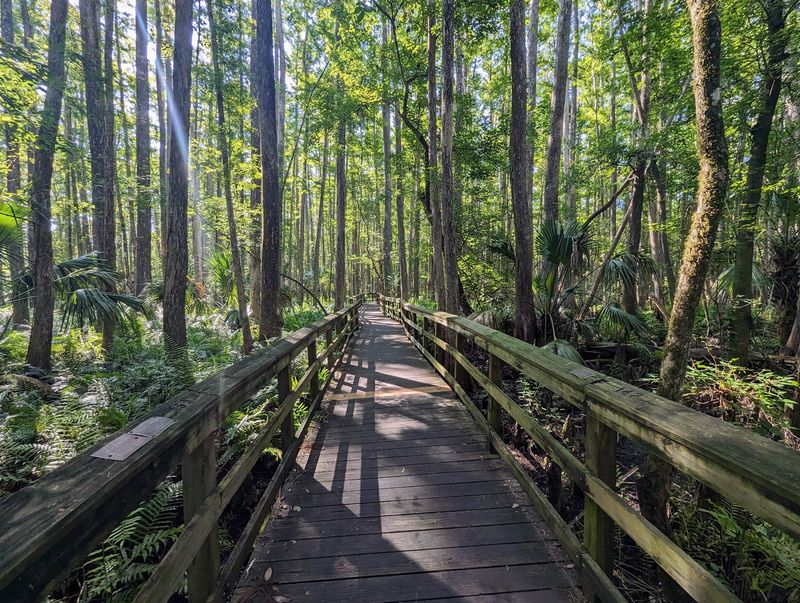
The Cypress Swamp Trail puts you on an elevated boardwalk that winds through ancient cypress trees draped in Spanish moss. Below, tea-colored water hides alligators, turtles, and wading birds going about their business in classic Old Florida habitat.
Walking above the swamp instead of slogging through it lets you observe wildlife without disturbing anything. Gators often sun themselves on logs or glide silently through the tannin-stained water, and patient observers spot all kinds of creatures.
This state park protects one of the oldest hardwood hammocks in the country, with some trees hundreds of years old. The ecosystem represents what much of Florida looked like before development changed everything.
Multiple trails offer different experiences, from short nature walks to longer hikes through pine flatwoods and palmetto prairies. The boardwalk remains the highlight for families with younger kids since it’s easy to navigate and almost guarantees wildlife sightings.
Standard state park admission applies, making it an affordable day trip that delivers authentic Florida wilderness. Rangers sometimes lead guided walks that teach you about the plants and animals you’re seeing.
Morning visits tend to be cooler and less crowded, plus animals are more active before the heat sets in. Bring a camera with decent zoom to capture gators and birds without getting too close to the water’s edge.
7. Explore A Beach Covered In Giant Coquina Rocks At Washington Oaks (Palm Coast)
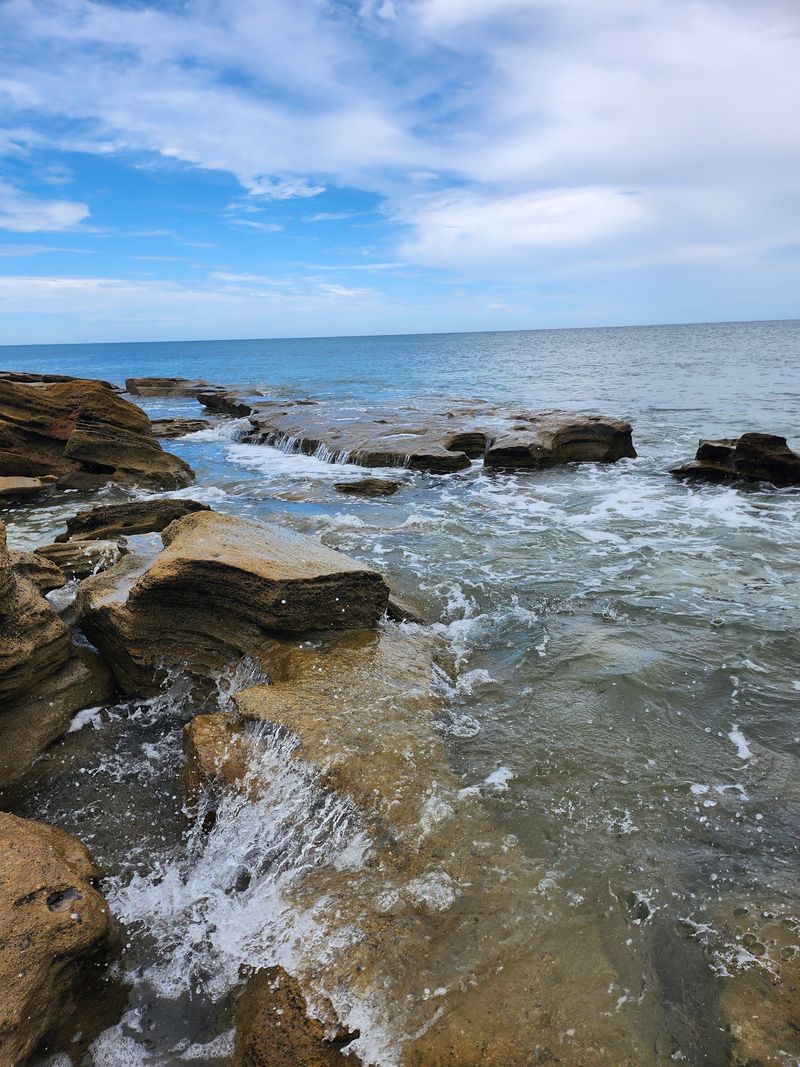
Forget typical sandy beaches and check out Washington Oaks, where the shoreline features dramatic coquina rock formations instead of smooth sand. These ancient limestone shelves create tide pools, natural sculptures, and a completely different beach experience than you’ll find elsewhere in Florida.
Low tide reveals the most interesting formations, with water pooling around the rocks and small sea creatures hiding in the crevices. Kids love exploring the pools and climbing on the stable rock surfaces.
The coquina formed from compressed shells and sediment millions of years ago, and waves continue sculpting it into ever-changing shapes. Photographers flock here because the rocks create stunning compositions, especially during golden hour.
Beyond the beach, the park includes formal gardens with reflecting pools, a rose garden, and trails through coastal hammock. You can easily split your day between beach exploration and garden wandering.
State park entry fees keep costs low, and the unique landscape means you won’t feel like you’re at just another Florida beach. The rocks can be sharp in places, so water shoes help protect feet.
Weekdays see fewer visitors, giving you more space to explore without crowds. Bring snacks and drinks since there aren’t restaurants nearby, and plan to spend at least a few hours taking in both the geological wonders and cultivated beauty this park offers.
8. Swim In A 72-Degree Natural Spring At De Leon Springs (De Leon Springs)
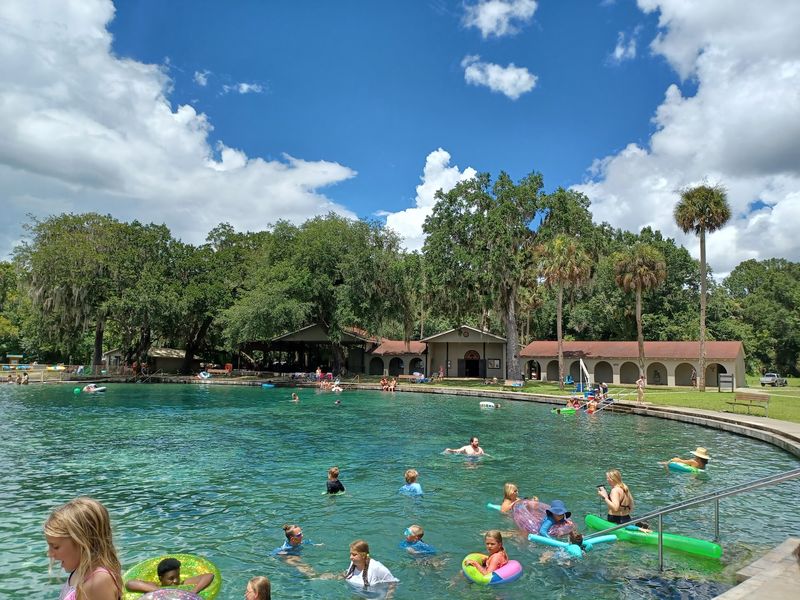
De Leon Springs pumps out millions of gallons of 72-degree water daily, creating a huge natural swimming area that stays refreshingly cool even in summer heat. The spring-fed pool feels amazing after hiking the surrounding trails or exploring the historic areas.
This old-school Florida attraction has been drawing visitors for generations, and it maintains that vintage charm without feeling run-down. The water clarity lets you see straight to the bottom, and the constant flow keeps everything fresh and clean.
A popular pancake restaurant sits right in the park, where you cook your own pancakes at griddles built into the tables. It’s become a tradition for many families to swim first, then fuel up with breakfast.
Beyond swimming, the park offers paddling trails through quiet waterways where you might spot manatees during cooler months. Rental canoes and kayaks make it easy even if you don’t own your own.
State park admission covers your visit, though the restaurant operates separately with its own prices. The combination of natural spring, trails, and unique dining makes this spot a solid all-day destination.
Weekends get busy, especially during summer and holidays, so arriving when the park opens gives you first crack at parking and pool space. The 72-degree water feels cold initially but becomes perfect once you acclimate.
9. Hike To Florida’s Largest Whitewater Rapids At Big Shoals (White Springs)
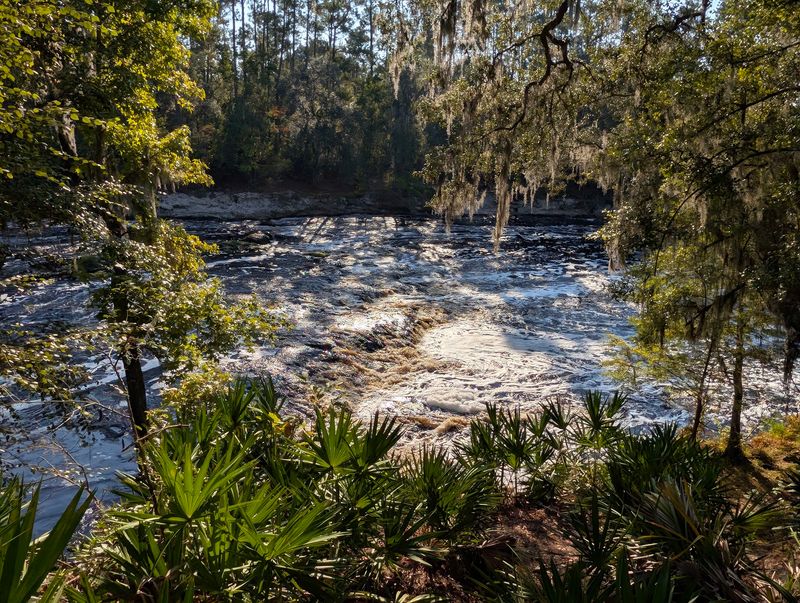
Big Shoals proves Florida has whitewater rapids, which surprises almost everyone who visits. The Suwannee River drops over limestone outcroppings here, creating the state’s largest rapids and a landscape that feels more like North Georgia than the Sunshine State.
Twenty-eight miles of trails wind through the park, offering options for short nature walks or serious day hikes. The terrain includes hills, river views, and forest that changes with the seasons more dramatically than most Florida ecosystems.
Families with older kids who want a real hiking challenge find plenty to explore here. The trails vary in difficulty, so you can choose routes that match your group’s fitness level and ambition.
The rapids themselves flow strongest after heavy rains, though even during drier periods the rocky riverscape impresses. Experienced paddlers sometimes run the rapids in kayaks, providing entertainment for hikers watching from the banks.
This state park charges standard admission, and the extensive trail system means you could visit multiple times and have different experiences. Horseback riding and mountain biking are also allowed on designated trails.
Bring plenty of water and snacks since the hiking burns energy, and wear sturdy shoes with good traction. The remote location means fewer crowds than parks closer to major cities, giving you a more wilderness-focused adventure that showcases Florida’s surprising geographic diversity.
10. Spend The Day Exploring Beaches And An Old Fort At Fort De Soto (Tierra Verde)
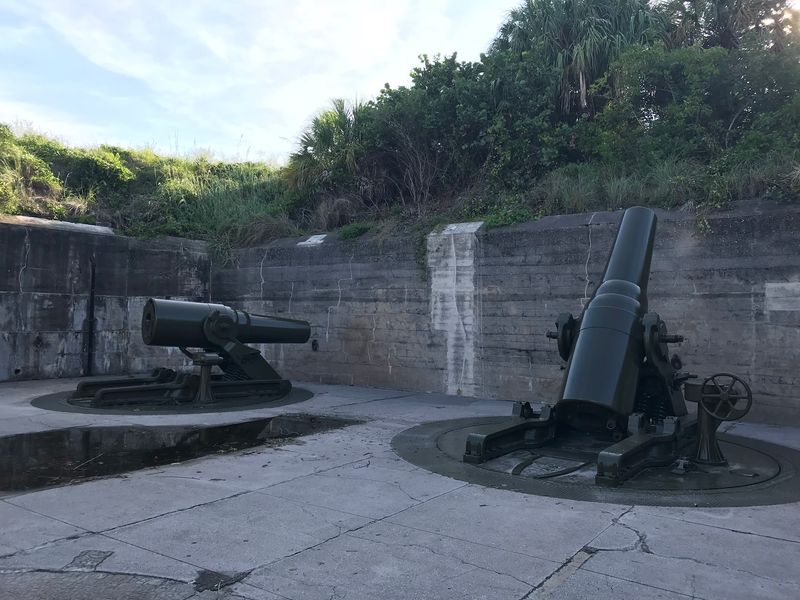
Fort De Soto packs an incredible variety of experiences into one affordable county park. You get pristine beaches, a historic military fort with actual cannons, nature trails, playgrounds, and over 1,100 acres to explore without fighting theme park crowds.
The beaches consistently rank among Florida’s best, with soft white sand and calm waters perfect for families with young kids. You can swim, build sandcastles, collect shells, or just relax while children play safely in the shallow surf.
The old Spanish-American War fort lets kids climb on historic batteries and imagine life as soldiers defending Tampa Bay. The fortifications remain remarkably intact, and interpretive signs explain the military history without being boring.
Nature trails wind through coastal habitats where you might spot dolphins offshore, shorebirds hunting in the shallows, or gopher tortoises shuffling through palmetto scrub. The variety keeps everyone in the family entertained regardless of their interests.
Parking currently runs six dollars per vehicle for the entire day, which is cheaper than most beach parking anywhere in Florida. The park includes picnic areas, restrooms, and concessions, so you don’t need to pack absolutely everything.
Weekends get crowded, but the park’s size means you can always find space. Arrive early during peak season to snag the best beach spots, and plan to stay most of the day since there’s genuinely enough to keep families busy from morning until sunset.