9 Small Florida Downtowns Made for a Slow Saturday Stroll
Sometimes the best weekend plans are the ones without a real plan at all. Florida’s small downtowns offer the perfect antidote to overscheduled lives, places where wandering from shop to shop, stopping for coffee, and simply watching the world go by count as a full Saturday well spent. These nine charming towns have preserved their historic cores, filled them with independent businesses, and created walkable districts that practically beg you to slow down and stay awhile.
1. Micanopy
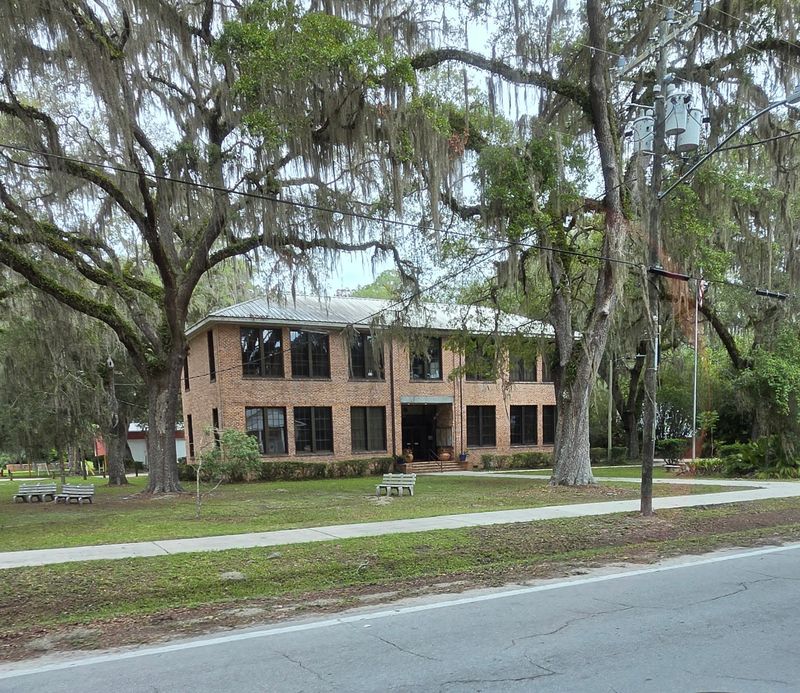
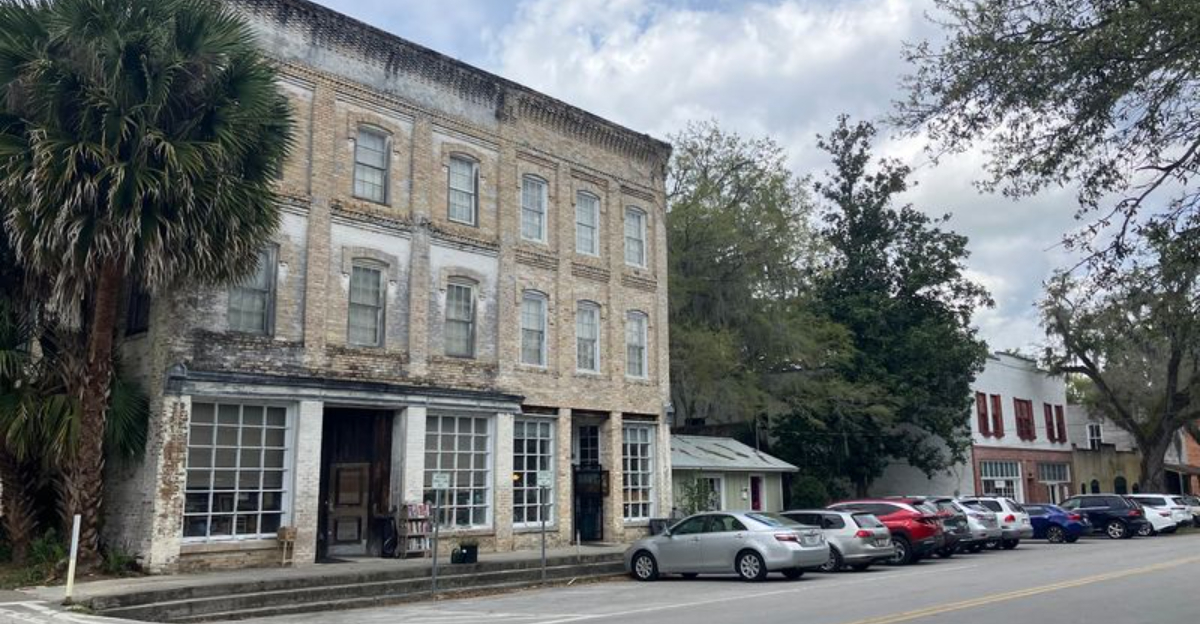
Only a few blocks long, Micanopy’s downtown packs more Old Florida charm per square foot than just about anywhere else in the state. Moss hangs thick from ancient oaks that shade brick sidewalks along Cholokka Boulevard, where 19th-century storefronts house antique dealers, used bookshops, and cafes that haven’t changed much in decades.
You could walk the entire downtown in ten minutes if you rushed, but that would miss the point entirely. The pleasure here is in poking through shops crammed with vintage treasures, sitting outside with coffee while Spanish moss sways overhead, and chatting with shopkeepers who remember when the town was even sleepier than it is now.
Founded in 1821, Micanopy holds the title of Florida’s second-oldest town, and it wears that history lightly. The Herlong Mansion’s columns peek through trees, the old Thrasher Warehouse still stands near the former railroad depot, and nearly every building downtown dates to the late 1800s or early 1900s.
There’s no pressure to buy anything or be anywhere by a certain time. Grab lunch at a local spot, browse the antiques without obligation, and let a Saturday afternoon stretch out the way it should. This is Florida before theme parks and high-rises, preserved in amber and moss.
2. Mount Dora
Mount Dora’s downtown feels like someone designed it specifically for aimless Saturday wandering. Block after block of independently owned shops line streets named Donnelly and Fifth Avenue, each storefront more inviting than the last. You’ll find art galleries showing local work, boutiques selling everything from home decor to handmade jewelry, and enough antique stores to keep collectors busy for hours.
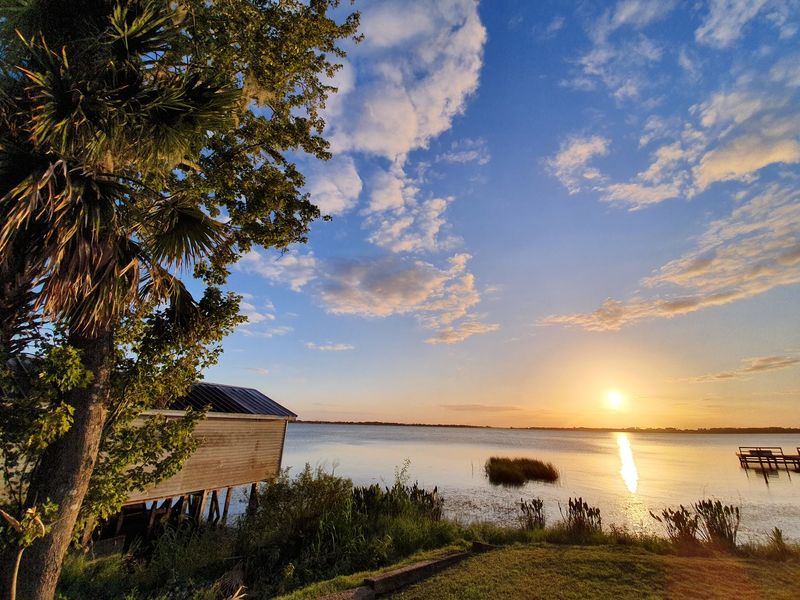
The town sits on a hill overlooking Lake Dora, which means your stroll can easily extend down to Grantham Point Park or the Lakeside Inn’s waterfront. Palm-lined streets, brick sidewalks, and buildings painted in cheerful colors give the whole downtown a perpetually sunny disposition, even on cloudy days.
Coffee shops and cafes appear every few storefronts, providing natural stopping points when your feet need a rest or you want to people-watch from a sidewalk table. The restaurants range from casual lunch spots to white-tablecloth dining, but most embrace the unhurried pace that defines the town.
Mount Dora hosts festivals nearly every weekend, but even on quiet Saturdays when nothing special is happening, the downtown hums with just enough activity to feel lively without being crowded. Park once, leave your car all day, and cover everything worth seeing on foot. The compact downtown makes it almost impossible to get lost, which frees you up to actually explore.
3. Apalachicola
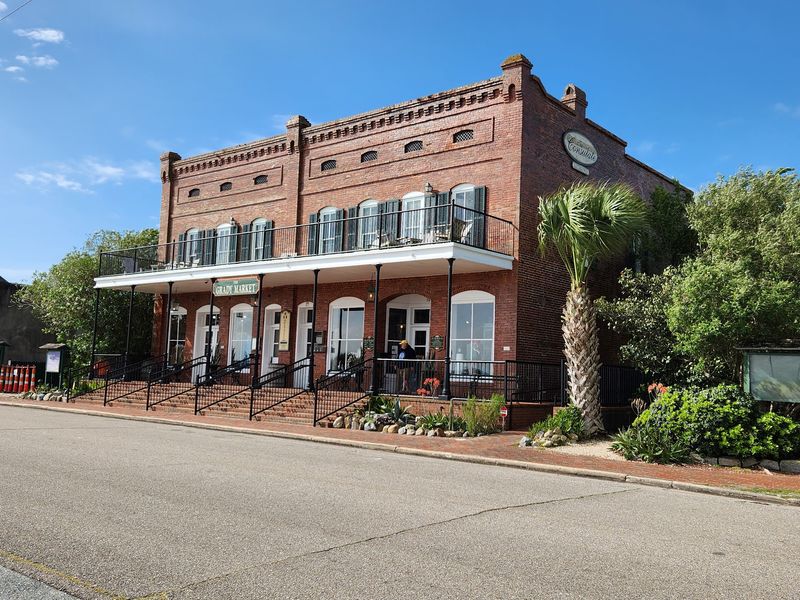
Apalachicola operates on a different clock than the rest of Florida. This Panhandle port town moves slowly by design, its downtown a collection of brick buildings from the 1800s that now house galleries, boutiques, bookshops, and restaurants serving oysters pulled from the bay that morning.
The entire historic district spans just a few blocks between the Apalachicola River and the residential neighborhoods, making it perfectly sized for a Saturday stroll. You can browse the Grady Market for local goods, duck into the Apalachicola Chocolate Company for samples, and stop at Boss Oyster or Up the Creek Raw Bar when hunger strikes.
Water Street and Commerce Street form the heart of downtown, where awnings shade sidewalks and shop owners often stand outside chatting with neighbors. The riverfront parks provide benches facing the water, ideal spots for watching shrimp boats come and go or simply enjoying the breeze off the Apalachicola River.
History seeps from every corner. The Raney House Museum occupies an 1838 home, the Dixie Theatre dates to 1912, and the old cotton warehouses along the water remind you this was once one of Florida’s busiest ports. But Apalachicola doesn’t lean too hard on its past.
It’s a working waterfront town that happens to have a beautifully preserved downtown, not a museum piece. That authenticity makes all the difference when you’re just wandering and taking it all in.
4. Dade City
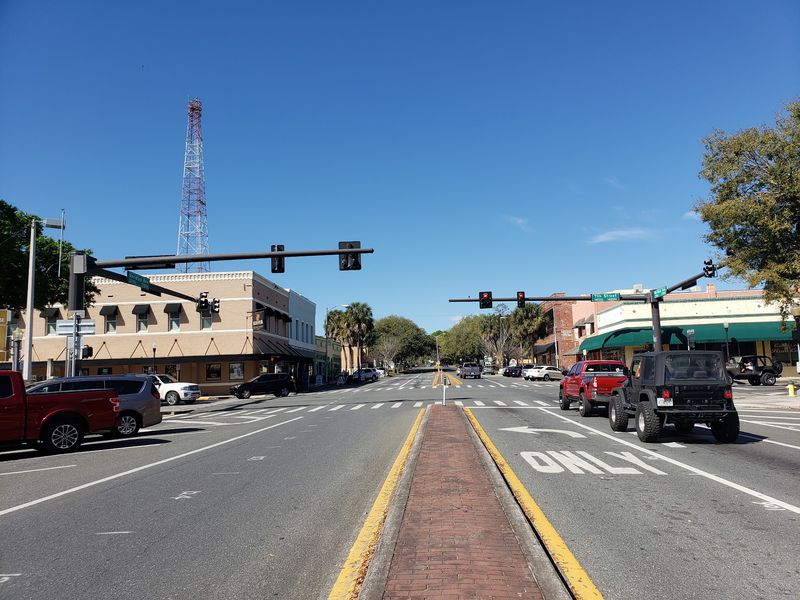
Dade City’s downtown delivers exactly what you hope for in a small Florida town: antique stores that actually reward browsing, local cafes where the staff remembers regulars, and enough historic architecture to make the walk itself worthwhile. The commercial district centers on Seventh Street and Meridian Avenue, where early-1900s buildings house everything from vintage clothing shops to home decor boutiques.
Antique hunters could easily spend an entire Saturday here without covering every shop. The downtown packs in dozens of dealers, each specializing in different eras and styles, from mid-century modern to Victorian glassware. Even if you’re not buying, the window displays alone provide entertainment, and shopkeepers generally welcome browsers.
Between antique runs, you can grab pastries at a local bakery, stop for lunch at one of the downtown restaurants, or simply admire the old Pasco County Courthouse and other historic structures that give Dade City its character. The sidewalks are wide, the pace is relaxed, and there’s rarely a crowd even on busy weekends.
Unlike towns that have gentrified into boutique destinations, Dade City maintains its working-town feel. You’ll see locals running errands alongside tourists hunting treasures, and that mix keeps things grounded. The downtown isn’t trying to be anything other than what it is: a pleasant place to spend a few hours without any particular agenda beyond seeing what catches your eye.
5. Cedar Key
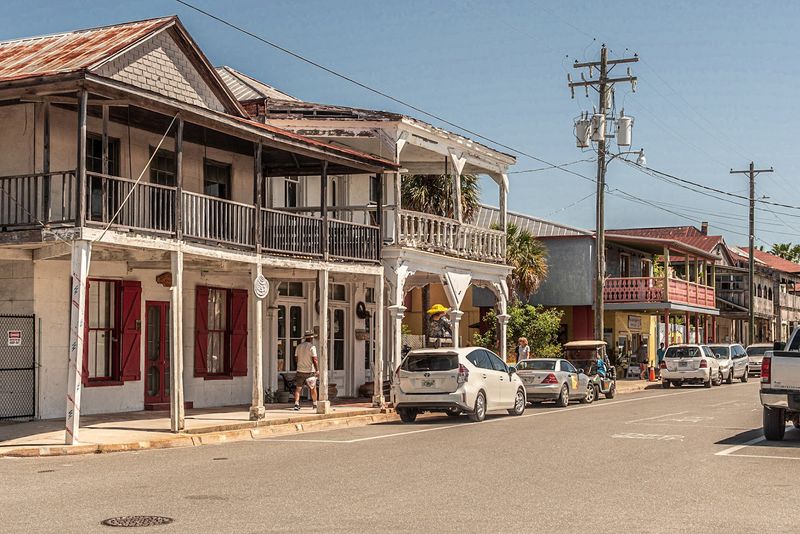
Cedar Key practically invented the slow Saturday stroll. This Gulf Coast island town exists in a time warp where rushing anywhere feels absurd and the entire downtown fits into a few blocks you can cover on foot without breaking a sweat.
Dock Street runs along the waterfront, lined with seafood restaurants, art galleries, and shops selling everything from local art to seashells. The Old Florida architecture, weathered wood and tin roofs, gives the whole strip a salty, lived-in character that newer beach towns can’t replicate. You can watch pelicans dive for fish, fishing boats unload their catch, and the sun track across the sky without checking your watch once.
The island’s compact size means you can wander from the marina to the City Park to the historic downtown and back again in an afternoon, stopping whenever something interesting appears. The Cedar Key Historical Society Museum occupies an old building near the water, galleries showcase local artists’ work, and the restaurants serve clam chowder and grouper sandwiches with water views.
There’s no boardwalk, no amusement pier, no chain restaurants to anchor the downtown. Just a collection of independent businesses that survived Hurricane Idalia and every other storm that’s blown through, serving visitors who appreciate Cedar Key’s refusal to modernize. The whole island feels like a Saturday afternoon, no matter what day you visit.
6. Arcadia
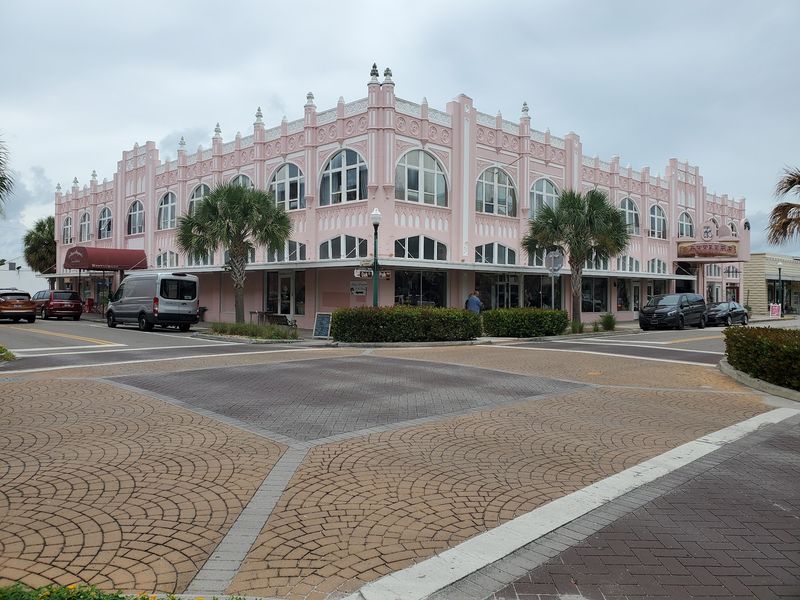
Arcadia takes its antiques seriously. The downtown historic district contains more antique dealers per capita than almost anywhere in Florida, filling the ground floors of early-20th-century buildings with furniture, glassware, collectibles, and curiosities from every era. On the fourth Saturday of each month, the whole town transforms into an antique fair that draws dealers and buyers from across the state.
Even on regular weekends, though, Arcadia rewards slow exploration. Oak Street forms the main commercial corridor, where you can duck into shop after shop, each offering different specialties and price points. Some focus on high-end furniture and estate pieces, others on affordable vintage finds and repurposed items.
The historic buildings themselves deserve attention beyond what’s inside them. The DeSoto County Courthouse anchors one end of downtown, the old Opera House still stands nearby, and the commercial blocks retain their original facades and architectural details. These structures tell the story of a prosperous cattle town from the early 1900s, before highways bypassed downtown and shopping moved to strip malls.
Between antique shops, you’ll find local restaurants, coffee spots, and the occasional boutique or gift shop. The downtown isn’t large, maybe six or eight blocks of concentrated activity, but it’s dense enough to fill a Saturday without feeling rushed. Park anywhere along Oak Street, pick a direction, and start walking.
You’ll either find a treasure or enjoy the hunt.
7. Brooksville
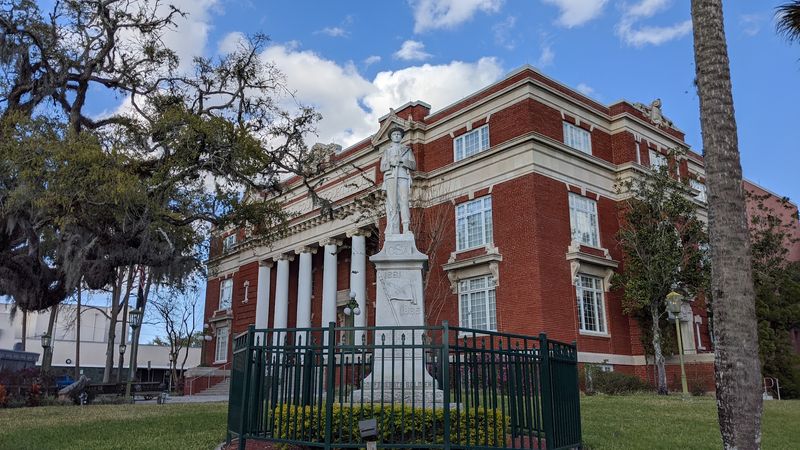
Brooksville’s downtown punches above its weight for a town of barely 9,000 people. The historic district spreads across several blocks of brick-paved streets where murals cover building walls, public art installations pop up at intersections, and independent businesses occupy storefronts in structures dating back a century or more.
The mural trail alone justifies a walking tour. Local and visiting artists have transformed blank walls into colorful scenes depicting Brooksville’s history, Florida wildlife, and abstract designs that brighten the downtown considerably. You can follow a self-guided route that connects the major murals, or just wander and discover them as you go.
Main Street and Fort Dade Avenue form the commercial heart, where you’ll find restaurants serving everything from Southern comfort food to international cuisine, shops selling antiques and local goods, and cafes perfect for a mid-stroll coffee break. The Hernando County Courthouse, an impressive 1913 building, anchors the downtown and provides a landmark you can orient yourself by.
Brooksville hasn’t gentrified into preciousness. It’s still a working town where locals shop and eat alongside visitors exploring the murals and historic buildings. That authenticity keeps things interesting and prevents the downtown from feeling like a tourist attraction pretending to be a real place.
The mix of art, history, and everyday commerce creates an environment where you can spend a few hours without any specific goal beyond seeing what’s around the next corner.
8. DeLand
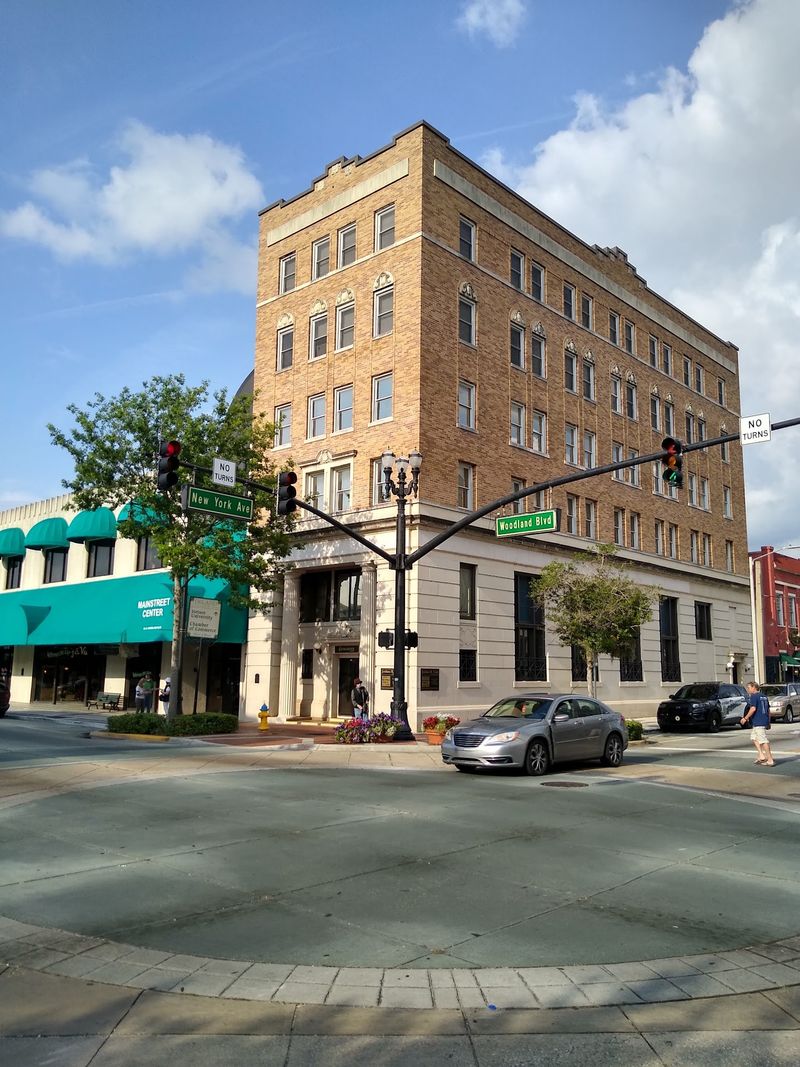
DeLand brings slightly more energy than some of Florida’s sleepier small towns, but the downtown still operates at a pace that encourages wandering rather than rushing. Woodland Boulevard cuts through the historic district, lined with local shops, galleries, restaurants, and cafes housed in buildings that reflect a century of architectural styles.
The proximity to Stetson University adds a college-town vibe without overwhelming the downtown’s historic character. You’ll find independent bookstores, vintage clothing shops, art galleries showing contemporary work, and coffee shops that serve as community gathering spots. The restaurant scene offers more variety than you’d expect, from farm-to-table bistros to ethnic cuisine to classic Southern cooking.
Stetson’s campus borders the downtown, and the university’s historic buildings, including DeLand Hall from 1884, blend seamlessly with the commercial district. You can easily extend your downtown stroll through the tree-shaded campus, admiring the architecture and green spaces that make Stetson one of Florida’s prettiest universities.
Public art, outdoor seating areas, and regular events keep the downtown active most weekends, but there’s still plenty of room to explore at your own pace. The streets form a grid that’s easy to navigate, and everything worth seeing sits within a walkable radius. Park once in the morning, grab breakfast at a local spot, and spend the next few hours popping into shops, galleries, and cafes as the mood strikes.
9. Fernandina Beach
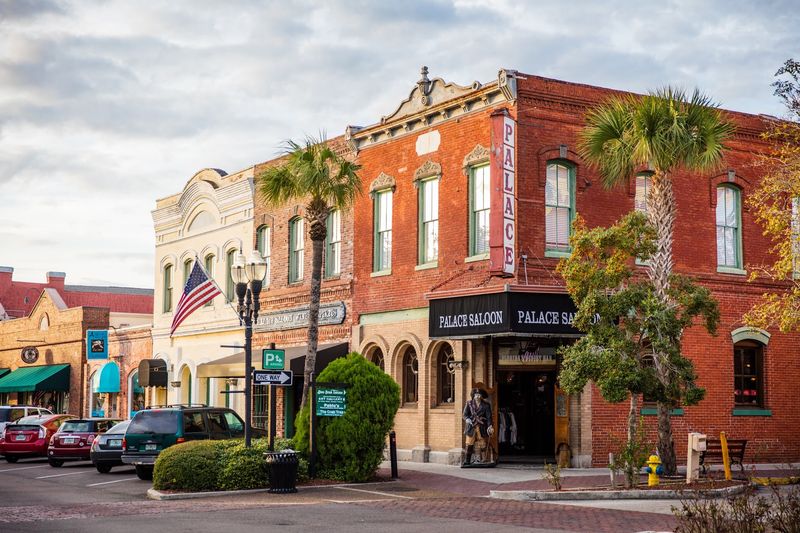
Fernandina Beach’s downtown occupies a sweet spot between preserved historic district and active waterfront community. Centre Street runs from the marina inland through blocks of Victorian-era buildings now filled with locally owned shops, restaurants, art galleries, and cafes. The architecture alone makes the walk worthwhile, with ornate details and varied styles reflecting the town’s boom years in the late 1800s.
The compact downtown stretches maybe six blocks from the waterfront to the residential neighborhoods, dense with businesses but never feeling crowded or overwhelming. You can browse boutiques selling coastal-inspired home decor, duck into galleries showing local artists’ work, stop for lunch at a seafood restaurant, and still have time to walk down to the marina and watch boats in the harbor.
Fernandina Beach doesn’t hide its tourist appeal, but it maintains enough local character to feel authentic. The Palace Saloon, Florida’s oldest continuously operating bar, still serves drinks in its original 1903 location. The old Nassau County Courthouse anchors one end of downtown.
And the residential streets surrounding Centre Street showcase beautifully maintained Victorian homes that create a historic neighborhood worth exploring on foot.
VISIT FLORIDA even offers a dedicated walking tour of the historic downtown, which tells you this is a place designed for strolling. The brick sidewalks, shaded streets, and waterfront location create an environment where walking becomes the point, not just a way to get from shop to shop.