This Gorgeous Florida Spring Flows Right By A Millhouse Built In The 1930s
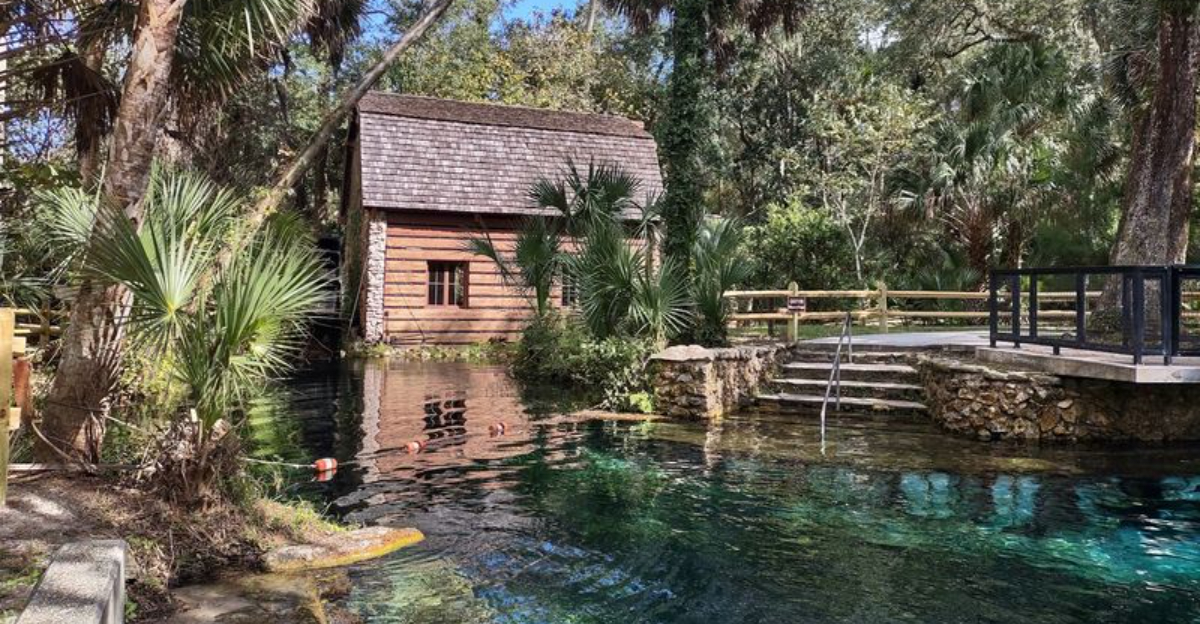
Juniper Springs Recreation Area offers one of Florida’s most enchanting natural escapes. Crystal-clear water bubbles up from underground at a constant 72 degrees year-round, flowing past a beautifully preserved millhouse that’s stood since the 1930s. Whether you’re planning to paddle through jungle-like scenery, cool off in the spring-fed swimming hole, or camp under a canopy of ancient trees, this historic spot delivers an authentic Old Florida experience that’s become increasingly rare.
1. The Historic Millhouse Standing Since the 1930s
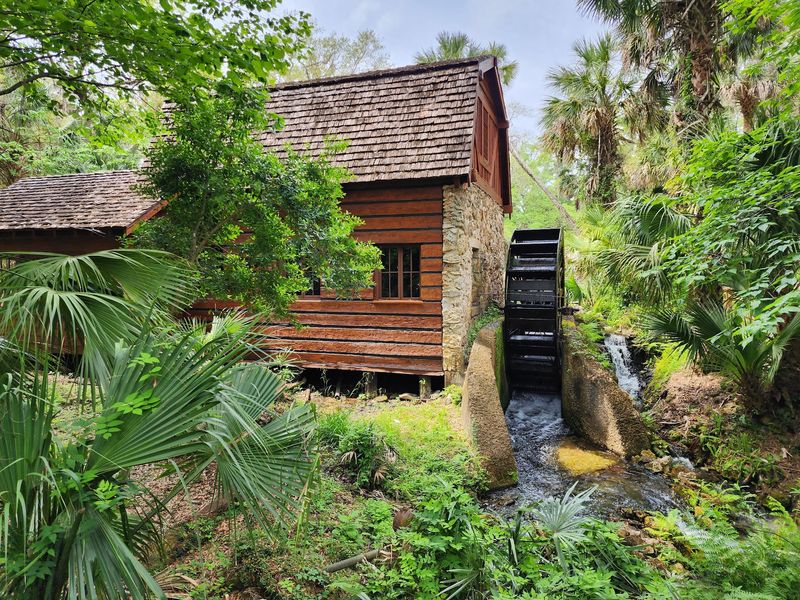
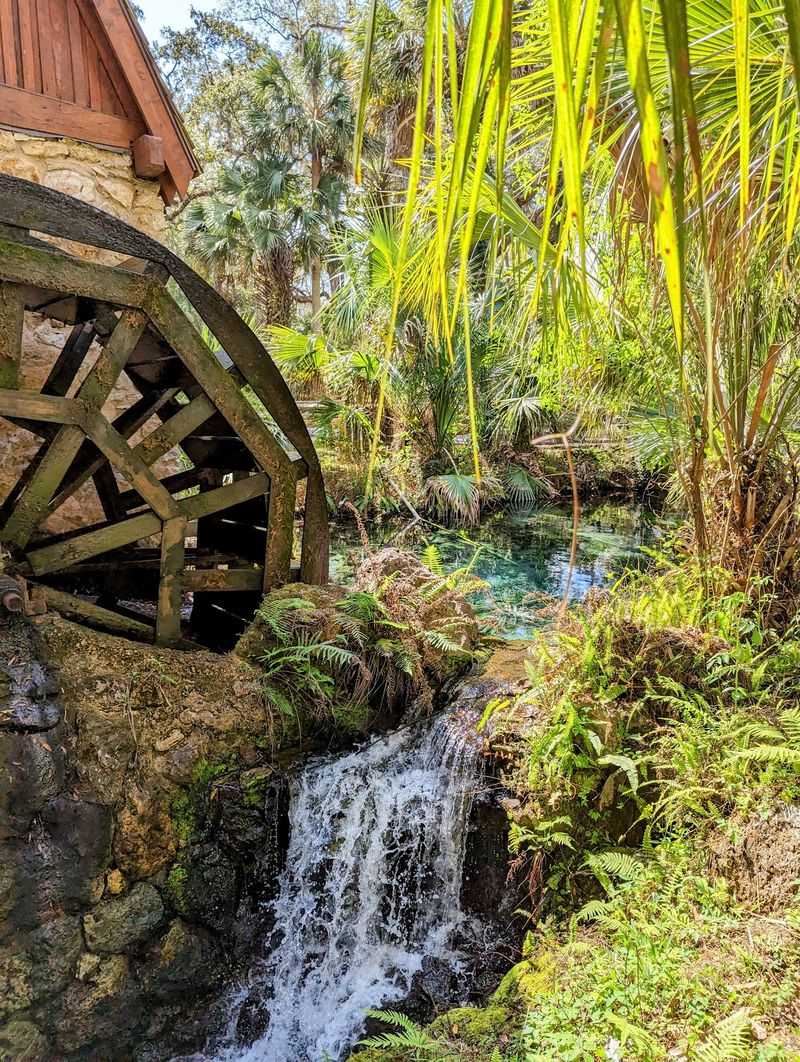
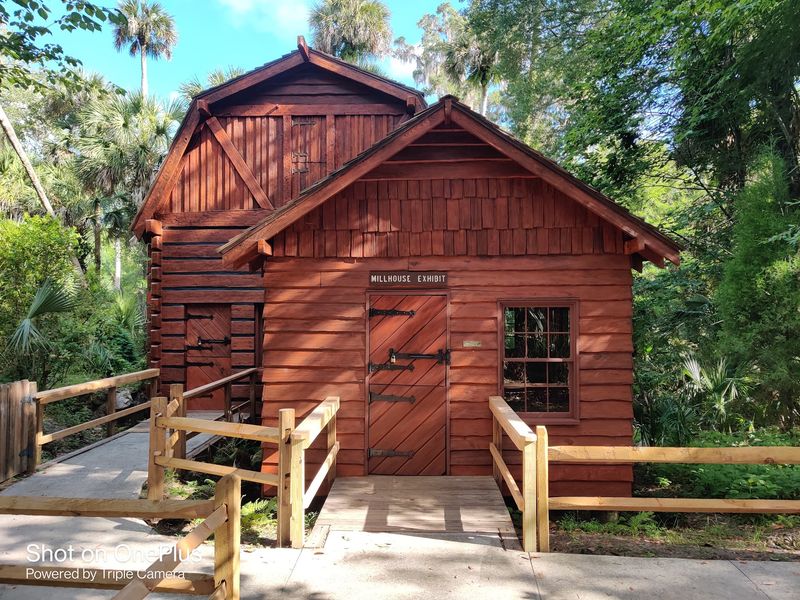
Built during the Great Depression by the Civilian Conservation Corps, the millhouse at Juniper Springs stands as a living monument to Florida’s past. The structure was carefully crafted using cypress wood and traditional building techniques that have allowed it to withstand nearly a century of Florida’s humid climate. Visitors today can walk right up to this architectural gem and peer inside to see the old milling equipment still in place.
The millhouse isn’t just for looking at from a distance. You can explore the area around it, read informational plaques that tell the story of how it operated, and snap photos with the spring-fed creek flowing right beside it. The building has been maintained in fantastic condition according to many visitors, making it easy to imagine what life was like when it was actively grinding corn and sugarcane.
What makes this spot truly special is how the millhouse blends seamlessly with the natural spring environment. The water flowing past creates a peaceful soundtrack, and the surrounding forest provides shade that keeps the area cool even on hot summer days. It’s one of those rare places where history and nature come together perfectly, giving you a genuine taste of what Florida looked like generations ago.
2. Crystal-Clear Spring Water at a Perfect 72 Degrees
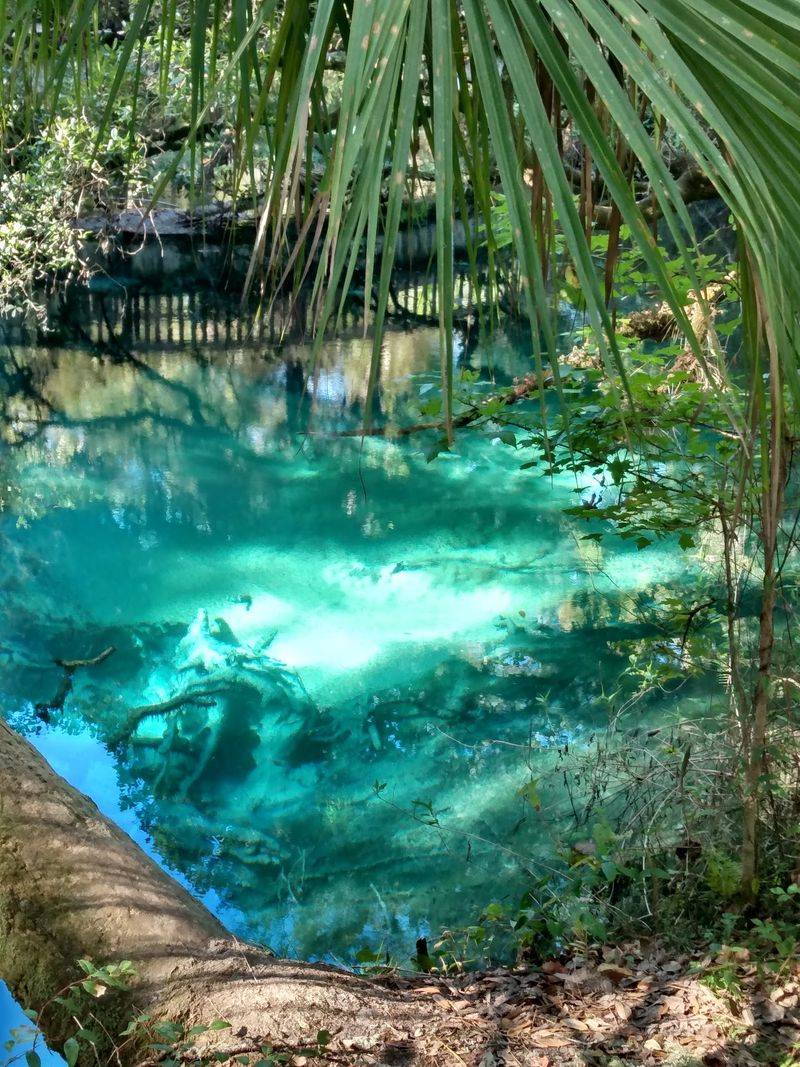
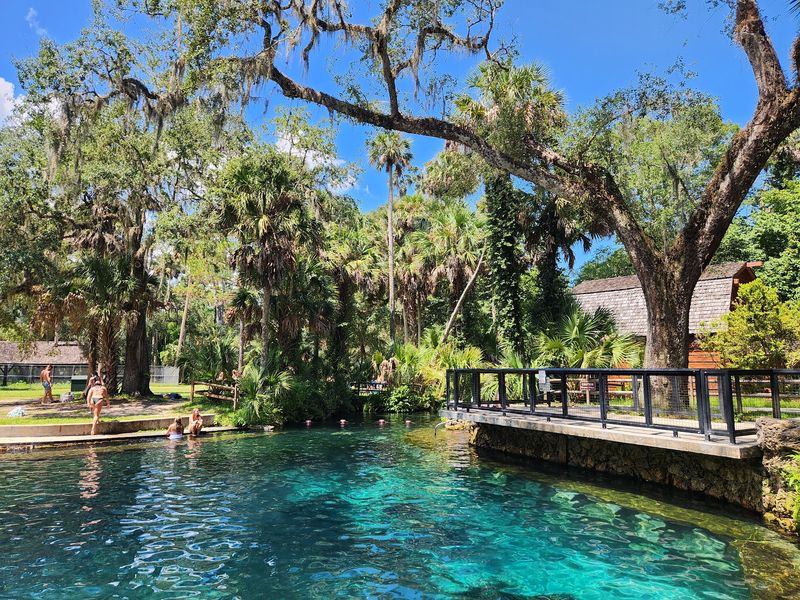
Juniper Springs pumps out roughly 13 million gallons of pristine water every single day from deep underground limestone aquifers. The temperature stays locked at 72 degrees whether it’s January or July, which feels refreshingly cool in summer and surprisingly warm during winter months. That constant temperature creates an ideal swimming environment that attracts visitors year-round who want to escape Florida’s sometimes oppressive heat.
The clarity of this water is absolutely stunning. Swimmers report being able to see straight to the bottom, watching fish dart between eel grass and observing the sandy floor in remarkable detail. Bring a mask and snorkel, and you’ll discover a whole underwater world filled with tiny fish, aquatic vegetation, and the occasional turtle gliding past.
The spring’s natural filtration system keeps the water incredibly clean without any chemical treatment.
One thing to remember is that swimming hours end at 5 PM sharp, so plan your visit accordingly. The swimming area itself isn’t massive, which means it can feel crowded on busy weekends and holidays. Early morning visits during weekdays offer the best chance to enjoy the spring with fewer people around, giving you more room to float, swim, and soak in the natural beauty without feeling cramped.
3. The Challenging Seven-Mile Kayak Run
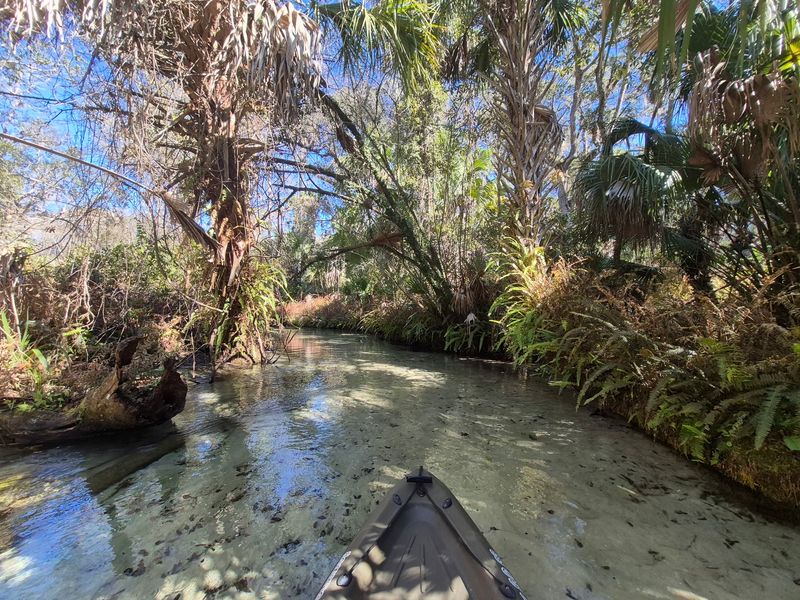
Paddling the Juniper Run ranks among Florida’s most adventurous kayaking experiences, and it’s definitely not designed for first-timers. The seven-mile journey twists through narrow channels barely wider than your boat, requiring constant maneuvering around tight bends, low-hanging branches, and occasional downed trees. Experienced paddlers absolutely love this challenge, but beginners often find themselves struggling with the technical demands and physical endurance required.
The run features two rapid sections that add excitement to the journey. These aren’t whitewater rapids like you’d find out west, but they’re fast-flowing areas that can catch you off guard if you’re not paying attention. Shorter kayaks under eight feet handle the tight turns much better than longer boats or canoes, which can get wedged in narrow spots.
Wildlife sightings happen frequently if you paddle quietly. Alligators sun themselves on banks, turtles plop into the water as you approach, and countless bird species call from the dense forest canopy overhead. The entire experience feels like paddling through a prehistoric jungle, with vegetation so thick it blocks out much of the sky.
When you finish, a shuttle service brings you back to the parking area, though you need to complete your run by 5 PM to catch that ride back.
4. Camping Among Ancient Forest and Wildlife
The campground at Juniper Springs offers a genuine back-to-nature experience that’s become harder to find in modern Florida. Most sites are pull-through spots that face outward, giving campers a sense of privacy and connection to the surrounding forest. Each site comes equipped with a picnic table, fire ring, and a bear box for storing food and scented items safely away from wildlife that roams through the area at night.
Those bear boxes aren’t just for show. Black bears actively patrol this area, and rangers take food storage seriously to protect both campers and bears. String lights work better than campfires during hot months when sitting beside flames becomes unbearable.
The campground provides a genuine wilderness feel while still offering basic amenities like bathhouses with hot showers, though conditions can vary and some visitors report cleanliness issues depending on when maintenance last occurred.
Quiet hours get enforced consistently, which campers appreciate when trying to sleep under the stars. However, some reviewers mention that not all campers respect the natural setting, with occasional complaints about loud music and bright lights disrupting the peaceful atmosphere. Sites near the bathrooms and spring offer convenient access but might see more foot traffic.
Bring your own firewood, plenty of bug spray for ticks and mosquitoes, and garbage bags since you’ll need to pack out your trash.
5. The Partially Closed Jungle Boardwalk
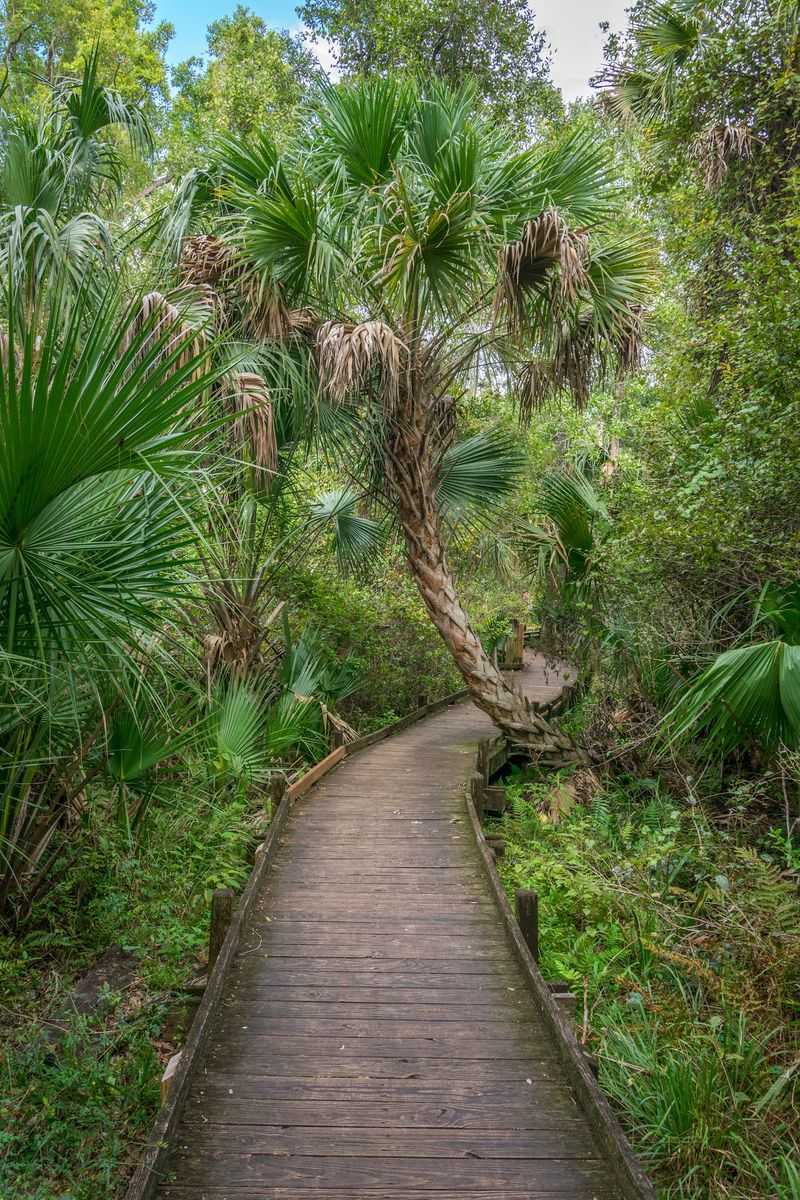
Once upon a time, an extensive boardwalk system wound through the jungle surrounding Juniper Springs, offering visitors an elevated pathway to observe boils, fish, and the spring run from unique vantage points. Unfortunately, sections of this boardwalk have fallen into disrepair and remain closed to the public, which frustrates many visitors who remember when the entire trail was accessible. The main bridge that once provided views of a spectacular underwater boil has been blocked off for safety reasons.
What’s still open provides a taste of what the full experience used to offer. You can walk portions of the boardwalk and peer down into incredibly clear water, spotting fish swimming below and observing how the spring creates multiple channels as it flows toward the St. Johns River system. The accessible sections take you through dense vegetation where palms, ferns, and cypress trees create a canopy overhead.
Some adventurous visitors admit to ducking around barriers to see the closed sections, though this obviously isn’t officially recommended. They report finding beautiful areas of the creek and lush greenery that make for stunning photos, though ticks are common in these wooded areas. The boardwalk situation represents one of the main disappointments visitors express about Juniper Springs, with many feeling the admission price doesn’t match the current state of the facilities and limited trail access available.
6. Abundant Wildlife Including Alligators and Otters
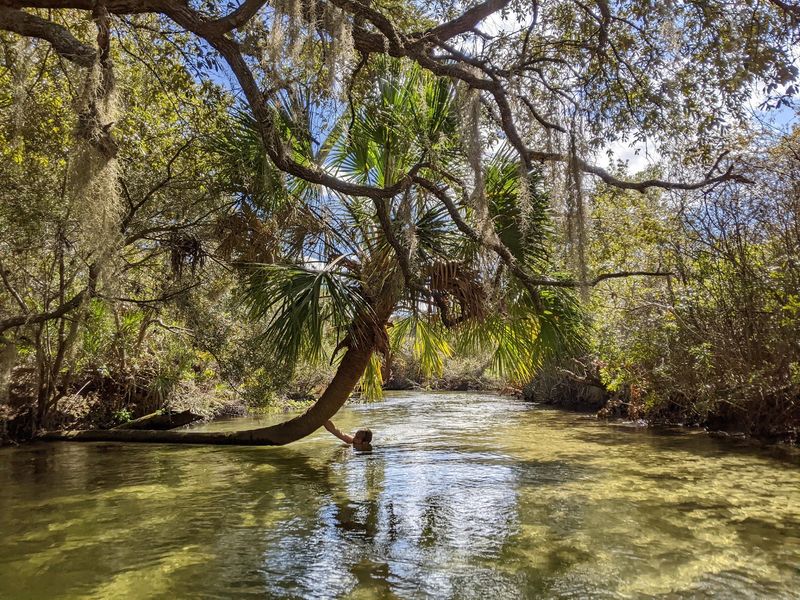
The waters and forests surrounding Juniper Springs teem with Florida wildlife that shows itself regularly to observant visitors. Alligators are permanent residents here, often spotted sunning on banks or gliding through the water with just their eyes and nostrils visible above the surface. While gator encounters make for exciting stories, actual attacks are extremely rare, despite one reviewer’s humorous claim of being simultaneously attacked by both an alligator and a rabid otter.
River otters actually do live in this area and occasionally make appearances, though they’re typically shy and playful rather than aggressive. These sleek mammals hunt for fish in the crystal-clear water and can sometimes be observed from the boardwalk or while kayaking if you’re quiet and lucky. Turtles are everywhere, plopping off logs and rocks as you approach, then popping their heads back up once you’ve passed to watch you with curious eyes.
Fish fill the spring and run in impressive numbers. Swimmers with masks and snorkels report seeing schools of small fish, bass hiding in vegetation, and various sunfish species darting around. Birdwatchers can spot herons, egrets, anhingas, and numerous songbird species in the forest canopy.
The key to wildlife viewing is moving slowly and quietly, whether you’re paddling, swimming, or walking the trails, as loud groups tend to scare creatures into hiding before you get a good look.
7. Facilities and Amenities That Need Attention
Juniper Springs operates under the U.S. Forest Service, and many recent visitors feel the facility hasn’t kept pace with its admission fees, which currently run about $14-15 per person. The bathhouses lack climate control, making them uncomfortably hot during summer months, and the push-button showers require constant pressing to keep water flowing.
Cleanliness standards seem inconsistent, with some visitors finding spotless facilities while others encounter dirty bathrooms with no soap at the sinks.
The concession stand does provide basic necessities like sunscreen, snacks, and drinks if you’ve forgotten anything important. Staff members generally receive praise for being friendly and helpful, offering advice about other nearby springs and attractions worth visiting. Free Wi-Fi is available, though cell service in the forest can be spotty depending on your carrier.
Parking is free, and the facility is designed to be accessible for visitors with mobility challenges.
What bothers many guests is seeing admission fees increase while maintenance issues go unaddressed. The closed boardwalk sections, lack of dump station availability on busy weekends, and general sense that facilities are aging without proper renovation create frustration. Some visitors compare Juniper Springs unfavorably to nearby state parks where lower per-car fees provide access to better-maintained facilities.
The natural beauty remains stunning, but the infrastructure supporting visitors could definitely use investment and improvement to match what people pay to enter.
8. Planning Your Visit for the Best Experience
Timing your visit to Juniper Springs makes a huge difference in the experience you’ll have. Weekdays during off-peak seasons offer the best opportunity to enjoy the spring without crowds, giving you plenty of room to swim and easier access to the water. Early morning arrivals are ideal since swimming ends at 5 PM and kayakers must complete their run by that time to catch the shuttle back.
Summer weekends and holidays can get extremely crowded, with some visitors reporting they couldn’t even access the water due to the number of people packed into the relatively small swimming area.
Bring cash or check your payment options ahead of time, and note that the America the Beautiful Military Pass is no longer accepted, though senior and regular national park passes still work. Pack your own firewood if camping, as supplies can be limited. Bug spray is absolutely essential, with ticks being particularly problematic in wooded areas and around campsites.
Don’t forget your snorkel gear, water shoes, and reef-safe sunscreen.
For kayakers, consider your skill level honestly before attempting the seven-mile run. It’s genuinely challenging with tight turns, low branches, and areas requiring good boat control. If you’re using one vehicle, make sure you understand the shuttle schedule to avoid missing your ride back.
Call ahead at 352-625-3147 to check current conditions, trail closures, and any special restrictions that might affect your visit.