The Sunshine Tax Is Real in These 10 Florida Cities
Living in Florida sounds like a dream until you check the price tags in certain cities. The sunshine tax refers to the premium residents pay for living in desirable warm-weather locations with beaches, palm trees, and year-round outdoor fun. While Florida has no state income tax, some cities make up for it with sky-high housing costs, expensive restaurants, and premium prices on just about everything.
Here are ten Florida cities where the sunshine tax hits hardest.
1. Coral Gables
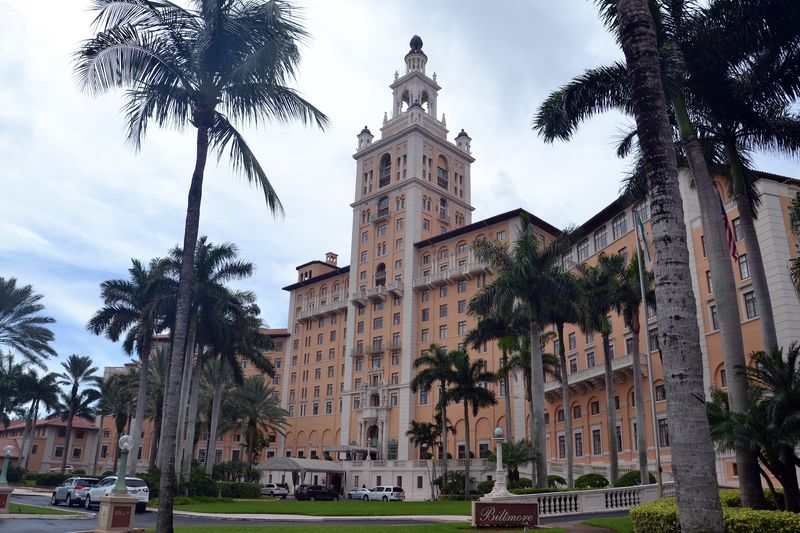
Coral Gables earned its nickname “The City Beautiful” for good reason, but beauty comes at a price here. This Miami suburb drips with old-world Mediterranean charm, from its coral-colored buildings to its strict architectural codes that keep everything picture-perfect. The average home price hovers well above a million dollars, making it one of South Florida’s priciest zip codes.
Walking down Miracle Mile, you’ll pass boutiques and restaurants where a simple lunch can set you back fifty bucks. Property taxes here fund excellent schools and immaculate parks, but they also add thousands to annual housing costs. Homeowners associations enforce strict rules about lawn care, exterior paint colors, and even what kind of mailbox you can install.
The Biltmore Hotel stands as a landmark of the city’s commitment to luxury living. Golf courses, country clubs, and yacht clubs dot the landscape, catering to residents who expect premium amenities. Grocery shopping at the local markets costs noticeably more than neighboring areas.
Despite the hefty price tag, people keep moving here for the tree-canopy streets, top-rated schools, and proximity to downtown Miami. The sunshine tax in Coral Gables isn’t just about weather. You’re paying for prestige, history, and a community that takes pride in maintaining its exclusive character.
2. Naples
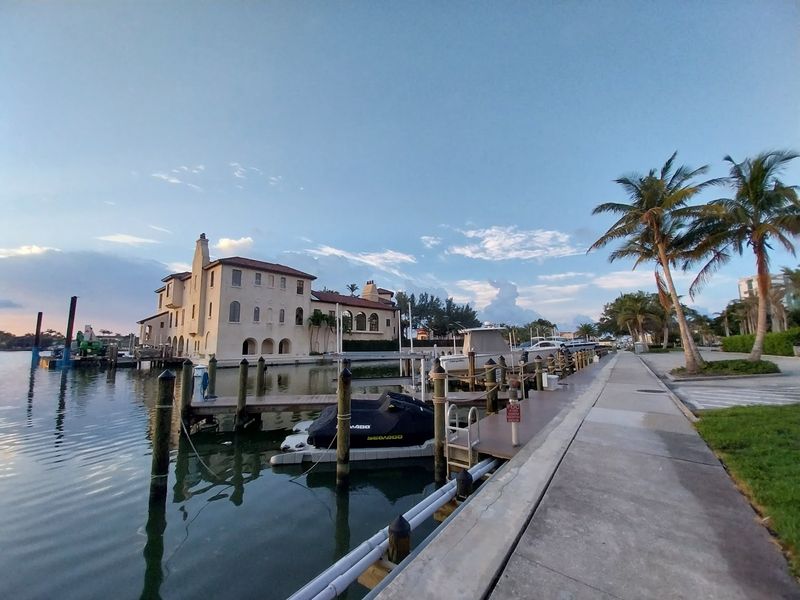
Naples sits on Florida’s Gulf Coast like a retirement paradise wrapped in designer labels. White-sand beaches stretch for miles, but accessing them often requires living in gated communities with six-figure membership fees. The median home price regularly breaks seven figures, and that’s just the starting point for waterfront properties.
Fifth Avenue South showcases high-end boutiques where casual browsing can lead to serious sticker shock. Dining out means choosing between chain restaurants or white-tablecloth establishments where entrees start around forty dollars. The city attracts wealthy retirees and seasonal residents who drive up demand for everything from housing to hair salons.
Golf courses dominate the landscape, with some communities requiring memberships costing hundreds of thousands just for the privilege of joining. Property insurance rates in this hurricane-prone area add another layer of expense that catches newcomers off guard. Even renting a modest apartment means paying premium prices for the Naples address.
The downtown area buzzes with art galleries, wine bars, and specialty shops that cater to affluent tastes. Grocery bills run higher than most Florida cities, partly because many stores stock gourmet and organic options for their discerning clientele. Parking downtown costs money, beach parking costs money, and even some public parks charge entrance fees.
Still, people gladly pay the sunshine tax for Naples’ combination of natural beauty and sophisticated lifestyle.
3. Key West
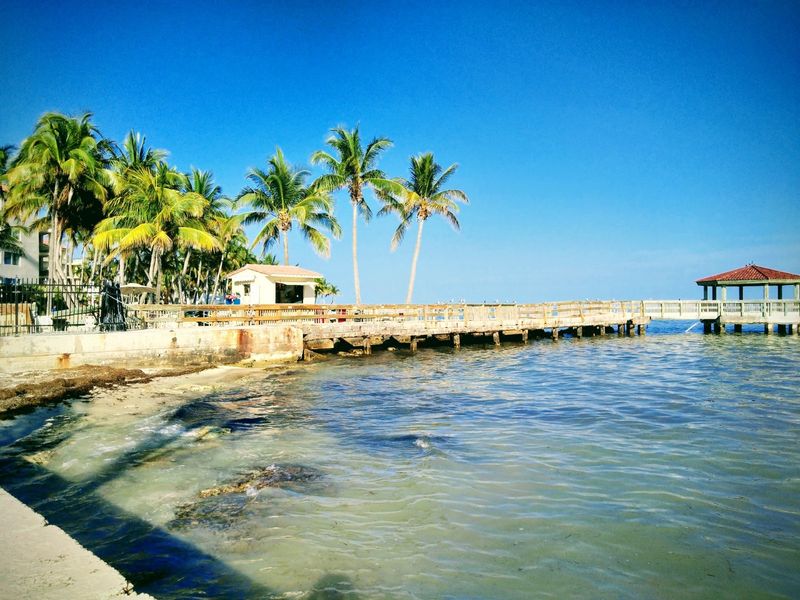
Being the southernmost point in the continental United States comes with a hefty price in Key West. Island living always costs more, but this tiny speck of land takes it to another level. Housing prices skyrocket because there’s literally nowhere to expand, and every square foot of property gets fought over like treasure.
A studio apartment that would rent for eight hundred bucks in mainland Florida easily commands two thousand here. Buying a home means competing with wealthy second-home buyers and investors who snap up properties as vacation rentals. The quirky conch houses with their pastel colors and gingerbread trim charm visitors, but locals struggle to afford them.
Everything arrives by truck over a single highway spanning 113 miles of bridges, which means groceries, gas, and goods all cost significantly more. A gallon of milk might run you six dollars, and filling up your gas tank feels like a luxury purchase. Restaurants charge tourist prices year-round because tourists make up most of their customer base.
Hurricane insurance alone can cost as much as a mortgage payment in other states. Many service workers commute from cheaper keys up the chain because they simply can’t afford to live where they work. Air conditioning runs constantly in the tropical heat, sending electric bills through the roof.
Yet people accept these costs for the laid-back island vibe, spectacular sunsets, and the ability to say they live in paradise.
4. Parkland
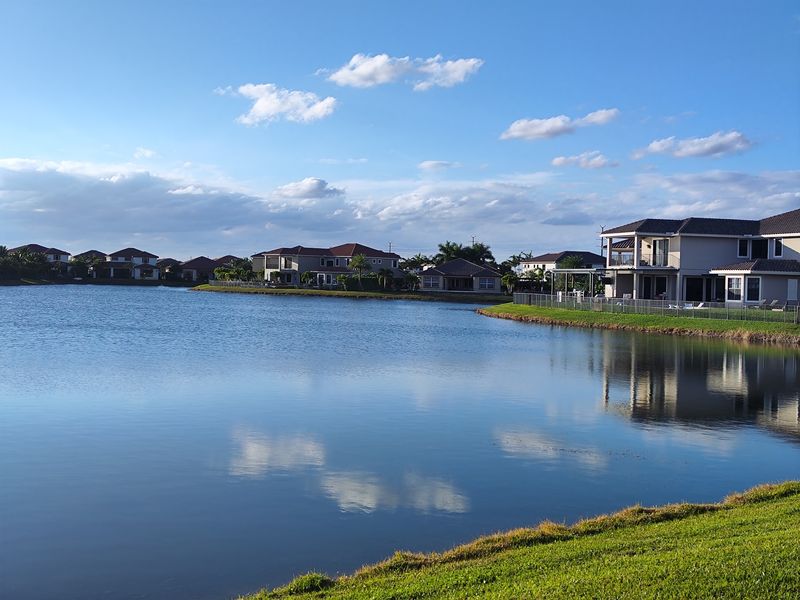
Parkland markets itself as a city where nature and luxury meet, but your wallet might disagree with the luxury part. This master-planned community in Broward County consistently ranks among Florida’s most expensive places to call home. Sprawling single-family houses sit on oversized lots, many with private pools and three-car garages that push prices well into seven figures.
The city’s reputation for top-tier schools drives much of the demand and the corresponding price premium. Families relocate here specifically for the highly-rated public schools, creating fierce competition for available homes. Homeowners association fees fund the extensive parks, nature trails, and recreation facilities that make Parkland feel like a private resort.
Equestrian estates dot the landscape, where horse owners maintain private stables and riding areas. Even homes without horses carry price tags that reflect the exclusive zip code. Property taxes fund excellent municipal services, but they also add thousands to the annual cost of homeownership.
Shopping and dining options lean upscale, with chain stores and restaurants catering to affluent suburban tastes. The nearest beach sits about twenty miles east, yet people pay Parkland prices for the family-friendly atmosphere and A-rated schools. Traffic remains relatively light compared to surrounding areas, another perk that commands a premium.
Young professionals and growing families accept the sunshine tax here as an investment in their children’s education and a safe, quiet lifestyle away from urban congestion.
5. Lighthouse Point
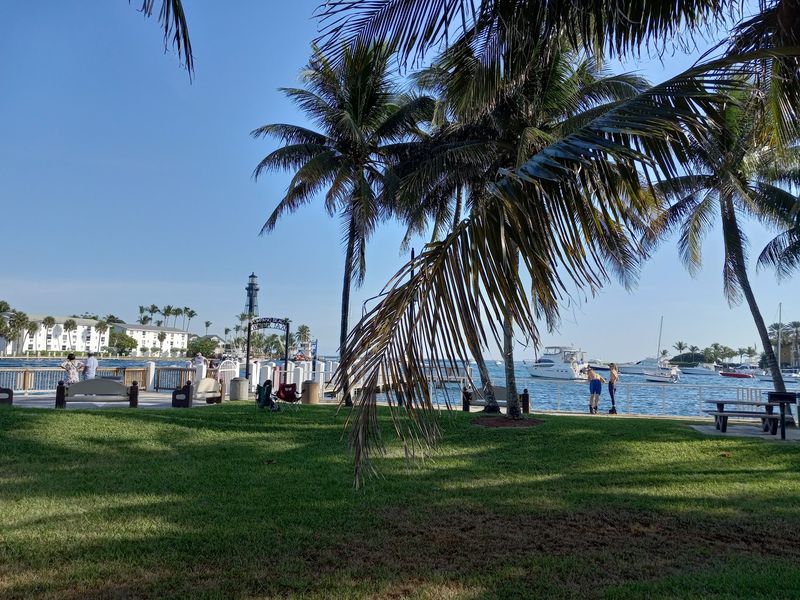
Tucked between Fort Lauderdale and Boca Raton, Lighthouse Point packs serious wealth into just three square miles. This tiny city wraps around waterways, giving many homes direct access to the Intracoastal or canals leading to the ocean. Boat docks often cost as much as cars, and the boats themselves represent serious investments for residents who embrace the waterfront lifestyle.
Real estate here trades at premium prices because inventory stays perpetually tight. When homes hit the market, they don’t last long, especially properties with deep-water access for large yachts. The city maintains a small-town feel despite sitting in the middle of heavily developed South Florida, which only increases its appeal to buyers seeking exclusivity.
Residents enjoy low crime rates, excellent schools, and meticulously maintained public spaces that justify the high property taxes. The local yacht club serves as a social hub where membership comes with considerable annual fees. Waterfront dining options charge accordingly, knowing their clientele can afford it.
Hurricane preparedness means expensive insurance premiums and the need for impact-resistant windows and doors. Many homes feature high-end finishes, chef’s kitchens, and outdoor living spaces that rival indoor square footage. Even modest homes by local standards sell for prices that would buy mansions in other Florida cities.
The proximity to Fort Lauderdale’s beaches, airports, and cultural amenities adds value, but you’re really paying for the address and the waterfront access that defines this exclusive enclave.
6. Marco Island
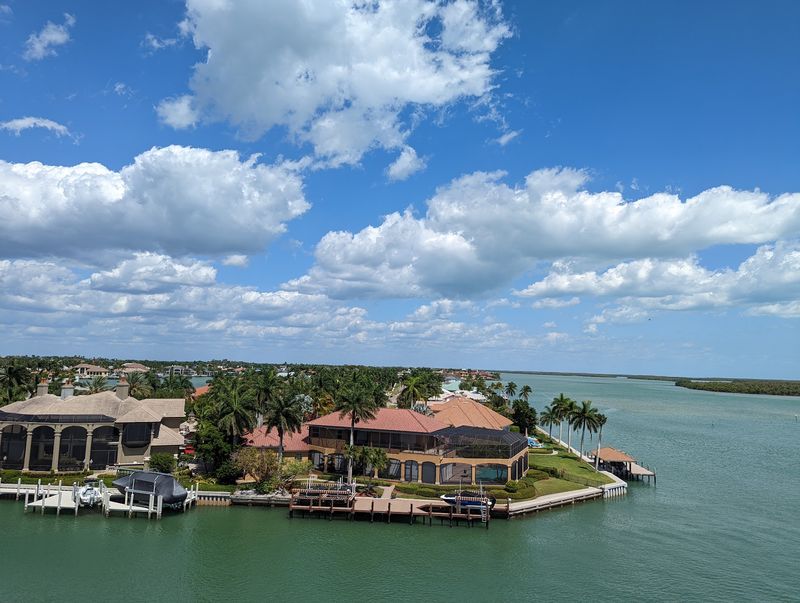
Marco Island represents the largest of Florida’s Ten Thousand Islands, and it wears its status proudly with price tags to match. Beachfront condos tower over the Gulf of Mexico, with penthouses selling for millions and even mid-level units commanding eye-watering prices. The island’s limited geography means developers can’t just keep building outward, so prices keep climbing upward instead.
Snowbirds and retirees flock here for the slower pace and spectacular beaches, creating seasonal demand that keeps prices elevated year-round. Restaurants know they’re serving a captive audience, so menu prices reflect island economics. A casual seafood dinner easily runs sixty dollars per person before drinks.
Property insurance costs have skyrocketed in recent years due to hurricane risk and rising construction costs. Many older condos face special assessments for building repairs that can hit owners with bills totaling tens of thousands of dollars. Homeowners association fees in high-rise buildings often exceed a thousand dollars monthly, covering everything from beach maintenance to lobby renovations.
Boating culture dominates island life, with marina slips renting for hundreds per month. Golf courses, tennis clubs, and beach clubs all require memberships or daily fees that add up quickly. Even grocery shopping costs more because everything arrives via bridge from the mainland.
Traffic crawls during peak season when the population swells with winter visitors. Despite these challenges, people willingly pay the sunshine tax for Marco Island’s combination of Gulf beaches, fishing opportunities, and island tranquility.
7. Boca Raton
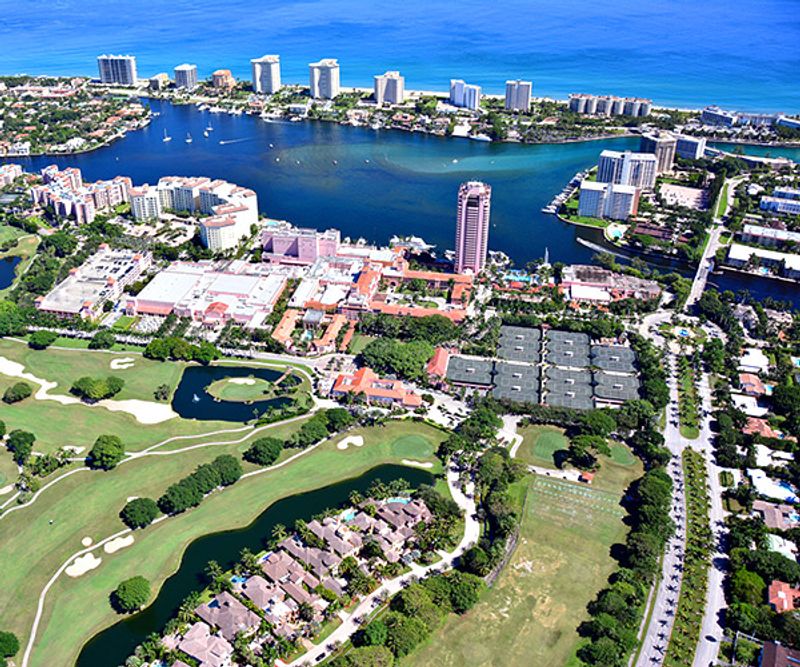
Boca Raton built its reputation on luxury, and that reputation comes with a price tag that never goes on sale. From the iconic pink Boca Raton Resort to the high-rise condos lining the Intracoastal, everything here screams upscale. The median home price regularly exceeds six hundred thousand dollars, and waterfront properties easily triple that figure.
Mizner Park serves as the city’s upscale outdoor shopping and dining destination, where valet parking costs more than meals in some Florida cities. Designer boutiques line the streets, and even chain stores somehow feel fancier here. The beaches remain free to access, but parking fees and the cost of nearby food and drinks quickly add up.
Country clubs dot the landscape, with initiation fees reaching six figures at the most prestigious clubs. Golf courses, tennis facilities, and private beach clubs cater to residents who expect nothing but the best. Property taxes fund excellent schools and well-maintained infrastructure, but they also represent a significant annual expense.
The city attracts a mix of retirees, young professionals, and families willing to pay premium prices for the Boca lifestyle. Traffic congestion during season tests everyone’s patience as snowbirds and tourists flood the area. Insurance costs have climbed steadily, adding another burden to homeowners already paying top dollar for their slice of paradise.
Fine dining options abound, with celebrity chef restaurants and steakhouses where a night out easily tops two hundred dollars for a couple. Yet people keep coming, accepting the sunshine tax as the price of admission to one of South Florida’s most prestigious addresses.
8. Palm Beach Gardens
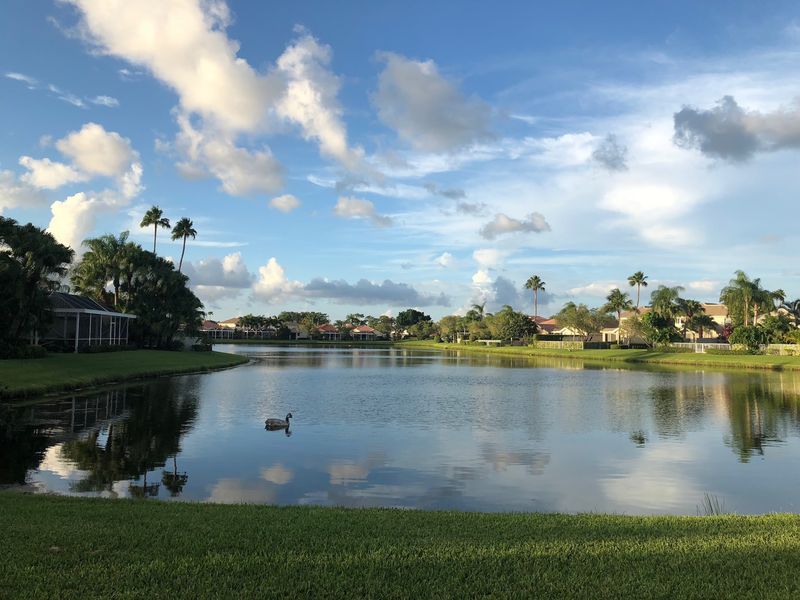
Palm Beach Gardens grew from planned development into one of South Florida’s priciest suburbs, where golf courses outnumber grocery stores. The city’s master-planned communities feature gates, guards, and golf memberships that together create an exclusive atmosphere. Housing prices reflect this exclusivity, with even townhomes often starting above four hundred thousand dollars.
The Gardens Mall anchors the local shopping scene with high-end retailers like Nordstrom and Tiffany. Downtown at the Gardens offers upscale dining and entertainment, where parking validation feels like winning a small lottery. Professional sports training facilities, including spring training for two Major League Baseball teams, add to the city’s prestige and property values.
Homeowners association fees in golf communities can exceed five hundred dollars monthly, covering course maintenance, clubhouse operations, and community amenities. Many neighborhoods require golf memberships as a condition of purchase, adding tens of thousands in initiation fees plus monthly dues. Tennis clubs, fitness centers, and resort-style pools come standard in premium communities.
The city’s location between West Palm Beach and Jupiter provides easy access to beaches, but most residents spend their time within the gated confines of their communities. Traffic on major roads like PGA Boulevard moves slowly during rush hour as commuters navigate between home and work.
Families pay the premium for highly-rated schools and safe neighborhoods where kids can bike freely within their communities. Retirees appreciate the abundance of golf and the proximity to world-class medical facilities. Everyone accepts that living in Palm Beach Gardens means paying more for the privilege.
9. Weston
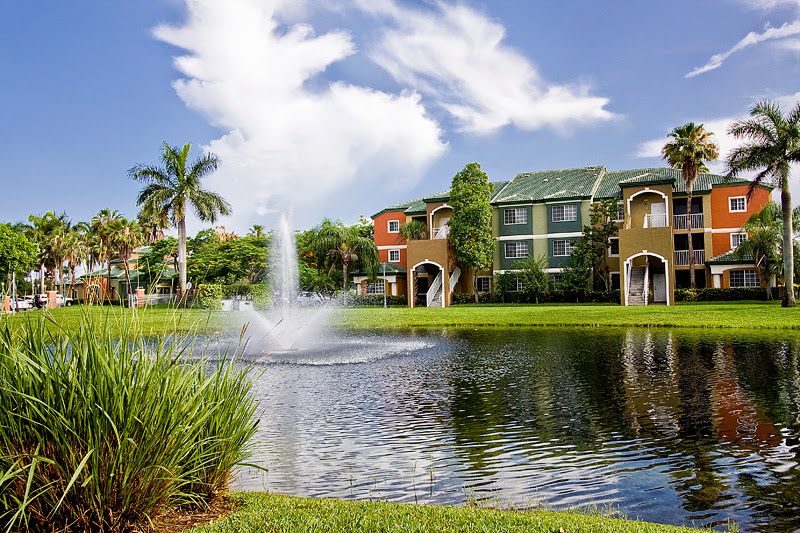
Weston represents South Florida’s version of suburban perfection, and perfection doesn’t come cheap. This master-planned community in western Broward County features homes arranged around golf courses, lakes, and nature preserves. The average home price hovers around six hundred thousand dollars, with lakefront properties commanding significantly more.
Families move here specifically for the schools, which consistently rank among Florida’s best. The competition for homes intensifies each summer as parents try to secure addresses in top school zones before the academic year starts. Homeowners association fees cover everything from landscaping to security patrols, but they also add hundreds to monthly housing costs.
The Bonaventure Town Center provides upscale shopping and dining without leaving city limits. Chain restaurants here feel slightly fancier than their locations elsewhere, with prices adjusted to match the local demographics. Residents rarely need to venture outside Weston for daily needs, creating a self-contained bubble of suburban affluence.
Multiple golf courses require memberships costing thousands annually, plus greens fees and cart rentals that add up quickly for frequent players. Youth sports programs, summer camps, and private lessons keep kids busy but also keep parents’ wallets empty. The city’s parks and recreation facilities rival those of much larger municipalities.
Traffic heading east toward Fort Lauderdale crawls during rush hour as residents commute to jobs near the coast. Despite the distance from beaches, people pay Weston prices for the family-friendly environment, excellent schools, and the sense of living in a carefully planned community where everything works smoothly.
10. Miami
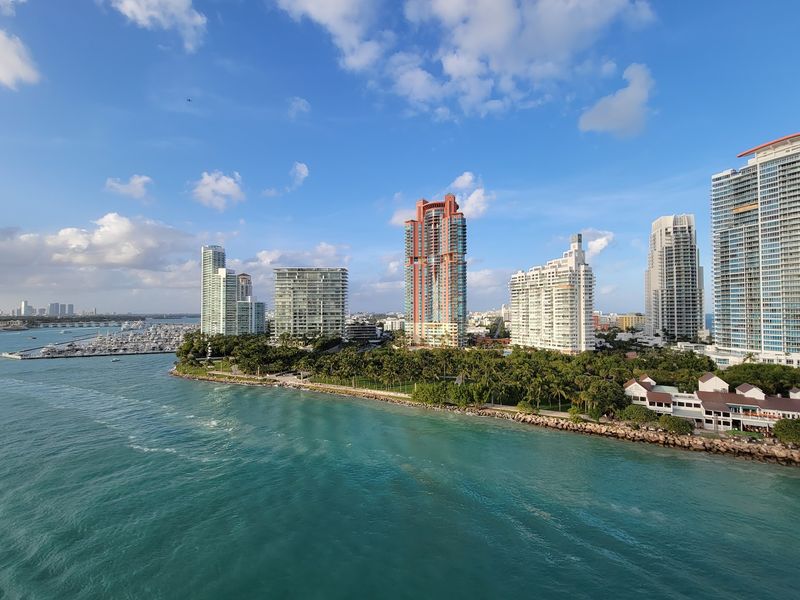
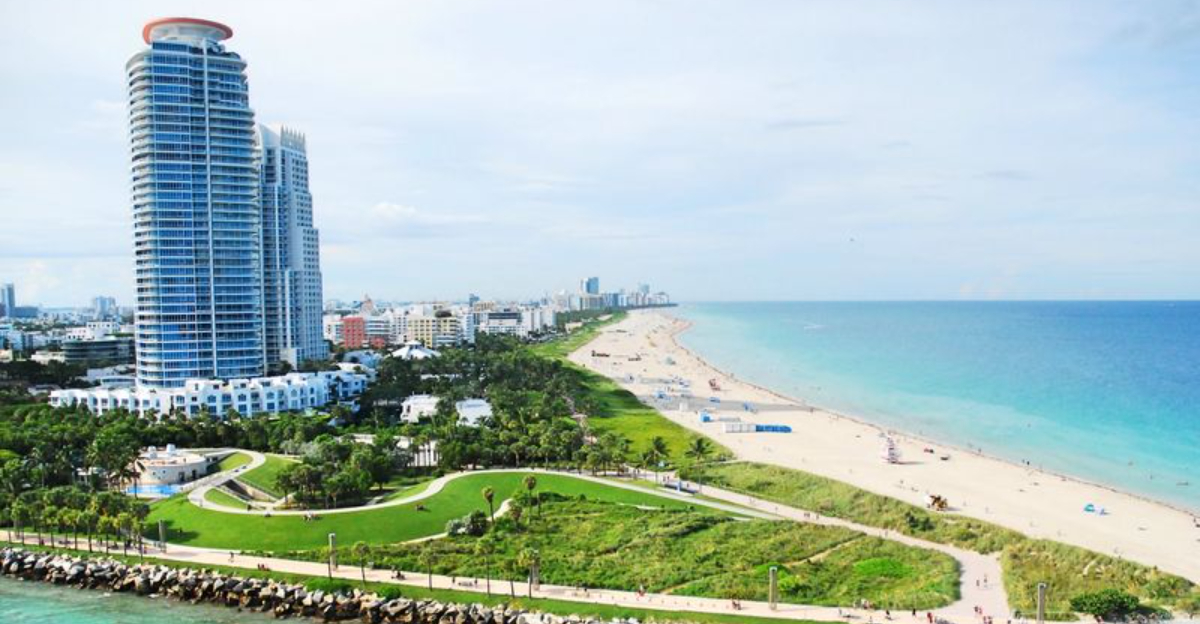
Miami stands apart as Florida’s most internationally recognized city, and global attention brings global prices. From the glittering towers of Brickell to the art deco charm of South Beach, real estate here attracts buyers from around the world who treat properties like investment vehicles. Condos in new developments often sell out before construction finishes, with many units bought sight-unseen by foreign investors.
Rent prices have exploded in recent years, with studios in desirable neighborhoods easily commanding two thousand dollars monthly. Buying a home means competing against cash offers from wealthy buyers who don’t blink at asking prices. Waterfront properties in exclusive neighborhoods like Coconut Grove or Key Biscayne sell for tens of millions.
The city’s international flavor means world-class dining, but restaurant bills reflect New York or Los Angeles pricing rather than typical Florida costs. Valet parking downtown costs twenty dollars or more, and finding free parking feels like discovering buried treasure. Traffic congestion tests patience daily as the city’s infrastructure struggles to keep pace with population growth.
Hurricane insurance premiums have soared, with some carriers pulling out of the Florida market entirely. Flood insurance adds another layer of expense for properties near water. Property taxes in Miami-Dade County fund extensive services but also represent a significant annual cost.
Despite these challenges, people pour into Miami for the vibrant culture, year-round warmth, and career opportunities. The sunshine tax here isn’t just about weather. You’re paying for the energy, diversity, and international flair that make Miami unlike anywhere else in Florida.